
Fun Winter Activities for Speech Therapy Success
Discover engaging winter activities for speech therapy! From sensory bins to seasonal books, learn how to boost your child's language skills at home this
 Von Speech Blubs Team•Apr 27, 2026•15 Min.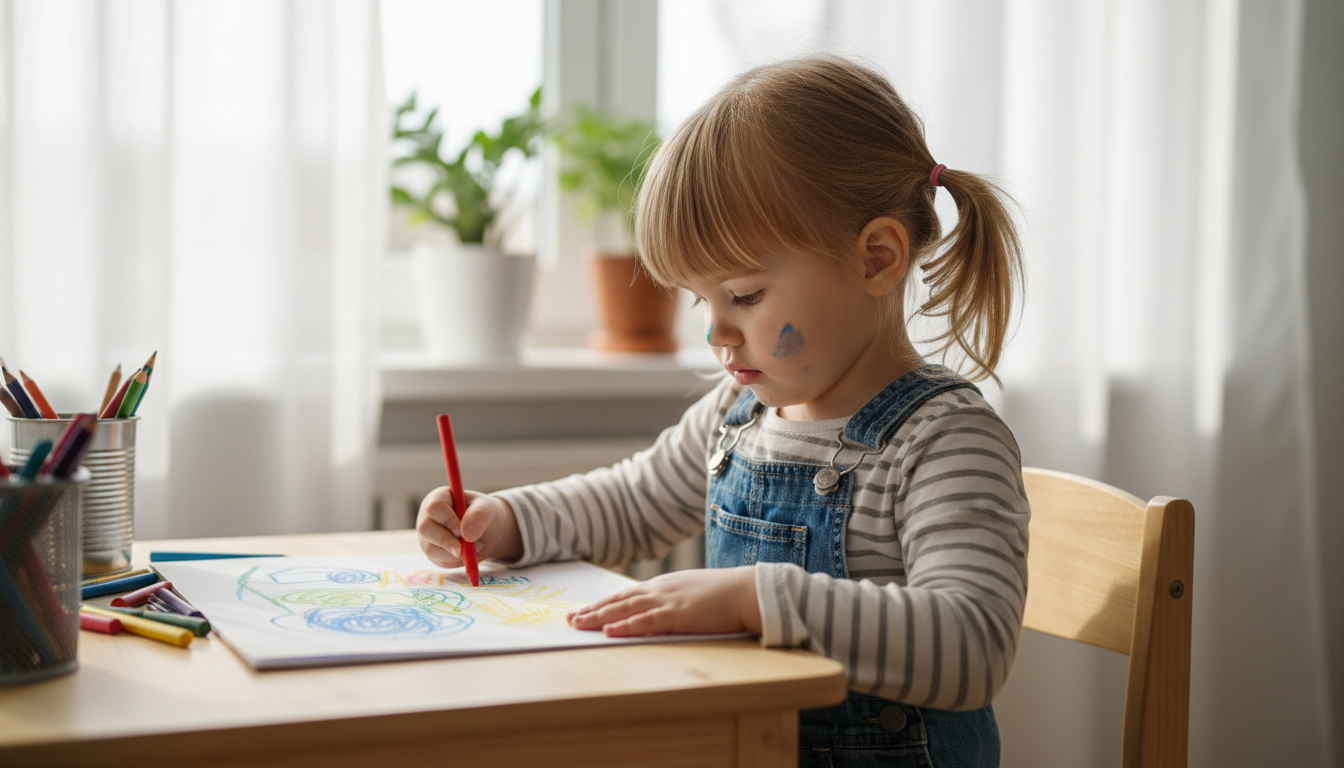
Table of Contents
- Introduction
- The Science of Seasonal Learning
- Literacy-Based Winter Activities for Speech Therapy
- Sensory Bins: Bringing the Snow Indoors
- Outdoor Winter Activities for Expressive Language
- Creative Winter Crafts for Following Directions
- Integrating "Smart Screen Time" with Speech Blubs
- Targeted Speech Sound Practice: Winter Edition
- The Value of Consistency: Choosing the Right Plan
- Indoor Games for Mixed Speech Groups
- Practical Scenarios: Connecting Play to Speech Blubs
- Creating Joyful Family Learning Moments
- Summary of Key Takeaways
- Frequently Asked Questions
Introduction
Does the drop in temperature mean a drop in your child’s communication practice? Many parents worry that when the "winter blues" set in and outdoor play becomes limited, language development might take a backseat to indoor movies and passive screen time. However, what if we told you that winter is actually one of the most language-rich seasons of the year? From the crunch of snow under boots to the cozy ritual of making hot chocolate, winter provides a unique sensory landscape that is perfect for fostering new words, sounds, and social connections.
At Speech Blubs, we believe that every season is an opportunity for children to "speak their minds and hearts." Our mission is to transform everyday moments into joyful learning experiences, especially for the 1 in 4 children who may need extra support to reach their communication milestones. Whether your child is a "late talker," struggling with specific articulation sounds, or simply needs a boost in their vocabulary, the winter months offer a treasure trove of therapeutic potential.

In this comprehensive guide, we will explore a wide array of winter activities for speech therapy that you can do right in the comfort of your home. We will cover everything from literacy-based therapy with seasonal books to sensory bins, indoor games, and how to use "smart screen time" to supplement your child's progress. By the end of this article, you will have a full toolkit of strategies to keep your child engaged, confident, and communicating all winter long. Our goal is to show you that with a little creativity and the right tools, winter can be the most productive season yet for your child's speech journey.
The Science of Seasonal Learning
Why do we place such a high emphasis on seasonal themes? In the world of child development, context is everything. When a child learns the word "cold" while holding an ice cube, the neural connection is significantly stronger than if they simply saw a picture of ice in a book. Winter offers distinct sensory inputs—the feeling of a fuzzy scarf, the smell of peppermint, the bright white of a snowy field—that help "anchor" new vocabulary in a child's mind.
At Speech Blubs, our methodology is rooted in the science of play and imitation. We utilize video modeling, where children watch their peers perform speech exercises. This triggers "mirror neurons" in the brain, making the child more likely to mimic the sounds and movements they see. Seasonal activities work similarly; they provide a real-world stage for children to practice the skills they see in the app. When we combine scientific principles with the natural curiosity children have about the changing world, we create a powerful environment for growth.
Literacy-Based Winter Activities for Speech Therapy
Books are a cornerstone of speech therapy because they allow us to target multiple goals at once: vocabulary, sequencing, comprehension, and narrative skills. Here are some of our favorite winter titles and how to use them effectively.
For Toddlers and Preschoolers (Pre-K to 1st Grade)
- "The Snowy Day" by Ezra Jack Keats: This classic is perfect for targeting "Wh-" questions. As Peter explores the snow, you can ask, "Where is Peter going?" or "What did he put in his pocket?" It’s also excellent for sequencing—first he walked with his toes pointing out, then he made a snowman.
- "The Jacket I Wear in the Snow" by Shirley Neitzel: This is a fantastic book for building winter clothing vocabulary. The repetitive structure ("This is the zipper that’s stuck on the jacket...") helps children predict the next word, which is a key foundational skill for early talkers.
- "Sneezy the Snowman" by Maureen Wright: If your child is working on the /s/ sound or "s-blends," this book is a goldmine. Words like "Sneezy," "snowman," and "sun" appear frequently. You can also discuss cause and effect—what happens when Sneezy drinks hot cocoa? He melts!
For School-Aged Children (2nd to 5th Grade)
- "The Mitten" by Jan Brett: This book is a staple for story retell. Can your child remember the order in which the animals crawled into the mitten? This helps with working memory and narrative structure.
- "Lemonade in Winter" by Emily Jenkins: This story is great for older children to practice problem-solving and social pragmatics. Why didn't anyone want lemonade in the winter? What could the characters do differently?
- "Immi’s Gift" by Karin Littlewood: This beautiful story supports inferencing. You can ask your child, "How do you think Immi feels when she finds the gift?" or "Why is the environment different at the end of the story?"
For a parent whose 4-year-old struggles with following directions, reading "The Mitten" and having the child place toy animals into a white hat (the "mitten") as you read is a fun, motivating way to practice listening and prepositional phrases like "in," "under," and "next to."

Sensory Bins: Bringing the Snow Indoors
If it’s too cold to play outside, bring the sensory experience of winter to your kitchen table. Sensory bins are highly engaging for children with sensory processing needs or those who need a hands-on motivator to practice their speech sounds.
How to Create a Winter Sensory Bin
- The Base: Use "fake snow" (baking soda and hair conditioner), white pom-poms, cotton balls, or even plain white rice.
- The "Extras": Add small plastic arctic animals, blue glass beads (to represent ice), and small shovels or spoons.
- The Therapy Goal: Hide "articulation cards" or small objects that start with your child's target sound in the bin.
For example, if your child is working on the /p/ sound, hide a plastic penguin, a polar bear, and a small pail. As they find each item, encourage them to say the word three times. This turns "drill work" into a scavenger hunt.
If you are unsure where to start with your child’s specific needs, we recommend taking our quick 3-minute preliminary screener. It involves 9 simple questions and provides you with a personalized assessment and a free 7-day trial to get you started on the right path.
Outdoor Winter Activities for Expressive Language
Don't let the snow go to waste! If you can head outside for even fifteen minutes, you can hit several speech goals.
Sledding and "Core Words"
Core words are the high-frequency words that make up about 80% of what we say. Winter sports are perfect for practicing these.
- Go/Stop: Before pushing the sled, wait for your child to say "Go!"
- Up/Down: Talk about going "up" the hill and "down" the hill.
- Fast/Slow: Ask, "Do you want to go fast or slow?" This encourages choice-making and descriptive language.
The Winter Scavenger Hunt
Create a simple checklist of things to find: an icicle, a pinecone, a red bird, or a snowy footprint. This targets receptive language (following the list) and expressive language as they describe what they found. "I found a long, cold icicle!"
Creative Winter Crafts for Following Directions
Crafts are not just about the finished product; they are about the process. Use these winter-themed crafts to work on temporal concepts (first, then, last) and fine motor language.
The "Ugly Sweater" Speech Craft
Give your child a paper template of a sweater. Tell them, "First, color the sleeves green. Then, glue three buttons on the front." This helps children practice auditory processing and multi-step directions.
Cotton Ball Snowman
This is a classic for a reason. As your child glues cotton balls, use action words: "dab," "stick," "press," "roll." If they are working on body parts, you can talk about where the "eyes," "nose," and "hat" go.
For a parent whose child is a "late talker" and loves textures, the "Cotton Ball Snowman" activity provides a tactile way to practice the "s" sound in "snow" and "stick." You can model the sound as you work together, creating a joyful family learning moment without the pressure of a formal "lesson."
Integrating "Smart Screen Time" with Speech Blubs
We know that parents are often told to limit screen time, and for good reason—passive viewing of cartoons doesn't encourage interaction. However, Speech Blubs offers a "smart screen time" alternative. Our app is designed to be an interactive tool that parents and children use together.
Our unique approach uses video modeling. In our "Winter Wonderland" and "Animal Kingdom" sections, your child will see other children making sounds and saying words related to the season.
- Animal Kingdom: Perfect for practicing animal sounds like the "grrr" of a polar bear or the "honk" of a winter goose.
- Yummy Time: Use this section to practice words related to making hot cocoa or baking winter treats.
Our method is backed by science and has been rated highly on the MARS scale for educational quality. We aren't just another app; we are a tool created by founders who grew up with speech challenges themselves. They built the solution they wished they had as kids.
To see how other families have found success and reduced frustration in their homes, you can read our parent testimonials.
Targeted Speech Sound Practice: Winter Edition
Winter provides a great vocabulary for specific articulation targets. Here are some words you can focus on during your activities:
- /s/ and /s/ blends: Snow, sled, skate, snowflake, snowman, scarf, slide.
- /w/ sound: Winter, white, wind, wet, wool, walk.
- /l/ blends: Glove, blue, sled, flake.
- /r/ blends: Frost, freeze, crisp, track.
When practicing these sounds, remember to keep it low-pressure. If your child says "now" instead of "snow," simply model the correct version back to them: "Yes, look at all the s-s-snow!" This positive reinforcement builds confidence and a love for communication.
The Value of Consistency: Choosing the Right Plan
Speech development is a journey, not a sprint. While we don't promise overnight "cures," we do provide the tools for consistent, joyful progress. To get the most out of Speech Blubs, we offer two main subscription options:
- Monthly Plan: $14.99 per month. This is a great way to test the waters.
- Yearly Plan: $59.99 per year.
Why the Yearly Plan is the Best Value: The Yearly plan is our most popular choice for a reason. It breaks down to just $4.99 per month, which is a 66% savings compared to the monthly rate. But the value goes beyond just the price:
- 7-Day Free Trial: You can explore the full app with your child for a week before committing.
- Reading Blubs App: Yearly subscribers get full access to our companion app, Reading Blubs, which focuses on early literacy and phonics—the perfect next step after speech.
- Priority Support: Enjoy a 24-hour support response time and early access to all new updates and content releases.
The Monthly plan does not include the free trial or the Reading Blubs app, so we highly encourage families to sign up for the Yearly plan to ensure they have the most comprehensive toolkit available.
Indoor Games for Mixed Speech Groups
If you have multiple children at home, or you're an SLP looking for group ideas, these games are "open-ended," meaning they can be adapted for any goal.
Cotton Ball Snowball Toss
Set up plastic cups in a pyramid. Before a child gets to throw a "snowball" (cotton ball), they have to say their target word or answer a "Wh-" question. This keeps the energy high and provides hundreds of "trials" or repetitions without the child getting bored.
"Don't Break the Ice"
This classic board game is a winter therapy staple. Each time a child taps out a block of ice, they can practice a sound. For older kids, you can work on social skills like turn-taking, winning and losing gracefully, and using "I feel" statements.
Snowman Mystery Word
Like the game "Hangman," but you draw a snowman. One person thinks of a winter word (like "blizzard" or "icicle"), and the other person tries to guess the letters. This is excellent for phonological awareness and spelling.
Practical Scenarios: Connecting Play to Speech Blubs
Let’s look at how you can bridge the gap between physical play and digital learning:
- Scenario A: Your child is playing with the Cotton Ball Snow Bowling activity. They are working on the word "Go." After the activity, you open Speech Blubs to the "Early Sounds" section and watch the video of a peer saying "Go" or "Pop." This reinforces the sound they just practiced in a new context.
- Scenario B: You are reading "The Snowy Day." After finishing, you use the "Animal Kingdom" section in Speech Blubs to find the animals Peter might see in the woods. You can download Speech Blubs on the App Store or Google Play Store to have these videos ready at your fingertips.
Creating Joyful Family Learning Moments
The most important thing to remember this winter is that you are your child's best teacher. Therapy doesn't have to happen in a clinical setting with flashcards; it happens when you are laughing together during a "snowball fight" in the living room or snuggling up to read a story.
Speech Blubs is designed to be a powerful supplement to your child's overall development plan. If your child is already seeing a professional therapist, our app can serve as the "homework" that they actually look forward to doing. If you are just starting to notice a delay, we provide a structured, scientific, and joyful place to begin.
By focusing on winter activities for speech therapy, you are turning a season that can feel isolating into a season of connection. You are helping your child build the foundational skills they need to navigate the world with confidence.
Summary of Key Takeaways
- Winter is a Sensory Goldmine: Use the unique sights, sounds, and textures of the season to anchor new vocabulary.
- Literacy is Key: Use seasonal books to target sequencing, comprehension, and specific articulation sounds like /s/ and /w/.
- Play-Based Learning: Sensory bins and indoor games like "Snowball Toss" provide the repetitions needed for progress without the stress of "drills."
- Smart Screen Time: Use Speech Blubs as an interactive tool for video modeling, helping your child learn by watching their peers.
- Consistency Matters: The Yearly plan offers the best value, including a free trial and the Reading Blubs app, to support long-term growth.
Winter is the perfect time to slow down and focus on the beautiful process of watching your child find their voice. Whether it's through a craft, a book, or an interactive session on our app, every word is a win.
Ready to make this winter a season of growth? Create your account and begin your 7-day free trial today. Remember to choose the Yearly plan to unlock the full suite of features, including Reading Blubs and priority support, all for just $4.99 a month. Let’s help your child speak their mind and heart!
Frequently Asked Questions
1. Are these winter activities for speech therapy suitable for children with autism?
Absolutely. Many of the activities mentioned, especially sensory bins and video modeling within the Speech Blubs app, are highly effective for children on the autism spectrum. Sensory play provides necessary tactile input, while video modeling offers a predictable, low-pressure way to learn social and communication cues by watching peers.
2. How do I know if my child’s speech delay is "normal" or if I should seek help?
While every child develops at their own pace, there are general milestones for each age. If you are concerned, the best first step is to seek a professional evaluation. In the meantime, you can use our 3-minute preliminary screener to get a better understanding of where your child stands and receive a personalized next-steps plan.
3. How much time per day should we spend on these activities?
Consistency is more important than duration. Even 15 to 20 minutes of focused, interactive play or "smart screen time" per day can make a significant difference. The goal is to keep it fun and stress-free, so stop the activity if your child becomes overly frustrated or tired.
4. Can Speech Blubs replace traditional speech therapy?
Speech Blubs is a powerful tool designed to supplement a child's development. For children with significant delays or diagnosed disorders, it works best as a companion to professional therapy. It provides a way to practice skills at home in a fun, engaging way that mimics the "homework" often assigned by SLPs.
Über den Autor