
10 Fun and Easy Toddler Bird Craft Ideas to Boost Creativity and Speech
 By Speech Blubs Team•Feb 20, 2026•15 min.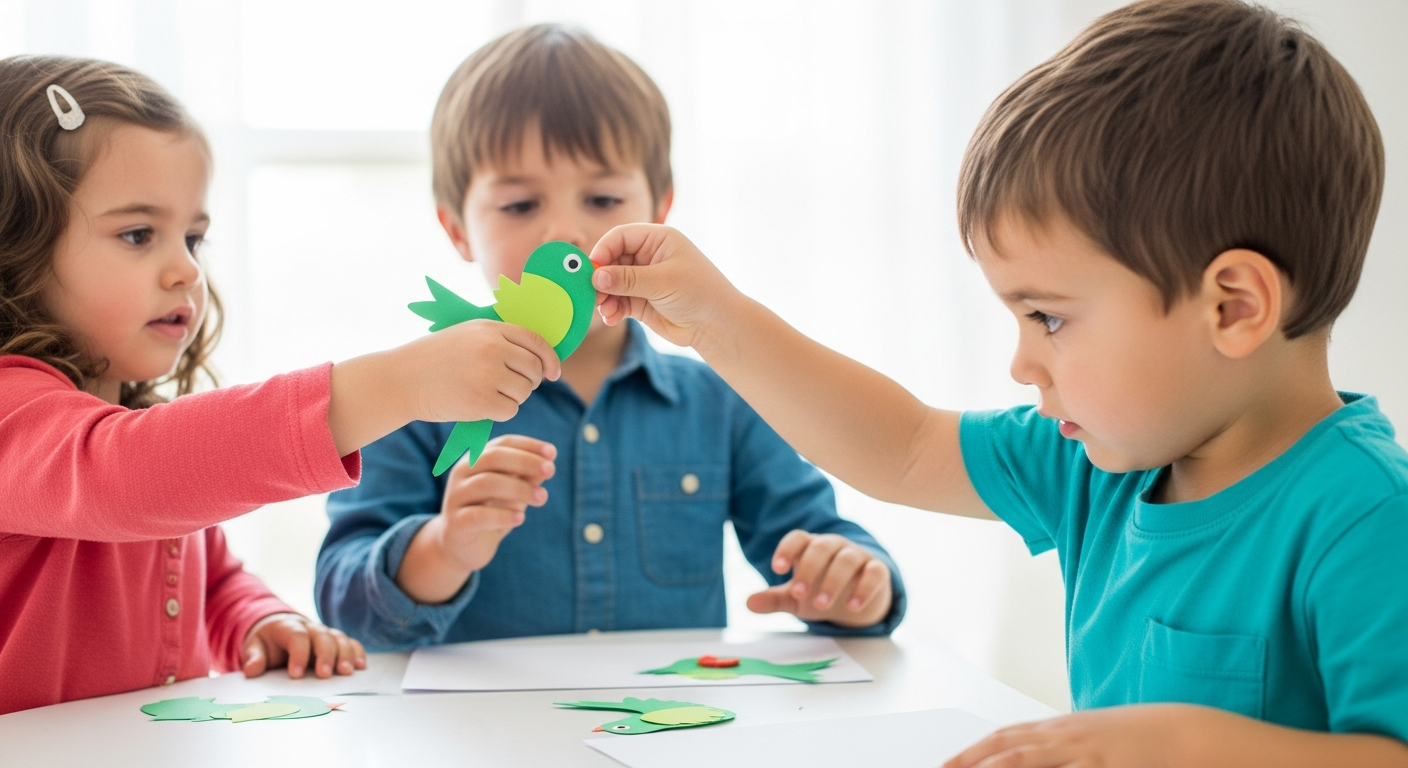
Table of Contents
- Introduction
- Why Bird Crafts are Perfect for Toddlers
- 1. The Classic Rocking Paper Plate Bird
- 2. Handprint Peacock Keepsake
- 3. Toilet Paper Roll Owl
- 4. Feather Sensory Collage
- 5. Cupcake Liner "Love Birds"
- 6. Pine Cone Owls: A Nature Craft
- 7. The "Smart Screen Time" Connection
- 8. Coffee Filter Peacock with Color Mixing
- 9. Paper Plate Birds in a Nest
- 10. Bird Mask for Pretend Play
- Choosing the Right Plan for Your Family
- Summary of Developmental Benefits
- Conclusion
- Frequently Asked Questions
Introduction
Did you know that the simple act of mimicking a bird’s "tweet-tweet" or "hoot-hoot" is actually a foundational building block for complex communication? For a toddler, the world is a vast laboratory of sounds and textures, and few things capture their imagination quite like the birds they see fluttering outside their window. Whether it’s a bright red cardinal in the garden or a curious pigeon at the park, birds represent freedom, movement, and song. By engaging in a toddler bird craft, you aren't just filling a rainy afternoon; you are providing your child with a multi-sensory experience that fosters fine motor skills, expands their vocabulary, and builds the confidence they need to find their own voice.
At Speech Blubs, our mission is to empower children to "speak their minds and hearts." We believe that learning should be joyful, and what could be more joyful than creating a colorful feathered friend alongside your little one? This blog post will explore a variety of engaging bird-themed crafts specifically designed for little hands. We will walk you through easy-to-follow instructions, highlight the developmental benefits of each activity, and show you how to pair these creative moments with our unique "smart screen time" tools to support your child’s speech journey. From paper plate robins to sensory feather collages, we’ve got everything you need to start a "flock" of fun in your living room.

Why Bird Crafts are Perfect for Toddlers
Toddlers are in a stage of rapid development where they learn best through play and imitation. Crafting allows them to touch, pull, stick, and color, which are all essential movements for developing hand strength and coordination.
Developing Fine Motor Skills
When your child picks up a small feather, squeezes a glue bottle, or tries to place a googly eye on a paper plate, they are practicing fine motor control. These tiny movements are the same ones they will eventually use to hold a pencil or button their own shirt. A toddler bird craft often involves "pincer grasp" movements—using the thumb and forefinger—which is a critical milestone in early childhood.
Building Vocabulary and Sound Imitation
As you craft, you have the perfect opportunity to narrate the process. Words like "sticky," "soft," "bright," and "beak" become part of their active vocabulary. Even more importantly, birds provide a natural bridge to speech therapy techniques. At Speech Blubs, we utilize video modeling where children watch their peers make sounds. You can replicate this at home! While gluing feathers, you can encourage your child to say "flap, flap, flap" or "chirp, chirp." This type of playful imitation reduces the pressure to "perform" and makes vocalizing feel like a natural part of the fun.
Sensory Exploration
Toddlers are sensory seekers. The contrast between a smooth paper plate, a fuzzy pipe cleaner, and a soft craft feather provides excellent tactile input. This sensory richness helps the brain make connections about the world around them. If you ever find yourself wondering if your child’s development is on the right track, you can always take our quick 3-minute preliminary screener to get a simple assessment and a free 7-day trial of our app.
1. The Classic Rocking Paper Plate Bird
This is one of our favorite crafts because it adds a functional, toy-like element to the finished product. The bird actually "rocks" back and forth, which toddlers find endlessly entertaining.

What You’ll Need:
- A white paper plate (or a circle cut from a cereal box)
- Washable paint or crayons
- Craft feathers
- One googly eye (or a marker to draw one)
- A small triangle of orange construction paper (the beak)
- Glue stick or school glue
Step-by-Step Instructions:
- Fold and Paint: Fold the paper plate in half to create a semi-circle. Let your toddler paint the outside of the plate. Don't worry about staying in the lines—bold, messy colors make for the most beautiful birds!
- Add the Face: Once the paint is dry, help your child glue the googly eye near the top of the fold and the orange triangle beak just below it.
- Feathered Friends: Let your child choose their favorite feathers and glue them to the "tail" end of the plate.
- Rock and Play: Stand the bird up on its curved edge. Give it a little nudge and watch it rock!
The Speech Connection: As the bird rocks, encourage your child to say "up" and "down." In the "Animal Kingdom" section of the Speech Blubs app, your child can see other kids making bird sounds, which serves as a powerful motivator to copy those sounds while playing with their new rocking friend. You can download Speech Blubs on the App Store to see this in action.
2. Handprint Peacock Keepsake
Peacocks are the "showstoppers" of the bird world. This craft is wonderful because it uses your child’s own handprint as the peacock’s vibrant tail feathers.
What You’ll Need:
- Blue and green construction paper
- Glue
- Sequins or glitter (optional)
- Markers
Step-by-Step Instructions:
- Trace the Hand: Trace your child’s hand on green or teal paper several times and cut them out. These will be the feathers.
- The Body: Cut a bowling-pin shape out of blue paper to serve as the peacock’s body.
- Assemble: Glue the handprints in a fan shape behind the blue body.
- Decorate: Peacocks have "eyes" on their feathers. Your toddler can use markers or sequins to make dots on each finger of the handprint.
For a parent whose 3-year-old "late talker" loves bright colors, this peacock craft offers a motivating way to practice color names like "blue," "green," and "shiny." It turns a learning moment into a joyful family connection.
3. Toilet Paper Roll Owl
Recycling household items is a great way to teach children about the environment while having fun. This owl craft is sturdy enough for toddlers to play with like an action figure.
What You’ll Need:
- An empty toilet paper roll
- Brown paint or markers
- Two large white circles (eyes) and two smaller black circles
- Orange paper for the beak
Step-by-Step Instructions:
- Make the Ears: Push the top edges of the toilet paper roll inward to create two pointed "ears."
- Color: Let your child paint the roll brown.
- The Face: Glue the large white circles on the front, with the black circles inside. Owls are known for their big, watchful eyes!
- The Beak: Add a small orange triangle.
Pro Tip: While making the owl, practice the "Hoo-Hoo" sound. Our methodology is based on scientific research into mirror neurons, which suggests that when children watch others (like you or the kids in our app) perform an action or sound, their brains react as if they are doing it themselves.
4. Feather Sensory Collage
Sometimes, the best toddler bird craft is one that has no specific "end goal" other than exploration. A sensory collage is perfect for younger toddlers who are still mastering glue.
What You’ll Need:
- Contact paper (sticky side up) or a heavy piece of cardstock
- A variety of feathers (different sizes and colors)
- Scraps of ribbon or felt
- Bird stickers
Step-by-Step Instructions:
- Prepare the Surface: If using contact paper, tape it to the table sticky-side up. If using cardstock, spread a thin layer of glue over the whole page.
- Explore and Stick: Place a bowl of feathers in front of your child. Let them touch the feathers—are they soft? Tickly? Let them stick the feathers onto the paper however they like.
- Add Details: Add bits of ribbon or felt to create a "nest" texture.
This activity is fantastic for reducing frustration. There is no "wrong" way to make a collage, which builds your child's confidence. For more stories on how play-based learning helps kids flourish, check out our parent testimonials.
5. Cupcake Liner "Love Birds"
Cupcake liners are a staple in many kitchens and make for excellent, pre-textured craft materials.
What You’ll Need:
- Brightly colored cupcake liners
- A sheet of paper
- Glue
- Markers
Step-by-Step Instructions:
- Flatten the Liners: Have your toddler help you flatten two cupcake liners.
- Fold for Wings: Fold the liners in half. These are the bird bodies.
- Stick: Glue the semi-circles onto a piece of paper.
- Draw the Scene: Use markers to draw legs, a beak, and maybe a branch for the birds to sit on.
This craft is excellent for teaching basic shapes. The "circle" of the liner becomes a "semi-circle" once folded. Using simple, clear language during this process is key for language development.
6. Pine Cone Owls: A Nature Craft
If you can take a walk outside before crafting, have your toddler look for pine cones. Bringing nature indoors adds an extra layer of excitement to the project.
What You’ll Need:
- Pine cones
- Cotton balls
- Felt scraps or construction paper
- Glue
Step-by-Step Instructions:
- Stuff the Owl: Have your toddler pull apart cotton balls and stuff the fluffy white bits into the scales of the pine cone. This makes it look like a snowy owl!
- Add Features: Cut out circles for eyes and a triangle for a beak from felt or paper. Glue them onto the pine cone.
- Wings: You can glue small felt triangles to the sides as wings.
"At Speech Blubs, we believe that every child deserves the chance to speak their mind. Our founders created the tool they wished they had as children who struggled with speech, and we bring that same personal passion to every activity we recommend."
7. The "Smart Screen Time" Connection
We know that modern parenting often involves screens. However, there is a big difference between passive viewing (like watching cartoons) and "smart screen time." While your toddler is resting between crafts, using an app like Speech Blubs can reinforce the skills they just practiced.
Our app uses video modeling, where your child sees real children—their peers—making sounds and practicing words. When a child sees another child "tweet" like a bird, they are significantly more likely to try it themselves. This isn't just a game; it's a powerful tool for family connection. We encourage parents to sit with their children, use the app together, and then transition back to "real world" play like the crafts listed here.
Ready to see the difference? You can sign up and create your account to start your journey today.
8. Coffee Filter Peacock with Color Mixing
This craft introduces a bit of "science" into your art session by showing how colors bleed and mix together.
What You’ll Need:
- White coffee filters
- Washable markers (blue, green, purple)
- A spray bottle with water
- Blue construction paper
Step-by-Step Instructions:
- Color the Filter: Let your toddler scribble all over the coffee filter with markers.
- The Magic Part: Give your child a spray bottle (great for hand strength!) and let them spray the filter with water. Watch as the colors run together to create a beautiful tie-dye effect.
- Dry and Assemble: Once dry, fold the filter in half. Cut a small bird body out of blue paper and glue it to the center of the filter "tail."
This activity is highly engaging because of the "magic" transformation. It’s a great way to practice the word "water" and the action "spray."
9. Paper Plate Birds in a Nest
This craft helps toddlers understand the concept of a "home" and family, which is a wonderful theme for emotional development.
What You’ll Need:
- Two paper plates
- Brown paint
- Shredded paper or dried grass
- Small "chick" shapes (you can cut these from yellow paper)
Step-by-Step Instructions:
- The Nest: Cut one paper plate in half. Glue the curved edges of the half-plate to the bottom of a whole plate to create a "pocket" or nest.
- Paint: Paint the nest brown.
- Fill it up: Glue shredded paper inside the pocket.
- The Babies: Tuck your yellow paper chicks into the nest.
The Speech Connection: You can play a "hide and seek" game with the chicks. "Where is the baby bird? There he is!" This helps with object permanence and social communication.
10. Bird Mask for Pretend Play
Once the craft is done, the play begins! A bird mask allows your toddler to step into the role of a bird, encouraging imaginative play and vocalization.
What You’ll Need:
- A paper plate with the center cut out (or just a strip of cardstock)
- Feathers
- A paper beak
- Large craft stick
Step-by-Step Instructions:
- Decorate the Rim: Let your toddler glue feathers all around the rim of the paper plate.
- Add the Beak: Glue a large orange beak to the bottom.
- The Handle: Tape a craft stick to the side so your child can hold the mask up to their face.
Now, encourage them to "fly" around the room. This physical movement combined with sound making is a fantastic way to build confidence. If you want to see how other parents have used these types of activities to help their children, visit the Google Play Store to read our latest user reviews.
Choosing the Right Plan for Your Family
At Speech Blubs, we want to be a long-term partner in your child's development. While we offer a variety of ways to engage, our Yearly Plan is designed to provide the most comprehensive support for families.
Transparent Pricing:
- Monthly Plan: $14.99 per month. This is a great way to test the waters.
- Yearly Plan: $59.99 per year. This breaks down to just $4.99 per month, saving you 66% compared to the monthly rate.
Why the Yearly Plan is the Best Choice:
The Yearly Plan isn't just about saving money; it’s about giving your child the full suite of tools they need to succeed. When you choose the Yearly Plan, you receive:
- A 7-day free trial to explore everything we have to offer.
- The Reading Blubs app: A specialized tool to help transition from speech to early reading skills.
- Priority Support: You get a 24-hour response time from our team.
- Early Access: Be the first to try our newest updates and features.
The Monthly plan does not include the free trial or the Reading Blubs app, making the Yearly plan the clear winner for parents committed to their child's growth.
Summary of Developmental Benefits
Skill AreaCraft ActivitySpeech Blubs Connection
Fine Motor
Picking up feathers, using glue
Mimicking mouth movements in the app
Vocabulary
Learning "beak," "wing," "nest"
Seeing words paired with peers' faces
Sensory
Touching pine cones and soft felt
Multi-sensory "smart screen time"
Confidence
Completing a project independently
Positive reinforcement through digital stickers
Conclusion
Engaging in a toddler bird craft is more than just a way to pass the time; it’s a vital investment in your child’s creative and communicative future. By focusing on the process—the sticky fingers, the "tweet-tweet" sounds, and the shared laughs—you are building a foundation of confidence and joy. These activities reduce the frustration often associated with speech delays by making the "work" of learning feel like pure play.
At Speech Blubs, we are honored to be a part of your journey. Whether you are building a paper plate nest or practicing "owl" sounds in our app, remember that every small step is a victory. We aren't here to promise overnight miracles, but we are here to provide an effective, joyful, and scientifically-backed supplement to your child's development.
Ready to help your child speak their mind and heart? Choose the best value for your family and start your 7-day free trial on our Yearly Plan today. Gain access to Speech Blubs, Reading Blubs, and a world of "smart screen time" designed by experts who understand exactly where you are.
Frequently Asked Questions
1. My toddler still puts everything in their mouth. Are these crafts safe?
Always supervise your child during craft time. If your toddler is still in the "mouthing" phase, avoid small googly eyes or sequins. Instead, use markers to draw eyes or use large pieces of felt. You can also use "taste-safe" paint made from flour and food coloring for peace of mind.
2. How long should a crafting session last for a 2-year-old?
At this age, attention spans are short! A typical session might only last 10 to 15 minutes. That’s perfectly okay. The goal is engagement, not perfection. If they lose interest, stop and try again another day.
3. Can these bird crafts really help with my child's speech delay?
While crafts are not a replacement for professional speech therapy, they are a powerful supplement. They encourage "joint attention" (you and your child looking at the same thing) and provide a low-pressure environment for sound imitation, both of which are foundational for speech.
4. What if my child doesn't want to follow the instructions?
Let them lead! If you are making an owl but they want to put the feathers on their own head instead, follow their lead. Imaginative play is just as valuable as the craft itself. You can still narrate what they are doing to build their vocabulary.
About the author