
12 Days of Christmas Activities for Kids
 By Speech Blubs Team•Dec 19, 2025•18 min.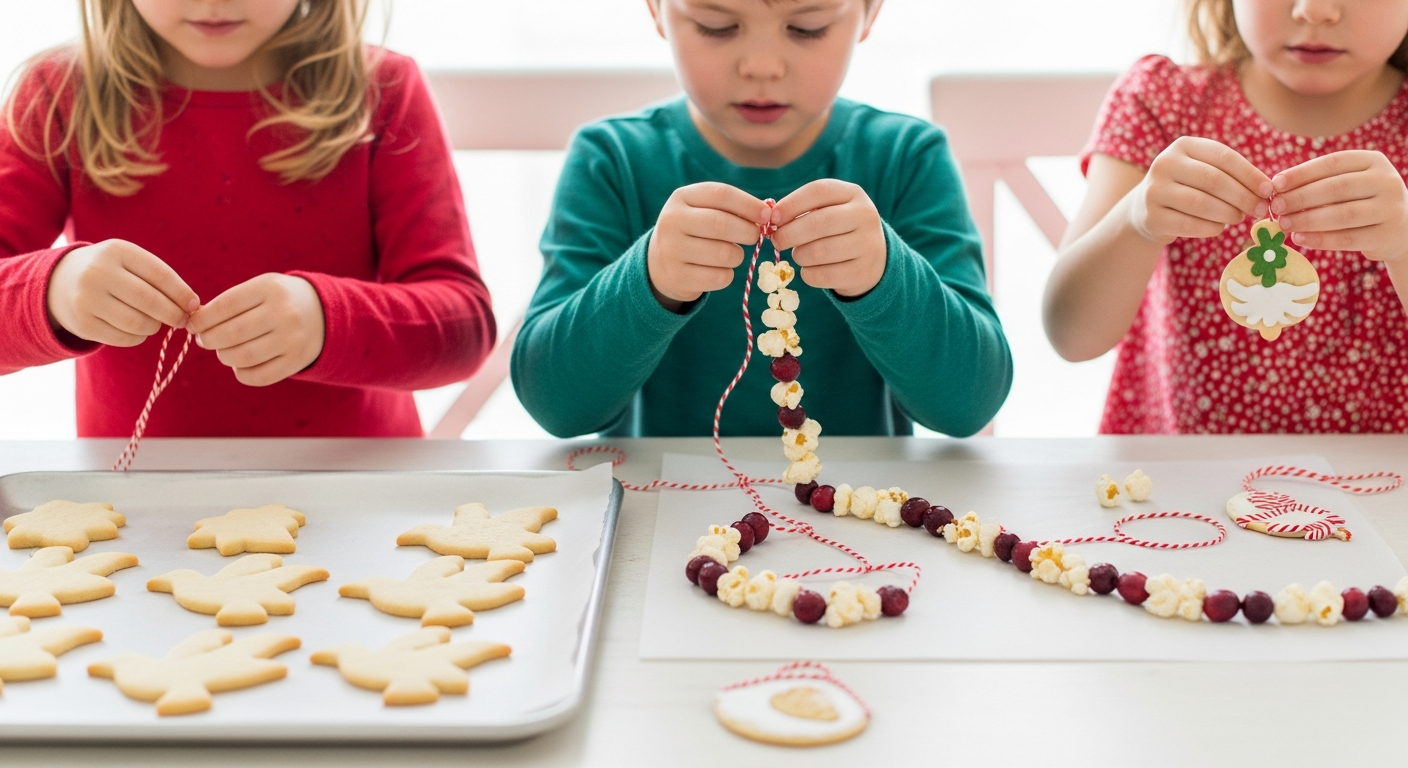
Table of Contents
- Introduction
- The Magic of Festive Communication: More Than Just Fun
- Day 1: Crafting Christmas Ornaments
- Day 2: Story Time with Holiday Books
- Day 3: Baking Holiday Treats
- Day 4: Festive Scavenger Hunt
- Day 5: Sing-Along Christmas Carols
- Day 6: Decorating the Christmas Tree
- Day 7: Building a Gingerbread House
- Day 8: Letters to Santa or Loved Ones
- Day 9: Christmas Sensory Bin Play
- Day 10: Holiday Puppet Show
- Day 11: Virtual Holiday Visit
- Day 12: Reflect and Plan for the New Year
- Unlocking Your Child's Communication Potential with Speech Blubs
- Conclusion
- Frequently Asked Questions (FAQ)
Introduction
As the festive season twinkles into view, many of us dream of heartwarming moments and joyous connections. Yet, for parents of young children, the holidays can sometimes feel like a whirlwind of preparations and distractions, making it challenging to foster truly meaningful interactions. It’s easy to fall into passive entertainment, but what if we could transform everyday holiday activities into powerful opportunities for connection and communication? Imagine engaging your child in activities that not only ignite their festive spirit but also build crucial speech and language skills. This comprehensive guide will take you through 12 days of delightful Christmas activities, offering practical ways to weave communication practice into the heart of your family's holiday traditions. We'll show you how to enhance these moments with purposeful play, including how tools like Speech Blubs can act as a supportive companion, making "smart screen time" an integral part of your child’s developmental journey. Get ready to embrace a season filled with learning, laughter, and blossoming words!

The Magic of Festive Communication: More Than Just Fun
The holiday season offers a unique backdrop for fostering communication. The excitement, the new sights and sounds, and the shared family experiences naturally create a rich language environment. Intentional play during this time isn't just about keeping children entertained; it’s about nurturing their ability to express themselves, understand others, and connect with the world around them.
At Speech Blubs, our mission is to empower children to "speak their minds and hearts." We understand firsthand the challenges many families face, as our company was born from the personal experiences of our founders, who all grew up with speech problems and created the tool they wished they had. We are committed to providing an immediate, effective, and joyful solution for the 1 in 4 children who need speech support, blending scientific principles with play into one-of-a-kind "smart screen time" experiences. Our approach is designed to be a screen-free alternative to passive viewing, promoting active engagement and powerful family connection. We achieve this through our unique "video modeling" methodology, where children learn by watching and imitating their peers, a method backed by extensive research.
This holiday season, let's harness that magic to build strong communication foundations, one festive activity at a time.
Day 1: Crafting Christmas Ornaments
There’s something truly special about hanging a handmade ornament on the Christmas tree. This activity isn't just about art; it's a treasure trove for language development.
- Activity: Gather simple materials like construction paper, pipe cleaners, glitter, glue, and salt dough. Sit together and create unique ornaments to adorn your tree.
- Benefits: This encourages fine motor skills as children cut, glue, and mold. It also strengthens their ability to follow multi-step instructions ("First we roll the dough, then we cut the shape"). Most importantly, it's a fantastic opportunity to expand vocabulary by naming colors, shapes (star, circle, bell), textures (smooth, bumpy, sticky), and actions (cut, glue, sprinkle). Children can practice requesting materials ("More glitter, please!") and describing their creations.
- Speech Blubs Connection: For a parent whose child points and grunts for a specific craft item like a glue stick, you can model the phrase "glue stick, please" while pointing to the "Things Around Us" section in Speech Blubs. Here, children can watch peers model asking for and naming various objects, reinforcing the power of spoken requests. You can also explore the "Early Sounds" section to practice words related to shapes or colors they are using in their crafts, helping them associate sounds with visual cues.
- Enhancement Tip: As you craft, engage in descriptive conversation. "Look at this sparkly red star!" or "Feel how soft this cotton ball is!"
Day 2: Story Time with Holiday Books
Curling up with a festive book is a timeless holiday tradition that offers immense language benefits.

- Activity: Visit your local library or bookstore for a selection of Christmas-themed picture books. Choose ones with engaging illustrations and simple, repetitive text.
- Benefits: Reading together boosts language comprehension, introduces new vocabulary, and helps develop narrative skills as children follow the story's progression. It also builds phonological awareness – the ability to recognize and work with sounds in spoken language – which is a foundational skill for reading. Asking "What do you think happens next?" encourages prediction and imaginative thinking.
- Speech Blubs Connection: If your child is captivated by a particular character, like a reindeer in a book, you can transition from the story to the "Animal Kingdom" section of Speech Blubs. Here, they can watch and imitate peers making reindeer sounds or saying "reindeer," playfully reinforcing those initial "r" sounds or other animal-related vocabulary. This bridges their love for stories with active speech practice.
- Enhancement Tip: Point to words and pictures as you read. Encourage your child to fill in missing words in familiar phrases from the book.
Day 3: Baking Holiday Treats
The aroma of freshly baked goods fills the air, and the kitchen becomes a classroom of language and learning.
- Activity: Choose a simple recipe like sugar cookies or no-bake energy balls. Involve your child in measuring, mixing, and decorating.
- Benefits: Baking requires following multi-step directions, which is excellent for sequencing skills. It introduces a rich vocabulary of ingredients (flour, sugar, sprinkles), actions (stir, pour, sprinkle), and descriptive words (sweet, sticky, warm). Children can practice requesting tools or ingredients and describing the process.
- Speech Blubs Connection: For a child who might be a bit quieter, use the app to enhance the sensory experience. As you sprinkle decorations, use the "Sounds" section of Speech Blubs to imitate "shhh" for sprinkles or "Mmm!" when tasting. If they are working on specific food names, the "Food" section provides visual and auditory models for words like "cookie" or "milk," making the learning fun and relevant to what they are doing.
- Enhancement Tip: Emphasize action words as you bake: "Let's stir the batter," "Now we'll pour the milk."
Day 4: Festive Scavenger Hunt
A holiday scavenger hunt turns your home into an exciting adventure, perfect for developing language skills.
- Activity: Hide holiday-themed items (small ornaments, candy canes, little toys) around the house. Provide simple verbal clues or picture clues.
- Benefits: This activity is fantastic for developing receptive language, as children must understand and follow the clues. It also encourages expressive language as they describe what they find and where they found it. Problem-solving skills are also at play as they navigate the clues.
- Speech Blubs Connection: If your child is working on understanding prepositions, tailor your clues using terms like "under the tree," "behind the sofa," or "next to the fireplace." After they find an item, you can open Speech Blubs to the "Actions" section and have them imitate peers doing actions related to hiding or finding. For example, after finding a gift, practice "open" or "unwrap" with the app.
- Enhancement Tip: Start with simpler clues and gradually increase complexity. Use descriptive words for the hidden items: "Find the shiny red ball."
Day 5: Sing-Along Christmas Carols
Music is a powerful tool for language development, and caroling is a joyful way to engage.
- Activity: Play or sing your favorite Christmas carols. Encourage your child to sing along, clap, or make movements.
- Benefits: Singing helps with rhythm, pitch, and memorization. It's a low-pressure way to practice articulation and develop phonological awareness. Group singing fosters social connection and helps children feel comfortable using their voices.
- Speech Blubs Connection: While Speech Blubs doesn't teach singing directly, it can be a wonderful warm-up for vocal exercises. Before singing a carol, use the "Early Sounds" section to practice sustained vowel sounds or simple consonant-vowel combinations, which are the building blocks of speech and song. For a child who might hesitate to speak up, the playful peer models in Speech Blubs can encourage vocal exploration in a safe, engaging way, reducing pressure and making it fun.
- Enhancement Tip: Use simple instruments like shakers or drums to add to the fun. Choose songs with repetitive choruses for easy participation.
Day 6: Decorating the Christmas Tree
The centerpiece of many holiday homes, the Christmas tree, offers a wealth of language opportunities.
- Activity: Involve your child in hanging ornaments, lights, and garlands.
- Benefits: This activity is rich in vocabulary building, from naming specific ornaments (star, bell, snowman) to describing characteristics (shiny, fragile, colorful). It helps children understand spatial concepts (on top, under, next to) and practice requesting assistance or commenting on their favorite decorations.
- Speech Blubs Connection: As you decorate, use the "Colors" section of Speech Blubs to name the different colored ornaments or lights. You can also explore the "Shapes" section to identify star-shaped toppers or round ball ornaments. For a child who is just learning colors, pointing to a "red" ornament and then watching a peer say "red" in the app provides powerful reinforcement and encourages them to imitate.
- Enhancement Tip: Talk about where each ornament came from if they have a story. "This bell was Grandma's, remember?"
Day 7: Building a Gingerbread House
Creating a gingerbread house is a delightful, multi-sensory activity that’s packed with language-rich moments.
- Activity: Assemble a pre-made gingerbread house kit or bake your own gingerbread pieces. Decorate with icing, candies, and sprinkles.
- Benefits: This engages fine motor skills for decorating and problem-solving for assembly. It encourages sequencing ("First, we put on the roof, then we add the gumdrops"). Vocabulary expands with names of candies, parts of the house (roof, door, window), and descriptive adjectives (sticky, sweet, crunchy, tall).
- Speech Blubs Connection: For a child expanding their descriptive vocabulary, focus on adjectives. "This icing is sticky!" "The candy cane is striped!" Use the app's "Things Around Us" section to find and name different shapes of candies or to practice words like "house" or "door." The peer models in Speech Blubs make it engaging for children to learn new words and use them in context.
- Enhancement Tip: Encourage your child to narrate their decorating process: "I am putting a green gumdrop on the roof!"
Day 8: Letters to Santa or Loved Ones
Expressing wishes and affection through letters or drawings is a heartwarming holiday tradition.
- Activity: Provide paper, crayons, markers, and stickers. Help your child draw pictures or dictate simple sentences for a letter to Santa, family, or friends.
- Benefits: This activity fosters pre-writing skills, expressive communication (sharing thoughts and feelings), and sequencing ideas (what they want, what they'll do). It also promotes emotional expression and empathy.
- Speech Blubs Connection: If your child is eager to tell Santa about a specific toy, you can transition to the "Toys" section of Speech Blubs. Here, they can practice naming their desired toys, listening to and imitating their peers. For a child learning early words, if they want a "car," practicing "car" and associated sounds like "vroom" in the app can be highly motivating and reinforce their communication.
- Enhancement Tip: Ask open-ended questions: "What do you want to tell Santa?" or "Who should we send a special picture to?"
Day 9: Christmas Sensory Bin Play
Sensory bins are a fantastic way for children to explore, learn, and communicate through play.
- Activity: Fill a bin with festive items like pinecones, cranberries, jingle bells, cinnamon sticks, small plastic ornaments, and scoops/cups.
- Benefits: This provides rich sensory exploration, enhancing vocabulary related to textures (rough, smooth, squishy), sounds (jingle, crunch), and smells. It encourages imaginative play, cause and effect understanding, and descriptive language as children interact with the items.
- Speech Blubs Connection: Encourage your child to name the items they pick up, describe their texture, and make sounds. If they pick up jingle bells, use the "Sounds" section of Speech Blubs to mimic "jingle, jingle" sounds, or the "Things Around Us" section to name "bells" or "pinecones." For a child who struggles with sensory processing, engaging in a focused activity within the app can provide a calming transition after active sensory play, reinforcing the new vocabulary.
- Enhancement Tip: Ask questions like, "What does it feel like?" or "What sound does it make?"
Day 10: Holiday Puppet Show
Puppets bring stories to life and provide a fun, low-pressure way for children to express themselves.
- Activity: Create simple puppets using paper bags, socks, or craft sticks with holiday cut-outs. Act out a favorite Christmas story or create your own.
- Benefits: This fosters imaginative role-playing, develops narrative skills, and boosts expressive language as children give voices to characters. It also encourages turn-taking in conversation and helps children explore different emotional expressions through their puppets.
- Speech Blubs Connection: Before the show, practice character voices or key phrases using the "Sounds" or "Actions" sections of Speech Blubs for inspiration. For instance, if a character needs to say "Hello!" in a particular way, find a peer modeling a greeting in the app. For a child who finds imaginative play challenging, seeing peers actively engaging in various scenarios within Speech Blubs can spark new ideas and build confidence in their own creative play.
- Enhancement Tip: Encourage your child to invite family members to be the audience!
Day 11: Virtual Holiday Visit
In our connected world, virtual visits are a wonderful way to bridge distances and practice social communication.
- Activity: Schedule a video call with distant grandparents, aunts, uncles, or friends.
- Benefits: This develops crucial social communication skills, including turn-taking in conversation, maintaining eye contact (even virtually), and expressing greetings and farewells. It helps children practice listening and responding in a real-time social context.
- Speech Blubs Connection: To help your child feel more confident and prepared for a virtual visit, use the "Early Sounds" section to practice greeting words like "Hi!" or "Bye-bye!" or simple questions like "How are you?" before the call. This pre-practice can build their confidence and make the actual interaction more successful. For children who are naturally shy, practicing these social scripts with the engaging peer models in Speech Blubs can be incredibly empowering.
- Enhancement Tip: Prepare a few things your child can "show and tell" to their relatives, like their handmade ornaments or a drawing.
Day 12: Reflect and Plan for the New Year
The end of the holiday season is a perfect time for reflection and looking forward, offering rich language opportunities.
- Activity: Sit together and talk about favorite holiday moments. You can create a simple "memory book" with drawings or photos. Discuss simple goals or exciting things to look forward to in the new year.
- Benefits: This activity helps with memory recall, sequencing events (what happened first, next, last), and using future tense language. It encourages emotional reflection and self-expression.
- Speech Blubs Connection: To help your child articulate their favorite moments or future desires, use Speech Blubs to reinforce key vocabulary. For instance, if their favorite part was "decorating the tree," you can revisit the "Things Around Us" section to practice "tree" and "ornament" words. If they are looking forward to "playing outside," explore the "Actions" section for verbs like "run" or "jump." For a child who struggles with abstract concepts, focusing on concrete "what we did" and "what we want" with visual support from the app can be very helpful.
- Enhancement Tip: Create a simple "New Year's Wish Jar" where family members write or draw wishes for the upcoming year.
Unlocking Your Child's Communication Potential with Speech Blubs
Integrating Speech Blubs into your child's daily routine, especially during a communication-rich season like the holidays, can significantly boost their journey towards confident speech. Our app provides "smart screen time" experiences, meaning children are actively engaged and imitating, rather than passively watching. This active participation, guided by our unique "video modeling" method where children learn by watching and imitating their peers, is scientifically proven to be highly effective. It’s why our app consistently ranks high on the MARS scale for engagement and effectiveness. You can read more about what other parents are saying about their children's progress.
We believe that our app is more than just a speech tool; it's a powerful catalyst for family connection. By co-playing with your child, you're not just facilitating their learning; you're building shared joyful moments and showing them how much you value their voice. Speech Blubs serves as a powerful supplement to a child's overall development plan and, when applicable, professional therapy, providing a consistent and fun environment for practice.
Investing in Your Child's Future: Choosing the Right Speech Blubs Plan
We want every family to have access to the best tools for their child's speech development. We offer clear and transparent pricing to help you make an informed decision:
- Monthly Plan: For $14.99 per month, you get access to our core features, offering flexibility and immediate support.
- Yearly Plan: For an annual payment of $59.99, which breaks down to just $4.99 per month, you save a significant 66% compared to the monthly plan. This plan is designed to provide the best value and the most comprehensive experience.
Choosing the Yearly Plan is the smartest decision for your child's continuous growth. It includes:
- A 7-day free trial: Experience the full power of Speech Blubs before committing.
- The extra Reading Blubs app: Double the fun and learning with our companion reading app.
- Early access to new updates: Be the first to enjoy new features and content.
- 24-hour support response time: Get your questions answered quickly and efficiently.
The Monthly plan, while flexible, does not include these exclusive benefits, making the Yearly plan the clear choice for dedicated parents.
Conclusion
The holiday season is a precious time, brimming with opportunities to create lasting memories and foster your child’s communication skills. By incorporating these 12 days of Christmas activities into your celebrations, you’re not just having fun; you’re laying the groundwork for a lifetime of confident expression. From crafting and baking to singing and storytelling, each activity offers a unique chance to engage with your child in a way that nurtures their ability to speak their minds and hearts.
At Speech Blubs, we are dedicated to being your partner on this journey, providing an immediate, effective, and joyful solution for families seeking to support their child's speech development. Our unique blend of scientific principles and playful "smart screen time" experiences, powered by video modeling and peer imitation, makes learning engaging and impactful.
Ready to embark on a festive season filled with laughter, learning, and blossoming communication? Download Speech Blubs on the App Store or Google Play today! To unlock the full suite of features and begin your 7-day free trial, remember to choose the Yearly Plan during sign-up. You can also create your account and start your free trial directly on our website. Unsure if your child could benefit from extra support? Take our quick 3-minute preliminary screener to receive a simple assessment and a personalized next-steps plan. Give the gift of confident communication this Christmas!
Frequently Asked Questions (FAQ)
Q1: How can I encourage my child to talk more during holiday gatherings? A1: Holiday gatherings are a natural stage for communication! Encourage participation by asking open-ended questions about their favorite holiday activities or traditions. Give them specific roles, like helping to serve food or showing a new toy, which creates opportunities to speak. Most importantly, model good conversational skills yourself, engaging them directly and patiently, and acknowledging their attempts to communicate, no matter how small.
Q2: Is Speech Blubs only for children with diagnosed speech delays? A2: Not at all! While Speech Blubs is an invaluable tool for children with diagnosed speech delays, it's also incredibly beneficial for any child looking to expand their vocabulary, improve articulation, or boost their overall language skills. Our "smart screen time" approach and video modeling methodology are designed to support and enhance speech development for all young learners, including late talkers and children just beginning their communication journey.
Q3: How much screen time is recommended for Speech Blubs? A3: We advocate for "smart screen time," meaning active, engaged learning rather than passive viewing. We recommend using Speech Blubs in short, focused bursts, typically 5-15 minutes at a time, several times a day. Crucially, we encourage co-play, where a parent or caregiver engages with the child during app use, turning it into a collaborative learning experience and a powerful tool for family connection.
Q4: What if my child isn't interested in the activities? A4: It's common for children's interests to vary! The key is flexibility and observation. Try adapting activities to their current fascinations. If they prefer trains to typical Christmas themes, incorporate train ornaments or make train-shaped cookies. With Speech Blubs, you can explore various sections, from "Animal Kingdom" to "Vehicles" and "Things Around Us," to find content that aligns with their interests, making learning fun and engaging on their terms.
About the author