
15 Creative Leaf Toddler Crafts for Autumn Play
 By Speech Blubs Team•Feb 20, 2026•15 min.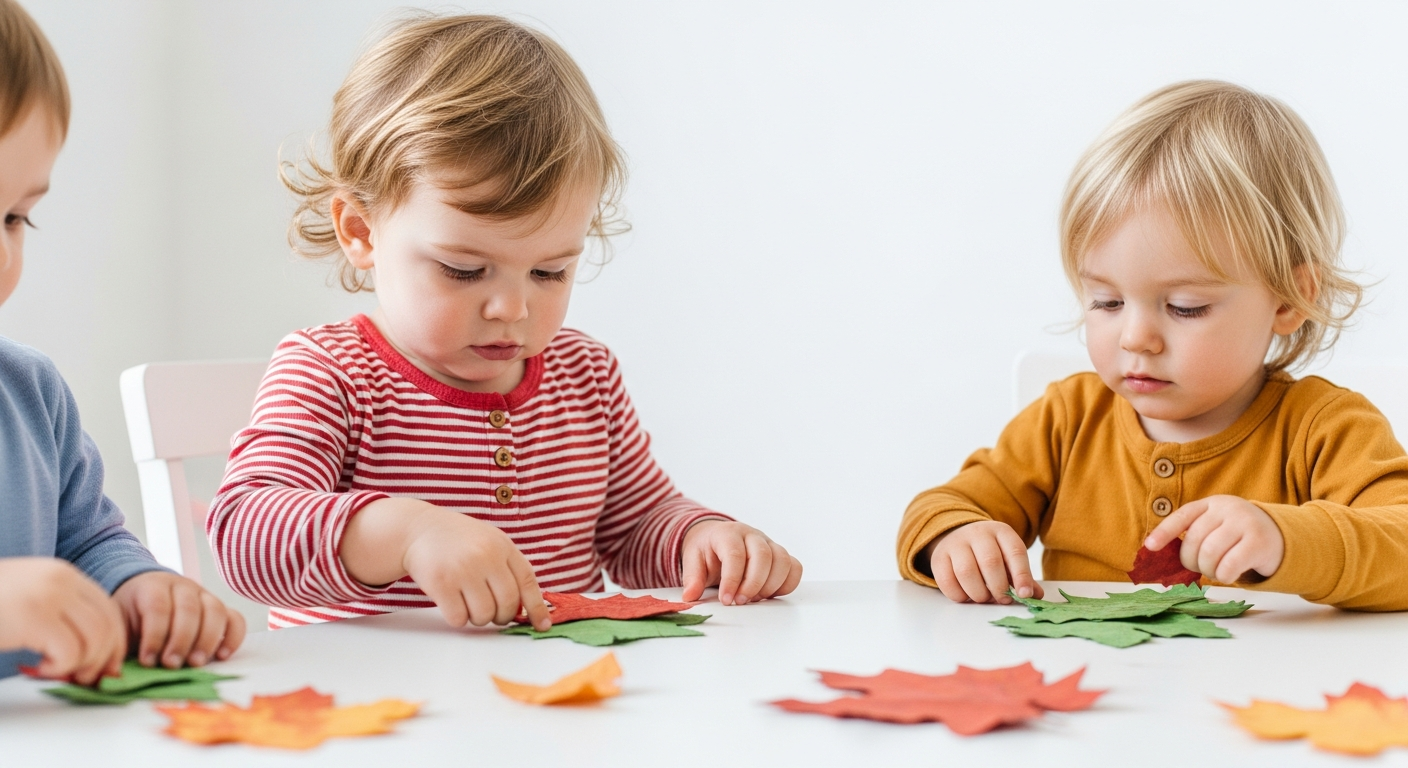
Table of Contents
- Introduction
- The Developmental Benefits of Nature-Based Crafting
- Preparation: The Great Leaf Hunt
- Mastering the Glue Stick: A Toddler Milestone
- 15 Engaging Leaf Toddler Crafts
- Preserving the Memories: Using Beeswax
- Integrating "Smart Screen Time" with Nature Play
- Setting Realistic Expectations
- Literature to Pair with Your Crafts
- Why Choose the Yearly Plan?
- Summary of Key Takeaways
- Frequently Asked Questions
- Conclusion
Introduction
Did you know that the simple act of a toddler crunching a dry leaf in their palm is actually a multi-sensory explosion that builds neural pathways? For a two-year-old, the world is a series of first-time discoveries. The vibrant change from green to fiery orange isn't just a seasonal shift; it’s a laboratory for learning. At Speech Blubs, we believe that every moment—whether it’s splashing in a puddle or sticking a leaf to a piece of paper—is an opportunity for a child to find their voice.
Nature provides the most accessible, high-contrast, and tactile playground for young learners. However, as parents, we often find ourselves scrolling through social media, overwhelmed by "Pinterest-perfect" crafts that seem impossible to achieve with a messy toddler. The truth is, the best leaf toddler crafts aren't about the final product sitting on your mantle; they are about the giggles during the leaf hunt, the focus required to squeeze a glue stick, and the new words like "crunch," "sticky," and "yellow" that enter your child's vocabulary.

In this guide, we will explore 15 engaging and developmentally supportive leaf crafts tailored specifically for toddlers. We will also dive into the science of why these activities work, how they complement our mission of empowering children to "speak their minds and hearts," and how you can blend this hands-on play with "smart screen time" to create a holistic learning environment. Our goal is to provide you with a roadmap for joyful family connection that reduces frustration and builds the foundational skills your child needs to thrive.
The Developmental Benefits of Nature-Based Crafting
Before we roll up our sleeves and get sticky, it is helpful to understand why we prioritize nature-based activities. At Speech Blubs, we are committed to providing solutions for the 1 in 4 children who need speech support. Our approach is rooted in the belief that play is the highest form of research.
When your toddler engages with leaf toddler crafts, they aren't just making art; they are working on:
- Fine Motor Coordination: Using a hole punch for "nature confetti" or pincer-grasping a stem builds the tiny muscles in the hands that are essential for later writing and self-feeding.
- Sensory Processing: Feeling the difference between a smooth, waxy leaf and a dry, crinkly one helps the brain organize sensory input.
- Receptive and Expressive Language: Following a two-step instruction like "Find a red leaf and bring it to Mommy" builds comprehension, while narrating the process helps them learn new descriptors.
- Joint Attention: Working on a project together fosters a deep connection, which is the bedrock of all communication.
Our company was born from the personal experiences of our founders, who all grew up with speech problems and created the tool they wished they had. We know that when a child feels confident and supported in their environment, their ability to communicate flourishes. If you are ever unsure where your child stands in their development, you can take our quick 3-minute preliminary screener to receive a simple assessment and a next-steps plan.

Preparation: The Great Leaf Hunt
The craft begins long before you reach the kitchen table. The "Leaf Hunt" is an activity in itself. To make the most of your leaf collection, head outside on a dry day. Wet leaves are difficult to glue and can grow mold if stored.
As you walk, narrate the experience. For a parent whose 3-year-old "late talker" loves being outdoors, this is the perfect time to practice "active narration." Instead of just walking, say, "Look! Up! The leaf is falling... down, down, down! Crunch! I stepped on it." This connects the action to the word in real-time.
Tips for a Successful Hunt:
- Variety is Key: Look for different shapes (maple, oak, birch) and colors.
- Avoid "The Crispy Ones" for Gluing: If you plan to glue them immediately, look for leaves that are still slightly flexible.
- Use a Special Vessel: Give your toddler a small basket or a plastic container. This gives them a "job" and builds a sense of autonomy.
Mastering the Glue Stick: A Toddler Milestone
For many toddlers, a leaf craft is their first introduction to the "magic" of glue. This is a significant cognitive leap—understanding that one object can be used to make two other objects stick together.
We recommend using the "I do, we do, you do" method, which mirrors our scientific methodology of video modeling. In the Speech Blubs app, children learn by watching their peers perform tasks or make sounds. You can apply this at home:
- I Do: Show them how to twist the glue stick up and rub it on the paper.
- We Do: Place your hand over theirs and help them apply the glue.
- You Do: Step back and let them try, even if it’s messy.
15 Engaging Leaf Toddler Crafts
1. The Classic Fall Leaf Tree
This is the perfect introductory craft. Draw a simple tree trunk and branches on a piece of cardboard or heavy paper. Your toddler’s job is to "put the clothes on the tree."
- Speech Tip: Practice the words "on" and "off." "Put the leaf on the branch!"
2. Nature Confetti
If your toddler is obsessed with cause-and-effect, this is the winner. Give them a variety of colorful leaves and a sturdy hole punch.
- Why it works: It builds significant hand strength.
- Play Idea: Once you have a pile of leaf circles, throw them in the air and shout "Yay! Fall rain!" This is a great way to build joyful family learning moments.
3. Leaf Sun Catchers
Using clear contact paper and an embroidery hoop (or even just a cardboard frame), have your child press leaves onto the sticky surface. Cover with a second piece of contact paper and hang it in a sunny window.
- Observation: Talk about how the light shines through the yellow leaves but not the brown ones.
4. Spooky Leaf Ghosts
With Halloween around the corner, this is a hit. Have your child paint sturdy leaves with white tempera paint. Once dry, use a black marker to draw two eyes.
- Speech Tip: Practice the "Booo!" sound. It’s a great way to work on lip rounding and breath control.
5. The Leaf Mobile
Find a sturdy stick on your walk. Tie several pieces of string to it. Have your toddler help you "clip" or tie leaves to the strings.
- Note: This is a great exercise for bilateral coordination (using both hands together).
6. Leaf Rubbing Collage
Place a leaf under a thin sheet of white paper. Show your toddler how to rub a crayon (with the wrapper removed) sideways over the leaf.
- The "Magic" Factor: Toddlers find it fascinating when the "bones" of the leaf suddenly appear on the paper.
7. Royal Leaf Crowns
Cut a strip of cardstock to fit your child's head. Let them glue their favorite, most "regal" leaves to the band.
- Confidence Building: Encourage them to wear the crown all day. This fosters a sense of pride in their creation.
8. Finger Painting Fall Trees
Sometimes, the leaves don't have to be "real." Use your toddler’s fingerprints to create red, orange, and yellow leaves on a painted trunk.
- Sensory Play: Feeling the wet paint is a vital sensory experience for many children.
9. Leaf Animals
Can a maple leaf look like a fox? Can an oak leaf be a hedgehog? Lay out different leaves and see what shapes your child sees.
- Application: For a child using the "Animal Kingdom" section of Speech Blubs on Google Play, this is a wonderful way to bring those digital characters into the physical world.
10. The "Sticky" Leaf Walk
Wrap a piece of masking tape around your toddler’s wrist, sticky side out. As you walk, they can "catch" small leaves on their bracelet.
- Benefit: This keeps them engaged during a longer walk and encourages them to look closely at the ground.
11. Paper Mache Leaf Lanterns
This is a bit messier but incredibly rewarding. Use a balloon, some watered-down glue (or flour paste), and thin tissue paper or very thin leaves.
- Experience: The "gooey" texture is excellent for desensitizing kids who might be "sensory defensive" regarding sticky textures.
12. Leaf Name Craft
Write your child's name in large letters. Have them glue small leaves along the lines of the letters.
- Literacy Link: This introduces the shapes of letters in a low-pressure, artistic way.
13. Glass Jar Fall Lanterns
Reuse old jelly or pasta jars. Paint them with a layer of Mod Podge, press on leaves, and seal with another layer. Add a battery-operated tea light.
- Safety First: Always use LED lights with toddlers to avoid fire hazards.
14. Leaf "Boats" in a Sensory Bin
Fill a plastic bin with water and add various leaves. Give your toddler a straw to "blow" the leaf boats across the "ocean."
- Speech Connection: Blowing through a straw is a common oral-motor exercise used to strengthen the muscles needed for speech.
15. The Thankful Tree
Throughout the month of November, have your child "add" a leaf to a wall-mounted tree every time they mention something they love.
- Value: This fosters an early "attitude of gratitude" and encourages them to use their words to express feelings.
Preserving the Memories: Using Beeswax
If your toddler has found a "perfect" leaf that they never want to lose, you can preserve it using beeswax. This is an adult-led task, but your toddler will love watching the "transformation."
"Preserving leaves in beeswax gives them a beautiful, glossy sheen and keeps them flexible for months, preventing the inevitable crumbling that happens to dry foliage."
How to do it:
- Melt beeswax pastilles in a double boiler (or a dedicated old crockpot).
- Holding the leaf by the stem (use tweezers for short stems), dip it into the wax.
- Let the excess drip off and lay it on parchment paper to dry.
- Once dry, these leaves can be used for mobiles or even as bookmarks.
Integrating "Smart Screen Time" with Nature Play
We know that modern parenting is a balancing act. While we love outdoor play, we also recognize the value of high-quality digital tools. This is where Speech Blubs fits into your family’s routine. We provide a screen-free alternative to passive viewing (like cartoons) and turn screen time into a powerful tool for family connection.
Our "video modeling" methodology is particularly effective when paired with real-world activities. For example, after a day of making leaf toddler crafts, you can open the app and find sections related to colors or nature. Watching other children say the words for the colors they just saw on the ground reinforces the learning.
We offer two main ways to access our platform:
- Monthly Plan: $14.99 per month.
- Yearly Plan (Best Value): $59.99 per year. This breaks down to just $4.99 per month, saving you 66% compared to the monthly option.
The Yearly plan is the clear choice for families committed to their child's development. It includes a 7-day free trial, the extra Reading Blubs app to help with early literacy, and early access to new updates. You can download Speech Blubs on the App Store or Google Play to start your journey.
Setting Realistic Expectations
It is important to remember that crafting with a toddler is rarely about the "art." Your 2-year-old might decide they want to glue a leaf to their own arm instead of the paper. That’s okay! Our mission is to foster a love for communication and build confidence.
If your child loses interest after five minutes, don't force it. The goal is to create joyful family learning moments, not to complete a masterpiece. By focusing on the process—the textures, the sounds, and the togetherness—you are providing a powerful supplement to your child's overall development. Many parents have shared their journeys in our testimonials section, noting how reducing pressure and following the child's lead often leads to the biggest breakthroughs.
Literature to Pair with Your Crafts
Books are a wonderful way to extend the learning. When children haven't experienced something before, stories provide the context they need. Consider these titles to read while your crafts dry:
- The Leaf Thief by Alice Hemming: A funny story about a squirrel who is worried about his "missing" leaves.
- Goodbye Summer, Hello Autumn by Kenard Pak: A beautiful visual transition through the seasons.
- Fletcher and the Falling Leaves by Julia Rawlinson: A touching story about change and growth.
Reading together while sitting among your gathered leaves creates a rich, immersive environment. Ask questions like, "Where did the leaf go?" or "What color is that squirrel?" to keep the conversation flowing.
Why Choose the Yearly Plan?
As your child grows, their needs change. The Speech Blubs Yearly plan is designed to grow with them. From the initial speech sounds and "first words" to the more complex stories found in the Reading Blubs app, we are here for every step of the journey.
When you create your account and begin your 7-day free trial, you are joining a community of parents who value "smart screen time." Choosing the Yearly plan ensures that you have 24-hour support response times and the full suite of features needed to support your child’s communication goals throughout the entire year.
Summary of Key Takeaways
Creating leaf toddler crafts is a simple, low-cost way to boost your child's development this fall. By moving from the "leaf hunt" to the "glue stick milestone," you are helping your child master fine motor skills, sensory processing, and language.
- Nature is the best classroom: It offers high-contrast colors and diverse textures.
- Process over product: Focus on the "crunch" and the "stick," not the final look.
- Smart Screen Time: Use Speech Blubs as a supplement to reinforce the words and concepts learned during play.
- Support is available: Whether through our screener or our peer-led video modeling, we are here to help your child speak their mind and heart.
Frequently Asked Questions
1. At what age can my toddler start using a glue stick for leaf crafts?
Most toddlers are ready to experiment with glue sticks between 18 months and 2 years old. At this stage, it’s less about "precise gluing" and more about the sensory experience. Always supervise closely to ensure the glue stays on the paper and out of their mouth! Using a purple-colored glue stick that dries clear can help them see where they have already applied the glue.
2. What if my child doesn't want to sit still for crafting?
This is completely normal! Toddlers have short attention spans. If your child prefers the "leaf hunt" part and loses interest at the table, try "active crafting." Tape a large piece of contact paper to a wall or window so they can stand and move while they stick leaves to it. This engages their large muscle groups and often keeps them interested longer than sitting in a high chair.
3. Can these activities really help with my child's speech delay?
While crafts are not a replacement for professional speech therapy, they are a powerful tool for building foundational skills. They encourage "joint attention," where you and your child are focused on the same thing, which is essential for language learning. Pair these activities with the Speech Blubs app to give your child more opportunities to see and hear peers using language in a fun, non-pressured way.
4. How do I make the leaf crafts last longer?
Fresh leaves will eventually dry out and become brittle. To make a project last, you can seal it with a coat of Mod Podge or clear contact paper. For the most durable results, try the beeswax dipping method mentioned above. This keeps the leaves vibrant and flexible, allowing you to enjoy your toddler's art for the entire season.
Conclusion
The transition into autumn is a magical time for a young child. By engaging in these leaf toddler crafts, you are doing more than just filling an afternoon; you are building the confidence and communication skills that will last a lifetime. Whether you are making a "Leaf Ghost" or simply tossing "Nature Confetti" into the air, these moments of connection are what truly matter.
Ready to take the next step in your child's developmental journey? We invite you to start your 7-day free trial today. By choosing our Yearly plan, you’ll unlock the best value, including the Reading Blubs app and early access to all our latest features. Let’s work together to help your child speak their mind and heart. Download Speech Blubs on the App Store or Google Play and turn this fall into a season of growth and joy!
About the author