
15 Joyful Toddler Back to School Crafts to Try Today
 By Speech Blubs Team•Feb 20, 2026•15 min.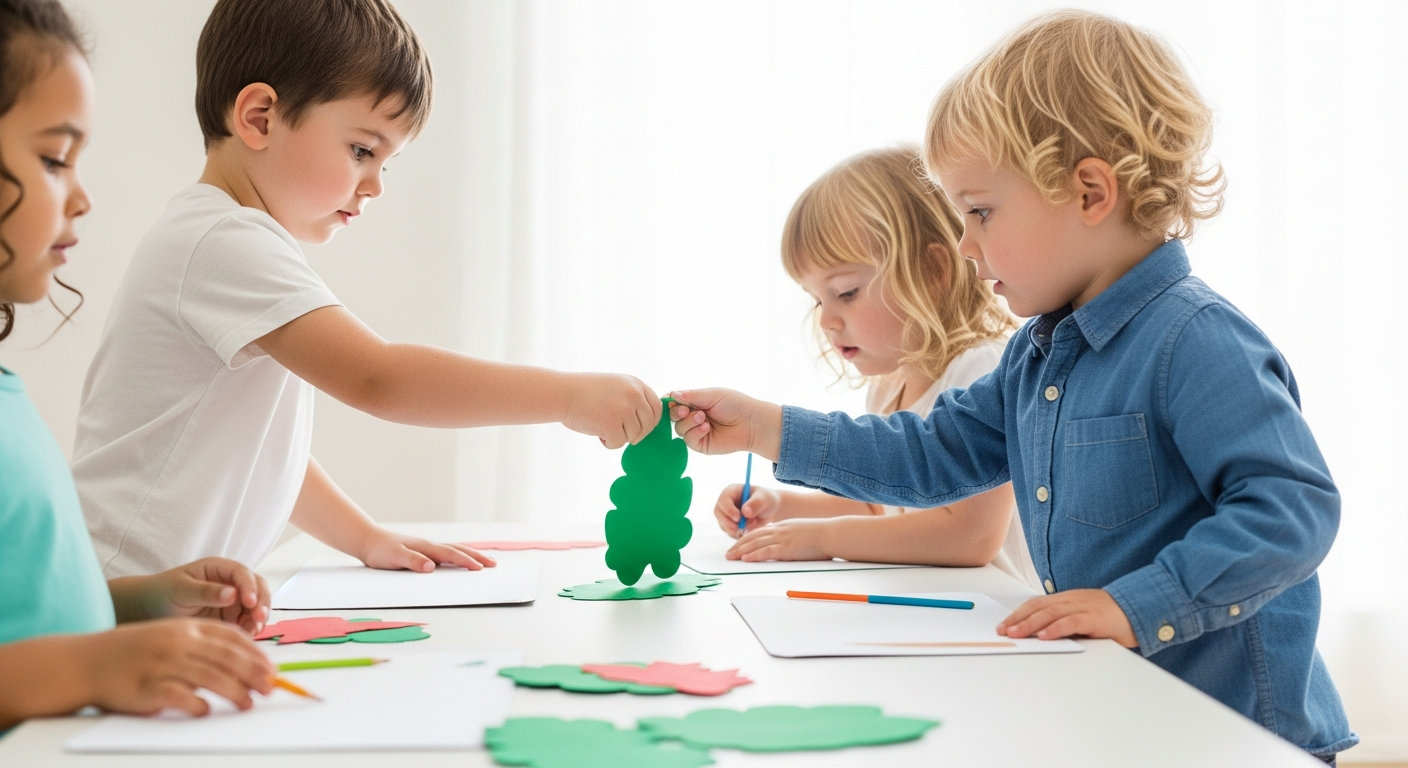
Table of Contents
- Introduction
- Why Crafting is Essential for Back-to-School Readiness
- Developmental Benefits of Toddler Back to School Crafts
- 15 Creative Toddler Back to School Crafts
- How to Prepare Your Toddler for the Transition
- Making the Most of Screen Time with Speech Blubs
- Realistic Expectations: Navigating the Learning Journey
- Pricing and Value: Investing in Your Child’s Voice
- Conclusion
- Frequently Asked Questions (FAQ)
Introduction
Did you know that the transition to a new school year is one of the most significant developmental milestones in a young child's life? For a toddler, the "back to school" season isn't just about new shoes and backpacks; it’s a whirlwind of big emotions, from bubbling excitement to quiet apprehension. As parents and caregivers, we often find ourselves searching for ways to bridge the gap between the comfort of home and the structured environment of a classroom or daycare. One of the most effective, joyful ways to ease this transition is through hands-on creativity.
At Speech Blubs, our mission is to empower children to "speak their minds and hearts." We believe that communication begins with connection, and what better way to connect than through a shared art project? Whether your little one is officially starting preschool or you are simply looking to celebrate the season of learning at home, these toddler back to school crafts are designed to foster fine motor skills, boost vocabulary, and build the confidence your child needs to thrive.

In this article, we will explore 15 engaging and developmentally appropriate crafts, discuss why creative play is essential for school readiness, and show you how to pair these activities with our "smart screen time" tools to create a holistic learning experience. Our goal is to help you turn those back-to-school jitters into a season of joyful family learning.
Why Crafting is Essential for Back-to-School Readiness
When a toddler sits down to glue paper onto a cardboard bus or paint a bright red apple, they are doing much more than making a mess. They are engaging in "pre-academic" work. Crafting serves as a bridge to formal education by introducing concepts like following multi-step directions, sitting for short periods of focused activity, and managing "tools" like glue sticks and safety scissors.
For the 1 in 4 children who may need extra speech support, these creative moments are invaluable. At Speech Blubs, we provide a powerful tool for family connection, and we see crafting as the physical counterpart to our digital learning modules. While our app uses peer-to-peer video modeling to encourage vocalization, crafting encourages the physical gestures and cognitive associations that underpin language.
By engaging in toddler back to school crafts, you are helping your child:
- Navigate Transitions: Creating school-themed art makes the concept of "school" tangible and less intimidating.
- Build Autonomy: Making choices about colors and materials helps toddlers feel a sense of control over their changing environment.
- Practice Social-Emotional Skills: Talking through a craft provides a natural setting for discussing feelings about starting school.
Developmental Benefits of Toddler Back to School Crafts
Fine Motor Skills and Hand-Eye Coordination
The "pincer grasp"—the ability to pick up small objects with the thumb and forefinger—is a foundational skill for writing. Many back-to-school crafts involve tearing paper, picking up buttons, or lacing yarn. These movements strengthen the small muscles in the hand. For a child who might struggle with frustration during new tasks, successfully completing a craft builds the "I can do it" attitude that is so vital in a classroom setting.

Language Development and Vocabulary Building
Art is a visual language. As you work together, you have the perfect opportunity to model new words. Instead of just "coloring," you can talk about "shades of crimson," "sticky textures," or "curvy lines." This rich linguistic environment supports the goals we have at Speech Blubs: helping children develop the complex communication skills they need to express themselves. Our approach is backed by science, and you can learn more about how we use mirror neurons and imitation by visiting our research page.
15 Creative Toddler Back to School Crafts
1. The Handprint Apple Keepsake
Apples are the universal symbol of school, and there is nothing parents love more than a keepsake that captures their child's tiny hand size.
- Supplies: Red paint, green construction paper, white cardstock, brown marker.
- Instructions: Paint your child's palm and fingers red and press it onto the white cardstock. Once dry, cut a small leaf from the green paper and glue it to the "stem" (the middle finger).
- Speech Connection: Practice the "A" sound. "A is for Apple!" Encourage your child to repeat the sound after you.
2. Personalized School Bus Name Craft
Recognizing the letters in their own name is a major milestone for toddlers heading into a classroom environment.
- Supplies: Yellow construction paper, black markers, scissors, and small squares of white paper.
- Instructions: Cut a large bus shape out of yellow paper. On each small white square, write one letter of your child’s name. Have your toddler glue the "windows" (the letters) onto the bus in the correct order.
- Speech Connection: Sing "The Wheels on the Bus" while you work. If your child is a "late talker," focusing on the repetitive "round and round" sounds can be very motivating. For more tips on supporting late talkers, see what other parents are saying about their experiences.
3. Video Modeling Mirror Craft
At Speech Blubs, we use a unique "video modeling" methodology where children learn by watching and imitating their peers. This craft brings that concept to life.
- Supplies: A small, child-safe hand mirror, craft sticks, glue, and sequins.
- Instructions: Have your child glue craft sticks around the edge of the mirror to create a frame. Once dry, they can decorate the frame.
- The Activity: Use the mirror to practice "silly faces" together. Stick out your tongue, blow bubbles, or make a wide "O" shape. This mimics the facial exercises found in our app and helps with oral-motor development.
4. Cardboard Tube "Emotion" Crayons
Starting school involves a lot of feelings. These "crayons" help toddlers identify and name those emotions.
- Supplies: Toilet paper rolls, construction paper, googly eyes, and markers.
- Instructions: Wrap each tube in a different color of paper. Create a "cone" of the same color for the top. On each crayon, draw a different face: happy, nervous, excited, or sleepy.
- Speech Connection: Ask your child, "Which crayon feels like you today?" This fosters emotional intelligence and gives them the vocabulary to "speak their hearts."
5. Paper Plate School Supply Lacing
This is a fantastic activity for developing the hand-eye coordination needed for future writing and drawing.
- Supplies: Paper plate, hole punch, colorful yarn, and a picture of a pencil or book.
- Instructions: Punch holes around the rim of the paper plate. Tape a picture of a school supply in the center. Give your child a piece of yarn (with the end taped to make it "stiff") and show them how to weave it in and out of the holes.
- Speech Blubs Tip: If your child enjoys the focus of lacing, they might love the "Living Shapes" section of our app, which encourages them to identify and name different forms.
6. The "All About Me" First Day Crown
Every child should feel like the "star of the show" on their first day.
- Supplies: Cardstock strips, stickers, glitter glue, and markers.
- Instructions: Measure the strip to fit your child's head. Let them decorate it with things they love—dinosaurs, stars, or favorite colors. Write "First Day of [School Name]" on the front.
- Speech Connection: Practice a "first day introduction." Help your child say, "Hi, my name is [Name]!" This builds the confidence to communicate with new peers.
7. Texture-Rich Tissue Paper Apples
Sensory play is a core component of early childhood development.
- Supplies: Contact paper (clear), red and green tissue paper squares, and a black marker.
- Instructions: Draw an apple outline on the non-sticky side of the contact paper. Peel the backing off and let your child "scrunch" the tissue paper and stick it onto the apple.
- Speech Connection: Use descriptive words like "sticky," "soft," "crunchy," and "red." This expands their descriptive vocabulary.
8. My First Backpack Collage
Help your child visualize what they will need for their big day.
- Supplies: A large drawing of a backpack, old magazines or printouts of school supplies (crayons, lunchbox, books), and a glue stick.
- Instructions: Have your child find the items and glue them "into" the backpack.
- Speech Connection: This is a great categorizing activity. "Does a bed go in a backpack? No! Does a pencil go in a backpack? Yes!" For a parent whose toddler loves animals, you could even include a "toy friend" in the backpack, then head to the "Animal Kingdom" section of Speech Blubs on the App Store to practice the sounds that toy might make.
9. Number People Math Sticks
It is never too early to start building "number sense."
- Supplies: Jumbo craft sticks, markers, and googly eyes.
- Instructions: Write a large number (1-5) on each stick. Have your child add that many googly eyes to the stick.
- Speech Connection: Count aloud together. "One eye, two eyes!" This rhythmic counting helps with speech pacing and articulation.
10. The "Speak Your Mind" Talking Puppet
In honor of our mission to help kids speak their minds, let's create a tool for practicing speech.
- Supplies: A brown paper lunch bag, yarn for hair, and markers.
- Instructions: Use the flap of the bag as the mouth. Decorate the face.
- The Activity: Use the puppet to "talk" to your child. Sometimes children find it easier to practice new sounds or words when talking to a puppet rather than an adult.
11. Shape-Sorting Schoolhouse
This craft teaches geometry and categorization simultaneously.
- Supplies: Construction paper in various colors, scissors, and glue.
- Instructions: Cut out a large square (the house), a triangle (the roof), and rectangles (the door and windows). Help your child assemble the schoolhouse.
- Speech Connection: Label the shapes as you go. "Where does the triangle go? On top!"
12. "I Will Grow" Flower Pot
A beautiful way to symbolize the growth that happens during a school year.
- Supplies: A small terracotta pot (or paper cup), paint, and a photo of your child.
- Instructions: Paint the pot. Cut your child’s photo into a circle to be the center of a paper flower, and "plant" the flower in the pot using a green pipe cleaner.
- Speech Connection: Talk about what they want to learn. "This year, I will learn to..."
13. Bubble Wrap Printed Grapes (Snack Time Art)
Grapes are a popular school snack, and bubble wrap makes the perfect "print."
- Supplies: Bubble wrap, purple paint, and paper.
- Instructions: Dip a small piece of bubble wrap in purple paint and press it onto the paper to create a bunch of grapes.
- Speech Connection: Practice the "G" and "P" sounds. These "plosive" sounds are fun for toddlers to mimic.
14. Yarn-Wrapped Pencil Fine Motor Art
This craft is excellent for strengthening the hands for future writing.
- Supplies: Cardboard cut into a pencil shape, yellow yarn, and tape.
- Instructions: Tape one end of the yarn to the cardboard. Have your child wrap the yarn around the middle of the "pencil" until it is covered in yellow.
- Speech Connection: Use the word "around" repeatedly to describe the motion.
15. The "Ready for School" Memory Jar
A place to keep track of all the wins, big and small.
- Supplies: A clean plastic jar, ribbons, and small slips of paper.
- Instructions: Decorate the jar. Every time your child learns a new word or has a great day at school, write it on a slip and put it in the jar.
- Speech Connection: At the end of the week, read the slips aloud. This reinforces their achievements and builds confidence.
How to Prepare Your Toddler for the Transition
Beyond toddler back to school crafts, preparing for school is about routine and familiarity. We suggest starting your "school routine" at least two weeks before the first day. This includes adjusted bedtimes, practicing "lunchbox skills" (like opening containers), and introducing "smart screen time" that prepares them for a learning environment.
If you are unsure where your child stands in their development, we highly recommend taking our quick 3-minute preliminary screener. It consists of 9 simple questions and provides you with a personalized assessment and a next-steps plan. It’s a great way to gain peace of mind before the school year starts.
Making the Most of Screen Time with Speech Blubs
We know that "screen time" is a controversial topic for parents. However, not all screen time is created equal. At Speech Blubs, we provide a screen-free alternative to passive viewing (like cartoons). Our app is an interactive experience that requires the child to be an active participant.
By using video modeling, we tap into the natural way children learn—by watching other children. When a toddler sees a peer on the screen making a "moo" sound or saying "apple," their brain’s mirror neurons fire, making them more likely to imitate the sound themselves. This is "smart screen time" that builds foundational communication skills while keeping the experience joyful and play-based.
Ready to see it in action? Download Speech Blubs on the App Store or Google Play to begin your journey.
Realistic Expectations: Navigating the Learning Journey
It is important to remember that every child develops at their own pace. While we are incredibly proud of the tool we’ve built, we want to set realistic expectations. Speech Blubs is a powerful supplement to a child’s overall development and, when applicable, professional therapy.
We don't promise that your child will be giving public speeches in a month. Instead, we focus on the small, joyful victories:
- Fostering a genuine love for communication.
- Building the confidence to try new sounds.
- Reducing the frustration that comes from not being understood.
- Creating meaningful learning moments between you and your child.
The crafts we've listed and the activities in our app are designed for adult co-play. Your involvement is the secret ingredient that makes these tools truly effective.
Pricing and Value: Investing in Your Child’s Voice
We believe that every child deserves the chance to speak their mind, regardless of their family's budget. To build trust with our community, we are transparent about our pricing and strive to provide the best possible value.
We offer two main plans:
- Monthly Plan: $14.99 per month.
- Yearly Plan: $59.99 per year.
While the Monthly plan is a great way to test the waters, the Yearly plan is the clear best choice for families committed to their child's progress. Here’s why:
- Massive Savings: At $59.99 a year, the cost breaks down to just $4.99 per month, saving you 66% compared to the monthly rate.
- 7-Day Free Trial: The Yearly plan includes a 7-day free trial, allowing you to explore everything we have to offer risk-free.
- Reading Blubs Included: You get access to our sister app, Reading Blubs, which helps transition speech skills into early literacy.
- Premium Support: Yearly members receive early access to new updates and a guaranteed 24-hour support response time.
To give your child the full suite of features and the best start for the school year, we encourage you to create your account and begin your 7-day free trial today.
Conclusion
The transition back to school is a season of growth, both for your toddler and for you as a parent. By engaging in these toddler back to school crafts, you are doing more than just filling an afternoon; you are building the fine motor skills, vocabulary, and confidence your child needs to succeed in the classroom.
At Speech Blubs, we are honored to be a part of your journey. Our company was born from the personal experiences of our founders, who all grew up with speech problems and created the tool they wished they had. We are committed to providing an immediate, effective, and joyful solution for the millions of children who need speech support.
Whether you are crafting a paper bus or practicing sounds with our video models, remember that the goal is connection. Take it one "moo," one "apple," and one handprint at a time.
Ready to boost your child's confidence? Choose the Yearly plan to get your 7-day free trial and unlock the full power of Speech Blubs and Reading Blubs. Download the app today and help your child speak their mind and heart.
Frequently Asked Questions (FAQ)
1. How do toddler back to school crafts specifically help with speech delay? Crafting provides a low-pressure environment for "joint attention," where both the parent and child are focused on the same task. This is the perfect time to model language. By naming colors, shapes, and actions (like "cut," "stick," or "draw"), you are expanding your child's receptive and expressive vocabulary in a context that is fun and meaningful.
2. My child has a very short attention span. Can we still do these crafts? Absolutely! Most of these crafts can be broken down into 5-minute segments. For a toddler, the process is much more important than the final product. If they only want to stick two pieces of paper together and then run around, that’s okay! Follow their lead and keep the experience positive.
3. Is the Speech Blubs app safe for a 2-year-old? Yes. Speech Blubs is designed specifically for early learners. We prioritize "smart screen time" that is interactive and educational. Unlike passive videos, our app encourages children to move their mouths, make sounds, and engage with the world around them. We always recommend co-playing with your child to maximize the benefits.
4. What is the benefit of the yearly plan over the monthly plan? The Yearly plan offers the best value at $59.99/year (only $4.99/month), which is a 66% saving. Most importantly, it includes the Reading Blubs app, a 7-day free trial, and priority support, ensuring you have all the tools necessary for your child's long-term developmental success.
About the author