
15 Meaningful Thanksgiving Craft Toddler Ideas for Fun
 By Speech Blubs Team•Feb 23, 2026•12 min.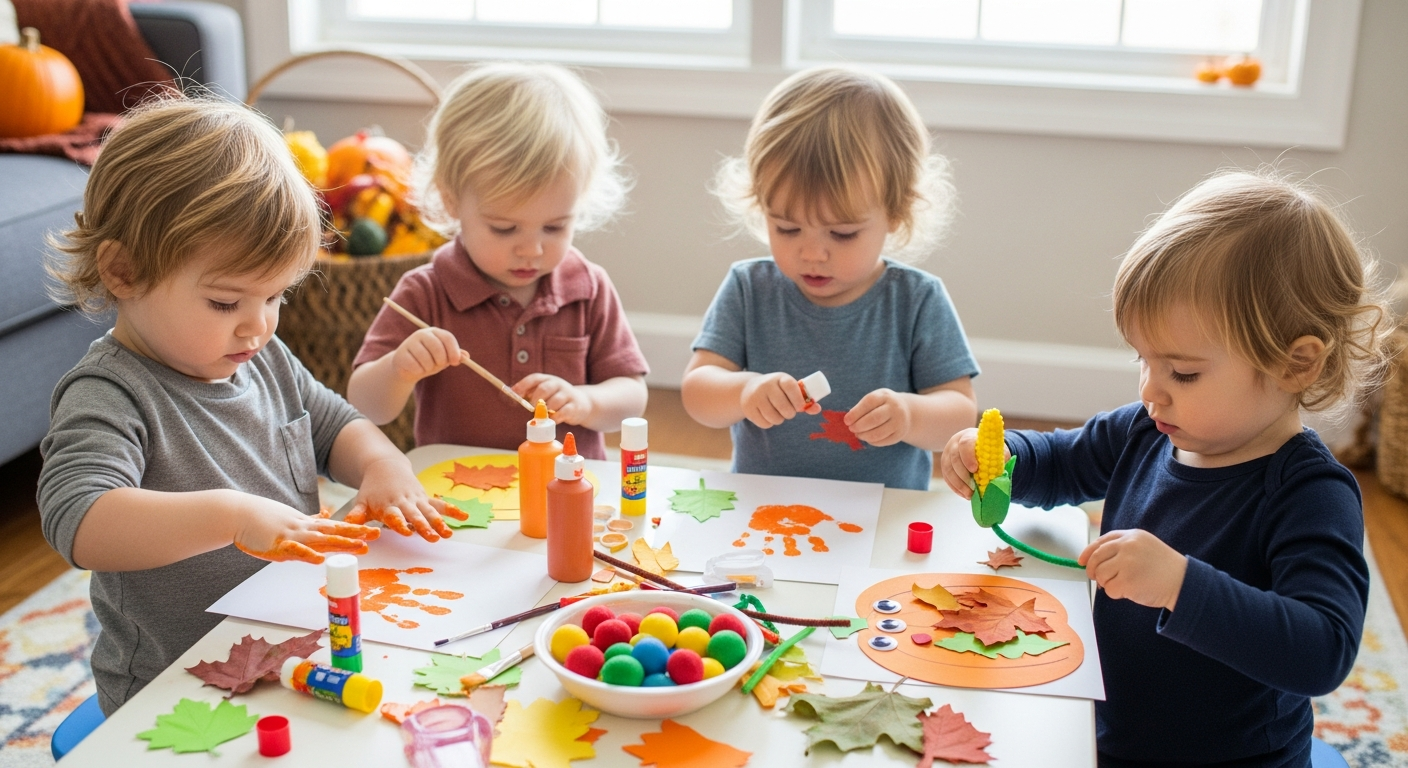
Table of Contents
- Introduction
- The Developmental Power of Holiday Crafting
- Turkey-Themed Crafts for Tiny Hands
- Sensory-Rich Pumpkin and Corn Crafts
- Gratitude Crafts for Emotional Development
- Integrating Speech Blubs into Your Holiday Routine
- Setting Realistic Expectations
- Planning Your Thanksgiving Craft Session: Pro-Tips
- Why Choose the Yearly Plan?
- Frequently Asked Questions
- Conclusion
Introduction
Did you know that by age three, a child’s brain is twice as active as an adult’s brain? This incredible window of development is filled with curiosity, sponges for new words, and an endless desire to explore the world through touch and play. As the holiday season approaches, many parents find themselves caught between the whirlwind of meal prep and the desire to create lasting memories. But what if the time spent preparing for the big feast was also a prime opportunity for your little one to build foundational communication skills?
In this post, we are going to explore a variety of engaging Thanksgiving craft ideas designed specifically for toddlers. From messy handprint masterpieces to nature-inspired lanterns, these activities are more than just a way to keep tiny hands busy; they are tools for building confidence, fine motor skills, and vocabulary. We will also discuss how to weave speech-building moments into your crafting sessions and how our "smart screen time" approach at Speech Blubs can support your child’s journey.

At Speech Blubs, our mission is to empower children to "speak their minds and hearts." We believe that every "gobble gobble" and "sticky glue" moment is a step toward better communication. By the end of this article, you’ll have a toolkit of activities that foster a love for learning and create joyful family moments that last long after the leftovers are gone.
The Developmental Power of Holiday Crafting
For a toddler, a simple piece of construction paper isn't just paper—it’s a canvas for discovery. When we engage in a thanksgiving craft toddler session, we aren't just making decorations; we are supporting a "whole child" approach to development.
Fine Motor Skill Mastery
Crafting requires a lot of coordination. Grasping a crayon, squeezing a glue bottle, or picking up a small leaf helps strengthen the tiny muscles in a child’s hands. These are the same muscles they will eventually use to hold a pencil or button their own coat. At Speech Blubs, we often remind parents that physical development and language development are deeply intertwined.
Vocabulary Expansion
Think of all the words associated with Thanksgiving: turkey, gratitude, pumpkin, orange, crunchy, sticky, feather. As you craft, you are narrating the experience. By labeling the materials and the actions ("We are pressing the leaf!"), you are providing a rich linguistic environment. This mirrors our own methodology of teaching through context and imitation.
Boosting Confidence and Reducing Frustration
There is a unique sense of pride a toddler feels when they show off a finished project. For children who may be struggling with speech delays, the ability to create something visual provides an alternative way to express themselves. This success builds the confidence they need to keep trying new sounds and words.
Turkey-Themed Crafts for Tiny Hands
No Thanksgiving is complete without the iconic turkey! These crafts are simple enough for a two-year-old but offer plenty of room for creative expression.
1. The Classic Handprint Turkey Keepsake
This is a staple for a reason. It is simple, tactile, and serves as a beautiful snapshot of how small your child’s hands once were.

- Materials: Washable paint (brown, red, yellow, orange), cardstock, googly eyes (or drawn eyes for an eco-friendly version).
- The Process: Paint your child's palm brown and their fingers in alternating fall colors. Press their hand onto the paper. Once dry, add a beak and eyes.
- Speech Tip: Practice the "p" sound as you "press" the hand down. If your child is using the Speech Blubs app, you might find that after seeing their peers make animal sounds in our "Animal Kingdom" section, they are more motivated to try out a loud "gobble gobble" while they work!
2. Toilet Paper Roll Turkeys
Instead of tossing those cardboard rolls, turn them into festive table decorations.
- Materials: Empty toilet paper rolls, construction paper, glue, and scissors (for adult use).
- The Process: Cut out "feather" shapes from colored paper. Have your toddler glue them to the back of the roll. The roll itself becomes the turkey's body.
- Developmental Benefit: This activity focuses on "positional" language. You can use words like on top, behind, and underneath as you guide your child.
3. Pine Cone Nature Turkeys
This craft starts with a family walk—a perfect way to get some fresh air and "screen-free" connection.
- Materials: Pine cones, fallen leaves, a bit of playdough or glue.
- The Process: While on your walk, encourage your toddler to find the "crunchiest" or "brightest" leaves. Back home, tuck the leaves into the scales of the pine cone to create a tail. Use a small ball of playdough for the head.
- Connecting with Nature: Discuss the textures. Is the pine cone prickly? Is the leaf smooth? Exploring textures is a great sensory exercise that stimulates the brain.
Sensory-Rich Pumpkin and Corn Crafts
Thanksgiving is about more than just turkeys; it’s about the harvest. These activities use different textures to keep toddlers engaged.
4. Bubble Wrap Indian Corn
This is a fan favorite because of the unique "pop" and the interesting pattern it leaves behind.
- Materials: Bubble wrap, yellow, orange, and brown paint, paper cut into a corn shape.
- The Process: Paint the "bubbly" side of the wrap and press it onto the corn-shaped paper.
- The "Pop" Factor: The sensory feedback from the bubble wrap is highly engaging. For a child who is a "late talker," the excitement of the "pop" often leads to spontaneous vocalizations.
5. Pumpkin Pinch Pots
If you want to introduce your child to three-dimensional art, clay or salt dough is the way to go.
- Materials: Orange salt dough (flour, salt, water, and food coloring).
- The Process: Help your child roll a ball of dough and then use their thumb to make a hole in the center, "pinching" the sides to make a bowl shape.
- Real-World Scenario: For a parent whose child loves tactile play, this activity is a goldmine. You can talk about the dough being squishy or cold. This kind of "functional language" is exactly what we focus on at Speech Blubs to help kids navigate their daily lives with more ease.
6. Paper Plate Pie
What is Thanksgiving without pie? This craft is "easy as pie" and lets your child "bake" their favorite flavor.
- Materials: Paper plates, brown construction paper (for the crust), and colored tissue paper (red for cherry, orange for pumpkin).
- The Process: Have your child tear the tissue paper into small pieces—this is excellent for fine motor development—and glue it to the center of the plate.
Gratitude Crafts for Emotional Development
Teaching the concept of "thankfulness" to a toddler can be abstract, but crafts make it concrete.
7. The Gratitude Paper Chain
This is a lovely tradition that can grow throughout the month of November.
- Materials: Strips of colored paper, a stapler or tape.
- The Process: Every day, ask your child one thing they are happy about. It might be "my dog," "blueberries," or "Grandma." Write it on a strip and add it to the chain.
- Speech Connection: This encourages the use of full sentences (e.g., "I am thankful for...") and helps children associate words with positive emotions.
8. Thankful Turkey with "Feather" Messages
Similar to the paper chain, this craft uses a turkey body where each feather represents something the family is grateful for.
- Why it works: It creates a visual representation of a "happy heart." At Speech Blubs, we emphasize that communication is about sharing what is in our hearts, not just reciting words. To see how other families have used our tools to foster these connections, you can read our parent testimonials.
Integrating Speech Blubs into Your Holiday Routine
While we love hands-on crafting, we also know that parents need a moment to breathe. This is where "smart screen time" comes in. Unlike passive cartoons, Speech Blubs is designed to be an active, educational experience.
The Science of Video Modeling
Our app uses a scientifically-proven method called video modeling. Children learn best by watching other children. When your toddler sees a peer on the screen making a sound or saying a word, their "mirror neurons" fire, making them much more likely to imitate that behavior. This is the core of our scientific research and methodology.
Creating "Joyful Learning Moments"
We recommend using Speech Blubs as a "co-play" tool. After you’ve finished your thanksgiving craft toddler activity, you can sit down together and explore a related section in the app. If you just made a turkey, head over to the "Animal Kingdom" section and practice bird sounds together. This reinforces the vocabulary they just used in a new, exciting context.
If you are curious about where your child stands in their development, we offer a quick 3-minute preliminary screener. It consists of 9 simple questions and provides you with a personalized assessment and a next-steps plan.
Setting Realistic Expectations
As a child development expert, I want to remind you: it’s okay if the turkey looks more like a colorful blob. The goal isn't a Pinterest-perfect decoration; the goal is the process.
- Focus on the Benefit: Whether they say a new word, learn how to use a glue stick, or simply laugh with you, that is a win.
- Foster a Love for Communication: By making these activities fun and pressure-free, you are teaching your child that speaking and interacting with others is a joyful experience.
- Supplement, Don't Replace: Our app is a powerful supplement to your child's development and can be a wonderful companion to professional therapy, but the most important "tool" your child has is you.
Planning Your Thanksgiving Craft Session: Pro-Tips
To make your thanksgiving craft toddler experience as stress-free as possible, follow these simple guidelines:
- Prepare in Advance: Cut out the shapes and gather the glue before you invite your toddler to the table. Toddler attention spans are short!
- Embrace the Mess: Use a plastic tablecloth or move the session to the kitchen floor. If you aren't worried about the mess, your child will feel more free to explore.
- Keep it Short: 15 to 20 minutes is often plenty for a toddler. If they want to stop, let them!
- Narrate Everything: "I am picking up the red feather. Now I am putting sticky glue on it." This constant stream of language is like a "brain bath" for your child.
Why Choose the Yearly Plan?
We want to make speech support accessible and effective for every family. While we offer different ways to join the Speech Blubs family, our Yearly plan is designed to provide the most comprehensive support for your child’s growth.
- Transparency in Pricing:
- Monthly Plan: $14.99 per month.
- Yearly Plan: $59.99 per year.
- Superior Value: The Yearly plan breaks down to just $4.99 per month, which is a 66% saving compared to the monthly option.
- Exclusive Features: When you choose the Yearly plan, you also receive:
- A 7-day free trial to explore all the content.
- Access to the Reading Blubs app, which helps transition your child from speaking to reading.
- Early access to new updates and features.
- Priority 24-hour support response time.
Ready to give your child the tools they need to succeed? Create your account and begin your 7-day free trial today.
Frequently Asked Questions
1. My toddler is a "late talker." Will these crafts really help?
Yes! Crafting provides a low-pressure environment where your child can practice "functional language." By focusing on the actions and materials, you are helping them build the foundational vocabulary they need. When combined with a tool like Speech Blubs, which uses peer-to-peer video modeling, you are providing a multi-sensory approach to language learning.
2. What if my child has a very short attention span?
That is perfectly normal for a toddler! Keep the activities broken down into small steps. For example, you might collect leaves one morning and then glue them to a pine cone after a nap. You can also use Speech Blubs in short bursts—even 5 or 10 minutes of "smart screen time" can be beneficial.
3. Are these crafts safe for 2-year-olds?
Safety is always the priority. We recommend using non-toxic, washable materials and always supervising your child, especially with small items like googly eyes or beads. For very young toddlers, drawing eyes with a marker is a safer (and eco-friendly!) alternative to plastic googly eyes.
4. How can I encourage my child to say the words while we craft?
Instead of asking "Can you say turkey?", try using "expansions." If your child points to the glue, you can say, "Yes, sticky glue! We are using sticky glue." If they make a sound, repeat it back to them with enthusiasm. This validation encourages them to keep trying.
Conclusion
Thanksgiving is a time for connection, and there is no better way to connect with your toddler than through the shared joy of creativity. Whether you are making a handprint turkey, a gratitude chain, or a "bubble wrap" corn on the cob, you are doing more than just passing the time. You are building their brain, strengthening their hands, and opening up their world of communication.
At Speech Blubs, we are honored to be a part of your family’s journey. Our founders started this company because they knew firsthand the frustration of speech struggles, and they wanted to create the joyful solution they wished they had. Our app is designed to be a powerful tool for family connection, providing a screen-free alternative to passive viewing and a fun way to practice complex communication skills.
This holiday season, give your child the gift of confidence. We encourage you to download Speech Blubs on the App Store or Google Play to begin your journey. Remember to choose the Yearly plan to take advantage of the 7-day free trial, the Reading Blubs app, and the best overall value. Let’s work together to help your child speak their mind and heart—one craft at a time.
About the author