
20+ Easy Toddler Crafts for Spring
 By Speech Blubs Team•Feb 20, 2026•14 min.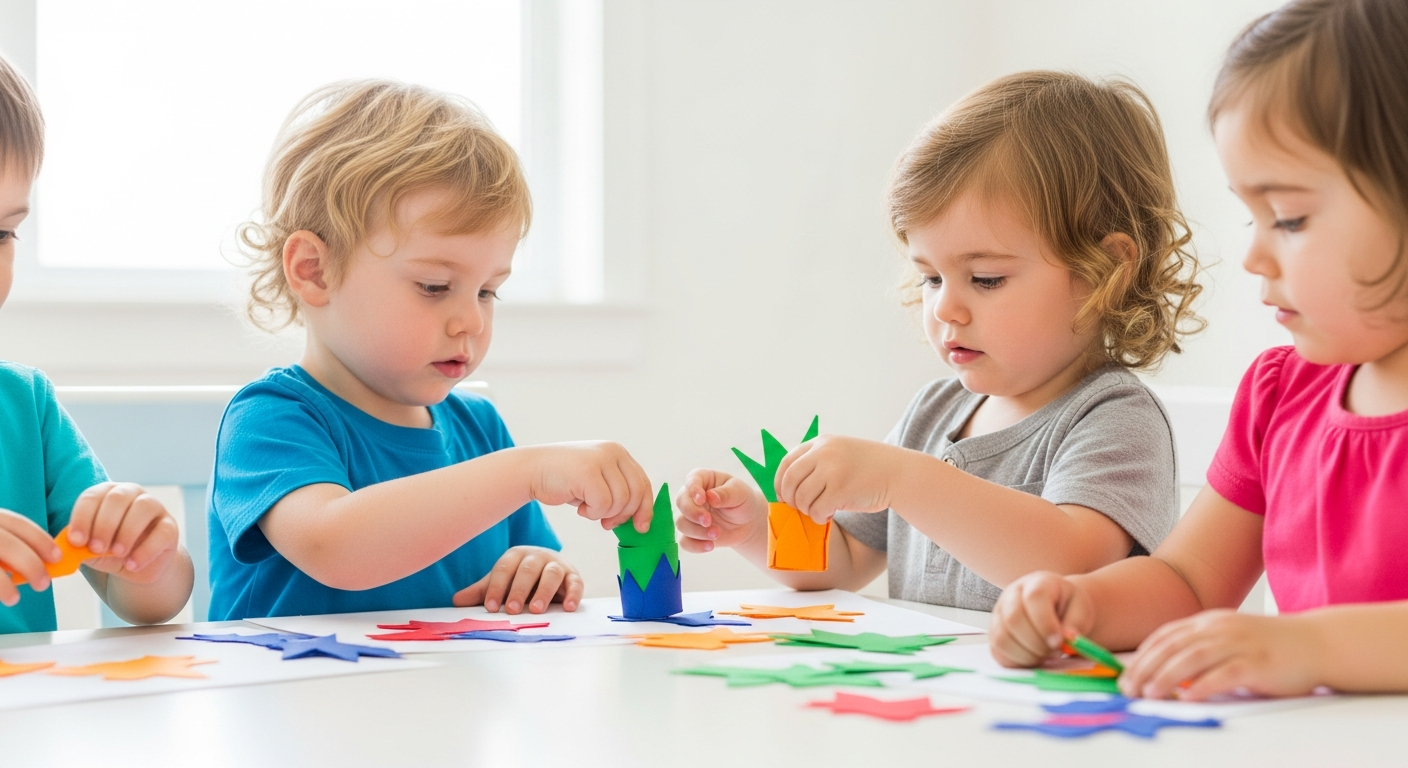
Table of Contents
- Introduction
- The Magic of Spring Crafting for Child Development
- Flower Crafts to Brighten Your Home
- Animal-Themed Spring Crafts for Little Hands
- Weather and Rainbow Crafts for Rainy Days
- Nature-Inspired Crafts Using Found Materials
- Low-Mess and No-Prep Spring Activities
- How Crafting Supports Speech and Language Development
- Integrating Speech Blubs into Your Spring Play
- Conclusion
- Frequently Asked Questions (FAQ)
Introduction
Did you know that the simple act of a toddler squishing a piece of tissue paper or dipping their finger into bright yellow paint is actually a massive workout for their brain? As the gray winter days fade away and the first hints of green appear in our gardens, there is a collective sense of renewal that parents and children feel alike. Spring isn't just a change in weather; for a developing toddler, it’s a sensory explosion of new sights, smells, and textures. At Speech Blubs, we believe that every moment of play is an opportunity for a child to find their voice.
In this post, we’re going to explore over 20 delightful toddler crafts for spring that are designed to do more than just decorate your refrigerator. We will dive into activities that strengthen fine motor skills, encourage sensory exploration, and—most importantly—foster the foundational communication skills your little one needs to "speak their minds and hearts." Whether your child is a "late talker" or simply loves to get messy, these crafts provide a joyful, low-pressure way to learn.

Our mission at Speech Blubs was born from the personal experiences of our founders, who grew up with speech challenges themselves. They created the tool they wished they had, blending scientific principles with the pure joy of play. This same philosophy applies to our spring crafting: we want to provide you with "smart" activities that create powerful family connections. By the end of this guide, you’ll have a full toolkit of spring-themed projects that support your child’s development while celebrating the most colorful season of the year.
The Magic of Spring Crafting for Child Development
Spring is the perfect time to bring the outdoors in and use nature as our greatest teacher. When we talk about toddler crafts for spring, we aren't just talking about making something "pretty." We are looking at "process art," where the focus is on the doing rather than the final result. For a two- or three-year-old, the sensation of glue on their fingers or the sound of paper tearing is far more educational than perfectly placing a petal on a flower.
Strengthening Fine Motor Skills
Every time your toddler picks up a small button, uses a paintbrush, or squeezes a glue bottle, they are developing the small muscles in their hands and wrists. These are the same muscles they will eventually use to hold a pencil or button their own coat. Activities like the "Crumpled Tissue Paper Flower" (which we’ll detail below) are excellent for practicing the pincer grasp—a vital developmental milestone.
Sensory Processing and Vocabulary
Spring crafts are inherently sensory. We use vibrant colors, different textures like soft cotton balls or rough sticks, and even scents if we incorporate fresh flowers. This sensory input helps children organize information about the world. It also provides a rich environment for language. Instead of just "doing" the craft, we can narrate the experience: "The paint feels cold," "This paper is crinkly," or "Look at the bright yellow sun."
Building Confidence and Reducing Frustration
For children who may struggle with communication, art is a bridge. It allows them to express themselves without needing the "perfect" words right away. When a child successfully completes a task—like stamping a potato to make a flower—they feel a surge of confidence. This confidence often carries over into their willingness to try new speech sounds or engage in social play. If you're wondering where your child stands in their development, you can take our quick 3-minute preliminary screener to get a simple assessment and a next-steps plan.

Flower Crafts to Brighten Your Home
Flowers are the quintessential symbol of spring. These crafts allow toddlers to explore color and shape while celebrating growth.
Coffee Filter Peonies
This is a favorite because it uses "process art" to create something truly beautiful.
- What you’ll need: White coffee filters, washable markers, a spray bottle with water.
- The Process: Let your toddler color the coffee filters with various spring colors. Don’t worry about stay-in-the-lines; scribbles are perfect! Once colored, let them spray the filters with water. Watch their eyes light up as the colors bleed and blend together.
- Speech Connection: Practice the "W" sound with the word "water" or "wet." You can also use the "Colors" section in the Speech Blubs app to reinforce the names of the hues they are creating.
Potato Printed Tulips
Vegetable printing is a classic for a reason—it’s tactile and provides immediate results.
- What you’ll need: A large potato (cut in half), non-toxic paint, paper.
- The Process: Cut a zig-zag shape into the flat end of a potato half to resemble a tulip. Let your toddler dip it in paint and stamp it onto the paper.
- Parent Tip: For a child who loves food, this is a great way to bridge the gap between mealtime and playtime. You can practice "Mmm" sounds for "yummy" potatoes or "P" sounds for "pop" as the stamp hits the paper.
Paper Plate Sunflowers
Sunflowers are bold and cheerful, much like toddlers themselves!
- What you’ll need: Paper plates, yellow paint, glue, and real sunflower seeds (or dried black beans).
- The Process: Have your child paint the rim of the plate yellow. In the center, apply a generous amount of glue and let them practice their fine motor skills by placing seeds one by one into the middle.
- Skill Building: This activity is wonderful for hand-eye coordination.
Animal-Themed Spring Crafts for Little Hands
Spring brings new life, from chirping birds to fuzzy lambs. These crafts help children connect with the animal kingdom.
Cotton Ball Sheep
This is a wonderful texture-based craft that toddlers find irresistible.
- What you’ll need: Black construction paper (cut into a sheep shape), cotton balls, glue.
- The Process: Your toddler will apply glue to the sheep's body and then "fluff" it up by sticking on the cotton balls.
- Integration: While they work, use the Speech Blubs "Animal Kingdom" section to watch peer-led videos of sheep. Your child can watch other children making "Baa" sounds and try to imitate them. Our video modeling methodology is backed by science and helps children learn by watching their peers.
Paper Plate Chicks
Simple, bright, and fun.
- What you’ll need: Small paper plates, yellow paint, orange paper (for the beak), and googly eyes.
- The Process: Paint the plate yellow. Once dry, help your child glue on the beak and eyes. For extra fun, add yellow feathers to the sides!
- Speech Connection: Practice the "Ch" sound in "Chick" or the "P" sound in "Peep."
Handprint Butterflies
These make excellent keepsakes for grandparents and help children learn about symmetry.
- What you’ll need: Finger paint, large paper.
- The Process: Paint your toddler's hands with two different colors. Press them side-by-side on the paper (thumbs pointing outward) to create the wings. Draw a body in the middle.
- Family Moment: This is a great time for co-play. You can even make your own handprint butterfly next to theirs to show "Big" and "Little."
Weather and Rainbow Crafts for Rainy Days
Spring isn't all sunshine; those April showers are vital for the flowers! These crafts celebrate the full spectrum of spring weather.
Yarn-Wrapped Rainbows
This is a fantastic activity for older toddlers (ages 3+) who are developing more refined motor control.
- What you’ll need: Cardboard cut into an arch shape, scraps of colorful yarn, tape.
- The Process: Tape one end of the yarn to the back of the cardboard. Show your child how to wrap the yarn around and around the arch. Change colors as you go.
- Language Tip: Use this to teach "Over" and "Under" as they wrap. These spatial concepts are key building blocks for communication.
Puffy Paint Clouds
If it’s a rainy day, bring the clouds inside with this 3D art project.
- What you’ll need: Equal parts shaving cream and white glue, blue paper.
- The Process: Mix the shaving cream and glue to create "puffy paint." Let your toddler use their hands or a thick brush to dollop the mixture onto the blue paper. It dries with a soft, squishy texture!
- Sensory Play: Many children find the sensation of shaving cream very calming, making this a great "reset" activity if they are feeling frustrated.
Paper Plate Umbrellas
- What you’ll need: Half a paper plate, a pipe cleaner, markers or stickers.
- The Process: Decorate the half-plate with spring patterns. Attach the pipe cleaner to the bottom to act as the handle.
- Role Play: Use the umbrella to "hide" from imaginary rain, practicing the word "Hide" or "Rain."
Nature-Inspired Crafts Using Found Materials
One of the best ways to enjoy toddler crafts for spring is to start with a nature walk.
Sticky Nature Frames
- What you’ll need: A piece of cardboard with the center cut out, clear contact paper.
- The Process: Go for a walk and collect "treasures" like fallen petals, interesting leaves, or small flat stones. Back at home, place the contact paper over the cardboard frame (sticky side up). Let your toddler press their finds onto the sticky surface.
- Benefits: This encourages observation skills and a love for the environment. You can see how other parents have used nature-inspired play to boost their child's engagement by reading our testimonials and success stories.
Painted Garden Sticks
- What you’ll need: Sticks found in the yard, non-toxic acrylic paint.
- The Process: Simply let your toddler paint the sticks in bright colors. These can then be "planted" in your garden or a flower pot as colorful decorations.
- Speech Connection: Practice the "St" blend in "Stick" or the word "Tall."
Low-Mess and No-Prep Spring Activities
We know that some days, you just don't have the energy for a full paint setup. These "smart screen time" and low-prep ideas are perfect for those moments.
The Speech Blubs "Smart Screen Time" Experience
When you need a break but want your child to stay engaged in learning, Speech Blubs is a powerful tool. Unlike passive cartoons, our app is interactive. We use video modeling to encourage your child to actually speak. In the "Nature" or "Animal Kingdom" sections, they can see kids their own age imitating spring sounds and words. This isn't just a distraction; it’s a screen-free alternative to passive viewing that builds foundational skills.
Ready to see the difference? You can Download Speech Blubs on the App Store or get it on Google Play to begin your journey.
Zipper Bag Painting
- What you’ll need: A piece of cardstock, drops of paint, a gallon-sized zipper bag, masking tape.
- The Process: Place the paper with the paint drops inside the bag. Seal it tightly and tape it to a table or high chair tray. Your toddler can squish the paint around through the plastic without getting a single drop on their hands or your carpet!
- Why it works: It provides the sensory satisfaction of finger painting without the cleanup.
How Crafting Supports Speech and Language Development
As a child development expert, I often remind parents that language doesn't happen in a vacuum. It happens during shared experiences. Toddler crafts for spring are the "experience," and you are the "facilitator."
Parallel Talk
While your child is crafting, use "parallel talk." This means you describe what they are doing. "You are using the red marker," or "You are sticking the cotton ball on the sheep." This provides a continuous stream of language that is directly relevant to what they are seeing and feeling.
Expansion
If your child says a single word, like "Flower," you can expand it: "Yes, a pretty flower!" or "A yellow flower!" This shows them how to build longer sentences in a natural, unforced way.
Wait Time
This is the most important tool in your kit. After you ask a question or show them a craft material, wait. Give them 5 to 10 seconds to process and respond. It can feel like an eternity, but that "pause" is often where the magic happens.
Integrating Speech Blubs into Your Spring Play
We designed Speech Blubs to be a supplement to your child’s overall development plan. Whether you are working with a professional speech-language pathologist or just want to give your child an extra boost, our "smart screen time" fits perfectly into a day of spring activities.
Our unique approach focuses on:
- Peer-to-Peer Learning: Children are naturally more motivated to imitate other children than adults.
- Joyful Interaction: We believe learning should be a blast. If a child is laughing, they are learning.
- Building Confidence: By mastering small sounds and words in the app, children feel more capable of communicating in the "real world."
Value and Pricing
We want to be transparent about how you can join our community. We offer two main plans to fit your family's needs:
- Monthly Plan: $14.99 per month. This is a great way to try us out and see the immediate engagement.
- Yearly Plan (Best Value): $59.99 per year. This breaks down to just $4.99 per month, saving you 66% compared to the monthly rate.
Why choose the Yearly Plan? It isn't just about the cost savings. When you choose the Yearly Plan, you get:
- A 7-day free trial to explore everything we offer risk-free.
- Access to the Reading Blubs app, which helps transition those speech skills into early literacy.
- Early access to all our new updates and features.
- Priority 24-hour support response time.
The Monthly plan does not include these extra high-value features, which is why we always recommend the Yearly plan for the most comprehensive experience. Ready to get started? Create your account and begin your 7-day free trial today.
Conclusion
Spring is a season of wonder, and there is no better way to experience it than through the eyes of a toddler. These toddler crafts for spring—from messy finger painting to quiet nature walks—are more than just ways to pass the time. They are foundational blocks for your child's cognitive, motor, and linguistic development.
By engaging in these activities, you are creating a "language-rich" environment that encourages your child to explore, experiment, and ultimately, speak. Remember that the goal isn't a perfect craft; it's the joy of the process and the connection you build together. Whether you're making a paper plate chick or practicing "baa" sounds with our app, you are giving your child the tools they need to succeed.
We invite you to make this spring a breakthrough season for your little one's communication. Download Speech Blubs on the App Store or Google Play today to begin your journey. For the best value and the full suite of features—including Reading Blubs and our 7-day free trial—be sure to select the Yearly Plan. Let’s work together to help your child speak their mind and heart this spring!
Frequently Asked Questions (FAQ)
1. My toddler still puts everything in their mouth. Are these crafts safe?
Safety is always the priority. For children who are still in the "mouthing" phase, we recommend the Zipper Bag Painting mentioned above, as the paint is completely contained. You can also use edible "paint" made from yogurt and food coloring for the finger-painting activities. Always provide 100% supervision during craft time, especially with small items like buttons or googly eyes.
2. How long should a typical crafting session last for a 2-year-old?
At this age, attention spans are quite short—usually between 5 to 15 minutes. Don't feel discouraged if they want to move on quickly! The goal is quality over quantity. If they only want to stick two cotton balls on their sheep before running off to play with blocks, that’s perfectly fine and developmentally appropriate.
3. Can these crafts really help my child talk more?
Yes! While a craft won't "teach" speech on its own, it creates a "communication temptation." When a child wants a specific color of paint or needs help with a glue stick, it provides a natural reason for them to use gestures, sounds, or words to communicate with you. Combining these activities with the video modeling in Speech Blubs reinforces these skills.
4. What if my child gets frustrated because they can't do the craft "right"?
Focus entirely on the process. If they want to paint their "sunflower" blue, let them! Avoid correcting their artistic choices. If they struggle with a motor task, like peeling a sticker, start it for them so they can finish the "win." Building confidence is much more important than the final product looking like a flower.
About the author