
20 Easy Toddler Summer Crafts for Creative Fun and Speech
 By Speech Blubs Team•Feb 20, 2026•16 min.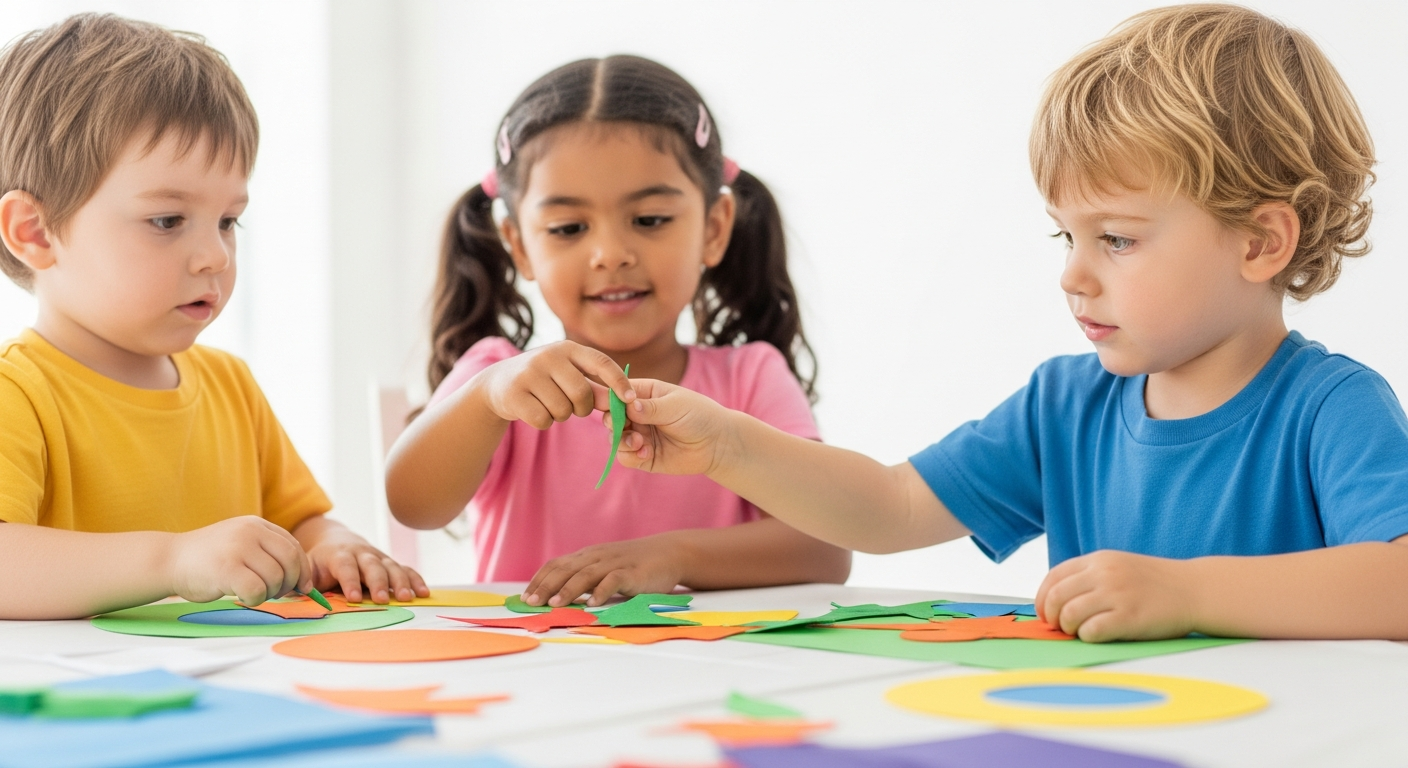
Table of Contents
- Introduction
- Why Crafting is Essential for Language Development
- Water and Ice: Cool Crafts for Hot Days
- Nature-Inspired Summer Crafts
- Paper and Cardboard Magic
- Maximizing the "Smart Screen Time" Connection
- Sensory Play: The Messy (But Worth It) Crafts
- Helpful Tips for a Stress-Free Crafting Session
- Building Confidence through Success
- Conclusion
- Frequently Asked Questions
Introduction
Have you ever noticed how a simple bucket of water or a handful of dandelions can keep a toddler occupied for an hour? There is something truly magical about the way young children interact with the world during the summer. As the days grow longer and the sun shines brighter, we have a golden opportunity to turn that natural curiosity into meaningful learning moments. At Speech Blubs, we believe that play is the most powerful tool for development, and summer is the perfect season to let that play run wild.
In this post, we are going to explore a variety of easy toddler summer crafts that are designed to do more than just decorate your refrigerator. We will dive into activities that build fine motor skills, spark sensory exploration, and most importantly, encourage your little one to start "speaking their minds and hearts." Whether you are looking for low-mess indoor projects or "the messier the better" outdoor fun, we’ve got you covered. We will also discuss how these activities can be paired with our unique "smart screen time" to help your child reach their communication milestones.

Our goal is to provide you with a toolkit of activities that foster a love for communication and build your child's confidence. By the end of this article, you’ll have a full summer itinerary of crafts that are simple for you to set up and joyful for your child to experience. Let’s get started on making this a summer of growth, laughter, and a whole lot of "look what I made!"
Why Crafting is Essential for Language Development
Before we jump into the glue and glitter, it’s important to understand the "why" behind these activities. Many parents see crafting as just a way to pass the time, but for a child development expert, every craft is a speech therapy session in disguise. When your child participates in easy toddler summer crafts, they are engaging in what we call "functional play."
Building a Robust Vocabulary
During a craft, you aren't just making a "thing." You are navigating a world of adjectives and verbs. You are talking about "sticky" glue, "bright" yellow paper, and "cold" ice. You are asking them to "squeeze," "cut," "stick," and "paint." This rich linguistic environment helps children associate words with physical sensations, which is a foundational step in language acquisition.
Practicing Social Communication
Crafting is often a collaborative effort. It provides natural opportunities for "turn-taking," a skill that is vital for conversation. "First, I put the glue, then you put the pom-pom." This back-and-forth mimicry is actually very similar to the way we teach communication in the Speech Blubs app, where children watch and imitate their peers through video modeling.
Reducing Frustration through Expression
For many toddlers, especially the 1 in 4 children who may experience speech delays, frustration often stems from an inability to express needs or feelings. Creative outlets provide an alternative way for children to show us what they are thinking. When a child creates a "happy" sun or a "big" blue ocean, they are communicating. Our mission is to bridge that gap between creative expression and verbal communication, providing an immediate and effective solution for families who need a little extra support.

Water and Ice: Cool Crafts for Hot Days
When the temperature rises, there is no better medium for easy toddler summer crafts than water and ice. These activities are high-sensory, meaning they engage multiple senses at once, which is a great way to help a child focus and learn.
1. The Magic of Ice Painting
This is a favorite among our community because it’s incredibly simple to set up and yields beautiful results. All you need is an ice tray, some water, and a few drops of washable food coloring or tempera paint.
- How to do it: Mix the water and paint in the ice tray and freeze. Once frozen, give your toddler a large sheet of thick paper (or even a cardboard box) and let them use the ice cubes as "crayons."
- Speech Connection: This is a perfect time to talk about temperatures. Use words like "cold," "freezing," "melting," and "wet." As the colors run together, you can practice color identification and the concept of "mixing."
2. Sponge Sailboats for the Kiddie Pool
If your child loves playing in the water, these sponge sailboats are a must-try. They are durable, safe, and provide endless entertainment in the bathtub or a backyard pool.
- How to do it: Take a standard kitchen sponge and cut a small slit in the center. Use a craft stick or a thick straw as the mast, and cut a triangle out of a piece of craft foam or a plastic folder for the sail. Slide the mast into the sponge and attach the sail.
- Speech Connection: Encourage your child to "blow" the boat across the water. Practicing the "p" and "b" sounds while blowing is a great way to strengthen the oral motor skills needed for clear speech. You can say, "P-p-p-push the boat!" or "B-b-b-blow the wind!"
3. Frozen Pom-Pom Excavation
This activity is less of a "craft" and more of a sensory experience that feels like a treasure hunt. It’s excellent for building patience and fine motor control.
- How to do it: Freeze colorful pom-poms or small plastic toys inside a large container of water. Once frozen, give your child a "toolkit" (a spray bottle with warm water, a plastic spoon, or a toy hammer) to help them rescue the items from the ice.
- Speech Connection: This activity is great for practicing action verbs. "Spray the water!" "Dig the ice!" "Find the red one!" If you’re unsure how your child is progressing with these types of directives, you can take our quick 3-minute preliminary screener to get a simple assessment and a tailored next-steps plan.
Nature-Inspired Summer Crafts
Summer is the best time to take the crafting table outdoors. Nature provides an abundance of free materials that are perfect for little hands to explore.
4. Painted Garden Rocks
Rock painting is a classic for a reason. It’s tactile, permanent, and allows kids to see their artwork "living" in the garden.
- How to do it: Go on a "rock hunt" in your backyard or at a local park. Look for smooth, flat stones. Once home, wash them off and let them dry. Use washable acrylic paints to create ladybugs, bees, or just colorful patterns.
- Speech Connection: For a parent whose 3-year-old "late talker" loves animals, this is a prime opportunity. While painting a rock red with black spots, you can practice the "Animal Kingdom" sounds. Ask, "What does the bug say? Buzz, buzz!" Our app uses similar peer-led interactions to encourage these first sounds in a way that feels like a game rather than a lesson.
5. Nature Collage Suncatchers
These suncatchers look beautiful when hung in a window and are a wonderful way to preserve the "treasures" your toddler finds on a walk.
- How to do it: Use two pieces of clear contact paper. Let your child place leaves, flower petals, and thin blades of grass onto the sticky side of one piece. Once they are finished, press the second piece of contact paper on top to seal it. Cut it into a circle or a star shape.
- Speech Connection: This activity is all about nouns. Identify the "leaf," the "flower," and the "grass." Ask your child to "show me the yellow flower" or "where is the green leaf?" This reinforces receptive language skills—the ability to understand what is being said.
6. Leaf and Flower Prints
This is a great way to explore textures and shapes without needing complex tools.
- How to do it: Collect various leaves and flowers with interesting shapes. Lightly coat one side with paint and press it onto a piece of paper like a stamp.
- Speech Connection: Talk about the different sizes—"big leaf" vs. "little leaf." This introduces the concept of comparisons, which is a key milestone in cognitive and language development.
Paper and Cardboard Magic
Sometimes the best easy toddler summer crafts come from the recycling bin. Paper plates and cardboard boxes are blank canvases for a toddler’s imagination.
7. Paper Plate Sunflowers
Brighten up your home with these cheerful flowers. They are a great way to practice using glue and following multi-step directions.
- How to do it: Paint a paper plate yellow. Once dry, cut "petals" around the edges or glue on strips of yellow construction paper. In the center, have your child glue down real sunflower seeds or brown pom-poms.
- Speech Connection: Use this craft to practice the "S" sound. "S-s-sun," "S-s-seeds," and "S-s-sunflower." If your child is struggling with specific sounds, you can see what other parents are saying about their child's success with Speech Blubs testimonials to see how our peer-modeling method helps kids master difficult phonemes.
8. Cardboard Box "Ice Cream Truck"
If you have a large delivery box, don't throw it away! It can become the centerpiece of your summer play.
- How to do it: Cut out windows and a door in a large box. Let your child paint the outside. They can "sell" paper ice cream cones to family members.
- Speech Connection: This is "pretend play" at its finest. Pretend play is where children practice social scripts. "Would you like chocolate or vanilla?" "That will be one dollar, please." This type of role-playing is essential for developing complex communication skills.
9. Ladybug Letter "L"
Combine literacy with crafting by making a ladybug shaped like the letter "L."
- How to do it: Cut a large letter "L" out of red paper. Give your child black "dots" (either cut out of paper or using a black marker) to stick onto the "L." Add googly eyes and pipe cleaner antennae to the top.
- Speech Connection: This helps with letter-sound correspondence. "L is for Ladybug! L-l-l-ladybug." Repetition is key here.
Maximizing the "Smart Screen Time" Connection
At Speech Blubs, we know that modern parenting often requires a balance. We are parents ourselves, and we created the tool we wished we had when we were navigating speech struggles. That’s why we advocate for "smart screen time"—an experience that is active, educational, and designed to be shared.
Our app is a screen-free alternative to passive viewing. Instead of your child zoning out to a cartoon, they are watching other children—their peers—make sounds, say words, and perform actions. This is based on the scientific principle of "video modeling" and mirror neurons, which suggests that children are much more likely to imitate other children than they are to imitate adults or animations. Our method is backed by research, placing us in the top tier of speech apps worldwide.
How to Pair Crafts with the App
- Theme Your Days: If you are doing the "Ice Painting" craft, open the Speech Blubs app and look for the "Colors" or "Weather" sections. Let your child watch the kids in the app say "Blue" or "Cold" before they start painting.
- The Yearly Plan Advantage: For families committed to a summer of learning, our Yearly Plan at $59.99 per year (which breaks down to just $4.99/month) is the clear best choice. Not only is it 66% cheaper than the monthly option, but it also includes the Reading Blubs app, which is perfect for older toddlers starting to explore letters and phonics. You also get a 7-day free trial and 24-hour support response time.
- Co-Play is Key: Whether you are using the app or making a paper boat, the most important ingredient is you. Use the app together, laugh at the funny filters, and then take that energy into your crafting session. Download Speech Blubs on the Google Play Store to see how easy it is to integrate into your daily routine.
Sensory Play: The Messy (But Worth It) Crafts
Sensory play is any activity that stimulates a child’s senses. For toddlers, sensory play is the primary way they learn about their bodies and their environment.
10. Bubble Painting
Who doesn't love bubbles? This craft turns a standard summer activity into a work of art.
- How to do it: Mix some bubble solution with a few squirts of washable paint in a shallow bowl. Have your child blow bubbles into the mixture (using a straw) until it overflows with colorful suds. Gently press a piece of paper onto the bubbles to create unique, marbled prints.
- Speech Connection: This is excellent for breath control. "Blow, blow, blow!" and then "Pop!" when the bubbles hit the paper. These are "power words"—short, punchy words that are often the first ones toddlers master.
11. Shaving Cream "Sea Foam"
This is a great outdoor activity that can be done on a tray or directly on a plastic tablecloth.
- How to do it: Squirt a large amount of shaving cream onto a surface. Add blue food coloring and some plastic sea animals. Let your child "swim" the animals through the "foam."
- Speech Connection: Use prepositions like "under," "on top," "in," and "out." "The shark is under the foam!" Understanding these spatial concepts is a major step in language development.
12. Edible Sand Play
For younger toddlers who still put everything in their mouths, "edible sand" made from crushed crackers or cereal is a safe alternative to real sand.
- How to do it: Pulse some graham crackers or Cheerios in a blender until they reach a sand-like consistency. Put it in a bin with some shovels and small buckets.
- Speech Connection: This is a low-pressure environment to practice "m" sounds. "Mmm, yummy" (even if they shouldn't eat too much of it!) and "More sand, please."
Helpful Tips for a Stress-Free Crafting Session
We know that "easy toddler summer crafts" can sometimes feel like a lot of work for the parent. Here are a few ways to keep the experience joyful for everyone:
- Lower Your Expectations: The goal isn't a masterpiece; it's the process. If your "sunflower" looks like a yellow blob, that’s okay! Your child is still learning. We don't promise your child will be giving public speeches in a month, but we do promise that focusing on these joyful moments will build their confidence.
- Prepare the Space: If you’re worried about the mess, take it outside. Use a cheap plastic tablecloth from the dollar store that you can just hosing off or throw away.
- Follow Their Lead: If your child wants to paint the rocks blue instead of making ladybugs, let them. Autonomy in play leads to a greater sense of pride and a more willing participant in communication.
- Use the Right Tools: Chunky brushes, easy-squeeze glue bottles, and safety scissors make a world of difference for frustrated little hands.
Building Confidence through Success
Every time your child finishes a craft, they feel a sense of accomplishment. This "I did it!" moment is crucial. For children with speech delays, who may often feel "behind" or frustrated when they aren't understood, these small wins are transformative. They learn that they can affect their environment and that their actions have meaning.
We see this same transformation in the Speech Blubs app. When a child successfully imitates a peer and sees a fun filter pop up on their own face, they light up. That confidence spills over into their everyday life, making them more likely to try a new word at the dinner table or ask for a toy instead of pointing and crying. Ready to get started? Create your account and begin your 7-day free trial today.
Conclusion
Summer is a fleeting, beautiful season, and these easy toddler summer crafts are a wonderful way to slow down and connect with your child. By engaging their senses, practicing their fine motor skills, and surrounding them with a rich environment of words and sounds, you are laying the foundation for a lifetime of strong communication.
Remember, you don’t have to do this alone. At Speech Blubs, we are here to support you with "smart screen time" that complements your hard work as a parent. Whether you are using our app to supplement professional therapy or just looking for a way to make screen time more productive, we are honored to be part of your journey.
We encourage you to choose the Yearly plan to get the best value, including the 7-day free trial, the Reading Blubs app, and early access to all our new updates. It’s an investment in your child’s future that costs less than a single trip to the craft store.
Download Speech Blubs on the App Store or Google Play today and let’s make this the summer your child truly finds their voice.
Frequently Asked Questions
1. My toddler still puts everything in their mouth. Are these crafts safe?
Many of these crafts can be adapted for "mouthers." For example, use edible sand (crushed crackers) or yogurt-based paint instead of tempera. Always provide close adult supervision, especially with small items like googly eyes or pom-poms.
2. How long should a crafting session last?
For toddlers, a typical attention span is about 5 to 15 minutes. Don't be discouraged if they want to move on quickly! The quality of the interaction during those few minutes is what matters most for their development.
3. Can these crafts really help with a speech delay?
Yes, but they are most effective when used as part of a comprehensive approach. These crafts provide a "language-rich environment." When paired with a tool like Speech Blubs, which uses proven video modeling techniques, you are attacking the delay from multiple angles—sensory, social, and imitative.
4. What if my child refuses to participate or get their hands messy?
Some children have sensory sensitivities. If your child dislikes the feeling of paint or glue, try putting the materials in a sealed Ziploc bag so they can "squish" the paint without touching it. Gradually introduce new textures at their own pace.
About the author