
30 Joyful Christmas Activities for Kids & Families
 By Speech Blubs Team•Dec 19, 2025•16 min.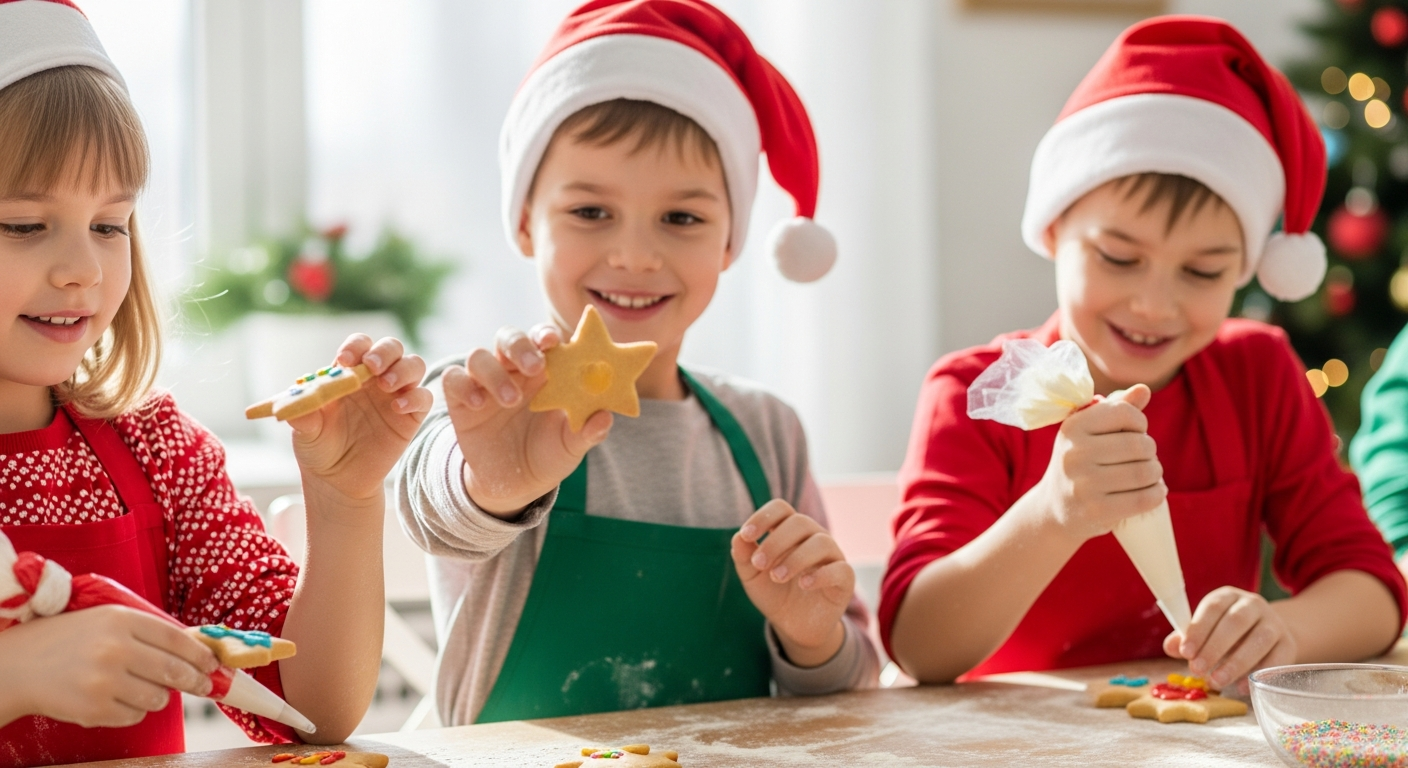
Table of Contents
- Introduction
- The Magic of Christmas for Child Development
- Creative & Crafty Christmas Fun
- Culinary Christmas Adventures
- Storytelling & Literary Journeys
- Music & Movement Merriment
- Sensory & Exploratory Play
- Outdoor & Nature-Inspired Fun
- Giving Back & Service-Oriented Activities
- Family Traditions & Connections
- Integrating Speech Blubs into Your Holiday Routine
- Get Started with Speech Blubs Today
- Conclusion
- Frequently Asked Questions
Introduction
As the festive twinkle of lights begins to adorn our homes and the scent of pine fills the air, many of us feel a unique blend of excitement and, let’s be honest, a touch of overwhelm. The holidays, particularly Christmas, are a magical time for children, brimming with wonder and anticipation. But beyond the gifts and sugary treats, this season offers an invaluable opportunity for connection, learning, and growth. It’s a chance to slow down, engage meaningfully, and create cherished memories that will last a lifetime. For children, especially those who might be developing their communication skills, these moments of shared activity become powerful catalysts for language development, emotional expression, and cognitive growth. This post isn't just a list; it's a guide to transforming the ordinary into the extraordinary, showing you how simple, playful activities can empower your child to speak their minds and hearts this Christmas. We'll explore a bounty of creative, engaging, and speech-boosting ideas, ensuring your family's holiday season is not only joyful but also deeply enriching.

The Magic of Christmas for Child Development
Christmas is more than just a date on the calendar; it's a sensory wonderland for children. From the visual feast of decorations to the aroma of holiday baking, the sounds of carols, and the textures of craft supplies, every element presents an opportunity for exploration and learning. For children, this vibrant environment naturally encourages communication. They’re motivated to describe what they see, ask questions, express their excitement, and participate in shared experiences. These interactions are fundamental building blocks for speech and language development, fostering vocabulary expansion, sentence structure, and the nuances of social communication.
Engaging in festive activities together also strengthens family bonds. When parents and caregivers actively participate, children feel valued, loved, and secure. This emotional safety net is crucial for confident communication. A child who feels heard and understood is more likely to experiment with new words and phrases, even if they're still mastering them. Moreover, the traditions we build during the holidays create a sense of continuity and belonging, enriching a child's understanding of their family identity and the world around them.
At Speech Blubs, we understand that every interaction is a chance to learn and grow. Our mission, born from the personal experiences of our founders who all grew up with speech problems, is to provide an immediate, effective, and joyful solution for the 1 in 4 children who need speech support. We believe that learning to communicate should be an adventure, not a chore. That’s why our approach blends scientific principles with play, transforming screen time into "smart screen time" that sparks curiosity and encourages active participation.
Creative & Crafty Christmas Fun
Unleash your child’s inner artist and crafter with these festive activities that encourage fine motor skills, color recognition, and descriptive language.
1. DIY Ornament Workshop
Gather plain baubles, paint, glitter, glue, and various small decorative items. Let your child design their own ornaments. This activity is fantastic for practicing colors ("red glitter," "blue paint"), shapes ("round ball"), and actions ("glue," "shake," "paint"). For a child working on expressive language, you might ask, "What color are you using?" or "How does the glitter feel?"

2. Personalized Christmas Cards
Creating cards for family and friends allows children to practice writing (or drawing) and thinking about others. Encourage them to dictate messages for you to write, or draw pictures that represent their recipients. This fosters empathy and narrative skills. "Who is this card for? What do you want to tell Grandma?"
3. Handprint Reindeer or Snowman Art
Using paint, have your child make handprints on paper, then transform them into reindeer with antlers and eyes, or snowmen with hats and scarves. This is a classic that allows for discussions about body parts ("hand," "finger"), colors, and animal names.
4. Pinecone Decorating
Collect pinecones from outdoors (or purchase them) and provide paint, glitter, small pom-poms, and glue. Decorate them to hang on the tree or use as table decorations. This offers tactile exploration and descriptive language: "It's bumpy," "It's sticky," "Let's put a shiny pom-pom on it."
5. Salt Dough Ornaments
Mix flour, salt, and water to create a dough. Children can cut out shapes, press in designs, and then bake them. Once cooled, they can paint and decorate their creations. This involves following multi-step instructions and engaging senses. "First, we roll the dough. Then, we cut a star shape."
Culinary Christmas Adventures
Baking and cooking together are multi-sensory experiences that naturally invite conversation, turn-taking, and following directions.
6. Decorating Christmas Cookies
Bake or buy plain sugar cookies and set up a decorating station with frosting, sprinkles, and candies. This is a delightful way to practice colors, numbers ("How many sprinkles?"), and prepositions ("Put the green sprinkle on the cookie").
7. Gingerbread House Construction
Whether from a kit or scratch, building a gingerbread house is a fantastic project for problem-solving and collaboration. Discuss the different parts of the house ("roof," "walls," "door") and the textures of the candy decorations. This provides excellent opportunities for spatial reasoning and descriptive language.
8. Festive Fruit Skewers
For a healthier treat, cut various fruits (strawberries, green grapes, bananas) into Christmas shapes using cookie cutters (if possible) and thread them onto skewers. This teaches categorization, colors, and healthy eating habits. "Which fruit is red? Which is green?"
9. Hot Chocolate Bar
Set up a hot chocolate bar with different toppings like marshmallows, whipped cream, chocolate syrup, and candy canes. Children can choose their own additions, practicing making choices and asking for what they want. "I want two marshmallows, please."
10. Christmas Morning Pancakes
Start Christmas morning by making festive pancakes together. Add red and green food coloring to the batter or use cookie cutters to make shapes. This encourages sequencing ("First, we mix; then, we cook") and counting.
Storytelling & Literary Journeys
Reading, listening, and creating stories are paramount for language development, fostering imagination, and expanding vocabulary.
11. Christmas Story Time
Snuggle up with a pile of Christmas books. Read aloud, pointing to pictures and asking questions about the story. This enhances listening comprehension, vocabulary, and narrative skills. "What do you think Santa will do next?"
12. Create Your Own Christmas Story
Provide paper and crayons and encourage your child to draw a series of pictures that tell a Christmas story. Then, help them narrate their story, writing down their words. This boosts sequencing, imaginative play, and verbal expression.
13. "What's in the Stocking?" Game
Place various small, safe objects in a stocking. Have your child reach in, feel an object without looking, and describe what they feel. Guess together what it is. This is excellent for tactile discrimination and descriptive language.
14. Christmas Carol Sing-Alongs
Singing carols together is a joyful way to practice rhythm, rhyme, and memory. Even non-verbal children can hum along or clap to the beat, engaging in pre-linguistic skills.
15. Write a Letter to Santa
Help your child write or dictate a letter to Santa. This involves thinking about wishes, expressing desires, and understanding the concept of a list. "What do you want to ask Santa for?"
For children who might need a little extra nudge with their communication, Speech Blubs offers a joyful, interactive experience. Our app turns screen time into "smart screen time" by utilizing unique video modeling where children learn by watching and imitating their peers. This method taps into natural mirror neuron systems, making learning intuitive and fun. For instance, after a storytelling session, your child could practice animal sounds or character voices with our engaging activities, reinforcing new vocabulary in a playful, low-pressure environment. Ready to explore a world of words and sounds? Download Speech Blubs on the App Store or Google Play to get started!
Music & Movement Merriment
Music and movement are fantastic for sensory integration, gross motor skills, and expressing emotions, all of which support overall development, including speech.
16. Christmas Dance Party
Put on some upbeat Christmas music and have a dance party! Encourage silly moves, jumping, and twirling. This helps with body awareness and following directions ("Spin around!", "Stomp your feet!").
17. DIY Musical Instruments
Make simple instruments like shakers (rice in a plastic bottle), drums (pots and pans), or kazoos. Then, play along to Christmas songs. This promotes rhythm, listening, and creative expression.
18. Act Out a Christmas Story
Choose a simple Christmas story or carol and act it out. Assign roles or let children improvise. This builds confidence, social skills, and encourages expressive language.
Sensory & Exploratory Play
Engaging the senses is crucial for cognitive development and can create rich opportunities for descriptive language.
19. Christmas Sensory Bin
Fill a bin with festive items like dried cranberries, cinnamon sticks, small ornaments, jingle bells, and pine sprigs. Add scoops and small toys for exploration. This encourages tactile exploration and rich descriptive language ("It's crunchy," "It smells spicy," "It feels soft").
20. Scent Exploration Game
Blindfold your child and have them smell various Christmas scents: peppermint extract, cinnamon, vanilla, pine needles. Have them guess what each smell is. This sharpens olfactory senses and introduces new vocabulary.
21. "I Spy" Christmas Edition
Play "I Spy" with Christmas decorations. "I spy with my little eye something red and shiny!" This game is excellent for visual discrimination and object identification.
Wondering if your child could benefit from dedicated speech support? Take our quick 3-minute preliminary screener to get a simple assessment and a free 7-day trial of Speech Blubs. It involves just 9 simple questions and provides an assessment and next-steps plan.
Outdoor & Nature-Inspired Fun
Even in winter, the outdoors offers unique opportunities for discovery and play, promoting gross motor skills and observation.
22. Decorate an Outdoor Tree for Animals
Hang bird feeders, suet cakes, or strings of popcorn and cranberries on an outdoor tree for the birds and squirrels. Discuss the animals you hope to see and their features.
23. Winter Wonderland Walk
Go for a walk to admire Christmas lights and decorations in your neighborhood. Talk about what you see, the colors, and the different styles of decorations.
24. Building a Snowman (or Snow Creature)
If you have snow, building a snowman is a classic. If not, use blankets, pillows, or white fabric indoors to create a "snow creature." This promotes collaborative play and descriptive language about size and shape.
Giving Back & Service-Oriented Activities
The spirit of giving is central to Christmas. Engaging in acts of kindness teaches empathy, gratitude, and the joy of helping others.
25. Create Cards for Seniors
Make homemade Christmas cards for residents of a local nursing home or hospital. This fosters empathy and a sense of contribution.
26. Donate Toys or Clothes
Involve your child in sorting through their toys or clothes to find items to donate to charity. Discuss why it's important to help others.
27. Bake Treats for Neighbors or First Responders
Bake extra cookies or other treats and deliver them to neighbors, firefighters, or police officers as a gesture of appreciation.
Family Traditions & Connections
Building traditions is about creating lasting memories and a sense of belonging, which are vital for a child's emotional well-being and confidence in communicating.
28. Christmas Movie Night
Cuddle up with blankets, popcorn, and a favorite Christmas movie. Talk about the characters and the story afterward.
29. Holiday Game Night
Bring out board games or card games. Games teach turn-taking, following rules, and strategic thinking, all of which are transferable to effective communication.
30. Family Photo Album Review
Look through old Christmas photo albums together. Talk about the people, the events, and the memories. This strengthens narrative skills and reinforces family history.
We know that choosing the right support for your child's communication journey is important. That's why we're proud of the science behind Speech Blubs. Our app has a high MARS scale rating, placing us in the top tier of speech apps worldwide, a testament to our commitment to blending effective methodology with engaging play. Learn more about our approach and the research supporting our "video modeling" method on our research page.
Integrating Speech Blubs into Your Holiday Routine
While these activities provide a rich foundation for communication, for children who need a little extra support, Speech Blubs can be a powerful partner. Imagine, for example, your child is shy about singing carols. Our app's video modeling feature could allow them to practice vocalizations and rhythms by imitating their peers in a fun, pressure-free environment, building their confidence to join the family sing-along.
Relatable Scenarios:
- For the "late talker" mesmerized by holiday lights: Our "Early Sounds" section can help them practice sounds like "ohh" (for wonder) or "wow" (for bright lights), using engaging videos of other children.
- For the child who struggles with expressive vocabulary during gift-opening: After unwrapping a toy animal, you can transition to the "Animal Kingdom" section in Speech Blubs, where they can see and imitate peers saying "roar" or "meow," reinforcing new words in context.
- For the child who needs help following multi-step directions during baking: Our app has activities designed to break down instructions into simpler, imitable steps, helping them practice sequencing skills away from the holiday rush.
We believe that learning to communicate should be an adventure, not a chore. That's why we've designed Speech Blubs to be a screen-free alternative to passive viewing like cartoons, fostering active participation and a powerful tool for family connection. By providing a "smart screen time" experience, we empower children to learn complex communication skills like "video modeling" where they learn by watching and imitating their peers, fostering a love for communication and building confidence. Our commitment to empowering children to "speak their minds and hearts" means we focus on helping them develop key foundational skills, reduce frustration, and create joyful family learning moments.
See what other parents are saying about their child's success and how Speech Blubs has transformed their communication journey by visiting our testimonials page.
Get Started with Speech Blubs Today
We offer flexible plans designed to fit your family's needs, ensuring access to our valuable tools. You can choose our Monthly plan for $14.99 per month, or, for the absolute best value, opt for our Yearly plan at just $59.99 per year. This breaks down to an incredible $4.99 per month, allowing you to save 66% compared to the monthly option!
The Yearly plan isn't just cheaper; it's packed with exclusive, high-value features that truly enhance your child's learning experience:
- A 7-day free trial: Experience the full power of Speech Blubs before committing.
- The extra Reading Blubs app: Double the fun and learning with our complementary reading app.
- Early access to new updates: Be the first to try our latest features and content.
- 24-hour support response time: Get your questions answered quickly and efficiently.
The Monthly plan, unfortunately, does not include these fantastic benefits. We highly recommend the Yearly plan to unlock the full suite of features and maximize your savings.
Ready to give your child the gift of clear communication this Christmas? Create your Speech Blubs account today and start your 7-day free trial with the Yearly plan.
Conclusion
Christmas is a truly special time, a season ripe with opportunities to connect, create, and communicate. By embracing these joyful activities, you’re not just filling time; you’re building invaluable memories, strengthening family bonds, and laying robust foundations for your child’s development. Whether it’s through the tactile joy of decorating cookies, the imaginative world of storytelling, or the simple pleasure of singing carols, every interaction becomes a stepping stone toward confident communication. And for those moments when a little extra support can make a big difference, Speech Blubs is here to empower your child to speak their minds and hearts, blending scientific principles with the magic of play. These holidays, give the gift of connection and communication.
Don't wait to ignite your child's communication journey. Download Speech Blubs on the App Store or Google Play and make sure to select the Yearly plan to unlock your 7-day free trial and access to all the exclusive features, including the Reading Blubs app. Let's make this Christmas a season of joyful sounds and confident voices!
Frequently Asked Questions
Q1: How can I encourage my child to participate if they're shy or non-verbal during Christmas activities?
A1: Start with activities that don't require verbal communication, like sensory bins or drawing. Focus on shared attention, making eye contact, and imitating your child's sounds or gestures. Offer choices using visuals or gestures, and narrate your own actions clearly to provide a language model. Remember, every sound, gesture, or attempt to communicate is a success. Speech Blubs, with its peer video modeling, provides a low-pressure way for children to imitate sounds and words at their own pace, building confidence before engaging verbally in group activities.
Q2: What if my child gets overwhelmed by all the holiday excitement and activities?
A2: It's common for children to get overstimulated during the holidays. Watch for signs of overwhelm, like irritability or withdrawal. Create a quiet "calm down" corner, stick to a routine as much as possible, and don't overschedule. Offer simple, quiet activities like reading a book or listening to soft music. Break down complex tasks into smaller, manageable steps, and always prioritize your child's well-being over completing an activity. Sometimes, a short, focused session with Speech Blubs can provide a calming, structured learning break amidst the chaos.
Q3: Are these activities suitable for children of all ages and developmental stages?
A3: Many of these activities can be adapted for various ages and stages. For younger children, focus on sensory exploration, simple imitation, and concrete language (e.g., naming colors, animals). For older children, encourage more complex language, problem-solving, and imaginative play. The key is to tailor the activity to your child's current abilities and interests. For example, a 2-year-old might focus on making a single handprint snowman, while a 5-year-old could design an elaborate Christmas card with a detailed story.
Q4: How does Speech Blubs specifically help with speech development during the holidays?
A4: Speech Blubs complements holiday activities by providing targeted, engaging practice in a structured "smart screen time" environment. If your child struggles with sounds needed to sing carols, our app offers fun activities to practice those specific sounds. If they have difficulty describing new toys or decorations, our themed sections can introduce and reinforce related vocabulary. Our unique video modeling allows children to learn by imitating their peers, which is less intimidating and highly effective. This helps build foundational skills and confidence, making them more ready to participate verbally in family traditions and conversations. You can learn more about our app at the Speech Blubs homepage.
About the author