
31 Fun and Educational Toddler-Friendly Craft Projects
 By Speech Blubs Team•Feb 23, 2026•15 min.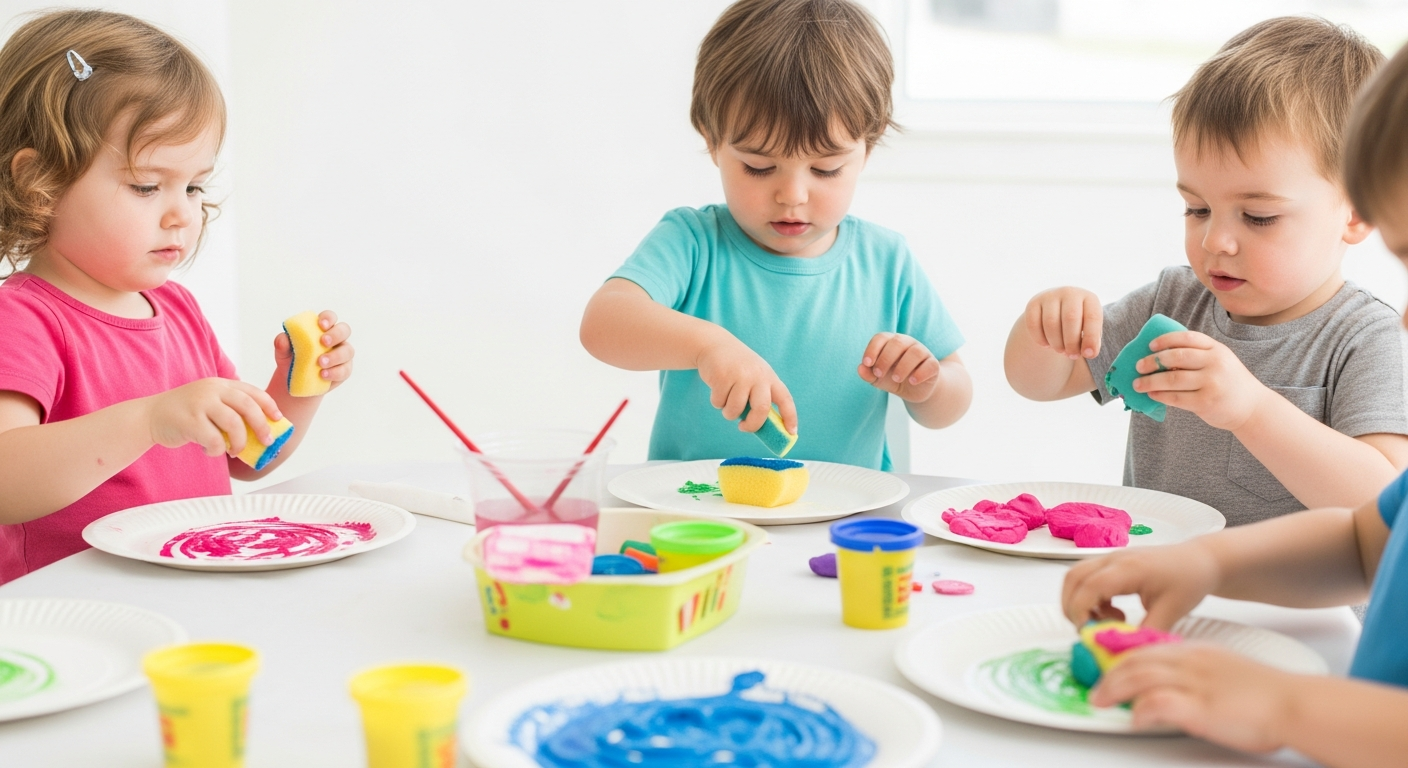
Table of Contents
- Introduction
- The Speech Blubs Approach to Creative Play
- Springtime Toddler-Friendly Craft Projects
- Summer Crafts for Sun-Filled Days
- Fall Crafts: Exploring Textures and Earth Tones
- Winter Projects: Cozy and Creative
- Unique and "Smart" Toddler-Friendly Craft Projects
- Why Crafting Matters: The Science of Development
- Integrating Speech Blubs into Your Crafting Routine
- Practical Tips for Stress-Free Crafting
- Conclusion
- Frequently Asked Questions
Introduction
Do you remember the first time your child successfully squeezed a glue bottle, or the look of pure wonder on their face when two paint colors swirled together to create a brand-new one? For a toddler, a simple piece of construction paper isn't just paper—it’s a gateway to a world of sensory discovery. At Speech Blubs, we believe these "firsts" are the building blocks of communication. Our mission is to empower children to speak their minds and hearts, and often, that journey begins with the messy, joyful exploration of toddler-friendly craft projects.
In this guide, we will explore over 30 creative activities designed specifically for little hands and growing minds. We’ll cover everything from low-mess sensory play to seasonal masterpieces that celebrate the world around us. More importantly, we’ll show you how these creative moments can be paired with "smart screen time" to boost language development and confidence. If you’ve ever felt overwhelmed by the "late talker" label or simply want to foster a deeper connection with your child, you’re in the right place. Unsure where your child stands in their development? You can take our quick 3-minute preliminary screener to get a simple assessment and a free 7-day trial of our tools.

Our goal is to provide you with a toolkit of activities that prioritize the process of creation over the final product. By focusing on the experience, we help children build fine motor skills, reduce frustration, and develop the foundational communication skills they need to thrive.
The Speech Blubs Approach to Creative Play
At Speech Blubs, our company was born from the personal experiences of our founders, who all grew up with speech problems and created the tool they wished they had. We know that for the 1 in 4 children who need speech support, traditional methods can sometimes feel like a chore. That’s why we blend scientific principles with play.
Our unique approach utilizes "video modeling," a methodology where children learn by watching and imitating their peers. When your child sees another child making a "b" sound or laughing while playing with a puppet in the app, it triggers mirror neurons in their brain, making them more likely to try it themselves. You can see how this has impacted thousands of families by reading our parent testimonials.
Crafting is the perfect physical extension of this digital learning. While our app provides a screen-free alternative to passive viewing (like mindless cartoons), these craft projects offer a powerful tool for family connection. By co-playing and creating together, you are turning "smart screen time" into a holistic learning experience.
Springtime Toddler-Friendly Craft Projects
Spring is a season of rebirth and new vocabulary. It’s the perfect time to head outside, observe nature, and then bring those observations to the craft table.
1. Four-Season Sensory Trees
This activity is a wonderful way to teach your child about the passing of time and the changing environment. Using a simple tree trunk template, let your toddler decorate the branches based on the season. For Spring, use small pieces of pink tissue paper or popcorn to represent blossoms.
- Speech Connection: Practice words like "flower," "pink," "grow," and "tree."
2. Textured Bunny
Using cotton balls and white glue, your toddler can create a soft, tactile bunny. This sensory-filled craft is perfect for two-year-olds who are still exploring the world through touch.

- Speech Connection: Use the "Animal Kingdom" section of the Speech Blubs app on the App Store to practice the "hop hop" sound before you start glueing.
3. Paper Cup Flowers
By placing a marble dipped in paint inside a paper cup and shaking it, your child creates unique, swirling patterns. This "process art" is exciting because the outcome is always a surprise!
- Speech Connection: Focus on action words like "shake," "roll," and "stop."
4. Painting in the Rain
If it’s a drizzly day, take a piece of paper with drops of food coloring on it outside for just a moment. Watch as the raindrops spread the color. It’s a literal lesson in how water moves paint.
5. Flower Printing
Use actual flowers or sponges shaped like petals to "stamp" a garden onto paper. This helps with hand-eye coordination and introduces the concept of cause and effect.
Summer Crafts for Sun-Filled Days
Summer is all about vibrant colors and outdoor exploration. These projects are designed to be high-energy and engaging.
6. Pompom Ice Pops
Crafting pretend ice pops using colorful pompoms and craft sticks is a fantastic way to practice fine motor skills. Kids can "sell" their treats in a pretend shop, fostering social-emotional development.
- Speech Connection: Practice flavor names like "strawberry," "lemon," and "grape."
7. Paper Plate Sun
Yellow paint and orange pipe cleaners can transform a simple paper plate into a bright sun. Threading beads onto the pipe cleaners (the sun's rays) is an excellent way to strengthen the pincer grip.
8. Fly Swatter Painting
It sounds crazy, but giving a toddler a clean fly swatter and a tray of paint is pure joy. The patterns made by the mesh are fascinating, and the physical action of "swatting" the paper helps burn off toddler energy.
9. Yogurt Cup Wind Chimes
Instead of throwing away yogurt containers, wash them out and let your child decorate them with stickers. Poke a hole in the bottom, string some bells through, and hang them outside to hear the wind.
10. Easy Sidewalk Paint
Mix cornstarch, water, and food coloring to create a non-toxic paint that washes away with the next rain. This turns your driveway into a giant canvas for large-scale artistic expression.
Fall Crafts: Exploring Textures and Earth Tones
As the leaves change, so do the opportunities for sensory play. Fall is perhaps the richest season for natural materials.
11. Fall Leaf Letters
Go on a nature walk and collect the brightest leaves you can find. Back home, help your child glue them onto a large cutout of the first letter of their name. This combines nature, art, and early literacy.
- Speech Connection: Say the letter sound (e.g., "A is for Apple/Autumn") as you work.
12. Shaving Cream Jack-o-Lanterns
Mix orange paint into a tray of shaving cream. Let your toddler "paint" a pumpkin shape on a piece of cardboard. The fluffy, sensory texture is a hit with kids who love tactile experiences.
- Speech Connection: This is a great time to talk about "sticky," "soft," and "orange."
13. Paint Blowing: Fall Trees
Put a few drops of watery brown and orange paint on a paper. Give your child a straw and show them how to blow the paint to create "branches." This is a secret way to practice the oral motor skills needed for speech!
14. Nature Collage
Use contact paper (sticky side up) and let your child press dried leaves, small twigs, and flat stones onto it. It’s a mess-free way to create a beautiful autumn scene.
15. Toilet Paper Tube Owls
Save your cardboard tubes! With a little brown paint and some "googly" eyes, these become perfect little owls. Use the Google Play Store link to download Speech Blubs and find the owl in our "Animal Kingdom" section to practice the "hoo-hoo" sound together.
Winter Projects: Cozy and Creative
When it’s too cold to spend hours outside, these indoor crafts keep little hands busy and minds sharp.
16. Snow Coloring
If you have snow, bring a bowl of it inside! Give your child spray bottles filled with water and food coloring. They can "paint" the snow right in the bowl. It’s a temporary masterpiece that teaches them about melting and color mixing.
17. Paper Plate Christmas Balls
These are open-ended and simple. Give your child a paper plate, some glitter glue, and stickers. Let them go to town! These make wonderful, low-pressure gifts for grandparents.
18. Night Sky Craft
Using dark blue or black paper, let your child "star" the sky with silver stars, white paint splatters, or even glow-in-the-dark stickers. It’s a peaceful, calming activity before bedtime.
19. Homemade Clay Ornaments
Mix baking soda, cornstarch, and water to create a simple DIY clay. After cutting out shapes with cookie cutters, let them dry and then paint them. This provides a long-term project that kids can return to over several days.
20. Cotton Ball Snowmen
Standard but classic. Glueing cotton balls onto three circles of paper helps toddlers understand size (small, medium, large) while creating a friendly winter character.
Unique and "Smart" Toddler-Friendly Craft Projects
These projects go beyond the basics, incorporating elements of science, music, and engineering on a toddler-appropriate scale.
21. Recycled Shoebox Guitar
Stretch different thicknesses of rubber bands across an open shoebox. As your child plucks them, they learn about vibration and sound.
- Speech Connection: Use the "Mouth Gym" in Speech Blubs to warm up, then sing "The Wheels on the Bus" while strumming your new guitar!
22. Cardboard Tube Telescope
Tape two toilet paper rolls together and let your child decorate them. Suddenly, they are explorers! Use the telescope to "find" items around the room, which is a great game for vocabulary building (e.g., "I see a blue chair!").
23. Toy Camera
A small box with a bottle cap glued to the front becomes a camera. Encourage your child to "take pictures" of their toys and tell you stories about them. This fosters narrative skills, which are a key part of complex communication.
24. Monster Sock Puppets
Do you have a stray sock? Add some yarn for hair and two buttons for eyes. Suddenly, you have a new friend! Puppets are one of the most effective tools for encouraging shy children to speak.
- Tip: Use the puppet to "talk" to your child, asking them questions they might be too intimidated to answer directly.
25. Block Prints with Foam
Cut simple shapes out of sticky-back foam and attach them to wooden blocks. Dip them in paint and stamp away. This introduces the concept of repetition and patterns.
26. Water Microscope
By stretching plastic wrap over a paper cup with a hole in it and adding a drop of water, you create a simple magnifying lens. It’s a "wow" moment that sparks curiosity about the world’s tiny details.
27. String Puppet Plane
Cardboard scraps and a bit of string can become a marionette-style plane. This helps with bilateral coordination (using both hands together).
28. DIY Sidewalk Chalk
Did you know you can make your own chalk by mixing plaster of Paris and tempera paint? It’s a fun "science experiment" that results in a tool for even more art.
29. Pompom Color Sorting
While not strictly a "craft," using tweezers to sort pompoms into colored cups is a high-value activity for fine motor development.
30. Sticky Wall Mural
Tape a large piece of contact paper to the wall, sticky side out. Give your child various scraps of paper, fabric, and ribbon. They can add and remove pieces as they please, creating an ever-changing wall of art.
31. Bubble Paint Masterpieces
Mix dish soap, water, and non-toxic paint in a bowl. Use a straw to blow bubbles until they rise above the rim, then gently press a piece of paper onto the bubbles. The resulting "bubble prints" are ethereal and beautiful.
Why Crafting Matters: The Science of Development
You might wonder if these activities are just a way to pass the time. However, research shows that creative play is essential for healthy brain development. Our scientific research page details how activities that engage multiple senses—like many of the crafts listed above—help build strong neural pathways.
When a toddler engages in toddler-friendly craft projects, they are doing more than just making a mess. They are:
- Building Fine Motor Skills: Strengthening the small muscles in their hands that will eventually help them hold a pencil and even coordinate the movements needed for speech.
- Developing Cognitive Skills: Learning about cause and effect, spatial awareness, and problem-solving.
- Boosting Confidence: Seeing a project through from start to finish provides a massive sense of accomplishment.
- Enhancing Language: Crafting provides a natural context for learning new nouns, verbs, and adjectives.
Our founders understood this deeply. Having struggled with speech themselves, they knew that building a child's confidence is half the battle. When a child feels capable in one area—like art—that confidence often spills over into their willingness to try new sounds and words.
Integrating Speech Blubs into Your Crafting Routine
We want to help you make the most of your time together. Speech Blubs is designed to be a "smart" supplement to your child’s overall development plan. It isn't just about sticking a tablet in front of a child; it’s about using our peer-led video modeling to spark a desire to communicate.
For a parent whose 3-year-old "late talker" loves animals, the "Animal Kingdom" section of our app offers a fun, motivating way to practice "moo" and "baa" sounds. Imagine doing this right before you sit down to make a cotton ball sheep! This "double-dose" of learning—first seeing a peer do it, then doing a related physical activity—is incredibly powerful.
Choosing the Right Plan for Your Family
We are committed to being a joyful solution for every family. To get the best experience, we recommend our Yearly Plan, which is designed to grow with your child.
- Yearly Plan: $59.99 per year (breaks down to just $4.99/month). This plan includes a 7-day free trial, the extra Reading Blubs app to help with early literacy, early access to new updates, and 24-hour support response time. This is a 66% savings compared to the monthly option!
- Monthly Plan: $14.99 per month. Please note this plan does not include the free trial, Reading Blubs, or priority support.
Ready to start your journey? You can create your account and begin your 7-day free trial today.
Practical Tips for Stress-Free Crafting
As any parent knows, "toddler" and "mess" are often synonyms. Here is how we recommend keeping the experience joyful and low-stress:
- Lower Your Expectations: Your toddler's "sun" might look like a yellow blob. That’s okay! Praise their effort and the colors they chose rather than the accuracy of the shape.
- Prepare the Space: Use a plastic tablecloth or an old shower curtain under the craft table. This makes cleanup a matter of simply folding up the mess and shaking it out (or throwing it in the wash).
- Keep it Short: A toddler's attention span is short. If they are done after five minutes, let them be done. You can always come back to the project later.
- Use Low-Mess Tools: Tempera paint sticks are a game-changer. They provide the vibrant color of paint but dry almost instantly and act more like a chunky marker.
- Focus on Connection: Put your phone away (unless you’re using Speech Blubs together!) and get down on their level. Narrate what they are doing: "I see you are using the blue glitter! It’s so sparkly!"
Conclusion
The journey of a thousand words begins with a single "moo," a single "pop," or a single stroke of a paintbrush. By engaging in toddler-friendly craft projects, you are giving your child the gift of creative expression and the foundational skills they need to "speak their minds and hearts."
Whether you are building a shoebox guitar or painting with raindrops, remember that these moments of "smart screen time" and physical play are building a bridge to a more confident, communicative future. We don't promise that your child will be giving public speeches in a month, but we do promise a process that fosters a love for learning and reduces the frustration that often comes with speech delays.
We invite you to join the Speech Blubs family. Download Speech Blubs on the App Store or Google Play to begin. Remember to select the Yearly plan to unlock your 7-day free trial and the Reading Blubs app, ensuring your child has the most comprehensive toolset available. Let’s make learning joyful, together.
Frequently Asked Questions
What are the best low-mess toddler-friendly craft projects?
Sticky walls (using contact paper), tempera paint sticks, and water play are excellent low-mess options. These activities provide the sensory input children crave without the hour-long cleanup traditional painting requires.
How does crafting help my child’s speech development?
Crafting provides a natural environment for "narrated play." As you craft, you use specific vocabulary (colors, shapes, actions) that your child can then mimic. Additionally, activities like blowing through a straw to move paint help strengthen the oral motor muscles used in speaking.
My child is a "late talker." Is it too early for crafts?
Never! In fact, crafting is a great way to reduce the pressure to speak. When a child is focused on a task with their hands, they are often more relaxed and more likely to attempt sounds or words spontaneously. Pair these activities with our video modeling app to provide peer-based inspiration.
What should I do if my child doesn't want to get their hands dirty?
Many children have sensory sensitivities. If your child dislikes the feeling of glue or wet paint, try "container art" (like the marble in a cup) or use tools like sponges and brushes so they don't have to touch the medium directly. Over time, gentle exposure can help them become more comfortable.
About the author