
Children's Festive Christmas Creations
 By Speech Blubs Team•Dec 22, 2025•22 min.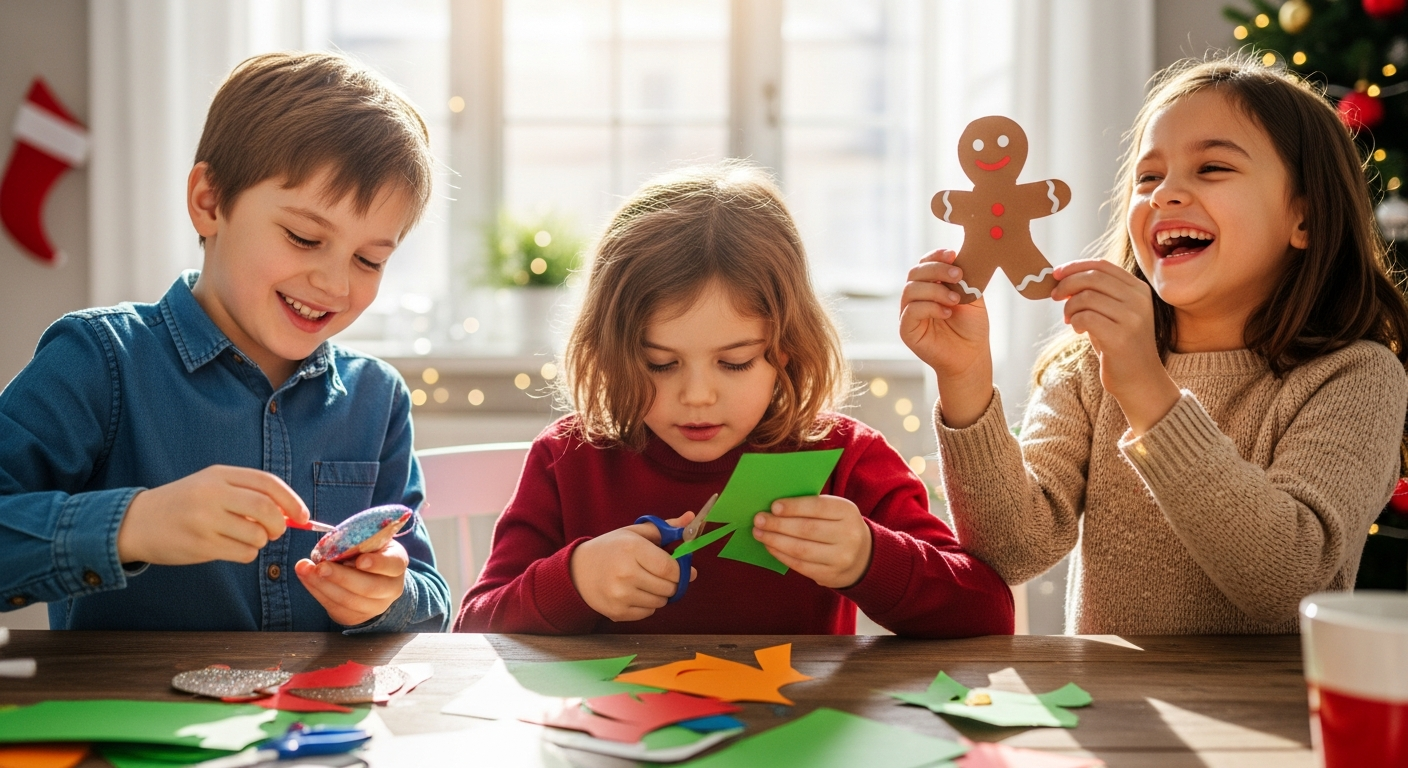
Table of Contents
- Introduction
- Why Christmas Crafts are More Than Just Fun
- Essential Craft Supplies for Your Christmas Creations
- Our Favorite Easy Christmas Craft Ideas
- Making Crafts a Communication Catalyst with Speech Blubs
- Tips for Successful Christmas Crafting with Kids
- Empowering Your Child's Journey: The Speech Blubs Difference
- Conclusion
- FAQ
Introduction
There’s an undeniable sparkle in a child’s eyes when Christmas approaches—a magic woven from anticipation, stories, and the promise of festive cheer. This wonder isn't just about presents; it’s about the joy of creation, the shared laughter, and the simple beauty of making something with their own hands. In a world often dominated by screens and ready-made toys, the act of crafting offers a unique opportunity to slow down, connect, and celebrate the season in a truly personal way.
This blog post is your guide to unlocking that magic, exploring a delightful array of easy, engaging Christmas crafts perfect for kids of all ages. We’ll delve into why these creative endeavors are more than just fun, but powerful tools for your child’s development, fostering everything from fine motor skills to imaginative thinking and, crucially, communication. Get ready to gather your supplies, embrace a little festive mess, and discover how these simple projects can transform into cherished family traditions and invaluable learning experiences. Our main message is clear: Christmas crafting is a joyful pathway to connection, creativity, and robust developmental growth.

Why Christmas Crafts are More Than Just Fun
The holidays are a whirlwind of activity, but carving out time for hands-on crafts offers profound benefits that extend far beyond a pretty ornament or a handmade gift. These moments of creation are rich with opportunities for learning and development, subtly nurturing essential skills while building lasting memories.
Boosting Development Through Play
Crafting is a multi-sensory experience that engages various developmental domains:
- Fine Motor Skills: The act of cutting with child-safe scissors, carefully applying glue, molding dough, or delicately painting details all requires precision and control. These activities are vital for strengthening the small muscles in the hands and fingers, which are foundational for tasks like writing, dressing, and using utensils. The repeated practice of grasping, pinching, and manipulating small objects refines dexterity and hand-eye coordination.
- Cognitive Skills: From following a set of instructions to choosing colors and materials, crafts are mini-projects that demand cognitive engagement. Children learn to sequence steps ("first we cut, then we glue"), problem-solve when something doesn't go as planned ("how can I make this stick?"), and understand cause and effect. They develop planning skills, memory, and the ability to focus on a task, all while making something beautiful.
- Creative Expression: Crafting provides a wonderful outlet for imagination. There’s no single "right" way to decorate a Christmas tree ornament or design a greeting card. Children are free to experiment with colors, textures, and designs, translating their inner thoughts and feelings into tangible forms. This freedom fosters originality and helps them develop a sense of personal style and artistic appreciation.
- Emotional Development: Completing a craft project, especially one that takes effort, instills a strong sense of accomplishment and pride. Children learn patience as they wait for glue to dry or meticulously add details. Sharing their creations with family and friends teaches generosity and the joy of giving. Navigating the minor frustrations of a tricky step, with adult guidance, also builds resilience and emotional regulation.
Nurturing Communication and Connection
Perhaps one of the most significant, yet often overlooked, benefits of crafting is its power to spark communication and strengthen family bonds.

- Verbal Interaction: Crafting naturally creates a "language-rich environment." As you work together, you'll find yourselves describing steps ("Let's cut the red paper"), identifying colors and shapes ("Can you hand me the blue star?"), counting materials ("We need three more pompoms"), and discussing actions ("I'm mixing the paint"). You can encourage your child to narrate their process, ask questions about what they're making, and express their choices. This active dialogue is invaluable for vocabulary expansion, sentence structure development, and conversational turn-taking.
- Non-Verbal Cues: Beyond words, crafting involves a wealth of non-verbal communication. Sharing materials, collaborating on a shared project, and offering a helping hand all teach important social skills and empathy. Children learn to interpret facial expressions and gestures, understanding when to offer assistance or patiently wait their turn.
- Family Bonding: Crafting together creates cherished moments and builds a foundation of shared experiences. These aren't just activities; they're opportunities for connection, laughter, and creating memories that will last a lifetime. The handmade ornaments that adorn your tree year after year become treasured reminders of these special times.
At Speech Blubs, we deeply understand the profound impact of communication and connection on a child's development. Our mission is to empower children to "speak their minds and hearts," a mission born from the personal experiences of our founders who grew up with speech problems and created the tool they wished they had. Just as crafting fosters interaction and expressive communication, our app provides a scientifically-backed, "smart screen time" experience that complements these real-world interactions. We believe in active engagement over passive viewing, offering a vibrant, joyful solution for the 1 in 4 children who need speech support, all while strengthening family connection.
Essential Craft Supplies for Your Christmas Creations
Before diving into the creative fun, it’s helpful to gather a basic kit of craft supplies. Many items you might already have around the house, making these crafts not only easy but also budget-friendly!
Basic Stock Supplies
These are your go-to items that form the foundation for countless projects:
- Paper: Construction paper in various colors (especially red, green, white, gold, silver), cardstock for sturdier projects, and plain printer paper for drawing and cutting.
- Adhesives: Child-safe glue sticks for easy, less-mess application; liquid white glue for stronger bonds and glitter projects.
- Scissors: Child-safe scissors are a must! Having a couple of pairs can prevent arguments during group crafting.
- Drawing & Coloring Tools: Crayons, washable markers, colored pencils, and perhaps some glitter pens for that extra festive sparkle.
- Embellishments: Pompoms, googly eyes, pipe cleaners (chenille stems), glitter (consider chunky glitter for less mess), felt scraps, stickers, and sequence.
- Paint: Washable tempera paints in primary colors, plus white for mixing. Small brushes of various sizes.
Recycled and Household Items
Don’t underestimate the potential of everyday items you might otherwise discard:
- Toilet Paper and Paper Towel Rolls: Perfect for creating characters, binoculars, or small gift boxes.
- Egg Cartons: Transform into bells, flowers, or small animal figures.
- Old Magazines and Catalogs: Excellent for cutting out pictures for collages or making paper beads.
- Cardboard Boxes: Cereal boxes, tissue boxes, or larger delivery boxes can be cut and painted to make ornaments, dioramas, or even small playhouses.
- Yarn Scraps: Great for adding texture, making tassels, or wrapping ornaments.
Natural Elements
Bring the outdoors in for a rustic, charming touch:
- Pinecones: Collect them from your yard or a local park (ensure they’re clean and dry). They can be painted, glittered, or adorned with pompoms to create ornaments or small critters.
- Twigs and Small Branches: Use for miniature trees, stable scenes, or as bases for hanging decorations.
- Leaves: Press and dry them, then use for collages or paint them festive colors.
Safety First!
Always prioritize safety, especially when crafting with young children:
- Adult Supervision: Essential for any activity involving scissors, glue, or paint.
- Child-Safe Products: Ensure all glues, paints, and markers are non-toxic and washable.
- Age-Appropriate Tools: Only use scissors designed for children, and introduce sharp tools gradually as children develop their fine motor skills and judgment.
Having a dedicated craft box or drawer keeps everything organized and ready for spontaneous creative bursts throughout the holiday season!
Our Favorite Easy Christmas Craft Ideas
Now for the fun part! Here are some tried-and-true, easy Christmas craft ideas that are perfect for kids, fostering creativity, communication, and holiday cheer. Each project offers unique opportunities for verbal interaction and skill-building.
Ornaments Kids Can Make
Handmade ornaments are treasures that tell a story every time you decorate the tree. They’re fantastic for fine motor development and provide ample opportunities for communication about colors, shapes, and memories.
Salt Dough Ornaments
This classic craft is wonderfully versatile and uses simple kitchen ingredients. Materials: 1 cup flour, 1/2 cup salt, 1/2 cup water, cookie cutters, straw (for making holes), rolling pin, baking sheet, paint, glitter, ribbon/string. Instructions:
- Mix flour, salt, and water in a bowl until a dough forms. Knead for a few minutes until smooth.
- Roll out the dough to about 1/4 inch thickness.
- Use Christmas-themed cookie cutters to cut out shapes (stars, trees, gingerbread men).
- Use a straw to poke a hole at the top of each ornament for hanging.
- Bake at 250°F (120°C) for 2-3 hours, or until hardened. Alternatively, air dry for 2-3 days, flipping occasionally.
- Once cool and hard, let your child paint and decorate them! Add glitter while the paint is wet for extra sparkle.
- Thread a ribbon or string through the hole to hang. Communication Focus: Talk about the ingredients ("We need white flour and white salt!"), the process ("Roll the dough! Press the cutter!"), shapes ("What shape is that? A star!"), colors they’re using, and counting how many ornaments you’ve made. Ask, "What color should we paint this Christmas tree?" or "Who is this gingerbread person for?"
Popsicle Stick Ornaments
Simple, sturdy, and endlessly customizable. Materials: Popsicle sticks (craft sticks), glue, paint/markers, glitter, small pompoms, buttons, pipe cleaners, ribbon/string. Instructions:
- Stars: Arrange five popsicle sticks into a star shape, overlapping and gluing at the points.
- Trees: Glue three or four popsicle sticks vertically, then glue smaller sticks horizontally across them, decreasing in length to form a tree shape. Add a small stick for the trunk.
- Snowflakes: Glue two or three popsicle sticks into a crisscross shape.
- Once the basic shape is dry, let your child paint them festive colors or color with markers.
- Decorate with pompoms, buttons, glitter, or small pieces of pipe cleaner.
- Glue a loop of ribbon to the back for hanging. Communication Focus: Practice spatial prepositions ("Put the star on top," "Glue the stick next to this one"), describe the process ("First we glue, then we paint"), and identify colors and shapes. "Let’s make a blue snowflake!" or "How many sticks do we need for the tree?"
Handprint/Footprint Ornaments
These are precious keepsakes that capture a moment in time. Materials: Salt dough (as above), or air-dry clay, paint, glitter, ribbon/string. Instructions:
- Roll out a piece of salt dough or clay to about 1/2 inch thickness.
- Gently press your child’s hand or foot into the dough/clay to make an imprint.
- Use a straw to create a hanging hole.
- Bake or air dry as per salt dough instructions.
- Once hardened, decorate the ornament. You might paint the handprint green to resemble a Christmas tree, or add glitter for sparkle.
- Write your child's name and the year on the back. Communication Focus: Discuss body parts ("Where’s your hand?"), talk about how much they’ve grown, and describe the feeling of the clay ("It’s squishy!"). This is a perfect opportunity for emotional language: "This will be a special memory!"
Festive Home Decorations
Transform your home into a winter wonderland with these easy, kid-friendly decorations.
Paper Chain Garlands
A classic decoration that’s simple, repetitive, and great for pattern recognition. Materials: Construction paper in Christmas colors, scissors, glue stick or tape. Instructions:
- Cut strips of construction paper, about 1 inch wide and 8-10 inches long.
- Form the first strip into a loop and secure with glue or tape.
- Thread the next strip through the first loop, form a new loop, and secure.
- Continue until your chain is as long as you desire. Communication Focus: Practice counting ("One loop, two loops..."), discussing patterns ("Red, green, red, green!"), and comparing lengths ("Is this chain longer or shorter?"). This is excellent for sequencing vocabulary ("First we cut, then we glue, then we link!").
Toilet Paper Roll Characters
Turn everyday recyclables into adorable holiday figures. Materials: Toilet paper rolls, paint or construction paper, markers, googly eyes, pompoms, felt scraps, glue. Instructions:
- Santa: Paint a toilet paper roll red. Add a white cotton ball beard, googly eyes, and a small red felt cone for a hat.
- Reindeer: Paint a toilet paper roll brown. Glue on googly eyes, a red pompom nose, and pipe cleaner antlers.
- Elves: Paint green. Add a pointed green felt hat, googly eyes, and draw a smile.
- Let your child get creative, mixing and matching elements! Communication Focus: Great for character names ("Who is this? It’s Santa!"), descriptive words ("He has a big red nose!"), and storytelling ("Santa is getting ready to deliver presents!"). Encourage making animal sounds for the reindeer! For a parent whose 3-year-old "late talker" loves animals, creating a reindeer and practicing "reindeer noises" or the sound of sleigh bells can be a fun, motivating way to practice sounds that are reinforced in the Speech Blubs "Animal Kingdom" section, where they can watch and imitate peers making similar sounds.
Pinecone Critters
Combine natural elements with craft supplies for charming woodland creatures. Materials: Pinecones, googly eyes, felt scraps, small pompoms, glue. Instructions:
- Collect clean, dry pinecones.
- Glue googly eyes onto the pinecone for eyes.
- Use felt scraps to create ears, wings, or tiny hats.
- Add pompoms for noses or small hats.
- These can become owls, squirrels, or imaginary forest creatures. Communication Focus: Explore nature vocabulary ("This is a pinecone! It’s from a tree!"), animal sounds, and imaginative storytelling about the critters ("What is your pinecone owl doing?").
Thoughtful Gifts and Cards
Encourage generosity and personal expression by creating handmade gifts and cards for loved ones.
Handmade Christmas Cards
A heartfelt way to send holiday greetings. Materials: Cardstock, markers, crayons, glitter, stickers, family photos, glue. Instructions:
- Fold a piece of cardstock in half to create a card.
- Let your child draw a festive picture on the front. They can also use stamps, stickers, or glue on small craft items.
- Inside, help them write a simple message like "Merry Christmas" or "Love, [Child's Name]."
- For older kids, encourage them to write a personalized message to the recipient. Communication Focus: Discuss who the card is for and what message they want to convey. Practice writing names and simple words. Describe the picture they’ve drawn, fostering expressive language and building early literacy skills. "What should we draw for Grandma?"
DIY Photo Frames
A personalized gift for family members. Materials: Plain wooden or cardboard photo frames (can be found cheaply at craft stores), paint, markers, glitter, small beads, buttons, glue, family photos. Instructions:
- Let your child paint the photo frame in festive colors.
- Once dry, they can decorate it with glitter, beads, small buttons, or drawn patterns.
- Insert a favorite family photo. Communication Focus: Talk about the people in the photo ("Who is this? What are we doing here?"). Discuss colors, textures, and the act of giving. "This is a gift for Aunt Sarah!"
Cookie Decorating (Craft + Treat!)
An edible craft that engages all the senses! Materials: Pre-baked sugar cookies (or use a mix), various colors of icing, sprinkles, small candies. Instructions:
- Lay out the cooled cookies, icing, and decorations.
- Let your child freely decorate their cookies.
- Supervise to ensure they get to enjoy their creations! Communication Focus: This is a fantastic sensory experience for language development. Talk about tastes ("Sweet!"), smells ("Yummy!"), textures ("Smooth icing! Crunchy sprinkles!"), and colors. Practice sequencing instructions ("First we put the icing, then the sprinkles"). It’s also great for sharing and practicing polite requests.
Making Crafts a Communication Catalyst with Speech Blubs
While Christmas crafts are fantastic for hands-on learning, we know that consistent, targeted support can make an even bigger difference in a child's communication journey. This is where Speech Blubs shines, perfectly complementing the language-rich environment you create with crafting. Think of crafts as laying the groundwork, sparking conversations and introducing new words, and Speech Blubs as providing a fun, effective way to reinforce and expand upon those foundational skills.
For example, if your child is making a "Reindeer Critter" and you're discussing animal sounds or the names of Santa's reindeer, they're engaging with new vocabulary. Then, when they transition to Speech Blubs, they can explore the "Animal Kingdom" section, watching real children on video models making "moo" and "baa" sounds. This unique "video modeling" methodology is central to our approach. Children learn by watching and imitating their peers, a powerful and scientifically-backed technique that leverages mirror neurons to facilitate speech development.
Our founders developed Speech Blubs from their own experiences with speech difficulties, recognizing the need for an immediate, effective, and joyful solution. We blend scientific principles with play, creating "smart screen time" that’s active and engaging, a refreshing alternative to passive viewing like cartoons. Instead of merely watching, children are invited to participate, interact, and imitate. This makes the screen a tool for connection and learning, not just distraction.
We're proud of our methodology, which is backed by extensive research and has earned us a high MARS scale rating, placing us in the top tier of speech apps worldwide. You can learn more about the science behind our approach on our research page.
Ready to empower your child's voice and combine playful learning with targeted support? Download Speech Blubs on the App Store or Google Play to begin your family's joyful communication journey.
Tips for Successful Christmas Crafting with Kids
To ensure your crafting sessions are filled with joy and minimal frustration, keep these practical tips in mind:
- Keep it Simple and Age-Appropriate: Choose crafts that match your child’s developmental stage. For toddlers, focus on tearing paper, gluing large shapes, or simple painting. Older children can handle more intricate cutting, detailed drawing, and multi-step projects. The goal is enjoyment, not perfection.
- Focus on the Process, Not Just the Product: The true value of crafting lies in the doing—the exploration, the decision-making, the conversations, and the shared experience. If the final product isn't magazine-perfect, that's absolutely fine! Celebrate your child's effort and creativity, regardless of the outcome.
- Embrace the Mess (Within Reason!): Crafts can be messy, and that's part of the fun! Prepare your workspace by covering tables with old newspapers or a disposable tablecloth. Have wipes or a damp cloth readily available. Dress children in old clothes or smocks. A little preparation goes a long way in reducing stress.
- Encourage Independence, But Provide Support: Offer choices and let your child take the lead where they can. "What color paper do you want?" or "Where should we put this pompom?" Provide guidance and assistance when needed, especially with tricky steps like cutting intricate shapes or tying knots. It’s about collaboration, not dictation.
- Celebrate Their Efforts: Once a craft is complete, display it proudly! Hang the ornaments on the tree, tape the cards to the fridge, or place the decorations in a prominent spot. Acknowledging their hard work boosts self-esteem and encourages future creative endeavors. "Wow, you worked so hard on that star! It looks beautiful on our tree."
Unsure if your child could benefit from a little extra communication boost, especially as they explore new words and concepts through crafts? Take our quick 3-minute preliminary screener. It involves 9 simple questions and provides an assessment and a personalized next-steps plan, along with a free 7-day trial of Speech Blubs.
Empowering Your Child's Journey: The Speech Blubs Difference
At Speech Blubs, our commitment goes beyond just language acquisition; it's about fostering a deep love for communication, building unwavering confidence, and significantly reducing frustration for both children and parents. We believe every child deserves the opportunity to "speak their minds and hearts," and we provide the tools to help them develop key foundational skills in a way that is joyful, engaging, and effective. We aim to create powerful, enriching family learning moments, where you and your child connect through active play.
When you choose Speech Blubs, you’re not just getting an app; you’re joining a community dedicated to your child’s growth. Our unique video modeling methodology, featuring real children, captivates young learners and makes speech practice feel like play. It’s a powerful supplement to a child’s overall development plan and, when applicable, professional therapy, providing consistent, interactive practice right at your fingertips.
We strive for transparency and want to ensure you get the best value for your family. Here's how our plans work:
- Monthly Plan: Available for $14.99 per month.
- Yearly Plan: Our most popular and highly recommended option at $59.99 per year. This breaks down to just $4.99 per month, allowing you to save 66% compared to the monthly plan.
The Yearly Plan offers significantly more value and exclusive features designed to maximize your child's progress and your family's experience:
- 7-Day Free Trial: Only included with the Yearly Plan, allowing you to explore the full app and see the impact before committing.
- Extra Reading Blubs App: Unlock an additional app focused on early reading skills, seamlessly integrated with your communication journey.
- Early Access to New Updates: Be among the first to experience new features, activities, and content.
- 24-Hour Support Response Time: Get priority assistance whenever you need it.
The Monthly Plan, while flexible, does not include these additional benefits, making the Yearly Plan the clear best choice for comprehensive support and savings. We are confident in the value we provide and encourage you to choose the Yearly plan to get the free trial and the full suite of features that will truly empower your child's communication journey.
Ready to experience the full suite of features and embark on a joyful communication journey? Start your 7-day free trial with the Yearly plan today!
Don't just take our word for it. See what other parents are saying about their child's success with Speech Blubs. Their stories are a testament to the positive change we bring to families worldwide.
Conclusion
Christmas crafting with kids is more than just a holiday pastime; it's a vibrant, hands-on journey that weaves together creativity, skill-building, and invaluable communication opportunities. From the simple joy of painting a salt dough ornament to the collaborative effort of stringing a paper chain, these activities nurture fine motor skills, boost cognitive development, and, most importantly, create cherished moments of connection and conversation. They empower children to express themselves, build confidence, and deepen their understanding of the world around them.
Just as these crafts offer a playful foundation for growth, Speech Blubs provides a powerful, scientifically-backed tool to amplify and reinforce those communication skills. By blending interactive play with our unique video modeling methodology, we offer "smart screen time" that complements your family's joyful, hands-on learning, empowering your child to speak their minds and hearts.
This holiday season, embrace the magic of making, talking, and connecting. Let your child’s creativity shine, and watch as their confidence blossoms. And remember, the journey of communication is a continuous adventure, one we are honored to support.
Ready to combine the magic of crafting with the power of playful speech development? We invite you to explore the transformative potential of Speech Blubs. Join the Speech Blubs family and make this holiday season a time of joyful creation and communication! Start your 7-day free trial today by choosing the Yearly plan to unlock all the premium features, including the extra Reading Blubs app and priority support.
FAQ
Q1: What age group are these Christmas crafts suitable for? A1: Many of these crafts are adaptable for a wide range of ages. Simple activities like tearing paper, gluing large shapes, or finger painting are perfect for toddlers (1-3 years). Preschoolers (3-5 years) can handle child-safe scissors, more structured gluing, and detailed painting. School-aged children (6+) can engage in more intricate cutting, independent drawing, and multi-step projects. Always supervise young children and choose crafts appropriate for their developmental stage.
Q2: How can I make these Christmas crafts less messy? A2: Mess is often part of the fun, but you can minimize it with preparation! Lay down old newspapers, a disposable tablecloth, or a plastic mat on your work surface. Dress children in old clothes or a smock. Use washable paints and markers. Have a wet cloth or paper towels handy for quick cleanups. For glitter, try using glitter glue sticks or applying glitter over a tray to catch the excess.
Q3: What if my child isn't interested in crafting? A3: Every child is different! If direct crafting isn't appealing, try framing it as play. Instead of "making an ornament," suggest "playing with dough" or "decorating a tree." Offer choices of materials and themes to spark their interest. Sometimes, just having the materials available and letting them explore freely, without a specific end goal, can be more engaging. You can also focus on the communication aspects: describe what you're doing, ask questions, and narrate the process to keep them involved even if they're not directly participating in every step.
Q4: How does Speech Blubs fit into our family's learning activities, like crafting? A4: Speech Blubs seamlessly complements hands-on activities like crafting by reinforcing and expanding upon the communication skills practiced during play. While crafting, children learn new vocabulary (colors, shapes, actions), practice following instructions, and engage in conversations. Speech Blubs then provides a structured, engaging way to consolidate these skills through interactive "smart screen time" experiences like video modeling. For example, if you discuss animal sounds while making a reindeer craft, your child can then practice those sounds with peers in the app’s "Animal Kingdom" section, making the learning connection even stronger and more fun.
About the author