
Choosing the Best Toddler Extracurricular Activities
 By Speech Blubs Team•Mar 18, 2026•14 min.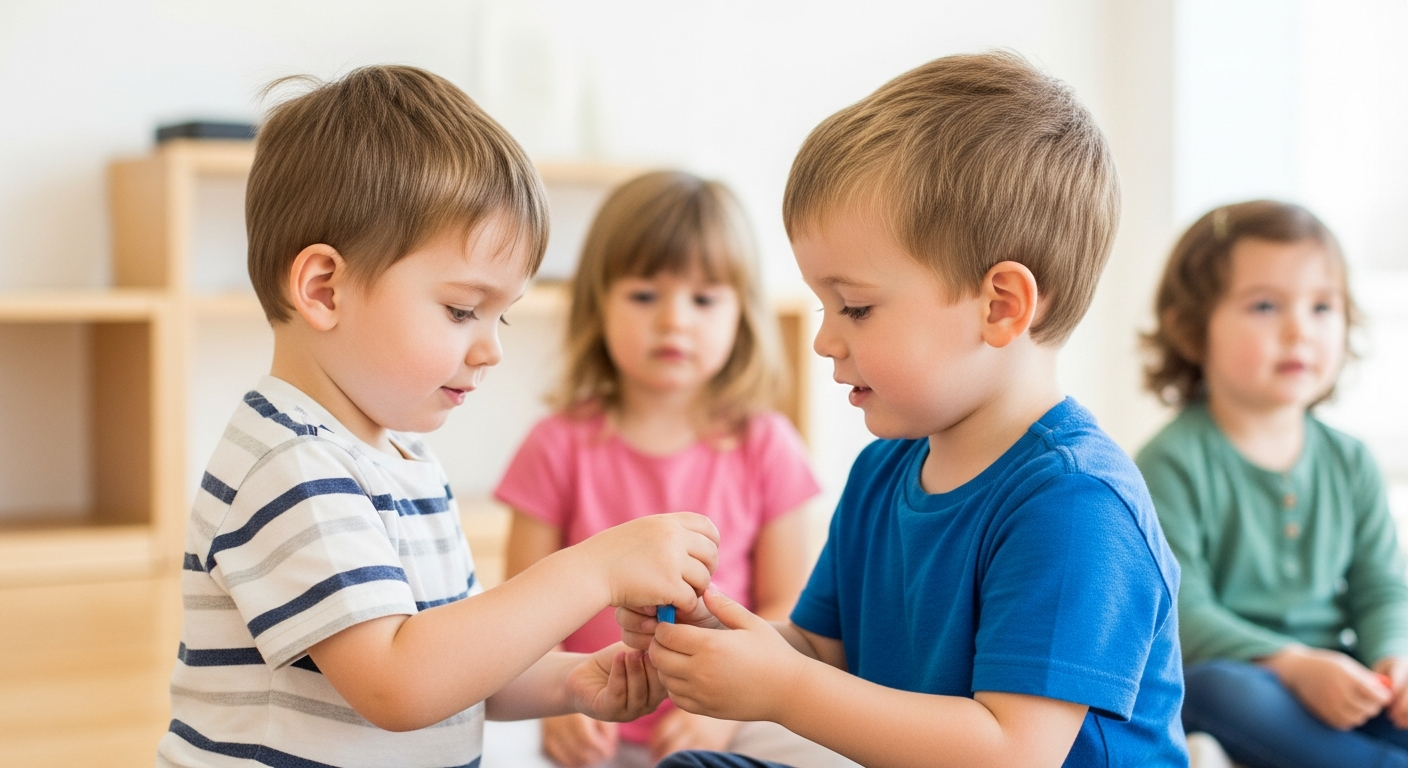
Table of Contents
- Introduction
- The Benefits of Toddler Extracurricular Activities
- When is Your Child Ready for Structured Activities?
- Popular Types of Toddler Extracurricular Activities
- Balancing Activities with "Smart Screen Time"
- Why Speech Blubs is a Game-Changer for Busy Families
- Making the Right Financial Choice for Your Family
- Tips for a Stress-Free Activity Schedule
- Practical Scenarios: Connecting Play to Learning
- Investing in Your Child's Future
- Conclusion
- FAQ
Introduction
Did you know that nearly one in four children will face some form of speech or developmental delay before they reach school age? As parents, we often find ourselves staring at a bulletin board full of flyers for soccer leagues, ballet classes, and music circles, wondering which one will give our little one the best start in life. The pressure to choose the "right" toddler extracurricular activities can feel overwhelming. We want to foster their talents and build their confidence, but we also want to protect their precious unscheduled playtime.
At Speech Blubs, we believe that every child has a unique spark, and the right activities are those that help them "speak their minds and hearts." Our founders started this journey because they grew up with speech challenges themselves and knew there had to be a more joyful, effective way to support development. We see extracurriculars not as a race to "get ahead," but as a way to create joyful family learning moments.

In this post, we will explore the different types of activities available for your toddler, how to tell when they are truly ready to join a group, and how you can integrate "smart screen time" into your weekly routine to support their communication skills from the comfort of your living room. Whether you are looking for physical movement, creative expression, or language support, our goal is to help you find a balance that fits your family's lifestyle.
The Benefits of Toddler Extracurricular Activities
The toddler years, roughly ages one to four, are a period of explosive brain development. During this time, children are not just learning to walk and talk; they are building the foundational neural pathways that will support them for the rest of their lives. Engaging in structured activities outside of the home can provide a unique set of benefits that differ from everyday play.
Socialization and Peer Interaction
For many toddlers, an extracurricular activity is their first experience being part of a group that isn’t their immediate family. They learn the "unwritten rules" of social life: taking turns, sharing equipment, and following instructions from an adult who isn't Mom or Dad. This environment helps reduce social anxiety and builds the empathy needed to navigate future school environments.
Physical Milestones
Whether it’s a tumbling class or a toddler swim lesson, physical activities help develop gross and fine motor skills. Toddlers are still mastering balance and coordination. Activities like gymnastics or "pee wee" soccer encourage them to use their bodies in new ways, strengthening their core muscles and improving their spatial awareness.
Confidence and Resilience
There is a special kind of pride that lights up a toddler's face when they finally kick a ball into a net or finish a finger-painting. Extracurriculars provide a safe space for "productive struggle." When a child tries something new and eventually succeeds, they learn that effort leads to results. This builds a resilient mindset that says, "I can try new things, even if they seem hard at first."

When is Your Child Ready for Structured Activities?
One of the most frequent questions we hear at Speech Blubs is, "Is my child too young?" The truth is, there is no magic number. Readiness is about temperament and developmental milestones rather than birth dates.
Before signing up for a long-term commitment, consider these signs that your toddler might be ready for a structured program:
- Curiosity about peers: Does your child stop and watch other kids at the park? Do they try to join in or mimic what older children are doing?
- Ability to follow simple directions: Can they follow a one-step command like "Please put the ball in the basket"? Most toddler classes require at least a basic level of listening.
- Emotional regulation: While "toddler tantrums" are normal, does your child have the ability to be away from you for a short period (if it’s a drop-off class), or can they participate in a group setting without becoming chronically overwhelmed?
- Physical stamina: Consider the timing of the class. If the only available soccer time is during their afternoon nap, even the most active child will likely struggle.
If you are unsure where your child stands developmentally, particularly regarding their communication, you can take our quick 3-minute preliminary screener. It involves nine simple questions and provides an assessment and a next-steps plan to help you understand your child’s current needs.
Popular Types of Toddler Extracurricular Activities
The world of toddler extracurricular activities is vast. Here are the most common categories and what they offer your child.
Physical Movement and Coordination
Classes like gymnastics, dance, and martial arts are favorites for a reason. They channel that endless toddler energy into something productive.
- Gymnastics/Tumbling: Great for building core strength and "proprioception" (the sense of where your body is in space).
- Swim Lessons: Primarily focused on water safety at this age, swimming is also a fantastic sensory experience that can be very calming for some children.
- Soccer/T-Ball: These introduce the concept of "team" and "goals," even if the kids mostly just run in circles.
Creative and Sensory Exploration
For the child who loves to get their hands messy, creative activities are a perfect outlet.
- Art Classes: These focus on the process rather than the result. Think finger painting, clay molding, and "sculpting" with recycled materials. This builds fine motor skills and encourages imaginative thinking.
- Music Circles: Singing and playing simple instruments (like shakers or drums) help with rhythm and auditory processing. Research shows that early music exposure can actually support language development.
Communication and Language Development
While not always thought of as a traditional "club," focusing on language is perhaps the most important extracurricular focus for toddlers. Communication is the foundation for everything else—if a child can't express their needs, they will likely feel frustrated in soccer or art class.
This is where Speech Blubs fits into your schedule. We provide a powerful tool for family connection through our "video modeling" methodology. In our app, children learn by watching and imitating their peers. If your child is a "late talker" who loves animals, the "Animal Kingdom" section of the app offers a fun, motivating way to practice "moo" and "baa" sounds. Seeing another child make the sound triggers mirror neurons in your toddler's brain, making them much more likely to try the sound themselves. You can download Speech Blubs on the App Store to see this method in action.
Balancing Activities with "Smart Screen Time"
Many parents feel guilty about screen time, and for good reason—passive viewing of loud, fast-paced cartoons can often lead to overstimulation. However, there is a big difference between passive consumption and "smart screen time."
Smart screen time is active, educational, and designed to be a co-play experience. We designed Speech Blubs to be the opposite of a "digital babysitter." It is an interactive experience where you and your child sit together, watch the peer models, and practice sounds and words together.
Think of it as a home-based extracurricular activity. Just like you would spend 30 minutes at a music class, you can spend 15-20 minutes a day on Speech Blubs. This consistency is key. While a weekly gymnastics class is great, the daily practice of communication skills provides the foundational support your child needs to succeed in those other environments. Our methodology is backed by science, placing us in the top tier of speech apps worldwide with a high MARS scale rating.
Why Speech Blubs is a Game-Changer for Busy Families
We know that life with a toddler is hectic. Between work, meal prep, and nap schedules, driving to three different classes a week isn't always feasible. This is why we created a solution that is immediate, effective, and joyful.
The Power of Peer Modeling
Most traditional speech therapy or language classes involve an adult telling a child what to do. Speech Blubs changes the dynamic. Children are naturally inclined to copy other children. When your toddler sees a peer on the screen wearing a fun digital hat and making a "pop" sound, it doesn't feel like a lesson—it feels like play. This "video modeling" is a scientifically proven way to encourage imitation in children with various developmental needs.
Reducing Frustration
A common challenge for parents of toddlers is the "tantrum phase." Often, these tantrums stem from a child's inability to communicate what they want. By using Speech Blubs to build their vocabulary and sound production, you are giving them the tools to speak their hearts. This leads to a more confident child and a much more peaceful household. Don't just take our word for it—you can read testimonials from other parents who have seen their children's confidence soar.
A Supplement to Professional Therapy
If your child is already seeing a speech-language pathologist (SLP), Speech Blubs serves as a wonderful supplement to their professional sessions. It keeps the momentum going between appointments, ensuring that your child is getting the repetitive, fun practice they need to hit their milestones.
Making the Right Financial Choice for Your Family
We believe that high-quality developmental tools should be accessible. When you compare the cost of traditional toddler extracurricular activities—which can range from $20 to $50 per session—Speech Blubs offers incredible value.
We offer two straightforward plans to fit your needs:
- Monthly Plan: For $14.99 per month, you get full access to our library of 1,500+ activities and regular content updates.
- Yearly Plan (Best Value): At $59.99 per year, the cost breaks down to just $4.99 per month. This is a 66% saving compared to the monthly plan.
The Yearly Plan isn't just about saving money; it’s about providing a more comprehensive learning experience. When you sign up for the Yearly Plan on our website, you receive:
- A 7-day free trial to ensure it's the right fit for your family.
- Access to the Reading Blubs app, which helps toddlers transition from speaking to early literacy skills.
- Early access to new updates and features.
- Priority 24-hour support response time.
The Monthly plan does not include these additional benefits, which is why we highly recommend the Yearly option for families who are serious about supporting their child's development.
Tips for a Stress-Free Activity Schedule
As you begin to fill your calendar with toddler extracurricular activities, keep these tips in mind to ensure the experience remains joyful for everyone:
- Don’t Overschedule: Toddlers need "white space" in their day. If every hour is accounted for, they can become overtired and irritable. One or two structured activities a week is usually plenty.
- Follow Their Lead: If your child loves to climb but hates sitting still for stories, prioritize a movement class over a library circle. There is no "required" activity; the best one is the one they enjoy.
- Be Patient: It often takes three or four sessions before a toddler feels comfortable enough to participate fully. Don't be discouraged if they spend the first class clinging to your leg.
- Focus on Connection: Use these activities as a time to bond. Put away your phone, get down on their level, and share the experience.
- Use Digital Tools Wisely: On days when you can't make it to a class, or when you need a quiet activity at home, use Speech Blubs on Google Play to keep the learning going in a low-stress way.
Practical Scenarios: Connecting Play to Learning
Let’s look at how Speech Blubs can help in real-world situations. Imagine you have a three-year-old who is a "late talker." You’ve noticed they get frustrated when they want a snack but can’t name it. During your "smart screen time" session, you navigate to the "Yummy Time" section of the app. Your child sees a peer model eating a banana and saying the word "banana."
Because the model is a child and the interface is engaging, your toddler tries to mimic the mouth movements. You cheer and clap when they make a "b" sound. Later that afternoon, when they want a snack, they point to the fruit bowl and attempt that same "b" sound. This is the moment the extracurricular activity moves from the screen into real life. You’ve just reduced frustration and built a bridge of communication.
Or consider a child who is shy in their new gymnastics class. By using the "Mouth Gym" section of Speech Blubs, they practice making funny faces and bold sounds. This playfulness translates into increased confidence, making them more likely to speak up or say "hi" to a new friend in their physical class.
Investing in Your Child's Future
The goal of any toddler extracurricular activity should be to foster a love for learning and communication. We aren't trying to create "pro athletes" or "concert pianists" by age three. We are trying to build confident, happy children who feel empowered to express themselves.
At Speech Blubs, we are proud to be a part of that journey for over 5 million families. Our unique approach blends scientific principles with the pure joy of play, creating a "smart screen time" experience that actually moves the needle on development. We provide a screen-free alternative to passive viewing and a powerful tool for family connection.
By choosing activities that support your child's specific needs—whether those are physical, social, or communicative—you are giving them a gift that will last a lifetime. Remember to prioritize the Yearly plan to get the best value, including the Reading Blubs app and your 7-day free trial.
Conclusion
Choosing the right toddler extracurricular activities is a journey of discovery for both you and your child. Whether you decide on a local tumbling class, a weekend music group, or focused language support with Speech Blubs, the most important factor is the joy and connection the activity brings to your family. Avoid the pressure of "keeping up with the Joneses" and focus on what makes your little one's eyes light up.
We invite you to start this journey with us today. Download Speech Blubs on the App Store or Google Play to begin your 7-day free trial. For the best experience and the most comprehensive support, be sure to select our Yearly plan. At just $4.99 a month (billed annually), it’s an investment in your child’s ability to "speak their mind and heart" that fits easily into any family budget. Let’s turn screen time into "smart time" and watch your toddler flourish!
FAQ
1. What is the best age to start toddler extracurricular activities? Most experts suggest that between the ages of 2 and 3, children begin to show the independence and social interest necessary for structured activities. However, parent-and-child classes can start as early as 4 to 6 months. Always look for signs of readiness like curiosity about peers and the ability to follow simple directions.
2. How do I know if my child is overwhelmed by too many activities? If your child is consistently reluctant to go to a class, having more frequent tantrums, or seems unusually exhausted, they may be overscheduled. Toddlers need plenty of unstructured downtime to process their learning and simply play.
3. Is Speech Blubs considered an extracurricular activity? Yes! We consider Speech Blubs a "home-based extracurricular" focused on communication and language development. It provides the structured, scientific benefits of a class with the flexibility of being done anywhere, anytime. It is a powerful supplement to your child's overall development plan.
4. Why should I choose the Yearly plan over the Monthly plan? The Yearly plan offers the best value at $59.99/year ($4.99/month), which is 66% cheaper than the monthly rate. More importantly, the Yearly plan includes a 7-day free trial, the Reading Blubs app for early literacy, and priority support—features not available with the Monthly plan.
About the author