
Christmas Craft Kits for Kids: Joyful Holiday Creativity
 By Speech Blubs Team•Dec 22, 2025•19 min.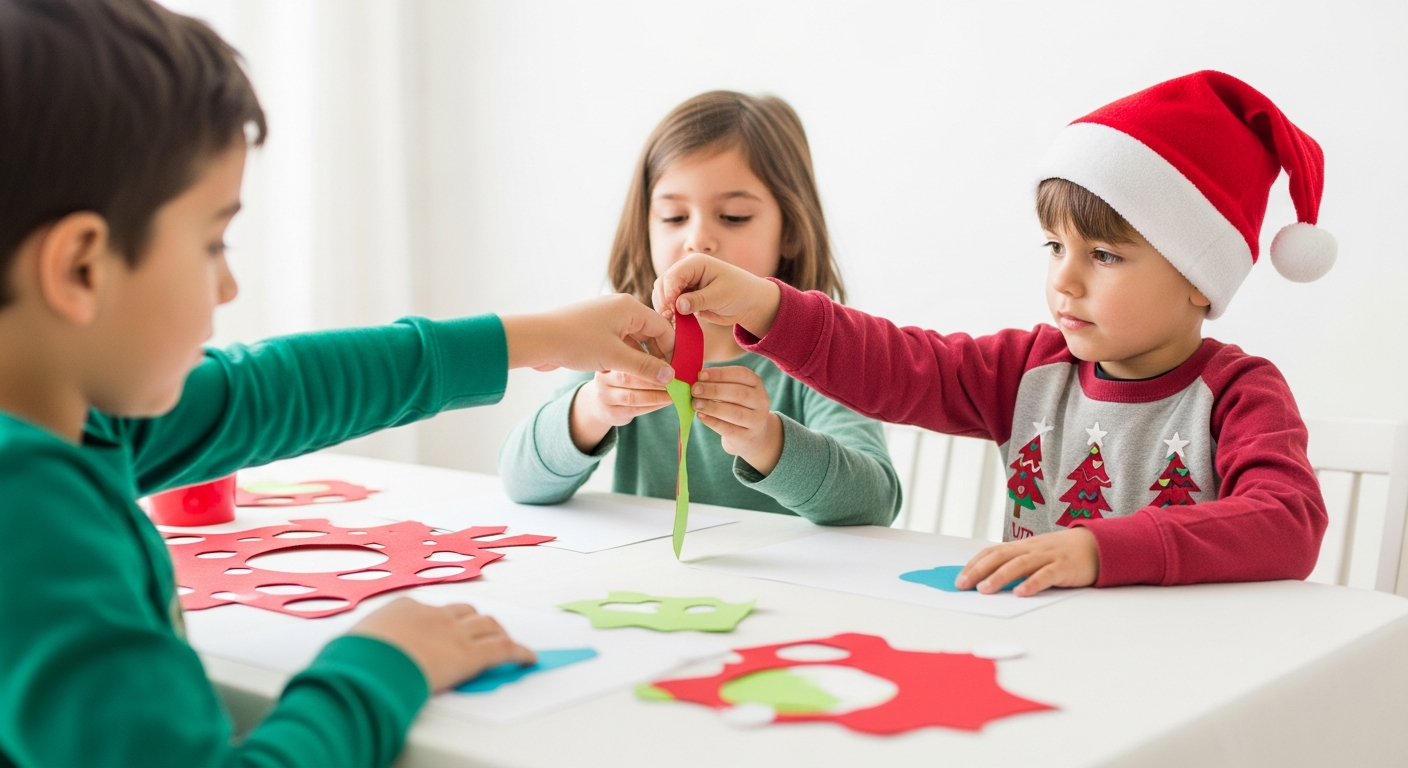
Table of Contents
- The Magic of Christmas Crafts for Kids
- Beyond the Glitter: Developmental Benefits of Christmas Crafting
- Choosing the Perfect Christmas Craft Kit: A Parent's Guide
- Maximizing Language Opportunities with Christmas Crafts
- Engaging Craft Kit Ideas for Christmas
- Tips for a Joyful and Language-Rich Crafting Experience
- Conclusion
- FAQ
The air grows crisp, the lights twinkle, and a sense of wonder fills every corner of our homes. Christmas is a magical time, not just for the festive décor and delicious treats, but for the precious moments we share with our children. Amidst the flurry of gift-giving and holiday preparations, there's a simple, profound joy to be found in the quiet, focused activity of little hands bringing a festive creation to life. Christmas craft kits for kids aren't just about making pretty ornaments; they are vibrant opportunities for children to learn, grow, and express themselves in meaningful ways, especially through communication.
This season, as you ponder how to make the holidays even more special and enriching, join us in exploring the wonderful world of kids' Christmas craft kits. We'll delve into the myriad developmental benefits these kits offer, from fine motor skill enhancement to sparking imaginative play. We’ll guide you through choosing the perfect age-appropriate kit for your child and, most importantly, show you how these delightful holiday activities can become powerful catalysts for language development and family connection. Get ready to transform simple crafting sessions into rich, communicative experiences that will echo in your child’s speech and heart long after the last ornament is hung.

The Magic of Christmas Crafts for Kids
There's something uniquely enchanting about children immersed in a Christmas craft. Perhaps it’s the sparkle of glitter, the scent of cinnamon from a gingerbread kit, or the focused expression on their faces as they meticulously place a sticker or paint a star. These moments are steeped in sensory richness, anticipation, and the pure joy of creation. Crafting during the holidays isn't merely about occupying time; it's about building traditions, creating tangible memories, and fostering a deep sense of accomplishment.
Imagine your child proudly displaying an ornament they made themselves, or presenting a handmade card to a grandparent. These aren't just objects; they are expressions of love, effort, and burgeoning self-confidence. Christmas craft kits offer a structured yet creative outlet, providing all the necessary components for success while still leaving ample room for personal flair. They turn the abstract idea of "holiday spirit" into a hands-on, tangible experience that children can truly engage with. This engagement is the first step towards a deeper connection with the world around them and a greater capacity for self-expression.
Beyond the Glitter: Developmental Benefits of Christmas Crafting
While the end product of a Christmas craft kit is often a cherished keepsake, the true value lies in the journey. The process of crafting engages multiple areas of a child's development, laying crucial groundwork for future learning and communication.
Fine Motor Skills
Crafting is a powerhouse for developing fine motor skills. Activities like cutting with child-safe scissors, gluing small pieces, peeling stickers, painting intricate details, or threading beads require precision and dexterity. These actions strengthen the small muscles in the hands and fingers, improve hand-eye coordination, and refine pincer grasp – all fundamental skills not just for writing and drawing, but also for everyday tasks like buttoning a shirt or using utensils. A child meticulously painting an ornament is honing the same foundational skills they’ll use to articulate sounds later on.

Cognitive Development
Following the instructions in a craft kit, even a simple one, demands significant cognitive effort. Children learn to sequence steps ("First, we glue the roof, then we add the candy canes"), engage in problem-solving ("This piece doesn't fit, how can I adjust it?"), and develop planning skills ("I want this ornament to have blue and silver, so I'll need these paints"). They practice color recognition, shape identification, and spatial reasoning as they arrange elements on their project. This structured thinking process is invaluable, translating into better comprehension and expression in language.
Creativity and Imagination
While kits provide a framework, they rarely dictate every detail. Children are encouraged to choose colors, decide on placement, and often add their own unique touches. This fosters creativity and imagination, allowing them to transform a set of materials into something uniquely theirs. When a child can freely explore their creative ideas, they also develop a stronger sense of self and the confidence to express those ideas verbally. They learn that there isn't just one "right" way to do things, opening up their minds to diverse possibilities, both in art and in conversation.
Emotional and Social Growth
Crafting can be a deeply calming and satisfying activity. It teaches patience as children work through steps, and resilience when something doesn't go quite as planned. The pride of completing a project, especially one that will be shared or displayed, boosts self-esteem. When crafting together, children also learn valuable social skills like sharing materials, taking turns, and offering help. These shared experiences deepen family bonds and create cherished memories, fostering a sense of belonging and connection that is vital for emotional well-being and open communication.
Language and Communication Development
This is where Christmas craft kits truly shine as an unsung hero for speech and language development. Every step of the crafting process is ripe with opportunities for communication:
- Descriptive Language: As children choose materials, they can describe colors ("I need the sparkly red glitter"), textures ("This felt is soft!"), shapes, and sizes. Parents can model and encourage these descriptions.
- Following Directions: Craft kits naturally involve multi-step instructions. "First, glue the star to the top, then attach the string." This builds auditory processing and comprehension skills.
- Explaining Steps: Encourage your child to narrate their actions. "I'm putting the chimney on the gingerbread house now." This develops sequencing and expressive language.
- Asking and Answering Questions: Parents can ask open-ended questions like, "What do you want to add next?" or "Why did you choose that color?" Children learn to formulate questions and provide informative answers.
- Vocabulary Expansion: Introducing new words related to tools (brush, glue stick, scissors), materials (felt, yarn, glitter), actions (cut, paste, paint, sprinkle), and holiday themes (reindeer, snowflake, Santa) enriches their lexicon.
- Narrative Skills: Once a craft is finished, encourage your child to tell a story about it. "This is a magical reindeer who flies through the snow to deliver presents." This builds imaginative storytelling and coherent narrative abilities.
These organic, play-based communication opportunities are incredibly powerful. At Speech Blubs, our mission is to empower children to "speak their minds and hearts," and we believe every interaction, including creative play, contributes to this vital goal. The consistent, joyful practice of describing, questioning, and explaining during crafting sessions lays a strong foundation for clear and confident speech.
Choosing the Perfect Christmas Craft Kit: A Parent's Guide
Selecting the right Christmas craft kit can make all the difference in ensuring a joyful and engaging experience for your child. Consider these factors to find the perfect fit:
Age Appropriateness
Matching the kit to your child's developmental stage is crucial for engagement and safety.
- Toddlers (1-3 years): Look for kits with large, chunky pieces, non-toxic materials, and simple actions like sticking, stamping, or tearing. Sensory exploration is key here. Examples include large sticker scenes, chunky block painting, or pre-cut felt shapes for a simple collage. Supervision is paramount.
- Preschoolers (3-5 years): Kits that introduce basic skills like using glue sticks, child-safe scissors, and simple painting are ideal. They can follow 2-3 step instructions. Ornament kits with pre-cut shapes to decorate, simple paper chains, or pipe cleaner crafts are excellent choices.
- School-Aged (5-8 years): Children in this age group can handle more intricate designs and multi-step instructions independently, though they still benefit from adult guidance. Kits involving more detailed painting, simple sewing (with blunt needles), weaving, or more elaborate ornament making are suitable. Gingerbread house kits are also a big hit here.
- Older Kids (8+ years): These children can tackle complex projects requiring fine motor precision and sustained attention. Think advanced model building, intricate painting by numbers, more challenging sewing or knitting kits, or even designing their own crafts from scratch with a variety of materials.
Types of Kits
The variety of Christmas craft kits is vast, catering to different interests and skill levels:
- Ornament Kits: From painted wooden shapes to glitter-covered foam balls, these allow children to personalize their tree décor, creating cherished items year after year.
- Card Making Kits: A thoughtful way for kids to create personalized holiday greetings for family and friends, encouraging both creativity and the joy of giving.
- Decoration Kits: Wreaths, garlands, stockings, or festive banners that children can assemble and proudly display around the home.
- Gingerbread House Kits: A beloved classic that combines crafting with a delightful sensory experience, involving construction, decoration, and the irresistible temptation of candy.
- DIY Gift Kits: Children can create small, personalized gifts for loved ones, instilling a sense of generosity and accomplishment.
- Themed Kits: Kits centered around popular Christmas figures like reindeer, Santa, snowmen, or elves, providing a clear theme for creative exploration.
Safety First
Always prioritize safety. Ensure all materials are non-toxic, especially for younger children who might still put things in their mouths. Check for small parts that could be choking hazards for toddlers. Ensure any tools included, like scissors or needles, are age-appropriate and used under supervision. A safe crafting environment ensures that the experience remains positive and stress-free for everyone.
Mess Factor
Be realistic about the potential mess! Some kits are inherently tidier (sticker crafts), while others (glitter, paint) are designed for a little joyful chaos. Choose kits that align with your tolerance for mess and your capacity for cleanup. Laying down newspapers, using smocks, and having wipes on hand can make even the messiest craft manageable and fun.
Educational Value
Beyond the immediate fun, consider what skills the kit encourages. Does it introduce new concepts like color mixing? Does it require counting or pattern recognition? Does it spark conversations about different cultures or traditions? The best kits offer layers of learning disguised as play, complementing activities found in apps like Speech Blubs, which blend scientific principles with play for effective language development.
Maximizing Language Opportunities with Christmas Crafts
Crafting offers a unique "smart screen time" alternative, providing a powerful tool for family connection. While the Speech Blubs app utilizes "video modeling" – where children learn by watching and imitating their peers – to build complex communication skills, crafting provides a hands-on, three-dimensional context for language learning. The benefits are amplified when parents actively engage and guide the conversation.
Here's how to turn every craft session into a rich language-building experience:
Descriptive Language
Encourage your child to use their senses and describe what they are doing, seeing, feeling, and even smelling (with gingerbread kits!).
- "Tell me about this glitter! Is it rough or smooth? What color is it?"
- "How does that fluffy cotton ball feel?"
- "What shape is that piece you're holding?" This encourages a rich vocabulary and helps them articulate observations.
Following and Giving Directions
Craft kits are perfect for practicing multi-step instructions.
- Parent to child: "First, put the red pom-pom on the hat. Then, glue the googly eyes above it." This strengthens auditory processing and sequential memory, skills vital for understanding language.
- Child to parent: Ask your child to tell you what to do. "Okay, you're the boss! Tell me the next step." This empowers them to use directive language. This mirrors the active learning approach we use at Speech Blubs, where children imitate and learn through guided steps. Our founders, who experienced speech challenges themselves, created Speech Blubs to provide a joyful, effective solution for the 1 in 4 children who need speech support, blending science and play.
Storytelling and Narrative Skills
Once a craft is complete, don't just put it aside. Use it as a prop for storytelling!
- "What kind of adventure do you think this little gingerbread man will have tonight?"
- "If this reindeer could talk, what would it say?"
- "Tell me about the day you made this ornament." This develops imagination, narrative structure, and the ability to express complex ideas.
Asking and Answering Questions
Engage in a continuous dialogue throughout the crafting process.
- Open-ended questions: "What do you think will happen if we mix these two colors?" "Why did you decide to put the star there?"
- Wh-questions: "Who is this snowman for?" "Where should we hang this?" "When did you get the idea for this design?" This encourages critical thinking and active participation in conversation.
Imitation and Repetition
Just as children learn from watching and imitating their peers in the Speech Blubs app, they can imitate actions and words during crafts.
- "Can you say 'sparkle' like the glitter?"
- "Watch me draw a circle, now you try!" Repeating new words or phrases in context helps solidify them in a child's vocabulary. For example, for a parent whose 3-year-old "late talker" loves animals, crafting an animal ornament provides a fun, motivating way to practice sounds like "moo" or "baa." These sounds can then be reinforced and built upon using the "Animal Kingdom" section of our app, which uses engaging video models to encourage imitation.
We understand that you want the best for your child, and our commitment at Speech Blubs is to provide an immediate, effective, and joyful solution for children’s speech development. Our approach is backed by research and has garnered praise from parents worldwide, helping children build confidence, reduce frustration, and foster a lifelong love for communication. Crafting sessions, supported by tools like Speech Blubs, become powerful supplements to a child’s overall development plan. If you're unsure if your child could benefit from additional support, you can take our quick 3-minute preliminary screener to get a simple assessment and a free 7-day trial of our app.
Engaging Craft Kit Ideas for Christmas
Let’s look at some specific Christmas craft kits and how they can be leveraged for language development:
1. DIY Felt Christmas Tree Kit
These kits usually come with a large felt tree outline and various smaller felt ornaments, stars, and gifts with Velcro backings.
- Developmental Focus: Fine motor (attaching Velcro pieces), color and shape recognition, spatial awareness, imaginative play.
- Language Opportunities:
- Describing: "This star is yellow and sparkly." "The presents are red rectangles."
- Following directions: "Put the angel on top of the tree." "Place a present under the tree."
- Prepositions: Practice "on," "under," "next to," "between" as they place the decorations.
- Storytelling: Once decorated, "Tell me about the first Christmas your tree had."
2. Gingerbread House Decorating Kit
A holiday classic! These kits typically include pre-baked gingerbread pieces, icing, and various candies for decoration.
- Developmental Focus: Fine motor (squeezing icing, placing small candies), problem-solving (how to make the roof stay on), sensory exploration (smell, taste, texture).
- Language Opportunities:
- Descriptive language: "The icing is sticky and sweet." "These gumdrops are chewy." "What color sprinkles should we use?"
- Action verbs: "Squeeze," "stick," "place," "decorate," "build," "eat!"
- Sequencing: "First, we put the icing on the sides, then we attach the roof."
- Counting and Quantity: "How many candies should go on the door?" "We need more M&Ms!"
- Narrative: Create a story about the little gingerbread family living in their house.
3. Wooden Ornament Painting Kit
These kits usually provide unpainted wooden ornaments in various festive shapes (stars, reindeer, snowflakes) along with paints and brushes.
- Developmental Focus: Fine motor (brush control), color mixing, creativity, concentration.
- Language Opportunities:
- Color vocabulary: "I'm painting my reindeer brown." "Let's make a blue snowflake."
- Naming objects: "This is a bell, and this is a candy cane."
- Expressing preferences: "I like the sparkly paint best." "I want to use green for the leaves."
- Action verbs: "Paint," "dip," "mix," "dry."
- Cause and effect: "If we mix blue and yellow, what color do we get?"
4. Christmas Card Making Kit
Including pre-folded cards, envelopes, stickers, glitter glue, and various embellishments.
- Developmental Focus: Creativity, fine motor (sticking, gluing), literacy (if old enough to write names or simple messages), empathy (making a gift for someone).
- Language Opportunities:
- Recipient focus: "Who are you making this card for?" "What should we write to Grandma?"
- Expressing feelings: "I feel happy making this card for my friend." "It's nice to send a card to someone far away."
- Vocabulary: "Greeting," "message," "envelope," "stamp."
- Narrative: "Imagine how happy Grandpa will be when he opens this!"
These activities, especially when paired with an engaging speech therapy tool like Speech Blubs, provide comprehensive support for your child's communication journey. See what other parents are saying about the positive impact Speech Blubs has had on their children's development.
Tips for a Joyful and Language-Rich Crafting Experience
To make the most of your Christmas craft kit adventure and truly harness its language-boosting potential:
- Set up a dedicated space: A clean, accessible area (like the kitchen table) with enough room for materials and movement helps keep everyone focused.
- Gather all materials beforehand: Avoid interruptions by having everything ready – kit contents, newspapers to protect surfaces, wipes for sticky fingers, and smocks if using paint.
- Focus on the process, not just the product: The goal isn't a perfect, Pinterest-worthy craft, but the learning and bonding experience. Praise effort and creativity, not just flawless execution.
- Be present and engaged (co-play): Sit with your child, participate in the craft, and actively engage in conversation. Your presence is the most powerful tool for language development.
- Use open-ended questions: Instead of "Do you like it?", ask "What's your favorite part?" or "Tell me about what you're making."
- Praise effort, not just perfection: "You worked so hard on that!" or "I love how you chose those colors!" builds confidence.
- Don't fear the mess! Embrace the creative chaos. Mess often signifies deep engagement and exploration.
- Extend the learning: Once the craft is done, talk about it. Display it prominently, or discuss who it will be a gift for. This reinforces its value and provides more chances for conversation.
Conclusion
The magic of Christmas craft kits for kids extends far beyond decorative glitter and festive shapes. They are invaluable tools for holistic child development, nurturing fine motor skills, cognitive abilities, creativity, and emotional growth. Crucially, they serve as vibrant platforms for fostering language and communication in a natural, joyful setting. By engaging in these hands-on activities, children gain confidence in expressing their thoughts, following instructions, and describing the world around them – foundational skills that empower them to "speak their minds and hearts."
As parents, we are always seeking ways to support our children's growth. Combining the rich, sensory experience of holiday crafting with targeted, play-based support can make a profound difference. At Speech Blubs, we are dedicated to providing an immediate, effective, and joyful solution for children who need speech support, empowering 1 in 4 children to communicate confidently. Our app offers "smart screen time" that complements screen-free activities like crafting, providing a powerful tool for developing speech and language skills through engaging "video modeling" with peers.
This Christmas, enrich your child's holiday with the double gift of creativity and communication. Embrace the joy of crafting, talk through every step, and watch their language skills blossom.
Ready to empower your child's communication journey further? Why not combine the joy of crafting with the proven methodology of Speech Blubs? Download Speech Blubs today to start your free 7-day trial and unlock a world of "smart screen time" that nurtures speech and language development. When you sign up, be sure to choose the Yearly plan to save 66% and gain access to exclusive features like the Reading Blubs app, early updates, and 24-hour support. It’s an investment in your child's future that blends scientific principles with play, ensuring every child has the chance to thrive.
Download Speech Blubs on the App Store or Google Play. You can also create your account on our website to get started and give your child the gift of confident communication this holiday season.
FAQ
1. What age are Christmas craft kits suitable for? Christmas craft kits are available for a wide range of ages, generally from toddlers (around 1-2 years old) up through older children and even teens. The key is to choose an age-appropriate kit that matches your child's developmental stage and skill level. Kits for younger children often feature large, simple pieces and require minimal dexterity, while kits for older children can be more complex, involving detailed instructions and finer motor skills. Always check the manufacturer's recommended age on the kit packaging.
2. How do craft kits help with my child's speech development? Craft kits offer numerous opportunities for speech and language development. They encourage descriptive language as children talk about colors, shapes, and textures. Following multi-step instructions within a kit strengthens auditory processing and comprehension. Engaging in conversation about the craft fosters vocabulary expansion, question-asking, and storytelling. When parents co-play and model language, these activities become natural, fun therapy sessions, similar to the active learning methods found in apps like Speech Blubs, which use video modeling to encourage imitation and communication.
3. How can I choose a safe craft kit for my child? Safety is paramount when choosing any children's product. Look for craft kits that explicitly state they use non-toxic materials, especially if your child is still prone to putting objects in their mouth. Ensure any tools included, such as scissors or needles, are age-appropriate and designed for small hands. For younger children, avoid kits with small parts that could pose a choking hazard. Always supervise children during crafting activities, particularly when using glue, paint, or sharp objects.
4. What's the best way to introduce a new craft kit to my child? To make the experience enjoyable and language-rich, introduce a new craft kit by first showing genuine excitement! Sit down with your child, open the kit together, and explore the materials. Talk about what each item is and what you might create. Read through the instructions together, even if your child can't read yet, verbalizing each step. Instead of simply handing them the kit, engage in co-play, demonstrating the first step or two and then encouraging them to participate. The most important thing is to be present, engaged, and foster a positive, pressure-free environment focused on the joy of creating and communicating.
About the author