
Colorful Felt Fun: Easy Crafts for Kids
 By Speech Blubs Team•Jan 13, 2026•25 min.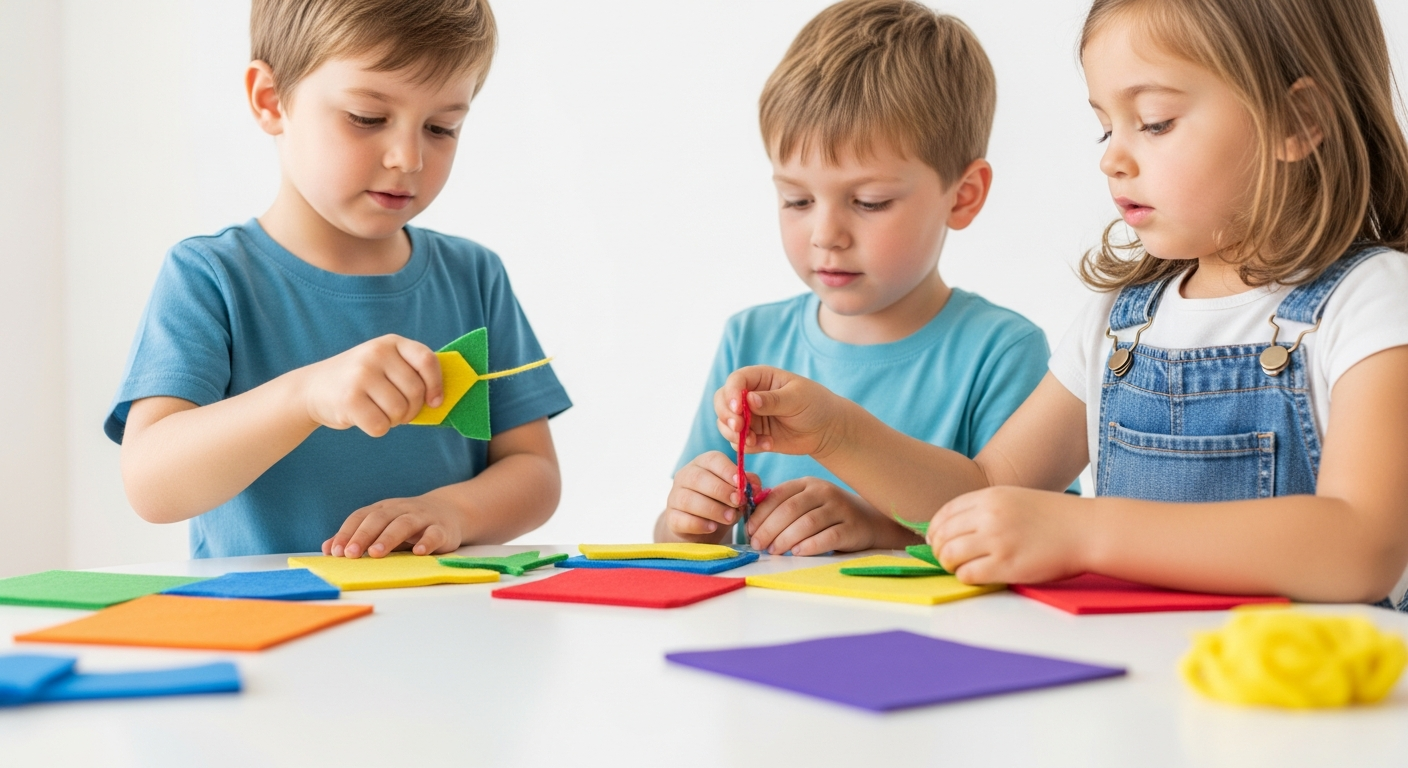
Table of Contents
- Why Felt is a Fantastic Material for Young Crafters
- Gathering Your Crafting Crew: Essential Tools and Materials
- No-Sew Felt Crafts: Instant Wins for Little Hands
- Beginning Basic Stitches: Easy Felt Sewing Projects
- Beyond the Craft: The Developmental Benefits
- Maximizing Your Felt Fun: Tips for Parents
- Ready to Empower Your Child's Voice? Discover Speech Blubs!
- Conclusion
- Frequently Asked Questions (FAQ)
Imagine a quiet afternoon, a burst of vibrant colors, and the soft rustle of little hands bringing fantastical creatures or delicious treats to life. This isn't just a daydream; it's the magic of creating with felt. In a world brimming with screens and digital distractions, the simple act of crafting offers children a powerful, tangible, and deeply satisfying way to engage their minds and bodies. Felt, with its unique texture and endless possibilities, stands out as an exceptionally friendly material for young crafters and seasoned artists alike.
Here at Speech Blubs, our mission is to empower children to speak their minds and hearts. We believe that every child deserves the tools and opportunities to express themselves confidently. Just as engaging with vibrant felt nurtures creativity and fine motor skills, developing strong communication skills empowers a child's entire world. This post is your comprehensive guide to unlocking the wonderful world of easy felt crafts for kids, exploring everything from no-sew wonders to beginner-friendly stitching projects, all while nurturing creativity, fostering family bonding, and providing a fantastic screen-free educational alternative. We'll delve into why felt is such a fantastic medium, equip you with essential tips, and share a treasure trove of project ideas that promise joyful learning and lasting memories, often complementing the very communication skills we help build through our app.

Why Felt is a Fantastic Material for Young Crafters
Felt isn't just another fabric; it's a sensory delight and a crafter's best friend, especially when little hands are involved. Its unique properties make it incredibly forgiving and versatile, setting the stage for success and boosting confidence in young artists.
First and foremost, felt is wonderfully soft and tactile. Its plush texture is inviting, encouraging children to touch, explore, and manipulate the material. This sensory engagement is crucial for development, providing a calming and focused activity. Beyond its feel, felt comes in an amazing array of vibrant colors. From sunny yellows to deep ocean blues, fiery reds to grassy greens, the spectrum of available felt encourages children to experiment with color theory, express their personalities, and bring their imaginative visions to life with joyful hues.
One of felt's biggest advantages, particularly for beginner sewers, is that it doesn't fray. Unlike woven fabrics that unravel at the edges when cut, felt maintains its shape beautifully. This eliminates a common source of frustration for kids (and adults!), allowing them to focus on cutting precise shapes and practicing stitches without worrying about messy edges. This non-fraying quality also means there's no need for complicated hemming, simplifying projects and making them quicker to complete.
Felt is also incredibly easy to cut. While adult supervision is always key, especially with sharp scissors, felt's uniform density means it cuts smoothly without shifting or stretching excessively. This helps children develop crucial fine motor skills and hand-eye coordination as they navigate the scissors. It's also remarkably easy to glue and sew. Whether using fabric glue for no-sew projects or a simple running stitch for beginner sewing, felt holds adhesives and stitches securely, making construction straightforward and satisfying.
Finally, felt is often economical and widely available. You can find felt sheets and scraps at most craft stores, making it an accessible material for spontaneous crafting sessions. The ability to buy smaller "scraps" is perfect for embellishments or small projects, ensuring you get the most out of your crafty stash without breaking the bank.

At Speech Blubs, we understand the value of tangible, multi-sensory experiences. Our innovative "video modeling" methodology, where children learn by watching and imitating their peers, provides a unique form of "smart screen time" that actively engages children. Much like the multi-sensory engagement of felt crafts, our app uses visual and auditory input to stimulate learning and communication development. We encourage children to participate actively, moving away from passive viewing and into a world of interactive discovery. To learn more about the science behind our approach, explore our research page.
Gathering Your Crafting Crew: Essential Tools and Materials
Embarking on a felt crafting adventure doesn't require a professional studio, but having the right tools and materials on hand will make the experience smoother, safer, and much more enjoyable for everyone. Think of it like preparing your space for any focused learning activity – having the right resources makes all the difference!
The Star of the Show: Felt Itself
Not all felt is created equal, and understanding the differences can enhance your crafting experience.
- Wool Blend Felt: This is often considered the best choice for sewing with kids. It's a mix of natural wool and synthetic fibers like rayon or polyester. The wool component makes it softer, more durable, and a joy to work with. It's strong, holds its shape well, and comes in an incredibly wide range of vivid colors. While slightly more expensive than 100% acrylic felt, its quality often justifies the cost for projects you want to last.
- Acrylic/Polyester Felt: This synthetic felt is very affordable and widely available. It's a great option for many kids' crafts, especially no-sew projects or large-scale collages. However, quality can vary significantly. Avoid stiff, scratchy, or very thin varieties, as these can be difficult to cut, hard to pull a needle through, and prone to pilling or tearing. Always check the feel before buying!
- 100% Wool Felt: This high-quality felt is luxurious to touch and beautiful to work with. It's fantastic for special projects but typically too expensive for general kids' workshops or if you need large quantities.
For most kids' crafts, we recommend wool blend or good quality acrylic felt. And remember, often "scraps" are perfect for smaller embellishments and details, making it a budget-friendly way to stock up on a rainbow of colors.
Cutting Tools: Precision and Safety
- Sharp Scissors: This is paramount. Dull scissors will frustrate children and lead to jagged cuts. Invest in a good pair of craft scissors for cutting felt. For younger children, provide kid-safe scissors, but ensure they are still sharp enough for felt. Crucially, adult supervision is always required when children are using sharp scissors.
- Rotary Cutter and Mat (for adults): If you're cutting many straight lines or precise shapes for patterns, a rotary cutter can be incredibly efficient for an adult to use.
Adhesives: Sticking It All Together
For no-sew projects, or to hold pieces in place before stitching:
- Fabric Glue: These glues are specifically designed for textiles and often provide a strong, flexible bond. Aleene's Tacky Glue is a popular choice that works well with felt.
- Thick PVA Glue: A good quality, thick PVA (white craft glue) can work effectively with felt, especially for younger children.
- Hot Glue Gun (for adults only): A low-temperature hot glue gun is fantastic for quick, strong bonds, but it should only be operated by an adult due to the risk of burns. It's perfect for attaching embellishments or creating quick structures.
Sewing Supplies: When It's Time to Stitch
- Needles:
- Chenille Needles: These are our top recommendation for sewing with felt. They are thin and pointy, making it easy to pierce the felt, but they have a large, elongated eye, which makes threading much simpler. A size 20 or 22 chenille needle is ideal for kids.
- The "Blunt Needle" Myth: Please do not use large, thick, blunt needles for felt. These are designed for coarser fabrics like hessian, not felt, and will only cause frustration as they are nearly impossible to push through felt.
- Thread:
- Embroidery Floss: This is excellent for felt crafts. It's thicker than regular sewing thread, comes in a huge range of colors, and creates visible, decorative stitches that are easy for kids to see and work with.
- Regular Sewing Thread: Can be used for more subtle stitches or if you want a less prominent look.
- Needle Threaders: These inexpensive tools are a game-changer for kids (and adults!) struggling to thread a needle. They make the process quick and satisfying.
- Stuffing: For softies and plush toys, polyester fiberfill or cotton batting works perfectly to give them their cuddly shape.
Embellishments and Templates: Adding Personal Touches
- Buttons, Beads, Sequins: Use these for eyes, decorations, or adding sparkle (ensure they are age-appropriate and securely attached to avoid choking hazards for very young children).
- Googly Eyes: Always a hit for bringing characters to life!
- Fabric Markers/Paints: For adding facial features or decorative details.
- Cookie Cutters: These make fantastic, ready-made templates for tracing shapes onto felt.
- Paper Patterns: Simple hand-drawn patterns or free printable templates can guide more complex shapes.
Gathering these supplies will set you up for countless hours of creative exploration. And remember, at Speech Blubs, we understand the joy of having everything you need for a unique educational adventure. Our approach combines scientific principles with play, ensuring that every interaction is engaging and effective. If you're wondering whether your child could benefit from our personalized support, take our quick 3-minute preliminary screener for an immediate assessment and next-steps plan, along with a free 7-day trial.
No-Sew Felt Crafts: Instant Wins for Little Hands
Not every amazing felt creation needs a needle and thread! No-sew felt crafts are a fantastic entry point for the youngest crafters, offering immediate gratification and a wonderful sense of accomplishment. These projects are perfect for developing fine motor skills, color recognition, and imaginative play without the added complexity of stitching.
Why No-Sew Rocks
- Instant Gratification: Kids love to see results quickly! No-sew projects mean they can finish a craft in minutes and start playing.
- Less Frustration: No tricky threading or uneven stitches means more smiles and less stress for everyone.
- Focus on Design: Children can concentrate purely on cutting shapes, arranging colors, and bringing their ideas to life.
- Safe for All Ages: With adult-friendly scissors and non-toxic glue, even toddlers can participate in many of these activities.
Creative No-Sew Felt Project Ideas
- Felt Embellishments for Nature Crafts:
- Pine Cone Fairies/Gnomes: Use felt scraps to create tiny fairy wings, gnome hats, or scarves for pine cones. Felt’s slight rigidity helps the wings stand up beautifully. A dab of fabric glue or PVA works wonders.
- Stone Pocket Pets: Find smooth stones and add felt ears (for bunnies), tails (for mice), or colorful spots (for ladybugs). These can live in decorated matchboxes (also with felt scraps!). For a parent whose child loves animals and making these little creatures, this is a perfect segue into practicing animal sounds and names. Imagine making a felt mouse and then heading to the "Animal Kingdom" section of Speech Blubs to practice "squeak, squeak!"
- Cork Characters: Transform wine corks or craft corks into festive figures (Santa, snowman, penguin) by adding felt hats, scarves, or tiny accessories.
- No-Sew Felt Pencil Toppers:
- Cut two identical felt shapes (stars, hearts, monsters, flowers). Place a pencil between them at the bottom. Apply fabric glue around the edges, leaving the bottom open. Press firmly. Once dry, slide onto a pencil! These are perfect as small gifts or for back-to-school fun.
- Toilet Roll Characters:
- Wrap toilet paper rolls in colored felt and glue them. Then use smaller felt scraps to add eyes, mouths, ears, horns, or clothing details to create a whole zoo of creatures or a cast of characters. This is a brilliant way to use up those tiny felt scraps.
- Simple Felt Headbands and Hair Clips:
- Cut flower shapes, bows, or animal ears from felt. Layer different colors for a vibrant effect. Glue them onto plain headbands or hair clips. This allows children to create wearable art that expresses their personality.
- Felt Collages and Scene Boards:
- Give your child a large piece of felt as a background (e.g., blue for sky, green for grass). Provide a variety of pre-cut felt shapes (trees, clouds, animals, houses, people). Children can arrange and rearrange these shapes to tell stories, practice spatial reasoning, and explore imaginative play without glue, making it endlessly reusable. For added fun, glue on felt "pockets" for small elements.
- "Quiet Book" Pages (No-Sew Elements):
- Create simple, interactive felt pages for a quiet book. For instance, a felt tree with velcro dots where children can attach felt apples or leaves, or a felt face where they can change felt eyes, noses, and mouths. This is excellent for storytelling and developing vocabulary.
No-sew felt crafts offer an incredible opportunity for children to dive into creativity and feel successful from the very first attempt. The tactile nature of felt and the vibrant colors naturally draw children in, fostering an environment where imagination thrives. Just as we strive to create immediate, effective, and joyful learning experiences with Speech Blubs, these crafts provide a similar pathway to engagement and confidence. Ready to bring more joy and learning into your home? Download Speech Blubs on the App Store or get it on Google Play to explore our rich library of activities designed to make communication fun!
Beginning Basic Stitches: Easy Felt Sewing Projects
Once your child has mastered the art of no-sew felt crafts, taking the leap into simple hand sewing can be a wonderfully rewarding next step. Felt is the absolute best fabric for teaching children to sew, thanks to its non-fraying edges and easy-to-pierce texture. This isn't just about making something pretty; it's about developing crucial fine motor skills, patience, and a sense of accomplishment that builds confidence.
Why Felt is Your Best Friend for First Stitches
- No Fraying: As mentioned, felt's edges stay neat, so there's no need for complicated hemming, allowing beginners to focus on the stitching itself.
- Easy to Hold: The thickness and soft texture of felt make it easy for small hands to grip and manipulate.
- Simple to Pierce: A sharp chenille needle glides easily through felt, minimizing frustration for new sewers.
- Visible Stitches: Felt's solid color provides an excellent backdrop for colorful embroidery floss, making each stitch visible and satisfying to create.
Key Stitches for Young Sewers
Before diving into projects, introduce these basic stitches. Practice on felt scraps first!
- Running Stitch: This is the easiest and most versatile stitch. Simply push the needle up through the felt, then down a short distance away, creating a dashed line. It's fast and perfect for joining two pieces of felt.
- Overstitch (or Whip Stitch): To create this, bring the needle up from the back, then loop the thread over the edge of the fabric and back through the front, slightly ahead of the last stitch. This creates a neat, decorative edge.
- Backstitch: This stitch creates a continuous, solid line. Bring the needle up, go down, then come up a little further back, and go down into the hole of the previous stitch. Repeat. Great for outlines and details.
- Blanket Stitch: A decorative edge stitch that’s perfect for appliqué or finishing edges. It creates small “L” shapes along the edge of the fabric.
Easy Felt Sewing Project Ideas
- Felt "Food" for Play Kitchens:
- Felt Strawberries/Donuts: Cut two identical strawberry or donut shapes. Using embroidery floss, stitch them together with a simple running stitch, leaving a small opening to lightly stuff them with polyester fiberfill before closing. Add small green felt leaves for strawberries or felt "frosting" and "sprinkles" for donuts. These are tactile, cute, and fantastic for imaginative play. For a child who enjoys playing with felt food, this can be a great way to practice food vocabulary and descriptive words, such as "red berry," "sweet donut," or "yummy cake," building on the expressive language skills we foster at Speech Blubs.
- Simple Softies and Stuffed Creatures ("Zenkis"):
- Create basic animal or monster shapes using two pieces of felt. Think simple outlines like a circle for a mouse, a blob for a friendly monster, or a simple house shape. Stitch the two pieces together with a running stitch, stuff them, and add felt eyes, ears, or other features with glue or small stitches. These "Zenkis" become cherished companions and can inspire hours of storytelling.
- Felt Ornaments (Seasonal or Everyday):
- Cookie Cutter Ornaments: Use cookie cutters as templates to trace shapes (stars, hearts, gingerbread men, animals) onto felt. Cut two identical shapes. Stitch them together, lightly stuff, and add a loop of ribbon for hanging. These are wonderful for holiday decorations or year-round room decor.
- Simple Penguin/Reindeer: Cut out basic felt shapes: circles for the body, triangles for beaks/antlers, hearts for feet/noses. Layer and stitch or glue these basic shapes together to create adorable animals.
- Felt Finger Puppets:
- Cut two identical finger-sized shapes for the puppet's body. Stitch them together around the edges, leaving the bottom open. Add felt features like eyes, mouths, and ears. These are fantastic for storytelling and practicing character voices, helping children develop narrative skills and expressive language.
- Upcycled Clothing Embellishments:
- Give old t-shirts, jeans, or canvas bags a new lease on life. Cut felt shapes (flowers, stars, initials, animals) and either stitch them onto the clothing with a running or blanket stitch or securely glue them. This teaches children about sustainability and personalization.
- Felt Sleeping Masks:
- Cut two identical mask shapes from felt. Stitch them together around the edges, leaving openings for eyes. Add fun felt embellishments like animal ears, eyelashes, or crowns. Thread elastic through the sides for a comfortable fit. These are popular for slumber parties and encourage creativity in design.
Encouraging children to sew with felt provides them with tangible skills and deep satisfaction. Each completed project is a testament to their growing abilities and perseverance. The structured yet playful nature of these crafts aligns perfectly with our philosophy at Speech Blubs, where we provide engaging, scientifically-backed activities to support your child's communication development. Our programs are designed to feel like play, not therapy, fostering a love for communication and building confidence step by step. To see inspiring stories from other parents, visit our testimonials page.
Beyond the Craft: The Developmental Benefits
While felt crafts are undoubtedly fun, their value extends far beyond the joy of creation. Engaging in these activities provides a rich environment for children to develop a wide range of essential skills, impacting their cognitive, motor, emotional, and, crucially, their language development.
Fine Motor Skills
- Scissor Skills: Cutting felt accurately requires precision, strengthening hand muscles and improving bilateral coordination.
- Hand-Eye Coordination: Guiding scissors, threading needles, and placing small embellishments all hone this vital skill.
- Pincer Grasp: Picking up small beads or carefully placing felt shapes refines the pincer grasp, crucial for writing and other detailed tasks.
- Manipulation: Holding and manipulating felt pieces, needles, and thread improves dexterity and control.
Cognitive Development
- Following Instructions: Craft projects require children to listen to or read directions, understand sequences, and execute steps in order.
- Problem-Solving: When a piece doesn't fit or a stitch goes awry, children learn to identify problems and think of solutions.
- Spatial Reasoning: Arranging shapes, understanding how pieces fit together, and envisioning a 3D outcome from flat felt pieces develops spatial awareness.
- Creativity and Imagination: Felt crafts are a blank canvas, encouraging children to invent stories, design unique characters, and experiment with colors and forms.
Language and Communication Skills
This is where felt crafts beautifully intersect with our mission at Speech Blubs.
- Vocabulary Expansion: Children learn new words related to colors, shapes, textures (soft, fuzzy), tools (scissors, needle, glue), actions (cut, glue, stitch, stuff), and the objects they create (strawberry, monster, ornament).
- Descriptive Language: Encouraging children to describe their craft – "What color felt are you using?" "How does your felt feel?" "Tell me about your monster's big eyes!" – helps them articulate observations and use adjectives.
- Narrative Skills: Creating characters or scenes from felt can prompt storytelling. "What adventure will your felt doll go on?" "Who is this little animal?" This fosters imaginative play and strengthens narrative development.
- Following Verbal Directions: Parents can give multi-step instructions ("First, cut the red circle, then glue on the googly eyes"), enhancing a child's ability to process and recall auditory information.
- Requesting and Explaining: Children might need to ask for specific materials or explain their design choices, practicing expressive communication.
Emotional Development
- Patience and Perseverance: Some projects take time. Working through a task, even when challenging, teaches patience and resilience.
- Pride and Confidence: Completing a craft, no matter how simple, gives children a profound sense of accomplishment and boosts self-esteem.
- Stress Relief: The focused, repetitive motions of cutting or stitching can be calming and meditative.
- Self-Expression: Crafting provides a safe outlet for children to express their feelings, ideas, and individuality.
Family Bonding
- Shared Activity: Crafting together creates special memories and strengthens family connections.
- Conversation Starters: Working side-by-side naturally leads to conversations, laughter, and shared discoveries.
- Teaching Moments: Parents can model patience, offer gentle guidance, and celebrate effort, reinforcing positive values.
At Speech Blubs, we believe that developing communication is a holistic journey. Just as felt crafts build a foundation of motor and cognitive skills, our app provides a joyful, engaging platform for speech and language growth. Our scientifically-proven "video modeling" method is designed to be a powerful tool for family connection, offering structured activities that parents and children can do together. We are committed to providing an immediate, effective, and joyful solution for the 1 in 4 children who need speech support. Dive deeper into our mission and unique approach at our homepage.
Maximizing Your Felt Fun: Tips for Parents
To ensure your felt crafting sessions are as joyful and beneficial as possible, here are some tips to help parents facilitate a positive and enriching experience:
- Set Up a Dedicated Space: While it doesn't need to be permanent, having a designated crafting area (even if it's just a cleared kitchen table) helps children focus and signals that it's "crafting time." Lay down a tablecloth or newspaper for easy cleanup.
- Prioritize Process Over Perfection: The goal isn't to create a museum-worthy masterpiece. Focus on the child's engagement, effort, and the skills they are developing. Celebrate their creativity, unique choices, and the joy they find in the process, rather than the final product's flawless execution.
- Involve Kids in Planning: Let your child choose colors, shapes, or even the project itself from a few options. Giving them agency fosters enthusiasm and ownership.
- Be Present and Engaged: Crafting is a wonderful opportunity for adult co-play. Sit with your child, ask open-ended questions about their choices, offer encouragement, and participate in the activity yourself. This shared experience deepens bonding and provides valuable language interaction.
- Break It Down: For longer projects, divide them into smaller, manageable steps. This prevents overwhelm and allows children to experience mini-successes along the way.
- Embrace "Mistakes": A misplaced stitch or an uneven cut isn't a mistake; it's an opportunity for learning and creativity. Encourage children to integrate these "happy accidents" into their design or to think about how they might do it differently next time.
- Manage Expectations (Yours and Theirs): Understand that some days, your child might only want to cut a pile of felt scraps and that's perfectly fine! Other days, they might tackle a more complex project. Follow their lead and keep the experience positive.
- Connect to Language: Use crafting time as a natural opportunity to practice language. Describe colors, count pieces, narrate steps, and ask questions. "How many stars do you have?" "What happens next?" This informal language practice supports their overall communication development.
Ready to Empower Your Child's Voice? Discover Speech Blubs!
Just as we believe in the power of hands-on activities like felt crafts to unlock a child's potential, we are equally passionate about empowering children to "speak their minds and hearts" through effective communication. At Speech Blubs, our company was born from the personal experiences of our founders, who all grew up with speech problems and created the tool they wished they had. We are committed to providing an immediate, effective, and joyful solution for the 1 in 4 children who need speech support.
Our unique approach blends scientific principles with play into one-of-a-kind "smart screen time" experiences. We provide a screen-free alternative to passive viewing (like cartoons) and a powerful tool for family connection. We teach complex communication skills through our "video modeling" methodology, where children learn by watching and imitating their peers, fostering confidence and accelerating progress in speech and language development.
If you've enjoyed fostering creativity and development with felt crafts, imagine bringing that same joy and engagement to your child's communication journey. Speech Blubs offers a comprehensive library of activities, sounds, and words, all designed to make learning fun and effective.
Unlock the Full Potential with Speech Blubs' Yearly Plan!
We offer flexible options to fit your family's needs, but for the best value and access to all our amazing features, we highly recommend our Yearly plan:
- Monthly Plan: For just $14.99 per month, you get access to our core features.
- Yearly Plan: Our most popular and highly recommended option, priced at an incredible $59.99 per year. This breaks down to just $4.99 per month, allowing you to save 66% compared to the monthly plan!
Choosing the Yearly plan isn't just about saving money; it unlocks exclusive, high-value features designed to enhance your child's learning journey:
- 7-Day Free Trial: Experience the full power of Speech Blubs before committing.
- The Extra Reading Blubs App: Get access to our supplementary app designed to boost early reading skills.
- Early Access to New Updates: Be the first to try out exciting new features and content.
- 24-Hour Support Response Time: Get quick assistance whenever you need it.
The Monthly plan does not include these additional benefits. Don't miss out on the full suite of tools and support!
Ready to see the amazing difference Speech Blubs can make in your child's life? We invite you to try us out today. Choose the Yearly plan to get your 7-day free trial and unlock the full experience! You can also download Speech Blubs on the Apple App Store or Google Play Store to get started immediately.
Conclusion
Felt crafts offer a vibrant, accessible, and deeply rewarding pathway for children's development. From the simplest no-sew embellishments to the proud completion of a stitched softie, these activities nurture fine motor skills, spark creativity, build problem-solving abilities, and significantly enhance language and communication. They provide invaluable screen-free time, fostering family connection and building a child's confidence one colorful piece of felt at a time.
Just as crafting with felt empowers children through tangible creation, we at Speech Blubs are dedicated to empowering their voices. Our mission is to provide every child with the tools to communicate their thoughts and feelings, fostering a love for language and building essential skills for life. By blending scientific methodology with joyful, interactive experiences, we offer a powerful supplement to your child's overall development plan.
We encourage you to embark on these delightful felt crafting adventures with your children, celebrating every snip, glue, and stitch. And when you're ready to extend that same joy and focused engagement to their speech and language development, remember that Speech Blubs is here to support you every step of the way. Start your journey towards clearer communication and endless possibilities today. Create your account and begin your 7-day free trial, making sure to select the Yearly plan for the best value and full access to all our incredible features.
Frequently Asked Questions (FAQ)
Q1: What kind of felt is best for kids who are just starting out?
For beginners, especially those new to sewing, a good quality wool blend felt is ideal. It’s soft, easy to cut, doesn’t fray, and holds its shape well. If you're looking for a more budget-friendly option, a good quality acrylic/polyester felt can also work, especially for no-sew projects. Always feel the felt before buying to ensure it's not too stiff or scratchy, as this can make crafting frustrating for little hands.
Q2: My child struggles with scissors. Are there felt crafts they can still do?
Absolutely! Many no-sew felt crafts require minimal cutting or can be done with pre-cut shapes. You, as the parent, can do the cutting, and your child can focus on arranging, gluing, and decorating. Activities like felt collages, where they stick pre-cut shapes onto a felt background, or decorating corks and pine cones with small felt scraps, are fantastic for building fine motor skills and creativity without the need for advanced scissor use.
Q3: How can I make felt crafting a learning experience beyond just making things?
Felt crafts are rich with learning opportunities! Use the time to practice language by describing colors, shapes, and textures ("This felt is soft and blue!"). Count the pieces, give multi-step directions ("First, cut the circle, then glue the eyes"), and encourage storytelling with their finished creations. You can also talk about problem-solving if something doesn't go as planned, fostering critical thinking. This kind of active engagement directly supports communication development, much like the interactive activities in Speech Blubs.
Q4: My child loses interest quickly. How can I keep them engaged with felt crafts?
Keep projects short, simple, and allow for immediate gratification with no-sew options. Let your child choose the colors and ideas, giving them a sense of ownership. Break down longer projects into small, achievable steps. Focus on the process and fun, not perfection. And remember, it's okay if they only craft for 10-15 minutes! Even short, focused bursts of creative play are beneficial. Just like with our Speech Blubs app, we aim for joyful, engaging sessions that build confidence gradually.
About the author