
Creative Crafts for Toddler: Fun Ways to Play and Learn
 By Speech Blubs Team•Feb 23, 2026•15 min.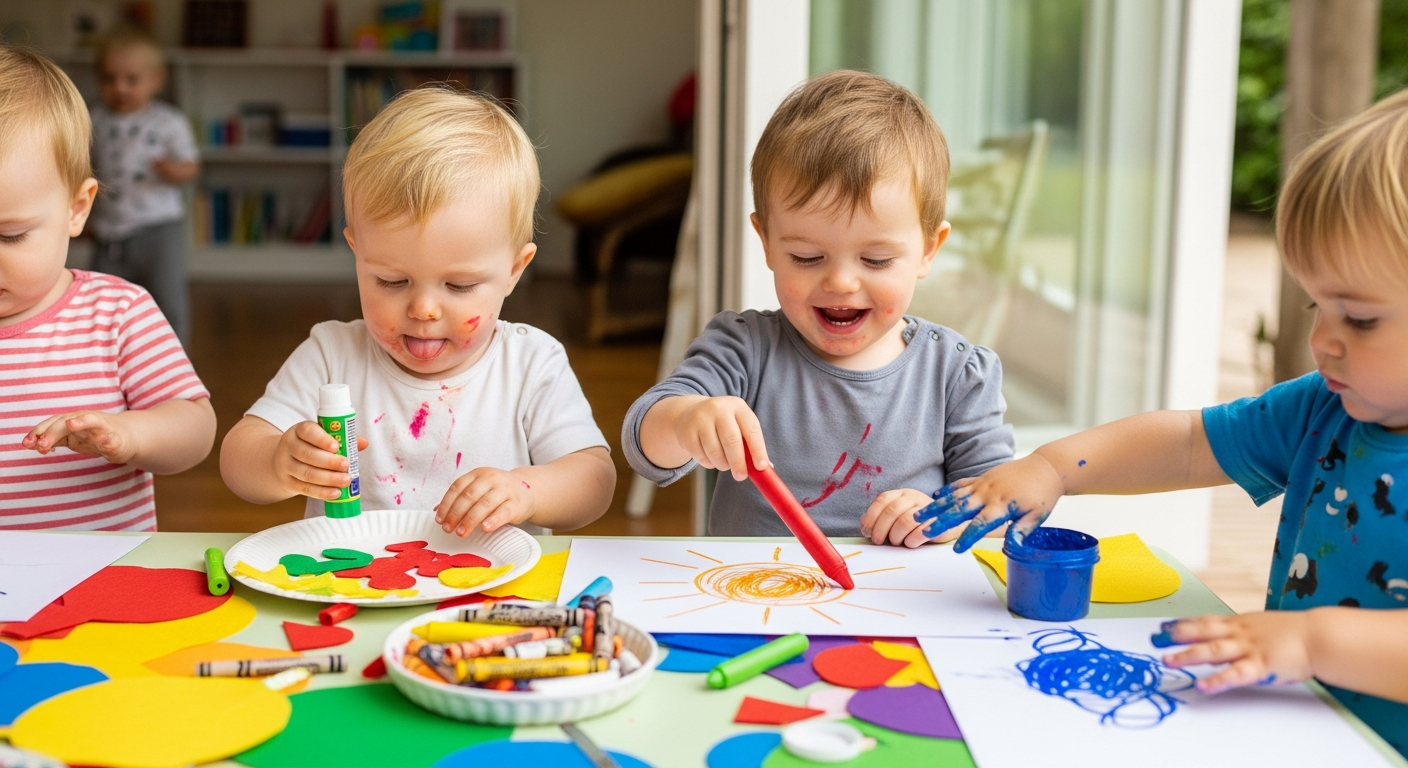
Table of Contents
- Introduction
- The Speech Blubs Mission: Joyful Learning
- Spring Crafts for Toddler Exploration
- Summer Crafts for Toddler Fun
- Fall Crafts for Toddler Learning
- Winter Crafts for Toddler Creativity
- Nature-Based Crafts for Toddler Development
- Low-Mess Activities for Busy Days
- Unique and Wacky Craft Ideas
- Why Crafting and Speech Go Hand-in-Hand
- Choosing the Right Plan for Your Family
- Expert Tips for Crafting with Toddlers
- The Power of Video Modeling in Art
- Conclusion
- FAQs
Introduction
Do you remember the first time your little one discovered the sticky, wondrous world of a glue stick? Or the look of pure concentration on their face as they tried to guide a chunky crayon across a piece of construction paper? At Speech Blubs, we believe these messy, colorful moments are more than just a way to pass the afternoon. They are the building blocks of communication, confidence, and connection. When our children become toddlers, we enter a brand new world of exploration together. Every texture, every hue, and every "oops" moment is a chance for them to learn about the world and their place in it.
In this guide, we are going to dive deep into a variety of engaging crafts for toddler development. We’ll cover seasonal activities, nature-inspired projects, and low-mess options for those days when you just can’t face a glitter-covered living room. Most importantly, we will focus on the "process" of art rather than the final product. At this age, it’s about the experience, the sensory input, and the joy of creation.

We’ll also explore how these activities can be paired with "smart screen time" to boost language skills. Our mission is to empower children to speak their minds and hearts, and we know that crafting is a powerful tool in that journey. By the end of this post, you’ll have a toolbox of ideas to foster a love for communication and creativity in your home.
The Speech Blubs Mission: Joyful Learning
At Speech Blubs, our story is personal. Our company was born from the experiences of our founders, who all grew up with speech problems themselves. They created the tool they wished they had—a solution that blends scientific principles with the pure joy of play. We understand that for the 1 in 4 children who need speech support, traditional methods can sometimes feel like work. That’s why we’ve built a "smart screen time" experience that is active, not passive.
Instead of sitting back and watching a cartoon, children using our app engage in video modeling. This is a scientifically backed methodology where children learn by watching and imitating their peers. When your child sees another child making a sound or saying a word, their mirror neurons fire, making them much more likely to try it themselves.
We provide a powerful tool for family connection, offering a screen-free alternative to passive viewing. Our app is a supplement to your child's overall development plan and professional therapy. Before we dive into our craft list, if you’ve ever wondered about your child’s development milestones, you can take our quick 3-minute preliminary screener. It involves 9 simple questions and provides an assessment and next-steps plan to help you support your little one.
Spring Crafts for Toddler Exploration
Spring is a time of renewal, and it offers so many natural inspirations for crafts. The world is turning green, and your toddler is likely noticing the flowers and bunnies appearing in books and in the yard.
1. Four Season Sensory Trees
This activity is a wonderful way to talk about the passage of time. You can draw a simple tree trunk and let your child decorate it. For spring, use small pieces of pink and green tissue paper. As they glue, you can practice words like "pink," "leaf," and "flower." This is a great time to use the Speech Blubs app to look at the "Nature" section, helping them associate the craft with real-world objects.

2. The Textured Bunny
Using cotton balls and glue, your child can create a soft, fluffy rabbit. This is a sensory-filled craft perfect for a 2-year-old. It encourages the "pincer grip" as they pick up individual cotton balls.
- Speech Connection: For a parent whose 3-year-old "late talker" loves animals, making this bunny while using the "Animal Kingdom" section of our app offers a fun, motivating way to practice "hop" or "bunny" sounds.
3. Paper Cup Flowers
Using a marble, some paint, and paper cups, this craft is unique and fun. Place a drop of paint in the bottom of a cup, drop in a marble, and let your toddler shake it! The swirling of the marble creates beautiful patterns. It’s a great way to learn about cause and effect.
4. Painting in the Rain
If it’s a drizzly day, take a piece of paper with some washable paint drops on it outside for just a minute. Watch the rain smear and blend the colors. This is a fascinating way for little ones to learn about nature and physics.
Summer Crafts for Toddler Fun
When the sun is shining, crafts for toddler play often move outside or focus on bright, warm themes.
5. Paper Plate Suns
This is a classic for a reason. Have your child paint a paper plate yellow. Once it’s dry, they can stick yellow pipe cleaners or strips of paper around the edges.
- Pro Tip: Threading beads onto the pipe cleaners is an excellent fine motor activity. You can see how other parents have used similar creative play to boost development by reading our testimonials.
6. Yogurt Cup Wind Chimes
Instead of tossing those plastic yogurt cups, wash them out and let your toddler decorate them with stickers. Punch a hole in the bottom, string some yarn through with a bell, and hang it outside. It teaches children about recycling and provides instant auditory feedback when the wind blows.
7. Fly Swatter Painting
This is high-energy art! Put some paint on a large sheet of paper outside and let your toddler "swat" the paint with a clean fly swatter. The patterns made by the mesh are beautiful, and the physical activity is great for burning off energy.
Fall Crafts for Toddler Learning
As the leaves change, the colors of our crafts change too. Fall is all about reds, oranges, and yellows.
8. Paint Blowing: Fall Trees
Once a child understands how to blow through a straw, they can move a drop of watery paint across the paper to create "branches." This is actually a great oral-motor exercise, which can help with the muscle control needed for speech. You can find more about the science behind our methods on our research page.
9. Fall Leaf Letters
Collect real leaves on a walk. Back at home, help your child glue them onto a large cut-out of the first letter of their name. This builds letter recognition and connects nature with their own identity.
10. Shaving Cream Jack-o-lanterns
Mix orange paint with shaving cream and let your child spread it over a pumpkin shape. It’s messy, but shaving cream is essentially soap, making it a "clean" mess! The texture is irresistible to toddlers and provides a massive amount of sensory input.
Winter Crafts for Toddler Creativity
Winter often means more time indoors, so we need crafts that keep small hands busy and spirits bright.
11. Paper Plate Ornaments
Simple, open-ended crafts are often the best. Give your toddler a paper plate, some stickers, and maybe some glitter glue. Let them go to town. These can be hung on the tree or taped to the window to celebrate the season.
12. Snow Coloring
If you live in a snowy climate, fill spray bottles with water and a few drops of food coloring. Let your toddler "paint" the snow in the yard. It’s a great way to practice hand strength by squeezing the trigger.
13. Night Sky Craft
Using dark blue or black construction paper, let your child add "star" stickers or white paint finger-dots. This is a peaceful activity that can be paired with a bedtime story about the moon.
Nature-Based Crafts for Toddler Development
At Speech Blubs, we love nature because it provides endless, free sensory materials. Bringing the outside in is a wonderful way to foster curiosity.
14. Nature Collage
Take a basket on your next walk and let your toddler collect "treasures"—flat stones, leaves, twigs, or fallen petals. Use a piece of contact paper (sticky side up) and let them press their treasures onto it. No glue required!
15. Suncatcher Nature Craft
Cut the center out of a paper plate and replace it with clear contact paper. Your child can stick thin leaves or flower petals to it. Hang it in a window and watch the light shine through their creation.
16. Painted Rocks
Find smooth stones and let your toddler paint them with bright colors. These can become "story stones." You can use the Speech Blubs app on Google Play to find animals that look like the rocks you've painted, creating a bridge between digital learning and physical play.
Low-Mess Activities for Busy Days
We know that some days, you just don't have the energy for a big cleanup. These low-mess creative activities are lifesavers for busy parents.
17. Water Play
It sounds simple, but water is a toddler's favorite medium. Give them a plastic bin with an inch of water, some measuring cups, and a few plastic animals. Adding a drop of tear-free shampoo to make "bubbles" adds an extra layer of fun. They can "wash" the animals while practicing animal sounds.
18. Playdough Exploration
Playdough is a classic for a reason. It’s versatile and stays contained. Give your child some uncooked pasta to poke into the dough or plastic molds. This is fantastic for building the hand strength needed for eventually holding a pencil or using utensils.
19. Sticky Wall
Tape a large piece of contact paper to the wall, sticky side out. Give your child scraps of tissue paper, felt, or ribbons. They can stick and unstick the items as many times as they want. This is excellent for hand-eye coordination.
20. Tempera Paint Sticks
If you haven't tried paint sticks, they are a game-changer. They have the vibrant color of paint but the "dryness" of a crayon. They dry almost instantly, meaning no smudged clothes or colorful carpets.
Unique and Wacky Craft Ideas
Sometimes, you want to try something a little out of the box to capture your child's imagination.
21. Pompom Ice Pops
Glue colorful pompoms onto craft sticks. These "pretend" ice pops are great for imaginative play. Your toddler can "sell" them to you, practicing social communication and words like "more," "please," and "thank you."
22. Cardboard Box Robots
Never throw away a good box! A cardboard box can become a robot, a car, or a house. Let your child decorate it with markers and stickers. This encourages large-scale creativity and problem-solving as they figure out how to "get inside."
23. DIY Finger Paint
You can make safe, non-toxic finger paint using cornstarch, sugar, and water. This is perfect for younger toddlers who might still be tempted to taste their "art."
24. Rubberband Splat Painting
Place rubber bands around a small box or tray lined with paper. Dip the rubber bands in paint and let your child "snap" them. It’s a bit messy, but the resulting "splat" patterns are incredibly cool and provide a fun lesson in physics.
Why Crafting and Speech Go Hand-in-Hand
You might wonder why a speech app company is so invested in crafts for toddler ages. The answer lies in the holistic development of the child. When a child is crafting, they are doing much more than making a mess; they are:
- Building Vocabulary: They learn nouns (glue, paper, scissors), verbs (cut, stick, pour), and adjectives (sticky, rough, bright).
- Practicing Following Directions: "First, we put the glue. Next, we stick the leaf." These sequencing skills are foundational for storytelling and complex speech.
- Reducing Frustration: Toddlers often get frustrated when they can't express themselves. Art gives them a non-verbal outlet for their feelings and ideas.
- Developing Fine Motor Skills: The muscles used to grasp a crayon are part of the same fine-motor system used to coordinate the tongue and lips for speech.
Our app is designed to be used alongside these activities. We encourage "co-play," where parents sit with their children. For example, while you are making a "Paper Plate Sun," you can open our app and find the "Sun" in our vocabulary section. Your child can watch a peer say the word, and then they can say it back to you while they paint. This creates a "smart screen time" experience that is active and integrated into their daily life.
Choosing the Right Plan for Your Family
We want to be transparent about how you can access our full suite of tools. We offer two main plans to help your child on their communication journey:
- Monthly Plan: $14.99 per month. This is a great way to test the waters and see how your child responds to our video modeling methodology.
- Yearly Plan: $59.99 per year. This is our best value option, breaking down to just $4.99 per month.
The Yearly plan is significantly more beneficial for families. It includes:
- A 7-day free trial so you can explore all features risk-free.
- Access to the Reading Blubs app, which helps transition speech skills into early literacy.
- Early access to new updates and new content "blubs."
- 24-hour support response time from our dedicated team.
The Monthly plan does not include these extra features or the free trial. We highly recommend the Yearly plan for the most comprehensive and cost-effective experience. You can create your account and start your trial today to see the difference for yourself.
Expert Tips for Crafting with Toddlers
To make the most of your crafting time, keep these tips in mind:
- Focus on the Process: If your child wants to paint the entire paper brown, let them! The goal is the exploration of the materials, not a masterpiece for the fridge.
- Narrate Everything: "You are picking up the blue crayon. Oh, look at that long line!" This constant stream of language helps their brain map words to actions.
- Keep it Short: A toddler's attention span is short. If they are done after five minutes, that's okay. You can always come back to it later.
- Prepare the Space: Put down an old sheet or newspaper. If you aren't worried about the carpet, you'll be much more relaxed, and your child will pick up on that positive energy.
- Use High-Quality Tools: Chunky crayons and triangular markers are easier for small hands to grip, reducing frustration.
For more inspiration, visit our homepage to see how we integrate these play-based principles into everything we do.
The Power of Video Modeling in Art
As mentioned, our unique approach uses video modeling. When you are doing crafts for toddler development, you can use the Speech Blubs app as a "living dictionary."
Imagine you are making the "Dinosaur Feet" craft using cardboard boxes. You can open the app to the "Dinosaurs" section. Your child can watch other kids roaring like a T-Rex. This social connection—seeing another child do it—is incredibly motivating. It moves the screen time from a passive "sit and watch" activity to an active "watch and do" activity. This is what we call "smart screen time." It’s designed to foster a love for communication, build confidence, and create joyful family learning moments.
Conclusion
Crafting with your toddler is an investment in their future. Whether you are building a cardboard robot, painting with rain, or simply squishing playdough, you are providing the sensory and linguistic input they need to thrive. These activities help them "speak their minds and hearts," which is the core of our mission here at Speech Blubs.
Remember, you don't need to be an artist to facilitate these experiences. You just need to be present, encouraging, and willing to get a little bit of glue on your fingers. By combining these hands-on activities with the scientifically backed tools in our app, you are giving your child a powerful head start in their development.
Ready to take the next step? Download Speech Blubs on the App Store or Google Play to begin your journey. We highly recommend choosing the Yearly plan to take advantage of the 7-day free trial, the Reading Blubs app, and the best overall value at just $4.99/month. Let’s start creating, playing, and talking together today!
FAQs
1. How do crafts for toddler development help with speech?
Crafts encourage language by introducing new vocabulary and concepts in a hands-on way. They also help develop the fine motor skills and breath control (through activities like straw painting) that are essential for speech production. Additionally, the joint attention between parent and child during a craft creates the perfect environment for language modeling.
2. What are the best low-mess crafts for a 2-year-old?
Water play, "sticky walls" with contact paper, and tempera paint sticks are excellent low-mess options. These activities allow for creative exploration without the need for extensive cleanup, making them perfect for busy weekdays or families living in smaller spaces.
3. Is screen time okay to use while my toddler is crafting?
We advocate for "smart screen time." Instead of passive watching, use an app like Speech Blubs to look up the words and sounds associated with your craft. This active use of technology helps bridge the gap between digital learning and physical play, making the experience more educational and engaging.
4. How long should a typical toddler craft session last?
For a toddler, a craft session might last anywhere from 5 to 20 minutes. It is important to follow the child's lead. If they lose interest, it's better to stop and try again later than to force them to finish. The focus should always be on the joy of the process, not the completion of the project.
About the author