
Creative Diwali Toddler Craft Ideas for Festive Learning and Language Growth
 By Speech Blubs Team•Feb 20, 2026•15 min.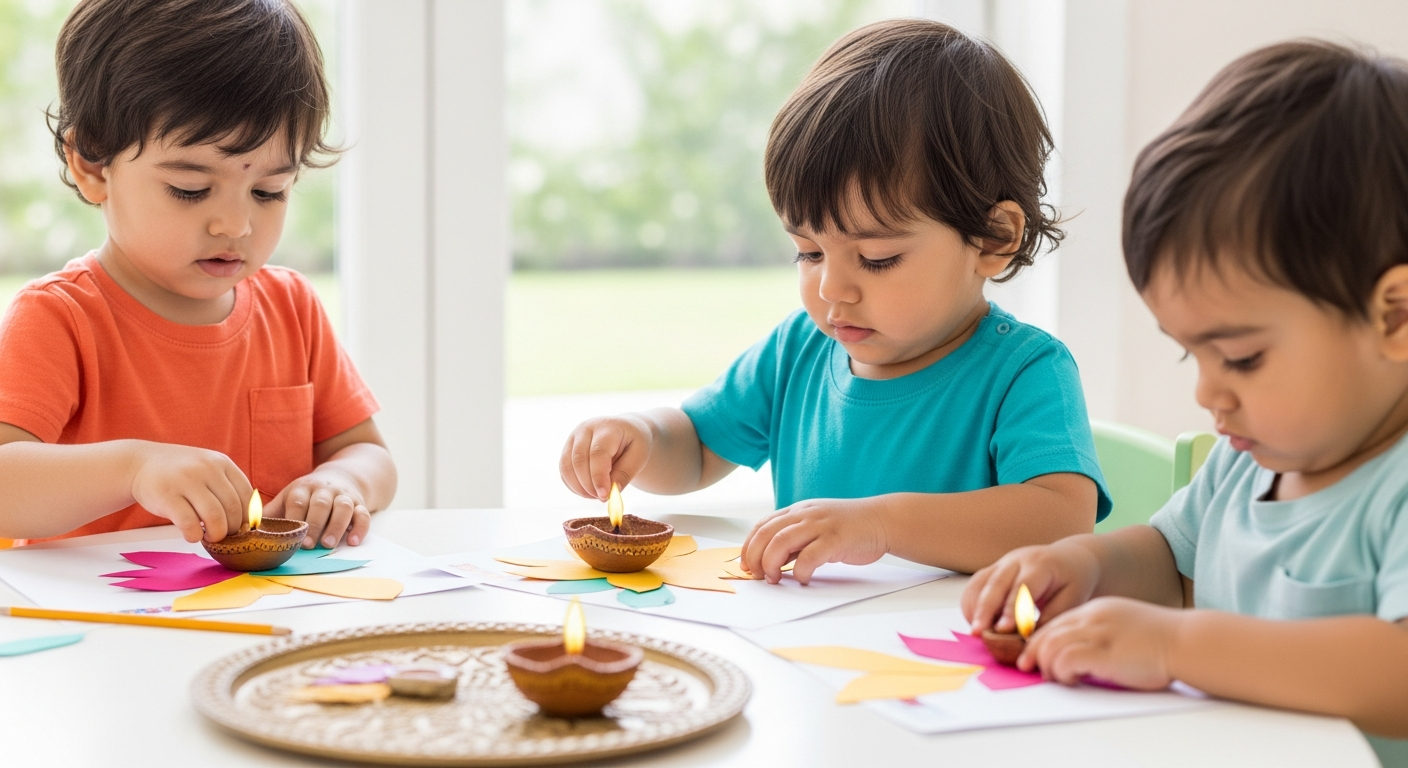
Table of Contents
- Introduction
- Why Diwali Crafts are a Language Goldmine
- 1. The Torn Paper Diya: A Fine Motor Masterpiece
- 2. Fingerprint Firework Art: Sensory Exploration
- 3. Paper Plate Rangoli: Geometric Fun
- 4. Salt Dough Diva Lamps: A Tactile Experience
- 5. The "Smart Screen Time" Connection
- 6. Handprint Henna Art: Celebrating Identity
- 7. Q-Tip Firework Painting: Precision and Patience
- 8. Cardboard Tube "Kandils" (Lanterns)
- 9. Pasta Garlands: Patterning and Logic
- 10. Ladoo Playdough: A Culinary Craft
- Strategies for Success: Tips for Parents
- Making the Most of Your Yearly Subscription
- Frequently Asked Questions
- Conclusion
Introduction
Imagine the soft glow of a flickering diya reflecting in your toddler’s eyes as they press a paint-covered finger onto a piece of paper, creating their very own "firework." These moments of wonder are what Diwali, the Festival of Lights, is all about. For families celebrating this beautiful Hindu festival, it is a time of victory—light over darkness, knowledge over ignorance, and good over evil. But for a two- or three-year-old, Diwali is also a multisensory explosion of colors, sounds, and textures. It is the perfect opportunity to bridge the gap between cultural tradition and developmental milestones.
At Speech Blubs, our mission is to empower children to "speak their minds and hearts." We know that the best way to encourage a child to communicate is through joy, curiosity, and shared experiences. Crafting isn't just about the final product sitting on your mantel; it’s a powerful vehicle for language development, fine motor precision, and emotional bonding. Whether your little one is already a chatterbox or is currently a "late talker" finding their voice, these activities provide the perfect "communication temptations" to get those words flowing.

In this post, we will explore a variety of hands-on Diwali toddler craft ideas that are easy to set up and rich in educational value. We’ll also show you how to integrate these activities with "smart screen time" tools to boost your child’s confidence and vocabulary. By the end of this guide, you’ll have a roadmap for a festive season filled with creativity, connection, and meaningful progress. Our thesis is simple: when we combine traditional celebration with intentional, play-based learning, we create an environment where every child can thrive.
Why Diwali Crafts are a Language Goldmine
Before we dive into the glitter and glue, let's talk about the "why." As experts in child development, we see every craft project as a mini-speech therapy session in disguise. When you engage in a diwali toddler craft, you aren't just making a decoration; you are building the foundations of communication.
Building Vocabulary Through Senses
Diwali offers a unique set of "power words." Think of words like bright, light, glow, circle, sticky, gold, and sparkle. During a craft session, these aren't just abstract concepts; they are tangible experiences. When a child feels the "sticky" glue on their fingers or sees the "bright" orange paper, the brain creates a stronger link between the word and its meaning.
Practicing Following Directions
"First, we pick up the paper. Next, we tear it." This simple sequencing is the bedrock of cognitive development. For a toddler, following a two-step instruction is a major win. Crafting provides a low-pressure environment to practice these receptive language skills. If you are ever unsure where your child stands with these milestones, you can take our quick 3-minute preliminary screener to get a simple assessment and a tailored next-steps plan.
Fostering Joint Attention
Joint attention occurs when you and your child are both focused on the same thing—like a half-finished paper lantern. This shared focus is essential for social communication. It’s in these moments that your child is most likely to look at you, point, or attempt a new sound to share their excitement.

1. The Torn Paper Diya: A Fine Motor Masterpiece
The diya, or oil lamp, is the most iconic symbol of Diwali. While real clay lamps are beautiful, they can be fragile for tiny hands. A torn paper diya is the perfect alternative.
Materials Needed:
- Cardstock or heavy paper (cut into a simple bowl shape and a flame shape).
- Scraps of colorful construction paper (yellow, orange, red, and purple).
- Non-toxic glue stick.
The Process: Instead of using scissors, encourage your toddler to tear the scraps of paper into small bits. Tearing paper is an incredible workout for the "tripod grasp"—the finger strength needed for later writing. Once you have a pile of "confetti," let your child go wild sticking the pieces onto the diya shape.
The Speech Blubs Strategy: While you work, use "parallel talk." Instead of asking questions (which can sometimes feel like a test), simply narrate what your child is doing: "You are tearing the red paper. Rip, rip, rip! Now you are sticking it. Push, push, push." This models the language without putting pressure on the child to respond. To see how this kind of modeling leads to real-world success, you can read testimonials from other parents who have seen their children’s confidence soar through similar playful interactions.
2. Fingerprint Firework Art: Sensory Exploration
Fireworks represent the joy and "noise" of Diwali. For a toddler who might be sensitive to the actual loud bangs of real fireworks, creating "quiet" fireworks on paper is a wonderful way to celebrate.
Materials Needed:
- Black or dark blue construction paper.
- Washable neon or metallic paints.
- Glitter (optional, if you’re feeling brave!).
The Process: Dip your child's fingertips into the paint and show them how to make "explosions" by dotting the paint in a circular pattern starting from a center point.
Connection Tip: If your child is a fan of our "Animal Kingdom" or "First Words" sections in the app, you can relate the sounds of fireworks to the sounds animals make or the simple exclamations we teach. Every "Pop!" or "Boom!" they say while painting is a step toward mastering speech sounds. You can download Speech Blubs on the App Store to find more fun sounds to imitate together.
3. Paper Plate Rangoli: Geometric Fun
Rangoli are patterns created on the floor to welcome guests and deities. Using a paper plate makes this traditional art form portable and toddler-friendly.
Materials Needed:
- White paper plates.
- Colorful markers, dot markers, or even dyed rice/lentils.
- Glue.
The Process: Draw simple concentric circles on the plate for your toddler. Have them fill in the spaces with different colors or materials. This is a great time to talk about shapes (circle, round) and colors (pink, green, blue).
The Science Behind the Play: Our approach at Speech Blubs is rooted in the "video modeling" methodology. We believe children learn best by watching their peers. Before you start your Rangoli, you might watch a video of another child playing with colors. This activates "mirror neurons" in the brain, making the child more likely to imitate the actions and the words associated with them. This isn't just a guess—it’s backed by research that places our methods in the top tier of educational tools.
4. Salt Dough Diva Lamps: A Tactile Experience
For a more "3D" experience, salt dough is a parent's best friend. It’s cheap, easy to make, and provides a wonderful sensory workout.
Materials Needed:
- 1 cup flour, 1/2 cup salt, 1/2 cup water.
- Acrylic paint (for after baking).
- A battery-operated tea light.
The Process: Mix the ingredients and let your toddler knead the dough. This "squishing" is great for sensory seekers. Help them form a small bowl or "nest" shape. Press the tea light into the center to make an indentation, then remove it. Bake the dough at a low temperature (200°F) for 2-3 hours until hard. Once cool, let your child paint their very own lamp.
Practical Scenario: Imagine a parent whose 3-year-old is a "late talker" and struggles with frustration when they can't express their needs. During this activity, the dough becomes a tool for "functional communication." You can hold the water back for a second until they make a sound or use a gesture for "more." This builds the understanding that their voice has power.
5. The "Smart Screen Time" Connection
We know that modern parenting is a balancing act. You want to be present, but you also need tools that actually help your child grow. This is where Speech Blubs comes in. We offer a "smart screen time" experience that is the exact opposite of passive cartoon watching.
Our company was born from the personal experiences of our founders, who all grew up with speech problems. They created the tool they wished they had. When you use our app alongside your diwali toddler craft sessions, you are giving your child a "peer model" to follow.
For the best experience, we always recommend our Yearly Plan. While we offer a Monthly Plan for $14.99, the Yearly Plan is just $59.99 (only $4.99/month) and offers significantly more value:
- 7-Day Free Trial: Explore everything risk-free.
- Reading Blubs App: Included for free to help with early literacy.
- Priority Support: 24-hour response time for any questions.
- Early Access: Be the first to try new updates and features.
The Monthly plan does not include the free trial or the extra Reading Blubs app, making the Yearly plan the clear choice for families committed to their child's long-term progress.
6. Handprint Henna Art: Celebrating Identity
Henna (Mehendi) is often applied to hands during Diwali. Since real henna can be messy and requires a toddler to sit still (which is nearly impossible!), paper handprints are a fantastic alternative.
Materials Needed:
- Brown construction paper or white paper and brown markers.
- Your child's hands!
The Process: Trace your child’s hand on a piece of paper. Then, let them "draw" patterns on the fingers and palm using a brown marker or crayon. Talk about the parts of the hand: thumb, fingers, palm, wrist.
Why it Matters: This activity builds self-awareness. At Speech Blubs, we want children to speak their hearts. Celebrating their own hands and their cultural traditions builds the confidence they need to step out and communicate with the world.
7. Q-Tip Firework Painting: Precision and Patience
If your toddler has mastered the "fingerprint" fireworks, it’s time to level up with a tool. Using a Q-tip requires a different kind of motor control.
Materials Needed:
- Q-tips.
- Brightly colored tempera paints.
- Paper.
The Process: Show your child how to "dot, dot, dot" with the Q-tip to create starburst patterns. This rhythmic action is often very calming for children.
Language Integration: Use the rhythm of the painting to practice syllables. "Dot-ti, dot-ti, dot-ti." Or use it to practice turn-taking: "My turn to dot... now your turn!" Turn-taking is a fundamental social skill that translates directly into the back-and-forth flow of conversation.
8. Cardboard Tube "Kandils" (Lanterns)
Recycling is a great way to craft on a budget. Those empty toilet paper or paper towel rolls can become beautiful festive lanterns.
Materials Needed:
- Cardboard tubes.
- Paint or tissue paper.
- String.
The Process: Let your toddler paint the tube. Once dry, you can help them fringe the bottom with safety scissors (or do it for them if they are too young). Punch two holes in the top and add a string. Hang them around the room to create a festive atmosphere.
Setting Realistic Expectations: Remember, your toddler’s lantern might look more like a squashed tube than a professional decoration—and that is okay! We aren't looking for perfection. We are looking for "joyful family learning moments." Use our app on Google Play to find the "Colors" or "Shapes" sections to reinforce what they are seeing on their lanterns.
9. Pasta Garlands: Patterning and Logic
Diwali is a time for "Torans" or door hangings. You can make a toddler version using large pasta shapes.
Materials Needed:
- Large tube pasta (like Rigatoni or Penne).
- Paint.
- Thick yarn or a shoelace.
The Process: First, have your child paint the pasta in Diwali colors (gold, red, orange). Once dry, show them how to thread the pasta onto the string. This is an advanced fine motor skill that requires incredible focus.
The Benefit: Threading pasta is essentially a "quiet time" activity. In the hustle and bustle of Diwali celebrations, giving your toddler a task that requires deep focus can help prevent overstimulation and meltdowns.
10. Ladoo Playdough: A Culinary Craft
Ladoos are sweet treats enjoyed during the festival. You can make a "pretend" version using scented playdough.
Materials Needed:
- Yellow or orange playdough.
- A drop of cardamom or vanilla extract (for scent).
- Small cupcake liners.
The Process: Add the scent to the dough and let your child roll "balls." They can place each "Ladoo" into a cupcake liner. This encourages imaginative play, which is a massive milestone for language. When a child pretends to "eat" or "serve" a Ladoo, they are using symbols—a key step toward using words as symbols for objects.
Strategies for Success: Tips for Parents
Crafting with a toddler can be daunting. Here are some expert tips to keep the experience positive:
- Focus on the Process, Not the Product: Your child might want to spend 20 minutes just feeling the glue and only 2 seconds sticking the paper. That’s okay! Sensory exploration is learning.
- Keep it Short: A toddler’s attention span is typically 2-3 minutes per year of age. If they walk away after 5 minutes, let them. You can always come back to it later.
- Use "Communication Temptations": Put the stickers or the paint just out of reach so they have to use a sound, a gesture, or a word to ask for it.
- Embrace the Mess: Use a tray or a plastic tablecloth. When you aren't worried about the carpet, you’ll be a much more fun "play partner" for your child.
- Co-Play is Key: Our app is designed for "adult co-play." Use the app together, then do the craft together. This "double-dose" of learning is what makes the skills stick.
Making the Most of Your Yearly Subscription
We want to remind you why the Yearly Plan is the best investment for your family this Diwali. For the cost of a few lattes a month ($4.99), you get a comprehensive tool that grows with your child.
The inclusion of Reading Blubs is particularly important. As your toddler moves from single words to sentences, the transition to early literacy is the next big step. Having both apps ensures that you are supporting their communication journey from every angle. Plus, the 7-day free trial allows you to see the magic happen before you commit.
Frequently Asked Questions
What is the best age to start Diwali crafts with my child?
You can start as early as 18 months with simple sensory activities like finger painting or "squishing" salt dough. By ages 2 and 3, they can begin to participate in more structured tasks like tearing paper or sticking shapes, provided an adult is there to guide them and ensure safety.
How do these crafts help with speech delay?
Crafts create "naturalistic learning opportunities." They provide a context for words (like "sticky" or "bright") and encourage "joint attention." When a child is engaged in a fun activity, their stress levels drop, making them more likely to attempt new sounds and words modeled by their parents or the peers in the Speech Blubs app.
My toddler is very messy; how can I manage Diwali crafting?
Preparation is key! Use washable paints, non-toxic glue, and cover your work surface with an old sheet or newspaper. Focus on one material at a time. Remember, the "mess" is actually your child exploring their environment—which is a vital part of cognitive development.
Can Speech Blubs replace professional speech therapy?
Speech Blubs is a powerful supplement designed to foster a love for communication and build foundational skills. While it is a scientifically-vetted tool used by millions, it is not a replacement for medical diagnosis or professional therapy when needed. We recommend using it as part of your child’s overall development plan.
Conclusion
Diwali is a season of abundance—abundance of light, love, and opportunities to learn. By engaging in a diwali toddler craft, you are doing so much more than keeping your child busy; you are opening a door to their world. You are teaching them that their culture is beautiful, that their hands are capable, and most importantly, that their voice matters.
At Speech Blubs, we are honored to be a part of your family’s journey. Whether you are painting paper plate Rangolis or rolling salt dough diyas, remember that every "ooh," "aah," and "look!" is a victory. We are here to help you turn those small sounds into big conversations.
Ready to make this Diwali truly unforgettable? Create your account and begin your 7-day free trial today. Don’t forget to choose the Yearly plan to unlock the full suite of features, including Reading Blubs and early updates, all for just $59.99 a year. Let’s work together to help your child speak their mind and heart. Happy Diwali!
About the author