
Crunchy Leaves & Cozy Vibes: Free Fun Fall Activities for Kids
 By Speech Blubs Team•Jan 13, 2026•21 min.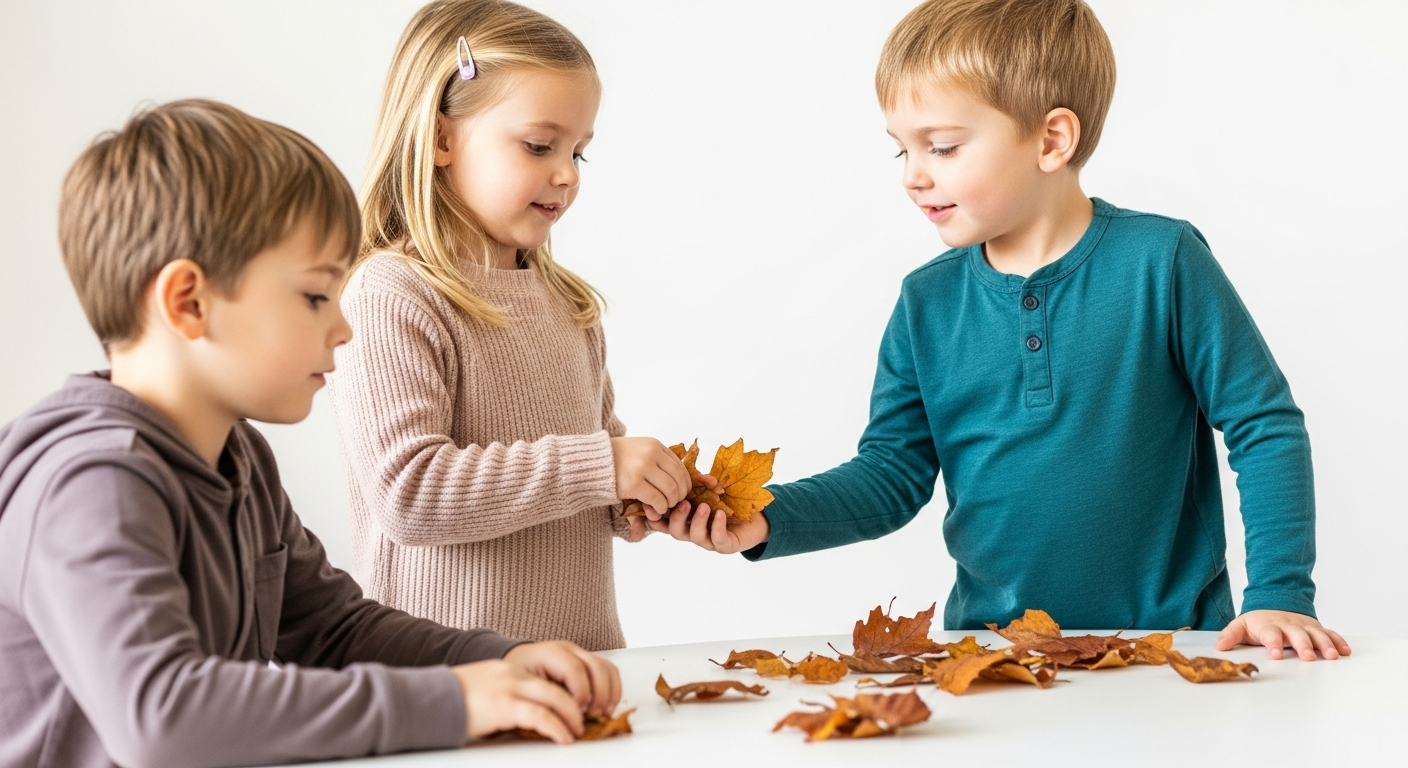
Table of Contents
- Introduction
- Why Fall is Fantastic for Development
- Embracing Nature's Classroom: Outdoor Adventures
- Cozy Creativity at Home: Indoor Fall Fun
- Community & Connection: Engaging with Your Local Area
- Nourishing Language & Learning with Speech Blubs
- Making Memories: A Fall Bucket List for Families
- Conclusion
- FAQ
As the golden light of autumn filters through changing leaves, a special kind of magic descends, inviting us to slow down, connect, and explore. But what if you could tap into this magic without breaking the bank, finding joy in simple, everyday moments? Fall is a season rich with sensory experiences – from the crisp crunch of fallen leaves to the sweet scent of apples – offering countless natural opportunities for learning and language development. At Speech Blubs, we know that the best learning happens through play and connection. This post will guide you through a treasure trove of free, fun fall activities for kids that not only celebrate the season but also cleverly weave in opportunities to boost your child’s communication skills, fostering a love for speaking and listening. We’ll show you how to turn everyday autumn adventures into powerful language-building moments, making the most of this beautiful time of year.

Introduction
The arrival of autumn signals a beautiful shift, painting our world in hues of red, orange, and gold, and bringing with it a refreshing crispness in the air. For families, it's a season brimming with potential for memory-making and discovery. However, with busy schedules and ever-tightening budgets, finding engaging activities that are both educational and entirely free can sometimes feel like a challenge. Fear not! This comprehensive guide is designed to unlock the magic of fall with an abundance of no-cost and low-cost ideas that will delight your children, stimulate their senses, and crucially, provide rich opportunities for developing crucial communication skills. From the simplest leaf pile explorations to creative indoor crafts and community adventures, we'll explore how to transform ordinary fall days into extraordinary language-rich experiences. Our aim is to help you embrace the season's bounty, fostering your child's confidence and love for communication, all while enjoying precious family time.
Why Fall is Fantastic for Development
Autumn isn't just a pretty backdrop; it's a natural classroom bursting with developmental opportunities for children of all ages. The changing environment inherently encourages curiosity, sensory exploration, and imaginative play, all of which are foundational to cognitive and language development.
Sensory Exploration and Its Impact on Language
Think about the sensory symphony of fall: the vibrant colors of fallen leaves, the earthy smell after a rain shower, the distinct crunch underfoot, the smooth coolness of a stone, or the bumpy texture of a pinecone. These diverse sensory inputs are not just enjoyable; they are critical for brain development. When children actively engage with their environment through touch, sight, smell, and sound, they are building neural pathways that support learning and language acquisition.
- Touch: Feeling various textures—rough bark, smooth acorns, velvety moss—provides descriptive vocabulary. "This leaf is crispy!" or "The pumpkin is bumpy!"
- Sight: Observing the shifting palette of autumn colors naturally introduces color names and descriptive adjectives like "bright," "dark," "mottled," and "vibrant."
- Sound: The rustling of leaves, the distant call of a bird, or the patter of rain offers opportunities to talk about sounds: "Listen to that whooshing sound!" or "The rain is pitter-pattering."
- Smell: The distinct aroma of damp earth, woodsmoke, or spices encourages children to identify and describe scents.
These sensory experiences create real-world contexts for new vocabulary, helping children connect words to actual sensations and objects, making language more concrete and meaningful.

Boosting Fine Motor Skills and Communication
Many fall activities naturally engage and strengthen fine motor skills, which are surprisingly linked to speech development. The muscles used for precise hand movements—like picking up small acorns, threading leaves, or manipulating craft supplies—are often coordinated with the muscles required for speech articulation. Strengthening one can positively influence the other.
As children manipulate objects, they narrate their actions, describe the items, and engage in problem-solving conversations. For example, when attempting to thread a leaf, a child might say, "It's stuck!" or "Help me push it through," practicing sentence structure and expressing needs.
Cultivating Creativity and Imagination
The open-ended nature of fall’s natural resources—leaves, sticks, stones, pinecones—invites children to use their imaginations freely. A pile of leaves becomes a monster's lair, a stick transforms into a magic wand, and acorns become tiny cups for a fairy tea party. This imaginative play is a powerful incubator for language, as children create narratives, assign roles, and engage in dialogue, developing their storytelling abilities and expanding their expressive vocabulary.
Embracing Nature's Classroom: Outdoor Adventures
Fall beckons us outdoors. The mild temperatures and stunning scenery make it the perfect season for open-air exploration, and thankfully, many of the best experiences are entirely free!
Leaf Play & Art
Fallen leaves are autumn's most abundant and versatile free plaything. They offer endless possibilities for sensory engagement and creative expression.
- The Classic Leaf Pile: Simply raking leaves into a giant pile for jumping, rolling, and hiding provides immense joy and rich language opportunities. "I'm going to bury myself!" "Can you find me?" "Listen to the crunchy sound!" Encourage your child to describe the sensation of the leaves against their skin or the sound they make.
- Nature Brushes and Painting: Gather a variety of leaves, twigs, and even small pinecones. Attach them to sticks with elastic bands to create unique "nature brushes." Use these to paint on paper or even on old cardboard. This process art encourages description of textures and colors: "Look at the streaky green!" or "My brush is so prickly." You can also use flat leaves to make prints by painting their veined side and pressing them onto paper.
- Window Leaf Printing: For a fun, collaborative project, use washable paint sticks on a window. Press fresh leaves (vein-side painted) onto the glass, then carefully peel them off to reveal beautiful prints. This offers a unique perspective and allows for conversations about light, transparency, and different art surfaces. Remember to use glass cleaner for easy removal!
- Leaf Colour Search: Create simple cardboard boards with swatches of fall colors (red, orange, yellow, brown). On your next walk, challenge your child to find leaves that match each color. This activity reinforces color recognition and encourages observational skills. "Can you find a leaf that is golden yellow?"
- Leaf Snipping and Hole Punching: Give your child safety scissors and a pile of leaves to snip into "confetti." This is excellent for developing scissor skills and hand strength. Similarly, a hole punch can be used on leaves, building fine motor control. The resulting bits can be used for collages or as "natural confetti."
Scavenger Hunts & Observational Skills
Nature scavenger hunts are a fantastic way to engage children’s observational skills and vocabulary, requiring them to listen to instructions and describe what they find.
- Autumn Nature Scavenger Hunt: Create a simple list (or picture clues for younger children) of items to find: a red leaf, a smooth stone, a piece of bark, a feather, a pinecone, an acorn, a twig. As your child finds each item, encourage them to describe it: "I found a tiny, bumpy acorn!" This builds descriptive language and categorization skills.
- Shadow Leaf Drawing: On a sunny fall day, string leaves between two chairs with string and place a large piece of paper underneath. Trace the shadows the leaves cast. This combines fine motor skill development with observation and conversation about shadows, light, and shapes. "Look how long the shadow is!"
- Exploring the Night Sky: As evenings get longer, take time to look at the night sky. Point out the moon, stars, and any visible planets. Talk about what you see, making up stories about the constellations. This expands vocabulary related to space and fosters a sense of wonder.
Outdoor Movement & Exploration
Movement-based activities are crucial for gross motor development and can be easily paired with language learning.
- Nature Walks without Phones: Take a focused walk through your neighborhood, a local park, or a gentle hiking trail. Encourage active observation by playing "I Spy" or asking open-ended questions: "What do you hear?" "What do you smell?" "What's the prettiest leaf you can find?" Being fully present without digital distractions helps both you and your child connect more deeply with the environment and each other, creating prime opportunities for conversation.
- Build Forts or Nests: Use fallen branches, leaves, and blankets from home to build temporary shelters or "nests" in your backyard or a safe park area. This imaginative play naturally leads to collaborative communication, planning, and descriptive language as you build together.
- Backyard Obstacle Course: Use natural elements and household items (like trash cans, baskets, or leaf piles) to create a simple obstacle course. Give directions ("Crawl under the blanket! Jump over the log! Run around the leaf pile!") and encourage your child to repeat them or give you directions. This reinforces prepositions, action words, and following multi-step instructions.
- Rake the Leaves – A Family Event: Turn the chore of raking into a fun family activity. Assign roles, count piles, and talk about the process. This teaches cooperation, introduces new vocabulary related to tools and actions, and provides a sense of accomplishment.
Cozy Creativity at Home: Indoor Fall Fun
When the weather turns chilly or rainy, the fun doesn't have to stop. Your home can become a hub of creativity and language-rich play.
Crafting with Natural Elements
Bring the outdoors in! Collecting natural treasures on a walk provides free materials for hours of creative crafting.
- Pinecone Centerpiece or Painting: Collect pinecones and arrange them in a bowl for a simple, natural centerpiece. For a more involved activity, paint them with acrylics or add glitter glue. As you paint, discuss colors, textures, and the shape of the pinecone. "This pinecone is rough and spiky."
- Autumn Fairy Stick Puppets: Gather unique leaves, small twigs, and other natural bits. Use school glue to attach them to craft sticks or small branches to create fairy figures. Once dry, these puppets are perfect for imaginative storytelling and dialogue, helping children develop narrative skills. You can find free templates online to inspire your designs.
- Pumpkin Threading/Collage: If you have leftover pumpkins (even small decorative gourds), threading can be a fantastic fine motor activity. For very young children, use large pasta shapes or chunky beads on pipe cleaners. As skills improve, move to smaller beads. This helps with hand-eye coordination and descriptive language about sizes and colors. Alternatively, use contact paper to make a sticky pumpkin shape and let your child create a collage with small leaves, seeds, or yarn.
Story Time & Imagination
Reading and imaginative play are cornerstones of language development, and fall provides the perfect cozy backdrop.
- Family Book Club & Fall Stories: Snuggle up with fall-themed picture books or chapter books. Reading together introduces new vocabulary, sentence structures, and concepts. After reading, discuss the story, characters, and plot. "What was your favorite part? Why?" This boosts comprehension and critical thinking. You can find many wonderful fall books at your local library for free!
- Q-Tip Painting Fall Scenes: Using cotton swabs instead of paintbrushes is a great fine motor exercise. Glue a few small sticks onto paper to create tree trunks, then use Q-tips to dot around them, forming colorful fall leaves. This encourages precise hand movements and discussions about "dots" and "leaves."
- Gratitude Jar: Fall is a season of reflection and thankfulness. Decorate a jar and encourage family members to write down (or draw) one thing they are grateful for each day or week. Read them aloud at the end of the season. This activity builds positive communication, introduces the concept of gratitude, and encourages expressive language.
Simple Science & Sensory Bins
Learning through play can be messy and fun!
- Autumn/Fall Soup: This beautifully simple sensory activity involves a basin of water, various fall leaves, acorns, small twigs, and perhaps a few drops of food coloring for an "autumn potion." Add scoops, ladles, and small containers. Children can "cook" and "serve" their soup, engaging in imaginative play, practicing action words ("scoop," "pour," "stir"), and describing ingredients.
- Dancing Frankenworms Experiment: With just baking soda, vinegar, and gummy worms, you can create a simple science experiment. Watch the worms "dance" as the chemical reaction occurs. This introduces basic science concepts and encourages descriptive language about observations: "Look, they're wiggling!" or "It's so bubbly!"
Community & Connection: Engaging with Your Local Area
Many communities offer free or low-cost fall events that provide excellent opportunities for social interaction and new experiences.
Free Local Events
Keep an eye on community calendars, library announcements, or local Facebook groups for free happenings.
- Outdoor Concerts & Plays: Many towns host free outdoor concerts or high school plays in the fall. These events expose children to music and theater, providing new sensory input and opportunities for discussion. "Did you like the music? What instruments did you see?"
- Fall Festivals & Holiday Events: Local festivals often include free entry, kid-friendly activities, and live entertainment. These are fantastic for exposing children to new sounds, sights, and social situations. Many cities, like those mentioned in our research, host specific free events like Monarch Festivals, Indigenous Peoples Days, or cultural celebrations, offering unique learning experiences.
- Library Programs: Libraries are a goldmine of free activities! Look for fall-themed story times, craft sessions, or even free book trackers and word searches that can be downloaded and used at home. Visiting the library also fosters a love for books and reading, a fundamental aspect of language development.
- Pumpkin Patches (for viewing): While buying a pumpkin costs money, simply visiting a pumpkin patch can be a free outing. Children can marvel at the different sizes, shapes, and colors of pumpkins, experiencing the vibrant atmosphere. This is great for observational language and learning about farm life.
Acts of Kindness
Fall is also a great time to teach empathy and community spirit through simple, free acts of kindness.
- Thank Your Mail Carriers/Delivery People: A handwritten note or a chalk message on the sidewalk expresses gratitude. This teaches children the value of appreciation and connecting with others in their community.
- Litter Picking: Organize a "community clean-up" with your child in a local park or on your street. This fosters a sense of responsibility for the environment and provides opportunities to talk about keeping our spaces clean.
- Start a Free Book Library: If feasible, create a small "micro-library" or book exchange in your front yard. This promotes reading in the community and offers a chance to teach children about sharing.
Nourishing Language & Learning with Speech Blubs
While fall’s natural wonders provide an incredible backdrop for learning, we understand that sometimes you need a focused, engaging, and scientifically-backed tool to truly accelerate your child’s communication journey. This is where Speech Blubs comes in.
At Speech Blubs, our mission is to empower children to "speak their minds and hearts." Our company was born from the personal experiences of our founders, who all grew up with speech problems and created the tool they wished they had. We are committed to providing an immediate, effective, and joyful solution for the 1 in 4 children who need speech support, blending scientific principles with play into one-of-a-kind "smart screen time" experiences. We provide a screen-free alternative to passive viewing (like cartoons) and a powerful tool for family connection, ensuring that technology serves as a bridge, not a barrier, to interaction.
Integrating App Play with Fall Themes
Imagine pairing your fall activities with Speech Blubs' engaging content. After a walk where you collected red, yellow, and orange leaves, you can dive into the app's "Colors" section, reinforcing the new vocabulary in a playful, interactive way.
- Animal Sounds: For a parent whose 3-year-old "late talker" loves animals and has just visited a farm or seen squirrels gathering nuts, the "Animal Kingdom" section offers a fun, motivating way to practice "moo," "baa," or "chatter" sounds, connecting their real-world experience to targeted speech practice.
- Action Words: When playing in a leaf pile, you can practice words like "jump," "fall," and "run." Then, use Speech Blubs to reinforce these actions with visual and auditory cues from peers in the app.
- Descriptive Vocabulary: After a nature scavenger hunt, use the app to practice describing the attributes of items found – "big," "small," "rough," "smooth" – reinforcing adjectives in context.
- Connecting Experiences: Our unique approach of teaching complex communication skills through our "video modeling" methodology means children learn by watching and imitating their peers. This natural, relatable interaction makes learning effective and fun. If your child is struggling with saying "leaf," they can watch a peer in the app clearly pronounce the word, making imitation easier and more motivating.
Speech Blubs offers an engaging, interactive "smart screen time" experience that transforms passive viewing into active learning, perfectly complementing your family’s fall adventures. Many parents have seen remarkable progress; you can read their stories and testimonials here.
The Science Behind Our Approach
We don't just guess; our methods are rooted in scientific research. Our video modeling technique leverages the power of mirror neurons, which fire both when we perform an action and when we observe someone else performing it. This natural neurological process makes imitation-based learning incredibly effective. You can explore the research behind our highly-rated app here. This scientific backing has placed us in the top tier of speech apps worldwide, ensuring you're using a tool that truly works.
Flexible Learning, Real Results
We understand that every child's journey is unique. We don't promise your child will be giving public speeches in a month. Instead, our focus is on fostering a love for communication, building confidence, reducing frustration, developing key foundational skills, and creating joyful family learning moments. Speech Blubs is a powerful supplement to your child's overall development plan and, when applicable, professional therapy. It’s a tool designed to be used with active adult co-play and support, turning screen time into valuable connection time.
Subscription Value: Making the Most of Speech Blubs
Ready to enhance your child's communication journey this fall? We offer flexible plans designed to fit your family's needs.
- Monthly Plan: For just $14.99 per month, you get access to our core Speech Blubs app.
- Yearly Plan: The Best Value! Our Yearly plan is the clear best choice, offering incredible savings and exclusive features for only $59.99 per year. This breaks down to just $4.99/month, allowing you to save 66% compared to the monthly plan!
Choosing the Yearly plan unlocks a wealth of additional benefits:
- A 7-day free trial so you can experience the full app before committing.
- The extra Reading Blubs app, providing even more language and literacy support.
- Early access to new updates and a 24-hour support response time for priority assistance.
The Monthly plan does not include these valuable benefits.
To get the most out of Speech Blubs, we highly encourage you to choose the Yearly plan. It’s the smart way to access the free trial and the full suite of features that will empower your child's speech development.
Not sure where to start? Take our quick 3-minute preliminary screener which involves 9 simple questions. You’ll receive an assessment and a personalized next-steps plan, along with a free 7-day trial of our Yearly plan. It's the perfect way to see if Speech Blubs is the right fit for your family.
Making Memories: A Fall Bucket List for Families
Here’s a snapshot of free and fun fall activities for kids to inspire your family's season:
- Nature's Masterpieces:
- Jump in a gigantic leaf pile.
- Create leaf rubbings or crayon art with colorful leaves.
- Go on an autumn-themed nature scavenger hunt.
- Build nature brushes from twigs and leaves for painting.
- Collect acorns and pinecones for sensory bins or crafts.
- Creative & Cozy Indoors:
- Bake pumpkin muffins or apple crisp (using simple, budget-friendly recipes).
- Have a family storytelling session inspired by fall themes.
- Make a "gratitude jar" to fill with thankful notes.
- Decorate pumpkins without carving (paint, stickers, finger painting).
- Start a family book club with fall-themed stories from the library.
- Active Adventures:
- Take a "no-phone" nature walk, focusing on sights, sounds, and smells.
- Build a backyard fort using fallen branches and old blankets.
- Design an outdoor obstacle course with natural elements.
- Have a backyard dance party to fall-themed music.
- Rake leaves together and talk about the process.
- Community & Learning:
- Visit your local library for free story times or craft events.
- Attend a free local fall festival or community event.
- Observe the night sky for stars and the moon.
- Leave a thank-you note for your mail carrier or delivery person.
- Go "window shopping" for fall decorations at local stores.
Remember, the most valuable ingredient in any activity is your active presence and engagement with your child.
Conclusion
Fall truly is a season of unparalleled beauty and opportunity, offering a wealth of free fun activities for kids that go far beyond simple entertainment. By embracing nature's classroom, fostering creativity at home, and engaging with your community, you’re not only making cherished memories but also laying crucial groundwork for your child’s development. These activities provide rich, natural contexts for language learning, enhancing vocabulary, comprehension, and expressive skills in a joyful and stress-free way.
At Speech Blubs, we are dedicated to supporting your family on this journey. Our app is a powerful, science-backed tool that complements these real-world experiences, transforming screen time into active, engaging learning. We believe every child deserves the chance to speak their mind and heart, and our unique video modeling methodology, coupled with our playful approach, makes that vision a reality.
Ready to see how Speech Blubs can make a difference in your child's communication this fall? Start your journey today! We encourage you to try our Yearly plan to unlock a 7-day free trial, gain access to the bonus Reading Blubs app, and enjoy priority support – all for just $59.99 a year (a 66% saving compared to monthly!). It’s the best value and the most comprehensive way to empower your child's voice.
Download Speech Blubs on the App Store or Google Play to begin your free trial and discover the joy of communication with us!
FAQ
Q1: How can I make these free fall activities specifically beneficial for my child's language development?
A1: The key is active engagement and narration. As your child participates in activities like collecting leaves or making crafts, describe what they are doing, seeing, and feeling. Use descriptive words (e.g., "crunchy leaf," "shiny acorn"), ask open-ended questions ("What do you think will happen next?"), and encourage them to narrate their own actions. Connecting real-world experiences with targeted vocabulary practice, possibly with tools like the Speech Blubs app, reinforces learning and makes it more meaningful.
Q2: My child is a late talker. Can these free activities truly help, or do I need professional therapy?
A2: These free activities offer valuable, natural opportunities for language exposure and interaction, which are beneficial for all children, including late talkers. They provide rich sensory input and contexts for learning new words. However, while these activities are supportive, they are not a substitute for professional speech therapy if your child has a diagnosed speech delay or disorder. Think of them as excellent supplements to any professional guidance you may be receiving. Our Speech Blubs app is also designed to complement therapy, offering targeted practice in a fun, engaging format. If you're unsure about your child's development, consider taking our quick 3-minute preliminary screener for an assessment and next steps.
Q3: What if the weather isn't cooperating for outdoor fall activities?
A3: Don't let bad weather dampen your fun! Many of the creative and sensory activities can be easily adapted for indoors. Bring natural elements like leaves, pinecones, and sticks inside for crafts and sensory bins. Focus on indoor activities like reading fall-themed books, baking, creating shadow drawings (using a lamp), or imaginative play with homemade puppets. The goal is to keep learning and language development flowing, regardless of the forecast.
Q4: How does Speech Blubs offer "smart screen time" that differs from passive viewing like cartoons?
A4: At Speech Blubs, we believe screen time can be a powerful tool for development when used intentionally. Our app is based on "video modeling," where children learn by actively imitating their peers on screen. This interactive approach encourages active participation, imitation, and repetition, unlike passive viewing which often involves simply watching without direct engagement. We provide cues, prompts, and positive reinforcement, transforming screen time into a dynamic learning session that supports your child's communication growth and encourages family co-play.
About the author