
Dance, Groove, and Grow: Unlocking Fun Dance Activities for Kids
 By Speech Blubs Team•Jan 13, 2026•15 min.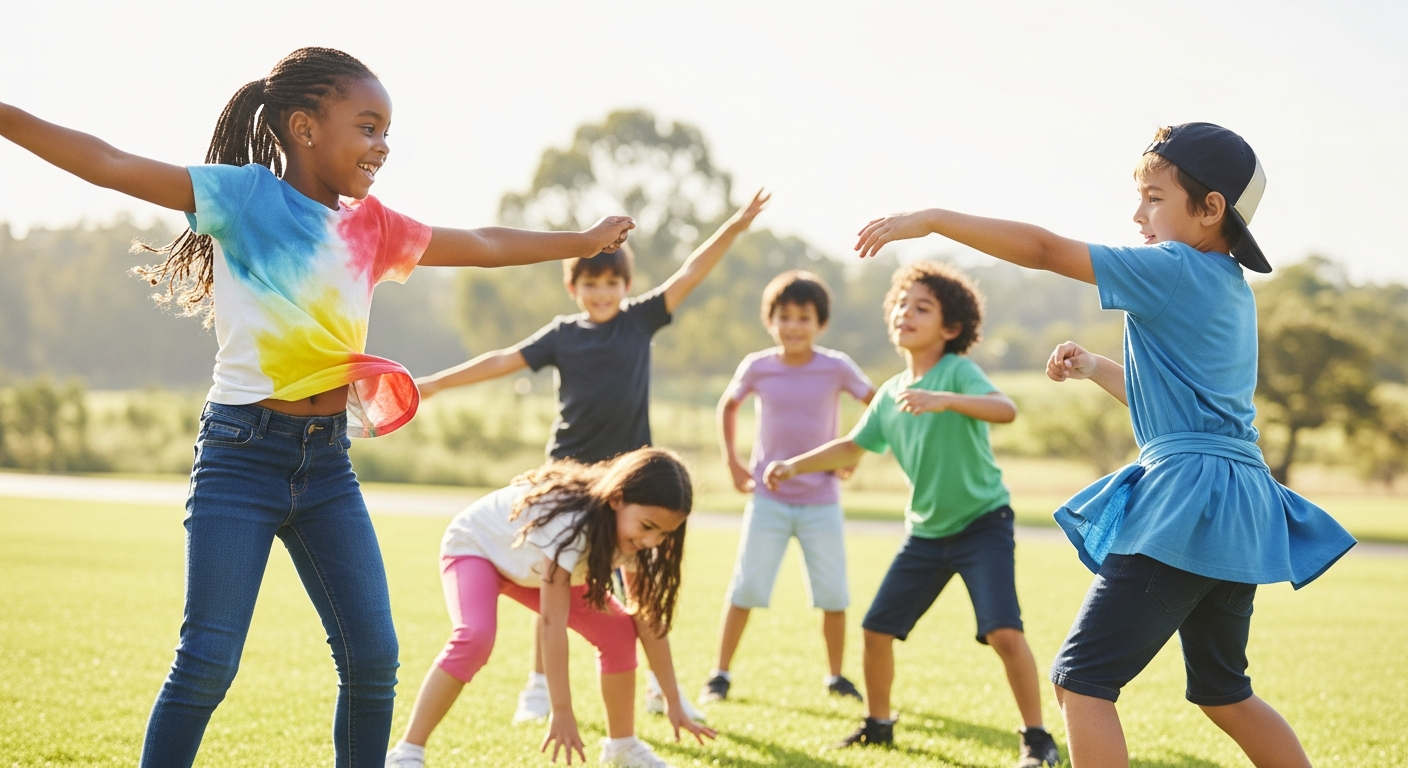
Table of Contents
- The Power of Movement: Why Dance Matters for Children
- Fun Dance Activities for Every Child
- Speech Blubs: Dancing Towards Communication Confidence
- Setting Realistic Expectations
- How to Get Started with Speech Blubs
- Conclusion
- FAQ
Have you ever seen a child’s face light up, their body spontaneously wiggling and bouncing the moment a catchy beat starts? It’s pure joy, uninhibited expression, and an undeniable urge to move. Dance isn't just about choreographed steps; it's a fundamental aspect of human experience, a universal language that begins in infancy. For children, it's a powerful avenue for growth, learning, and expressing their unique personalities. In a world increasingly dominated by passive screen time, carving out dedicated moments for movement and creative expression is more crucial than ever.
This blog post will dive deep into the incredible benefits of incorporating fun dance activities into your child's routine. We'll explore how simple movements can significantly boost physical health, cognitive development, social skills, and emotional well-being. From easy games you can play right in your living room to creative ideas for larger groups, we’ll provide a treasure trove of engaging activities. We'll also highlight how mindful, active play—much like the "smart screen time" experiences we champion at Speech Blubs—can foster confidence and communication skills, empowering children to speak their minds and hearts. Get ready to turn up the music and discover how dance can be a cornerstone of joyful, holistic child development.

The Power of Movement: Why Dance Matters for Children
Dance is far more than just burning off energy; it’s a holistic activity that taps into multiple areas of a child's development. Think of it as a playful workout for the brain, body, and emotions all at once. When children dance, they aren't just moving; they're learning, experimenting, and communicating in a dynamic, full-body way.
Physical Health and Motor Skill Development
At its core, dance is physical exercise. In an age where childhood inactivity is a growing concern, dance offers a fun and engaging way to keep kids moving.
- Gross Motor Skills: Activities like jumping, spinning, hopping, and stretching are fundamental to developing strong gross motor skills. These are the large muscle movements that allow children to run, jump, and balance. Dance refines these movements, turning clumsy attempts into coordinated actions.
- Balance and Coordination: Navigating space, shifting weight, and performing steps in sequence all demand a keen sense of balance and coordination. Whether it's doing the "Hula Hoop Dance" or trying to balance a beanbag on their head during a "Balance Challenge Dance," children are constantly honing these vital skills.
- Flexibility and Strength: The dynamic range of motion involved in dance naturally increases flexibility and builds muscle strength. Every stretch, bend, and sustained pose contributes to a child's physical resilience.
- Cardiovascular Health: Sustained dancing raises the heart rate, improving cardiovascular health and endurance. It’s a wonderful, joyful way to keep little hearts healthy without it feeling like a chore.
Cognitive Growth and Learning
Dance isn't just physical; it's a highly cognitive activity that stimulates brain development.
- Memory and Sequencing: Remembering a series of dance moves, like in "Pass the Dance Move" or "Counting Choreography," actively engages a child's working memory and ability to follow sequences. This skill translates directly to academic tasks like remembering instructions or solving math problems.
- Attention and Concentration: Staying on beat, following a leader, or reacting to music changes in "Freeze Dance" requires focused attention. These activities help children build their concentration span and develop impulse control—crucial for classroom success.
- Problem-Solving: When a child tries to imitate an animal’s movement in "Animal Movement Exploration" or figure out how to paint the floor with their elbow in a "Paintbrush Dance," they are engaging in creative problem-solving. They learn to adapt their bodies to new challenges and express abstract concepts physically.
- Spatial Awareness: Understanding how their body moves in relation to objects and other people is key to spatial awareness. Dance activities naturally refine this understanding, helping children avoid bumping into things and navigate their environment with confidence.
Social Skills and Emotional Intelligence
Dance is inherently a social activity, and it offers rich opportunities for emotional development.

- Teamwork and Cooperation: Group dance games like "Circle Formation Dance" or "Dance Relay Race" teach children to work together, synchronize their movements, and understand the importance of each person’s contribution to a collective effort.
- Communication: Beyond verbal language, dance is a powerful form of non-verbal communication. Children learn to express ideas and emotions through movement, enhancing their overall communicative abilities. For children who may struggle with verbal expression, dance can be a liberating outlet. At Speech Blubs, our mission is to empower children to "speak their minds and hearts," and while we focus on verbal communication, we recognize the value of all forms of expression in building confidence.
- Self-Esteem and Confidence: Mastering a new dance move or successfully participating in a group performance provides a huge boost to a child's self-esteem. The joy of creative expression and receiving positive feedback from peers or caregivers builds a strong sense of accomplishment. This confidence can spill over into other areas of their lives, including their willingness to try new words and sounds.
- Emotional Regulation and Empathy: Games like "Emotion Expression Dance" encourage children to identify and portray different feelings through movement. This helps them understand their own emotions and empathize with others. They learn that it's okay to feel sad, happy, or excited, and how to channel those feelings constructively.
Fun Dance Activities for Every Child
Now that we understand the profound benefits, let's dive into some fantastic, engaging dance activities you can try with your child, no matter their age or how many participants you have.
Easy Dance Games for Home (Solo or Small Group)
You don't need a huge space or fancy equipment to have a dance party. These activities are perfect for sparking joy and movement in your living room.
- Freeze Dance: This classic never gets old! Play music and have everyone dance. When the music stops, everyone freezes like a statue. Anyone caught moving is out (or just gets a silly consequence, like wiggling their nose!). This game is fantastic for impulse control and listening skills.
- Ribbon Dance: All you need are some lightweight scarves or ribbons attached to sticks. Turn on some flowing music and let your child twirl, swirl, and create patterns in the air. This activity enhances fine motor skills, hand-eye coordination, and creative expression.
- Animal Movement Exploration: Call out different animals, and have your child (or children) move like them. "Hop like a frog!" "Slither like a snake!" "Stomp like an elephant!" Encourage authentic sounds too. This sparks imagination, develops gross motor skills, and builds vocabulary.
- Emoji Dance: Print out some emoji faces (happy, sad, angry, excited, silly) or simply call out emotions. Ask your child to dance in a way that expresses that feeling. This is wonderful for emotional awareness, self-expression, and linking feelings to physical actions.
- Body Part Isolation Dance: Play some music and call out a body part (e.g., "Dance with only your elbows!"). Your child tries to move just that part while keeping the rest of their body still. This builds body awareness and motor control, which are foundational for many physical and even fine motor tasks.
- Scarf Flow Dance: Give each child a light scarf. Play music and encourage them to move the scarf around their body, making waves, loops, and spirals. This activity is excellent for hand-eye coordination, bilateral coordination, and sensory awareness.
Engaging Dance Games for Larger Groups
These activities are perfect for playdates, parties, or family gatherings, encouraging social interaction and teamwork.
- Mirror Dance: Pair children up. One child is the "leader" and makes slow, deliberate dance moves, while the other child, the "mirror," tries to copy them exactly. Switch roles after a few minutes. This game enhances social skills, concentration, and non-verbal communication.
- Pass the Dance Move: Children sit in a circle. The first child performs one dance move. The next child repeats that move and adds their own. This continues around the circle, challenging memory and creativity.
- Remote Control Dance: One person acts as the "remote control." They call out commands like "Fast Forward" (dance quickly), "Rewind" (dance backward), "Pause" (freeze), or "Slow Motion" (dance very slowly). This is a hilarious way to practice listening and following multi-step directions.
- Group Dance-Off: Divide children into small teams. Play music and have each team take turns showcasing their best moves. You can even have an "audience" vote for their favorite. This encourages creativity, confidence, and friendly competition.
- Bubble Pop Dance: Blow bubbles and challenge children to pop them using specific body parts: "Pop with your knee!" "Pop with your elbow!" This is fantastic for hand-eye coordination, spatial awareness, and body control.
- Musical Statues: Similar to freeze dance, but when the music stops, children must freeze in a creative "statue" pose. You can even call out themes like "animal statues" or "superhero statues." This boosts imagination and impulse control.
Speech Blubs: Dancing Towards Communication Confidence
At Speech Blubs, we understand the profound link between play, movement, and communication development. Our mission is to empower children to "speak their minds and hearts," providing an immediate, effective, and joyful solution for the 1 in 4 children who need speech support. Our company was born from the personal experiences of our founders, who all grew up with speech problems and created the tool they wished they had—a tool that blends scientific principles with play.
While dance activities are fantastic for overall development, sometimes a child needs targeted support for speech and language. That's where our unique "video modeling" methodology comes in. Children learn by watching and imitating their peers on screen, mimicking their mouths and speech sounds. This interactive "smart screen time" is a powerful screen-free alternative to passive viewing (like cartoons) and a tool for family connection, ensuring that learning complex communication skills is engaging and effective. We encourage parents to actively participate, making it a shared, joyful learning experience.
For example, a child who loves animals and is a "late talker" might find immense joy in our "Animal Kingdom" section. They can watch other children make "moo" sounds with a cow or "baa" with a sheep, then imitate those sounds themselves. This kind of focused, imitative play, while different from a freestyle dance, still taps into the child’s natural inclination to observe and replicate, building foundational speech skills and confidence. Many of our activities even include movements and gestures, further linking physical action to verbal expression, much like the "Animal Dance" game.
If you're wondering if your child could benefit from targeted speech and language support, we offer a quick 3-minute preliminary screener. It involves 9 simple questions and provides an assessment along with a next-steps plan. This valuable tool is a great way to gain insight and can lead to a free 7-day trial of our app. Our method is backed by science, placing us in the top tier of speech apps worldwide. You can read more about our approach and the research behind it on our research page.
We're incredibly proud of the progress children make with Speech Blubs. Don't just take our word for it—see what other parents are saying about their child's success on our testimonials page. Our goal is to make learning fun and accessible, fostering a love for communication and building confidence, one sound, one word, one phrase at a time.
Setting Realistic Expectations
It’s important to remember that every child develops at their own pace. While incorporating fun dance activities and using tools like Speech Blubs can significantly aid development, we never suggest guaranteed outcomes like "your child will be giving public speeches in a month." Instead, our focus is on fostering a love for communication, building confidence, reducing frustration, developing key foundational skills, and creating joyful family learning moments.
Dance, much like speech therapy, is a process. It’s about consistent, engaging, and supportive interaction. Celebrate every wiggle, every sound, every attempted step. These small victories accumulate, building a strong foundation for future growth. Frame the use of the Speech Blubs app as a powerful supplement to your child's overall development plan and, when applicable, professional therapy. Remember, adult co-play and support are always implicitly understood and encouraged in all these activities.
How to Get Started with Speech Blubs
If you're ready to unlock your child's communication potential and experience our unique "smart screen time" approach, downloading Speech Blubs is easy! We encourage you to start your journey with us and discover a world where learning to speak is joyful and empowering.
We offer two convenient plans:
- Monthly Plan: For $14.99 per month.
- Yearly Plan: For $59.99 per year, which breaks down to just $4.99/month. This means you save 66% compared to the monthly plan!
Choosing the Yearly plan isn't just about saving money; it unlocks the full Speech Blubs experience with exclusive high-value features:
- A 7-day free trial to explore everything we have to offer.
- Access to the extra Reading Blubs app, further enhancing your child's literacy journey.
- Early access to new updates and a prioritized 24-hour support response time, ensuring you always have the best experience and assistance.
The Monthly plan does not include these additional benefits, making the Yearly plan the clear best choice for committed parents.
Ready to empower your child to speak their mind and heart?
- Download Speech Blubs on the App Store today!
- Get Speech Blubs on Google Play!
- Or, create your account and begin your 7-day free trial today on our website and select the Yearly plan to get the full suite of features!
Conclusion
Dance is a vibrant, accessible, and profoundly beneficial activity for children of all ages. From boosting physical health and refining motor skills to sharpening cognitive abilities, nurturing social connections, and fostering emotional intelligence, the benefits are expansive. By incorporating fun dance activities into your child's life, you're not just providing entertainment; you're offering a powerful pathway to holistic development and joyful self-expression. Remember, every wiggle, spin, and stomp contributes to a child's growth and confidence.
Just as dance empowers children to move freely, we at Speech Blubs are dedicated to empowering them to communicate effectively. Our "smart screen time" experiences, built on scientific principles and a passion for helping children speak their minds and hearts, offer targeted support that complements these broader developmental activities. Together, through play and dedicated practice, we can help children build confidence, reduce frustration, and develop the foundational skills they need to thrive.
Ready to take the next step in your child's development journey? We invite you to experience the Speech Blubs difference firsthand. Start your 7-day free trial today by downloading the app on the App Store or Google Play, or signing up on our website. Don't forget to select the Yearly plan to unlock your free trial, the Reading Blubs app, and all the exclusive features for the best value! Let's dance, groove, and grow together!
FAQ
Q1: How old should my child be to start dance activities?
A1: Children can start enjoying dance activities as soon as they can move independently, often around 12-18 months. Simple activities like bouncing to music, clapping hands, or wiggling their body are great for toddlers. As they grow, they can engage in more structured games like Freeze Dance or Animal Movement Exploration. The key is to make it fun and child-led, adapting activities to their developmental stage.
Q2: What if my child is shy or hesitant to dance?
A2: It's perfectly normal for some children to be shy. Start by dancing with them yourself, demonstrating enthusiasm and making it a low-pressure activity. Don't force them; instead, invite them to join. Play familiar, favorite music and offer simple props like scarves or ribbons. Group activities like Mirror Dance, where they're mimicking you or a peer, can also be less intimidating than being the center of attention. Celebrate any participation, no matter how small.
Q3: Do I need special equipment or a large space for dance activities?
A3: Absolutely not! Most fun dance activities for kids require very minimal or no special equipment and can be done in any open space, even a living room. Simple props like scarves, balloons, or even just your imagination are often all you need. The focus is on movement, rhythm, and creative expression, not elaborate setups.
Q4: How does Speech Blubs relate to dance activities for child development?
A4: While dance activities foster overall physical, cognitive, social, and emotional development, Speech Blubs specifically targets speech and language communication. Both are forms of engaging, active learning. Dance encourages non-verbal expression and listening to rhythm, while Speech Blubs uses "video modeling" to help children learn to imitate sounds and words. Together, they create a comprehensive approach to empowering children with confidence and the ability to express themselves, whether through movement or spoken language.
About the author