
Easy Cinco de Mayo Crafts for Kids: A Festive Family Fun Guide
 By Speech Blubs Team•Jan 13, 2026•21 min.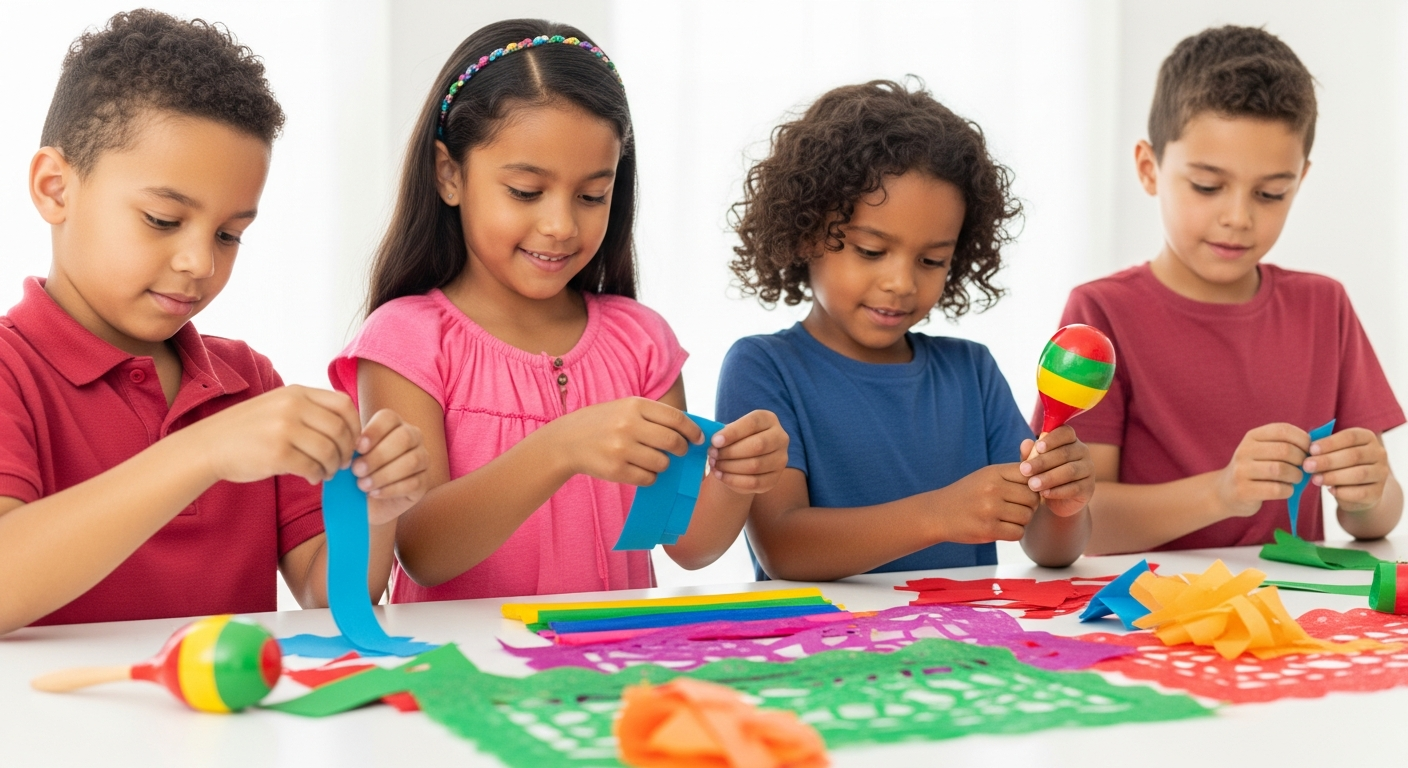
Table of Contents
- Introduction
- Why Celebrate Cinco de Mayo with Crafts?
- Getting Started: Crafting Essentials & Safety
- Simple Cinco de Mayo Crafts for Kids: A Deep Dive
- Taking the Learning Further: Beyond the Craft Table
- Speech Blubs: Your Partner in Communication & Learning
- Conclusion
- FAQ Section
Introduction
Ever wonder how a sprinkle of glitter and a dash of imagination can transform an ordinary afternoon into an unforgettable adventure? That's the magic of crafting, and Cinco de Mayo, with its vibrant history and joyful traditions, offers the perfect canvas for such creative exploration. While it's a profound commemoration of the Mexican army's victory over the French at the Battle of Puebla in 1862, particularly in the United States, May 5th has become a cherished celebration of Mexican heritage and culture.
This blog post is your ultimate guide to discovering fun, engaging, and easy Cinco de Mayo crafts that kids of all ages can enjoy. We’ll delve into a variety of projects, from DIY musical instruments that explore the physics of sound to decorative arts that introduce cultural patterns and symbols. Our mission at Speech Blubs is to empower children to speak their minds and hearts, and we believe that engaging in hands-on activities, like these crafts, provides a powerful, screen-free alternative to passive viewing. These activities foster a love for communication, build confidence, reduce frustration, and create joyful family learning moments. By the end, you'll be armed with plenty of ideas to transform everyday materials into festive masterpieces, fostering creativity, cultural appreciation, and foundational communication skills. Let's get ready to infuse some fiesta fun into your crafting time!

Why Celebrate Cinco de Mayo with Crafts?
Engaging in crafts, especially those tied to cultural celebrations like Cinco de Mayo, offers a multitude of benefits for children's development and family life. At Speech Blubs, our scientific methodology leverages play and "smart screen time" to teach complex communication skills. Similarly, hands-on crafting provides a multi-faceted learning experience that complements our approach to early childhood development.
Cultural Appreciation and Learning
Cinco de Mayo crafts are a fantastic gateway to understanding and appreciating Mexican culture. As children cut, paste, and paint, they're not just making something; they're engaging with history, geography, and art forms. Discussing the origins of a piñata, the significance of the Mexican flag's colors, or the traditional patterns found in Huichol art transforms a simple activity into a rich educational moment. It broadens their worldview and instills respect for diverse traditions, fostering global citizens right from your crafting table. This exposure to new concepts and vocabulary through a fun, tangible medium also naturally encourages language development and curiosity.
Educational Benefits: STEM & Arts in Action
Behind every colorful craft project lies a wealth of developmental opportunities that are crucial for a child's overall growth:
- Fine Motor Skills: Cutting paper, threading yarn, painting intricate designs, or manipulating small objects all refine hand-eye coordination and strengthen the tiny muscles in the hands and fingers. These skills are fundamental for writing, drawing, and even using everyday tools. For a child learning to articulate sounds, the dexterity gained here can even support oral motor control.
- Creativity and Imagination: Crafts provide an open-ended platform for self-expression. Children can choose colors, adapt designs, and personalize their creations, encouraging them to think outside the box and bring their unique visions to life. This imaginative play is vital for developing narrative skills and expressing ideas, which are cornerstones of effective communication.
- Problem-Solving and Critical Thinking: What happens if the glue isn't holding? How can we make this maraca louder? These questions naturally arise during crafting, prompting children to experiment, adapt, and find solutions. This process builds resilience and fosters innovative thinking, which are essential cognitive skills that support language acquisition and conversational fluency.
- Introduction to STEM Concepts: While seemingly art-focused, many crafts subtly introduce scientific principles. Making a working guitar demonstrates acoustics, creating a 3D cactus involves spatial reasoning and engineering, and even mixing paint to get a specific shade is a form of chemistry. This hands-on exploration of concepts provides real-world context for new vocabulary and descriptive language.
- Language and Communication: Describing what they're doing, asking for help, or explaining their artistic choices helps children articulate thoughts and expand their vocabulary. For instance, a child working on a vibrant paper flower might excitedly describe its "bright yellow petals" or the "crinkly texture" of the tissue paper. These opportunities for verbal expression are invaluable.
Family Bonding and Screen-Free Fun
In an increasingly digital world, finding quality screen-free activities can be a challenge. Crafting offers a wonderful opportunity for family members to unplug, collaborate, and spend meaningful time together. It's a chance for parents to model patience, offer encouragement, and share in the joy of creation. These shared experiences become cherished memories, strengthening family bonds and providing a constructive outlet for energy and imagination. Our company was born from the personal experiences of our founders, who all grew up with speech problems and created the tool they wished they had—a tool that blends scientific principles with play into one-of-a-kind "smart screen time" experiences, but also champions the power of family connection through activities like these.

If you're looking for more ways to foster communication in a playful, engaging way, consider exploring Speech Blubs. We offer an immediate, effective, and joyful solution for children needing speech support, blending scientific principles with play. Download Speech Blubs on the App Store or Google Play to see how we help children speak their minds and hearts.
Getting Started: Crafting Essentials & Safety
Before you embark on your Cinco de Mayo crafting adventure, a little preparation goes a long way to ensure a smooth, fun, and safe experience.
Basic Supplies: Your Crafting Toolkit
You'll be surprised how many amazing crafts you can make with items you likely already have around the house or can easily acquire. Think of it as a treasure hunt for creativity!
- Paper Power: Stock up on construction paper in bright, festive colors (red, white, green, yellow, orange, blue, pink), tissue paper for those beautiful paper flowers, sturdy cardstock, versatile paper bags (lunch sacks, grocery bags), empty paper towel or toilet paper rolls, paper plates, and even old newspaper for protecting your workspace.
- Adhesive Allies: Gather school glue (liquid and glue sticks) for most projects, and clear tape for quick fixes. For more advanced or sturdy projects, decorative tapes like washi tape or colorful duct tape can add both function and flair. Always use hot glue guns under strict adult supervision, if at all.
- Cutting & Shaping Tools: Kid-safe scissors are a must for younger children, while sharper craft scissors should be reserved for adults to assist with more intricate cuts or preparations. An X-Acto knife (for adult use only) can be helpful for precise cuts on cardboard.
- Color & Detail: Crayons, colored pencils, markers, tempera paints, paintbrushes, and sponges will bring your creations to life. Having a variety of hues encourages color recognition and descriptive language.
- Recycled Riches: Don't throw away those empty tin cans (ensure they are cleaned thoroughly and have no sharp edges), plastic eggs, plastic spoons, or empty cereal boxes! These items are goldmines for crafting and teach children about recycling and repurposing.
- Sparkle & Texture: Pom-poms, jingle bells, pipe cleaners, yarn, ribbon, beads, adhesive jewels, and craft feathers can add wonderful textures and visual appeal, sparking sensory exploration.
- Sound Makers: For shakers and maracas, you'll need fillers like rice, dried beans, small pasta, or Kix cereal – anything that makes a fun, distinct sound!
Setting Up Your Crafting Space
Choose a dedicated area for your crafting session, ideally one that’s easy to clean. The kitchen table or a play area with hard flooring works perfectly. Cover your table with old newspaper, a plastic tablecloth, or a craft mat to protect surfaces from spills and drips. Have wet wipes or a damp cloth handy for quick clean-ups, as well as a small trash bin for scraps. Organization is key; arrange materials in small containers or trays so everything is easily accessible, encouraging independence in older children and making cleanup a breeze.
Safety First: Adult Supervision is Key
While these crafts are designed to be simple and kid-friendly, adult supervision is always paramount, especially when working with scissors, paint, or any small parts that could be a choking hazard for very young children. Our approach at Speech Blubs implicitly understands the need for adult guidance to ensure a safe and enjoyable experience, especially when children are interacting with our app, which is why we encourage co-play. Ensure adequate ventilation when painting, and supervise the use of any tools. Remember, the goal is to foster a love for learning and creativity, not to achieve a perfect outcome. Encourage exploration and experimentation, always with a watchful eye.
Simple Cinco de Mayo Crafts for Kids: A Deep Dive
Let's explore some fantastic, easy-to-make crafts that will bring the spirit of Cinco de Mayo to life in your home. Each craft provides a unique opportunity for learning, creativity, and cultural exploration, while subtly boosting those crucial communication and developmental skills.
Musical Marvels: Maracas & Guitars
Music is a cornerstone of any fiesta! Creating musical instruments introduces children to the science of sound, the joy of rhythm, and new vocabulary related to music and instruments.
DIY Plastic Spoon Maracas
These are wonderfully simple and use readily available materials, making them perfect for little hands. This craft is excellent for encouraging children to describe sounds (loud, soft, rattling) and movements (shaking, tapping).
- Materials: Plastic eggs, plastic spoons (2 per maraca), rice (or dried beans, small pasta), colorful washi tape or decorative duct tape.
- How to Make:
- Fill the Egg: Place a small handful of rice (about one-third full) into a plastic egg and snap it shut. Experiment with different fillers for varied sounds! Ask your child, "What sound do you think the rice will make? What about beans?" This opens up a conversation about cause and effect.
- Nestle the Egg: Place the filled egg between the bowls of two plastic spoons, aligning them so the egg is nestled securely.
- Tape It Up: Wrap a piece of tape tightly around the egg and spoon bowls to hold them in place.
- Decorate the Handle: Continue wrapping tape down the handles of the spoons, covering them completely and creating a comfortable handle. Use bright, festive colors and patterns to make them truly pop! Encourage your child to choose their favorite colors and describe them.
- Learning Opportunity: As your child shakes their new maraca, talk about the rhythm, the tempo, and how different actions create different sounds. "Shake it fast! Now shake it slow. What happens?"
Lively Paper Plate Tambourines
These classic shakers are easy to customize and produce a delightful jingle. Perfect for practicing following multi-step directions.
- Materials: Two paper plates per tambourine, jingle bells, ribbon or yarn, hole punch, kid-safe scissors, crayons/markers/paint, adhesive jewels or stickers for decoration.
- How to Make:
- Decorate Plates: Have your child decorate the bottom of both paper plates with bright colors and designs. This is a great time to introduce Mexican flag colors (green, white, red) or festive patterns.
- Punch Holes: Once dry, hold the two decorated plates together with the decorated sides facing outwards. Using a hole punch, punch holes evenly around the rim of both plates, ensuring the holes align. Adult supervision for hole punching is recommended.
- Add Bells: Cut several pieces of ribbon or yarn. Thread one end of a ribbon through a jingle bell, then thread both ends of the ribbon through an aligned hole in the paper plates. Tie a secure double knot to keep the bell in place. Repeat this process for each hole.
- Secure Plates: If needed, you can add a line of glue along the inside rim of one plate before pressing the second plate on top to keep them more firmly together.
- Learning Opportunity: Count the bells as you add them. "How many bells are on your tambourine?" Talk about the sound the bells make. "Does it sound different when you shake it softly or strongly?"
Cardboard Box Guitar
This craft provides a fantastic opportunity to discuss different parts of an instrument and create varying sounds.
- Materials: Empty cereal box, paper towel roll, large rubber bands (various sizes if possible), decorative tape or paint, scissors, X-Acto knife (adult use only).
- How to Make:
- Sound Hole: An adult should carefully cut a circular "sound hole" in the center of one side of the cereal box using an X-Acto knife.
- Add Strings: Stretch several rubber bands around the cereal box, passing over the sound hole. Use different sized rubber bands for varying sounds. Secure them in place with tape around the edges of the box.
- Create the Neck: An adult should cut a hole at the top of the cereal box, slightly larger than the diameter of the paper towel roll. Decorate the paper towel roll, then firmly insert it into this hole to create the guitar's neck.
- Decorate: Let your child decorate the entire guitar with paint, markers, or decorative tape.
- Learning Opportunity: Encourage your child to strum the "strings." "What sound does each rubber band make? Does it change if you pull it tighter?" This introduces concepts of pitch and tension. They can even sing along to their own homemade music!
Festive Decorations: Cacti & Piñatas
Decorations are a wonderful way to bring the celebratory atmosphere of Cinco de Mayo into your home, while also fostering creativity and fine motor skills.
Paper Bag Cactus Craft
Cacti are iconic symbols of Mexico! This craft is not only fun but also allows for imaginative play once completed.
- Materials: Green paper lunch bags, green construction paper or cardstock, red/pink tissue paper (for flowers), glue stick, scissors, markers.
- How to Make:
- Body: Crumple up a small piece of newspaper and stuff it into the bottom of a green paper lunch bag to give it shape.
- Arms: From green construction paper, cut out two arm shapes for your cactus. Glue these to the sides of the paper bag.
- Spines: Use a marker to draw small "x" shapes or lines all over the cactus to represent spines.
- Flowers: Cut small circles or ruffled shapes from red or pink tissue paper. Pinch them in the middle to create simple flowers and glue them to the top or arms of the cactus.
- Learning Opportunity: Talk about the desert environment where cacti grow. "What other animals live in the desert?" Practice describing the cactus's features: "It's green, it has sharp spines, and beautiful flowers."
Colorful Piñata Suncatchers
Suncatchers are a beautiful way to bring light and color into a room, inspired by traditional Mexican piñatas. This activity is fantastic for developing precision and color recognition.
- Materials: Black construction paper, clear contact paper, various colors of tissue paper squares, scissors.
- How to Make:
- Piñata Outline: An adult should draw and cut out a simple piñata shape (like a donkey or star) from black construction paper. Make sure to leave a border and cut out the center, creating a frame.
- Sticky Surface: Cut a piece of contact paper slightly larger than your piñata frame. Peel off the backing and lay it sticky-side up on your table.
- Fill with Color: Place the black piñata frame onto the sticky contact paper. Then, let your child place colorful tissue paper squares onto the sticky surface inside the frame, overlapping them to fill the space. Encourage them to mix and match colors!
- Seal It: Once the frame is filled, place another piece of contact paper over the top, sticky-side down, to seal everything in. Trim any excess contact paper around the edges of the black frame.
- Learning Opportunity: Discuss the colors used. "Which color is next to the blue? Can you find the yellow piece?" Talk about piñatas and how they are used in celebrations.
Wearable Wonders: Sombreros & Ponchos
Kids love dressing up! These wearable crafts immerse them directly in the festive spirit and encourage imaginative role-play.
Paper Plate Sombrero
A classic Cinco de Mayo accessory, easy to make and fun to wear! This craft is great for practicing shapes and bilateral coordination.
- Materials: Two paper plates, a small paper bowl or a cut-out circle of cardstock (for the crown), crayons/markers/paint, glue, decorative items like pom-poms, glitter, or ribbon.
- How to Make:
- Decorate: Have your child decorate both paper plates with vibrant colors and patterns. They can draw traditional Mexican designs or create their own.
- Create the Crown: Decorate the small paper bowl or cardstock circle that will form the crown of the sombrero.
- Assemble: Glue one decorated paper plate flat on your work surface. Take the second plate and cut a circular hole in its center, just large enough for the crown piece to fit snugly.
- Attach Crown: Glue the crown piece into the hole of the second plate. Then, glue this assembled piece on top of the first plate, creating a 3D sombrero shape.
- Embellish: Add pom-poms around the brim, ribbon for ties, or glitter for extra sparkle.
- Learning Opportunity: Practice spatial words like "top," "bottom," "around," "inside." Encourage dramatic play: "What will you do with your sombrero at the fiesta?"
Paper Bag Poncho
This allows children to express their creativity on a larger canvas and wear their art!
- Materials: Large paper grocery bag (without handles), kid-safe scissors, tempera paint, paintbrushes, markers, fabric scraps or yarn for fringe.
- How to Make:
- Prepare Bag: An adult should cut a large hole in the bottom of the paper grocery bag for the child's head. Cut down each side of the bag for armholes, making it like a large vest.
- Decorate: Lay the flattened bag out and let your child go wild decorating it with paint, markers, or crayons. Encourage bold colors and geometric patterns often seen in Mexican textiles.
- Add Fringe (Optional): Once the paint is dry, cut strips along the bottom edge of the poncho to create a fringe. You can also glue on yarn or fabric scraps for added texture.
- Learning Opportunity: Discuss colors, shapes, and patterns. "Can you make a red stripe? What shape is that?" Role-play wearing the poncho to a pretend fiesta.
Taking the Learning Further: Beyond the Craft Table
Crafting for Cinco de Mayo is just the beginning of a rich cultural and developmental journey. At Speech Blubs, we believe that learning thrives when it's integrated into everyday life and supported by various engaging experiences.
Read & Explore
Pair your crafting with books that delve into Mexican culture, history, and traditions. Reading aloud not only exposes children to new vocabulary and sentence structures but also helps them connect the crafts they made to the wider world. Some wonderful books include "Celebrating Cinco de Mayo" by Arthur J. Hughes or stories featuring Mexican folk art and traditions. Ask open-ended questions about the pictures and stories to encourage descriptive language and comprehension.
Listen & Dance
Create a Cinco de Mayo playlist featuring traditional mariachi music, folkloric tunes, and even contemporary Mexican artists. Encourage your child to use their homemade maracas and tambourines while dancing! Dancing is excellent for gross motor skills, rhythm, and following directions. It also provides a joyful, multi-sensory experience that reinforces cultural appreciation.
Cook & Taste
Involve your children in preparing simple, kid-friendly Mexican dishes. Making guacamole, assembling tacos, or decorating sugar cookies can introduce them to new flavors, textures, and food-related vocabulary. Discuss the ingredients, the steps involved, and the different senses they are using (smell, taste, touch). This culinary exploration complements the hands-on learning of crafting.
Continue the Conversation
Throughout the day, and even after Cinco de Mayo, continue to talk about what you learned and created. Refer back to the crafts: "Remember when we made this colorful piñata? What was your favorite part?" These ongoing conversations reinforce learning, build memory, and provide repeated opportunities for language practice. For a child learning to express themselves, having a tangible object to reference can be a powerful communication aid.
Speech Blubs: Your Partner in Communication & Learning
At Speech Blubs, we are dedicated to empowering children to "speak their minds and hearts." Our company was born from the personal experiences of our founders, who all grew up with speech problems and created the tool they wished they had. We are committed to providing an immediate, effective, and joyful solution for the 1 in 4 children who need speech support, blending scientific principles with play into one-of-a-kind "smart screen time" experiences.
We provide a screen-free alternative to passive viewing (like cartoons) and a powerful tool for family connection. Our unique approach teaches complex communication skills through our "video modeling" methodology, where children learn by watching and imitating their peers. This technique, backed by science and highly rated on the MARS scale, activates mirror neurons, making learning natural and engaging. You can read more about our research and methodology here.
Whether your child is a "late talker," has difficulty with certain sounds, or just needs a boost in their vocabulary and confidence, Speech Blubs offers a supportive and fun environment. Our app is designed to complement their overall development plan and, when applicable, professional therapy, fostering a love for communication and building confidence in every child.
Unsure if your child could benefit? Take our quick 3-minute preliminary screener to get a simple assessment and a free 7-day trial. See what other parents are saying about their child's success with Speech Blubs by visiting our testimonials page.
Conclusion
As we've explored, celebrating Cinco de Mayo with easy, engaging crafts for kids is far more than just a festive way to spend an afternoon. It's a vibrant opportunity to introduce children to the rich tapestry of Mexican culture, while simultaneously nurturing critical developmental skills such as fine motor coordination, creativity, problem-solving, and, most importantly, communication. From shaking homemade maracas to adorning paper sombreros, each craft becomes a catalyst for learning new vocabulary, expressing ideas, and engaging in meaningful conversations. These joyful, screen-free moments foster strong family bonds and lay a robust foundation for a child's confidence and ability to "speak their minds and hearts."
We invite you to make these crafts a cherished part of your family's Cinco de Mayo traditions, embracing the spirit of discovery and connection. And as you continue on your journey of nurturing your child's development, remember that Speech Blubs is here to support you. We're committed to providing innovative, scientifically-backed tools that make learning to communicate fun and accessible for every child.
Ready to unlock your child's communication potential? We encourage you to start your 7-day free trial today! Create your account and begin your free trial on our website, or download Speech Blubs on the App Store or Google Play. For the best value and access to all premium features, including the extra Reading Blubs app and early access to new updates, be sure to choose the Yearly plan. It’s just $59.99 per year, saving you 66% compared to the monthly plan ($14.99/month), and it’s the only way to get your free trial!
FAQ Section
Q1: What age group are these Cinco de Mayo crafts suitable for?
These crafts are designed to be adaptable for a wide range of ages, from toddlers to early elementary school children. While younger children will need more adult assistance with cutting and complex steps, older kids can enjoy more independence and elaborate decoration. We recommend always supervising children, especially with scissors or small parts.
Q2: How can these crafts help with my child's language development?
Engaging in crafts naturally creates opportunities for language practice. Children can describe colors, shapes, and textures, follow verbal instructions, ask questions, explain their creative choices, and even engage in imaginative play related to their finished crafts. These interactions expand vocabulary, improve listening skills, and foster expressive language. For targeted speech support, consider our Speech Blubs app, which uses video modeling to help children imitate sounds and words in a fun, engaging way.
Q3: What if I don't have all the materials listed for a craft?
Many of these crafts are flexible! Feel free to substitute materials with what you have on hand. For example, if you don't have tissue paper for piñata suncatchers, you could use colored cellophane or even ripped magazine pages. The goal is to encourage creativity and resourcefulness, so feel free to adapt and improvise!
Q4: How can I make these crafts more educational about Cinco de Mayo itself?
To deepen the educational aspect, incorporate discussions about the historical significance of Cinco de Mayo, the meaning behind Mexican symbols (like the flag's colors), and the traditions celebrated during the holiday. You can also play traditional Mexican music, read books about Mexico, or even prepare a simple Mexican snack while crafting to engage multiple senses and learning styles.
About the author