
Easy Easter Crafts for Kids: Free & Fun Ideas
 By Speech Blubs Team•Jan 13, 2026•19 min.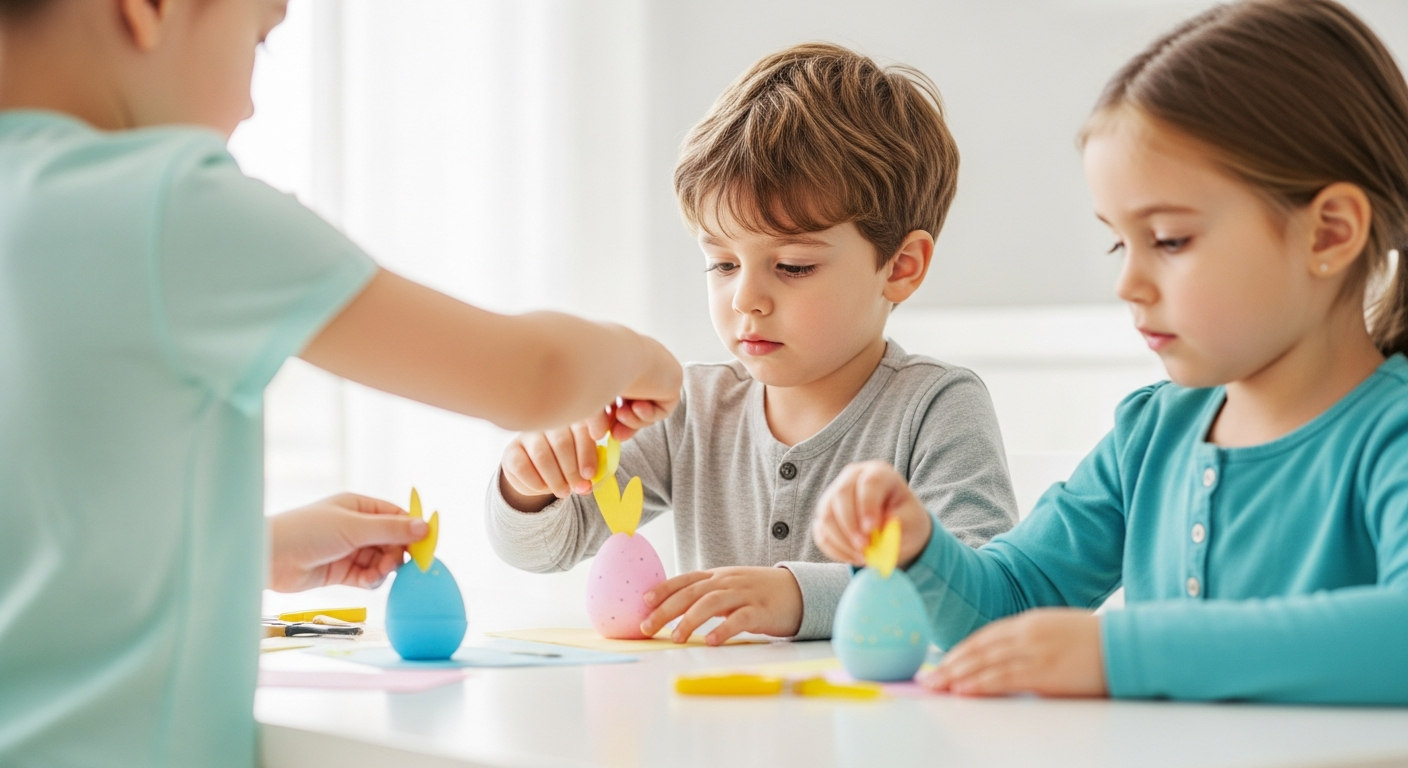
Table of Contents
- Introduction
- The Magic of Easter Crafts: More Than Just Fun
- Getting Started: Essential Supplies You Likely Already Have
- Our Favorite Easy Easter Crafts for Every Age
- Elevating Play with Speech Blubs: A Complementary Approach
- Unsure Where to Start? Try Our Quick Screener!
- The Speech Blubs Difference: Value and Support
- Conclusion: Crafting Connections and Communication
- Frequently Asked Questions About Easter Crafts & Speech Development
Introduction
As the days grow longer and the first whispers of spring fill the air, a sense of renewal and joy often settles upon our homes. Easter, with its vibrant colors, charming symbols, and promise of new beginnings, offers a perfect opportunity to gather the family and dive into creative activities. But what if you could celebrate this special time not only with memorable crafts but also by nurturing your child’s communication skills and fostering deeper connections? Many parents wonder how to keep little hands busy without breaking the bank or resorting to passive screen time.
This blog post is your ultimate guide to delightful, easy Easter crafts for kids that are either free or incredibly low-cost, using materials you likely already have around the house. We'll explore a treasure trove of engaging projects designed to spark imagination, develop fine motor skills, and, most importantly, create wonderful opportunities for language development and family bonding. Our goal is to show you how these playful activities can beautifully complement your child's growth, much like how we at Speech Blubs empower children to speak their minds and hearts through interactive learning. Get ready to transform everyday items into cherished Easter keepsakes while enriching your child’s world with words and laughter.

The Magic of Easter Crafts: More Than Just Fun
Crafting with children isn't just a way to pass the time; it's a powerful avenue for holistic development. From the simplest dab of paint to the most intricate paper folding, each step in a craft project engages multiple areas of a child's brain and body.
Developmental Benefits Beyond the Basics
- Fine Motor Skills: Holding a crayon, cutting with scissors, gluing small pieces, or even tearing paper all build hand-eye coordination and strengthen the small muscles in the fingers and hands, crucial for writing and self-care tasks.
- Cognitive Development: Following instructions, sequencing steps, problem-solving when a design doesn't quite work out, and understanding cause and effect (e.g., "If I add more water to the paint, it will be lighter") are all fundamental cognitive processes at play.
- Emotional Expression: Art provides a non-verbal outlet for children to express feelings, ideas, and creativity. A child who might struggle to articulate their excitement about Easter can channel that energy into a vibrant drawing or a carefully constructed bunny.
- Social Interaction: When crafting together, children learn to share materials, take turns, offer help, and engage in collaborative play. These are vital pre-language and social communication skills.
- Language Development: This is where crafts truly shine as a complementary tool for communication. Every craft offers countless opportunities to expand vocabulary, practice descriptive language, and engage in meaningful conversations.
Language Learning Through Play
Imagine a scenario: you’re making a paper plate bunny with your 3-year-old. You might say, "First, we need the white paper plate. Can you find the round plate? Now, let's put some glue on the back of the fluffy cotton ball for the bunny's tail. Press it down gently." This seemingly simple activity is rich with opportunities to introduce new words ("round," "fluffy," "gently"), practice verbs ("find," "put," "press"), understand prepositions ("on the back," "down"), and follow multi-step instructions.

For a parent whose 4-year-old is a "late talker" and might get frustrated when trying to express a complex idea, being able to create a tangible representation of their thought through a craft can be incredibly empowering. They can point to their colorful egg and use gestures, sounds, or single words to convey their "happy egg" or "sparkly egg," reducing frustration and building confidence in their ability to communicate. These shared moments of discovery and creation are at the heart of fostering a love for communication, echoing the values we uphold at Speech Blubs.
Getting Started: Essential Supplies You Likely Already Have
One of the best things about these easy Easter crafts is that you don't need to spend a fortune on specialized materials. Many of the most engaging and educational projects can be made with items typically found around your home, making them genuinely "free" or incredibly low-cost. This focus on accessibility ensures that every family can join in the fun without added stress.
Raid Your Recycling Bin and Craft Stash!
Before you head to the store, take a peek in these common places:
- Paper, Paper, Everywhere:
- Construction Paper/Printer Paper: Perfect for cutting, drawing, and folding.
- Newspaper/Magazines: Great for collages, paper-mâché, or simply protecting your work surface.
- Cardboard: Cereal boxes, tissue boxes, or even paper towel/toilet paper rolls are excellent for building structures or sturdy craft bases.
- Adhesives:
- School Glue/Glue Sticks: Essential for most paper crafts.
- Tape: Masking tape, clear tape, or even decorative washi tape can add flair.
- Color & Texture:
- Crayons, Markers, Colored Pencils: The basics for drawing and coloring.
- Washable Paint (Tempera/Finger Paint): Can be used on paper, egg cartons, or even rocks.
- Cotton Balls/Puffs: Instant fluffy bunny tails or lamb's wool.
- Yarn Scraps/String: Great for hanging decorations or adding texture.
- Felt Scraps (if you have them): For durable, soft additions.
- Googly Eyes: While not strictly "free," a small pack lasts a long time and adds instant personality. If you don't have them, kids can always draw eyes!
- Tools:
- Kid-Safe Scissors: For cutting practice.
- Paintbrushes: Or cotton swabs, sponges, and even fingers for painting.
- Natural Elements:
- Pebbles/Rocks: Perfect for painting and hiding.
- Leaves/Twigs: Can be incorporated into spring-themed collages.
By leveraging what you already possess, you not only save money but also teach children about resourcefulness and sustainability.
Our Favorite Easy Easter Crafts for Every Age
Now let's dive into some wonderful Easter craft ideas, thoughtfully categorized to ensure engagement and skill development for various age groups. Remember, adult supervision and participation elevate the experience, turning a simple craft into a rich language-learning opportunity.
Preschoolers (Ages 2-5): Simple Joys and Sensory Exploration
For our youngest crafters, the focus is on tactile experiences, simple steps, and lots of colorful fun. These activities build foundational skills and introduce basic vocabulary.
- Egg Carton Chicks & Flowers:
- Materials: Recycled egg cartons, yellow/bright paint, googly eyes (optional, or draw them), orange paper scraps for beaks/petals, glue.
- How-To: Help children cut individual cups from an egg carton. Paint them yellow for chicks or various colors for flowers. Once dry, glue on googly eyes and small orange triangle beaks for chicks. For flowers, glue on paper petals and maybe a green stem.
- Language Boost: "Look, it's a round egg carton cup!" "What color paint should we use?" "Let's make a chirp-chirp sound for the chick." "How many petals does your flower have?" This activity helps reinforce color recognition, counting, and animal sounds, similar to the early sound imitation activities found in the "Animal Kingdom" section of Speech Blubs, where children learn by watching and imitating their peers.
- Potato Stamp Easter Eggs:
- Materials: A potato, kid-safe paint, paper.
- How-To: Cut a potato in half. You can carve simple shapes (like stripes, dots, or a zigzag) into the cut surface or just use the plain half as a stamp. Dip in paint and stamp onto paper to create colorful "Easter eggs."
- Language Boost: "Press down hard!" "What pattern did you make?" "Let's use red and blue together." Discuss the texture of the potato and the paint. This helps with descriptive language and understanding simple actions.
- Cotton Ball Bunny Faces:
- Materials: Paper plates or construction paper, cotton balls, glue, markers, pink paper scraps for ears/nose.
- How-To: Children glue cotton balls all over a paper plate or paper oval to create a fluffy bunny face. Add drawn eyes, whiskers, and a pink paper nose. Cut out two long ear shapes from paper and glue them on top.
- Language Boost: "Feel how soft the cotton is!" "Where should the bunny's eyes go?" "Can you make a bunny hop?" This activity focuses on sensory vocabulary, body parts, and imaginative play.
- Handprint Lilies/Bunnies:
- Materials: Construction paper, paint, markers, scissors.
- How-To: Paint your child's hand (or help them trace it) and press it onto paper. For lilies, turn the handprint sideways, add a stem, and roll the "fingers" slightly. For bunnies, use two handprints with fingers spread for ears, then add facial features.
- Language Boost: "Wiggle your fingers!" "My hand is big, your hand is little." "What color is your handprint flower?" This provides a wonderful opportunity for comparisons, self-awareness, and naming colors.
Early Elementary (Ages 5-8): Creativity and Fine Motor Refinement
At this age, children can follow more complex instructions, refine their cutting and gluing skills, and start to plan their designs with more intention.
- Paper Plate Animals (Chicks, Lambs, Bunnies):
- Materials: Paper plates, paint, construction paper, cotton balls, glue, markers.
- How-To: Paint paper plates yellow for chicks, white for lambs, or white/brown for bunnies. Add paper beaks/ears/hooves, cotton wool for lamb's wool, googly eyes or drawn features. Cut the plate in half for a chick hatching from an egg, or use whole for bunny faces.
- Language Boost: "What kind of animal are you making?" "How does a lamb baa?" "Can you describe your bunny's long ears?" Encourage storytelling about their animal, which strengthens narrative skills. At Speech Blubs, we encourage children to build complex communication skills, and activities like this, which involve sequencing and describing, are fantastic complements.
- DIY Easter Baskets (Paper/Recycled Tubs):
- Materials: Cardboard boxes (like tissue boxes), paper bags, construction paper, glue, scissors, markers.
- How-To: Transform an old box or paper bag into a basket by decorating it with construction paper, drawing Easter motifs, or gluing on elements like paper grass. Add a paper handle.
- Language Boost: "What will you put inside your basket?" "We need to make the handle strong." "This basket is colorful!" Discuss purpose, size, and what items could go in it.
- Washi Tape or Painted Easter Eggs (Blown/Hard-boiled):
- Materials: Blown-out eggshells (adult supervision for blowing), hard-boiled eggs, washi tape, paint, small brushes.
- How-To: For washi tape, simply let children tear or cut pieces of tape and stick them onto the eggs in various patterns. For painting, let them decorate with brushes, sponges, or even fingers.
- Language Boost: "What pattern are you creating? Stripes? Dots?" "Is that egg smooth or bumpy?" "How many colors did you use?" This activity reinforces pattern recognition, descriptive adjectives, and color vocabulary.
- Toilet Roll Bunnies/Chicks:
- Materials: Empty toilet paper rolls, paint, construction paper, glue, markers, cotton balls.
- How-To: Paint toilet rolls in pastel colors. Add paper ears, beaks, and feet. Glue on cotton ball tails for bunnies. Draw faces.
- Language Boost: "Make your bunny hop!" "What sound does a chick make?" "This toilet roll is recycled." Encourage imaginative play by giving the finished crafts voices and creating a dialogue for them.
Pre-Teens (Ages 9-12): Detail, Planning, and Personal Expression
Older children can handle more intricate steps, plan their designs, and even personalize their creations as gifts. These crafts foster problem-solving and sustained attention.
- Salt Dough Easter Ornaments:
- Materials: Flour, salt, water, paint, cookie cutters (egg/bunny shapes), baking sheet.
- How-To: Mix 2 cups flour, 1 cup salt, and 1 cup water to form a dough. Roll out and use cookie cutters to make shapes. Bake at 250°F (120°C) until hard (about 1-2 hours, depending on thickness). Once cooled, children can paint and decorate.
- Language Boost: "What are the steps to make the dough?" "Describe the texture: is it sticky? Smooth?" "How will you decorate your ornament?" This involves following multi-step instructions, explaining processes, and using a wide range of descriptive adjectives.
- Paper Daffodils/Accordion Flowers:
- Materials: Yellow, orange, and green construction paper, scissors, glue, rulers (optional for older kids).
- How-To: More intricate cutting and folding techniques. For daffodils, children cut petal shapes, a trumpet center, and green stems. For accordion flowers, they fold strips of paper back and forth, then join them to form a circular bloom.
- Language Boost: "First, we fold, then we cut." "This part is the stem, and this is the petal." "How is this flower different from a real one?" Encourages sequential language, parts of a whole, and comparative reasoning.
- No-Sew Sock Bunnies:
- Materials: Old socks, rice (or dried beans/stuffing), rubber bands, ribbon, markers.
- How-To: Fill a sock with rice, shaping the bottom for the body and the top for the head. Secure with rubber bands. Cut the top portion of the sock to create two ears. Decorate with markers for eyes and nose, and tie a ribbon around the neck.
- Language Boost: "How much rice do you think we need to make it plump?" "What kind of personality does your bunny have?" "Why is it called 'no-sew'?" This encourages descriptive language, problem-solving, and understanding instructions.
- Easter Bookmarks:
- Materials: Cardstock or thick paper, markers, stickers, glitter, ribbons, scissors.
- How-To: Children design and decorate bookmarks with Easter themes (bunnies, eggs, chicks). They can cut them into interesting shapes, add ribbons, or laminate them with clear tape for durability. These make lovely personalized gifts.
- Language Boost: "Who are you making this special gift for?" "What's your favorite book to read with this bookmark?" This fosters thoughtfulness, discussion about preferences, and a love for reading. For those on our Yearly plan, this can be a wonderful companion to the Reading Blubs app, which helps children develop literacy skills!
Elevating Play with Speech Blubs: A Complementary Approach
Just as Easter crafts provide a joyful and hands-on way to develop essential skills and strengthen family bonds, we believe in offering solutions that empower children to communicate effectively and joyfully. At Speech Blubs, our mission is to empower children to "speak their minds and hearts." We understand the unique challenges children can face with communication, as our company was born from the personal experiences of our founders, who all grew up with speech problems and created the tool they wished they had.
While crafts offer a fantastic "screen-free alternative" to passive viewing (like cartoons), we know that smart, intentional screen time can also be a powerful tool. That's why Speech Blubs provides an immediate, effective, and joyful solution for the 1 in 4 children who need speech support, blending scientific principles with play into one-of-a-kind "smart screen time" experiences. Instead of passively watching, children actively engage with the content, making it a powerful tool for family connection, much like crafting together.
Our unique approach centers on "video modeling" methodology. Imagine your child watching a craft tutorial and trying to imitate the steps. This natural learning by observation is exactly how Speech Blubs works! Children learn by watching and imitating their peers on screen, which activates "mirror neurons" in the brain, making learning complex communication skills feel natural and fun.
For instance, if your child enjoys imitating animal sounds while making an egg carton chick, the "Animal Kingdom" section within Speech Blubs offers a structured, motivating way to practice those very sounds and many more, all while interacting with real children on screen. This active engagement helps build confidence, reduces frustration, and develops key foundational communication skills, fostering that same love for communication that you nurture through hands-on crafts. To discover more about our app and how it can support your child's communication journey, visit our Speech Blubs website.
Unsure Where to Start? Try Our Quick Screener!
Sometimes, as parents, we observe our children and wonder if their speech development is on track or if they could benefit from a little extra support. It's a natural question, and we're here to help provide clarity.
If you're unsure whether your child could benefit from a structured approach to speech development, we invite you to take our quick 3-minute preliminary screener. This simple, 9-question tool is designed to provide you with an immediate assessment and a personalized next-steps plan. It's a valuable resource for gaining insight and, as a bonus, it can lead you directly to a free 7-day trial of Speech Blubs, allowing you to experience our "smart screen time" approach firsthand.
The Speech Blubs Difference: Value and Support
At Speech Blubs, we are committed to providing accessible, high-quality speech and language development support. We believe in transparency and want you to understand the full value of our offerings.
Our plans are designed to fit different family needs, but one clearly stands out for its comprehensive value:
- Monthly Plan: For $14.99 per month, you get access to our core speech activities.
- Yearly Plan: This is our most recommended option at just $59.99 per year. This breaks down to an incredible value of only $4.99 per month, allowing you to save 66% compared to the monthly plan.
Choosing the Yearly Plan not only provides significant savings but also unlocks exclusive, high-value features designed to supercharge your child's learning journey:
- A 7-day free trial: Experience the full power of Speech Blubs before committing.
- The extra Reading Blubs app: A fantastic bonus to support early literacy skills, complementing the speech development.
- Early access to new updates: Be among the first to explore new features and content.
- 24-hour support response time: Get prompt assistance whenever you need it.
The Monthly plan, while flexible, does not include these additional benefits. We encourage you to choose the Yearly plan to get the free trial and the full suite of features that provide the most comprehensive support for your child's communication development.
Our methodology is not just based on personal experience; it's backed by science. We are proud that our app consistently ranks in the top tier of speech apps worldwide on the MARS (Mobile App Rating Scale), a testament to our commitment to effective, evidence-based practices. You can discover the science behind our approach and see why experts and parents trust us. But don't just take our word for it; read inspiring parent testimonials to hear how Speech Blubs has made a real difference in children's lives.
Conclusion: Crafting Connections and Communication
Easter is a beautiful invitation to slow down, create, and connect. The easy, free Easter crafts we've explored offer far more than just pretty decorations; they are powerful catalysts for your child's development, fostering fine motor skills, boosting cognitive abilities, and, most importantly, opening doors to richer language and communication. From the simplest potato stamp to the most detailed salt dough ornament, each project is a chance to build vocabulary, practice following instructions, and tell stories, all while creating cherished family memories.
At Speech Blubs, we believe in the power of engaging, joyful learning experiences. Just as these crafts spark imagination and interaction, our app provides "smart screen time" that actively engages your child, leveraging video modeling to build confidence and foundational communication skills. We're here to offer an immediate, effective, and joyful solution, developed by founders who truly understand the journey.
So this Easter, grab some paper, paint, and recycled materials, and embark on a crafting adventure that promises fun, learning, and connection. And when you're ready to further empower your child's voice, we invite you to experience the Speech Blubs difference.
Ready to embark on a journey of joyful communication? Choose the Yearly plan to unlock incredible value, including the bonus Reading Blubs app and priority support. Download Speech Blubs on the App Store or Google Play today and start your 7-day free trial to see how we can help your child speak their mind and heart.
Frequently Asked Questions About Easter Crafts & Speech Development
1. What age are these Easter crafts suitable for?
The crafts listed cover a wide range of ages, generally from preschoolers (2-5 years old) up to pre-teens (9-12 years old). Each section suggests age-appropriate activities, with simpler, sensory-focused crafts for younger children and more detailed projects for older kids who can handle intricate steps and independent work. Remember that adult supervision and adaptation can make almost any craft suitable for varying skill levels.
2. How do crafts specifically help with my child's language development?
Crafts are a fantastic way to boost language development in several key areas:
- Vocabulary Expansion: Naming colors, shapes, materials, tools, and actions ("cut," "glue," "paint").
- Following Instructions: Understanding and executing multi-step directions.
- Descriptive Language: Encouraging children to describe their creations ("fluffy," "sparkly," "rough").
- Sequencing and Storytelling: Explaining the steps they took to make something or creating narratives around their finished craft.
- Social Communication: Practicing turn-taking, requesting materials, and discussing ideas during collaborative crafting.
3. Can I really make these Easter crafts for free, or will I need to buy supplies?
Many of the crafts highlighted emphasize using "free" or low-cost materials that you likely already have at home. By raiding your recycling bin for items like toilet paper rolls, egg cartons, and cardboard, and utilizing common household items like old socks, rice, or natural elements like pebbles, you can create wonderful projects without needing to purchase new supplies. Basic items like paper, glue, and markers are often already in a family's craft drawer. The goal is to encourage resourcefulness and creativity with what's available.
4. How does Speech Blubs fit in with my child's overall speech development journey, alongside activities like crafting?
Speech Blubs offers a complementary and highly effective approach to speech development. While hands-on activities like crafting provide excellent "screen-free" opportunities for language growth, Speech Blubs offers "smart screen time" that actively engages children through our unique video modeling methodology. It's a powerful supplement that reinforces vocabulary, imitation, and articulation in a structured, joyful, and scientific way. Speech Blubs can provide consistent practice and targeted activities that complement the natural language exposure gained through crafts, helping to build foundational communication skills and confidence, whether or not a child is also receiving professional therapy.
About the author