
Effective Toddler Heavy Work Activities for Calm Play
 By Speech Blubs Team•Feb 23, 2026•14 min.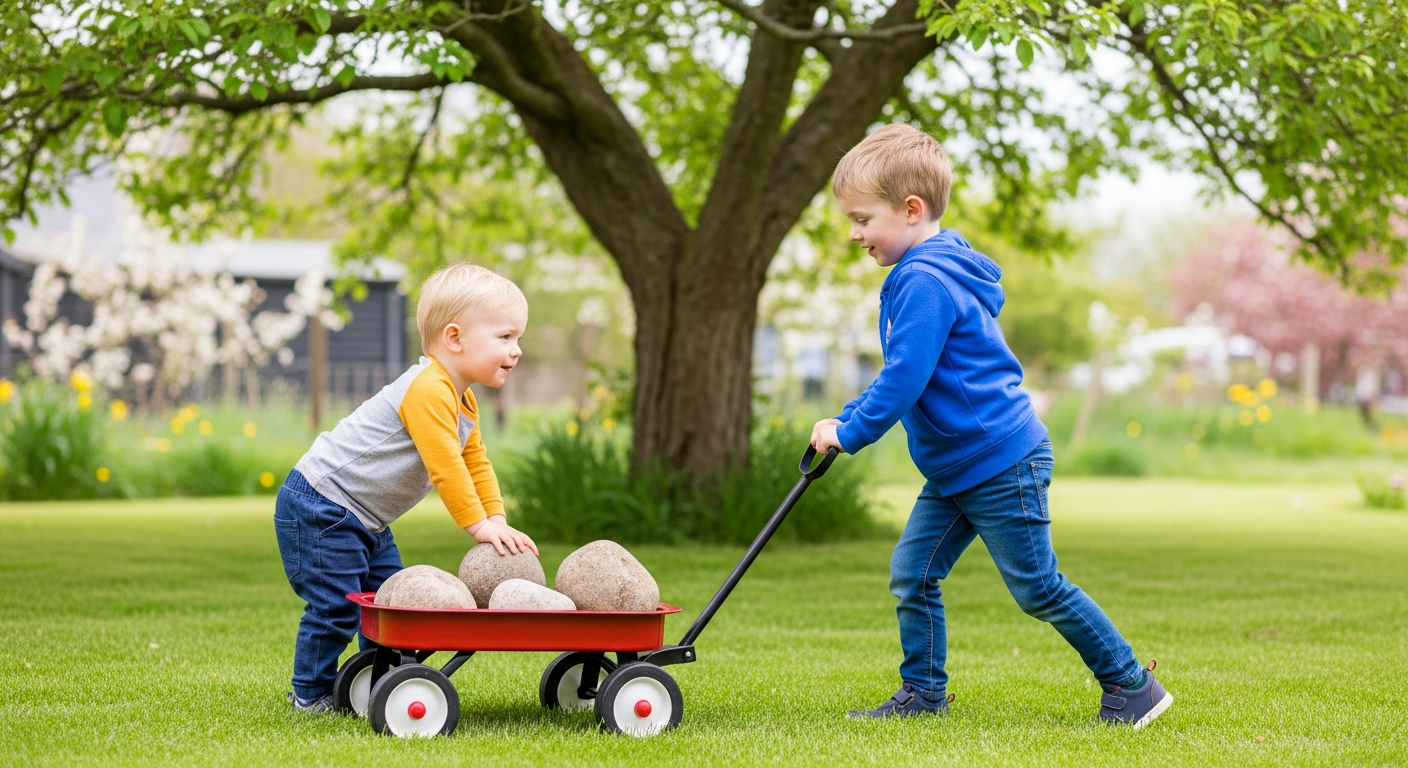
Table of Contents
- Introduction
- Understanding Heavy Work: The Science of Proprioception
- Why Your Toddler Needs Heavy Work
- Practical Toddler Heavy Work Activities for Every Room
- How Heavy Work Supports Speech and Language Development
- Using Speech Blubs to Bridge Movement and Communication
- Designing a Sensory Lifestyle: When to Schedule Heavy Work
- Tips for Success and Safety
- Value and Pricing: Investing in Your Child’s Future
- Conclusion
- Frequently Asked Questions (FAQ)
Introduction
Have you ever watched your toddler transform into a mini-bulldozer, pushing a heavy footstool across the hardwood floor or insisting on carrying three thick picture books at once? While it might look like mere mischief or a burst of random energy, these behaviors are actually your child’s way of seeking "heavy work." These movements are more than just play; they are a fundamental part of how a child’s nervous system organizes itself to feel calm, focused, and ready to learn.
At Speech Blubs, we believe that communication begins with a regulated body. Our mission is to empower children to speak their minds and hearts, but we know that a child who feels "out of sync" or physically restless often struggles to find the words they need. Our founders, who navigated their own speech challenges as children, created Speech Blubs to be the joyful, effective tool they wish they’d had—a way to blend scientific principles like video modeling with the power of play.

In this post, we will explore the science of proprioception, provide a comprehensive list of toddler heavy work activities you can do at home, and explain how regulating the body through movement creates the perfect foundation for language development. We’ll also show you how our "smart screen time" can supplement these physical activities to help your child reach their full potential. Our goal is to provide you with a roadmap for fostering confidence, reducing frustration, and creating joyful family learning moments.
Understanding Heavy Work: The Science of Proprioception
To understand why toddler heavy work activities are so effective, we have to look at the "sixth sense": proprioception. While we all know about sight, smell, taste, touch, and hearing, the proprioceptive system is often overlooked, yet it is vital for every move we make.
What is the Proprioceptive System?
Proprioception is the sensory system that receives input from our muscles and joints. It tells our brain where our body is in space without us needing to look at our limbs. When a toddler engages in "heavy work"—any activity that pushes, pulls, or puts pressure on the muscles and joints—it sends a flood of organizing information to the brain.
Think of it like a deep-tissue massage or the feeling of a heavy, warm blanket. That resistance provides "grounding" feedback. For a toddler whose nervous system is still developing, this input is incredibly stabilizing. It helps them understand how much force to use when picking up a cracker versus a toy truck, and it helps them sit still long enough to engage with a story or a learning app.
The Role of Heavy Work in Regulation
When a child is overstimulated (hyper) or understimulated (sluggish), heavy work acts as a "modulator." It can bring a high-energy child down to a calm state or "wake up" a child who seems disconnected. This is why we often refer to it as "organizing" input. It helps the brain filter out unnecessary background noise and focus on the task at hand—whether that’s stacking blocks or practicing new sounds with Speech Blubs.

If you are curious about your child's specific sensory and communication needs, you can take our quick 3-minute preliminary screener. It involves just 9 simple questions and provides an assessment and next-steps plan to help you support your child's unique development.
Why Your Toddler Needs Heavy Work
Movement is not a distraction from learning; it is the engine of learning. When we provide opportunities for toddler heavy work activities, we are supporting several key areas of development:
- Body Awareness: Knowing where their hands and feet are helps toddlers navigate their environment safely and develop better motor planning skills.
- Self-Regulation: Helping a child move from a "meltdown" state to a "ready to play" state.
- Attention and Focus: A regulated body leads to a focused mind. This is essential for children who need extra support with speech and language.
- Strength and Stability: These activities build core strength, shoulder stability, and hand strength, which are precursors to fine motor tasks like writing and even the complex muscle movements required for clear speech.
At Speech Blubs, we leverage this need for engagement through our unique "video modeling" methodology. Just as a child learns to push a wagon by watching a peer, they learn to make speech sounds by watching and imitating the children in our app. It’s a powerful, science-backed way to learn complex communication skills. You can learn more about the research behind our method here.
Practical Toddler Heavy Work Activities for Every Room
You don't need a specialized gym or expensive equipment to provide your child with the sensory input they crave. Most toddler heavy work activities can be integrated into your daily routine using items you already have at home.
Kitchen and Chores: The "Helpful Hiker"
Toddlers love to feel capable and independent. Turning chores into heavy work activities is a win-win for parents.
- Pushing the Laundry Basket: Fill a plastic laundry basket with blankets, books, or a few toys to make it slightly heavy. Encourage your toddler to push it from the bedroom to the laundry room.
- The Grocery Helper: Give your child a small bag containing one or two non-fragile items, like a box of pasta or a bag of apples, and ask them to carry it from the car to the kitchen.
- Wiping the Table: Using a damp cloth to scrub the dinner table requires a good amount of "push" from the shoulders and arms.
- Loading the Washer: Moving wet, heavy clothes from the washer to the dryer is fantastic proprioceptive work.
Living Room Play: The "Indoor Explorer"
The living room is often the heart of play, and it’s the perfect place for high-impact sensory activities.
- Pillow Crashes: Create a "crash pad" using a pile of couch cushions and pillows. Encourage your child to jump into the pile (with adult supervision, of course!). This provides intense input to the whole body.
- The "Burrito" Roll: Lay your child on a soft blanket and gently roll them up like a burrito (keeping the head out). The gentle squeeze provides deep pressure that is incredibly calming.
- Animal Walks: This is a classic therapeutic tool. Ask your child to walk like a bear (on hands and feet), crawl like a snake, or hop like a heavy frog.
- Wall Push-Ups: Have your child stand a foot away from the wall, place their hands flat, and "push the wall away."
Outdoor Adventures: The "Nature Ninja"
Fresh air and open spaces offer endless opportunities for resistance-based play.
- Digging in the Dirt: Using a small shovel to move dirt or sand requires varying levels of force and provides great resistance.
- Pulling a Wagon: If you have a wagon, let your toddler pull their favorite stuffed animals or even a few small pumpkins around the yard.
- Watering the Plants: Carrying a small, half-full watering can provides weight and helps with balance.
- Raking Leaves: Even a small toy rake provides enough resistance to engage the large muscles of the back and arms.
How Heavy Work Supports Speech and Language Development
You might be wondering: What does pushing a laundry basket have to do with learning to talk? The answer lies in the hierarchy of development.
Communication is a high-level cognitive skill. For a child to focus on the nuances of language—like the difference between a "p" and a "b" sound—their lower-level systems (like sensory regulation) must be stable. If a child feels physically "scattered" or has a high need for movement, their brain will prioritize seeking that movement over processing language.
By incorporating toddler heavy work activities into the day, you "feed" the sensory system, which allows the child to settle into a state where they can focus on communication.
"When a child’s body is calm and organized, they are in the 'optimal learning zone.' This is the window of time where they are most receptive to new information, social interaction, and language practice."
For a parent whose 3-year-old "late talker" loves animals, the "Animal Kingdom" section of our app offers a fun, motivating way to practice "moo" and "baa" sounds. However, if that toddler is currently bouncing off the walls, five minutes of bear crawls or a "burrito roll" beforehand can make the time spent with Speech Blubs much more productive.
Download Speech Blubs on the App Store or Google Play to see how our peer-led videos can turn a post-heavy-work "calm" into a breakthrough speech session.
Using Speech Blubs to Bridge Movement and Communication
At Speech Blubs, we don't just provide "screen time"; we provide a powerful tool for family connection. Our app is designed to be a "smart screen time" experience that encourages active participation rather than passive viewing.
The Power of Video Modeling
Our methodology is based on video modeling, where children watch their peers performing specific mouth movements and making sounds. This triggers "mirror neurons" in the brain, making the child much more likely to attempt the sound themselves.
When you combine this with the physical regulation of heavy work, you are attacking speech delays from two powerful angles:
- The Body: Preparing the nervous system through heavy work.
- The Mind: Providing clear, joyful peer models to imitate.
Real Success Stories
We’ve seen incredible results from parents who use this holistic approach. Many families report that their children are more confident and less frustrated when they have a routine that includes both physical sensory play and focused speech practice. You can read some of these heartwarming testimonials from our community here.
We want to be clear: we are not promising that your child will be giving public speeches in a month. Every child’s journey is unique. Instead, we focus on fostering a love for communication, building foundational skills, and creating those small, joyful "aha!" moments that eventually lead to big breakthroughs.
Designing a Sensory Lifestyle: When to Schedule Heavy Work
To get the most out of toddler heavy work activities, timing is everything. It’s helpful to think of "sensory snacks" throughout the day rather than one long session.
Morning Boost
Start the day with a bit of "heavy" play to wake up the muscles. A quick game of "tug-of-war" with a soft towel or having your toddler help "push" the chairs in after breakfast can set a regulated tone for the morning.
Transition Support
Transitions (moving from one activity to another) are often the hardest times for toddlers. If you’re about to transition from a high-energy park visit to a quiet lunch, try a "heavy work" transition. Have your child "stomp like a giant" all the way to the car or carry a "heavy" backpack into the house.
Pre-Learning "Primer"
Before sitting down to use a learning tool like Speech Blubs, spend 5 minutes on heavy work. This "primes" the brain for focus. Activities like chair push-ups or squeezing a stress ball are perfect for this.
Bedtime Calming
While some movement is energizing, slow, rhythmic heavy work is very sleep-inducing. Slow "burrito rolls," deep pressure squeezes on the arms and legs, or a slow "weighted" crawl to the bed can help a restless toddler wind down for the night.
Tips for Success and Safety
While toddler heavy work activities are generally safe and beneficial, there are a few things to keep in mind to ensure the best experience for your child:
- Follow Their Lead: Never force a child into a sensory activity. If they resist a "burrito roll" or don't want to do animal walks, try something else. The goal is to reduce frustration, not increase it.
- Adult Co-Play is Key: These activities are most effective when they are a shared experience. Your presence provides the emotional safety your child needs to explore new physical challenges.
- Be Mindful of Safety: Always supervise jumping and climbing activities. Ensure the environment is free of sharp corners or hard surfaces when creating "crash pads."
- Observe the "After Effect": Notice how your child reacts after the activity. If they seem calmer and more focused, you’ve found a "winner." If they seem more revved up, the activity might have been too stimulating for that moment.
Value and Pricing: Investing in Your Child’s Future
We are committed to providing an immediate, effective, and joyful solution for the 1 in 4 children who need speech support. Because we want to build a relationship of trust with our parents, we are transparent about our pricing and the value we provide.
Choosing the right plan for your family is the first step toward a consistent routine. We offer two main options:
- Monthly Plan: $14.99 per month. This is a great way to "test the waters" and see how your child responds to our video modeling method.
- Yearly Plan: $59.99 per year. This is our best value option, breaking down to just $4.99 per month.
Why the Yearly Plan is the Superior Choice
The Yearly plan isn’t just more affordable (saving you 66% compared to the monthly rate); it also includes exclusive, high-value features designed to accelerate your child’s progress:
- 7-Day Free Trial: You can explore everything we have to offer completely risk-free for a full week.
- Reading Blubs App: You get full access to our additional app focused on early literacy, a $40+ value on its own.
- Early Access: Be the first to try our new updates and features.
- Priority Support: Enjoy a 24-hour response time from our dedicated support team.
The Monthly plan does not include the free trial, the Reading Blubs app, or priority support. To give your child the full suite of tools they need to succeed, we highly recommend the Yearly plan.
Ready to get started? Create your account and begin your 7-day free trial today.
Conclusion
Toddler heavy work activities are more than just a way to burn energy; they are a vital tool for sensory regulation and a powerful foundation for speech and language development. By understanding the science of proprioception and integrating these simple, resistance-based activities into your daily life, you are helping your child feel more "at home" in their own body.
At Speech Blubs, we are honored to be a part of your child’s journey. Whether you are navigating a speech delay, looking for "smart screen time" alternatives to passive cartoons, or simply want to foster a deeper connection with your little one, we are here to help. Our app, combined with the physical strategies discussed here, provides a comprehensive approach to helping your child "speak their mind and heart."
Don't wait to see the difference that a regulated body and a joyful learning tool can make. Start your journey today and join the thousands of families who have found success with our peer-led, science-backed methodology.
Take the first step now: Download Speech Blubs on the App Store or Google Play to begin. Remember to select the Yearly plan during sign-up to unlock your 7-day free trial and the complete Reading Blubs library!
Frequently Asked Questions (FAQ)
1. How do I know if my child needs more "heavy work"?
Signs that a child might benefit from more proprioceptive input include frequent crashing into furniture, constant movement, difficulty sitting still for meals or stories, or "clumsiness" (tripping or bumping into things). If your child seems to have a high "sensory tank" that needs filling, heavy work is the perfect solution.
2. Can heavy work replace professional speech or occupational therapy?
No. While heavy work is a powerful, therapist-approved tool, it should be viewed as a supplement to professional care, not a replacement. Our app and these activities are designed to be used in conjunction with therapy or as a proactive way to support general development. Always consult with a professional if you have serious concerns about your child's milestones.
3. How long should a heavy work session last?
There is no set time! In fact, "sensory snacks" (short bursts of 2–5 minutes) throughout the day are often more effective than one long session. The goal is to provide consistent input to keep the nervous system regulated throughout the day.
4. Is Speech Blubs appropriate for children who don't have a diagnosed speech delay?
Absolutely! While we are a leading provider for children with delays, Speech Blubs is a fantastic tool for any child learning to communicate. It builds confidence, improves pronunciation, and expands vocabulary in a way that is fun and engaging for all toddlers and preschoolers.
About the author