
Engaging Toddler Activities Today to Boost Development
 By Speech Blubs Team•Mar 18, 2026•14 min.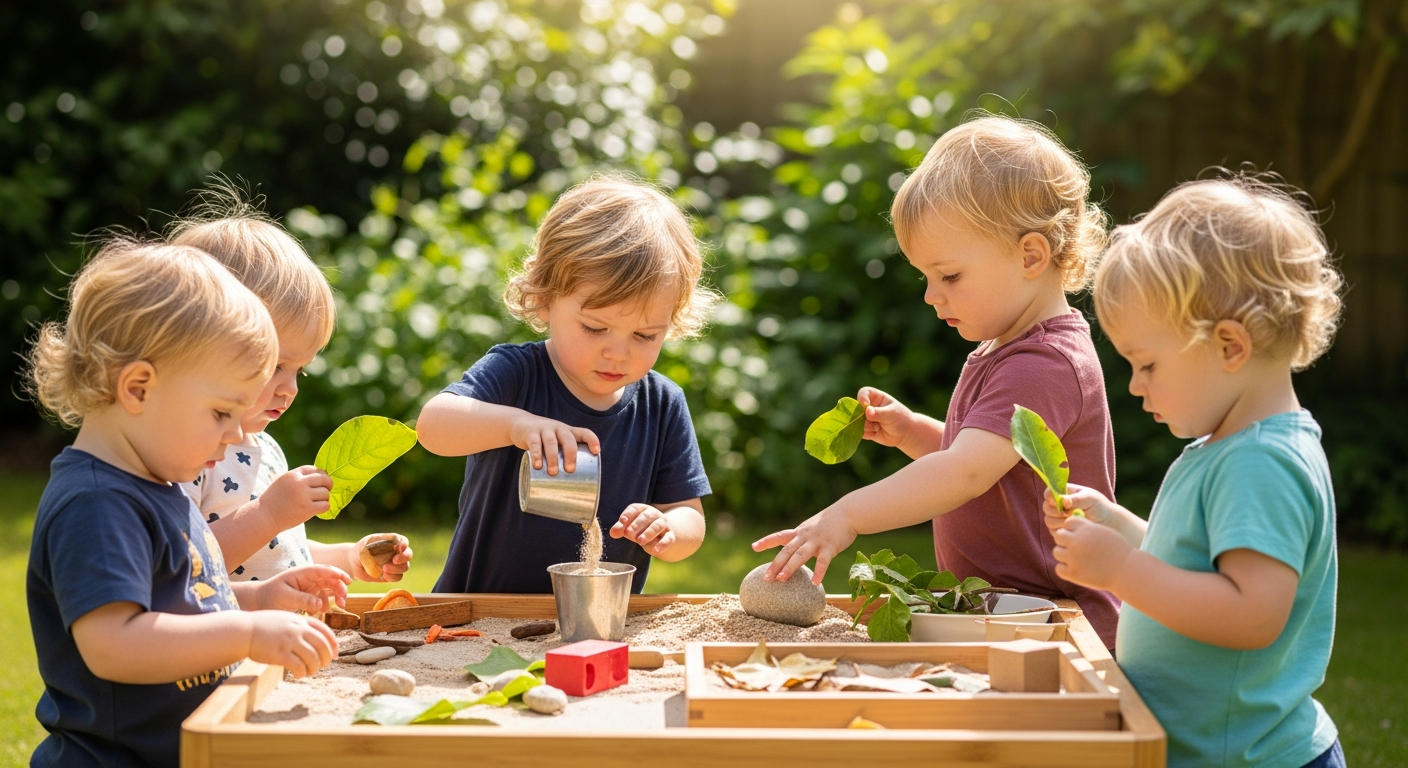
Table of Contents
- Introduction
- The Power of Purposeful Play
- Integrating Smart Screen Time
- Language-Boosting Toddler Activities Today
- Making the Most of Outdoor Play
- Understanding the Value of Early Intervention
- Choosing the Right Plan for Your Family
- Creating a Daily Schedule for Success
- Practical Scenarios: Turning Challenges into Wins
- The Science Behind the Joy: Why Video Modeling Works
- Tips for Parents: Managing the Journey
- Conclusion
- FAQs
Introduction
Did you know that approximately 1 in 4 children experience some form of speech or language delay during their early developmental years? As a parent, looking for the right toddler activities today can feel like a high-stakes puzzle. You want to ensure your little one is having fun, but you also want to know that those precious hours are building the foundational skills they need for life. At Speech Blubs, we believe every child deserves the chance to speak their minds and hearts. Our founders lived this mission before they even started the company; having grown up with speech challenges themselves, they set out to create the joyful, effective tool they wished they had as kids.
In this guide, we will explore a wide range of toddler activities today that you can start right now to foster communication, build confidence, and reduce the frustration that often comes with "late talking." We’ll move beyond simple entertainment and dive into "smart screen time," sensory exploration, and the science of peer imitation. Our goal is to provide you with practical, realistic advice that helps you create joyful family learning moments while supporting your child’s unique developmental journey. Whether you are at home or on the go, these activities are designed to turn everyday interactions into powerful growth opportunities.

The Power of Purposeful Play
Play is not just a way to pass the time; it is the "work" of a toddler. When you look for toddler activities today, it is helpful to categorize them by the skills they target: cognitive, motor, sensory, and linguistic. A balanced daily routine includes a mix of these areas to ensure well-rounded development.
Sensory-Rich Exploration
Sensory play involves any activity that stimulates a child’s senses: touch, smell, taste, movement, balance, sight, and hearing. This is crucial because sensory exploration builds nerve connections in the brain’s pathways, which lead to the child’s ability to complete more complex learning tasks.
For a parent whose child is a "sensory seeker" and loves to touch everything, a simple DIY "Texture Bin" is a fantastic activity. Fill a plastic container with dry rice, beans, or even safe "moon sand." Hide small toy animals or letters inside. As your child digs through the textures, you can model language by saying words like "dig," "hidden," "soft," or "crunchy." This creates a multi-sensory learning environment where the physical sensation helps the word "stick" in their memory.
Physical Movement and Coordination
Toddlers have a natural drive to move. Activities that involve "heavy work"—like pushing a toy stroller, climbing a small gym, or jumping—help with proprioception (understanding where their body is in space). Physical confidence often mirrors communicative confidence. When a child feels in control of their body, they often feel more empowered to use their voice.
Integrating Smart Screen Time
We understand the common worry among parents regarding screen time. Most of us want to avoid "passive viewing"—the kind where a child sits mesmerized by fast-paced cartoons without interacting. However, at Speech Blubs, we’ve pioneered a different approach called "smart screen time."
Our methodology is rooted in the scientific principle of video modeling. Our research shows that children are far more likely to imitate their peers than adults or animated characters. When a toddler sees another child on a screen making a "b-b-b" sound or saying "apple," their mirror neurons fire, making them want to copy the behavior. This is a screen-free alternative to passive consumption because it requires active participation and vocalization.

To see how this works in practice, you can download Speech Blubs on the App Store or get it on Google Play to start your journey today.
Language-Boosting Toddler Activities Today
If your primary concern is speech development, there are several activities you can weave into your day that specifically target communication.
Mirror Play
Mirrors are a toddler’s best friend. Sit with your child in front of a large mirror and make silly faces. Practice sticking out your tongue, blowing raspberries, or making wide "O" shapes with your mouth. These are the oral-motor foundations needed for clear speech.
For a parent whose 2-year-old struggles with specific consonant sounds, using the "Face Workshop" section in our app while sitting in front of a real mirror creates a powerful feedback loop. Your child sees a peer perform a sound, tries it themselves, and sees their own progress in the reflection.
Parallel Talk and Self-Talk
You don't always need toys for effective toddler activities today. Sometimes, you just need your voice.
- Self-Talk: Describe what you are doing as you do it. "I am pouring the milk. The milk is cold. Splash!"
- Parallel Talk: Describe what your child is doing. "You are building a tall tower. Oh no, it fell down! Crash!"
This constant stream of narrated life provides a rich "language bath" that helps toddlers map words to actions and objects.
Interactive Reading
Reading isn't just about the words on the page; it's about the conversation around them. Instead of reading the story straight through, ask "What’s that?" or "What does the doggy say?" Wait for a few seconds—give them the "space" to answer. This "wait time" is one of the most effective ways to encourage a child to speak.
Making the Most of Outdoor Play
The outdoors is a giant classroom. If you're looking for toddler activities today that don't cost a dime, head to the nearest park or even your backyard.
The Nature Scavenger Hunt
Create a simple list (you can draw pictures) of things to find: a green leaf, a round stone, a yellow flower. As you walk, use descriptive language. "Look at that big tree!" or "The grass feels tickly."
For a child who is particularly motivated by nature and animals, the "Animal Kingdom" section of our app can be a great precursor to an outdoor walk. By practicing animal sounds at home, your child will be eager to "moo" or "tweet" when they see the real thing in the neighborhood. You can create your account and begin your 7-day free trial today to access these motivating categories.
Bubbles and Wind-Chimes
Bubbles are a speech therapist's "secret weapon." They are visually stimulating and encourage children to use "functional language" like "more," "please," "pop," and "up." Blowing bubbles also strengthens the muscles in the lips and cheeks.
Understanding the Value of Early Intervention
We know that parenting a child who isn't meeting milestones as expected can be stressful. You might find yourself asking, "Is this normal?" or "Should I be doing more?" It’s important to remember that every child develops at their own pace, but providing them with the right tools early on can make a significant difference in their confidence and long-term success.
Our app is designed to be a powerful supplement to a child’s overall development plan. Many parents use it alongside professional speech therapy to provide extra practice in a fun, low-pressure environment. If you're unsure where to start, you can take our quick 3-minute preliminary screener. It involves 9 simple questions and provides an assessment and a next-steps plan to help you understand your child’s current level.
Real Success Stories
We hear from thousands of families who have seen their children flourish through these types of engaged toddler activities today. One parent shared that their 3-year-old, who previously only used single words, began using three-word phrases after just a few weeks of consistent play and video modeling. You can read more of these inspiring parent testimonials to see the real-world impact of our joyful learning approach.
Choosing the Right Plan for Your Family
We want to be transparent about how you can access our full suite of tools. We offer two main subscription options to fit different family needs:
- Monthly Plan: $14.99 per month. This is a great way to test the waters and see how your child responds to the app.
- Yearly Plan: $59.99 per year. This is our best value option, breaking down to just $4.99 per month.
We highly recommend the Yearly Plan because it offers much more than just a lower price (saving you 66% compared to the monthly rate). The Yearly Plan includes:
- A 7-day free trial so you can explore everything risk-free.
- Access to the Reading Blubs app, which focuses on early literacy and phonics.
- Early access to new updates and features before they roll out to everyone else.
- Priority 24-hour support response time, ensuring that help is always just a message away.
The Monthly plan does not include these additional benefits, making the Yearly plan the clear choice for families committed to a consistent learning routine. Ready to dive in? Download Speech Blubs on the App Store or Google Play and select the yearly option to unlock your free trial.
Creating a Daily Schedule for Success
Consistency is key when it comes to toddler activities today. You don't need hours of structured time; 15 to 20 minutes of focused, high-quality interaction can be more effective than a whole day of half-hearted play.
Sample Daily Routine
- 8:00 AM - Morning Narrated Breakfast: Use self-talk while preparing eggs or cereal.
- 9:30 AM - Outdoor Exploration: A short walk or backyard time focusing on sensory observations.
- 11:00 AM - Smart Screen Time: A 10-15 minute session with Speech Blubs. Encourage your child to imitate the "peers" on the screen.
- 1:00 PM - Quiet Time / Reading: Look at picture books and practice turn-taking in conversation.
- 4:00 PM - Sensory Bin or Block Building: Focus on "heavy work" or fine motor skills.
- 6:30 PM - Bath Time: Practice body part names ("Wash your toes!") and water-themed sounds ("Splash!").
Practical Scenarios: Turning Challenges into Wins
Let's look at how we can apply these activities to common real-world challenges:
Scenario: The "Late Talker" who loves vehicles. If your child is obsessed with cars and trucks but hasn't started saying many words, use that interest as a bridge. Sit on the floor with their favorite truck. Instead of just rolling it, use the "Wheels on the Bus" or transportation sections in the app. The peer videos of children making "Vroom" sounds or saying "Beep beep" provide a social incentive to join in. By focusing on a topic they already love, you reduce the "performance pressure" of speaking.
Scenario: The toddler who gets frustrated when not understood. Frustration often leads to tantrums because the child has a thought but lacks the "tools" to express it. Using sign language (like "more," "all done," or "help") alongside spoken words can act as a bridge. Our app includes sections that model these basic signs, giving your child a "win" in communication while their spoken language continues to catch up.
The Science Behind the Joy: Why Video Modeling Works
Our approach isn't just about fun; it's grounded in neurobiology. When we talk about video modeling, we are referring to a method where a child learns a behavior by watching a video of someone else performing it. In our case, that "someone else" is a peer.
Research indicates that children are naturally predisposed to attend to the faces of other children. By using children as the models, we tap into a toddler’s natural social drive. This stimulates the mirror neuron system—a group of specialized neurons that "mirror" the actions of others. When your child watches a peer on the screen, their brain is essentially "practicing" the movement even before they open their mouth. This is why we call it "smart screen time"—it’s a digital experience that produces a physical, vocal result.
Tips for Parents: Managing the Journey
Parenting a toddler is a marathon, not a sprint. Here are a few things to keep in mind as you navigate toddler activities today:
- Follow Their Lead: If your child is fascinated by a bug on the sidewalk, stop and talk about the bug. Don't force them to stick to your activity if they've found one of their own.
- Keep it Low Pressure: If you try to force a child to "Say apple! Say it!", they are likely to shut down. Instead, make it a game. "I have a yummy... apple! Mmm!"
- Celebrate the Small Wins: Did they make a new sound today? Did they point to something they wanted instead of crying? These are huge milestones.
- Co-Play is Essential: Whether you are playing with blocks or using Speech Blubs, your presence is the most important factor. The app is a tool for family connection, not a digital babysitter. Interaction with you is what makes the learning "real."
Conclusion
Finding the right toddler activities today is about more than just keeping your child busy; it’s about creating an environment where they feel safe to explore, learn, and eventually, find their voice. At Speech Blubs, we are dedicated to supporting you on this path with tools that are backed by science and fueled by play. We want to help your child speak their mind and heart, reducing frustration and building the confidence they need to interact with the world around them.
Remember, you don't have to do this alone. Whether you're using our app as a supplement to professional therapy or as a way to jumpstart your child's communication skills at home, we are here to provide an immediate, effective, and joyful solution.
Ready to start?
Download Speech Blubs on the App Store or Google Play today to begin your journey. For the best value and access to all our premium features—including the Reading Blubs app, a 7-day free trial, and priority support—be sure to select the Yearly Plan. It's the most comprehensive way to support your child’s development for just $4.99 a month (billed annually). Let’s turn screen time into "smart time" and make every moment a learning moment!
FAQs
1. What are the best toddler activities today for speech delay?
The best activities are those that encourage imitation and interaction. Mirror play, blowing bubbles, and singing songs with repetitive actions (like "The Itsy Bitsy Spider") are excellent. Additionally, using "smart screen time" apps like Speech Blubs, which utilize peer video modeling, can help children feel more comfortable imitating sounds and words in a fun, low-pressure way.
2. How can I tell if my child actually needs speech support?
While every child develops differently, there are certain milestones for each age. If you are concerned, we recommend taking our preliminary screener. It only takes about 3 minutes and will give you a better sense of whether your child is on track or if you should seek a professional evaluation with a Speech-Language Pathologist (SLP).
3. Is all screen time bad for toddlers?
Not at all! There is a big difference between "passive" screen time (like watching cartoons) and "active" or "smart" screen time. Active screen time involves interaction, vocalization, and learning. Speech Blubs is designed specifically to be an active experience, where children learn by watching and imitating their peers, making it a powerful tool for development rather than just a distraction.
4. How much does the Speech Blubs subscription cost?
We offer two plans: a Monthly plan for $14.99 and a Yearly plan for $59.99. The Yearly plan is the best choice for most families because it saves you 66% (costing only $4.99/month) and includes a 7-day free trial, the Reading Blubs app, and priority customer support. You can sign up on our website to choose the plan that works best for you.
About the author