
Engaging Toddler Snow Day Activities for Creative Indoor Fun
 By Speech Blubs Team•Mar 18, 2026•12 min.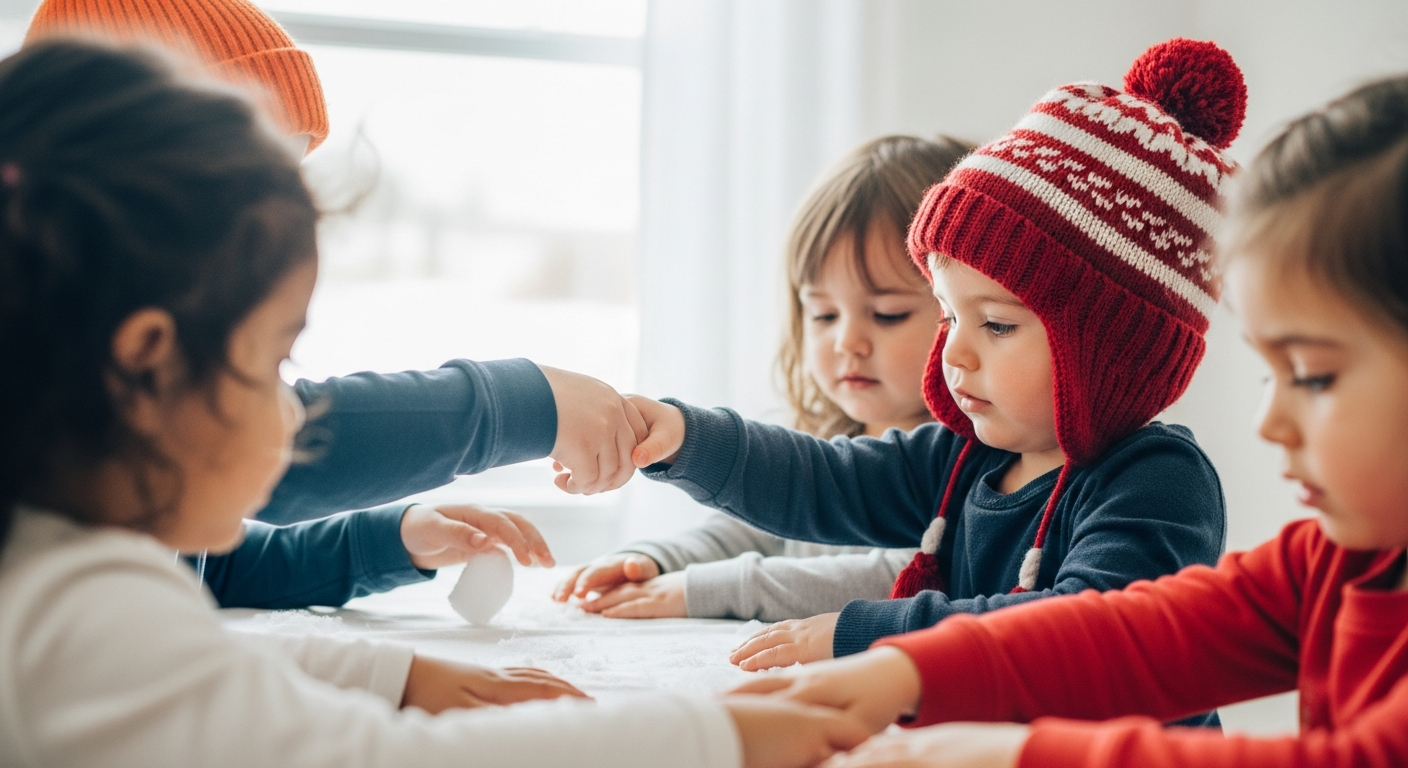
Table of Contents
- Introduction
- The Magic of Indoor Sensory Snow Play
- Active Indoor Adventures: Burning Energy Without a Playground
- Embracing "Smart Screen Time" on Snow Days
- Kitchen DIYs: Science and Snacks
- Building Connections: Forts, Stories, and Reading Blubs
- Why Speech Blubs is the Perfect Snow Day Companion
- Resetting the Day: The "Bath Time" Trick
- The Science Behind the Fun
- Frequently Asked Questions
- Conclusion
Introduction
Picture this: You wake up, pull back the curtains, and find your backyard transformed into a shimmering white wonderland. While the initial sight is magical, the reality quickly sets in—daycare is closed, the roads are treacherous, and you have a high-energy toddler ready to take on the world from the safety of your living room. The "snow day" excitement can quickly turn into a logistical puzzle for parents. How do you keep a tiny human entertained, engaged, and learning when you’re stuck inside with nothing but the supplies already in your pantry?
At Speech Blubs, we understand that these unexpected days at home are more than just a break in routine; they are golden opportunities for connection and developmental growth. Our mission is to empower children to "speak their minds and hearts," and we believe that play is the most powerful tool for reaching that goal. Whether you are navigating speech delays or simply looking for ways to foster a love for communication, a snow day is the perfect time to dive into activities that build confidence and reduce frustration.

In this post, we will explore a variety of toddler snow day activities—from sensory bins filled with actual snow to "smart screen time" that encourages peer-to-peer learning. We’ll provide practical strategies to turn your home into a hub of joy and education, ensuring that by the time the sun sets, you feel like a snow day superhero rather than a frazzled bystander. We will also share how our unique approach to speech therapy can turn a quiet afternoon into a breakthrough moment for your child’s communication skills.
The Magic of Indoor Sensory Snow Play
Sensory play is the cornerstone of early childhood development. It allows toddlers to explore the world through touch, sight, and even sound, building vital neural pathways in the process. When the weather is too biting for a long outdoor excursion, bringing the snow inside is a game-changer.
The Ultimate Indoor Snow Bin
Why struggle with bulky snowsuits and frozen toes when you can bring the winter wonderland to your kitchen table? Grab a large plastic storage bin or a deep baking tray and fill it with fresh, clean snow from outside.
- Animal Rescue: For a parent whose 3-year-old "late talker" loves animals, this is a perfect time to integrate language. Hide small plastic figures—like those found in the "Animal Kingdom" section of the Speech Blubs app—inside the snow. Encourage your child to "rescue" the cow or the lion. As they pull the animals out, you can practice animal sounds like "moo" or "roar" together.
- Snow Painting: Give your child small cups of water mixed with food coloring and a few eye droppers. Watching the colors bleed into the white snow is not only visually stimulating but also a great lesson in cause and effect.
Arctic Water Play and Ice Rescue
If your toddler is fascinated by the cold, try an "Ice Rescue." Freeze small toys (like plastic penguins or rings) in a muffin tin filled with water. Once frozen, pop the ice chunks into a bin of warm water.
Key Takeaway: Sensory activities like these aren't just about "keeping them busy." They are foundational for language development. When a child touches something cold or watches ice melt, they are more likely to use descriptive words like "cold," "wet," "gone," or "more."
Active Indoor Adventures: Burning Energy Without a Playground
One of the biggest challenges of a snow day is the "cabin fever" that sets in when toddlers can't run around. Physical activity is crucial for regulating a child's mood and helping them focus.

The Painter’s Tape Obstacle Course
A roll of painter’s tape is perhaps the most underrated tool in a parent's arsenal. You can create a "laser maze" in a hallway by criss-crossing tape from wall to wall, or lay down "tracks" on the floor for your child to follow.
- The Follow-the-Line Game: Create a zig-zag line of tape through the house. Ask your toddler to walk "on the line" like a tightrope walker.
- Shape Jumping: Use the tape to create large triangles, circles, and squares on the carpet. Call out a shape and have your child jump into it. This builds gross motor skills while reinforcing vocabulary.
Balloon Tennis and Living Room Bowling
Physical play doesn't require a lot of space. A single balloon can provide thirty minutes of entertainment. Use paper plates and popsicle sticks to create "rackets" and try to keep the balloon from touching the floor. If you have empty plastic water bottles, set them up at the end of a hallway for a game of indoor bowling. These activities help with hand-eye coordination and provide a healthy outlet for all that pent-up toddler energy.
Embracing "Smart Screen Time" on Snow Days
We know that many parents feel a sense of "screen-time guilt" on days when they can't get outside. At Speech Blubs, we want to change that narrative. There is a vast difference between passive viewing—where a child sits silently watching a cartoon—and "smart screen time" that encourages interaction, imitation, and learning.
The Power of Video Modeling
Our app is built on the scientific principle of video modeling. Research shows that children are more likely to learn and mirror behaviors when they see their peers doing them. When you download Speech Blubs on the App Store or Google Play, your child won't just be looking at a screen; they will be engaging with "Blubbers"—real children who demonstrate how to make sounds, say words, and express emotions.
Our founders grew up with speech challenges themselves, which is why they created the tool they wished they had. On a snow day, when you need a moment to make lunch or hop on a quick work call, Speech Blubs provides a joyful, effective solution that turns the screen into a powerful tool for family connection.
Integrating Play and Tech
The best way to use the app is as a springboard for "offline" play. For example, if your child spends five minutes in the "Yummy Time" section of the app, follow it up by heading to the kitchen to practice those same words while making a snack. This holistic approach is why we are ranked so highly on the MARS scale for app quality and research-backed methodology.
Kitchen DIYs: Science and Snacks
Your kitchen is essentially a laboratory for a toddler. Snow days are the perfect time to slow down and let them participate in the "magic" of cooking and simple science.
Homemade Playdough and Puffy Paint
Creating your own play materials is an activity in itself.
- The Best Playdough Recipe: Mix flour, salt, water, and a bit of oil. Let your toddler help with the stirring. The tactile sensation of the dough is incredibly soothing.
- Melted Snowman Puffy Paint: Mix equal parts white glue and shaving cream. It creates a thick, fluffy paint that dries with a soft, 3D texture. Have your child "paint" a melted snowman on blue paper and add a construction paper nose and eyes.
Baking Soda Volcanoes
This classic experiment never gets old for a three-year-old. Place a jar in a tray, fill it with baking soda and a drop of food coloring, and let your child pour in the vinegar. The "explosion" is a fantastic way to practice "exclamatory" words like "Wow!" "Pop!" and "Look!" These small, exciting moments are exactly where language begins to bloom.
Building Connections: Forts, Stories, and Reading Blubs
When the afternoon lull hits, it’s time to get cozy. This is the part of the snow day where we focus on calm, quiet connection.
The Couch Cushion Fort
A fort is more than just blankets and pillows; it’s a secret headquarters. Building a fort together requires teamwork and communication. Once inside, use a flashlight to read books or tell stories. If you have the Speech Blubs Yearly plan, this is a great time to pull out the Reading Blubs app, which is included as an exclusive benefit. It helps children bridge the gap between speaking and reading, turning your fort into a literacy hub.
Living Room Campout
If the snow is really coming down, why not "camp" in the living room? Set out a picnic blanket, eat lunch on the floor, and pretend you're in the woods. This type of imaginative play is essential for cognitive development. It encourages "symbolic thinking"—the idea that a blanket can be a tent or a blue rug can be a river.
Why Speech Blubs is the Perfect Snow Day Companion
We know that every child’s developmental journey is unique. Some children are naturally talkative, while others need a little extra nudge to find their voice. If you’ve ever wondered if your child is hitting their milestones, you aren’t alone. We created a quick 3-minute preliminary screener that involves just 9 simple questions. It provides an immediate assessment and a next-steps plan, giving you peace of mind while the snow falls outside.
Transparent Pricing for Families
We believe in being upfront with parents because we know how much you balance. We offer two main ways to join our community:
- The Monthly Plan: At $14.99 per month, this is a great way to test the waters.
- The Yearly Plan (Best Value): At $59.99 per year, the cost drops to just $4.99 per month.
We always recommend the Yearly plan because it offers the most comprehensive experience for your child's growth. When you choose the Yearly option, you get:
- A 7-day free trial to explore everything with no risk.
- The Reading Blubs app included at no extra cost.
- Early access to new updates and features.
- Priority 24-hour support response time.
Our goal isn't to promise that your child will be giving public speeches in a month. Instead, we focus on fostering a love for communication, building their confidence, and creating joyful family learning moments that last a lifetime.
Resetting the Day: The "Bath Time" Trick
By 4:00 PM on a snow day, everyone—parents and toddlers alike—usually hits a wall. When the crying starts or the boredom reaches a fever pitch, we suggest the "water reset."
A mid-afternoon bath can completely change the energy of the day. Throw in some unconventional toys, like plastic building blocks or kitchen whisks. You can even bring a little bit of snow into the bath and watch it disappear in the warm water. This sensory shift often calms the nervous system and bridges the gap between the chaotic afternoon and the evening routine.
The Science Behind the Fun
At the heart of every activity we recommend is a commitment to evidence-based practices. We don't just pick activities because they are "cute"; we choose them because they work. Our methodology is rooted in the idea of "Mirror Neurons." When a child watches another child (a peer) perform an action or make a sound on Speech Blubs, these neurons fire in their own brain, making it easier for them to replicate the behavior.
This peer-to-peer connection is what sets us apart from other tools. It’s why parents across the globe have shared thousands of positive testimonials about their children's progress. They aren't just seeing more words; they are seeing more smiles and less frustration.
Frequently Asked Questions
1. How can I encourage my toddler to talk more during these activities?
The key is to follow your child's lead and narrate what they are doing. If they are playing with snow, instead of asking "What color is this?" (which can feel like a test), try saying, "Wow, you have the big, cold snow!" This provides them with the vocabulary they need without the pressure to perform.
2. Are these activities safe for toddlers with sensory processing issues?
Yes, but always go at their pace. Some children might find the coldness of snow overwhelming. If your child is hesitant, let them use a spoon or a toy to touch the snow first rather than their bare hands. The goal is to make it a "joyful" experience, not a stressful one.
3. How long should my toddler use Speech Blubs on a snow day?
We recommend "short and sweet" sessions. About 5 to 15 minutes of "smart screen time" is usually the sweet spot for a toddler's attention span. The app is designed to be a supplement to your day, providing a boost of educational interaction that you can then mirror in your physical play.
4. What if I don't have craft supplies like googly eyes or glitter?
Don't worry! Toddlers have incredible imaginations. A cardboard box can become a car, a wooden spoon can become a microphone, and a piece of crumpled paper can be a "snowball" for an indoor fight. Use what you have; your presence is the most important "supply" you provide.
Conclusion
Snow days are a unique blend of magic and madness. While the change in routine can be challenging, it’s also an invitation to slow down and engage with your child in new, creative ways. Whether you are building a painter's tape obstacle course, experimenting with baking soda volcanoes, or exploring the "Animal Kingdom" with the help of peers on a screen, you are doing the important work of supporting your child's development.
Remember, you don't have to do it alone. At Speech Blubs, we are here to support you with tools that are backed by science and designed by experts who understand exactly what you're going through. By focusing on "smart screen time" and interactive play, you can turn a simple snow day into a milestone-filled adventure.
Ready to make the most of your time at home? Start your 7-day free trial today and see the difference that joyful, peer-led learning can make. For the best value and access to our full suite of features, including Reading Blubs and priority support, be sure to select our Yearly plan. Let's work together to help your child speak their mind and heart, one "smart" snow day at a time!
About the author