
Festive Fun: Top Christmas-Themed Board Games for Kids
 By Speech Blubs Team•Dec 23, 2025•19 min.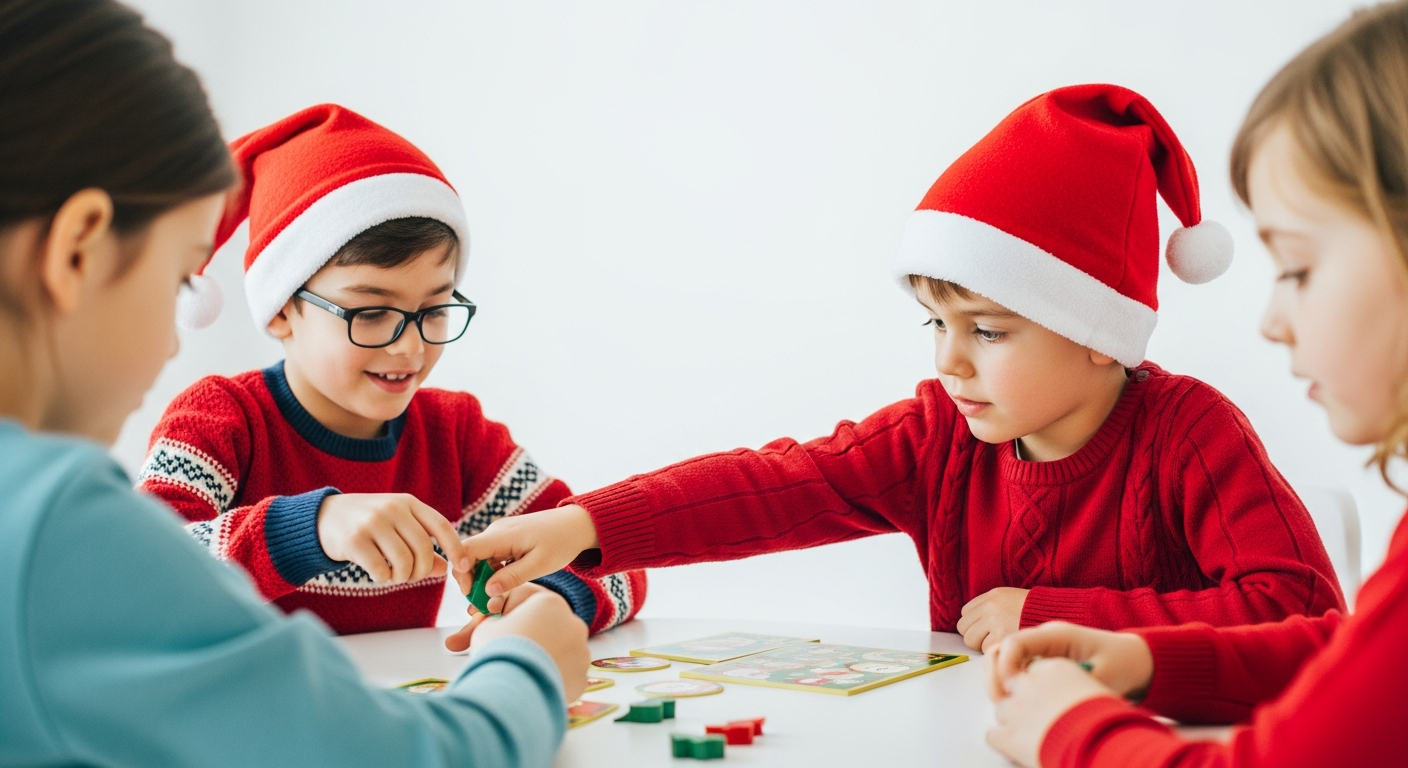
Table of Contents
- The Irresistible Charm of Holiday Game Nights
- Beyond the Fun: Developmental Benefits of Board Games
- Our Top Christmas-Themed Board Games for Kids
- How to Choose the Perfect Christmas Board Game
- Making Holiday Game Night a Cherished Tradition
- Empowering Communication Beyond the Board Game
- Frequently Asked Questions (FAQ)
The magic of the holiday season, with its twinkling lights, festive carols, and the comforting aroma of seasonal treats, often brings families closer together. Amidst the flurry of gift-giving and delicious meals, there’s a timeless tradition that unites generations and sparks genuine laughter: board game night. Few things evoke the spirit of togetherness quite like gathering around a table, shuffling cards, rolling dice, and navigating a festive game board with loved ones. For many, these cherished moments are the highlight of the holidays, creating lasting memories and strengthening family bonds.
In this comprehensive guide, we'll explore a delightful array of Christmas-themed board games that promise to infuse your holiday gatherings with extra joy and engagement. Beyond just fun, we'll delve into how these games are powerful tools for your child's developmental journey, fostering crucial cognitive, social-emotional, and especially language skills. We'll highlight games tailored for various age groups, from toddlers taking their first turns to older children ready for strategic challenges. Our aim is to provide you with the insights needed to choose games that not only entertain but also enrich your child’s growth, building a foundation for them to confidently express themselves.

The Irresistible Charm of Holiday Game Nights
Holiday game nights offer a unique blend of nostalgia and fresh excitement. For many, it's the one time of year when extended family members, who might not see each other often, gather under one roof. This special occasion transforms casual play into a cherished tradition, weaving new memories into the fabric of family history. Beyond this, there are several compelling reasons why Christmas-themed board games hold such a special place during the festive season:
- Embracing the Winter Months: As temperatures drop and daylight hours shorten, indoor activities become paramount. Board games offer a wonderful antidote to cabin fever, providing engaging entertainment that doesn't rely on screens or require bundling up for outdoor adventures.
- Enhancing the Festive Atmosphere: Christmas-themed games transport players directly into the heart of the holidays. Whether it's helping Santa deliver presents, outsmarting the Grinch, or embarking on a journey with Buddy the Elf, these games are designed to immerse players in stories and visuals that resonate with the season's magic. This thematic connection deepens engagement and makes the experience feel even more special.
- Building Anticipation and Excitement: Unwrapping a new Christmas-themed game under the tree can be as exciting as any other present. It signals the beginning of new shared experiences and adds another layer of joy to the holiday celebrations. Rediscovering old favorites each year also builds comforting routines and traditions.
- Fostering Family Connection: In our busy modern lives, dedicated quality time can sometimes be hard to come by. The holidays offer a natural pause, and board games capitalize on this by creating a shared activity where everyone, regardless of age, can participate, laugh, and connect on a deeper level. It’s a powerful way to interact face-to-face, away from individual devices.
Beyond the Fun: Developmental Benefits of Board Games
While the immediate joy of playing is undeniable, Christmas-themed board games are also secret powerhouses for child development. They provide a playful, low-pressure environment where children naturally hone a wide range of essential skills.

Cognitive Development
- Problem-Solving and Strategy: Many games, even simple ones, require children to think a few steps ahead, anticipate outcomes, and adapt their plans. This nurtures their ability to analyze situations and make decisions.
- Memory and Attention: Remembering rules, tracking opponents' moves, or recalling card sequences strengthens working memory and sustains attention.
- Number and Color Recognition: Games often involve counting spaces, matching colors, or recognizing patterns, reinforcing early mathematical and visual discrimination skills.
- Cause and Effect: Children learn that certain actions lead to specific consequences within the game, developing an understanding of logical relationships.
Social-Emotional Growth
- Turn-Taking and Patience: Board games are a masterclass in waiting for your turn, sharing materials, and understanding that others also have a role to play. This is a foundational social skill.
- Sportsmanship: Learning to win graciously and lose with resilience is a crucial life lesson. Games provide a safe space to practice managing emotions, celebrating successes, and coping with setbacks.
- Cooperation and Teamwork: Many modern games emphasize cooperative play, where players work together towards a common goal against the game itself. This fosters collaboration, communication, and mutual support.
- Following Rules: Understanding and adhering to game rules teaches children about boundaries, fairness, and respecting established guidelines.
Language and Communication Skills
This is where the magic truly happens for developing minds, and it’s a core reason why we at Speech Blubs champion interactive play. Board games are inherently communication-rich environments.
- Following Instructions: Children must listen carefully to understand game rules and the sequence of play. This strengthens their receptive language skills.
- Expressive Language: As they play, children describe their actions ("I'm moving my piece here!"), verbalize their strategies ("If I play this card, then..."), ask clarifying questions, and narrate what's happening. This constant verbal exchange builds vocabulary and sentence structure.
- Negotiation and Persuasion: In cooperative or semi-cooperative games, children might need to convince others of a certain move or explain their reasoning. This hones pragmatic language skills – how to use language effectively in social contexts.
- Storytelling: The themes of Christmas games provide a natural springboard for imaginative play and storytelling. Children can elaborate on the characters' adventures or create their own narratives around the game's premise.
- Understanding Social Cues: Observing facial expressions, body language, and tone of voice during a game helps children pick up on non-verbal communication, an important aspect of social interaction.
At Speech Blubs, we are deeply committed to empowering children to "speak their minds and hearts," and we see board games as a natural extension of this mission. Our founders, all of whom navigated speech challenges in their own childhoods, created Speech Blubs to be the immediate, effective, and joyful solution they wished they had. We believe that blending scientific principles with play is the most powerful way to support a child's communication journey. Just as children learn from watching and imitating peers during board games, our app utilizes a unique "video modeling" methodology where children learn by observing real children their age. This approach makes learning complex communication skills fun and relatable, offering a powerful "smart screen time" alternative to passive viewing.
If you're ever unsure about your child's communication development, we encourage you to take our quick 3-minute preliminary screener. It involves 9 simple questions and provides an assessment along with a next-steps plan, and even a free 7-day trial of Speech Blubs to see how we can support your family.
Our Top Christmas-Themed Board Games for Kids
To help you create unforgettable holiday game nights, we've curated a list of fantastic Christmas-themed board games, categorized by age appropriateness. Each game offers unique opportunities for fun and developmental growth.
For Our Littlest Elves (Ages 3-5)
These games are perfect for introducing young children to the joys of board games, focusing on simple rules, colorful components, and immediate gratification. They are excellent for practicing basic concepts and early language skills.
- The Santa Claus Game:
- What it is: A delightful roll-and-move game where players race to be the first Santa to deliver all their toys. It includes charming plastic sleighs and a festive Christmas tree cutout, creating an inviting atmosphere.
- Developmental Perks: This game is fantastic for reinforcing color recognition, counting (as they move spaces), and practicing simple actions like singing "Jingle Bells" or making "Ho-ho-ho" sounds. These repetitive vocalizations are excellent for expressive language development and early imitation. The physical actions like "twirling like a snowflake" encourage gross motor skills and following multi-step directions.
- Speech Blubs Connection: For a child who enjoys the simple imitative sounds and actions in this game, our "Sounds" or "Actions" sections in Speech Blubs offer a similarly motivating environment. They can watch and imitate peers making animal sounds or performing simple actions, building foundational speech skills in a fun way. Download Speech Blubs on the App Store to explore these engaging activities.
- Frosty the Snowman: Follow the Leader Card Game:
- What it is: A cooperative card game where players work together to arrange characters from the Frosty the Snowman story in a specific "follow the leader" order. It’s designed to be genuinely fun for young children while offering a satisfying puzzle for adults.
- Developmental Perks: This game shines in developing sequencing skills, pattern recognition, and collaborative problem-solving. Children learn to articulate their ideas ("I think we should move Frosty first") and respond to others, fostering essential turn-taking and conversational skills. Being cooperative, it also reduces competitive pressure, allowing young players to focus on the shared goal and enjoy the process.
- Speech Blubs Connection: The cooperative nature of this game, where children verbalize strategies and work together, mirrors the interactive nature we encourage in Speech Blubs. Our app, through its "Story Time" and "Sing Along" sections, helps children build narrative skills and practice rhythm and intonation, which are vital for clear communication, much like coordinating moves in a game.
For Growing Communicators (Ages 6-8)
These games introduce more complex rules, light strategy, and often popular characters, appealing to children who are developing a stronger sense of independence and logical thinking.
- Llama Drama: Holiday Edition:
- What it is: A fast-paced card game where players try to be the first to get rid of all their cards. The holiday edition features festive llamas (Elf Llamas, Gingerbread Llamas), adding a charming thematic twist. Special llama cards introduce unique powers, requiring players to adapt their strategies.
- Developmental Perks: This game is excellent for strategic thinking, quick decision-making, and understanding probabilities. Children practice number recognition, identify patterns, and learn to manage their hand of cards. The special powers prompt questions and explanations, enhancing their ability to describe actions and consequences.
- Speech Blubs Connection: For children who enjoy the quick thinking and descriptive elements of Llama Drama, Speech Blubs offers engaging activities that boost vocabulary and descriptive language. For instance, activities focusing on "What's Cooking?" or "Getting Dressed" encourage children to describe objects, actions, and sequences, building upon the narrative and expressive skills honed in card games.
- Elf: Journey from the North Pole Game:
- What it is: Inspired by the beloved movie, this board game allows players to guide Buddy the Elf around the board using pathway cards. The goal is to visit key locations from the movie (Candy Cane Forest, Narwhal friend) to score points, eventually reaching New York City.
- Developmental Perks: This game is fantastic for spatial reasoning, planning, and understanding sequential steps. Children need to visualize paths, make strategic choices about which locations to visit, and count points. The familiar characters and storyline encourage imaginative play and verbal recounts of Buddy's adventures, enhancing narrative abilities.
- Speech Blubs Connection: Just as this game encourages children to navigate a story and describe events, Speech Blubs helps children build narrative skills through interactive stories and engaging scenarios. Our app, which is backed by extensive research in child development and speech therapy, provides a fun way for children to practice sequencing events and describing characters' actions, much like Buddy’s journey.
- Merry Grinchmas!
- What it is: A cooperative game where players work together to save presents from the Grinch, who is trying to steal them from Whoville. Players strategize to purchase "wishes" before the Grinch steals too many presents.
- Developmental Perks: This game is a masterclass in cooperation and negotiation. Children learn to communicate their ideas to the group, listen to others' suggestions, and make collective decisions. It involves simple resource management (spending presents to buy wishes) and introduces strategic thinking about when to make purchases. The iconic Grinch theme sparks conversation and helps children develop an understanding of character motivations and simple narrative arcs.
- Speech Blubs Connection: Cooperative games like Merry Grinchmas foster incredible teamwork and verbal collaboration. Speech Blubs, too, is designed to be a tool for family connection, offering activities that parents and children can do together. This shared experience creates opportunities for conversation and learning, similar to the discussions that happen during a cooperative board game. Create your account and begin your 7-day free trial today to discover interactive activities designed for co-play.
For Strategic Thinkers & Family Fun (Ages 9+)
These games offer deeper strategy, more intricate rules, and often a higher degree of interaction, perfect for older children and adults who enjoy a challenge.
- Elf: Snowball Showdown Card Game:
- What it is: A lively card game where players engage in a festive snowball fight. Players throw snowballs at opponents, who must then defend by dodging or blocking, sometimes even sending the snowball back! The goal is to be the last player standing.
- Developmental Perks: This game develops quick thinking, reaction time, and an understanding of probabilities and risk assessment. Children learn to anticipate opponents' moves and strategize their defenses. The unpredictable nature of the game makes for exciting, laughter-filled interactions, encouraging spontaneous verbalizations and playful banter.
- Speech Blubs Connection: Games that require quick reactions and verbal responses, like Snowball Showdown, help children practice rapid word retrieval and expressive fluency. For children focusing on these areas, Speech Blubs provides engaging, real-time feedback through its interactive activities, making learning dynamic and fun. We are constantly updating our content, and Yearly plan subscribers get early access to new updates!
- Grinch: Grow Your Heart Card Game:
- What it is: Players work to "grow their hearts" by collecting sets of cards and performing actions, all while navigating the Grinch's mischievous attempts to hinder them. It often involves strategic card play and resource management.
- Developmental Perks: This game fosters advanced strategic planning, critical thinking, and resource allocation. Players must make choices about which cards to keep, which to discard, and when to play them to maximize their "heart growth" while minimizing the Grinch’s impact. The thematic goal of growing one's heart also subtly reinforces positive social values. Discussions about optimal moves strengthen logical reasoning and persuasive communication.
- Speech Blubs Connection: For older children developing more complex logical reasoning and communication skills, Speech Blubs offers a rich environment for advanced vocabulary and sentence structure. Activities designed for deeper engagement can help children articulate complex thoughts, strategies, and emotions, which is essential for mastering games like "Grow Your Heart." Many families have shared their success stories about how Speech Blubs helped their children blossom into confident communicators.
How to Choose the Perfect Christmas Board Game
With so many wonderful options, selecting the ideal Christmas-themed board game for your family can feel overwhelming. Here are some key factors to consider:
- Age Appropriateness: Always check the recommended age range on the game box. This is a crucial guideline for ensuring the rules and concepts are neither too simple nor too frustrating for your child. However, don't be afraid to adapt rules for younger players to make a game more inclusive.
- Child's Interests: Does your child love "Elf" or "The Grinch"? Are they fascinated by Santa or snowmen? Choosing a game with a theme that genuinely excites them will increase engagement and motivation to play.
- Player Count: Consider how many people will typically be playing. Some games are best for small groups, while others shine with a larger crowd, making them perfect for extended family gatherings.
- Playtime: Be mindful of your family's attention spans. Shorter games (15-30 minutes) are great for younger children or quick bursts of fun, while longer games (45+ minutes) suit older children and adults who enjoy deeper strategy.
- Complexity Level: Assess whether your family prefers simple, luck-based games or those that require more strategic thinking and planning. Start with simpler games and gradually introduce more complex ones as your child's skills develop.
- Cooperative vs. Competitive: Decide if your family enjoys working together toward a common goal (cooperative games) or prefers friendly head-to-head competition. Cooperative games can be particularly good for fostering teamwork and reducing sibling rivalry during the holidays.
Making Holiday Game Night a Cherished Tradition
Beyond just picking the right game, how you facilitate game night can make all the difference. Here are some tips to ensure a joyful and developmental experience:
- Set the Mood: Dim the lights, put on some festive music, light a holiday candle, and have some Christmas cookies or hot cocoa ready. Creating a special atmosphere enhances the experience and signals that this is dedicated family time.
- Be Patient and Supportive: Especially with younger children or new games, rules can be tricky. Be patient, explain things clearly, and offer gentle guidance rather than criticism. Remember, the goal is fun and connection, not just winning.
- Emphasize Fun Over Winning: Model good sportsmanship. Celebrate efforts, praise good moves, and focus on the joy of playing together. Teach children that losing is part of the game and an opportunity to learn.
- Encourage Communication: Use game time as an opportunity for conversation. Ask open-ended questions like, "Why did you choose that move?" or "What do you think might happen next?" This boosts their expressive language and critical thinking.
- Adapt Rules as Needed: For very young children, simplifying rules, playing in teams, or even just letting them manipulate the pieces freely can make the experience more accessible and enjoyable.
- Rotate Game Masters: Allow different family members, including children, to take turns explaining the rules or leading the game. This builds confidence and leadership skills.
Empowering Communication Beyond the Board Game
While Christmas-themed board games offer incredible benefits for your child’s speech and language development, we know that some children may need an extra boost. That's where Speech Blubs comes in. Our app is designed to complement these natural learning experiences by providing targeted, fun, and effective exercises for communication growth.
We believe in the power of "smart screen time" – interactive, engaging experiences that actively promote learning, rather than passive consumption. With Speech Blubs, children are not just watching; they are actively participating, imitating, and speaking alongside their peers. Our unique approach of "video modeling" taps into mirror neurons in the brain, making imitation a natural and joyful process.
At Speech Blubs, we are dedicated to helping every child find their voice and express their unique personality. Our mission, born from personal experience, is to provide an immediate, effective, and joyful solution for the 1 in 4 children who need speech support. We offer a wealth of engaging activities designed to develop foundational sounds, build vocabulary, improve articulation, and foster confident communication, all while strengthening family bonds through co-play.
Ready to add Speech Blubs to your child's developmental toolkit this holiday season? Get started with our best value! For just $59.99 per year, our Yearly plan saves you 66% compared to the Monthly plan ($14.99/month). The Yearly plan also includes a full 7-day free trial, access to our extra Reading Blubs app, early access to new updates, and 24-hour support response time. The Monthly plan, by contrast, does not include these valuable benefits. Don't miss out on the full suite of features designed to empower your child's voice.
Download Speech Blubs on the App Store or Download Speech Blubs on Google Play today and choose the Yearly plan to unlock your child's potential! You can also create your account and begin your 7-day free trial directly on our website. Give the gift of confident communication this Christmas. Learn more about our approach at the Speech Blubs website.
Frequently Asked Questions (FAQ)
Q1: How do Christmas-themed board games specifically help with speech development? A1: Christmas-themed board games provide a rich context for language. Children practice following multi-step instructions, using descriptive language to talk about characters and actions (e.g., "Buddy is wearing a yellow suit"), explaining strategies, and engaging in turn-taking conversations. The festive themes often introduce new vocabulary (e.g., "reindeer," "gingerbread," "sleigh") and provide natural prompts for imaginative storytelling, all of which are crucial for expressive and receptive language development.
Q2: What's the best age to start playing Christmas-themed board games with my child? A2: You can start introducing simple board games as early as 2.5 to 3 years old. Look for games with very basic rules, large, easy-to-handle pieces, and bright, engaging visuals. Games that involve color matching, simple counting, or making sounds are perfect for toddlers and preschoolers. As children grow, you can gradually introduce games with more complex rules and strategic elements.
Q3: How does Speech Blubs fit into our child's learning during the holidays, alongside board games? A3: Speech Blubs beautifully complements board game play by offering structured, targeted practice for speech and language skills in a fun, interactive digital environment. While board games foster natural communication, Speech Blubs provides a specialized approach to develop specific sounds, expand vocabulary, and improve articulation through engaging video modeling. It’s "smart screen time" that can be integrated into your child's day as a joyful way to reinforce the communication skills learned during family game nights, ensuring consistent progress even amidst holiday festivities.
Q4: What should I do if my child gets frustrated or upset while playing a Christmas board game? A4: Frustration is a natural part of learning, but it's important to manage it constructively. If your child gets upset, acknowledge their feelings ("I see you're feeling frustrated right now"). Remind them that the goal is to have fun together, not just to win. You might suggest taking a break, simplifying the rules, or playing cooperatively. Model good sportsmanship yourself, focusing on the process and shared experience. If consistent frustration prevents enjoyment, it might be a sign that the game is too complex for their current developmental stage, or that they could benefit from tools like Speech Blubs to build confidence in communication, reducing overall frustration.
About the author