
Finding the Best Toddler Activity Classes for Your Child
 By Speech Blubs Team•Mar 18, 2026•14 min.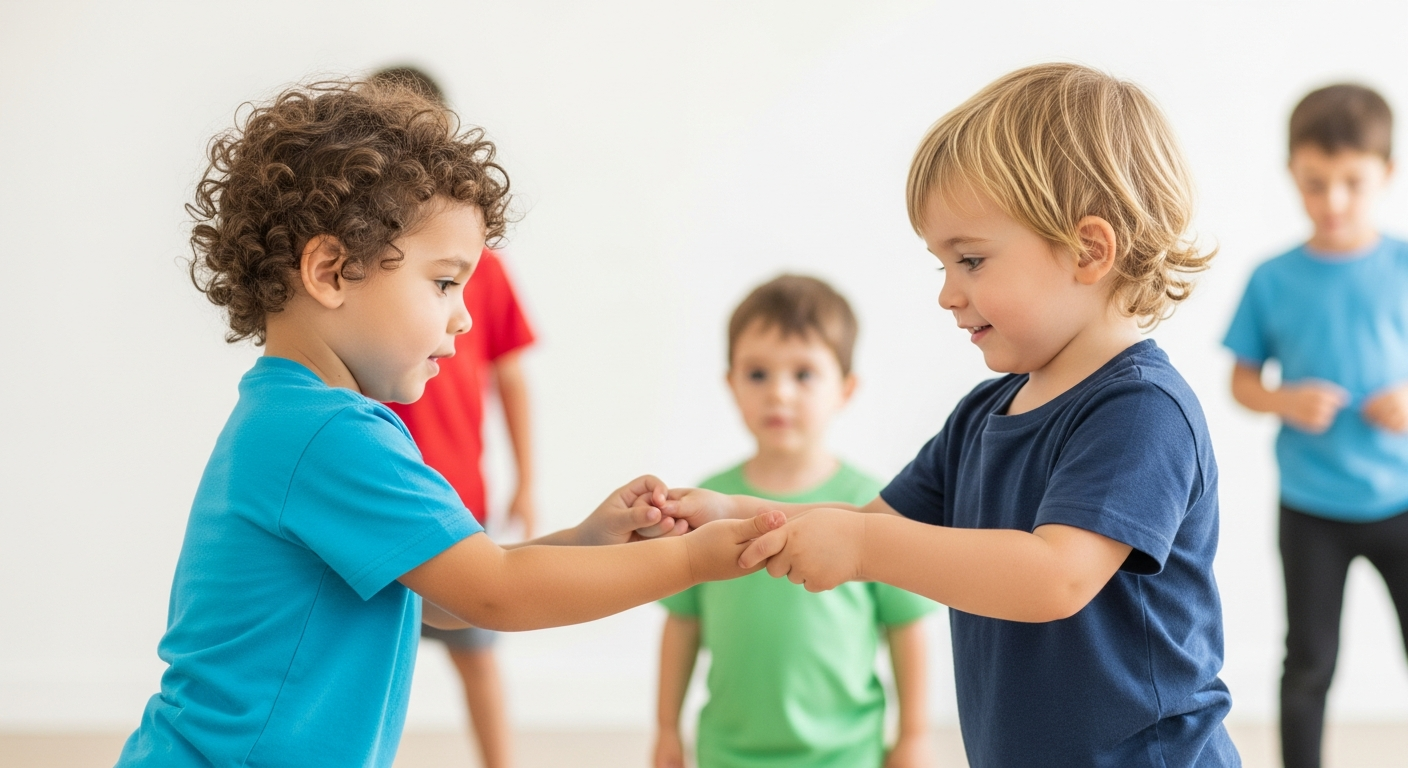
Table of Contents
- Introduction
- The Importance of Toddler Activity Classes in Early Development
- Types of Toddler Activity Classes: Which is Right for You?
- How Activity Classes Support Speech and Language
- Bringing the "Class" Home: The Speech Blubs Method
- Choosing the Right Class: Tips for Parents
- Maximizing the Benefits of Toddler Activities
- Realistic Expectations for Your Child's Progress
- Understanding the Value: Choosing the Right Plan
- Conclusion
- FAQs
Introduction
Did you know that by the age of three, a child’s brain has already reached approximately 80% of its adult size? During these formative years, toddlers are like tiny sponges, soaking up every interaction, sound, and movement in their environment. This rapid neurological development is the reason many parents find themselves searching for the right toddler activity classes. Whether it is a local gymnastics group, a messy art studio, or a rhythmic music circle, these classes are more than just a way to burn off extra energy—they are vital laboratories for social, physical, and linguistic growth.
In this post, we will explore the various types of toddler activity classes available, how they support key developmental milestones, and how you can bridge the gap between these weekly sessions and your daily life at home. We believe that every child deserves the opportunity to "speak their minds and hearts," and finding the right balance of structured play and expert-backed tools is the best way to make that happen. Our goal is to provide you with a clear roadmap for choosing activities that foster a lifelong love for learning and communication.

At Speech Blubs, we understand the importance of this journey because our founders grew up with speech challenges themselves. We have dedicated our work to creating a "smart screen time" experience that complements the physical activities your child enjoys. By the end of this article, you will feel confident in selecting the best path for your little one’s unique needs.
The Importance of Toddler Activity Classes in Early Development
Toddlerhood is a period of "firsts"—first steps, first words, and first friendships. While home is the primary learning environment, toddler activity classes offer a unique "third space" where children can test their boundaries in a safe, structured setting. These classes are designed to address what experts often call "whole-child development," which includes physical coordination, emotional regulation, and social communication.
When children attend these classes, they are doing much more than playing. They are practicing "Citizen Kid" skills, such as sharing, taking turns, and following group instructions. These are the foundational blocks for school readiness and successful peer interactions. Furthermore, the physical challenges found in movement-based classes—like climbing through tunnels or balancing on a beam—create critical neural pathways that support later academic success.
For parents, these classes offer a chance to observe their child’s progress and connect with a community of other families navigating similar milestones. If you ever find yourself wondering if your child is on the right track, remember that every child develops at their own pace. For those who want a bit more clarity, we recommend taking our quick 3-minute preliminary screener which consists of 9 simple questions to help you understand your child’s current communication levels and provides a personalized next-steps plan.
Types of Toddler Activity Classes: Which is Right for You?
The variety of toddler activity classes available today can be overwhelming. Each type of class offers specific benefits, so it is often helpful to think about your child’s current interests and where they might need a little extra encouragement.

Physical Development and Gymnastics
Movement-based classes are often the most popular choice for energetic toddlers. These programs usually focus on milestones such as:
- Early Locomotion: Building strength in the hips, knees, and ankles to support confident walking and eventually running.
- Bilateral Coordination: Activities that encourage both sides of the body to work together, such as crawling through an obstacle course or jumping with both feet.
- Postural Control: Strengthening the core, neck, and back, which is essential for sitting still and focusing in a classroom later on.
For a child who is a "wiggly walker," a gymnastics-style class provides the perfect outlet. These environments use proprietary equipment and safe "playscapes" to challenge children to master physical skills while building their emotional endurance.
Music and Rhythm Classes
Music classes are a powerhouse for language development. They introduce toddlers to the concepts of melody, pitch, and rhythm through songs and instruments. But the benefits go deeper than just learning a tune. Music classes help with:
- Auditory Processing: Learning to distinguish different sounds and rhythms, which is a precursor to phonics and reading.
- Vocabulary Building: Repetitive songs like "The Wheels on the Bus" help toddlers memorize new words and phrases in a fun, low-pressure way.
- Motor Skills: Shaking a maraca or beating a drum helps refine fine motor skills and hand-eye coordination.
Art and Sensory Exploration
If your child loves getting their hands dirty, sensory and art classes are a fantastic choice. These "messy play" sessions encourage children to explore textures like clay, paint, and sand. This type of play is essential for:
- Tactile Learning: Understanding the world through touch.
- Creativity and Decision-Making: Choosing which color to use or how to shape a piece of dough builds confidence in their own choices.
- Fine Motor Strength: Using brushes, sponges, and small tools strengthens the muscles in the hands needed for writing.
S.T.E.A.M. and Cognitive Play
It is never too early to introduce the concepts of Science, Technology, Engineering, Art, and Math. S.T.E.A.M.-inspired toddler activity classes use age-appropriate experiments to spark curiosity. For example, a "Play Lab" might involve simple chemistry (like vinegar and baking soda volcanoes) or basic mechanics (building with blocks). These activities nurture a child’s inner "maker" and encourage them to follow their curiosities to find new solutions.
How Activity Classes Support Speech and Language
One of the most significant advantages of toddler activity classes is the natural boost they provide to communication. Speech is a social act; it requires a reason to talk and someone to talk to.
The Power of Social Interaction
In a class setting, a toddler has numerous opportunities to use their language. They might need to ask for a turn with a toy, tell the teacher they are finished, or simply comment on what a peer is doing. These organic interactions are often more motivating than practicing words in isolation.
Consider a parent whose 3-year-old "late talker" loves animals. In a physical play class, the child might see a peer pretending to be a frog. This social cue provides the perfect motivation for the child to attempt a "ribbit" or the word "hop." This is where the magic happens—when play and communication collide.
Building Confidence Through Peer Mimicry
Children learn best by watching other children. This is a scientific principle involving "mirror neurons," which fire both when we perform an action and when we see someone else perform it. Toddler activity classes provide a constant stream of peer modeling. When a toddler sees a friend successfully jump into a foam pit or say a new word, it becomes "achievable" in their mind.
We have integrated this exact scientific methodology into our Speech Blubs app. Our unique "video modeling" approach features real children (not cartoons) performing speech exercises. This peer-to-peer connection is a joyful way to foster a love for communication and reduce the frustration that often comes with speech delays. You can learn more about the science behind our method and how it places us in the top tier of educational tools worldwide.
Bringing the "Class" Home: The Speech Blubs Method
While physical toddler activity classes are wonderful, they usually only happen once or twice a week. To truly support your child’s development, it is helpful to have tools that continue the learning at home. This is where Speech Blubs fits into your family’s routine.
Smart Screen Time vs. Passive Viewing
We know that many parents feel guilty about screen time. However, not all screen time is created equal. Passive viewing, like watching repetitive cartoons, doesn't require anything from the child. In contrast, Speech Blubs offers "smart screen time." It is an interactive, "screen-free" alternative in spirit because it encourages children to look away from the device and interact with their parents and surroundings.
Our mission is to empower children to speak their minds and hearts by blending scientific principles with play. We have designed our app to be a powerful tool for family connection, meant for co-play between the adult and the child.
Video Modeling: Learning from Other Kids
Just like in a physical class, our app uses video modeling. When your child sees a peer on the screen making a sound or saying a word, they are naturally inclined to imitate them. This builds the foundational skills needed for complex communication.
For example, if your child is fascinated by vehicles after attending a "transportation-themed" music class, you can open the "Beep Beep" section in the app. They can practice the sounds of a fire truck or a car, reinforcing what they learned in class in a fun, digital environment. This repetition is key to building confidence and reducing frustration.
"Our approach is an immediate, effective, and joyful solution for the 1 in 4 children who need speech support."
Choosing the Right Class: Tips for Parents
When searching for "toddler activity classes" in your area, keep the following tips in mind to ensure you find a high-quality program:
- Expert-Led Curriculum: Look for programs that are research-based and created by experts in early childhood development. The instructors should understand developmental milestones and how to support them.
- Child-Led Approach: The best classes allow for a degree of child-led exploration. While structure is good, toddlers need the freedom to follow their own interests within the "playscape."
- Parent Involvement: For toddlers under the age of three, classes that require an "active helper" (a parent or caregiver) are often the most beneficial. This allows you to learn strategies you can use at home.
- Trial Classes: Many centers offer a trial period. This is a great way to see if the environment and the teacher’s style are a good fit for your child’s temperament.
If you are feeling unsure about where your child stands, seeing what other parents have experienced can be incredibly helpful. You can read success stories and testimonials from parents who have used a combination of physical activities and Speech Blubs to support their child's growth.
Maximizing the Benefits of Toddler Activities
To get the most out of any toddler activity class, consistency and carryover are essential. Here is how you can maximize the impact:
- Talk About the Class: Before you go, talk about what you will do. Afterward, recap the highlights. "Remember when we jumped like frogs?" This reinforces memory and vocabulary.
- Practice Skills at Home: If the class focused on "stop and go," play a game of Red Light, Green Light in your backyard.
- Supplement with Smart Tools: Use the Speech Blubs app on the Apple App Store to reinforce the themes of the week. If you are a Google Play user, you can download it here.
Realistic Expectations for Your Child's Progress
It is important to set realistic expectations. While toddler activity classes and tools like Speech Blubs are powerful, they are not magic wands. We don't suggest that your child will be giving public speeches in a month. Instead, we focus on the beauty of the process:
- Fostering a Love for Communication: Making the act of speaking fun rather than a chore.
- Building Confidence: Helping children feel proud of what they can do physically and verbally.
- Reducing Frustration: Giving children the tools to express their needs, which often leads to fewer tantrums.
- Developing Key Foundational Skills: Strengthening the muscles and neural pathways necessary for long-term success.
Think of these activities as a powerful supplement to your child's overall development plan and, when applicable, professional therapy.
Understanding the Value: Choosing the Right Plan
We want to be transparent about our pricing to help you make the best decision for your family. We offer two main plans to give your child the support they need:
- Monthly Plan: For $14.99 per month, you get full access to the Speech Blubs app and its library of activities.
- Yearly Plan: This is our most popular and high-value option at $59.99 per year. This breaks down to just $4.99 per month, saving you 66% compared to the monthly plan.
Why the Yearly Plan is the clear best choice: The Yearly plan isn't just more affordable; it includes exclusive features that the monthly plan does not. When you choose the Yearly plan, you receive:
- A 7-day free trial to explore everything we have to offer.
- The extra Reading Blubs app, which helps transition your child from speaking to early reading skills.
- Early access to new updates and a 24-hour support response time from our dedicated team.
By choosing the Yearly plan, you are making a long-term investment in your child’s communication journey while gaining access to our full suite of educational tools.
Conclusion
Toddler activity classes are a wonderful way to support your child's rapid development during these critical early years. From the physical challenges of a gymnastics class to the rhythmic joys of music, these experiences provide the building blocks for a confident, communicative child. By pairing these physical activities with "smart screen time" and peer-led modeling, you are giving your little one a comprehensive environment to thrive.
Remember, our mission at Speech Blubs is to help your child find their voice. Whether they are practicing their first animal sounds or building complex sentences, we are here to support every step of the way. We invite you to create joyful family learning moments and watch your child's confidence grow.
Ready to get started? We recommend downloading the app today to begin your journey. Choose the Yearly plan to take advantage of our 7-day free trial and access the full suite of features, including Reading Blubs. You can create your account and sign up here to start empowering your child to speak their mind and heart.
FAQs
1. At what age should I start enrolling my child in toddler activity classes? Most programs offer classes starting as early as 3 to 6 months (often called "infant" or "baby" classes). However, the "toddler" specific classes usually begin around 10 to 18 months, once the child is more mobile and beginning to interact with their environment more intentionally. It is never too early to explore sensory or music-based play!
2. My child is very shy. Will these classes be too overwhelming? It is very common for toddlers to be hesitant in new environments. Look for classes that follow a "child-led" philosophy and allow for a gradual transition. Many programs encourage parents to stay in the class as an "active helper," which provides a safety net for shy children. Over time, the peer modeling and consistent routine usually help build the child's confidence.
3. How do these classes help if my child has a speech delay? Activity classes provide a rich, multi-sensory environment that stimulates the brain. Social interaction with peers provides a natural motivation to communicate. When paired with a tool like Speech Blubs on the App Store, which uses video modeling to teach sounds and words, these classes can be a powerful supplement to professional therapy by providing more opportunities for practice.
4. What is the difference between "smart screen time" and regular cartoons? Regular cartoons are typically passive; the child sits and watches without needing to respond. "Smart screen time," like our app, is interactive. It uses peer-led video modeling to encourage the child to mimic sounds, make facial expressions, and engage in "co-play" with a parent. It is designed to be an active learning tool rather than a distraction.
About the author