
Fun Back to School Crafts for a Joyful Start
 By Speech Blubs Team•Jan 13, 2026•17 min.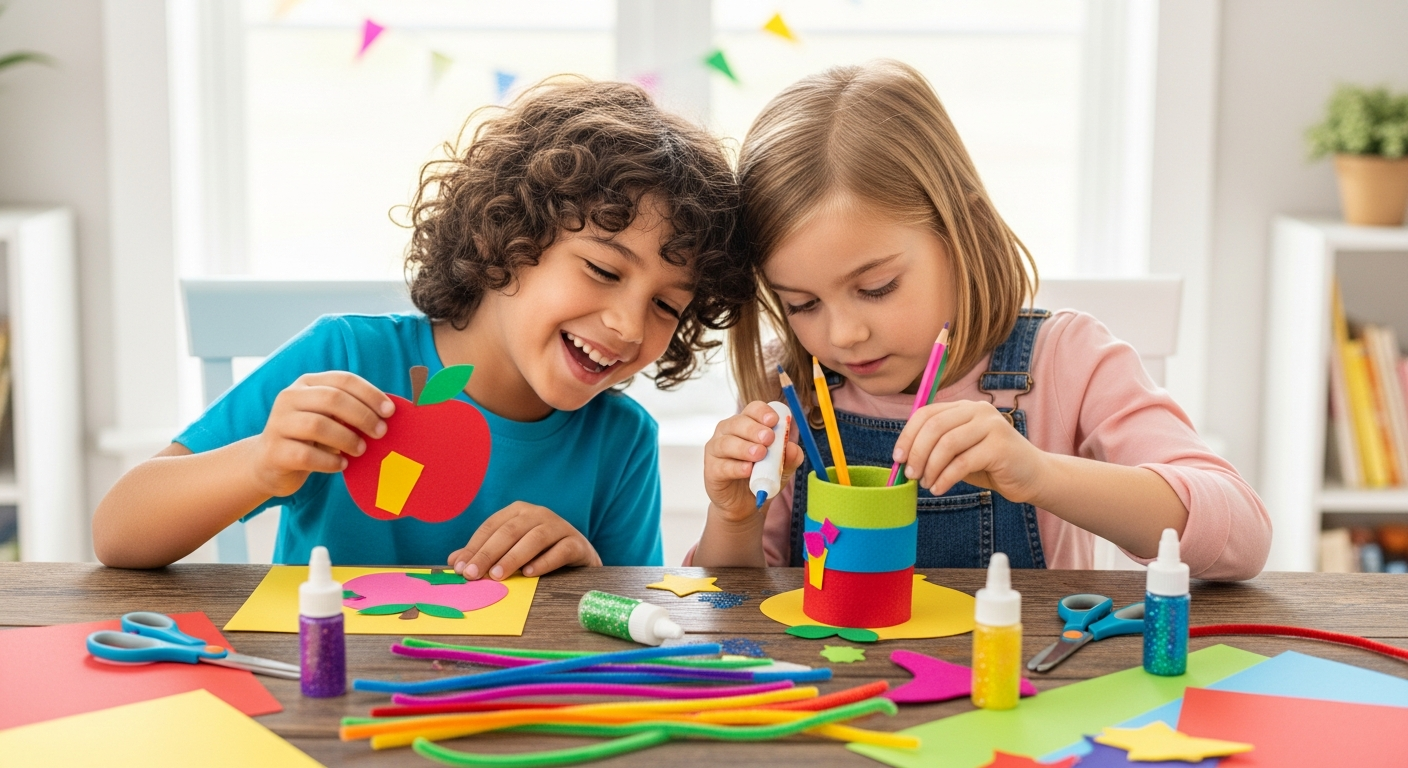
Table of Contents
- Why Crafts Are Wonderful for Back to School
- Easy Back to School Crafts for Toddlers & Preschoolers
- Engaging Crafts for Early Elementary Students (K-2nd Grade)
- Crafting for Communication Skills: How Speech Blubs Can Help
- Conclusion
- Frequently Asked Questions
As the golden days of summer begin to wane and the scent of crisp autumn air hints at new beginnings, parents everywhere prepare for the annual rite of passage: back to school. For many children, this transition brings a mix of excitement for new friends and learning, alongside a touch of nerves about routines and expectations. What if we told you there’s a wonderful, hands-on way to navigate this shift, fostering creativity, confidence, and even crucial communication skills along the way?
Crafts are more than just messy fun; they are powerful tools for development. They engage fine motor skills, encourage problem-solving, ignite imagination, and provide natural opportunities for conversation and self-expression. In this comprehensive guide, we'll explore a variety of easy back to school crafts for kids of all ages, from toddlers to early elementary students. We’ll show you how these engaging activities can help smooth the transition, build excitement for learning, and even enhance your child's speech and language development in playful, memorable ways. Get ready to transform ordinary afternoons into extraordinary learning adventures, setting a positive and creative tone for the entire school year!

Why Crafts Are Wonderful for Back to School
The back-to-school season marks a significant shift in a child's world. Crafts offer a gentle bridge between the carefree days of summer and the structured environment of school, providing numerous developmental benefits that support this transition.
Fostering Fine Motor Skills and Hand-Eye Coordination
Crafting activities inherently involve intricate hand movements – cutting with scissors, grasping small buttons, peeling stickers, drawing lines, and gluing pieces together. These actions are vital for developing fine motor skills, which are not only essential for writing, drawing, and manipulating school supplies but also for the precise movements of the mouth and tongue involved in speech articulation. Strong fine motor skills in the hands often correlate with better control over the muscles used for speaking.
Boosting Creativity and Self-Expression
Every child is an artist waiting to explore. Crafts provide an open canvas for imagination, allowing children to make choices, experiment with colors and textures, and create something uniquely their own. This creative outlet is incredibly important for self-expression, offering a non-verbal way for children to communicate their thoughts, feelings, and ideas. When children are empowered to express themselves creatively, it often translates into greater confidence in expressing themselves verbally as well.
Enhancing Cognitive Development and Problem-Solving
From following multi-step instructions to figuring out how to make two pieces of paper stick together, crafts are packed with opportunities for cognitive growth. Children learn sequencing, spatial reasoning, and critical thinking as they plan their projects and troubleshoot challenges. They learn about cause and effect, and how to adapt when something doesn’t go exactly as planned. These problem-solving skills are transferable to academic challenges and real-life situations, building a strong foundation for learning.
Supporting Emotional Regulation and Stress Reduction
The return to school can bring anxiety for some children. Engaging in a focused, hands-on activity like crafting can be incredibly calming and therapeutic. The rhythmic actions, the concentration required, and the sense of accomplishment from completing a project can help children process their feelings, reduce stress, and feel more in control. It's a wonderful way to channel nervous energy into something productive and beautiful. Discussing these emotions during craft time can also open up valuable conversations.

Building Communication and Language Skills
Perhaps most importantly, crafts create a rich environment for language development. As children work on their projects, they naturally engage in conversations: describing colors, naming shapes, explaining their steps, asking for help, and sharing their creations. This organic dialogue builds vocabulary, improves descriptive language, strengthens sentence structure, and enhances listening comprehension as they follow instructions.
At Speech Blubs, we believe that learning should be fun and interactive, just like crafting. Our mission is to empower children to "speak their minds and hearts" through engaging, play-based experiences. These craft activities beautifully complement our approach, providing real-world contexts for the communication skills children learn. For parents who are curious about their child's speech development, our quick 3-minute preliminary screener can offer valuable insights and a personalized next-steps plan.
Easy Back to School Crafts for Toddlers & Preschoolers
For our littlest learners, back-to-school crafts are all about sensory exploration, simple actions, and building foundational skills. These activities are perfect for developing fine motor control, color recognition, and early language. Remember, adult co-play and support are key to making these experiences joyful and educational.
Name Recognition Crafts
- Chicka Chicka Boom Boom Name Tree: Inspired by the beloved book, this craft helps children identify letters in their name. Have your child create a coconut tree out of brown and green construction paper. Then, write the letters of their name on small "coconuts" (or pre-cut letter shapes) and have them glue the letters onto the tree in order. This reinforces letter recognition and sequencing.
- Speech Blubs Connection: As you place each letter, practice its sound. For a child who loves animals, you could then use our app's "Animal Kingdom" section to practice animal sounds or names that start with those letters, turning learning into a multi-sensory experience.
- Crayon Box Name Craft: Cut out a large crayon box shape from construction paper and individual crayon shapes. Write one letter of your child's name on each crayon. They can then color each crayon and glue them into the box in the correct order. This is excellent for spelling and name recognition.
- Decorate Your First Letter: Provide a large cutout of the first letter of your child's name. Let them decorate it with pom-poms, buttons (with supervision), torn paper, or finger paint. This simple activity focuses on letter identification and fine motor exploration.
"All About Me" Keepsakes
- "I Will Grow" Handprint Flower: Trace your child's hand on construction paper and cut it out. Glue the handprint to the middle of a page, then draw a stem and leaves to make it look like a flower. Glue a photo of your child in the center of the handprint "flower." Write "This year I will grow!" This creates a beautiful keepsake and sparks conversation about growth and learning.
- All About Me Pencil Craft: Cut a large pencil shape from paper. Divide the pencil into sections. In each section, your child can draw or paste pictures representing their favorite color, food, toy, or what they want to learn. This encourages self-reflection and allows them to share things about themselves.
- Speech Blubs Connection: For a child who might struggle to articulate their preferences, this craft provides visual cues to prompt conversation. Our app, founded by individuals who personally experienced speech challenges, is dedicated to providing an immediate, effective, and joyful solution for children, helping them find their voice to express their unique personalities.
- All About Me Ice Cream Sundae: Provide cutouts of ice cream scoops, toppings, and a bowl. Each scoop or topping can represent a different "fact" about your child – their age, favorite activity, or what they're looking forward to at school. They assemble their personalized sundae.
School Supply Themed Crafts
- Paper Plate Apple Bags: Use a red paper plate, folded in half, to create an apple shape. Cut out a "bite" from the top curve and a leaf and stem for the top. Staple or glue the edges, leaving the top open to create a pouch. Kids can paint it red and use it to store small school supplies. This promotes cutting skills and imaginative play.
- Yarn-Wrapped Cardboard Pencil: Cut cardboard into a pencil shape. Your child can wrap yellow yarn around the middle section, glue a pink eraser, and draw a black tip. This is fantastic for fine motor development and color identification.
- Handprint Box of Crayons: Trace your child's hand on white cardstock. Color each finger a different "crayon" color. Cut a rectangle of gold cardstock for the "box" and glue it at the base of the fingers. Label it "Crayons." This is a playful way to reinforce colors and body awareness.
- Button Apple Craft: Draw a large apple outline on cardstock. Let your child fill the outline with red or green buttons of various sizes, gluing them in place. This is a great tactile activity, perfect for developing fine motor precision.
Engaging Crafts for Early Elementary Students (K-2nd Grade)
As children grow, their crafting skills become more refined, and they can tackle projects with more steps and practical applications. These crafts focus on personalization, organization, and deeper self-expression, perfect for getting them excited about school.
Personalized School Supplies
- DIY Monster Bookmarks: Using craft sticks, googly eyes, pom-poms, and felt, children can create silly monster bookmarks. They'll love having a unique friend peek out from their textbooks. This encourages creativity and imaginative storytelling.
- Speech Blubs Connection: While making the monsters, practice descriptive words (e.g., "fluffy," "spiky," "colorful") and silly monster sounds. These kinds of activities create natural language opportunities, echoing our value of play-based learning.
- Yarn Wrapped Letter Bookmarks: Cut out the first letter of your child's name from cardboard. They can then wrap different colored yarns tightly around the letter, creating a personalized and tactile bookmark. This is excellent for fine motor control and letter recognition.
- Superhero Notebook Covers: Let your child decoupage plain composition notebooks with cutouts from old comic books, colorful paper, or their own drawings to create a "superhero" theme. This gives them a sense of ownership over their school supplies.
- Fluffy DIY Pencil Case (Simple Sewing): For slightly older children, a simple sewing project like a felt pencil case (using pre-punched holes and chunky yarn) can be a rewarding way to create a unique item. This builds confidence and introduces basic textile skills.
Organization and Classroom Decor
- R2-D2 Pencil Holder: Recycle an empty tin can or cardboard tube. Children can paint it white and then use blue, black, and red markers or paper cutouts to transform it into the beloved Star Wars droid. This fun craft encourages organization and creative recycling.
- Recycled Cardboard Tube Desk Caddy: Gather several empty toilet paper or paper towel tubes. Children can decorate them with paint or paper, then glue them upright onto a sturdy cardboard base. This creates compartments for pencils, markers, and other desk essentials, making homework time a little tidier.
- DIY Back-to-School Chalkboard Balloons: Inflate a balloon and, with adult help, paint a section with chalkboard paint. Once dry, kids can write their back-to-school goals, messages, or worries on it with chalk before letting the balloon go (attached to a string, of course!). This is a fun, visual way to discuss feelings and set intentions.
- Magnetic Locker Pencil Holder: Using an empty tin can, kids can decorate it with paint, paper, or fabric scraps. Then, glue strong magnets to the back, creating a handy holder for the inside of their locker. This promotes organization and personalization.
Expressive Art and Keepsakes
- "All About Me" Poster: Provide a large poster board. Children can draw, write, and paste pictures about their favorite subjects, activities, and what they hope to achieve in the new school year. This is a fantastic activity for self-reflection and sharing.
- Backpack Charms: Using beads, polymer clay, or felt, children can create their own unique charms to clip onto their backpacks. This adds a personal touch to their gear and is a fun way to express their individuality.
- Denim Mosaic Chalkboard: Collect scraps of old denim. Children can tear or cut these into small pieces and glue them onto a piece of cardboard or wood, creating a denim mosaic border around a section painted with chalkboard paint. This results in a stylish and functional message board for their room.
- Kissing Hand Craft: After reading "The Kissing Hand," children can trace their hand, cut it out, and decorate it. They can draw a heart in the middle of the palm, symbolizing the connection with loved ones. This craft is wonderful for easing separation anxiety.
Crafting for Communication Skills: How Speech Blubs Can Help
While all these crafts naturally foster communication, we want to highlight how they create the perfect environment for applying and reinforcing the skills children learn with Speech Blubs. Our app is a powerful tool designed to support children's speech and language development, and when combined with hands-on activities like crafting, the learning potential is amplified.
Video Modeling and Mirror Neurons in Action
At the core of Speech Blubs is our unique "video modeling" methodology. Children learn by watching and imitating their peers, a process that activates "mirror neurons" in the brain. This makes learning highly engaging and effective. Imagine your child watching a video in Speech Blubs where a peer makes an animal sound, then immediately applying that sound during an animal-themed craft. The combination creates a strong learning loop.
For example, if your child is working on a safari animal craft, they can spend some time with the Speech Blubs app practicing animal names and sounds. Then, as they glue the lion onto their paper, they can confidently say "roar!" or "lion." This integration makes screen time productive and directly relevant to their hands-on play.
Expanding Vocabulary and Descriptive Language
Crafts are a treasure trove of new words! From naming the materials (glue, glitter, felt, cardboard) to describing the process (cut, paste, draw, fold) and discussing the finished product (shiny, soft, colorful, tall, bumpy), children are constantly exposed to and encouraged to use new vocabulary. Speech Blubs provides a structured way to introduce and practice these words through its various sections focusing on colors, shapes, actions, and objects, helping children build a rich lexicon they can then apply during craft time.
For a child who is expanding their descriptive vocabulary, making a "Silly Monster Bookmark" can be a fantastic opportunity. As they choose colors and accessories for their monster, you can encourage them to use words like "scary," "funny," "striped," "bumpy," or "smooth." Then, you can reinforce these words through interactive games in Speech Blubs that focus on adjectives and descriptions.
Following Directions and Sequencing
Most crafts involve a series of steps, providing excellent practice for listening comprehension and following multi-step directions. This skill is critical for classroom success and everyday interactions. As you guide your child through a craft, you're naturally practicing sequencing (first, next, then, last) and imperative verbs (cut, glue, paint).
Speech Blubs also focuses on building these skills through its structured activities, where children learn to follow visual and auditory cues. For a parent whose 3-year-old "late talker" struggles with multi-step instructions, practicing "first, then" commands during a craft like the "Paper Plate Apple Bag" (e.g., "First, paint the apple red. Then, glue on the stem.") can be followed by similar exercises within the app, strengthening these crucial cognitive-linguistic abilities.
Encouraging Self-Expression and Confidence
When children create something with their own hands, they gain a huge sense of accomplishment and pride. This boosts their self-esteem and makes them more likely to share their thoughts and feelings about their work. These moments of sharing are invaluable for developing expressive language and conversational skills.
Our founders, all of whom grew up with speech problems, created Speech Blubs to be the tool they wished they had – a joyful and empowering solution. We are committed to providing an immediate, effective, and joyful solution for the 1 in 4 children who need speech support, blending scientific principles with play. Crafts provide a "screen-free alternative" to passive viewing, and when paired with Speech Blubs' "smart screen time," they create a truly holistic approach to development and family connection.
Realistic Expectations and Professional Support
While crafts and Speech Blubs are incredibly beneficial, it's important to set realistic expectations. They are powerful supplements to a child's overall development plan and, when applicable, professional speech therapy. We don’t promise your child will be giving public speeches in a month, but we do promise to foster a love for communication, build confidence, reduce frustration, and create joyful family learning moments.
If you have concerns about your child's speech, our research-backed methodology has placed us in the top tier of speech apps worldwide. Many parents have seen wonderful progress, and you can read their stories here.
Conclusion
The back-to-school season is a special time filled with new possibilities, and engaging in easy back to school crafts with your child can make this transition smoother, more exciting, and profoundly enriching. From developing essential fine motor skills to fostering creativity, enhancing communication, and building confidence, these hands-on activities offer a wealth of developmental benefits. They provide precious opportunities for connection, conversation, and creating lasting memories as a family.
At Speech Blubs, we believe in the power of playful learning to unlock a child's full communication potential. Just as these crafts offer a creative outlet, our app provides a supportive, interactive environment where children learn by watching and imitating their peers. Together, we can help children speak their minds and hearts, building the foundational skills they need for a successful and joyful school year.
Ready to add a powerful tool to your child's learning journey? Take the first step today!
Download Speech Blubs on the App Store or get it on Google Play to begin your 7-day free trial. If you prefer, you can also create your account on our website. We highly recommend choosing the Yearly plan at just $59.99 per year (which breaks down to an incredible $4.99/month!) to save 66% and unlock exclusive features like the free 7-day trial, the extra Reading Blubs app, early access to new updates, and 24-hour support response time. The Monthly plan at $14.99 doesn't include these valuable benefits, so choose the Yearly plan for the best value and full access to everything Speech Blubs has to offer!
Frequently Asked Questions
Q1: How can I make sure back-to-school crafts are truly "easy" for my child's age?
A1: The key is preparation and adaptation. Pre-cut shapes for younger children, provide larger, easy-to-handle materials, and simplify instructions. For toddlers, focus on sensory exploration rather than a perfect end product. For older kids, allow more independence but be available for guidance. Always supervise closely, especially with small parts or scissors.
Q2: My child gets frustrated easily with crafts. How can I keep them engaged?
A2: Choose crafts that align with their interests, and focus on the process, not just the outcome. Offer choices (e.g., "Do you want to use red or blue paint?"). Break down complex steps into smaller, manageable ones. Most importantly, keep it playful! If frustration sets in, take a break or switch to another activity. Celebrating effort, not just perfection, goes a long way. Remember that building confidence is a process, and just like with speech development, consistent, positive reinforcement is vital.
Q3: How do crafts specifically help with speech development beyond just talking about them?
A3: Crafts inherently develop fine motor skills crucial for both hand control (like writing) and oral motor control (like articulation). Manipulating small objects strengthens the muscles in the hands, which share neural pathways with the muscles used for speech. Beyond that, crafts provide a rich context for building vocabulary, practicing multi-step directions, expressing ideas and feelings, and engaging in back-and-forth conversations – all fundamental components of language and communication.
Q4: How does Speech Blubs fit into our crafting routine without adding more screen time?
A4: We understand concerns about screen time, which is why Speech Blubs is designed as "smart screen time." Instead of passive viewing, our app offers interactive, active learning that complements hands-on play. You can integrate it by using the app to practice specific sounds or words related to a craft before or after the activity. For example, if you're making an animal craft, a brief session in the Speech Blubs "Animal Kingdom" section can reinforce sounds. This makes screen time purposeful and directly supports the learning happening through the craft, offering a powerful tool for family connection and development.
About the author