
Fun Birthday Activities Kids Will Love
 By Speech Blubs Team•Jan 13, 2026•24 min.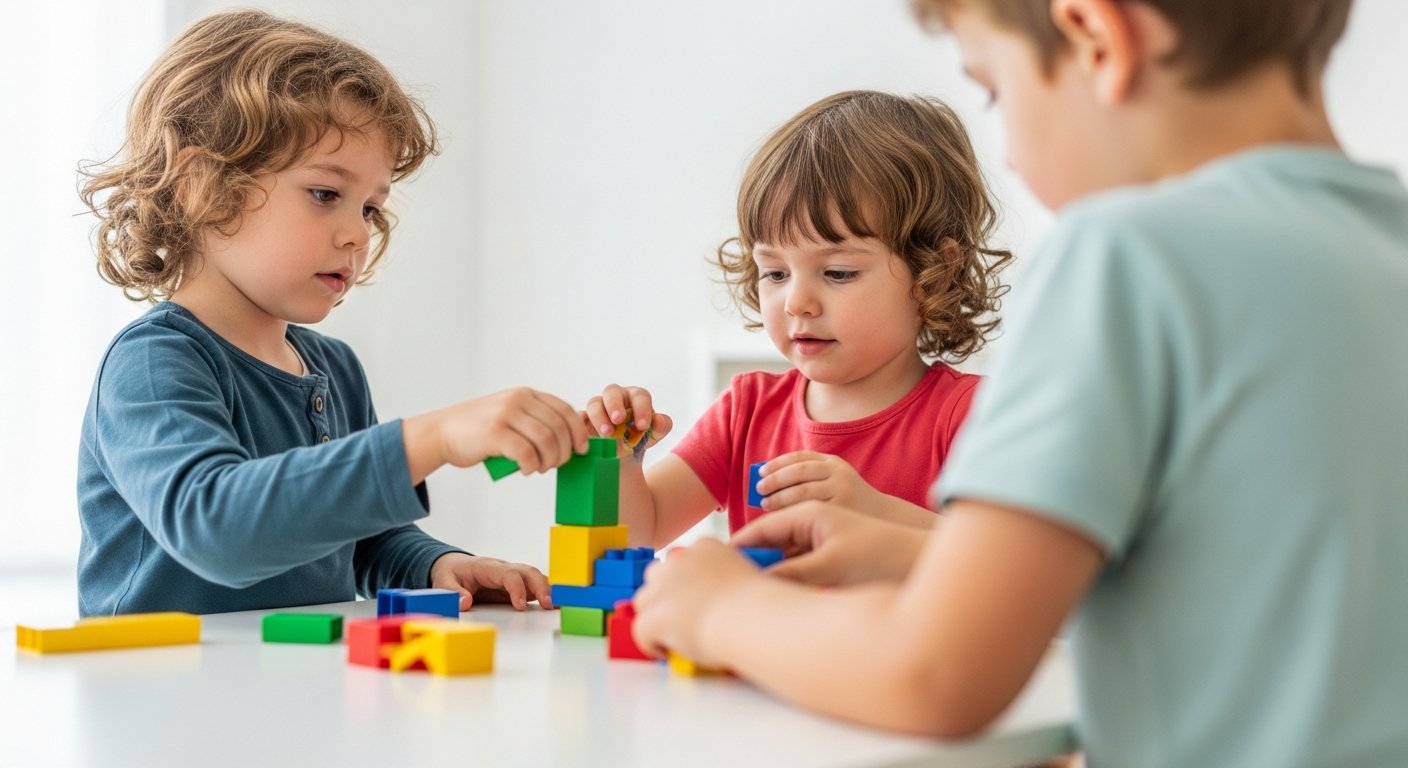
Table of Contents
- Introduction
- The Power of Purposeful Play: Why Birthdays Matter for Development
- Beyond the Big Bash: Meaningful Birthday Alternatives
- Creative Home Celebrations: Fun Birthday Activities for Kids at Home
- Active Games and Adventure Challenges
- Thoughtful Touches for a Smoother Celebration
- The Speech Blubs Difference: Supporting Communication Through Play
- Conclusion
- FAQ
The streamers are up, the cake is ready, and the excited chatter of children fills the air. It’s birthday party time! For many parents, this scene can quickly shift from joyful anticipation to a whirlwind of chaos. We’ve all been there: a room full of sugar-fueled little ones, an ambitious craft project that spiraled into a glitter explosion, or a game that lasted all of three minutes before attention spans wandered. The truth is, while we pour our hearts into creating memorable celebrations, the reality can often leave us feeling more drained than delighted.
But what if birthdays could be different? What if they could be truly fun, engaging, and even contribute to your child's developmental journey, especially their communication skills? At Speech Blubs, we believe that every moment, especially celebratory ones, offers a chance for growth, connection, and joy. Our mission is to empower children to "speak their minds and hearts," a philosophy that extends far beyond our app and into every aspect of a child's life, including their special day.

This blog post isn't just about party ideas; it's about shifting our mindset from simply entertaining to intentionally enriching. We’ll explore a diverse array of fun birthday activities for kids, from intimate "Yes Day" adventures to vibrant home-based celebrations and exciting outdoor escapades. We'll show you how to choose activities that spark genuine delight, encourage interaction, and foster crucial communication skills, ensuring that your child's special day is not only unforgettable but also meaningfully supportive of their growth. Get ready to transform birthday planning into an experience that you, and more importantly, your child, will genuinely cherish.
Introduction
Picture this: your child's eyes light up, not just from the candles on the cake, but from the sheer joy of a day tailor-made just for them. Birthdays are milestones, moments to celebrate growth, personality, and the unique magic of childhood. Yet, for many parents, the thought of planning a party can feel like preparing for a marathon. The pressure to create the "perfect" celebration, manage a lively group of children, and keep everyone engaged can quickly overshadow the fun. The result? Sometimes, both parents and children end up feeling overwhelmed rather than overjoyed.
We understand this challenge deeply. Our founders, who all grew up with speech problems, created Speech Blubs because they understood firsthand the power of effective communication and wished they had a tool that blended scientific principles with play. They built the tool they wished they had, dedicated to providing an immediate, effective, and joyful solution for the 1 in 4 children who need speech support. This same philosophy of joyful, purposeful engagement can transform birthday celebrations.
This guide aims to redefine birthday fun. We’ll move beyond the typical party clichés and dive into creative, age-appropriate activities that are designed not just to entertain, but to encourage interaction, boost confidence, and subtly nurture language and social skills. We'll explore ideas that range from adventurous outings to imaginative home-based play, ensuring there's something perfect for every child and every family. Our goal is to equip you with the inspiration and practical tips to plan a birthday celebration that creates lasting, positive memories and supports your child's holistic development, proving that truly fun birthday activities for kids can be both exciting and enriching.

The Power of Purposeful Play: Why Birthdays Matter for Development
A birthday party isn't just about presents and cake; it's a rich landscape for developmental growth. Every interaction, every game, and every shared laugh contributes to a child's social, emotional, and cognitive development. For children, especially those still developing their communication skills, these social settings offer invaluable practice.
Social and Emotional Benefits
Birthdays provide a unique opportunity for children to practice vital social skills. They learn about turn-taking during games, sharing resources like craft supplies, and expressing gratitude. Navigating the dynamics of a group, understanding different personalities, and even dealing with minor disagreements are all part of the learning process. These experiences build empathy and teach children how to be part of a community. Emotionally, a well-planned birthday can boost a child's self-esteem, making them feel celebrated and valued. It also provides a safe space for them to express excitement, joy, and even a little bit of playful competition. For children who might struggle with social interactions, a familiar, positive environment with engaging activities can reduce anxiety and encourage participation.
Cognitive and Language Development
Beyond the social sphere, birthday activities stimulate cognitive development through problem-solving (like a treasure hunt), creativity (crafts), and following multi-step instructions (setting up a game). For language development, birthdays are a goldmine. Children practice:
- Expressing Wants and Needs: "I want the blue crayon!" or "Can I go next?"
- Asking and Answering Questions: "What's your favorite color?" or "Where is the hidden clue?"
- Narrating and Describing: Explaining how they made their mask or recounting a moment from a game.
- Vocabulary Expansion: Learning new words related to activities, themes, or foods.
- Following Directions: Crucial for any game or craft activity.
These spontaneous language opportunities are incredibly powerful. At Speech Blubs, we champion this kind of active, engaged learning. Our app leverages "video modeling," where children learn by watching and imitating their peers, fostering communication through joyful, real-world examples. Birthday parties offer a similar dynamic, allowing children to observe and mimic their friends, building confidence in their own expressive abilities. We understand that practice makes perfect, and the more joyful practice a child gets in diverse environments, the stronger their communication skills become.
Beyond the Big Bash: Meaningful Birthday Alternatives
Sometimes, the most memorable celebrations aren't the biggest. The trend towards more personalized, experience-driven birthdays offers a wonderful alternative to traditional parties, fostering deeper connections and creating cherished memories.
The "Yes Day" Adventure
Inspired by the simple joy of letting kids lead, a "Yes Day" turns your child's birthday into an epic adventure of their choosing. This concept, where parents say "yes" (within reason!) to their child's ideas for the day, creates unparalleled excitement and a strong sense of autonomy. It’s about focusing on your child's individual interests and making them the star.
How it Nurtures Development: This approach heavily relies on your child articulating their desires. It encourages planning, negotiation (if they bring a friend), and descriptive language as they explain what they want to do. For a child who might be a "late talker" but loves animals, proposing a "Yes Day" visit to the zoo allows them to practice animal sounds and names, much like the engaging "Animal Kingdom" section in Speech Blubs. They might excitedly recount their day afterward, practicing narrative skills.
Ideas for a "Yes Day":
- Local Attractions: A trip to a children's museum, aquarium, science center, or a local amusement park. For the little builder, a LEGO Discovery Center could be a dream come true.
- Outdoor Exploration: A nature hike with a special picnic, a visit to a unique playground, or a day at the beach building sandcastles.
- Creative Outing: A pottery painting studio, a cookie decorating class, or a visit to a local theater for a kid-friendly show.
- Foodie Fun: Letting them choose every meal and snack, perhaps even visiting a special bakery for a treat.
- One-on-One Bonding: Especially for families with multiple children, a "Yes Day" with just one parent can be incredibly special, fostering deep connection and uninterrupted conversation.
The Staycation Adventure
Who says you need to travel far for an adventure? A staycation at a local hotel can feel like a luxurious getaway, especially with a pool! This option provides a change of scenery and often, amenities that aren't available at home.
Developmental Perks: Staying in a new environment encourages children to describe new surroundings, follow new routines, and interact with hotel staff (e.g., ordering room service, asking for towels). The pool is fantastic for following directions and describing actions ("I'm splashing!", "Look, I'm floating!"). If a friend joins, it's a great setting for collaborative play and sharing.
Tips for a Staycation:
- Pool Time is Prime Time: Most kids adore a hotel pool. Plan for plenty of swim time.
- Room Service Treat: A special meal delivered to the room can be a huge thrill.
- Movie Night: Many hotels offer on-demand movies, perfect for a cozy birthday film night.
- Explore Local: Even in your hometown, there might be hidden gems to explore near the hotel.
Skill-Building Experiences
Instead of physical gifts, consider gifting an experience that helps your child develop a new skill or indulge a passion.
How it Helps Communication: These activities often involve following expert instructions, asking clarifying questions, and describing the process and outcome. For example, a cooking class requires listening, sequencing, and using descriptive words for tastes and textures.
Examples:
- Cooking or Baking Class: Learning to make their favorite treat.
- Art Workshop: Exploring a new medium like pottery, painting, or even digital art.
- Music Lesson Taster: Trying out a new instrument.
- Sports Clinic: A beginner's session in a sport they're curious about.
Remember, the goal is to create joyful, meaningful moments. If you're looking for more ways to spark communication joy and build foundational skills, why not explore Speech Blubs? We offer "smart screen time" that truly works, blending scientific principles with play to create engaging experiences. Download Speech Blubs on the App Store or Google Play Store to begin your journey.
Creative Home Celebrations: Fun Birthday Activities for Kids at Home
Sometimes, the most comfortable and intimate setting for a birthday party is your own home. With a little creativity, you can transform your space into a hub of fun, learning, and connection. These activities are not only entertaining but also provide fantastic opportunities for communication and skill-building.
The Art Studio Extravaganza
Unleash your child's inner artist with a themed art station. This approach allows for individual expression while providing a shared activity.
Communication & Development Focus: Art encourages children to describe their creations, choose colors, and follow instructions. For a child learning to express complex ideas, simply describing their artwork can be a powerful step. Just like in Speech Blubs, where children imitate and learn new words, an art station allows them to explore and name new tools, colors, and textures.
Ideas for an Art Extravaganza:
- DIY Party Hat Station: Provide plain paper hats, stickers, glitter, feathers, pipe cleaners, and markers. Children can design their own unique party hats, which they can then proudly wear throughout the celebration. This activity encourages creativity and fine motor skills.
- Tote Bag Painting: Set up plain canvas tote bags with fabric paints and stencils. Kids can design their own bags to take home, making a practical and personalized party favor. This involves color recognition, pattern creation, and descriptive language.
- Puppet Crafting Station: Use paper bags, socks, or even craft sticks as bases. Provide googly eyes, yarn, felt, and glue. Children can create their own puppet characters and then put on an impromptu show. This is excellent for imaginative play, character voice practice, and storytelling.
- Mask Making: With paper plates, elastic string, markers, and decorative elements, kids can craft animal, superhero, or fantasy masks. They can then pretend to be their characters, using expressive language and actions.
- Temporary Art Gallery Wall: As children finish their art projects, designate a wall or board to display their masterpieces. This celebrates their efforts and gives them a chance to describe their work to others.
Hands-On Crafting Corner
Engaging in crafts builds fine motor skills, patience, and provides a tangible take-home memory.
Communication & Development Focus: Crafts often involve following a sequence of steps, which is vital for understanding instructions. Children will use words related to colors, shapes, tools, and actions ("cut," "glue," "tie"). For instance, a friendship bracelet station can involve describing bead colors and patterns, while a fairy garden sparks imaginative play and descriptive language about miniature worlds.
Crafting Ideas:
- Bead Jewelry Making: Offer a variety of colorful beads, strings, and clasps. Younger children can use larger beads or even painted pasta. This is a mess-free activity that results in a personalized accessory.
- DIY Friendship Bracelets: Provide embroidery thread in many colors and teach simple knotting techniques. This is particularly engaging for older kids and encourages social bonding as they make bracelets for each other.
- Fairy Crafting Station: Small plants, tiny figurines, and decorative elements can create miniature fairy gardens. This sparks imaginative play and detailed descriptions of the fairy world.
- Cape Design Station: Provide plain fabric capes or large felt pieces. Offer fabric markers, felt shapes, and glue for kids to design their own superhero or magical capes. This promotes imaginative role-playing and storytelling.
Sensory and Science Fun
For curious minds, incorporating sensory play or simple science experiments can be incredibly captivating.
Communication & Development Focus: These activities encourage observation, hypothesis, and description. Making slime, for example, involves describing textures ("slimy," "sticky"), measuring ingredients, and explaining changes. It's a fantastic way to introduce new vocabulary related to science and sensory experiences.
Sensory & Science Ideas:
- DIY Slime Station: Provide glue, baking soda, contact lens solution, and optional glitter or food coloring. Kids love the tactile experience and the process of creating their own slime. They'll enthusiastically describe its properties.
- Volcano Eruptions: Using baking soda and vinegar, create mini volcanoes. This simple experiment is always a hit and provides opportunities to talk about chemical reactions and observations.
- Edible Science: Making "dirt cups" with crushed Oreos and gummy worms or creating colorful layered drinks. This engages multiple senses and encourages discussions about ingredients and processes.
For a family whose 3-year-old loves playing with textures but is a "late talker," the "Yummy Time" section in Speech Blubs offers engaging video modeling activities that use food-related vocabulary, complementing the sensory learning of a slime or edible science station. It reinforces words and concepts in a fun, interactive way, turning screen time into smart learning time.
Active Games and Adventure Challenges
Movement and friendly competition are cornerstones of a fun birthday party. These activities get kids active, burn off energy, and foster teamwork and sportsmanship.
Indoor Game Galore
Even when confined indoors, there's no shortage of active fun to be had.
Communication & Development Focus: Indoor games emphasize following rules, taking turns, and using spatial language ("over," "under," "around"). A scavenger hunt specifically encourages listening comprehension, asking clarifying questions, and describing locations.
Indoor Game Ideas:
- Limbo: All you need is a broomstick and some music. Kids love seeing how low they can go. This encourages physical flexibility and laughter.
- Balancing Act: Wrap lightweight boxes in colorful paper. Have children balance them on their heads while walking. Increase the pace or add obstacles. This helps with coordination and focus.
- Musical Statues/Musical Chairs: Classic games that are always a hit, promoting listening skills and quick reactions.
- Scavenger Hunt: Hide clues around the house that lead to a final "treasure" (like the birthday cake or party favors). This is excellent for problem-solving, reading (for older kids), and following multi-step instructions. For younger children, use picture clues.
- Building Challenges: Provide LEGOs, blocks, or even cardboard boxes and challenge kids to build the tallest tower, a fort, or a specific object. This fosters creativity, collaboration, and descriptive language as they explain their designs.
Outdoor Adventures and Sports Day
If you have a yard or access to a park, the possibilities for active play expand significantly.
Communication & Development Focus: Outdoor games often involve more elaborate rules, requiring clearer explanations and more complex communication. Team games, in particular, promote negotiation, encouragement, and strategic planning. A treasure hunt outdoors adds an element of exploration and descriptive language about natural surroundings.
Outdoor Game Ideas:
- Treasure Hunt: Similar to the indoor version, but clues can be hidden under rocks, in trees, or near specific plants. This adds an exciting dimension of exploration.
- Outdoor Tic-Tac-Toe: Use a shower curtain or a large tarp on the ground, mark out a grid with tape, and use frisbees or beanbags as "X" and "O" markers.
- Can Toss: Decorate empty tin cans, stack them in a pyramid, and have kids toss beanbags to knock them down. Simple, yet satisfying.
- Water Balloon Games (Warm Weather): Water balloon toss, water balloon target practice, or a water balloon fight. Always a refreshing and exciting choice!
- DIY Obstacle Course: Use whatever you have: hula hoops to jump through, blankets to crawl under, cones to weave around, or even pool noodles to create hurdles. This encourages following directions, physical coordination, and cheering on friends.
- Relay Races: Simple running races, three-legged races, or even a cone relay where kids pass an object using only ice cream cones. These promote teamwork and friendly competition.
These active games are not just about burning energy; they are crucial for developing gross motor skills, coordination, and the ability to follow instructions. When a child enthusiastically describes their winning shot or how they navigated the obstacle course, they are building vital narrative and descriptive language skills. At Speech Blubs, we believe in supporting this kind of joyful communication development. Whether it's through interactive play with peers in our app or active games at a party, every moment of engagement helps a child speak their mind and heart with greater confidence.
Thoughtful Touches for a Smoother Celebration
Beyond the main activities, small details can significantly impact the flow and enjoyment of a birthday party for both children and adults. Thinking ahead about practicalities can prevent common pitfalls and enhance the overall experience.
Managing Gifts and Favors
Two common areas of contention for parents are gifts and goodie bags. With a thoughtful approach, these can be transformed into less stressful, more meaningful elements of the celebration.
Goodie Bag Alternatives: Many parents dread the plastic trinkets and excessive candy often found in traditional goodie bags. Consider consumable or experience-based favors:
- Personalized Cookies: A beautifully decorated cookie related to the party theme is a delightful and delicious treat that disappears once enjoyed.
- Small Books: A themed children's book can be a lasting and educational memento.
- Seed Packets: Encourages kids to grow something, connecting to nature.
- Craft Supplies: A small pack of crayons, a mini sketchbook, or a unique sticker sheet.
- "Experience" Coupons: A coupon for a free scoop of ice cream at a local shop.
"No Gifts" Policy: It might sound radical, but many families are opting for a "no gifts" policy. This can significantly reduce clutter, stress, and the perceived pressure on guests.
- Communicate Clearly: State "Your presence is your present!" or "No gifts, please" on the invitation.
- Explain to Your Child: Help them understand that they will still receive special gifts from family, and the focus is on celebrating with friends.
- Alternative Giving: Some families suggest a charity donation in lieu of gifts, or ask for contributions towards a larger "experience gift" (like a membership to a museum or a sports event).
- Homemade Cards: Encourage guests to bring homemade cards instead, which are often more cherished than store-bought items.
Creating an Inclusive Environment
Every child is unique, and a truly fun birthday party considers the diverse needs and personalities of its young guests.
- Offer Choices: Not all children will enjoy every activity. Having a quiet coloring station alongside an active game allows children to self-regulate and choose what feels comfortable.
- Sensory Considerations: Be mindful of loud music, flashing lights, or strong smells that might overwhelm some children. Provide a "calm down" corner with cushions and quiet activities if needed.
- Visual Schedules: For children who thrive on predictability, a simple visual schedule of the party's events (e.g., "Arrive -> Play Time -> Cake -> Gifts -> Go Home") can reduce anxiety.
- Parental Support: Ensure there are enough adults to supervise and assist, especially with younger children or larger groups.
Setting Realistic Expectations
Remember that a child's birthday is about joy, not perfection.
- Focus on Connection: Prioritize quality interactions over elaborate decorations or a packed schedule.
- Flexibility is Key: Be prepared for activities to run longer or shorter than planned, or for a sudden change of interest.
- Embrace the Imperfect: A little chaos is often part of the fun. Let go of the need for everything to be Pinterest-perfect.
- Involve Your Child: Let them help plan within reasonable boundaries. This gives them ownership and excitement, and it's a fantastic opportunity for them to practice expressing their preferences.
By incorporating these thoughtful touches, you can create a birthday celebration that is not only packed with fun birthday activities for kids but also runs more smoothly, is more inclusive, and truly reflects the spirit of celebration without unnecessary stress. These moments of connection and joy are what we strive for at Speech Blubs, providing tools that help children communicate effectively and joyfully navigate all of life's special occasions.
The Speech Blubs Difference: Supporting Communication Through Play
At Speech Blubs, we believe that learning to communicate should be an adventure, not a chore. This philosophy is deeply embedded in everything we do, from our app's design to the advice we offer parents. As you plan your child's fun birthday activities, remember that every interaction is a building block for their communication journey.
Our Mission and Methodology
Our company was born from the personal experiences of our founders, who all grew up with speech problems. They created the tool they wished they had: an immediate, effective, and joyful solution for the 1 in 4 children who need speech support. We are committed to empowering children to "speak their minds and hearts" by blending scientific principles with play into one-of-a-kind "smart screen time" experiences.
A cornerstone of our approach is video modeling. Children learn by watching and imitating their peers, activating mirror neurons in the brain that are crucial for speech and language development. This natural learning process is incredibly powerful and engaging. Unlike passive viewing like cartoons, Speech Blubs provides an active, interactive, and screen-free alternative that fosters family connection and developmental growth. For a parent whose child is shy or struggles with imitation, the structured yet playful environment of Speech Blubs offers a safe space to practice, and our approach is backed by extensive research, placing us in the top tier of speech apps worldwide.
How Speech Blubs Complements Birthday Fun
Think of Speech Blubs as a powerful supplement to your child's overall development plan, including their social interactions at parties.
- Building Confidence: The app helps children develop foundational speech and language skills, which in turn builds their confidence to participate in conversations and activities during a birthday party. A child who can express themselves more clearly is more likely to engage with friends.
- Vocabulary Expansion: Our diverse themes—from "Animal Kingdom" to "Yummy Time" and "When I Grow Up"—introduce a wide range of vocabulary that can be directly applied to party themes, crafts, and games. For example, practicing animal sounds in the app can lead to more enthusiastic participation in a safari-themed mask-making activity.
- Encouraging Imitation and Interaction: The video modeling in Speech Blubs trains children to observe and imitate. This skill is invaluable in social settings like parties, where children learn new games by watching their peers or practice new words and phrases by imitating friends.
- Smart Screen Time: In a world where screens are inevitable, Speech Blubs offers a productive alternative. It’s screen time that genuinely nurtures development and can be used as a fun, educational warm-up before a party or a relaxing, brain-boosting cool-down afterward.
We understand that parents are looking for tools that truly make a difference. Speech Blubs is designed to be that difference, providing joyful learning moments that lay the groundwork for a lifetime of confident communication. Many parents have seen remarkable progress, and you can read their success stories and testimonials here.
Getting Started with Speech Blubs: Our Plans
Ready to bring the power of joyful communication to your child's daily life, complementing their fun birthday activities and beyond? We offer flexible plans to suit your family's needs.
- Monthly Plan: Priced at $14.99 per month.
- Yearly Plan: Our most popular and best-value option, at just $59.99 per year. That breaks down to an incredible $4.99 per month, allowing you to save 66% compared to the monthly plan!
Why Choose the Yearly Plan? The Yearly Plan isn't just cheaper; it offers a suite of exclusive, high-value features designed to give your child the best possible start:
- 7-Day Free Trial: Try out all the features and see the Speech Blubs difference for yourself before committing.
- The Extra Reading Blubs App: Unlock access to our companion app, designed to further support literacy skills.
- Early Access to New Updates: Be among the first to experience new activities and features.
- 24-Hour Support Response Time: Get your questions answered quickly and efficiently by our dedicated support team.
The Monthly Plan, while flexible, does not include these fantastic benefits.
We encourage you to choose the Yearly Plan to get the free trial and the full suite of features that will truly empower your child's communication journey. Unsure if Speech Blubs is right for your child? Take our quick 3-minute preliminary screener to get a simple assessment and a free 7-day trial. You can also create your account and begin your 7-day free trial today. We're excited to be part of your family's story.
Conclusion
Planning a child's birthday party can be a joyful and enriching experience when approached with creativity, empathy, and a focus on meaningful engagement. We've explored a wide array of fun birthday activities for kids, from personalized "Yes Day" adventures and engaging staycations to vibrant home-based art projects and energetic outdoor games. Each idea offers not just entertainment but also invaluable opportunities for children to develop crucial social, emotional, cognitive, and, most importantly, communication skills.
Remember, the goal isn't perfection, but connection. It’s about creating an atmosphere where your child feels celebrated, confident, and free to express their true self. By choosing activities that resonate with your child’s interests and gently encourage interaction, you’re fostering a love for communication and building foundational skills that will serve them long after the last candle is blown out.
Just as these celebratory moments nurture growth, so too does focused, engaging learning. At Speech Blubs, we are dedicated to providing children with the tools they need to "speak their minds and hearts." Our app offers "smart screen time" that complements these real-world experiences, utilizing video modeling to make speech and language development fun, effective, and accessible.
Ready to empower your child with the gift of confident communication? Begin your journey today. We invite you to explore the full potential of Speech Blubs. Download the app on the App Store or Google Play Store and start your 7-day free trial. For the best value and access to exclusive features like the Reading Blubs app and early updates, be sure to select the Yearly Plan at just $59.99/year. Let’s celebrate growth, one joyful word at a time!
FAQ
Q1: How do I choose the best birthday activity for my child's age group?
A1: Consider your child's developmental stage and interests. For toddlers, simple sensory activities and short, familiar games are best. Preschoolers enjoy imaginative play, basic crafts, and active games with clear rules. School-aged children can handle more complex projects, team challenges, and structured outings. Involve your child in the decision-making process to ensure their enthusiasm.
Q2: How can I make a birthday party fun for children with varying communication levels?
A2: Focus on activities that allow for different modes of expression – verbal, non-verbal, and creative. Visual aids (like picture schedules), repetitive songs, and open-ended crafts (where there's no "wrong" way to do it) can be very inclusive. Partnering children for activities can also encourage peer-to-peer interaction. Remember that Speech Blubs offers a structured yet playful way to build confidence, which can then translate into social settings.
Q3: What are some tips for keeping kids engaged throughout the party?
A3: Plan a variety of activities to switch between, especially if attention spans are short. Have a clear, but flexible, schedule. Keep transitions smooth, and always have a backup activity in mind (like coloring sheets or bubbles) if an activity isn't going as planned. Ensure enough adult supervision to guide play and prevent meltdowns.
Q4: How can I incorporate developmental learning into party activities without making it feel like school?
A4: The key is to make learning seamless and fun. For example, during a scavenger hunt, encourage descriptive language ("It's hidden under the big, red bucket!"). During crafts, ask open-ended questions about their choices ("Tell me about your superhero's powers!") rather than testing. These natural interactions, much like the engaging, play-based learning in Speech Blubs, make developmental growth feel like pure enjoyment.
About the author