
Fun Christmas Activities for Kids & Families
 By Speech Blubs Team•Dec 19, 2025•22 min.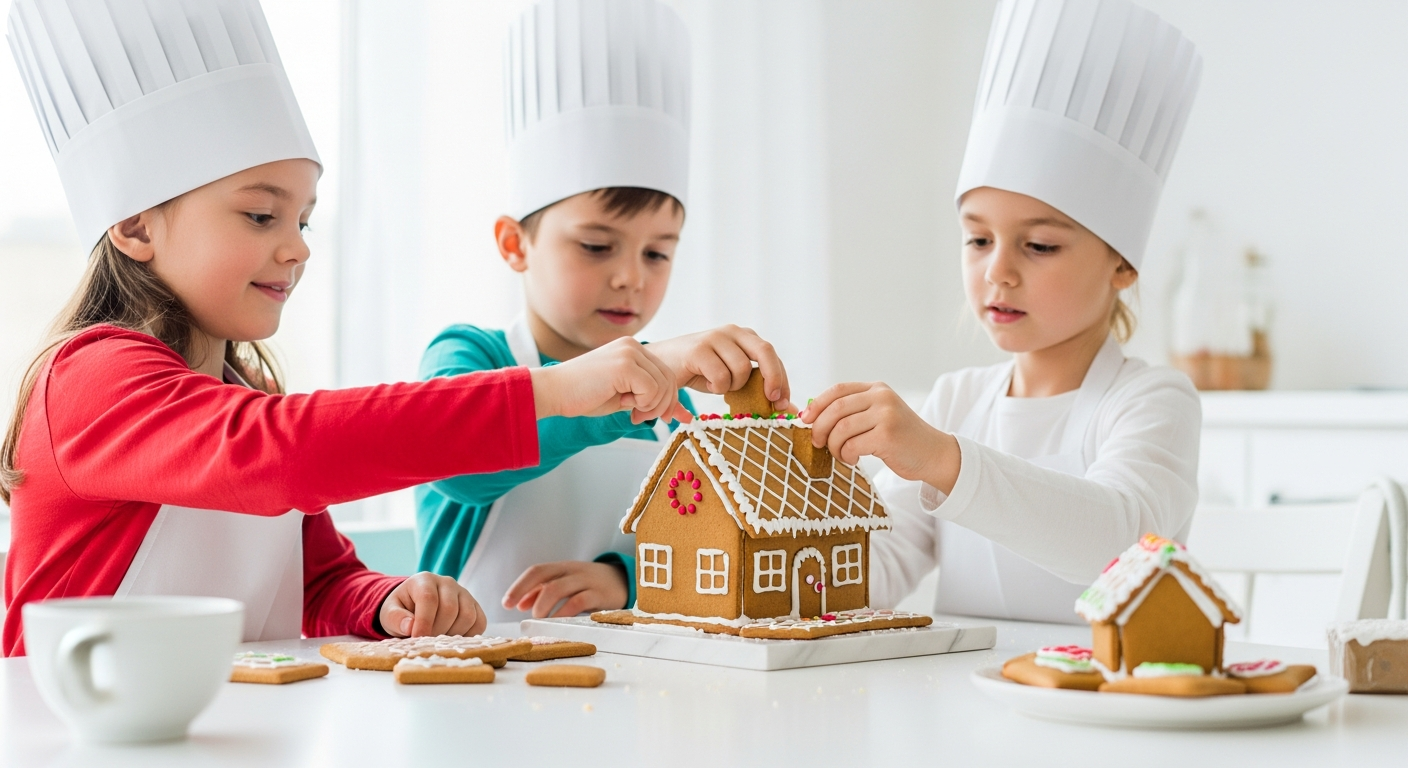
Table of Contents
- The Magic of Christmas: A Time for Connection and Growth
- Setting the Stage: Creating a Language-Rich Christmas Environment
- Creative Crafts for Little Hands and Busy Minds
- Baking & Cooking Up Christmas Cheer (and Language Skills!)
- Sensory Play for Festive Exploration
- Outdoor & Active Christmas Adventures
- Bringing Stories to Life: Imaginative Play & Reading
- Connecting with Community: Giving Back & Sharing Joy
- Speech Blubs: Your Partner in Festive Communication
- Maximizing Your Speech Blubs Experience This Christmas
- Unlocking Full Value: The Speech Blubs Yearly Plan
- Conclusion
- FAQ
Introduction
The air crackles with excitement as the holidays draw near, tiny hands reach for sparkling ornaments, and the scent of gingerbread fills the kitchen. Christmas is a magical time, not just for gift-giving and festive cheer, but also for creating cherished memories and fostering incredible developmental growth in children. It’s a season rich with sensory experiences, new vocabulary, social interactions, and opportunities for imaginative play – all essential ingredients for communication development.
For parents, the holidays can sometimes feel overwhelming, but they also present a unique chance to slow down, connect, and engage with our children in meaningful ways. This blog post is dedicated to exploring a wealth of fun, enriching Christmas activity ideas for kids and families. We’ll dive into crafts, baking, sensory play, storytelling, and community involvement, showing how each activity can become a stepping stone for language learning, confidence building, and joyful family bonding. Beyond the fun, we’ll also reveal how tools like Speech Blubs can seamlessly integrate into these festive moments, enhancing your child's communication journey and helping them truly speak their minds and hearts.

The Magic of Christmas: A Time for Connection and Growth
Christmas holds a special enchantment for children, a period brimming with wonder, anticipation, and unique traditions. This season, more than any other, offers a profound opportunity for connection and holistic development. It’s a time when families gather, stories are shared, and new experiences abound, all of which are critical for a child's growth, especially in the realm of communication.
Beyond the Fun: Developmental Benefits of Festive Activities
Engaging in Christmas activities isn't just about entertainment; it's a powerful catalyst for cognitive, emotional, social, and language development. When children participate in decorating, baking, or crafting, they are actively learning, exploring, and expressing themselves.
- Language Acquisition: Each new ornament, every ingredient in a cookie recipe, and every character in a Christmas story introduces new vocabulary. Describing the "sparkly" star, the "sweet" gingerbread, or the "jolly" Santa expands a child’s lexicon and understanding of descriptive words, verbs, and nouns.
- Social Skills: Group activities like singing carols, preparing meals together, or visiting family members teach invaluable social cues, turn-taking, sharing, and empathetic responses. These interactions are fundamental for developing strong interpersonal communication skills.
- Cognitive Development: Following instructions for a craft, sequencing steps in a recipe, or problem-solving during a building project all sharpen cognitive functions such as memory, attention span, and logical reasoning.
- Emotional Expression: The holidays can evoke a wide range of emotions – joy, excitement, anticipation, and sometimes even a little overwhelm. Participating in activities provides a safe space for children to express these feelings, talk about what they're experiencing, and learn to manage their emotions.
- Fine and Gross Motor Skills: From carefully placing sprinkles on a cookie to stringing popcorn for garland, Christmas crafts and activities are excellent for refining fine motor skills. Outdoor play, like building a snowman, engages gross motor skills, enhancing coordination and physical development.
At Speech Blubs, we understand that play is a child’s natural language and the most effective pathway to learning. We are committed to providing an immediate, effective, and joyful solution for the 1 in 4 children who need speech support. Our approach blends scientific principles with play into one-of-a-kind "smart screen time" experiences that complement these real-world activities. We believe that by creating a language-rich environment during the holidays, parents lay a strong foundation for their child's communication success and overall well-being.

Setting the Stage: Creating a Language-Rich Christmas Environment
Transforming your home into a festive wonderland offers countless opportunities to immerse your child in a rich linguistic environment. Every decoration, song, and story becomes a prompt for conversation, description, and engagement.
Decorating Together: A Symphony of Words
Decorating the Christmas tree or hanging festive lights is much more than just an annual chore; it's an interactive language lesson waiting to happen. Involve your child in every step, from unpacking the ornaments to placing them on the branches.
- Describe Everything: Talk about the colors ("Look at the shiny red ball!"), shapes ("This ornament is a round star"), textures ("Feel this soft garland"), and sizes ("Here's a tiny elf, and a big snowman!").
- Action Verbs: Use action words as you decorate: "Let's hang the bauble," "Can you untangle the lights?", "We need to place the angel on top."
- Spatial Concepts: Practice prepositions: "Put the star on top," "The lights go around the tree," "The presents sit under the tree."
- Recalling Memories: As you unbox old ornaments, share stories about where they came from or special memories associated with them. "Do you remember when Grandma gave us this reindeer?" This encourages narrative skills and emotional connection.
For a parent whose child is working on expanding their descriptive vocabulary, the act of decorating offers a perfect, real-world context. Words like "sparkly," "smooth," "prickly," or "bright" can be practiced and reinforced as they interact with decorations. Speech Blubs supports this by providing engaging activities that teach these descriptive terms through our unique video modeling methodology, allowing children to learn by imitating their peers.
Christmas Music: Rhyme, Rhythm, and New Vocabulary
Christmas carols are not just beautiful; they are fantastic tools for language development.
- Sing Along: Encourage singing, even if it's just humming or repeating simple phrases. Singing helps with rhythm, pronunciation, and memory.
- Identify Sounds: Talk about the different instruments you hear. "That's a bell ringing!" "Can you hear the flute?"
- Discuss Lyrics: For older children, discuss the meaning of the song lyrics, introducing historical context or new vocabulary. "What does 'figgy pudding' mean?"
- Movement to Music: Clap, dance, or move to the beat. This connects auditory processing with physical expression.
Storytelling: Reading Christmas Books and Crafting Tales
Reading Christmas-themed books is a classic holiday activity that profoundly impacts language development.
- Interactive Reading: Don't just read; engage! Ask questions: "What do you think Santa will do next?" "How does the little elf feel?" Point to pictures and name objects.
- Predicting Outcomes: Encourage your child to predict what might happen next in the story, building narrative skills and comprehension.
- Create Your Own Stories: After reading, try making up your own Christmas stories. Use props like stuffed animals or holiday figures to inspire imaginative play. "What if Rudolph lost his nose?"
Creative Crafts for Little Hands and Busy Minds
Christmas crafts are a goldmine for language development, offering tactile experiences, opportunities to follow instructions, and chances to express creativity.
Ornament Making: A Canvas for Communication
Crafting homemade ornaments provides a wonderful opportunity for communication and fine motor skill development.
- Materials Talk: Describe the materials you're using: "This glitter is sparkly," "The pipe cleaners are bendy," "We need sticky glue."
- Following Directions: Give simple, clear instructions: "First, glue the cotton ball. Then, add the eyes." This helps children practice receptive language skills.
- Descriptive Language: Encourage your child to describe their creation. "Tell me about your reindeer. What color is his nose?"
- Requesting: When you have multiple options, encourage your child to make choices and request items: "May I have the blue ribbon, please?"
DIY Christmas Cards: Expressing Joy and Gratitude
Creating personalized Christmas cards for family and friends helps children understand the concept of giving and expressing feelings.
- Recipient Discussion: Talk about who each card is for and what you love about that person. This fosters empathy and social awareness.
- Drawing and Dictating: Let younger children draw, and then help them dictate a message to write inside. This connects spoken words to written language.
- Descriptive Artwork: Encourage them to describe their drawing: "This is a snow globe, and the snowman is smiling!"
Gingerbread House Decorating: Sweet Sequencing and Sharing
Decorating a gingerbread house is a delightful activity that involves planning, fine motor skills, and lots of descriptive language.
- Sequencing: This activity is perfect for practicing sequencing words: "First, we put on the frosting. Next, we add the gumdrops. Finally, the candy canes go on the roof!"
- Requesting Specifics: "Can you pass me the red M&Ms?" "I need more white icing."
- Sharing and Collaborating: If multiple children (or adults!) are decorating, it's a great opportunity to practice sharing materials and working together.
Baking & Cooking Up Christmas Cheer (and Language Skills!)
The kitchen transforms into a language laboratory during the holidays. Baking and cooking offer multi-sensory experiences that are inherently language-rich.
Cookie Decorating: A Feast for the Senses and Language
Decorating Christmas cookies is a beloved tradition that's packed with developmental benefits.
- Colors and Shapes: Name the different colored icings and sprinkles, and identify the shapes of the cookies. "We have green icing and star-shaped sprinkles for the tree cookie."
- Action Verbs: Use action verbs throughout the process: "We need to spread the icing," "Let's sprinkle the glitter," "Can you cut out another cookie?"
- Sensory Descriptions: Talk about how things look, smell, and taste. "The dough feels soft and sticky," "Mmm, the gingerbread smells spicy," "These cookies taste sweet!"
- Following a Recipe: Even for young children, following simple steps in a recipe reinforces listening skills and sequential understanding.
Christmas Meal Prep: Vocabulary and Teamwork
Involving children in preparing holiday meals, even in small ways, can significantly boost their vocabulary and sense of contribution.
- Food Vocabulary: Introduce new food names and categories: "This is a cranberry," "These are roasted vegetables."
- Tool Names: Name kitchen tools: "We need a whisk for the eggs," "Can you hand me the spoon?"
- Action Verbs: Use verbs related to cooking: "Let's stir the sauce," "We need to chop the carrots," "Can you pour the milk?"
- Healthy Eating Talk: Discuss the ingredients and their nutritional value. "Carrots are good for your eyes!"
Sensory Play for Festive Exploration
Sensory play is crucial for brain development and can be wonderfully themed for Christmas, offering tactile, olfactory, and visual stimulation that sparks language.
Christmas-Themed Sensory Bins: A World of Discovery
Create a festive sensory bin using rice, dried beans, or fake snow as a base, then add Christmas-themed items.
- Object Identification: Hide small ornaments, mini pinecones, bells, or tiny wrapped presents. Encourage your child to find and name each item.
- Descriptive Words: Describe the textures ("The pinecone is rough," "The rice is smooth"), sounds ("Listen to the jingle bells!"), and smells (add cinnamon sticks or cloves).
- Imaginative Play: Provide scoops, cups, and small toys for open-ended play. "The elf is digging for presents!" "Can you fill the cup with snow?"
Scented Playdough: Aromatic Language Learning
Make or buy playdough in Christmas colors (red, green, white) and add festive scents.
- Smell Vocabulary: Add cinnamon, peppermint, gingerbread spice, or even a drop of essential oil (child-safe and diluted). Encourage children to describe the smells: "Spicy," "minty," "sweet."
- Action Verbs: As they play, use verbs like "roll," "knead," "squish," "cut," "press."
- Creating Stories: Encourage them to sculpt Christmas items and tell stories about them. "This is a little snowman, and he's going to the North Pole!"
For a child who is just beginning to use descriptive words, focusing on sensory experiences is incredibly impactful. Our app, Speech Blubs, offers categories like "Colors and Shapes" and "Feelings" that can lay the groundwork for a child to express what they encounter in a sensory bin or with scented playdough, making these real-world activities even more fruitful. Ready to enhance your child's communication journey? Download Speech Blubs on the App Store or Google Play today!
Outdoor & Active Christmas Adventures
The holidays also offer fantastic reasons to get outdoors, even in chilly weather, providing sensory input and new opportunities for observation and description.
Christmas Light Tours: A Visual Feast for Language
A drive or walk to see Christmas lights is a simple yet effective way to spark conversation.
- Pointing and Naming: Encourage your child to point out lights and decorations they see and name them. "Look! A star!" "I see a reindeer!"
- Colors and Patterns: Discuss the different colors and patterns of the lights. "Those lights are twinkling!" "This house has all blue lights."
- Expressing Awe: Model words of wonder and excitement: "Wow! That's so beautiful!" "Isn't that amazing?"
Winter Walks: Describing the Season
If you live in an area with snow, a winter walk becomes a sensory adventure.
- Weather Talk: Describe the weather: "It's cold," "The snow is fluffy," "It's windy today."
- Observations: Point out signs of winter: "The trees are bare," "Look at the icicles," "Do you see any animal tracks?"
- Action Verbs: Use action verbs related to winter activities: "Let's crunch through the snow," "Can you stomp your feet?"
Building a Snowman or Snow Fort: Imaginative Play in Action
Building with snow is a classic winter activity that provides ample language opportunities.
- Following Directions: Give and follow directions for building: "First, make a big snowball. Then, stack it on top."
- Descriptive Language: Describe the snow: "Wet," "sticky," "cold." Describe the snowman's features: "Round tummy," "carrot nose," "twig arms."
- Imaginative Play: Create a story around your snowman or fort. "Our snowman is wearing a scarf because he's chilly!"
Bringing Stories to Life: Imaginative Play & Reading
Christmas is a prime time for imaginative play and diving into stories, both of which are cornerstone activities for language and social-emotional growth.
Christmas-Themed Dramatic Play: Stepping into Characters
Set up a simple dramatic play area with Christmas props, and encourage your child to act out scenarios.
- Role-Playing: Pretend to be Santa, an elf, a reindeer, or a gingerbread person. This encourages taking on different perspectives and using varied vocal tones.
- Creating Dialogues: Prompt conversations between characters: "What does Santa say when he delivers presents?" "How does the elf ask for help?"
- Vocabulary Expansion: Introduce vocabulary related to the roles: "Santa needs his sleigh," "The elves are in the workshop."
Reading Christmas Books: Beyond the Words
As mentioned earlier, reading is paramount. Beyond simple story time, integrate interactive elements.
- Predicting and Recalling: Ask open-ended questions before, during, and after reading. "What do you think will happen next?" "Who was your favorite character?"
- Retelling: Encourage your child to retell the story in their own words, perhaps using puppets or drawings. This builds narrative skills.
- Connecting to Real Life: Discuss how the story relates to your family's Christmas traditions or their own feelings.
For a parent whose child is working on expanding their narrative skills or expressing desires, having a structured approach can make a big difference. Our app offers sections that help children learn to string words together and express their wants and needs. For example, if a child loves animals, our "Animal Kingdom" section helps them practice sounds and names, which can then be applied to characters in Christmas stories or dramatic play scenarios, making learning feel natural and fun. Start your 7-day free trial today by signing up on our website to explore these engaging activities.
Connecting with Community: Giving Back & Sharing Joy
Christmas is a wonderful time to teach children about empathy, generosity, and the joy of giving, which inherently involves communication and social understanding.
Making Gifts for Others: A Lesson in Thoughtfulness
Involve your child in making simple gifts for grandparents, teachers, or friends.
- Discussing the Recipient: Talk about the person you're making the gift for. "What does Grandma like?" "What makes Mrs. Smith happy?" This fosters empathy and perspective-taking.
- Expressing Gratitude: Encourage your child to think about why they are thankful for the person they're making the gift for.
- Describing the Process: As you make the gift, describe the steps and materials, just as you would with other crafts.
Visiting Loved Ones: Social Greetings and Conversation
Holiday gatherings provide rich opportunities for practicing social communication skills.
- Greetings and Farewells: Practice saying "hello" and "goodbye" appropriately.
- Asking and Answering Questions: Encourage your child to ask simple questions of relatives and answer questions directed to them. Role-play scenarios beforehand to build confidence.
- Sharing Experiences: Help your child share stories about their Christmas activities or what they're looking forward to.
Age-Appropriate Volunteering: Understanding Community
Even young children can participate in simple acts of kindness or volunteering, fostering a sense of community and empathy.
- Donating Toys/Clothes: Involve them in choosing toys or clothes to donate, explaining where they will go and who they will help.
- Helping Neighbors: Raking leaves for an elderly neighbor or delivering homemade treats.
- Discussing Impact: Talk about how these actions make others feel and the positive impact they have.
Speech Blubs: Your Partner in Festive Communication
At Speech Blubs, we believe that every child deserves the chance to speak their minds and hearts. Our company was born from the personal experiences of our founders, who all grew up with speech problems and created the tool they wished they had. We understand the challenges and the triumphs, and we are committed to providing an immediate, effective, and joyful solution for the 1 in 4 children who need speech support.
Our Unique Approach: Smart Screen Time and Video Modeling
In a world filled with passive screen time, we offer a "smart screen time" experience. Unlike watching cartoons, Speech Blubs is an active, engaging, and interactive tool designed to foster crucial communication skills. We blend scientific principles with play, making learning fun and effective. Our unique approach centers on our "video modeling" methodology, where children learn by watching and imitating their peers. This technique leverages mirror neurons in the brain, making it incredibly intuitive and powerful for language acquisition. It provides a screen-free alternative to passive viewing and a powerful tool for family connection, as parents are encouraged to play and learn alongside their children.
For example, imagine your child is enjoying a Christmas activity like decorating cookies. They might be working on describing colors or requesting specific items. Our app can reinforce these skills. If they are practicing saying "red" or "sprinkle" within the app, they can immediately apply these words in a real-world context while decorating. For a parent whose child is a "late talker" and struggles with imitation, the peer models in Speech Blubs provide a clear, engaging example that traditional adult-only modeling might not achieve as readily. This helps reduce frustration and builds confidence, making the communication journey a positive one.
Our methodology is backed by science and proven effective, placing us in the top tier of speech apps worldwide. We've received a high MARS scale rating, a testament to our commitment to quality and efficacy. You can explore our research page to learn more about the science behind what we do. Don't just take our word for it; see what other parents are saying about their child's success with Speech Blubs by visiting our testimonials page.
Fostering a Love for Communication, Not Just Words
While our app helps children develop foundational speech and language skills, our ultimate goal is to foster a love for communication itself. We aim to build confidence, reduce frustration, and create joyful family learning moments. We never promise guaranteed outcomes like "your child will be giving public speeches in a month," but we do promise a supportive, engaging, and scientifically-sound tool that supplements your child's overall development plan and, when applicable, professional therapy. The activities within Speech Blubs are designed with an implicit understanding of adult co-play and support, turning screen time into an opportunity for shared discovery and interaction.
Unsure if your child could benefit from speech support? Take our quick 3-minute preliminary screener to get a simple assessment and a personalized next-steps plan. It involves just 9 simple questions and is a great first step toward understanding your child's unique needs.
Maximizing Your Speech Blubs Experience This Christmas
Integrating Speech Blubs into your holiday routine can be seamless and incredibly beneficial. Here are some tips to get the most out of it:
- Co-Play is Key: Remember, Speech Blubs is a tool for family connection. Sit with your child, engage in the activities together, and celebrate their progress. Mimic the video models, sing along, and make it a shared experience.
- Connect App to Real Life: If your child is learning animal sounds in the app, point out a reindeer in a Christmas book and practice the "deer" sound. If they are working on colors, reinforce those colors while decorating.
- Short, Consistent Sessions: A few minutes of focused, engaging play with Speech Blubs each day is more effective than long, infrequent sessions. Fit it into your busy holiday schedule in small bursts.
- Celebrate Small Wins: Every new sound, every new word, every attempt at communication is a victory. Acknowledge and praise your child's efforts to build their confidence.
Unlocking Full Value: The Speech Blubs Yearly Plan
We want to make Speech Blubs as accessible and beneficial as possible for every family. That's why we offer flexible plans, but one stands out for its incredible value and comprehensive features.
Our pricing options are:
- Monthly Plan: For $14.99 per month.
- Yearly Plan: For just $59.99 per year. This breaks down to an amazing $4.99 per month, which means you save 66% compared to the monthly plan!
The Yearly plan is clearly the best choice for families committed to their child's long-term communication development. It's not just about the significant cost savings; the Yearly plan also includes exclusive, high-value features that are not available with the Monthly plan:
- A 7-day free trial: Experience the full power of Speech Blubs before committing.
- The extra Reading Blubs app: Get access to our companion app designed to support early literacy skills.
- Early access to new updates: Be among the first to explore exciting new features and content.
- 24-hour support response time: Get prompt assistance whenever you need it.
Choosing the Yearly plan gives your child uninterrupted access to our full suite of engaging activities, ensuring consistent progress and maximum benefit. It’s an investment in their future, providing all the tools they need to communicate confidently and joyfully.
Conclusion
The Christmas season, with its vibrant traditions and opportunities for family connection, offers a truly special backdrop for fostering your child's communication skills. From the simple act of decorating an ornament to the joy of singing a carol, each activity becomes a valuable stepping stone in their developmental journey. By intentionally weaving in language-rich interactions and celebrating every step, parents can create not just lasting holiday memories, but also a strong foundation for lifelong communication.
We hope these Christmas activity ideas inspire you to embrace the magic of the season as a powerful opportunity for growth. Remember that every word spoken, every sound imitated, and every shared moment contributes to building a confident communicator. At Speech Blubs, we are here to support you every step of the way, making language learning an exciting, joyful, and effective adventure.
Ready to transform your child's communication journey this Christmas and beyond? We encourage you to choose our Yearly plan to unlock the best value, including a 7-day free trial and the Reading Blubs app! Create your account and begin your 7-day free trial today or Download Speech Blubs on the App Store or Google Play to get started. Give your child the gift of confident communication this holiday season!
FAQ
Q1: How can I make Christmas activities more language-focused for my child?
A1: To make Christmas activities language-focused, incorporate descriptive language about colors, shapes, textures, and smells. Use action verbs as you engage in crafts or cooking. Ask open-ended questions about what your child sees, feels, or thinks. Encourage storytelling by reading books interactively and asking your child to retell parts of the story. Most importantly, narrate your actions and your child's actions, providing a rich language model.
Q2: My child is shy. How can I encourage them to participate in family conversations during holiday gatherings?
A2: For a shy child, preparation and gentle encouragement are key. Before a gathering, role-play simple greetings and conversational starters. Give your child a specific "job" to do, like helping hand out snacks, which can reduce pressure. Keep conversations low-pressure; a simple "hello" or pointing to something they like is a great start. Avoid forcing them to speak. Speech Blubs can help build foundational social communication skills, offering a safe space to practice imitation before applying it in real-world social settings.
Q3: How can Speech Blubs complement our family's Christmas traditions?
A3: Speech Blubs seamlessly complements Christmas traditions by reinforcing the language skills children encounter in real life. For instance, if your child is learning about "animals" in the app, they can then point out reindeer in Christmas decorations. If they're practicing descriptive words like "sparkly" or "red," they can apply those words while decorating the tree. The app's engaging "smart screen time" can be a perfect warm-up for a real-world activity, making learning cohesive and fun.
Q4: What is the best way to subscribe to Speech Blubs for the holidays?
A4: The best way to subscribe to Speech Blubs, especially for the holidays, is by choosing our Yearly Plan. Not only does it provide significant savings, breaking down to just $4.99 per month compared to the $14.99 monthly rate, but it also includes exclusive benefits like a 7-day free trial, the Reading Blubs app, early access to new updates, and 24-hour support. This ensures your child has continuous access to all our features throughout the holiday season and beyond.
About the author