
Fun Indoor Kid Games: Nurturing Growth & Communication
 By Speech Blubs Team•Jan 19, 2026•18 min.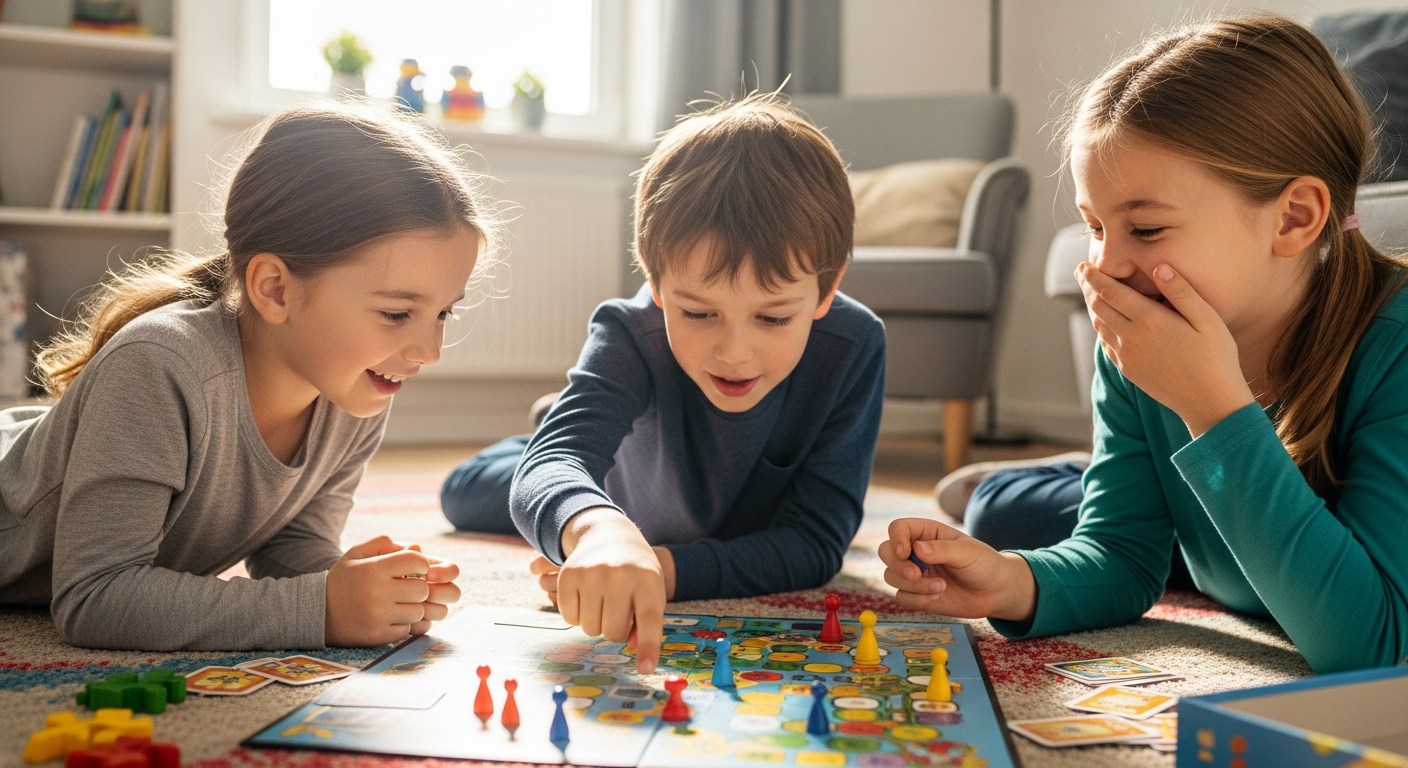
Table of Contents
- Introduction
- Why Indoor Play is Essential for Holistic Development
- Energizing Indoor Games for Active Bodies and Growing Voices
- Creative & Imaginative Indoor Play for Storytelling Voices
- Brain-Boosting Indoor Games for Growing Minds and Fluent Speakers
- Integrating Speech & Language Development with Speech Blubs
- Making Screen Time "Smart Time": Choosing the Right Speech Blubs Plan
- The Transformative Power of Play
- Frequently Asked Questions (FAQ)
Introduction
The familiar thud of rain against the window, the soft blanket of snow outside, or even just a particularly strong wave of the "indoor wiggles" – every parent knows these moments. They’re the times when the usual outdoor adventures are on hold, and the call of "I'm bored!" threatens to turn a calm afternoon into a chaotic one. But being stuck inside doesn't have to mean resorting to endless screen time or battling boredom. In fact, indoor play offers a unique opportunity to connect, learn, and grow together, fostering crucial developmental milestones in fun and engaging ways.
At Speech Blubs, we understand the incredible power of play in a child's development, especially when it comes to communication. Our mission is to empower children to speak their minds and hearts, and we know that the foundation for this often begins in the joyful, unrestricted environment of play. This post will explore a treasure trove of exciting fun indoor kid games for children of all ages, demonstrating how these activities can transform your home into a dynamic playground for physical movement, creative expression, and vital speech and language development.

Why Indoor Play is Essential for Holistic Development
When outdoor adventures are limited, the indoors becomes a canvas for imagination and growth. Far from being a mere placeholder for outdoor time, indoor play offers distinct advantages for children's development, touching upon physical, cognitive, social, emotional, and especially, communication skills.
Fostering Physical Development Indoors
You might think physical activity is solely an outdoor pursuit, but your home can be just as effective a space for burning energy and building strength. Indoor games encourage gross motor skills like balancing, jumping, crawling, and running, often in creative new ways. They help children develop coordination, body awareness, and spatial reasoning as they navigate furniture, create pathways, and move their bodies in different planes. For example, a child navigating a DIY obstacle course is not only moving but also problem-solving how to get over, under, or around objects, which refines their motor planning.
Boosting Cognitive and Creative Skills
Indoor play is a powerhouse for cognitive development. When children are creating a fort, they’re engaging in engineering and design thinking. During a scavenger hunt, they’re practicing critical thinking, observation, and memory skills. Pretend play, like putting on a show, ignites creativity, narrative skills, and abstract thinking. These activities stimulate the brain, building pathways for problem-solving, decision-making, and imaginative thought, all of which are critical for learning and adapting to new situations.
Cultivating Social and Emotional Growth
Many indoor games are designed for shared experiences, whether with siblings, friends, or parents. These interactions are fertile ground for social and emotional development. Children learn to take turns, share, negotiate, cooperate, and resolve conflicts. They practice empathy by taking on different roles in imaginative play and learn about emotions by acting out stories. The safety and comfort of home provide a secure environment for children to explore their feelings, build confidence, and understand social cues, all without the added pressures of an external environment.

Nurturing Speech and Language Development
Perhaps one of the most significant, yet often overlooked, benefits of fun indoor kid games is their immense contribution to speech and language development. Every game, from a simple dance party to an elaborate fort, offers opportunities for communication. Children use language to:
- Request and Comment: "Can I have that pillow?" "This blanket is soft!"
- Follow and Give Directions: "Go under the table." "Now, you crawl over the cushions."
- Describe: "The ball is big and red." "My fort is dark and secret."
- Narrate: "First, the bear crawled. Then, he jumped!"
- Ask Questions: "What should we do next?" "Where is the hidden treasure?"
- Role-Play: Taking on different voices and personas, expanding vocabulary related to characters and scenarios.
- Imitate Sounds: Mimicking animal noises, sound effects, or speech patterns.
These playful interactions build a rich linguistic environment, expanding vocabulary, improving sentence structure, and enhancing conversational skills. For children who might be struggling with speech development, indoor games can lower inhibitions and make language practice feel natural and enjoyable.
At Speech Blubs, we believe in supporting this natural development with "smart screen time" experiences that blend scientific principles with play. Our app is born from the personal experiences of our founders, who all grew up with speech problems and created the tool they wished they had. We are committed to providing an immediate, effective, and joyful solution for the 1 in 4 children who need speech support, making it a powerful tool for family connection. You can explore our unique approach and discover how we blend learning and fun on our Speech Blubs homepage.
Energizing Indoor Games for Active Bodies and Growing Voices
Keeping kids active indoors is crucial, and these games are perfect for burning energy while stimulating communication.
Obstacle Course Adventures
Transform your living room into an exciting adventure zone with a DIY obstacle course. Use pillows for stepping stones, blankets draped over chairs for tunnels, and masking tape for lines to balance on. Let your child help brainstorm and construct the course – often, building it is half the fun!
- How it helps speech and language: As your child navigates the course, use prepositions ("crawl under the blanket," "step over the pillow," "walk along the line"). Encourage them to describe their actions ("I'm jumping!" "I'm wiggling!"). Give multi-step directions ("First, crawl, then jump, then balance"). This is fantastic for understanding and using action verbs and sequential language.
Animal Walk Races
Bring the animal kingdom into your home! Challenge your child to move like different animals: a bear crawl, a crab walk, a frog jump, or a snake slither. You can even make up new ones, like a "penguin waddle" or a "sloth climb."
- How it helps speech and language: This game is a goldmine for practicing animal sounds and action verbs. Ask, "What sound does a frog make?" or "How does a snake move?" Encourage them to describe the animals' movements using adjectives ("fast," "slow," "wiggly"). For children working on imitating sounds, seeing and doing the actions can provide a strong visual and kinesthetic cue. For a fantastic complement to this activity, check out the "Animal Kingdom" section in the Speech Blubs app, where children learn by watching and imitating their peers, reinforcing these sounds and actions through our unique video modeling methodology.
Dance Parties and Freeze Dance
Crank up the music and let loose! A family dance party is a fantastic way to burn energy and express creativity. For an added twist, play "freeze dance" where everyone freezes in a silly pose when the music stops.
- How it helps speech and language: Dance parties encourage children to listen to rhythms and follow simple commands ("clap your hands," "stomp your feet"). Freeze dance introduces the concept of "stop" and "go," and you can encourage children to describe their "frozen" poses or mimic the emotions of the music (happy, silly, calm). Talk about different musical genres and the feelings they evoke, expanding emotional vocabulary.
Balloon Volleyball
A simple balloon can provide endless fun. Blow up a balloon and try to keep it from touching the ground by hitting it back and forth. You can even set up a makeshift net with a string or a rolled-up blanket.
- How it helps speech and language: This game encourages turn-taking ("My turn!" "Your turn!"), which is a foundational conversational skill. Children can practice counting hits, using descriptive words ("The balloon is floating high!"), and action verbs ("hit," "tap," "catch"). It’s a low-pressure way to encourage interaction and simple communication.
Creative & Imaginative Indoor Play for Storytelling Voices
Creative play is where imagination blossoms, and with it, rich opportunities for language development.
Building Magnificent Forts
Gather blankets, pillows, chairs, and couch cushions to construct an epic fort. This classic activity is fantastic for collaborative play and creativity.
- How it helps speech and language: Fort building is perfect for practicing requesting ("Can I have that blanket?"), giving and following directions ("Put the pillow here," "Hold that side!"), and using descriptive language ("Our fort is cozy/spacious/secret!"). Once built, the fort becomes a stage for imaginative play, where children can create stories, develop characters, and practice different voices, significantly boosting narrative skills.
Putting on a Play or Making a Movie
Kids are natural storytellers and actors. Help them brainstorm a story, create characters, and make simple props and costumes from household items. They can perform for the family or you can record their "movie."
- How it helps speech and language: This activity directly targets narrative development, sequencing events, character voice modulation, and expressing emotions. Encourage them to explain their characters' feelings or what happens "next" in the story. It’s a wonderful way for children to express their creativity and develop confidence in using their voice to tell stories.
Sensory Bins: A Tactile Language Feast
Fill a container with dry pasta, rice, beans, water, or sand, and add small toys, scoops, and cups. Sensory bins provide a calming, engaging activity that stimulates multiple senses.
- How it helps speech and language: Sensory bins are excellent for exploring descriptive vocabulary related to textures ("smooth," "bumpy," "gritty," "soft"), sounds ("crunchy," "splashy"), and actions ("scoop," "pour," "dig," "hide"). Encourage your child to describe what they are doing and feeling. Ask open-ended questions like, "What does that feel like?" or "What are you making?" This rich sensory input can also be very regulating, creating a calm environment conducive to communication.
Brain-Boosting Indoor Games for Growing Minds and Fluent Speakers
These games challenge children intellectually, refining problem-solving, memory, and logical thinking, all while enhancing communication.
Tag Team Puzzles
Jigsaw puzzles are great for problem-solving and focus. For a more active twist, hide the puzzle pieces around the room. Each person finds one piece, brings it back to the table, adds it to the puzzle, and then "tags" the next player to search.
- How it helps speech and language: This game promotes cooperative language ("Let's find the blue piece," "I think this goes here!"), directional language ("It's under the chair!"), and descriptive vocabulary related to shapes, colors, and puzzle images. The "tag team" element encourages turn-taking and quick verbal exchanges.
Memory Games with a Twist
Use a deck of playing cards or create your own matching game with pictures. Lay them face down and take turns flipping two to find a match.
- How it helps speech and language: Memory games enhance vocabulary as children name the objects or images on the cards. They also reinforce concepts like "same" and "different." Encourage children to verbalize their choices ("I'm turning over the dog and the cat") and explain why they think two cards might match. This builds descriptive and comparative language skills.
Cooking Show Fun
Involve your child in preparing simple, kid-friendly recipes. Set up a mock "cooking show" where they can narrate the steps.
- How it helps speech and language: Cooking is fantastic for following multi-step directions, sequencing ("First, we mix, then we pour"), and using action verbs ("stir," "chop," "pour," "bake"). It also introduces a wide range of vocabulary related to ingredients, cooking tools, and tastes. Encouraging them to "host" their own show helps them practice presenting information clearly and engaging an audience.
Integrating Speech & Language Development with Speech Blubs
While all these games naturally foster communication, sometimes children need a bit more targeted support. That's where we come in. At Speech Blubs, we believe in supporting every child's journey to express themselves fully. Our app is a powerful supplementary tool, designed with scientific principles to make speech practice engaging and effective.
How Speech Blubs Enhances Indoor Play
Our unique approach is centered on "video modeling," where children learn by watching and imitating their peers. This method taps into "mirror neurons," which are brain cells that activate both when we perform an action and when we observe someone else performing it. It's incredibly powerful for learning new sounds and words.
Imagine a child who is struggling with making specific sounds, like the "s" sound. You can play an indoor game where they find "slippery snakes" or "singing birds." Then, you can transition to Speech Blubs, where they watch other children excitedly articulate these sounds and words. This provides a natural bridge, allowing them to practice in a supportive, visual environment. For instance, our "When I Grow Up" section can inspire dramatic play, where children imitate adults and learn related vocabulary and sentence structures, boosting their confidence to speak their minds and hearts even further.
Speech Blubs is more than just an app; it's a "smart screen time" experience that encourages active participation, unlike passive viewing of cartoons. It transforms screen time into an interactive, educational, and fun activity that strengthens family connection. We're proud of the research that backs our methodology, placing us in the top tier of speech apps worldwide for efficacy and engagement.
When to Consider Extra Support
Sometimes, as parents, we might wonder if our child's speech development is on track. It's a common concern, and early intervention can make a significant difference. If you have any concerns or are unsure if your child could benefit from additional support, we encourage you to take our quick 3-minute preliminary screener. It involves 9 simple questions and provides an assessment and next-steps plan, offering immediate value and insights into your child's communication journey.
Many parents have found incredible success integrating Speech Blubs into their child's routine. You can read inspiring testimonials from other parents who have seen their children build confidence and improve their communication skills. We're here to provide a joyful and effective solution, helping children develop foundational skills, reduce frustration, and create countless happy learning moments for the whole family.
Making Screen Time "Smart Time": Choosing the Right Speech Blubs Plan
When it comes to providing the best for your child's development, we believe in transparency and value. Speech Blubs offers powerful tools to enhance speech and language, and we've designed our subscription plans to give you flexibility while maximizing benefits.
Our aim is to provide an immediate, effective, and joyful solution for children needing speech support, transforming passive screen time into active, engaging learning moments. With Speech Blubs, your child learns by watching and imitating their peers through our unique video modeling methodology, a method scientifically proven to be highly effective. This isn't just an app; it's a powerful tool for family connection, offering a screen-free alternative to passive viewing.
Our Subscription Options: Monthly vs. Yearly
We offer two main subscription options:
- Monthly Plan: For $14.99 per month, you get access to our core Speech Blubs app features. This plan offers flexibility if you prefer a shorter commitment.
- Yearly Plan: At $59.99 per year, this plan breaks down to just $4.99 per month. It's our most popular and value-packed option.
The Superior Value of the Yearly Plan
We genuinely believe the Yearly plan is the clear best choice for most families, and here's why:
- Significant Savings: You save a remarkable 66% compared to paying monthly. This means more consistent, long-term support for your child's development at a fraction of the cost.
- 7-Day Free Trial: Only the Yearly plan comes with a 7-day free trial. This allows you and your child to explore the full Speech Blubs experience, engage with our video modeling activities, and see the potential for joyful learning firsthand before making a financial commitment.
- Bonus Reading Blubs App: The Yearly plan includes free access to our Reading Blubs app! This means you're getting two powerful educational tools for the price of one, expanding your child's learning journey beyond speech to early literacy skills.
- Early Access to New Updates: Subscribers to the Yearly plan receive early access to all new updates and features. This ensures your child always has the latest and greatest content and functionality.
- Priority Support: You'll benefit from a 24-hour support response time, ensuring any questions or technical needs are addressed promptly and efficiently.
The Monthly plan does not include the 7-day free trial, the Reading Blubs app, early access to updates, or priority support. Opting for the Yearly plan truly unlocks the full suite of our offerings, designed to provide the most comprehensive and supportive experience for your child's communication growth.
We are confident that investing in the Yearly plan will provide the best pathway for your child to foster a love for communication, build confidence, reduce frustration, and develop key foundational skills. It’s a powerful supplement to your child's overall development plan and, when applicable, professional therapy, creating joyful family learning moments every step of the way.
The Transformative Power of Play
Whether it’s the pitter-patter of little feet during an indoor scavenger hunt or the quiet focus on building a fort, fun indoor kid games are far more than just ways to pass the time. They are vital engines for physical, cognitive, social, emotional, and especially, speech and language development. By embracing these activities, you’re not just staving off boredom; you're actively nurturing a well-rounded, confident communicator who is ready to speak their minds and hearts.
We at Speech Blubs are here to support you on this incredible journey. We believe in harnessing the power of play with scientifically-backed, engaging tools. From our founders' personal experiences with speech challenges to our commitment to providing an immediate, effective, and joyful solution for the 1 in 4 children who need speech support, every aspect of Speech Blubs is designed with your child's growth in mind. Our unique video modeling methodology transforms screen time into "smart screen time," fostering crucial communication skills and strengthening family bonds.
Ready to unlock a world of joyful communication for your child? Discover the transformative power of play with us. We encourage you to experience the full benefits of our app and our complimentary Reading Blubs app by choosing our Yearly plan. This is the best value, and it also includes a 7-day free trial so you can see the difference for yourself!
Download Speech Blubs on the App Store or Get it on Google Play to begin your family's journey today! Alternatively, you can create your account and start your 7-day free trial directly on our website. Remember to select the Yearly plan to access your free trial and all the exclusive features!
Frequently Asked Questions (FAQ)
Q1: How can indoor games help my child's speech development?
A1: Indoor games create numerous opportunities for natural language use. Children practice requesting, giving and following directions, describing objects and actions, narrating stories, and engaging in conversational turn-taking. Games like animal walks encourage sound imitation, while imaginative play fosters narrative skills and emotional vocabulary. These low-pressure, fun environments make language practice enjoyable and effective.
Q2: What if my child is hesitant to participate in new indoor games?
A2: Start small and make it fun! Introduce one game at a time and let your child observe before participating. Model the actions and language yourself, keeping your tone playful and encouraging. Offer choices to give them a sense of control ("Do you want to build a fort or do animal walks first?"). Remember, active adult participation and praise for effort, not just perfection, can make a big difference.
Q3: How does Speech Blubs fit into our indoor play routine?
A3: Speech Blubs acts as a "smart screen time" complement to your child's overall development. After an active game, you can transition to the app to reinforce concepts. For example, if you played an "animal sounds" game, our "Animal Kingdom" section allows your child to watch and imitate peers making those sounds, enhancing their confidence and articulation through our video modeling technique. It's a bridge between real-world play and targeted speech practice, making learning fun and interactive.
Q4: How do I know if the Yearly plan is the best choice for us?
A4: The Yearly plan offers the most value and features, making it the best choice for most families committed to supporting their child's long-term speech and language development. It includes a 7-day free trial, saving you 66% compared to the monthly plan, and provides access to the bonus Reading Blubs app, early updates, and 24-hour priority support. This comprehensive package ensures consistent and enriched learning experiences over time.
About the author