
Fun Toddler Proprioceptive Activities for Sensory Growth
 By Speech Blubs Team•Feb 23, 2026•15 min.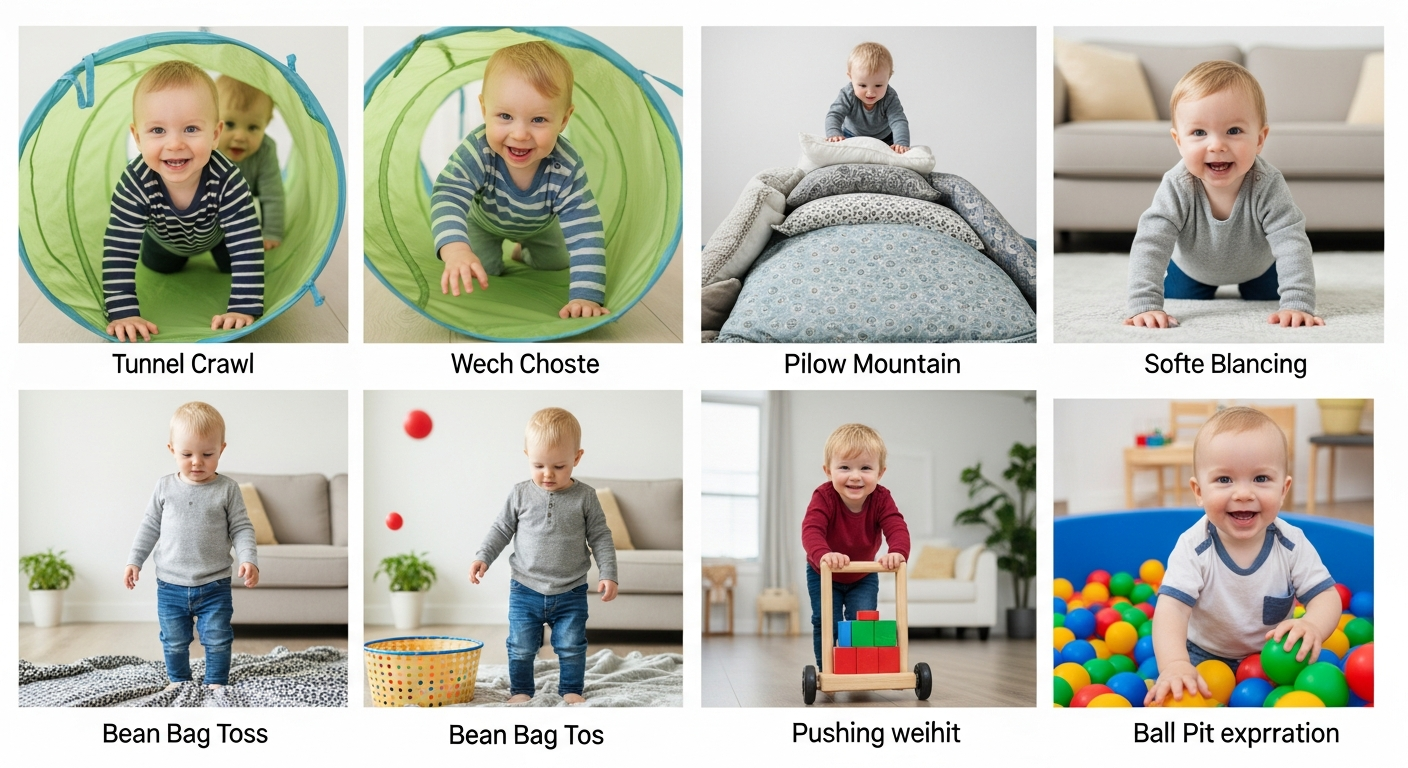
Table of Contents
- Introduction
- What is Proprioception? The Sixth Sense Explained
- How Proprioception and Speech Development Connect
- Signs Your Toddler Is Seeking Proprioceptive Input
- 20 Engaging Toddler Proprioceptive Activities for Home
- The Science of Play: Why Our Methodology Works
- Creating Joyful Family Learning Moments
- Realistic Expectations and Professional Guidance
- Choosing the Right Speech Blubs Plan for Your Family
- Integrating Proprioceptive Work Into Your Daily Routine
- Frequently Asked Questions
- Conclusion
Introduction
Does your toddler constantly "crash and bash" into the sofa? Do they prefer to stomp rather than walk, or perhaps they hold onto your leg with the strength of a tiny wrestler? You might have noticed that your little one seems to have endless energy, or conversely, they might seem a bit "clumsy," frequently bumping into walls or furniture. These behaviors are often more than just "toddler energy"—they are signs that your child’s body is seeking sensory information through their muscles and joints.
At Speech Blubs, we know that movement and communication go hand-in-hand. Our mission is to empower children to speak their minds and hearts, and we recognize that a child who feels organized and "grounded" in their body is a child who is ready to learn, play, and speak. Our company was founded by individuals who grew up with speech challenges themselves; they created the tool they wished they had as children, blending scientific principles with the joy of play. We provide "smart screen time" that serves as a screen-free alternative to passive viewing, encouraging children to be active participants in their development.

In this article, we will dive deep into the world of toddler proprioceptive activities. We will explain what proprioception is, why it is often called the "sixth sense," and how you can use simple "heavy work" at home to help your child feel calm, focused, and ready to communicate. Whether you are looking to support a child with sensory processing needs or simply want to foster your toddler’s physical confidence, these strategies will provide a roadmap for joyful family learning.
Our goal is to help you foster a love for communication and build your child’s confidence. While every child progresses at their own pace, incorporating these activities can reduce frustration and develop the foundational skills necessary for success.
What is Proprioception? The Sixth Sense Explained
Most of us are familiar with the five basic senses: sight, smell, taste, touch, and hearing. However, there is a hidden sense that is just as vital for everyday life: proprioception. Often referred to as "body awareness," proprioception is the sense that tells us where our body parts are in space without us having to look at them.
This information comes from receptors located in our muscles, joints, and connective tissues. Every time your child pushes, pulls, jumps, or squeezes, these receptors send messages to the brain about pressure and joint position. This system is what allows you to touch your nose with your eyes closed or navigate a dark room without tripping.
For toddlers, a well-functioning proprioceptive system is essential for:
- Grading Force: Knowing how hard to push a crayon so it doesn't break, or how gently to pet a family dog.
- Postural Stability: Having the core strength and awareness to sit upright in a chair during mealtime.
- Motor Planning: Coordinating complex movements, like climbing stairs or eventually forming the precise movements needed for speech.
When this system is working effectively, children feel "regulated." This means their nervous system is in a state where they can focus on the world around them rather than being distracted by their own body's need for input.

How Proprioception and Speech Development Connect
You might wonder why a speech therapy app would focus so much on "heavy work" and body awareness. The truth is that communication is a whole-body experience. At Speech Blubs, we utilize a unique "video modeling" methodology. This involves children watching and imitating their peers on screen. However, for a child to imitate a sound or a facial expression, they first need a baseline of body awareness.
If a child is struggling to know where their limbs are in space, they may also struggle with "oral proprioception"—knowing where their tongue, lips, and jaw are positioned. By engaging in toddler proprioceptive activities, we help "wake up" the nervous system. This increased awareness often leads to better motor planning for speech.
Takeaway: A child who is physically regulated through "heavy work" is often more capable of sitting still, making eye contact, and engaging with the peer-led exercises found in the Speech Blubs app.
If you are curious about where your child stands in their development, we invite you to take our quick 3-minute preliminary screener. It consists of 9 simple questions and provides you with a personalized assessment and a next-steps plan to support your child’s journey.
Signs Your Toddler Is Seeking Proprioceptive Input
Every child processes sensory information differently. Some toddlers are "seekers," while others may have "low registration," meaning they need more intense input to even realize their body is moving. Understanding these signs can help you tailor your activities to their specific needs.
The Proprioceptive Seeker
These are the children who often seem "wild" or hyperactive. Their bodies are essentially "hungry" for input. They might:
- Crash into furniture or people on purpose.
- Chew on their sleeves, toys, or non-food items.
- Prefer tight clothing or "burrito" wraps in blankets.
- Toss themselves heavily onto the floor.
- Walk with heavy, stomping feet.
- Use too much force when playing with peers or pets.
Low Registration Signs
These children might seem "floppy" or uncoordinated. Because their brain isn't receiving clear signals from their muscles, they might:
- Appear clumsy and trip over their own feet frequently.
- Have a high pain tolerance (they might fall and not even cry).
- Slump in their chair or lean against walls for support.
- Have difficulty with fine motor tasks like holding a spoon or a crayon.
- Seem generally low-energy or "daydreamy."
Regardless of which category your child falls into, proprioceptive activities are "organizing." They help the seeker calm down and the low-registration child "wake up."
20 Engaging Toddler Proprioceptive Activities for Home
The best part about proprioceptive input—often called "heavy work"—is that it doesn’t require expensive equipment. Most of these activities can be done with items you already have at home.
1. The Laundry Basket Push
This is a classic "heavy work" staple. Fill a laundry basket with books or slightly heavy toys (make sure it's a manageable weight for your toddler). Ask them to "deliver" the basket across the carpet to another room. The resistance of the basket against the carpet provides deep pressure to their shoulder and arm joints.
2. Animal Walks
Imitating animals is a fun way to get weight-bearing input.
- Bear Crawls: Walking on hands and feet with hips high in the air.
- Crab Walks: Sitting on the floor, pushing up with hands and feet, and moving sideways.
- Frog Jumps: Squatting low and jumping forward.
- Scenario: For a parent whose 3-year-old "late talker" loves animals, the "Animal Kingdom" section in the Speech Blubs app offers a perfect way to transition from these physical bear crawls to practicing "rawr" and "growl" sounds. You can download Speech Blubs on the App Store to explore these themes together.
3. The "Human Burrito"
Wrap your child snugly (but safely) in a soft blanket, leaving their head out. You can gently "roll" them on the floor or give them "squeezes" (deep pressure) along their arms and legs. This is incredibly calming for children who feel overstimulated.
4. Wall Push-Ups
Ask your toddler to "help" you push the wall to the other side of the room. Have them place their palms flat against the wall and push with all their might for 10 seconds. This joint compression is very grounding.
5. Playdough Squishing
Working with playdough is excellent for hand proprioception. Encourage your child to pull the dough apart, roll it into "snakes," or use a rolling pin. This builds the hand strength needed for both self-feeding and eventually writing.
6. Carrying "Heavy" Groceries
When you come home from the store, give your toddler a small bag with non-breakable items like a box of pasta or a bag of apples. Having a "job" that involves carrying weight provides purpose and sensory input.
7. Jumping on a Trampoline or Cushions
If you don't have a mini-trampoline, a pile of sofa cushions on the floor works wonders. Jumping provides intense input to the ankles, knees, and hips. To keep it safe and "smart," try singing a rhythmic song like "The Ants Go Marching" to encourage a steady, organizing beat.
8. Tug-of-War
Using a soft rope or even a sturdy towel, engage in a gentle game of tug-of-war. This provides a "pulling" sensation that activates the muscles in the back and arms.
9. Climbing the "Mountain"
Create an obstacle course using pillows, footstools, and blankets. Climbing over "mountains" requires a lot of body awareness and muscle effort.
10. Scrubbing the Floor or Windows
Give your child a damp cloth and ask them to help "clean" a low window or a spot on the floor. The circular motion and pressure required are excellent for shoulder stability.
11. Squeezing Sponges
During bath time or water play, give your child various sponges to soak and squeeze out. This is a great way to work on hand strength and "force grading."
12. Wheelbarrow Walks
Hold your child’s legs while they walk forward on their hands. This is a high-intensity activity that builds incredible upper-body strength.
13. Stomping in "Mud"
Pretend the floor is sticky mud. Encourage your child to take high, heavy steps, "lifting" their feet out of the mud and stomping them back down.
14. Digging in Sand or Soil
Whether in a sandbox or a small garden plot, digging requires resistance. It’s a wonderful sensory experience that combines tactile and proprioceptive input.
15. The "Sandwich" Game
Have your child lie between two large pillows (they are the "filling"). Gently press down on the top pillow to give them "deep pressure" squishes. Always check in with your child to ensure they are enjoying the sensation.
16. Pulling a Wagon
If you are outside, let your toddler pull a wagon filled with their favorite toys or even some garden mulch. This "pulling" action is excellent for regulation.
17. Blowing Bubbles
While we often think of this as a "breath" activity, the act of pursing the lips and controlling the air provides proprioceptive feedback to the mouth muscles.
18. Chewing Crunchy or Resonant Foods
Offering snacks like carrots, apple slices, or even thick smoothies through a straw provides "oral heavy work." This can be very grounding before a session of Speech Blubs.
19. Yoga Poses
Simple poses like "Downward Dog" (putting weight on hands and feet) or "Tree Pose" (balancing) are fantastic for building body awareness.
20. Marching Band
Give your child a "heavy" instrument like a small drum or even a pot and spoon. Marching while playing requires coordination of the arms and legs simultaneously.
The Science of Play: Why Our Methodology Works
At Speech Blubs, we don't just pick activities because they are fun—we pick them because they are rooted in science. Our "video modeling" approach is based on the concept of mirror neurons. When a child watches another child perform a task—like sticking out their tongue or saying "pop"—the same neurons in the observer's brain fire as if they were doing it themselves.
However, for these neurons to translate into actual movement, the child needs a baseline of proprioception. By combining our digital tool with the physical toddler proprioceptive activities listed above, you are creating a "full-circle" learning environment. Our approach is highly rated on the MARS scale, placing us in the top tier of educational apps worldwide.
You can read more about the research and science behind our method to see how we bridge the gap between "smart screen time" and real-world development.
Creating Joyful Family Learning Moments
We believe that the best therapy happens during play. When you engage in a "Human Burrito" wrap or a "Bear Crawl" race, you aren't just working on sensory systems—you are building a connection with your child. This emotional safety is the foundation of all communication.
One parent shared, "My son was always so 'zoomy' and couldn't sit still for any learning. Once we started doing 5 minutes of 'heavy work' like pushing the laundry basket before opening Speech Blubs, it was like a lightbulb went on. He was calm, focused, and started imitating the kids on the screen for the first time." You can read more stories like this on our testimonials page.
Realistic Expectations and Professional Guidance
While toddler proprioceptive activities are a powerful tool, it is important to remember that they are a supplement to a child’s overall development. We do not suggest that these activities will result in overnight "miracles." Instead, focus on the process:
- Fostering a love for movement and communication.
- Building physical and vocal confidence.
- Reducing sensory-related frustrations.
- Creating a "toolkit" of calming strategies for your family.
If you have significant concerns about your child’s sensory processing or speech, we always recommend consulting with an Occupational Therapist (OT) or a Speech-Language Pathologist (SLP). Our app is designed to be a powerful companion to professional therapy, providing a way to practice skills at home in a joyful, low-pressure way.
Choosing the Right Speech Blubs Plan for Your Family
We are committed to being a transparent and effective solution for the 1 in 4 children who need speech support. To best support your child's journey, we offer two flexible pricing plans:
- Monthly Plan: $14.99 per month. This is a great way to test the waters and see how your child responds to our peer-led video modeling.
- Yearly Plan (Best Value): $59.99 per year. This breaks down to just $4.99 per month—a 66% saving compared to the monthly plan.
Why the Yearly Plan is our most popular choice: The Yearly plan isn't just about the cost savings; it includes an exclusive suite of features designed for long-term success:
- 7-Day Free Trial: Try the full experience risk-free.
- Reading Blubs App: Access to our companion app that focuses on early literacy and phonics.
- Priority Support: 24-hour response time from our dedicated support team.
- Early Access: Be the first to try new updates and themes.
The Monthly plan does not include the free trial or the Reading Blubs app. We encourage families to start their 7-day free trial on the Yearly plan to ensure they have every tool available to help their child "speak their minds and hearts."
Integrating Proprioceptive Work Into Your Daily Routine
The key to success with sensory activities is consistency. You don't need a dedicated "therapy hour." Instead, try to weave these moments into your existing schedule:
- Morning Wake-Up: Start the day with a "Super Strength Challenge"—3 wall push-ups and a "Bear Crawl" to the breakfast table.
- Before Learning Time: If you are planning to use Speech Blubs on Google Play, do 2 minutes of "Heavy Work" (like the Laundry Basket Push) first to help your child settle.
- Transitions: If your child struggles to move from playing to naptime, use the "Human Burrito" or a "Deep Pressure" hug to help their nervous system transition into a rest state.
- Outdoors: Use playground equipment like slides (climbing up) and swings (pumping legs) to provide natural proprioceptive and vestibular input.
Frequently Asked Questions
1. What is the difference between vestibular and proprioceptive activities? While they often work together, they are different. The vestibular system (located in the inner ear) is about balance and head position—think spinning, swinging, or tilting. Proprioception is about muscles and joints—think pushing, pulling, and lifting weight. Both are essential for a child to feel coordinated.
2. Can these activities really help with my child's speech delay? Yes, indirectly! Speech is a motor skill. Proprioceptive activities improve overall body awareness and motor planning. When a child has a better "map" of their body in their brain, it becomes easier for them to plan the tiny, complex movements of the tongue and lips needed for speech.
3. How much "heavy work" does my child need each day? Every child is different. Some need a "sensory snack" (2-5 minutes of heavy work) every hour, while others might just need a longer session before challenging tasks like school or speech practice. Watch your child's behavior—if they are starting to "crash" or seem "wild," it's usually a sign they need some organizing input.
4. Are these activities safe for all toddlers? Generally, yes, as long as they are adult-supervised. You should never force a sensory activity. If your child pulls away or seems distressed, stop immediately. The goal is "joyful learning," not compliance. Always ensure the weights used (like in the laundry basket) are age-appropriate and manageable for your child’s size.
Conclusion
Understanding and supporting your toddler’s sensory needs is one of the greatest gifts you can give them. By incorporating toddler proprioceptive activities into your daily life, you are helping your child build a strong foundation of body awareness, confidence, and self-regulation. These "heavy work" moments aren't just exercises; they are the building blocks of communication.
At Speech Blubs, we are honored to be a part of your family’s journey. Whether you are navigating a speech delay, supporting an autistic child, or simply looking for "smart screen time" that truly benefits your toddler's brain, we are here to provide an immediate, effective, and joyful solution.
Ready to see the difference for yourself? Download Speech Blubs on the App Store or Google Play today to begin. For the best experience and the most comprehensive tools, we recommend choosing our Yearly plan. It includes a 7-day free trial, our Reading Blubs app, and early access to all our latest updates. Let’s work together to help your child speak their mind and heart!
About the author