
Joyful Christmas Activities for Kids with Autism
 By Speech Blubs Team•Dec 19, 2025•22 min.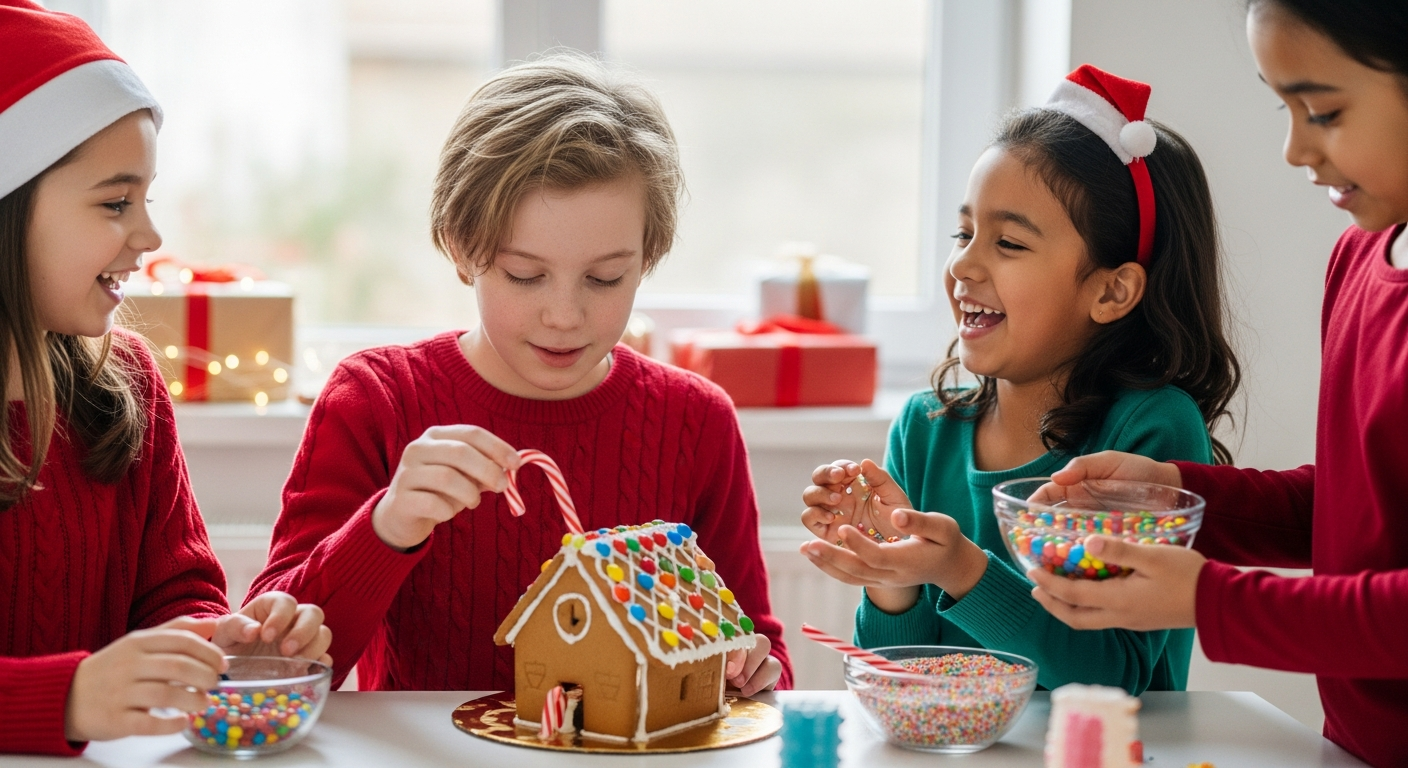
Table of Contents
- Introduction
- Understanding the Unique Christmas Experience for Children with Autism
- Creating a Sensory-Friendly Holiday Environment
- Engaging Christmas Activities for Children with Autism
- The Power of Preparation and Predictability
- Integrating Speech Blubs into Your Holiday Fun
- Making the Most of Speech Blubs: Value and Features
- Conclusion
- FAQ
The air fills with a special kind of magic as Christmas approaches – sparkling lights, festive music, and the sweet scent of gingerbread. For many, it's a time of immense joy and wonder. Yet, for families with children on the autism spectrum, the holiday season can sometimes bring unique challenges alongside the cheer. The sudden changes in routine, overwhelming sensory input from decorations and crowds, and altered social expectations can make what should be a magical time feel stressful or confusing. But it doesn't have to be this way. With thoughtful planning, understanding, and a focus on what makes your child feel comfortable and connected, Christmas can truly be a time of warmth, wonder, and meaningful memories for every child. This guide will explore a variety of adaptable, sensory-friendly Christmas activities for kids with autism, offering practical tips and showing how we at Speech Blubs can support your child's communication journey throughout the festive season and beyond.

Introduction
Christmas, with its vibrant array of sights, sounds, and smells, can be a kaleidoscope of emotions for children with autism. While the anticipation of Santa and gifts excites many, the sensory overload of flashing lights, loud carols, crowded stores, and unfamiliar faces can quickly lead to overwhelm for others. The disruption of daily routines, a hallmark of holiday periods, often adds to anxiety, making it difficult for children to process new experiences or express their feelings. We understand these concerns deeply because our mission at Speech Blubs is to empower children to "speak their minds and hearts," especially when navigating complex social and sensory environments. This blog post aims to equip parents and caregivers with actionable strategies and engaging ideas to transform potential holiday stressors into joyful, inclusive experiences. We'll delve into creating a sensory-friendly environment, explore a range of autism-friendly Christmas activities, emphasize the power of preparation, and show how our app can be a valuable tool in fostering communication and connection during this special time. Our main message is clear: with intention and empathy, Christmas can be a truly magical, stress-reduced, and engaging celebration for every child on the autism spectrum.
Understanding the Unique Christmas Experience for Children with Autism
Before diving into specific activities, it's crucial to acknowledge the distinct ways children with autism experience the holidays. Their world is often one of heightened sensory input, a strong need for predictability, and sometimes unique communication styles. Understanding these aspects is the first step towards creating a truly inclusive Christmas.
Sensory Sensitivities
Imagine walking into a room where every light is flashing, music is blaring, and a dozen different strong scents fill the air. For many children with autism, this is often how the festive season can feel.
- Lights: Twinkling lights, while beautiful, can be intense and disorienting. Flashing lights can trigger sensory overload or even seizures in some.
- Sounds: Loud music, excited chatter, bustling crowds, and unexpected noises (like firecrackers) can be painful or frightening.
- Smells: Strong perfumes, artificial tree scents, or rich holiday foods can be overwhelming to a sensitive olfactory system.
- Touch: The texture of new clothes, prickly sweaters, or even the feeling of glitter can be intensely uncomfortable.
- Taste: The array of unfamiliar holiday foods can be challenging for children with selective eating habits.
Changes in Routine and Predictability
Children on the autism spectrum often thrive on routine and predictability. The holidays, by their very nature, disrupt this. School breaks, altered meal times, late nights, visitors, and trips to unfamiliar places can cause anxiety and distress. The comfort of knowing what comes next provides a sense of security, and without it, the world can feel chaotic.

Communication Challenges
Expressing excitement, discomfort, or needs can be particularly challenging for some children with autism. They might struggle to articulate what's bothering them or how they feel about a new gift or activity. This can lead to frustration, meltdowns, or withdrawal, making it difficult for parents to understand and respond effectively. We at Speech Blubs understand this deeply; our founders experienced speech problems firsthand and created the tool they wished they had – a joyful and effective solution for the 1 in 4 children who need speech support to "speak their minds and hearts." We provide a powerful tool for family connection, helping bridge these communication gaps.
Social Expectations
Holiday gatherings often come with unspoken social rules: greeting relatives, polite gift-receiving, participating in group activities. These can be particularly daunting for children who may struggle with social cues, eye contact, or engaging in reciprocal conversation. The pressure to conform can be immense and exhausting.
Understanding these unique challenges isn't about limiting the fun, but about adapting the environment and activities to ensure every child can experience the joy of the season in a way that feels safe, comfortable, and meaningful to them.
Creating a Sensory-Friendly Holiday Environment
The key to a successful and enjoyable holiday for a child with autism often begins with thoughtful preparation of the environment. Small adjustments can make a world of difference in preventing sensory overload and fostering comfort.
Mindful Lighting Choices
- Soft and Warm: Opt for warm, soft white lights rather than bright, cool tones or rapidly flashing ones.
- Dimmable Options: Use dimmers where possible to control light intensity.
- Selective Decoration: Instead of decorating every corner, choose a few key areas, like a special tree or mantelpiece, to focus your festive lights.
- Alternative Displays: Consider projector lights that cast gentle, moving patterns on a wall, or fiber optic lamps that provide visual interest without intensity.
Sound Management
- Volume Control: If playing Christmas music, keep the volume low and choose calming, instrumental versions.
- Designated Quiet Space: Create a "safe haven" in your home – a quiet room or corner with comfortable seating, a weighted blanket, headphones, and preferred quiet toys or books. This space allows your child to retreat and regulate when feeling overwhelmed.
- Warning for Noises: If expecting loud noises like fireworks (New Year's Eve) or even enthusiastic family cheers, prepare your child with a visual cue or verbal warning, and offer noise-canceling headphones.
Gentle Scents
- Natural Over Artificial: Use natural scents like real pine branches, cinnamon sticks, or cloves instead of strong artificial air fresheners or scented candles, which can be overpowering.
- Ventilation: Ensure good ventilation, especially when cooking strong-smelling holiday meals.
Tactile Comfort
- Familiar Textures: Make sure your child has access to preferred comfort items, such as a favorite blanket, stuffed animal, or fidget toy.
- Clothing: Prioritize comfortable clothing. Avoid itchy fabrics, tight waistbands, or new outfits if they cause distress.
- Sensory Bins: Create a Christmas-themed sensory bin filled with gentle, inviting textures like dried beans, rice, soft pom-poms, jingle bells, or shredded paper.
Visual Predictability
- Visual Schedules: Utilize visual schedules for holiday events, outings, and daily routines to help your child understand what to expect. Pictures depicting "eating dinner," "opening presents," or "visiting grandma's house" can reduce anxiety significantly.
- Social Stories: Create simple social stories explaining new experiences, like "My Visit to Santa" or "What Happens at Christmas Dinner." These stories can pre-teach expectations and coping strategies.
By thoughtfully adjusting the environment, you can lay a strong foundation for a more enjoyable and less overwhelming holiday experience, allowing your child to engage with the festive spirit on their terms.
Engaging Christmas Activities for Children with Autism
Once the environment is set, it's time to introduce activities that can be adapted to your child's preferences and sensory needs. The goal is to foster joy, engagement, and connection, not to force participation.
Visual & Fine Motor Activities
These activities leverage visual strengths and help develop fine motor skills, often providing a calming focus.
Decorating a Sensory-Friendly Tree
Instead of delicate, breakable ornaments, create a tree that invites touch and exploration.
- Felt Ornaments: Cut shapes from felt, add Velcro dots, and let your child stick them on.
- Unbreakable & Textured: Use soft fabric ornaments, wooden shapes, plastic balls, or ornaments filled with beads or glitter (sealed tightly!).
- Lights: Use battery-operated, slow-changing LED lights or traditional warm white lights without flashing.
- Theme: Consider a "theme tree" based on your child's special interest (e.g., a dinosaur Christmas tree, a car-themed tree).
- Speech Blubs Integration: As you decorate, name the colors, shapes, and textures of the ornaments. For a child learning new words, our "What's the Word" category in the Speech Blubs app is perfect for practicing object identification. For a parent whose child is just beginning to explore new sounds, the "Speech Sounds" section offers fun, interactive ways to practice consonant and vowel sounds, which can then be applied to naming simple ornaments like "ball" or "star." Download Speech Blubs on the App Store or Get Speech Blubs on Google Play to explore these activities.
Crafting Holiday Masterpieces
Simple crafts can be highly engaging and provide a sense of accomplishment.
- Salt Dough Ornaments: Mix flour, salt, and water. Let your child roll, cut shapes, bake, and then paint them. The tactile experience can be very soothing.
- Paper Plate Crafts: Decorate paper plates to look like Santa, reindeer, or snowflakes.
- Pom-Pom Decorations: Glue colorful pom-poms onto pre-cut shapes or a piece of sticky paper for a tactile, low-mess craft.
- Window Clings: Creating or applying reusable window clings can be a fun visual activity.
Cookie Decorating
A classic holiday activity that engages multiple senses and fine motor skills.
- Prep Together: Involve your child in simple steps like stirring or pouring.
- Sensory Focus: Use a variety of sprinkles, frostings, and candies. The act of squeezing icing or placing small candies can be very satisfying.
- Dietary Needs: Ensure you have gluten-free, dairy-free, or other alternatives if needed.
Gift Wrapping and Unwrapping Practice
Focus on the process, not just the outcome.
- Pre-Wrap: Practice wrapping and unwrapping small, favorite toys beforehand.
- Visual Cues: Use visual steps for opening gifts (e.g., "tear paper," "see box," "open gift").
- Focus on the Gift: Allow your child to engage with the gift at their own pace. If they are more interested in the box or paper, that’s perfectly fine!
Auditory & Communication-Focused Activities
These activities can help develop listening skills, verbal expression, and understanding of holiday themes.
Christmas Carols and Music
Music can be a powerful tool for connection and communication.
- Listen and Move: Play favorite Christmas songs at a comfortable volume. Encourage dancing, swaying, or using simple instruments (shakers, bells).
- Sing-Alongs: Choose simple, repetitive carols. Use visuals or song boards to help follow lyrics.
- Identify Instruments: Listen to instrumental carols and try to identify different instruments.
- Speech Blubs Integration: Our app is designed to help children develop these fundamental communication skills. For instance, the "Guess the Sound" activity can be adapted to identify holiday sounds like sleigh bells or a train whistle, connecting the app's learning to real-world festive experiences. The Speech Blubs app leverages our unique video modeling methodology, where children learn by watching and imitating their peers, making speech practice engaging and natural.
Reading Christmas Stories
Storytelling provides a structured way to engage with holiday themes.
- Predictable Books: Choose books with repetitive phrases or clear visual stories.
- Interactive Reading: Point to pictures, ask simple "what's that?" questions, or let your child turn the pages.
- Sensory Books: Look for touch-and-feel Christmas books.
- Storytelling: Encourage your child to create their own simple holiday story using picture cards or puppets.
Holiday-Themed Language Games
- "I Spy" Christmas Edition: "I spy with my little eye something green" (Christmas tree) or "something shiny" (ornament).
- Picture Naming: Use flashcards with holiday images (Santa, reindeer, presents) and practice naming them. Our app's "Word Power" section is fantastic for expanding vocabulary in a fun, interactive way, and can be used to reinforce these holiday-themed words.
Movement & Sensory Play Activities
These activities provide opportunities for physical engagement and sensory input in a controlled, fun way.
Outdoor Light Gazing
A peaceful way to enjoy the visual splendor of the holidays.
- Quiet Walk: Take a gentle walk or drive in the evening to look at Christmas lights. Choose less crowded areas and times.
- Commentary: Narrate what you see ("Look at the bright red lights!" "That star is sparkling!"), encouraging simple descriptive words.
Indoor "Snowball" Fight
A safe and fun way to get some energy out.
- Soft Materials: Use soft white pom-poms, balled-up socks, or crumpled paper "snowballs."
- Target Practice: Set up baskets or buckets for target practice.
Christmas Sensory Bins
A contained sensory experience that can be highly engaging.
- Rice/Bean Base: Use colored rice or dried beans as a base.
- Holiday Fillers: Add jingle bells, small unbreakable ornaments, cinnamon sticks, mini pinecones, soft pom-poms, cookie cutters, and small scoopers.
- Exploration: Allow your child to scoop, pour, bury, and discover the items.
Winter Wonderland Playdough
Engage tactile senses and creativity.
- Homemade Playdough: Make playdough with scents like peppermint or cinnamon.
- Glitter & Sparkles: Add edible glitter or safe craft glitter for a magical touch.
- Tools: Provide cookie cutters (stars, trees), rolling pins, and plastic knives.
Social & Connection Activities (with Adaptation)
These activities foster social engagement in ways that respect your child's boundaries and needs.
Visiting Santa (Adapted)
For some children, meeting Santa can be a highlight. For others, it's terrifying.
- Preparation: Use social stories and pictures of Santa beforehand.
- Quiet Hours: Look for venues offering "sensory-friendly Santa" visits or quiet hours.
- Alternative Greetings: Instead of sitting on his lap, your child might prefer to wave from a distance, stand next to Santa, or give him a high-five.
- Focus on the Experience: The goal is a positive interaction, not a perfect photo.
Family Meals (Structured)
Holiday meals can be long and overwhelming.
- Visual Schedule: Provide a visual schedule for the meal (e.g., "sit," "eat," "dessert," "playtime").
- Preferred Foods: Ensure there are familiar, preferred foods available.
- Quiet Break: Allow for breaks in their designated quiet space if needed.
- Limited Guests: If possible, start with smaller, less crowded gatherings.
Gift Giving and Receiving (Practiced)
- Pre-Teaching: Practice simple phrases like "thank you" or "I like it" using visual cues or modeling.
- Focus on Process: Emphasize the act of giving and receiving, not just the reaction.
- No Pressure: Don't pressure your child to express a specific emotion if they aren't feeling it or can't articulate it. A simple nod or reaching for the gift is enough.
Simple Acts of Giving
- Decorating Cards: Make or decorate Christmas cards for family members or local nursing homes.
- Donation Sorting: Help sort toys or clothes for donation. These structured tasks can be very meaningful.
The Power of Preparation and Predictability
For children with autism, predictability is a cornerstone of comfort and security. The more you can prepare your child for the unique aspects of the Christmas season, the smoother and more enjoyable it will be for everyone.
Visual Schedules for Holiday Events
- Daily Visual Schedule: Maintain a visual schedule for daily activities, even during school breaks. Include specific holiday events like "decorate tree," "visit grandma," or "open presents."
- First/Then Boards: Use a "first/then" board to visually represent the sequence of activities (e.g., "First: Dinner, Then: Open One Present"). This helps manage expectations.
- Countdown Calendars: A visual countdown to Christmas can help manage the anticipation and reduce anxiety about when big events will happen.
Social Stories for New Experiences
- Explain the Unfamiliar: Create simple social stories (short narratives with pictures) to explain new situations or events. For example, a story about "Going to a Party" could describe arriving, seeing people, eating food, and going home.
- Manage Expectations: Stories can cover things like "What to Do When Santa Visits" or "How We Open Presents." They help pre-teach appropriate behaviors and reduce surprises.
Practice Sessions for New Experiences
- Role-Playing: Role-play scenarios like greeting relatives, thanking someone for a gift, or sitting patiently during a meal.
- Visiting New Places: If visiting a new house, look at pictures of the house or even visit briefly beforehand if possible, to familiarize your child with the environment.
Designated "Safe" or Quiet Spaces
Reinforce the idea that there is always a calm retreat available. This space, as mentioned earlier, is vital for sensory regulation and emotional well-being. Knowing it's there and accessible reduces anxiety.
Involving the Child in Planning Decisions
Whenever possible, involve your child in simple holiday planning decisions.
- Activity Choice: "Do you want to bake cookies or make ornaments today?"
- Decoration Preference: "Which lights should we put on the tree, the red ones or the white ones?"
- Meal Choice: "Which of your favorite foods should we have for Christmas dinner?" This gives them a sense of control and ownership over the festive period.
By being proactive with preparation and prioritizing predictability, you can transform potential holiday chaos into a structured and enjoyable experience, allowing your child to fully engage with the magic of Christmas on their own terms. If you're wondering if your child could benefit from targeted communication support to navigate these kinds of social and emotional situations, take our quick 3-minute preliminary screener for an assessment and next-steps plan.
Integrating Speech Blubs into Your Holiday Fun
Amidst all the planning and activities, remember that fostering communication is a year-round journey. The Speech Blubs app can be a wonderful resource to support your child’s speech and language development, even during the bustling holiday season. We believe in "smart screen time" that truly engages and educates.
Our company was born from the personal experiences of our founders, who all grew up with speech problems and created the tool they wished they had. We are committed to providing an immediate, effective, and joyful solution for the 1 in 4 children who need speech support, blending scientific principles with play. This philosophy makes Speech Blubs an ideal companion during the holidays, offering a focused and calm learning experience that complements the festive chaos.
How Speech Blubs Supports Holiday Communication
- Building Vocabulary: The app offers extensive categories that can be linked to holiday themes. For example, explore "Animals" to talk about reindeer, "Vehicles" to discuss sleighs, or "Colors" to describe ornaments. As a parent, you can use the app to introduce new words like "star," "gift," or "cookie," then point them out during holiday activities.
- Practicing Speech Sounds: Many children enjoy singing carols, but for those working on specific speech sounds, our "Speech Sounds" section provides a fun way to practice. For a child learning to produce the /s/ sound, practicing words within the app can build confidence, which they might then apply when singing "Santa Claus is Coming to Town."
- Developing Social Skills (Indirectly): While our app isn't a direct social skills trainer, it helps build foundational communication skills crucial for social interaction. Learning to imitate words and phrases through our unique video modeling methodology (where children learn by watching and imitating their peers) improves verbal expression. This can reduce frustration when a child wants to express their excitement about a present or their need for a quiet break at a family gathering.
- A "Calm Down" Tool: When the holiday excitement gets too much, a short, structured session with Speech Blubs can be a familiar and calming activity. It offers a predictable, engaging task that provides a focused break from sensory overload, acting as a screen-free alternative to passive viewing like cartoons.
Real-World Connection with Speech Blubs
Imagine a child who loves the "Food" category in Speech Blubs, practicing words like "cookie" or "milk." During holiday cookie decorating, they can excitedly point to the "cookie" and even try to say the word, connecting their app learning to a real, joyful experience. Or a child fascinated by the "Animal Kingdom" can practice the sounds of a "reindeer" or "bear" (often found on Christmas decorations), bringing those learned words into their festive world. This continuous reinforcement helps foster a genuine love for communication and builds confidence, which is vital for reducing frustration and developing key foundational skills.
At Speech Blubs, we are proud that our scientific methodology has earned us a top-tier rating on the MARS scale for educational apps. Learn more about the research behind our approach and how we consistently deliver high-quality, effective learning experiences. We provide a powerful tool for family connection, offering a unique "smart screen time" experience that transforms passive viewing into active learning and interaction.
Making the Most of Speech Blubs: Value and Features
We believe in making effective speech support accessible to every family. That's why we offer transparent pricing and incredible value, especially with our Yearly plan.
When you're ready to empower your child's communication journey and create even more joyful learning moments, we offer two main subscription options:
- Monthly Plan: For $14.99 per month, you get access to our core Speech Blubs app features. This plan is flexible, but it doesn't include some of our most valuable benefits.
- Yearly Plan: This is our most popular and recommended option, priced at just $59.99 per year. That breaks down to an incredible $4.99 per month, meaning you save 66% compared to the monthly plan!
Why the Yearly Plan is the Best Choice
The Yearly plan isn't just significantly cheaper; it also unlocks a suite of exclusive, high-value features designed to give your child the most comprehensive support possible:
- 7-Day Free Trial: Only with the Yearly plan do you get a full 7-day free trial, allowing your child to explore all the engaging activities and experience the magic of Speech Blubs before committing. This is a perfect way to see how our app can integrate into your holiday routine.
- Access to Reading Blubs: The Yearly plan includes the extra Reading Blubs app, providing a complete solution for early literacy development alongside speech and language.
- Early Access to New Updates: Be the first to enjoy new features, activities, and improvements as soon as they're released.
- 24-Hour Support Response Time: Get priority support from our dedicated team, ensuring any questions or technical issues are addressed promptly.
The Monthly plan does not include these crucial benefits, making the Yearly plan the clear superior choice for dedicated parents looking for the best value and the full range of features.
Ready to explore how Speech Blubs can add joyful learning to your holiday season and beyond? We encourage you to choose our Yearly plan to get the free trial and unlock the full suite of benefits. Download Speech Blubs on the App Store or Get Speech Blubs on Google Play today and start your journey towards clearer communication and more confident children.
Conclusion
Christmas is a time for magic, connection, and joy, and every child deserves to experience its wonder. For children with autism, this means approaching the season with a deep understanding of their unique needs and adapting our traditions to create an inclusive and supportive environment. By focusing on sensory-friendly adjustments, utilizing visual supports, prioritizing predictability, and offering a variety of engaging, adaptable activities, we can transform potential holiday stressors into cherished memories.
Remember, the goal isn't a perfect, picture-book Christmas, but a joyful, low-stress, and meaningful experience for your child. Celebrate small victories, respect their need for quiet moments, and cherish the unique ways they experience the world.
At Speech Blubs, we are dedicated to supporting families on this journey, empowering children to "speak their minds and hearts." Our app offers a scientifically-backed, playful approach to building communication skills, perfectly complementing your efforts to create an autism-friendly Christmas.
Ready to bring more joyful communication and learning into your home this holiday season? Start your journey with us. Create your account and begin your 7-day free trial today by selecting our Yearly plan to unlock all features, including the extra Reading Blubs app and priority support, for the best value. Let us help you empower your child to connect, communicate, and thrive, not just during Christmas, but every day.
FAQ
Q1: How can I help my child with autism cope with sensory overload during Christmas?
A1: Preparing a "safe haven" or quiet space in your home is crucial. This should be a calm room or corner with dim lighting, comfortable seating, and access to noise-canceling headphones, a weighted blanket, and preferred quiet activities. Offer frequent breaks to this space during holiday gatherings or activities. Additionally, use soft, warm lighting instead of flashing lights, play gentle background music at a low volume, and opt for natural scents over strong artificial ones.
Q2: What if my child resists participating in holiday activities?
A2: It's important to respect your child's preferences and boundaries. Don't force participation. Instead, offer choices of activities, introduce them gradually, and allow them to observe before joining in. Use visual schedules and social stories to prepare them for what to expect. Focus on small, adaptable activities that cater to their interests and sensory needs. If they prefer to engage quietly or on their own terms, that's perfectly fine. The goal is connection and joy, not mandatory participation.
Q3: How can Speech Blubs specifically help with holiday communication?
A3: Speech Blubs can support holiday communication by building foundational vocabulary and speech sounds related to festive themes. For example, your child can practice words like "star," "gift," or "cookie" within the app, then apply them to real-life decorations and activities. Our video modeling approach helps children imitate new words and phrases, which can reduce frustration when they want to express excitement about a present or their need for a break. It also offers a calming, predictable activity amidst the holiday bustle.
Q4: Is the Speech Blubs app suitable for children with different levels of autism?
A4: Yes, Speech Blubs is designed to be highly adaptable and beneficial for children across a wide range of developmental levels, including those with varying needs on the autism spectrum. Our activities cater to different learning styles, focusing on visual learning through video modeling and peer imitation. Parents can choose activities based on their child's current communication goals, whether it's learning first words, practicing specific speech sounds, or expanding vocabulary. It's a powerful tool that complements professional therapy and daily learning. If you're unsure if it's right for your child, take our quick 3-minute preliminary screener to get a simple assessment.
About the author