
Joyful Christmas Pinecone Crafts for Kids
 By Speech Blubs Team•Dec 22, 2025•18 min.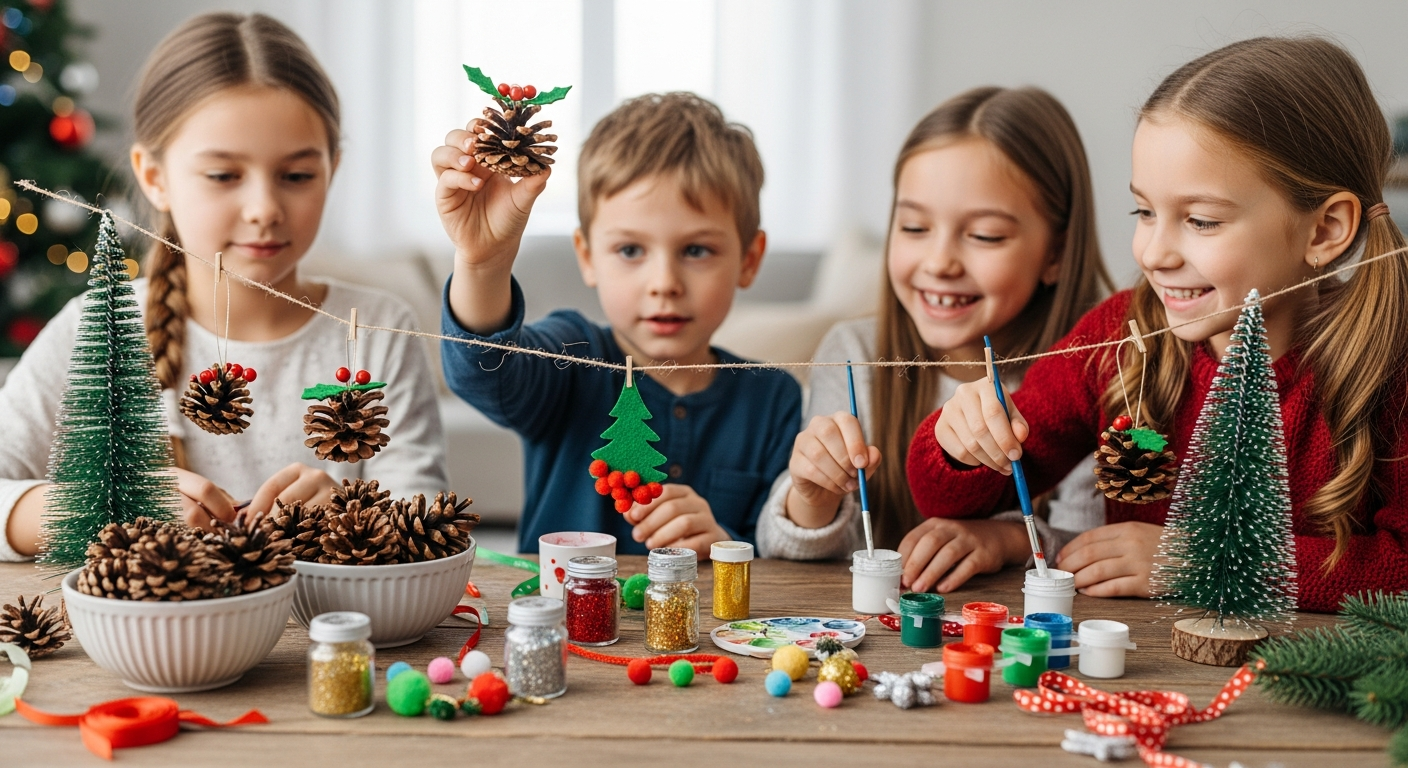
Table of Contents
- Introduction
- Why Pinecones? The Perfect Natural Crafting Material
- Developmental Benefits of Christmas Pinecone Crafts
- Fun Christmas Pinecone Craft Ideas for Kids
- Tips for a Successful Crafting Session
- Safety First: Crafting with Young Children
- Beyond the Craft: Extending the Learning
- Conclusion
- FAQ
Introduction
The holiday season twinkles with magic, bringing with it a unique opportunity to create cherished memories and spark developmental growth in our little ones. Beyond the dazzling lights and festive treats, there's a simple, natural wonder waiting to be transformed: the humble pinecone. For many families, crafting is more than just a fun activity; it's a powerful avenue for learning, bonding, and expression. Imagine a quiet afternoon, the scent of pine needles in the air, and tiny hands eagerly gluing glitter onto a newly found pinecone, describing its bumpy texture and dreaming of its transformation into a snowy owl or a shimmering ornament.
This blog post isn't just about making pretty decorations; it's a comprehensive guide to unlocking the incredible developmental potential hidden within Christmas pinecone crafts. We'll explore a variety of engaging, kid-friendly projects that cater to different age groups and skill levels, providing step-by-step instructions that encourage creativity and collaboration. More importantly, we’ll delve into how these hands-on activities are intrinsically linked to fostering crucial speech, language, and fine motor skills. We understand that every child's journey is unique, and at Speech Blubs, our mission is to empower children to speak their minds and hearts, helping them communicate their ideas and feelings with confidence. Just as a pinecone transforms with a little care, so too can a child’s communication blossom through joyful, engaging experiences – both hands-on and through our scientifically backed "smart screen time."

Why Pinecones? The Perfect Natural Crafting Material
Pinecones are nature’s gift to crafters, especially during the festive season. They are abundant, free (if you know where to look!), and incredibly versatile. Their unique texture and shape make them an ideal base for countless creative projects, offering a sensory experience that plastic toys simply can’t replicate.
The Abundance and Accessibility of Pinecones
Collecting pinecones can be an adventure in itself, turning a simple walk in the park or woods into a treasure hunt. This initial step immediately engages children with nature, fostering observation skills and a connection to their environment. It’s also a wonderful way to introduce concepts like seasons and natural cycles.
Preparing Your Pinecones for Crafting
Before diving into the fun, a little preparation goes a long way.
- Cleaning: Gently brush off any loose dirt, leaves, or bugs. A toothbrush works wonders for getting into the nooks and crannies.
- Baking (Optional but Recommended): To ensure your pinecones are free of any hidden critters and to fully open them up, bake them on a foil-lined baking sheet at 200°F (93°C) for about 30-60 minutes, or until they’ve fully opened. Keep a close eye on them to prevent burning. Let them cool completely before crafting. This step also helps to release that wonderful natural pine scent!
Developmental Benefits of Christmas Pinecone Crafts
Crafting with pinecones offers a rich tapestry of developmental benefits that extend far beyond simply creating a festive decoration. It’s a holistic learning experience that touches upon various crucial areas of a child's growth.
Enhancing Speech and Language Skills
Every step of a crafting project, from planning to execution and completion, is ripe with opportunities for language development.
- Vocabulary Expansion: As children work, they naturally encounter new words. "Prickly," "smooth," "glittery," "sticky," "pinecone," "ornament," "decorate," "attach," "squeeze," "fluffy," "sparkly" – these are just a few examples. Actively describing textures, colors, and actions during the craft helps cement these words in their minds. For a child who might be a "late talker," hearing you narrate your actions ("I'm squeezing the glue," "This red glitter is sparkly!") provides invaluable language models.
- Following Directions: Most crafts involve a sequence of steps. "First, we glue the eyes. Then, we add the pom-pom nose." This helps children practice understanding and following multi-step instructions, a critical skill for both daily life and academic success. We know that clarity in instructions is key, which is why our Speech Blubs app utilizes clear, peer-to-peer video modeling to help children understand and imitate language patterns.
- Sequencing and Storytelling: Once a craft is complete, encourage your child to retell the steps they took to create it. "First, I found the pinecone. Then, I painted it green. After that, I put glitter on it, and now it's a Christmas tree!" This activity strengthens their ability to sequence events and build narrative skills. You can even invent stories about the finished pinecone character.
- Requesting and Social Communication: Children will naturally need to ask for materials: "More glue, please," "Can I have the red pom-poms?" This encourages polite requesting, turn-taking, and sharing, which are fundamental social communication skills. For children who struggle with initiating these requests, structured play provides a safe and motivating environment to practice.
- Descriptive Language: Ask open-ended questions: "How does it feel?" "What colors did you use?" "What is your pinecone snowman doing?" This prompts children to use adjectives and verbs, expanding their descriptive language. Much like the interactive activities within Speech Blubs that prompt children to describe objects and actions, crafting offers a natural setting for this important practice.
Fine Motor Skills and Hand-Eye Coordination
The intricate nature of pinecones and the small craft materials involved are a playground for developing fine motor skills.

- Pincer Grasp: Picking up small beads, sequins, or pom-poms strengthens the pincer grasp, crucial for holding pencils, buttons, and zippers.
- Cutting and Gluing: Squeezing glue bottles, manipulating glue sticks, and (for older children) safely using child-friendly scissors all refine hand muscles and coordination.
- Bilateral Coordination: Holding a pinecone with one hand while decorating it with the other improves bilateral coordination, essential for many daily tasks.
Cognitive Development
Crafting is a powerful brain-booster!
- Problem-Solving: "How can I make the snowflake stick?" "Where should the eyes go so it looks like an owl?" Children learn to think creatively and find solutions.
- Planning and Organization: Laying out materials, deciding on colors, and thinking through the steps of a project enhances planning and organizational skills.
- Creativity and Imagination: Pinecones become anything a child imagines – a tiny gnome, a glistening ornament, a snowy friend. This freedom to create fuels imagination.
Sensory Exploration
Pinecones offer a unique tactile experience. Their bumpy, woody texture, combined with the smooth feel of paint, the stickiness of glue, and the sparkle of glitter, provides rich sensory input. This multi-sensory engagement can be particularly beneficial for children who are sensory seekers or those who need gentle exposure to different textures.
Emotional and Social Growth
Working on a craft project, especially alongside family members, fosters significant emotional and social development.
- Building Confidence: Completing a project, no matter how simple, gives a child a wonderful sense of accomplishment and boosts their self-esteem.
- Patience and Persistence: Some steps might be tricky, requiring patience and the ability to persist through small challenges.
- Family Bonding: Crafting together creates joyful, shared experiences. These moments of connection strengthen family ties and provide a relaxed environment for communication. Our founders, who all grew up with speech problems, created Speech Blubs because they understood the profound impact that joyful, connected learning experiences can have. They wished for a tool that blended scientific principles with play, a tool for family connection, not passive viewing.
Fun Christmas Pinecone Craft Ideas for Kids
Now, let's get to the fun part! Here are several engaging Christmas pinecone crafts, designed to inspire creativity and support developmental growth. Remember, adult supervision and assistance are encouraged, transforming craft time into valuable co-play.
1. Glittery Pinecone Ornaments
What you’ll need: Pinecones, white glue, various colors of glitter, string or ribbon, small screw eyes (optional, for adult use).
How to make them:
- Help your child paint a layer of white glue onto the pinecone scales.
- While the glue is wet, sprinkle glitter generously over the pinecone. Encourage them to choose colors and describe their choices ("I'm using sparkly blue glitter!").
- Let the pinecones dry completely.
- Once dry, an adult can twist a small screw eye into the top of the pinecone and tie a loop of string or ribbon through it for hanging. Developmental Focus: Fine motor (squeezing glue, sprinkling glitter), sensory (texture of glitter, pinecone), language (color names, descriptive words like "sparkly," "shimmering").
2. Pinecone Christmas Trees
What you’ll need: Pinecones, green paint (acrylic or tempera), small pom-poms, mini star stickers or foam stars, white glue, cardboard base (optional).
How to make them:
- Paint the pinecones green. This is a great opportunity to talk about the color green and the shape of Christmas trees.
- Once dry, children can glue small pom-poms onto the pinecone scales as "ornaments."
- Place a star sticker or foam star at the very top.
- For stability, an adult can glue the base of the pinecone onto a small cardboard circle. Developmental Focus: Color recognition, fine motor (painting, gluing small objects), sequencing (paint first, then decorate), imaginative play ("Let's put this tree in our pretend forest!").
3. Pinecone Snowmen or Gnomes
What you’ll need: Pinecones, white paint, small pom-poms (for hats and noses), googly eyes, felt scraps (for scarves), white glue.
How to make them:
- Paint the pinecones white, focusing on the tips of the scales to resemble snow.
- Once dry, glue on googly eyes for the face.
- Add a small orange pom-pom for a carrot nose.
- Glue a larger pom-pom on top for a hat, and a strip of felt for a scarf. Developmental Focus: Body parts (eyes, nose), imaginative play, storytelling ("My snowman is wearing a warm hat because it's cold!"), fine motor (placing small elements). For a parent whose 3-year-old "late talker" loves playing with characters, crafting a pinecone snowman and giving it a name could spark conversations about feelings, actions, and simple sentences like "Snowman happy!" or "Snowman sees tree!" This is similar to how Speech Blubs uses engaging themes and characters to motivate language use.
4. Pinecone Owls
What you’ll need: Pinecones, felt scraps (brown, tan, white), googly eyes, white glue, small branch or twig (optional).
How to make them:
- Cut out felt shapes for wings, a beak, and a belly patch.
- Glue the belly patch onto the front of the pinecone.
- Glue the googly eyes above the belly patch, then the beak.
- Attach the felt wings to the sides of the pinecone.
- An adult can help glue the owl onto a small twig to create a perch. Developmental Focus: Shape recognition (cutting circles for eyes, triangles for beaks), animal sounds (hoots!), descriptive language (brown feathers, big eyes), fine motor (cutting, precise gluing).
5. Scented Pinecones
What you’ll need: Prepared pinecones, essential oils (cinnamon, clove, orange, peppermint are great for Christmas), plastic bag.
How to make them:
- Place several pinecones into a large sealable plastic bag.
- Add about 10-20 drops of your chosen essential oil(s) to the bag.
- Seal the bag and shake gently to coat the pinecones.
- Let the pinecones sit in the sealed bag for at least 24 hours (or up to a week for a stronger scent), shaking occasionally.
- Remove and display in bowls or baskets. Developmental Focus: Sensory exploration (smell), descriptive language (spicy, sweet, minty), following multi-step directions. This is a simple, less messy craft perfect for younger children focusing on sensory input.
6. Pinecone Animals (Squirrels, Foxes, Hedgehogs)
What you’ll need: Pinecones, felt in various colors (brown, orange, black, white), small googly eyes, white glue, small pom-poms.
How to make them:
- Choose a pinecone to be the body of your animal.
- Cut felt shapes for ears, tails, and facial features. For a squirrel, cut a bushy tail; for a fox, triangular ears and a pointed snout.
- Glue the felt pieces onto the pinecone.
- Add googly eyes and a small pom-pom for the nose. Developmental Focus: Animal recognition, imaginative play, storytelling about the animal, fine motor skills (cutting specific shapes, precise gluing). Much like how our "Animal Kingdom" section in Speech Blubs provides a fun, motivating way to practice "moo" and "baa" sounds, crafting these animals can inspire children to mimic animal sounds and talk about their characteristics. If your child is having trouble with specific animal sounds, you can always jump into the app. Download Speech Blubs on the App Store or Google Play Store to explore those sounds and more!
7. Pinecone Garlands
What you’ll need: Many pinecones (smaller ones work best), twine or sturdy string, hot glue gun (adult use only) or sturdy craft wire.
How to make them:
- Paint or glitter your pinecones if desired (see Ornament craft).
- An adult will carefully hot glue or wire each pinecone onto the twine at regular intervals.
- Hang your festive garland! Developmental Focus: Counting (how many pinecones?), pattern recognition (if alternating decorated/plain), collaborative language (working together to decide spacing).
Tips for a Successful Crafting Session
Creating a positive and supportive environment is key to maximizing the developmental benefits of crafting.
Embrace the Mess
Crafting with kids will be messy. Lay down newspaper or a washable tablecloth. Dress kids in old clothes. Focus on the process, not just the perfect outcome. A little mess means a lot of fun and learning!
Encourage Child-Led Creativity
While you can offer suggestions, let your child take the lead in their creations. If their "Christmas tree" ends up being purple with rainbow glitter, celebrate their unique vision! This fosters independence and self-expression.
Provide Choices
Instead of asking, "What color do you want?" try "Do you want blue glitter or red glitter?" Giving limited choices can empower children without overwhelming them, especially those who might struggle with open-ended decisions.
Narrate and Engage
Talk constantly during the craft. Describe what you're doing, what your child is doing, and the materials you're using. Ask questions that encourage them to describe their actions and observations. "I see you're really concentrating on that tiny pom-pom! What color is it?"
Patience and Positive Reinforcement
Some children might get frustrated if a piece doesn't stick or their vision isn't realized perfectly. Offer gentle encouragement and help them find solutions. Focus on praising their effort and participation, not just the final product. Building confidence in their abilities is paramount.
Connect to Other Learning Tools
Just as hands-on crafting builds foundational skills, "smart screen time" can reinforce and expand upon them. At Speech Blubs, we blend scientific principles with play into one-of-a-kind "smart screen time" experiences that are screen-free alternatives to passive viewing. Our unique "video modeling" methodology allows children to learn by watching and imitating their peers, making communication skills accessible and engaging. For example, after creating a pinecone animal, explore the "Wild Animals" section in Speech Blubs to practice making animal sounds and learning related vocabulary!
Safety First: Crafting with Young Children
Safety should always be a priority during crafting sessions.
- Non-Toxic Materials: Ensure all paints, glues, and embellishments are labeled non-toxic, especially for toddlers who might still put things in their mouths.
- Small Parts: Be mindful of small beads, buttons, or sequins that could be choking hazards for very young children. Supervise closely or opt for larger, safer alternatives like chunky yarn or fabric scraps.
- Scissors and Hot Glue: Only allow child-safe scissors for older children, and always supervise. Hot glue guns should be handled exclusively by adults.
- Allergies: Be aware of any potential allergies to craft materials or natural items like pinecones.
Beyond the Craft: Extending the Learning
The learning doesn't stop when the glue dries!
Display and Celebrate
Proudly display your child's pinecone creations. This reinforces their sense of accomplishment and encourages future creative endeavors. Talk about them: "Remember when you made this beautiful pinecone tree? What was your favorite part?"
Gift Giving
Pinecone crafts make heartfelt, personalized gifts for family and friends. This teaches children about generosity and the joy of giving. They can even practice saying "Merry Christmas" or "Happy Holidays" as they present their gift.
Nature Exploration
Inspired by pinecones, continue exploring other natural elements. Collect leaves, twigs, or stones and talk about their textures, colors, and shapes. This deepens their connection to the natural world and provides endless language opportunities.
Incorporate Technology Thoughtfully
We at Speech Blubs are committed to providing an immediate, effective, and joyful solution for the 1 in 4 children who need speech support. Our tool, born from the personal experiences of our founders who all grew up with speech problems, offers a powerful supplement to traditional learning methods. When a child struggles with expressing their crafting ideas, or needs a boost in vocabulary, our app provides a supportive and fun environment. Learn more about the science behind our method and how it’s rated in the top tier of speech apps worldwide. You can also read testimonials from other parents who have seen wonderful progress with their children using Speech Blubs.
Conclusion
The festive season offers a magical canvas for childhood development, and Christmas pinecone crafts for kids provide a uniquely tactile, sensory, and language-rich experience. From strengthening fine motor skills and expanding vocabulary to fostering problem-solving and building confidence, these simple projects offer a wealth of benefits. More than just pretty decorations, they are conduits for communication, creativity, and cherished family moments. These hands-on activities, when combined with supportive and engaging learning tools, create a holistic approach to your child's growth.
At Speech Blubs, we believe in empowering every child to speak their minds and hearts. Our app seamlessly integrates scientific methodology with play, offering a "smart screen time" experience that complements activities like pinecone crafting by providing structured opportunities for speech and language practice. If you've been wondering how to support your child's communication journey, especially during the busy holidays, remember that every small interaction and creative endeavor makes a difference.
Ready to bring the magic of communication to life this holiday season? Take the first step today! We encourage you to start your 7-day free trial and experience the full suite of features Speech Blubs has to offer. To get the absolute best value, choose our Yearly plan for just $59.99 per year (that's only $4.99/month, saving you 66% compared to the monthly plan!). The Yearly plan not only gives you incredible savings but also includes the extra Reading Blubs app, early access to new updates, and a 24-hour support response time. The Monthly plan at $14.99 per month does not include these additional benefits.
Don't wait to foster joy, connection, and confidence in your child's communication. Download Speech Blubs on the App Store or Google Play Store to get started with your free trial today. You can also create your account on our website to begin! For parents who are uncertain if their child could benefit, take our quick 3-minute preliminary screener to get a simple assessment and a personalized next-steps plan. It's a quick and easy way to gain valuable insights and unlock your child's full communication potential.
FAQ
Q1: What age group are pinecone crafts best suited for?
Pinecone crafts are wonderful for a wide range of ages, from toddlers to school-aged children. For toddlers (1-3 years), focus on simple activities like painting, gluing larger items, and sensory exploration. Preschoolers (3-5 years) can handle more steps, cut with child-safe scissors, and engage in imaginative play. School-aged children (6+) can work on more intricate designs, detailed painting, and independent project planning. Always adapt the complexity and supervision level to your child's developmental stage.
Q2: How can I clean and prepare pinecones safely?
To clean pinecones, first, brush off any loose dirt or debris. For a thorough cleaning and to eliminate any pests, bake them on a foil-lined baking sheet in a preheated oven at 200°F (93°C) for 30-60 minutes. Keep a close eye on them to prevent burning. This also helps them open up beautifully. Always let them cool completely before crafting. Ensure any crafts using baked pinecones are not placed near open flames for safety.
Q3: How do pinecone crafts help with language development?
Pinecone crafts offer numerous opportunities for language development. Children learn new vocabulary (e.g., "prickly," "glittery," "attach," "sequin") by hearing you describe actions and materials. They practice following multi-step directions, enhance descriptive language by talking about colors, textures, and shapes, and strengthen sequencing skills by retelling the steps of their craft. Open-ended questions during crafting encourage expressive language and storytelling, similar to the interactive prompts found in the Speech Blubs app designed to elicit speech.
Q4: My child gets easily frustrated during crafts. How can I help them enjoy it?
The key is to focus on the process, not just the perfect outcome. Keep projects simple and age-appropriate, and be flexible with expectations. Offer plenty of encouragement and praise their effort rather than the final product. Break down complex steps into smaller, manageable tasks. If frustration arises, take a break or simplify the activity further. Remember, crafting is about connection and exploration. For children who struggle with communicating their frustration or needs, engaging in activities that naturally foster language, like the interactive exercises in Speech Blubs, can build their expressive vocabulary and confidence over time.
About the author