
Joyful Thanksgiving: Fun Activities for Kids
 By Speech Blubs Team•Jan 13, 2026•18 min.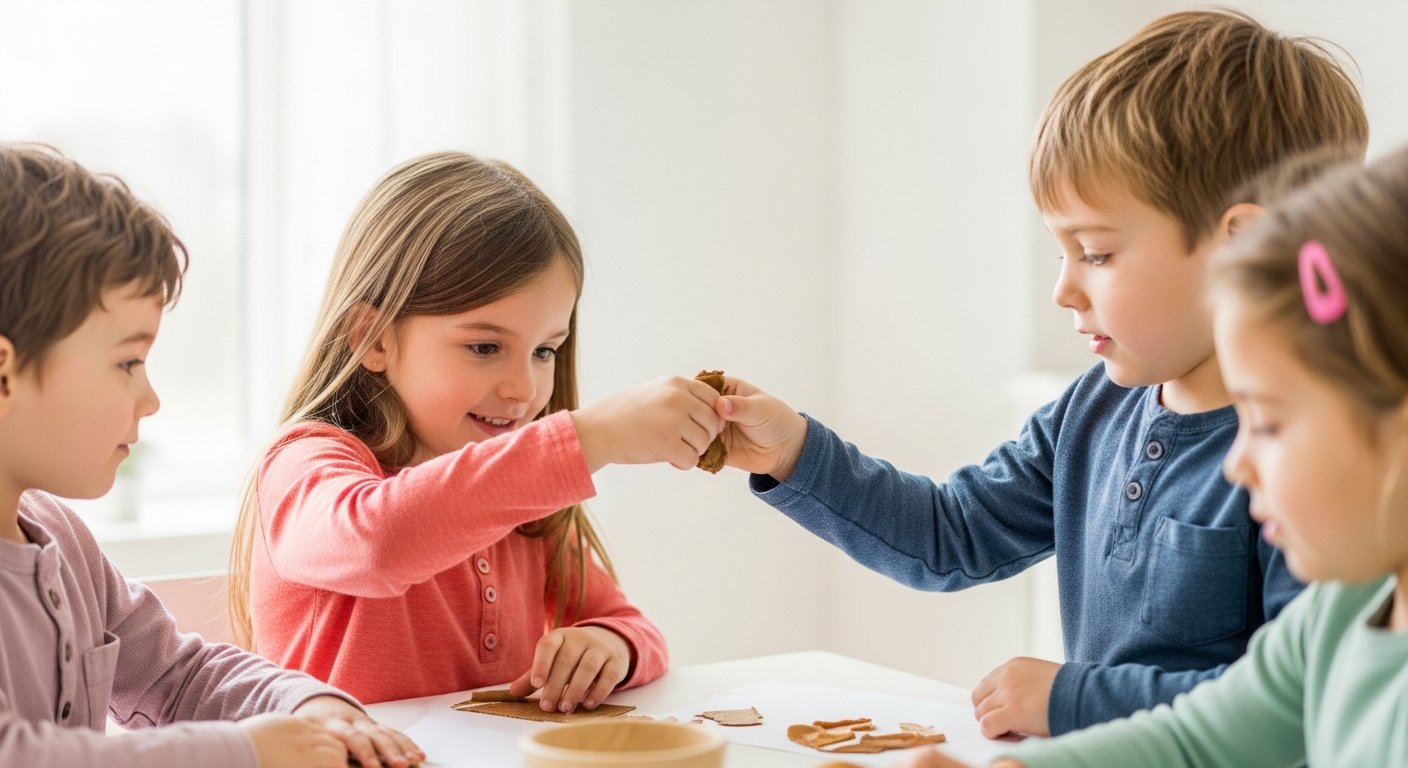
Table of Contents
- Introduction
- Creating Lasting Memories: Classic Thanksgiving Traditions with a Twist
- Nurturing Communication: Language-Rich Thanksgiving Activities
- Creative Expression: Thanksgiving Crafts & Culinary Adventures
- Integrating "Smart Screen Time": How Speech Blubs Supports Thanksgiving Learning
- Beyond Thanksgiving Day: Extending the Season of Gratitude
- Conclusion
- FAQ
Introduction
As the crisp autumn air settles in and leaves paint the landscape in hues of gold and crimson, there's a unique magic that begins to stir – the magic of Thanksgiving. It's more than just a feast; it's a cherished opportunity to gather loved ones, reflect on blessings, and create heartwarming memories that last a lifetime. Yet, with so much to organize, parents often wonder how to keep the little ones engaged and make the holiday truly special for them.
This blog post is dedicated to helping you unlock the full potential of this wonderful holiday. We'll explore a variety of fun, engaging, and age-appropriate activities that not only entertain your children but also enrich their development. From classic traditions reimagined to creative new endeavors, you'll discover how Thanksgiving can be a powerful time for fostering gratitude, strengthening family bonds, and importantly, nurturing your child’s communication skills. Our goal is to provide you with practical, joyful ways to celebrate, ensuring that this Thanksgiving becomes a treasured chapter in your family's story, full of connection and meaningful growth.

Creating Lasting Memories: Classic Thanksgiving Traditions with a Twist
Thanksgiving offers a rich tapestry of traditions that can be adapted and enhanced to involve children of all ages. These activities are not just about passing the time; they're about building a sense of belonging, imparting valuable lessons, and, crucially, encouraging rich communication.
The Heart of Thanksgiving: Gathering and Gratitude
The essence of Thanksgiving lies in coming together and acknowledging the good in our lives. These activities put gratitude at the forefront.
- The Big Feast & Gratitude Circle:
- The traditional Thanksgiving meal is, for many, the pinnacle of the day. As plates are filled and aromas waft through the air, turn the conversation towards gratitude. Before diving into dessert, invite everyone around the table to share one thing they are truly thankful for. For younger children or those who might be a little shy, you can make it fun by using a "gratitude stone" or a "thankful turkey feather" that they pass around. Whoever holds it gets to share their thought.
- This exercise is a wonderful way to encourage expressive language and active listening skills. For a child who might be a "late talker" or struggles with forming full sentences, this can be a gentle, low-pressure way to practice. For example, if your child loves animals, they might share, "I'm thankful for our fluffy cat!" You can help them rehearse simple phrases like "I'm thankful for [favorite food]" or "I'm thankful for [toy]" using the "What's Your Superpower?" section in the Speech Blubs app. This pre-practice can build their confidence to speak up at the table, allowing them to truly speak their minds and hearts.
- Watching the Thanksgiving Day Parade:
- For many families, Thanksgiving morning kicks off with the spectacle of the Macy's Thanksgiving Day Parade. The giant balloons, marching bands, and colorful floats are a delight for children. Make it an interactive experience by pointing out favorite characters, discussing colors, and predicting what will come next.
- This simple act of shared viewing fosters observation skills and provides countless opportunities for conversational exchanges. Ask questions like, "What's your favorite balloon?" or "What color is that float?" You can even play a game of "I Spy" with parade elements. To enhance vocabulary and object naming, consider practicing with relevant categories in Speech Blubs, such as "Colors" or "Animals," helping them identify and articulate what they see.
- Volunteering as a Family:
- Thanksgiving is an ideal time to instill the value of giving back. Seek out opportunities to volunteer as a family, whether it's helping at a local soup kitchen, collecting canned goods for a food drive, or preparing care packages for those in need.
- Engaging in community service teaches empathy, social responsibility, and the power of collective action. Afterward, discuss the experience with your children. "What did we do today?" "Who did we help?" "How did it make you feel?" This encourages descriptive language and the articulation of emotions, deepening their understanding of the world around them. It's a powerful way to expand their vocabulary related to actions and feelings.
- Family Games Galore:
- What better way to foster connection and joy than through friendly competition? After the big meal, gather everyone for some classic family games. This could range from beloved board games and card games to active outdoor pursuits like flag football or a lively game of charades.
- Games are a fantastic vehicle for developing crucial social and communication skills. They encourage turn-taking, problem-solving, strategic thinking, and emotional regulation (learning to win and lose gracefully). For charades or Pictionary, children get to practice descriptive language and actions. If your child is working on specific action words, a quick session with the "Action Words" section in Speech Blubs can provide a fun vocabulary boost before the game begins. Remember, these are not just games; they are powerful tools for building confidence and reducing frustration in social interactions.
Nurturing Communication: Language-Rich Thanksgiving Activities
Beyond the traditional celebrations, Thanksgiving offers unique chances to actively enhance your child's language and communication development through themed activities.

Expressing Thanks: Building Vocabulary and Concepts
- The Gratitude Jar or Tree:
- This activity is a wonderful way to cultivate a daily habit of thankfulness. All you need is a jar or a drawn tree outline on a large piece of paper, along with small slips of paper and writing instruments. Each day leading up to Thanksgiving, or even on the day itself, encourage your children (and yourselves!) to write or draw something they are thankful for. Fold the slips and place them in the jar, or tape the "leaves" onto the tree. On Thanksgiving Day, read them aloud, reflecting on all the blessings.
- This exercise directly encourages expressive language and the articulation of thoughts and feelings. For children who are still developing their vocabulary, this is a perfect opportunity to practice new words related to their thankfulness. For instance, if a child is thankful for a "warm blanket," they might be exploring adjectives. The "Adjectives" section in Speech Blubs can help them expand their descriptive vocabulary, allowing them to express why they are thankful for a "soft teddy bear" or a "sunny day." This activity is about more than just identifying things; it's about connecting words to personal experience.
- Creating "Thank You" Cards:
- In a world increasingly dominated by digital communication, the handwritten "thank you" card holds a special charm. Encourage your children to create personalized cards for family members, friends, teachers, or anyone they appreciate. Provide art supplies like crayons, markers, stickers, and glitter.
- This activity is a fantastic way to develop fine motor skills, letter recognition, and early writing. It also fosters empathy and social awareness, as children consider who they are writing to and what they want to express. Even if they only dictate a few words for you to write, the act of thinking about gratitude and directing it towards a specific person is incredibly valuable for their social-emotional development.
- Thanksgiving Storytelling & Story Starters:
- Gather around (perhaps by a cozy fireplace or with warm apple cider) and engage in imaginative storytelling. You can use Thanksgiving-themed prompts like "Tell me about a turkey who didn't want to be eaten!" or "Imagine the first Thanksgiving feast – what did it look like?" You can also share memories of past Thanksgivings and encourage your children to add details.
- Storytelling is foundational for developing narrative skills, sequencing events, and using descriptive language. It boosts creativity and strengthens listening comprehension. The "Story Time" section in Speech Blubs is specifically designed to inspire creative narrative building. Children can practice sequencing events, identifying characters, and using a richer vocabulary, which will empower them to share their own unique tales during family storytelling sessions. These shared moments build not only language skills but also lasting family connection.
- Thanksgiving "Would You Rather" Questions:
- This simple game is a fantastic conversation starter that requires no materials. Create a list of fun, Thanksgiving-themed "Would You Rather" questions: "Would you rather eat only pumpkin pie or only turkey for the rest of Thanksgiving?" "Would you rather have cranberry sauce that wiggles or gravy that sparkles?"
- "Would You Rather" questions promote critical thinking, expressive language, and decision-making. They encourage children to articulate their preferences and provide reasons for their choices, which is excellent for developing logical reasoning and argumentation skills. It's a relaxed way to practice turn-taking in conversation and hear different perspectives within the family.
Creative Expression: Thanksgiving Crafts & Culinary Adventures
Thanksgiving provides a wonderful backdrop for hands-on activities that engage the senses, foster creativity, and build practical skills.
Hands-On Fun: Engaging Senses and Skills
- Handprint Turkeys & Other Festive Crafts:
- The classic handprint turkey never goes out of style! Dip little hands in brown paint and stamp them onto paper, then add eyes, a beak, and colorful paper feathers. Other simple crafts include making turkeys from paper plates, pinecones, or even construction paper. You can also create leaf rubbings with collected autumn leaves or design pilgrim hats and bonnets.
- These crafts are excellent for developing fine motor skills, hand-eye coordination, and following instructions. They also provide opportunities for color naming, shape recognition, and sensory exploration (the feel of paint, the texture of leaves). As you craft, describe the colors you're using ("This is bright red paint!"), the actions ("We're gluing the feather here!"), and the materials ("This paper is smooth"). Speech Blubs has categories like "Colors" and "Action Words" that can perfectly complement this descriptive language, helping children associate words with their creative process.
- Decorating Thanksgiving Placemats:
- If you're hosting, personalize your dinner table by having children decorate placemats for your guests – or at least for the kids' table! Provide large sheets of paper or printable templates, along with crayons, markers, stickers, and glitter. They can draw pictures of what they're thankful for, create autumn scenes, or write names.
- This activity sparks creativity and strengthens fine motor skills. It also gives children a tangible role in preparing for the holiday, making them feel like an important part of the celebration. Discuss their designs: "Tell me about your placemat. Why did you draw that pumpkin?" This encourages them to articulate their creative choices and use descriptive language.
- Baking & Cooking Together:
- Involving children in the kitchen can be one of the most rewarding Thanksgiving activities. Whether it's mixing ingredients for a pie, mashing potatoes, or helping set the table, there are age-appropriate tasks for everyone.
- Cooking together is a multi-sensory experience that is rich in developmental benefits. It teaches children about following directions, measurement concepts, and the properties of different ingredients. Crucially, it provides a practical context for expanding vocabulary, from ingredient names ("flour," "sugar," "cinnamon") to action words ("mix," "pour," "stir," "bake"). For a child who is expanding their vocabulary, Speech Blubs' "Food" or "Action Words" categories can be ideal companions. For instance, while baking a pumpkin pie, you can practice words like "pumpkin," "sweet," and "mix" directly in the app, then apply them to the real-life activity. This makes learning concrete and incredibly fun.
Integrating "Smart Screen Time": How Speech Blubs Supports Thanksgiving Learning
In our commitment to empowering children to speak their minds and hearts, we at Speech Blubs understand that modern families seek solutions that are both effective and engaging. Our company was founded by individuals who personally experienced speech problems growing up, creating the very tool they wished they had. We are dedicated to providing an immediate, effective, and joyful solution for the 1 in 4 children who need speech support, blending scientific principles with play into one-of-a-kind "smart screen time" experiences.
Beyond Passive Viewing: Interactive Learning
While many screen time options are passive, like cartoons, Speech Blubs offers an active, interactive alternative. We believe in harnessing the power of technology to support development in a way that fosters family connection and learning. Our unique approach utilizes a "video modeling" methodology, where children learn by watching and imitating their peers. This technique leverages the natural inclination of children to mimic others, making learning speech and language skills intuitive and fun.
- Speech Blubs as a Companion for Thanksgiving:
- Think of Speech Blubs not as a replacement for family interaction, but as a powerful supplement to your child's overall development plan. It can be a fantastic tool to prepare for or reinforce the communication skills practiced during Thanksgiving activities.
- Relatable Scenario 1: Imagine a child who loves to talk about animals but struggles with specific sounds or longer phrases. Before visiting a petting zoo or engaging in animal-themed role-play games, they could spend time in the "Animal Kingdom" section of Speech Blubs. Here, they can practice imitating animal sounds and names by watching and mimicking other children. This practice helps build confidence, so when they see a turkey or a sheep in real life, they're more likely to confidently exclaim "gobble gobble!" or "baa!"
- Relatable Scenario 2: For a parent whose 3-year-old is a "late talker" and gets easily frustrated when trying to communicate during busy family gatherings, Speech Blubs offers a calming and focused practice environment. Before Grandma arrives, a few minutes in the "Feelings" category could help them identify and express emotions like "happy" or "excited." Later, when guests ask them how they are, they might be more inclined to share a simple, confident answer.
- Relatable Scenario 3: When everyone is gathered and there’s a bit of downtime, perhaps before dinner is served, a child can engage with the "Food" category in Speech Blubs. They can practice naming various dishes, describing tastes, or even asking for their favorite items by practicing phrases like "More please!" This not only expands their vocabulary but also encourages participation in mealtime conversations, reducing potential frustration.
- Our unique methodology is not just engaging; it’s backed by research, earning us a high MARS scale rating. You can learn more about the science behind our method and how it helps children develop foundational speech and language skills.
- The Value of Speech Blubs:
- We believe in transparency and providing exceptional value to families. When considering Speech Blubs, you have two primary options:
- Monthly Plan: Priced at $14.99 per month.
- Yearly Plan: Our most popular and value-packed option at $59.99 per year. This breaks down to just $4.99 per month, representing an incredible 66% savings compared to the monthly plan!
- Exclusive Yearly Plan Benefits: Choosing the Yearly plan doesn't just save you money; it unlocks a full suite of features designed to maximize your child's learning journey:
- A generous 7-day free trial to experience the app's full potential.
- Access to our companion Reading Blubs app, further supporting early literacy.
- Early access to new updates and content, keeping the learning fresh and exciting.
- 24-hour support response time for any questions or assistance you might need.
- Please note that the Monthly plan does not include these exclusive benefits, including the free trial.
- We encourage you to choose the Yearly plan to take advantage of the 7-day free trial and unlock all the powerful features that support your child's speech and language development all year long. Many parents have seen incredible progress, and you can see what other parents are saying about Speech Blubs to build your confidence.
Beyond Thanksgiving Day: Extending the Season of Gratitude
The lessons and joys of Thanksgiving don't have to end once the last slice of pie is gone. Many of these activities can be extended throughout the year, building on the foundation of gratitude and family connection.
Long-Term Benefits of Engaging Activities
- Family Tree Exploration:
- Thanksgiving is often when extended family members gather, making it the perfect time to explore your family history. For younger children, this can be as simple as drawing a family tree with pictures of immediate family, grandparents, and cousins. Older children might enjoy hearing stories about ancestors or looking at old photographs.
- This activity helps children develop a sense of identity and belonging. It introduces them to new vocabulary related to kinship and history, and encourages them to ask questions and listen attentively to stories. It's a wonderful way to connect generations and build a shared narrative.
- Holiday Movie Marathon:
- Once Thanksgiving transitions into the broader holiday season, cozy up on the couch for a themed movie marathon. While "A Charlie Brown Thanksgiving" is a classic, you can extend this to early holiday films, fostering a sense of anticipation for the season ahead.
- Discussing the plot, characters, and emotions portrayed in movies can enhance comprehension and descriptive language skills. Ask questions like, "How do you think that character feels?" or "What do you think will happen next?"
- Reading Thanksgiving Books:
- Curling up with themed picture books is a simple yet powerful way to expand vocabulary, foster a love for reading, and reinforce Thanksgiving concepts. Many books celebrate gratitude, family, and the history of the holiday.
- Reading together strengthens early literacy skills, comprehension, and phonetic awareness. For families on the Yearly plan, the companion Reading Blubs app offers even more opportunities for literacy fun, making reading an interactive and engaging experience that complements the physical books you share.
Conclusion
Thanksgiving is truly a special time – an opportunity to pause, appreciate, and connect. By incorporating these fun and engaging activities into your family's celebrations, you're doing more than just entertaining your children; you're actively fostering their gratitude, strengthening family bonds, and laying a rich foundation for their communication and social-emotional development. Each shared laugh, every expressed "thank you," and every collaborative craft contributes to a child's confidence and ability to connect with the world around them.
At Speech Blubs, we are passionate about providing tools that empower children to speak their minds and hearts. We believe that learning should be joyful and effective, and our app is designed to be a powerful, "smart screen time" companion to your child's developmental journey.
Ready to make this Thanksgiving and every day afterward a little more communicative and joyful? Download Speech Blubs on the App Store or get it on Google Play today! Don't forget, the best value and full suite of features, including a 7-day free trial and the Reading Blubs app, come with our Yearly plan. If you're still wondering if Speech Blubs is right for your child, why not take our quick 3-minute preliminary screener? It involves just 9 simple questions and provides an assessment along with a personalized next-steps plan to kickstart your free trial. Let's make this Thanksgiving a stepping stone to a year full of confident communication and wonderful family moments!
FAQ
Q1: How can I make these activities accessible for children with diverse communication needs?
A1: Adaptability is key! For children with diverse communication needs, simplify instructions, use visual aids (pictures, gestures), and offer choices. If verbal communication is challenging, encourage alternative forms like pointing, using sign language, or a communication board. Speech Blubs is designed to support various learning styles through video modeling, allowing children to learn at their own pace. Focus on engagement and participation, celebrating every attempt at communication, no matter how small.
Q2: What is "video modeling" and how does it help my child's speech?
A2: Video modeling is a scientifically backed technique where children learn by observing and imitating target behaviors demonstrated by others in video clips. In Speech Blubs, children watch their peers produce sounds and words, which activates mirror neurons in the brain, making imitation more natural and effective. This approach is highly engaging for kids, as they learn from "kid influencers" rather than just adults, fostering motivation and making complex communication skills feel like play.
Q3: How often should we use Speech Blubs with these activities?
A3: Consistency is more important than duration. Even 10-15 minutes of focused play with Speech Blubs daily, or a few times a week, can yield significant results. You can seamlessly integrate it around your Thanksgiving activities – use it to prepare for a gratitude circle by practicing "thankful" words, or to reinforce action words after baking together. The key is to make it a joyful, consistent part of your child's routine, complementing real-world interactions rather than replacing them.
Q4: What's the best way to get started with Speech Blubs for Thanksgiving fun?
A4: To get the most out of Speech Blubs, we recommend starting with our Yearly plan. It offers the best value, saving you 66% compared to the monthly subscription, and includes a full 7-day free trial. This way, you can explore all the app's features, including the companion Reading Blubs app, and see how effectively it supports your child's development. Simply create your account on our website or download Speech Blubs from the App Store or Google Play and select the Yearly option to unlock all benefits immediately.
About the author