
Magical Memories: DIY Christmas Crafts for Kids
 By Speech Blubs Team•Dec 22, 2025•19 min.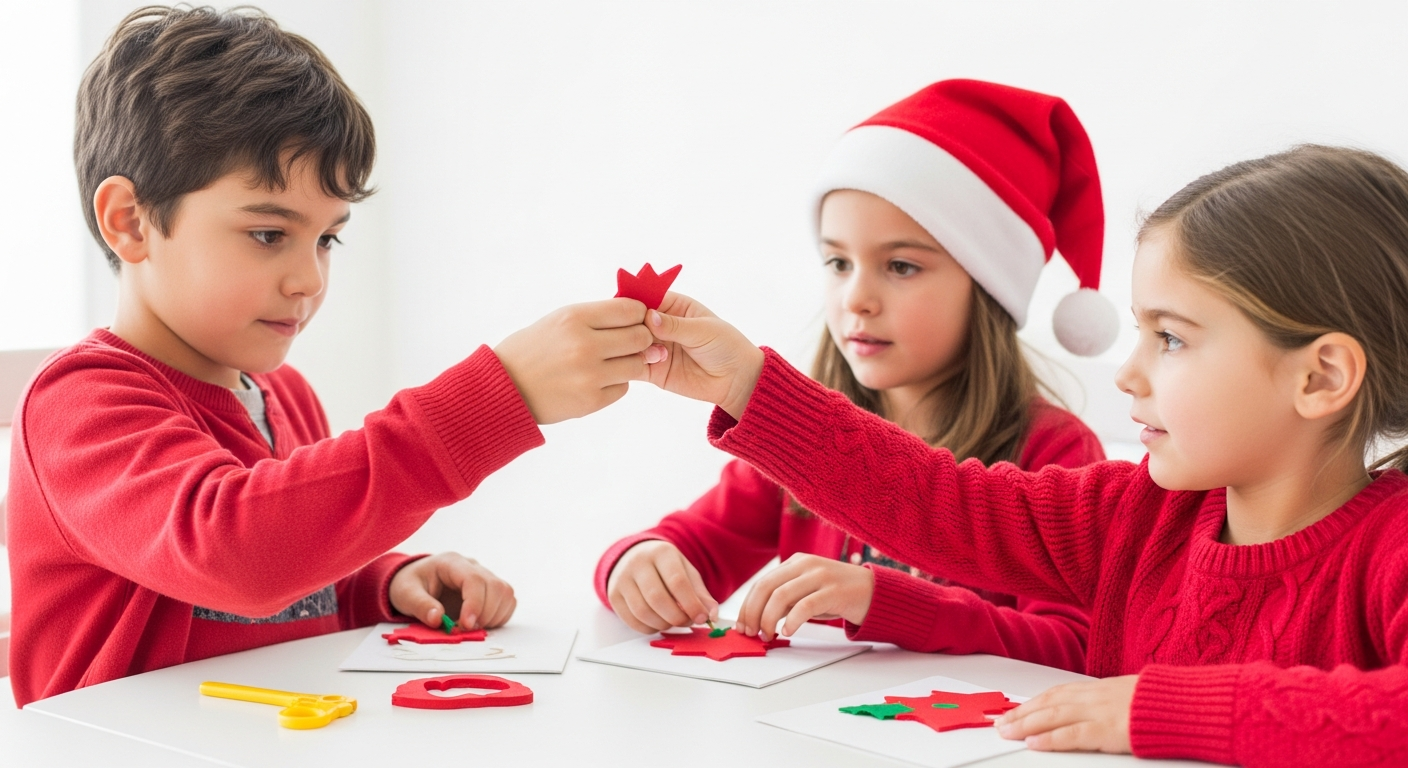
Table of Contents
- The Magic of Making: Why DIY Christmas Crafts Matter for Kids
- Getting Started: Essential Supplies for Your Crafting Nook
- Crafting for Communication: How DIY Projects Boost Speech Skills
- DIY Christmas Craft Ideas for Every Age & Stage
- Making it Meaningful: Beyond the Craft Itself
- Supporting Your Child's Communication Journey with Speech Blubs
- Pricing & Value: Your Investment in Joyful Communication
- Conclusion
- FAQ
The holiday season twinkles with anticipation, a time when homes glow with festive lights and the air buzzes with excitement. But beyond the glitter and carols, Christmas offers a unique opportunity for families to create something truly precious: shared experiences and lasting memories. Think back to your own childhood – chances are, some of your most cherished holiday recollections involve hands-on activities, like decorating the tree with homemade ornaments or crafting gifts for loved ones. These aren't just trivial pastimes; they are powerful moments of connection, creativity, and incredible developmental growth for children. This post will explore the profound benefits of engaging your little ones in DIY Christmas crafts, offering a treasure trove of ideas suitable for every age and stage. We’ll delve into how these fun, festive projects can spark imagination, hone fine motor skills, and, crucially, act as a wonderful catalyst for speech and language development, fostering communication skills that empower children to express their minds and hearts.

The Magic of Making: Why DIY Christmas Crafts Matter for Kids
There's something inherently magical about crafting, especially during the Christmas season. It transforms simple materials into festive treasures and ordinary moments into extraordinary memories. But the benefits extend far beyond just creating pretty decorations; engaging in DIY Christmas crafts offers a rich tapestry of developmental advantages for children of all ages.
Firstly, these activities are a fantastic workout for fine motor skills. From gripping a crayon to squeezing glue, cutting paper, or carefully placing a pom-pom, every action refines dexterity and hand-eye coordination. These are foundational skills not only for writing and drawing but also for many aspects of self-care and play. Imagine a toddler carefully tearing strips of colored paper for a collage or a preschooler painstakingly threading beads onto a pipe cleaner – each motion strengthens tiny muscles and builds precision.
Secondly, crafting ignites cognitive development and problem-solving abilities. Children learn to follow instructions, understand sequencing ("first we glue, then we sprinkle glitter"), and make choices ("which color ribbon should I use?"). They experiment with cause and effect, discovering how different materials behave and how their actions shape the outcome. This process encourages critical thinking and resilience, as they learn that mistakes are just opportunities to try a new approach.
Finally, and perhaps most importantly, DIY Christmas crafts foster immense creativity and self-expression. There's no "wrong" way to make a snowflake or decorate a Santa hat. This freedom empowers children to explore their unique ideas, boosting their confidence and giving them a sense of accomplishment. When they proudly display their handmade ornament or gift a personalized card, they're not just showing off a craft; they're sharing a piece of their imagination and effort. These moments of pride and recognition are invaluable for building self-esteem.

Beyond individual development, crafting is a powerful tool for family connection. Gathering around a table to create together provides opportunities for conversation, collaboration, and shared laughter. It's a screen-free alternative that encourages genuine interaction, allowing parents and children to bond over a common, joyful purpose.
Getting Started: Essential Supplies for Your Crafting Nook
Before diving into the festive fun, it's helpful to gather a basic arsenal of craft supplies. You don't need to break the bank or buy everything at once; many everyday household items can be transformed into holiday masterpieces. A well-stocked, organized craft corner (even if it's just a designated bin) makes spontaneous creativity much easier.
Here's a list of essential, budget-friendly items to consider:
- Paper Power: Construction paper in various colors (red, green, white, brown are great for Christmas), cardstock for sturdier projects, paper plates, paper bags, toilet paper rolls, and newspaper for protection.
- Adhesive Allies: Child-safe glue sticks, liquid craft glue (white school glue works perfectly), and maybe some glitter glue for that extra sparkle.
- Cutting & Shaping: Kid-safe scissors (blunt-tipped for younger children), cookie cutters (great for shaping dough or tracing), and hole punches.
- Color Creators: Crayons, washable markers, tempera paint, and paintbrushes.
- Embellishment Extravaganza: Pom-poms, pipe cleaners, googly eyes, cotton balls, buttons, ribbons, yarn, glitter, sequins, and stickers.
- Nature's Treasures: Pinecones, small twigs, leaves, acorns – perfect for rustic, sensory crafts.
- Recycled Riches: Bottle caps, clean plastic containers, old magazines (for collages).
- Safety First: A washable craft mat or old newspaper to protect your surfaces.
Organizing these supplies in clear bins or drawers can make cleanup a breeze and encourage independence as children learn where to find and put away their materials.
Crafting for Communication: How DIY Projects Boost Speech Skills
While the artistic and developmental benefits of crafts are clear, their impact on speech and language development is often underestimated. Engaging in DIY Christmas crafts provides a natural, low-pressure environment for children to practice and expand their communication skills.
Consider a common scenario: a parent with a 3-year-old "late talker" who struggles to use descriptive words. While making a simple paper plate Santa, the parent can ask, "What color is Santa's hat?" "Is it big or small?" "How does the cotton feel? Is it soft?" These simple questions encourage the child to use new vocabulary related to colors, sizes, textures, and even actions like "cut," "glue," "paint," and "stick." The tangible nature of the craft provides immediate context, making it easier for children to associate words with objects and actions.
Crafts are also excellent for practicing following instructions and sequencing. As you guide your child through a project, you're naturally providing multi-step directions: "First, we'll draw the star, then we'll cut it out, and finally we'll glue it onto the tree." This strengthens their auditory processing and ability to understand and execute commands, crucial skills for classroom learning and everyday interactions. For children who might struggle with these concepts, the visual aid of the craft itself makes the process much clearer and less intimidating.
Furthermore, crafts can inspire storytelling. Once a project is complete, you can encourage your child to talk about it: "Tell me about your sparkly snowman! Where does he live? What does he like to do?" This prompts narrative development, helping them organize their thoughts, connect ideas, and use more complex sentence structures. They might describe the process ("I painted the house first, then added the glitter") or create a fictional story about their creation.
At Speech Blubs, we understand the power of engaging, hands-on learning experiences in fostering communication. Our mission is to empower children to speak their minds and hearts, and we believe that joyful, interactive activities are key. Just as DIY crafts provide a screen-free space for learning, our app offers a "smart screen time" alternative to passive viewing. We blend scientific principles with play, using a unique "video modeling" methodology where children learn by watching and imitating their peers. This approach is perfect for reinforcing the new words and sounds children encounter while crafting, providing a fun, motivating way to practice articulation and expand vocabulary.
Ready to empower your child's communication journey? Download Speech Blubs on the App Store or Google Play to begin a supportive adventure in speech development.
DIY Christmas Craft Ideas for Every Age & Stage
Every child develops at their own pace, but we can generally categorize craft ideas by age to offer developmentally appropriate and engaging suggestions. Remember, the goal isn't perfection, but participation and joyful exploration!
Toddler-Friendly Crafts (Ages 1-3): Simple Joys & Sensory Exploration
For our youngest crafters, the focus is on sensory exploration, repetition, and simple actions. These crafts are less about the final product and more about the process – squishing, tearing, patting, and observing.
- Cotton Ball Snowman:
- Materials: Blue or black paper, cotton balls, glue, orange paper (for nose), markers.
- Activity: Let your toddler glue cotton balls onto the paper to form a snowman shape. Guide them to draw eyes, a mouth, and a carrot nose.
- Communication Focus: Practice words like "soft," "white," "cold," "glue," "pat," "snowman." Ask "Where is the nose?" or "How many eyes?"
- Handprint/Footprint Ornaments:
- Materials: Salt dough (flour, salt, water), cookie cutters, paint, ribbon.
- Activity: Press your child's hand or foot into rolled-out salt dough. Cut around it with a cookie cutter, bake/dry, and then let them paint it. Add a ribbon to hang.
- Communication Focus: Name body parts ("hand," "foot"), talk about colors ("red handprint!"), actions ("press," "paint").
- Pasta Ornaments:
- Materials: Various dry pasta shapes (penne, farfalle, macaroni), glue, glitter, paint, string.
- Activity: Toddlers can practice picking up and gluing pasta shapes onto cardstock cutouts (like stars or trees). Once dry, they can paint or sprinkle glitter.
- Communication Focus: "Sticky," "smooth," "hard," "many," "one." Encourage them to ask for "more" pasta or "glue."
Unsure if your child could benefit from more targeted speech support in these early stages? Take our quick 3-minute preliminary screener to get a simple assessment and a free 7-day trial. It's a great first step to understanding their communication needs.
Preschooler Perfection (Ages 3-5): Developing Dexterity & Imagination
Preschoolers are ready for slightly more complex tasks, involving 2-3 step instructions, color recognition, and imaginative play. They love to tell stories about their creations.
- Paper Plate Santa:
- Materials: Paper plate, red construction paper, cotton balls, googly eyes, red pom-pom, markers, glue.
- Activity: Cut the paper plate in half for Santa's face. Add cotton balls for the beard and hat trim. Cut a red hat from construction paper and glue it on. Add googly eyes and a red pom-pom nose.
- Communication Focus: "Round," "fluffy," "red," "white," "big eyes," "happy Santa." Encourage them to describe Santa: "Santa has a long, white beard."
- Toilet Paper Roll Characters:
- Materials: Empty toilet paper rolls, construction paper, glue, scissors, markers, yarn.
- Activity: Transform toilet paper rolls into reindeers, elves, or even tiny Santas! Cover the roll with paper, add antlers, hats, clothes, and faces.
- Communication Focus: Practice character names, actions ("running," "flying"), prepositions ("on top," "underneath"), and descriptive adjectives ("tall," "green," "sparkly"). This is fantastic for building narrative skills.
- Pipe Cleaner Candy Canes:
- Materials: Red and white pipe cleaners.
- Activity: Guide children to twist one red and one white pipe cleaner together, then bend one end to create the candy cane hook.
- Communication Focus: "Twist," "bend," "red and white," "stripey," "sweet." Discuss the shape: "It looks like a 'J'!"
For a parent whose child struggles with expressing ideas or articulating sounds clearly, our "video modeling" method in Speech Blubs can be a game-changer. Just like these crafts build confidence through hands-on creation, our app builds communication confidence by allowing children to imitate their peers in fun, engaging activities. This scientifically backed approach helps children practice new sounds and words in a motivating way, making communication feel like play. Learn more about the science behind our method and how it’s rated as a top-tier speech app worldwide.
School-Aged Savvy (Ages 6-9): Intricate Designs & Independent Creation
Older children can handle multi-step projects, often requiring more precision and problem-solving. This age group enjoys projects they can personalize and proudly display or gift.
- Salt Dough Ornaments:
- Materials: Salt dough, cookie cutters, straw (for hole), paint, glitter, ribbon.
- Activity: Similar to toddlers, but school-aged children can roll, cut, decorate, and paint with more detail and independence. They can create intricate patterns or paint specific designs.
- Communication Focus: Discuss planning ("What design will you make?"), describe the process ("I'm mixing the colors"), and explain their choices ("I chose blue because it reminds me of ice").
- Popsicle Stick Sleds or Reindeer:
- Materials: Popsicle sticks, glue, paint, small beads, string.
- Activity: Glue popsicle sticks together to form a sled shape, or create reindeer figures by adding painted sticks for antlers and googly eyes.
- Communication Focus: Practice spatial concepts ("over," "under," "next to"), counting sticks, and explaining how to assemble the pieces. Encourage them to give you instructions!
- Personalized Picture Frames:
- Materials: Cardboard or plain wooden frames, paint, glitter, sequins, small ornaments, photos.
- Activity: Decorate frames with a Christmas theme, then insert a favorite holiday photo. These make wonderful, heartfelt gifts.
- Communication Focus: Discuss memories related to the photo, describe the decorations, and talk about who the gift is for and why.
Spark joy and communication this holiday season. Start your 7-day free trial with Speech Blubs today and see how our playful activities can complement your child's hands-on learning.
Pre-Teen Projects (Ages 10-12+): Personalization & Advanced Techniques
Pre-teens often seek projects that allow for greater personalization, advanced techniques, and a sense of accomplishment. They might enjoy collaborative projects or creating gifts with a purpose.
- Mason Jar Snow Globes:
- Materials: Mason jar, distilled water, glitter, small waterproof figurines (trees, snowmen), waterproof glue.
- Activity: Glue figurines to the inside of the jar lid. Fill the jar with distilled water, a pinch of glitter, and a drop of glycerin (optional, helps glitter fall slower). Screw on the lid tightly.
- Communication Focus: Discuss the science of how it works, describe the scene they're creating, explain the steps to a sibling or friend.
- Personalized Gift Tags or Wrapping Paper:
- Materials: Plain cardstock, stamps, markers, paint, glitter, twine, brown paper or plain white paper.
- Activity: Design and create unique gift tags or custom wrapping paper. They can draw, stamp, or stencil festive designs.
- Communication Focus: Discuss graphic design principles (even at a basic level), plan their designs, and practice persuasive language if they're "selling" their custom creations to family members.
- DIY Advent Calendar:
- Materials: Small boxes, paper bags, felt, string, pegs, small treats/notes.
- Activity: Create a calendar with 24 individual compartments or pouches, each holding a small treat, activity idea, or note.
- Communication Focus: Collaborative planning, problem-solving, discussing expectations, reading and writing short notes for each day.
Making it Meaningful: Beyond the Craft Itself
The true value of DIY Christmas crafts extends beyond the act of creation. It's in the moments that follow, and the lessons learned throughout the process.
- Displaying Creations: Encourage your child to proudly display their finished crafts. Whether it's a handmade ornament on the tree, a drawing on the fridge, or a snow globe on a shelf, seeing their work valued builds immense pride and confidence. It reinforces the idea that their efforts are meaningful.
- Gifting Crafts: Teaching children to create gifts for others is a beautiful way to instill generosity and appreciation. The thought and effort put into a handmade gift often mean more than a store-bought item. This also provides an opportunity to practice polite language when giving and receiving gifts.
- Documenting the Process: Take photos of your child while they're crafting and with their finished pieces. These visual memories become cherished keepsakes. You can even encourage older children to create a "Christmas Craft Journal," documenting their projects, materials, and how they felt while making them. This practice helps develop narrative skills and self-reflection.
At Speech Blubs, we believe in empowering children to "speak their minds and hearts" not just through formal practice, but through all aspects of their lives. Creative projects like these Christmas crafts are perfect avenues for children to express themselves, develop their unique voice, and build confidence in communicating their ideas. Discover more about our mission and how we support children's journey to confident communication.
Supporting Your Child's Communication Journey with Speech Blubs
We've seen how DIY Christmas crafts naturally build foundational skills for speech and language development – from fine motor control for writing readiness to expanding vocabulary, following instructions, and fostering storytelling. These hands-on activities are invaluable. However, for some children, additional support can make a significant difference in unlocking their full communication potential. That's where Speech Blubs comes in as a powerful, joyful supplement to your child's overall development plan.
Our company was born from a very personal place; our founders all grew up with speech problems and created the tool they wished they had. This personal connection drives our commitment to providing an immediate, effective, and joyful solution for the 1 in 4 children who need speech support. We understand the frustrations that can arise when a child struggles to communicate, and we’re here to help transform those challenges into moments of triumph.
Speech Blubs provides a screen-free alternative to passive viewing experiences like cartoons, transforming screen time into "smart screen time." Our app is designed to be a powerful tool for family connection, encouraging active participation and interaction between parent and child. We teach complex communication skills through our unique "video modeling" methodology, where children learn by watching and imitating their peers. This natural, engaging approach harnesses the power of mirror neurons, making learning feel like play. It's particularly effective for children who might find traditional learning methods less engaging, offering a vibrant, interactive platform where they can practice sounds, words, and phrases in a fun and motivating environment.
Imagine a child who gets frustrated when trying to articulate new words. Speech Blubs offers a safe, supportive space where they can experiment with sounds, mimic the clear articulation of their peers, and build confidence one word at a time. It’s a resource that complements the rich language exposure provided by activities like crafting, offering targeted practice in a playful context.
Hear inspiring stories from other parents who have seen remarkable progress in their children's communication skills by reading our testimonials. Their experiences highlight the real-world impact of our app.
Pricing & Value: Your Investment in Joyful Communication
At Speech Blubs, we believe in transparent pricing and offering exceptional value to families. We have designed our plans to ensure that every child has access to the support they need to "speak their minds and hearts."
We offer two primary subscription options:
- Monthly Plan: This plan is available for $14.99 per month. It provides full access to the core Speech Blubs app and its extensive library of engaging activities.
- Yearly Plan: Our Yearly plan is the best value, priced at $59.99 per year. This breaks down to just $4.99 per month, representing a substantial saving of 66% compared to the monthly plan.
The Yearly plan is designed to provide the most comprehensive and rewarding experience, packed with exclusive features that go above and beyond:
- 7-Day Free Trial: The Yearly plan includes a 7-day free trial, giving you ample time to explore all the features of Speech Blubs and see the positive impact it can have on your child's communication journey before committing. The Monthly plan does not include a free trial.
- Extra Reading Blubs App: When you choose the Yearly plan, you also gain access to our companion Reading Blubs app, a fantastic resource for fostering early literacy skills and complementing your child's speech development. This additional app is not included with the Monthly plan.
- Early Access to New Updates: Yearly subscribers receive early access to new content and app updates, ensuring your child always has fresh, engaging activities to enjoy.
- 24-Hour Support Response Time: We prioritize our Yearly subscribers with a dedicated 24-hour support response time, meaning any questions or technical assistance you need will be addressed promptly.
By choosing the Yearly plan, you're not just saving money; you're investing in a more complete and supported journey for your child's communication development. It's the clear best choice for families seeking long-term value and comprehensive resources.
Unlock the full potential of joyful learning! Sign up for the Yearly plan with a 7-day free trial and start your adventure today. Experience all the benefits Speech Blubs and Reading Blubs have to offer.
Conclusion
This holiday season, let's rediscover the simple, profound joy of creating with our children. DIY Christmas crafts offer a unique blend of festive fun, artistic expression, and essential developmental benefits. From strengthening tiny fingers and fostering problem-solving skills to expanding vocabulary and sparking imaginative storytelling, these activities are invaluable for a child's holistic growth. They create beautiful memories, build confidence, and, importantly, provide a natural, engaging platform for significant advancements in speech and language development.
Just as these hands-on crafts enrich your child's world, Speech Blubs is here to further support their communication journey. We offer a "smart screen time" solution that blends scientific methodology with playful interaction, empowering children to confidently express their minds and hearts. By combining the tangible joys of crafting with the targeted, engaging support of Speech Blubs, you're providing your child with a powerful, comprehensive approach to communication development.
Don't wait to foster your child's confidence and communication. Download Speech Blubs on the App Store or Google Play today to start your 7-day free trial and unlock the full suite of features by choosing the Yearly plan. Embark on this magical journey of joyful learning and confident communication with your family!
FAQ
Q1: What age are these DIY Christmas crafts suitable for? A1: We've provided ideas suitable for a wide range of ages, from toddlers (1-3 years old) focusing on sensory exploration to pre-teens (10-12+ years old) engaging in more intricate projects. The key is adapting the complexity and materials to your child's developmental stage and always supervising younger children.
Q2: How do crafts specifically help with speech development? A2: Crafts naturally encourage speech by providing opportunities for vocabulary expansion (colors, textures, actions), practicing following multi-step instructions, fostering descriptive language, and inspiring storytelling about the creations. They create a low-pressure environment for children to communicate their choices and ideas.
Q3: Do I need special or expensive materials for these crafts? A3: Absolutely not! Many of the craft ideas utilize common household items like paper plates, toilet paper rolls, cotton balls, and natural elements like pinecones. Our suggestions emphasize budget-friendly and accessible materials, ensuring that festive crafting is open to everyone.
Q4: How can Speech Blubs further support my child's communication development alongside crafts? A4: Speech Blubs acts as a powerful supplement, offering targeted practice in a fun, engaging way. While crafts build foundational skills, our app uses "video modeling" where children imitate peers, helping them practice articulation, expand vocabulary, and build confidence in a playful, interactive environment. It’s an ideal complement to hands-on learning, especially for children needing extra support. Take advantage of our 7-day free trial by choosing the Yearly plan to explore how it can benefit your child.
About the author