
Messy Play: Fun Activities for Kids to Learn & Grow
 By Speech Blubs Team•Jan 13, 2026•20 min.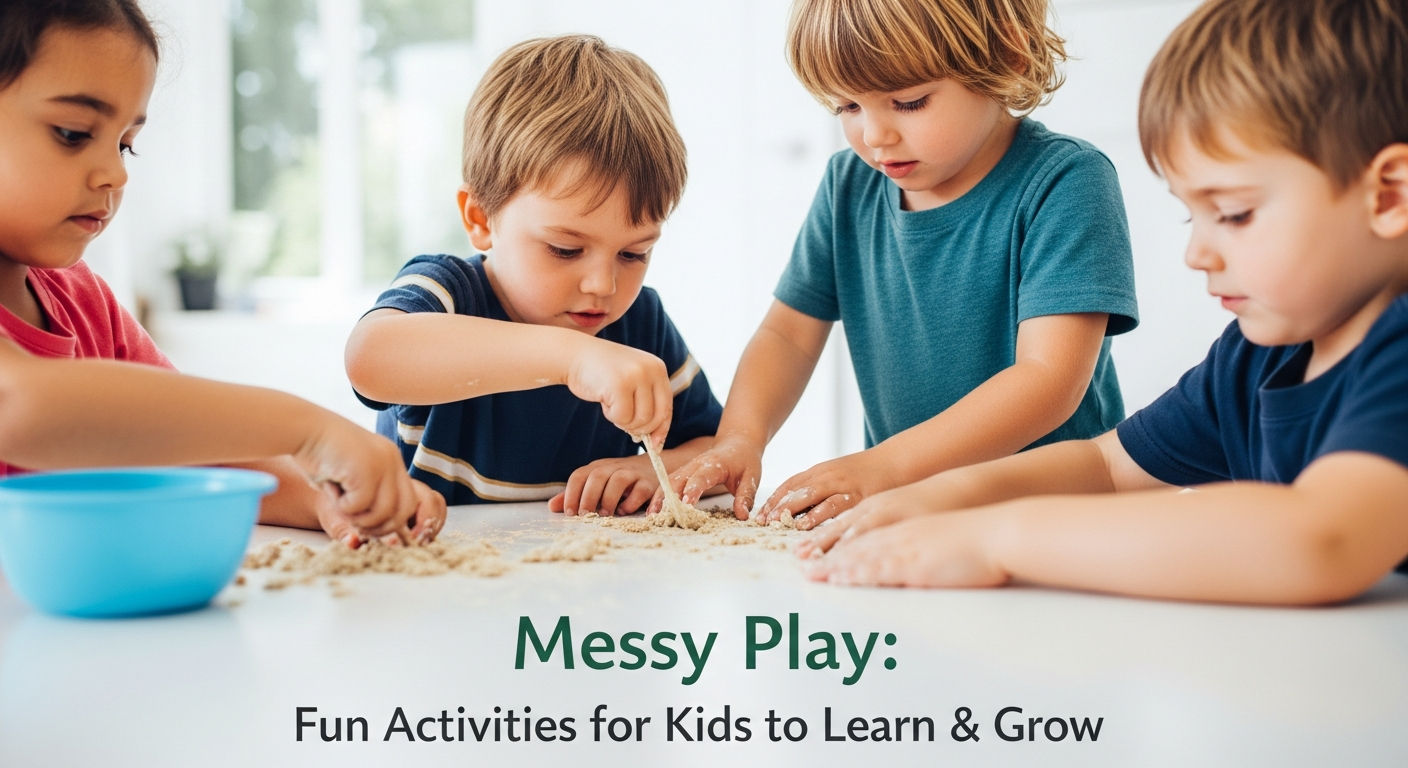
Table of Contents
- Why Embrace the Mess? The Profound Benefits of Messy Play
- Addressing Common Concerns: Mess & Reluctance
- A World of Wonder: Fun Messy Activities for Kids
- Connecting Play to Progress: How Speech Blubs Supercharges Learning
- Conclusion
- Frequently Asked Questions
Do you ever watch a child totally engrossed in squishing mud between their fingers, painting with their whole arm, or splashing enthusiastically in a puddle, and wonder what magic is happening? It’s more than just fun; it’s a symphony of sensory exploration and a powerhouse of learning. For many parents, the thought of "messy play" conjures images of endless cleanup, stained clothes, and chaotic rooms. Yet, beneath the delightful disorder lies a profoundly impactful pathway to growth, confidence, and crucial developmental milestones, including speech and language.
This article delves into the enchanting world of messy play, unveiling why it's not just beneficial but essential for young children. We’ll explore the myriad ways these hands-on, multi-sensory experiences foster cognitive, motor, and emotional development. More importantly, we’ll highlight how messy play naturally cultivates a rich environment for language acquisition, empowering children to articulate their thoughts and feelings. We'll also tackle common parental concerns about the mess, offering practical strategies to make these activities enjoyable and manageable for everyone. Get ready to roll up your sleeves, embrace the inevitable delightful chaos, and discover how these seemingly simple activities can lay a robust foundation for your child's future, especially their ability to speak their minds and hearts.

Why Embrace the Mess? The Profound Benefits of Messy Play
Messy play, often interchangeably called sensory play, is a cornerstone of early childhood development. It's a type of open-ended play where children are free to explore materials with all their senses, without a specific end goal beyond the exploration itself. This freedom to experiment and discover is what makes it so incredibly powerful. Far from being just frivolous fun, messy play is a vital ingredient in a child's "play diet," offering a wealth of developmental advantages.
Sensory Exploration: Awakening the Senses
From the moment they are born, children use their senses to understand the world. Messy play provides unparalleled opportunities for this exploration. Think about the feeling of cool, slimy oobleck slipping through fingers, the vibrant colors of paint swirling together, the earthy smell of mud, or the gentle rustle of rice in a sensory bin. These experiences engage multiple senses simultaneously – touch, sight, smell, and sometimes even taste and sound – helping children build a complex understanding of textures, properties, and the environment around them. This rich sensory input is crucial for brain development, helping to form and strengthen neural pathways that are foundational for all future learning.
Cognitive Development: Problem-Solving in Action
When children engage in messy play, they are actively observing, experimenting, and problem-solving. Pouring water from a small cup into a larger one teaches them about volume. Mixing colors helps them understand cause and effect. Trying to build a sandcastle with dry sand versus wet sand introduces concepts of material properties. This type of play fosters critical thinking and cognitive disequilibrium – a fancy term for when a child's existing understanding is challenged, prompting them to adapt and form new ideas. They learn about weight, gravity, transformation, and so much more, all through hands-on, joyful discovery. These early experiences with hands-on problem-solving are essential for developing strong reasoning skills later in life.

Fine and Gross Motor Skills: Building Strength and Coordination
Many messy play activities are fantastic for developing both fine and gross motor skills. Activities like scooping, pouring, squeezing, stirring, and pinching involve a range of muscle movements. When a child squishes playdough, they're strengthening the small muscles in their hands and fingers, which are crucial for tasks like holding a pencil, buttoning clothes, and using utensils. Large movements, such as stirring a mud concoction or spreading paint with an arm, engage gross motor skills, improving coordination and body awareness. Providing various tools like spoons, scoops, tongs, and droppers further refines these skills, giving children precise control over their movements.
Creative Development & Imagination: Worlds Without Limits
Messy play is inherently open-ended, allowing children to be the architects of their own creative worlds. There's no right or wrong way to play with a bin of colored rice or a tray of shaving cream. They can imagine a mud pie is a grand feast, a pile of foam is a cloud, or a river of paint is a magical journey. This freedom cultivates imagination, originality, and the ability to think flexibly. It provides a safe space for self-expression, where children can explore their ideas without judgment, laying the groundwork for confidence in their own creative abilities.
Language and Communication Development: Giving Voice to Discovery
Perhaps one of the most significant, yet often overlooked, benefits of messy play is its profound impact on language and communication development. As children interact with different textures, colors, and materials, they encounter new sensations that naturally spark curiosity and a desire to communicate.
Imagine a child experiencing the stickiness of slime. They might make a sound of surprise, point, or try to describe the sensation. This is a prime opportunity for parents and caregivers to introduce rich, descriptive vocabulary. "Wow, that slime is so gooey!" "Can you feel how slippery it is?" "Listen to the splat it makes!" This constant exposure to new words in a meaningful, contextualized way helps build a child's vocabulary organically.
Messy play also encourages narrative skills as children create pretend scenarios. A mud kitchen becomes a bustling restaurant, a water bin an ocean with swimming creatures. These imaginative worlds prompt children to use language to describe actions, roles, and events, fostering storytelling abilities. For a child who might be a "late talker," or one who struggles with articulation, the low-pressure, high-engagement nature of messy play can be incredibly motivating. For example, a child working on the 's' sound might find joy in practicing "s-s-squish" while playing with dough or "s-s-smooth" while exploring cloud dough.
At Speech Blubs, we believe in empowering children to speak their minds and hearts, and we understand that play is the most natural classroom. Messy play creates the perfect foundation for developing those expressive communication skills. It provides the sensory input and emotional engagement that make language learning memorable and fun.
Addressing Common Concerns: Mess & Reluctance
It's natural for parents to feel a bit daunted by the prospect of messy play. The thought of cleaning up often overshadows the potential benefits. Additionally, some children are naturally hesitant to get their hands dirty. Let's address these common concerns head-on.
"But It's So Messy!" – Managing the Mayhem
The key to embracing messy play without dreading the aftermath is a good game plan. With a few simple strategies, you can minimize cleanup stress and maximize the fun.
- Choose the Right Location:
- Outdoors is Your Best Friend: Whenever weather permits, take messy play outside! Hosing down a patio or lawn is infinitely easier than scrubbing indoors. Mud kitchens, water play, and even painting are perfect for the backyard.
- Indoors - Designated Zones: If playing indoors, pick a "cleanable" spot. Hardwood floors, tile, or even the bathtub are excellent choices. Avoid carpeted areas, or protect them meticulously.
- Lay Down Protection:
- Shower Curtains or Tarps: A cheap shower curtain liner or a large plastic tarp makes an excellent barrier under any messy activity. They're easy to wipe down or even toss in the washing machine (if fabric) afterward.
- Old Towels/Sheets: For slightly less messy activities, old towels or sheets can catch spills and go straight into the laundry.
- Dress for the Mess:
- Old Clothes/Swimsuits: Put your child in clothes you don't mind getting stained. Old t-shirts, oversized shirts, or even just a diaper/swimsuit for water-based play make cleanup of the child much simpler.
- Have a Cleanup Strategy Ready:
- Water Source Nearby: Keep a bucket of warm, soapy water and a few washcloths close by for quick hand wipes. If playing outside, have the hose ready. If inside, being near a sink or bathtub is ideal.
- The "Exit Strategy": Plan how your child will transition from play to clean. Often, a direct route to the bathtub or a quick rinse with the hose (if outside) is the most efficient. Frame it as "activity 2.0 – getting clean from our fun mess!"
- Team Up:
- Messy Play Dates: Enlist a friend or family member! Messy play dates mean more hands for supervision and cleanup. Someone can handle the kids, while the other tackles the materials. Shared laughter and shared cleanup make the experience much more enjoyable for everyone.
Remember, the goal isn't no mess, but a manageable mess. The memories and developmental gains far outweigh a bit of extra laundry or a quick floor wipe.
"My Child Hates Getting Messy!" – Gentle Introductions
Not every child is a natural mess-maker. Some children are genuinely averse to certain textures, a sensitivity sometimes referred to as tactile defensiveness. If your child shows extreme distress or a strong "fight or flight" response to textures, it's always best to seek professional advice from a pediatrician or occupational therapist. Our quick 3-minute preliminary screener can also provide an assessment and next-steps plan if you're unsure whether your child could benefit from targeted support.
For most children who are simply hesitant, a gentle, gradual approach works best:
- Start Small and Simple: Begin with materials that are less sticky or overwhelming, like dry rice, pasta, or cotton balls.
- Use Tools First: Offer spoons, scoops, cups, and tongs. This allows children to engage with the material without direct hand contact until they feel more comfortable.
- Model the Fun: Show your child how much you're enjoying the activity. Get your hands messy yourself, laugh, and describe the sensations. Children often learn by imitation, and seeing your enjoyment can be very encouraging. This mirror neuron activity is a core part of what makes our video modeling methodology so effective at Speech Blubs.
- Gradual Exposure: Slowly introduce new textures. If they like water, add a few drops of dish soap for bubbles. If they tolerate sand, try cloud dough. Respect their boundaries, but gently encourage them to explore at their own pace.
- Focus on the Process, Not the Product: The goal is exploration and sensory input, not creating a masterpiece. Remove any pressure to "do it right."
- Edible Options: For very young children or those who put everything in their mouths, edible messy play offers a safe entry point.
Remember, there's no "wrong" way to engage with messy play, and it's perfectly fine if some activities aren't a hit. The goal is exposure and building positive associations with sensory exploration.
A World of Wonder: Fun Messy Activities for Kids
Now for the fun part! Here’s a treasure trove of engaging, messy activities categorized for easy reference, with tips on how they boost development and integrate language learning.
Edible Messy Play: Safe & Delicious Exploration
These options are perfect for babies and toddlers who are still prone to mouthing objects, allowing worry-free exploration.
- Pudding Play:
- Activity: Spread chocolate or vanilla pudding on a tray or highchair surface. Let kids draw, swirl, and taste. Add small, edible toys (like O-shaped cereal) for digging.
- Development: Sensory input (texture, smell, taste), fine motor skills (finger drawing, scooping), language (describing "brown," "sweet," "sticky," "smooth").
- Whipped Cream Sensory Tray:
- Activity: Cover a tray with whipped cream. Children can squish, scoop, and build fluffy mountains. Add food coloring for visual appeal.
- Development: Tactile exploration, early mark-making, language (talking about "fluffy," "cold," "white," "light").
- Edible Finger Paints:
- Activity: Mix plain yogurt or condensed milk with a few drops of food coloring. Provide large paper or a tray for painting with fingers.
- Development: Creativity, sensory integration, fine motor (finger tracing), language (colors, actions like "mix," "spread," "swirl").
- Cereal Sensory Bin:
- Activity: Fill a bin with colorful O-shaped cereals. Add scoops, cups, and small toys.
- Development: Pouring, scooping (fine motor), sound recognition (crunching), safe tasting, object permanence (hiding and finding toys), language (counting, colors, "crunchy").
Wet & Squishy Explorations: Dive into Textures
These activities are fantastic for introducing a variety of unique and captivating textures.
- Oobleck Play (Cornstarch & Water):
- Activity: Mix cornstarch and water to create a non-Newtonian fluid – it’s solid when squeezed, liquid when released! Kids can poke, pour, and watch it transform.
- Development: Scientific concepts (states of matter), problem-solving, sensory exploration (unique texture), language (describing "gooey," "solid," "runny," "weird").
- Slime Making:
- Activity: Create traditional glue-based slime or a taste-safe chia seed slime. Offer various colors and add-ins like glitter or small beads (for older kids).
- Development: Following instructions (for older kids), sensory input, fine motor (stretching, squishing), language (verbally guiding the process, describing elasticity, stickiness).
- Rainbow Spaghetti:
- Activity: Cook spaghetti, drain, and dye separate batches with food coloring. Mix with a little oil to prevent sticking. Let children squish, stretch, and arrange the colorful strands.
- Development: Tactile and visual sensory input, fine motor (manipulating strands), color recognition, language (describing "long," "thin," "squishy," "slippery," colors).
- Shaving Cream Fun:
- Activity: Spread shaving cream on a table, tray, or even a window. Kids can draw, make patterns, or hide small toys. Add a few drops of food coloring for swirls of color.
- Development: Fine motor skills (drawing, writing practice), sensory input (fluffy, cool), creativity, language (describing "soft," "foamy," "cold," "white").
- Bubble Foam:
- Activity: Blend dish soap, water, and food coloring until stiff peaks form. Children can scoop, build, and explore the airy texture.
- Development: Hand-eye coordination, sensory exploration, imaginative play (building "clouds" or "snow"), language (describing "bubbly," "light," "airy").
- Water Play:
- Activity: A simple basin of water with cups, sponges, and small toys offers endless possibilities. Add food coloring, dish soap for bubbles, or natural elements like leaves and flowers.
- Development: Pouring, scooping (fine motor), cause and effect (splashing), scientific concepts (floating/sinking), language (describing "wet," "splash," "pour," "empty," "full").
Nature's Messy Marvels: Outdoor Adventures
Embrace the great outdoors for some of the best and easiest messy play.
- Mud Kitchen:
- Activity: Set up an outdoor station with soil, water, old pots, pans, and kitchen utensils. Let children create "mud pies," "soups," and "potions." Add natural loose parts like leaves, pebbles, and sticks.
- Development: Imaginative play, fine motor (scooping, stirring), sensory integration (earthy smells, varied textures), language (role-playing, describing ingredients, actions).
- Nature Soup:
- Activity: Fill a large tub with water and encourage kids to gather natural elements from the yard – leaves, flowers, grass, small stones. They can stir their "soup" with sticks and observe how the ingredients change the water.
- Development: Observation skills, sensory input (natural textures, smells), creativity, language (naming elements, describing actions and observations).
- Chalk Paint:
- Activity: Crush sidewalk chalk, mix with a little water, and use brushes to paint on sidewalks, fences, or walls. It washes away with rain or a hose!
- Development: Artistic expression, fine motor (brush control), color mixing, language (describing colors, shapes, actions).
Creative & Scientific Chaos: Art and Discovery
These activities combine artistic expression with scientific principles, often with a delightful messy outcome.
- Finger Painting:
- Activity: Provide large sheets of paper and washable, non-toxic paints. Encourage children to use their entire hand and arm to create.
- Development: Creativity, sensory input (texture of paint), fine motor (finger isolation, hand movements), color mixing, emotional expression, language (describing colors, shapes, feelings).
- Baking Soda & Vinegar Volcanoes:
- Activity: Create small "volcanoes" from playdough or sand. Add baking soda to the center, then pour in vinegar (add food coloring to the vinegar for extra effect!).
- Development: Scientific concepts (chemical reaction, cause and effect), anticipation, language (describing "fizz," "erupt," "bubble," "messy").
- Balloon Splatter Painting:
- Activity: Fill balloons with diluted washable paint. Lay down a large tarp or sheet of paper outdoors. Let kids pop the balloons by throwing them or stepping on them to create abstract art.
- Development: Gross motor skills (throwing, stomping), cause and effect, artistic expression, color mixing, language (describing actions, colors, "splat!").
Dry & Tactile Bins: Lower Mess, High Engagement
For quieter play or children initially hesitant about wet textures, dry sensory bins are excellent.
- Rainbow Rice Bin:
- Activity: Dye rice in various colors (using food coloring and rubbing alcohol/vinegar, then letting it dry). Fill a bin with the colorful rice, adding scoops, funnels, small toys, and cups.
- Development: Fine motor skills (scooping, pouring), color recognition, imaginative play, language (counting, describing colors, textures like "gritty").
- Cloud Dough / Moon Sand:
- Activity: Mix flour and baby oil (or vegetable oil) to create a soft, moldable dough that holds its shape like sand.
- Development: Tactile exploration, fine motor (molding, squeezing), imaginative play (building "sandcastles" or shapes), language (describing "soft," "crumbly," "moldable").
Connecting Play to Progress: How Speech Blubs Supercharges Learning
Messy play lays an incredible groundwork for holistic development, particularly for language and communication. It provides the sensory experiences, the motivation, and the real-world context that make learning new words and concepts stick. It's during these moments of joyful discovery that children are most receptive to absorbing new information and practicing emerging skills.
At Speech Blubs, we build upon this natural learning foundation with our unique approach to "smart screen time." While messy play gets their hands dirty and senses buzzing, our app brings engaging, interactive experiences right to your child's fingertips, complementing their development. We were born from the personal experiences of our founders, who all grew up with speech problems and created the tool they wished they had – a joyful, immediate, and effective solution for the 1 in 4 children who need speech support.
Our core methodology, "video modeling," is rooted in science and mirrors how children naturally learn. Just as a child observes and imitates a parent playing with mud, they learn by watching and imitating their real-life peers in our app. This powerful approach utilizes mirror neurons in the brain, making speech and language practice intuitive and highly effective.
Imagine a child who just explored a "Farm Animals" sensory bin during messy play, making "moo" and "baa" sounds. They can then transition to Speech Blubs, watch engaging videos of other children making those exact animal sounds, and practice along. This reinforces their learning in a new, motivating format. Our app transforms passive viewing (like cartoons) into an active, screen-free alternative, promoting interaction and strengthening family connection as parents and children play together. Our commitment to blending scientific principles with play ensures a one-of-a-kind, top-tier speech app experience.
Ready to witness your child's communication flourish? Download Speech Blubs on the App Store or get it on Google Play to begin your journey.
Accessing Speech Blubs: Choose Your Plan
We want to make Speech Blubs accessible to every family. Here's how our plans work:
- Monthly Plan: Priced at $14.99 per month.
- Yearly Plan: Our best value, priced at $59.99 per year, which breaks down to just $4.99 per month.
Why the Yearly Plan is the Best Choice:
The Yearly plan is not only significantly cheaper, allowing you to Save 66% compared to the monthly option, but it also comes with exclusive, high-value features designed to give your child the most comprehensive support:
- 7-Day Free Trial: Only with the Yearly plan can you enjoy a full week of access to explore everything Speech Blubs has to offer before committing.
- Reading Blubs App: Unlock our bonus Reading Blubs app, providing even more educational content for your child's literacy journey.
- Early Access & Priority Support: Get early access to new updates and features, plus a guaranteed 24-hour response time for customer support.
The Monthly plan does not include these valuable benefits. For the ultimate experience and best value, we highly recommend choosing the Yearly plan.
Start your 7-day free trial today by creating your account and selecting the Yearly plan! Empower your child to find their voice and build a lifelong love for communication.
Conclusion
Messy play is far more than just "making a mess"; it's a vital, multi-sensory educational experience that profoundly impacts every aspect of a child's development. From sharpening fine motor skills and fostering creative problem-solving to building a rich vocabulary and encouraging confident self-expression, the benefits are expansive. By embracing the delightful chaos, we provide our children with the freedom to explore, discover, and learn in the most natural and joyful way possible. These hands-on explorations create the perfect foundation for communication, allowing children to connect words with tangible experiences and develop a genuine love for expressing themselves.
We understand that parenting is a journey filled with both wonder and challenges, and we're here to support you every step of the way. While messy play nurtures their curiosity and sensory development, Speech Blubs seamlessly integrates with and elevates this learning by providing targeted, fun, and scientifically backed tools for speech and language growth. Through our unique video modeling and "smart screen time" approach, we empower children to take their foundational learning from play and apply it to articulate their thoughts and feelings.
Don't let the fear of a little mess hold you back from unlocking a world of learning and language for your child. Embrace the fun, manage the mayhem with our tips, and witness the incredible progress. Ready to begin this exciting journey? Start your 7-day free trial today by creating your account and choose the Yearly plan to unlock all the premium features and bonus content. Download Speech Blubs on the Apple App Store or Google Play Store and empower your child to speak their minds and hearts with confidence.
Frequently Asked Questions
Q1: What exactly are the benefits of messy play for child development?
A1: Messy play offers a vast array of benefits, including enhanced sensory processing, cognitive development (problem-solving, cause and effect), improved fine and gross motor skills, boosted creativity and imagination, and significant language and communication development. It allows children to explore textures, build vocabulary, and express themselves in a low-pressure environment, which is crucial for holistic growth.
Q2: How can I manage the mess from these activities?
A2: Managing the mess is easier with a game plan! Play outdoors whenever possible, or designate an easy-to-clean indoor area like a tiled floor or bathtub. Lay down a shower curtain or old sheet for protection. Dress your child in old clothes or a swimsuit, and have a clear cleanup strategy ready, such as having wet washcloths nearby or planning a quick bath immediately after play. Teaming up with another parent for "messy play dates" can also lighten the load.
Q3: My child doesn't like getting messy. What should I do?
A3: If your child is hesitant, start gently. Begin with less intimidating materials like dry rice or water play, and offer tools like scoops and spoons to minimize direct hand contact. Model the activity yourself, showing enjoyment and describing the sensations. Gradually introduce new textures, always respecting their boundaries. If your child shows extreme distress or aversion to certain textures, consider taking our quick 3-minute preliminary screener or consulting with a pediatrician or occupational therapist.
Q4: How does messy play support speech and language development, and how can Speech Blubs help further?
A4: Messy play naturally stimulates language by exposing children to new sensations and vocabulary. As they explore, parents can introduce descriptive words ("gooey," "slippery," "crunchy," "soft"), fostering a rich language environment. Speech Blubs builds on this foundation with its unique "video modeling" method, where children learn by imitating peers. This "smart screen time" complements messy play by providing structured, engaging opportunities for speech and language practice, reinforcing the concepts learned through play and empowering children to articulate their thoughts and feelings with confidence.
About the author