
Party Perfection: Best Carnival Games for Kids
 By Speech Blubs Team•Jan 28, 2026•19 min.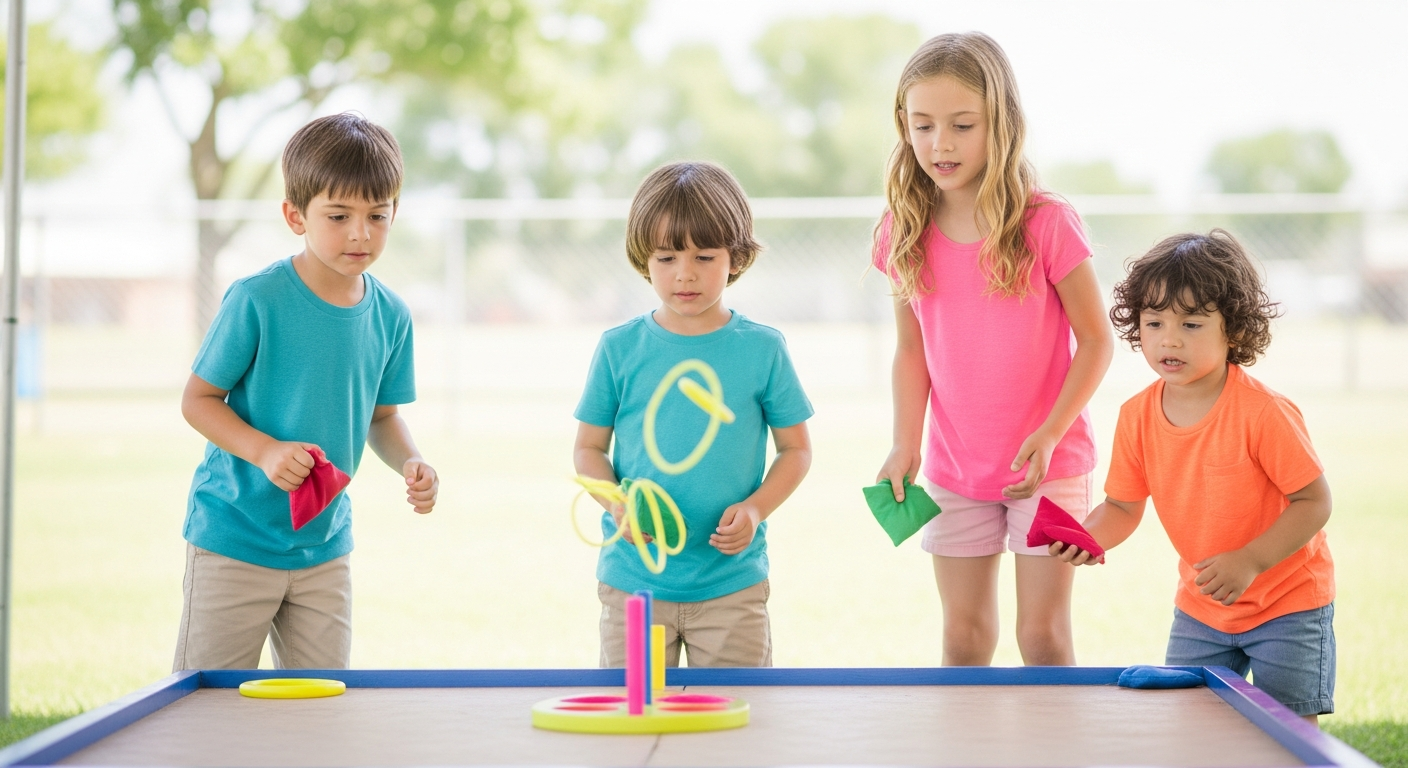
Table of Contents
- Introduction
- The Enduring Appeal of Carnival Games
- Classic Carnival Games You Can Easily Recreate
- Creative Carnival Games with a Twist
- Setting Up Your Carnival Party Zone
- The Developmental Impact of Play and Communication
- Speech Blubs: Empowering Communication Through Interactive Play
- Tips for a Smooth-Running Carnival Party
- Conclusion
- FAQ
Planning a children's party can sometimes feel like orchestrating a small circus, balancing excitement, engagement, and managing expectations. Have you ever envisioned a party where every child, from the quietest observer to the most boisterous adventurer, finds something truly captivating? Where laughter echoes, and every activity sparks joy and connection? The secret to transforming a good party into an unforgettable one often lies in the timeless appeal of carnival games. These aren't just mere pastimes; they are vibrant, interactive experiences that bring communities together, foster friendly competition, and create cherished memories. This post will unveil a treasure trove of creative, easy-to-implement carnival games perfectly suited for any kids' party, offering practical tips for setup, prizes, and delicious treats. We’ll also explore how these playful interactions are powerful tools for child development, nurturing crucial communication skills and building confidence, just as we at Speech Blubs are dedicated to empowering children to speak their minds and hearts.

Introduction
Imagine the sheer delight on a child's face as they try their hand at tossing rings, knocking over milk bottles, or spraying a target with a water gun. There’s a certain magic to carnival games that transcends generations, offering simple yet profound joy. But beyond the immediate fun, these games are miniature classrooms, subtly teaching skills like hand-eye coordination, problem-solving, patience, and social interaction. For many parents, the thought of organizing a carnival-themed party might seem daunting, conjuring images of elaborate setups and costly rentals. However, the beauty of these games lies in their adaptability and the ease with which many can be created using everyday household items, making them accessible to everyone. In this comprehensive guide, we'll dive into a fantastic array of carnival games that promise to be the highlight of your child's next celebration, from classic challenges to creative twists. We'll also share insights on how these games enhance developmental milestones, and how interactive play, much like our unique "smart screen time" experiences at Speech Blubs, can support a child's journey to confident communication.
The Enduring Appeal of Carnival Games
Carnival games hold a special place in our hearts for many reasons. They tap into a universal desire for play, challenge, and the thrill of winning, however small the prize. For children, they offer an exciting, structured way to engage with their peers and adults, providing opportunities for both individual accomplishment and cooperative fun.
Why Carnival Games Are Perfect for Kids' Parties
- Universal Engagement: There's a game for every age and skill level, ensuring no one feels left out.
- Active Participation: Encourages children to move, interact, and problem-solve, rather than just passively watching.
- Skill Development: Enhances gross and fine motor skills, hand-eye coordination, spatial awareness, and strategic thinking.
- Social Interaction: Promotes taking turns, cheering on friends, and healthy competition.
- Memorable Experiences: Creates vivid, joyful memories that children will talk about long after the party ends.
- Customizable & Budget-Friendly: Many games can be easily DIY-ed with materials you already have, or found affordably.
These shared, joyful moments are invaluable. They build connection, which is a core value for us at Speech Blubs. Our founders, all of whom faced speech challenges in their youth, created our app with the understanding that a child’s confidence and ability to connect stem from effective communication. We believe in providing an immediate, effective, and joyful solution for the 1 in 4 children who need speech support, and interactive play is a cornerstone of that philosophy.

Classic Carnival Games You Can Easily Recreate
Let's dive into some timeless carnival favorites that are simple to set up and guaranteed to be a hit with kids of all ages.
1. Bean Bag Toss
The bean bag toss is a staple for a reason: it's incredibly versatile and fun!
- Materials: Bean bags (DIY with socks and dried beans/rice, or store-bought), a target board with holes, buckets, or even painted boxes.
- Setup: Paint a large piece of plywood with different point values for various holes, or simply arrange buckets/boxes at varying distances. You can even draw silly monster faces on cardboard cutouts for kids to "feed" with bean bags.
- How to Play: Children stand behind a designated line and toss bean bags, aiming for the holes or into the buckets.
- Variations & Developmental Boost:
- Monster Feed: Encourage children to make monster sounds or say "feed the monster!" before each toss, practicing expressive language.
- Color Match: Use different colored bean bags and buckets; kids must toss the red bean bag into the red bucket, reinforcing color identification.
- Number Challenge: Assign numbers to buckets and have kids call out the number they're aiming for, boosting early numeracy and speech coordination.
2. Milk Bottle Knock Down
A satisfying crash is always a crowd-pleaser!
- Materials: Six to ten empty plastic milk bottles (or tin cans), a small ball (tennis ball, soft baseball), a sturdy surface (crate, small table).
- Setup: Arrange the bottles in a pyramid formation (3-2-1) on a stable surface. You can spray paint them for a more festive look.
- How to Play: Guests throw the ball from a marked line, attempting to knock over all the bottles.
- Variations & Developmental Boost:
- Sound Focus: Before throwing, have children identify the sound they expect the bottles to make ("crash!" "thud!"), practicing onomatopoeia and sound awareness.
- Action Word Practice: Encourage them to say an action word like "throw!" or "hit!" as they release the ball. This kind of active verbalization can support children who are developing their expressive vocabulary. For a parent whose child is working on early vocabulary and loves action words, pairing the physical act of throwing with verbal cues can be incredibly motivating. This mirrors the interactive fun found in Speech Blubs' "Action Words" section, where children learn by imitating peers, reinforcing those new words and sounds.
3. Ring Toss Game
Simple, classic, and surprisingly challenging.
- Materials: Various sized rings (plastic rings, embroidery hoops, even cut cardboard rings), targets (empty soda bottles, garden stakes, wooden pegs, or even rubber ducks with necks).
- Setup: Place targets at different distances or heights.
- How to Play: Kids throw rings, trying to land them over the targets.
- Variations & Developmental Boost:
- Counting Rings: Have children count how many rings they landed, practicing number concepts.
- Prepositional Phrases: Guide them to describe where the ring landed: "on the bottle," "next to the bottle," "over the top," enriching their understanding and use of spatial language.
4. Squirt Gun Spray Away
Perfect for a warm day, this game combines precision and refreshing fun.
- Materials: Squirt guns, ping pong balls, golf tees, a piece of wood or sturdy cardboard. Two buckets of water for refills.
- Setup: Drill holes into the wood/cardboard, insert golf tees, and balance ping pong balls on top.
- How to Play: Children use squirt guns to knock the ping pong balls off the tees.
- Variations & Developmental Boost:
- Target Practice: Use different colored ping pong balls and call out colors for children to target, reinforcing color recognition and listening skills.
- Cause and Effect: Discuss what happens when they squirt the water and the ball moves, encouraging descriptive language like "splash!" "move!" or "fell down!".
5. Balloon Darts
A thrilling classic that requires focus and a steady hand (ensure proper supervision!).
- Materials: Balloons, a thick piece of cardboard or corkboard, small darts (consider child-safe suction cup darts if real darts are a concern), thumb tacks.
- Setup: Inflate balloons and tack them securely to the cardboard.
- How to Play: Guests stand behind a line and throw darts to pop the balloons.
- Safety Note: Always supervise this game closely, especially with younger children, and ensure a clear throwing area. For very young children, consider a "balloon stomp" game (balloons tied to ankles) or suction cup darts for safety.
Creative Carnival Games with a Twist
Beyond the classics, let's explore some unique games that add extra flair and opportunities for learning.
6. Duck Pond Match
A gentle game perfect for younger children.
- Materials: Small plastic pool or large tub filled with water, rubber ducks with numbers or shapes drawn on their bottoms, a small net.
- Setup: Float the ducks in the water.
- How to Play: Children use a net to "pluck a duck." If they find two ducks with matching numbers or shapes, they win a prize.
- Variations & Developmental Boost:
- Sound Discovery: For a child working on consonant-vowel sounds, label ducks with simple words like "moo," "baa," or "quack." As they pick a duck, they say the sound, building early phonological awareness. This interactive approach mirrors the "Animal Kingdom" section in our Speech Blubs app, where children imitate peers making animal sounds, reinforcing these foundational speech elements.
- Color Matching: Use ducks of different colors and ask children to name the color of the duck they caught.
- Following Instructions: Give specific instructions like "Find the blue duck" or "Find the duck with the star," enhancing receptive language skills.
7. Penny Drop
Simple, yet surprisingly captivating.
- Materials: Clear glass jar or fishbowl, pennies or small coins.
- Setup: Place the jar in the center of a larger bucket or bowl (to catch misses).
- How to Play: Children stand and drop pennies from shoulder height, trying to land them in the jar.
- Variations & Developmental Boost:
- Counting and Recalling: After each turn, count how many pennies landed inside the jar and how many missed, practicing counting and comparison.
- Vocabulary Building: Describe the sound the penny makes ("clink," "plink") or the action ("drop," "fall"), expanding descriptive vocabulary.
8. Fishing for Prizes
A fun, mystery-box style game.
- Materials: A large sheet or blanket hung to create a "curtain," a fishing pole (toy or DIY stick with string and clip), small prizes.
- Setup: Have an adult sit behind the curtain with prizes. Children "fish" over the curtain.
- How to Play: Kids cast their "line" over the curtain, and the adult behind clips a prize onto it for them to reel in.
- Variations & Developmental Boost:
- Question and Answer: Before receiving a prize, the child can ask, "What did I catch?" or answer a simple question like "What color do you want?" This encourages verbal interaction and turn-taking in conversation.
- Descriptive Language: After reeling in a prize, encourage the child to describe it using words like "soft," "bumpy," "shiny," enhancing their descriptive vocabulary.
9. Rainbow Bottle Bowling
A colorful twist on a classic game.
- Materials: Ten empty plastic water bottles, paint (red, orange, yellow, green, blue, indigo, violet), a soft ball.
- Setup: Paint the bottles in rainbow colors (or any colors you like). Arrange them like bowling pins.
- How to Play: Children roll the ball to knock over the "pins."
- Variations & Developmental Boost:
- Color Identification: As pins are knocked down, call out the colors. "You knocked down the red and blue!"
- "All Gone" Concept: Practice the phrase "All gone!" when all pins are knocked down, a key phrase for early communicators.
10. Memory Lane Match-Up
A game that stimulates cognitive and language skills.
- Materials: Small objects (toys, fruits, blocks), a tray, a cloth to cover them, flashcards with matching pictures.
- Setup: Place several objects on a tray. Show the children for a short time, then cover.
- How to Play: Children try to remember what was on the tray, or use flashcards to match what they saw.
- Variations & Developmental Boost:
- Verbal Recall: Encourage children to verbally list the items they remember, enhancing memory and expressive language.
- Categorization: Group objects by category (e.g., all animals, all vehicles) and have children name the category or items within it. This helps build vocabulary and organizational skills, much like how Speech Blubs structures its themed sections to help children learn new words in context.
These games, while simple, provide rich opportunities for interactive play and language development. For a parent whose 3-year-old "late talker" loves animals, the "Duck Pond Match" combined with animal sounds could be a fantastic, motivating way to practice "moo" and "baa" sounds in a real-world, engaging context. This kind of active, play-based learning is at the heart of our methodology at Speech Blubs, where children learn by watching and imitating their peers through our "video modeling" approach, making complex communication skills accessible and fun. If you're wondering if your child could benefit from more structured speech support through play, why not take our quick 3-minute preliminary screener? It involves 9 simple questions and provides an assessment along with a next-steps plan.
Setting Up Your Carnival Party Zone
Creating the right atmosphere is key to a successful carnival party.
Decorations and Ambiance
- Color Scheme: Think bright and bold! Red, white, and yellow are classic carnival colors.
- Banners & Balloons: Streamers, balloons, and DIY banners can quickly transform your space.
- Booth Signs: Create fun, hand-drawn signs for each game. This is another great opportunity for children to practice reading or identifying familiar words.
- Music: Upbeat, playful music can add to the festive mood.
Prize Booth Extravaganza
Prizes are a huge motivator at any carnival!
- Small, Fun Prizes: Think dollar store toys, stickers, temporary tattoos, bouncy balls, small candies, bubbles, or mini notebooks.
- Ticket System: Use tickets earned from games that can be redeemed for prizes. This introduces basic math concepts and teaches delayed gratification.
- No Losers: Consider a system where everyone's a winner, ensuring every child leaves with a smile. "Every player gets a prize!"
Carnival-Themed Food & Treats
Food is an essential part of the carnival experience.
- Popcorn Station: A classic! Either pop it yourself or rent a small machine.
- Cotton Candy: Another iconic carnival treat.
- Hot Dogs & Corn Dogs: Easy to prepare and quintessential carnival fare.
- Mini Pizzas: Always a crowd-pleaser.
- Fruit Skewers: A healthier option presented in a fun way.
- Lemonade Stand: A refreshing drink that fits the theme perfectly.
The Developmental Impact of Play and Communication
Beyond the sheer fun, carnival games offer incredible opportunities for child development. Every toss, aim, and cheer contributes to a child's growth.
Enhancing Fine and Gross Motor Skills
Games like bean bag toss, ring toss, and squirt gun spray away require different levels of motor control, from the sweeping arm motion of a toss to the delicate squeeze of a trigger. These activities strengthen muscles and improve coordination, which are foundational not just for physical development but also indirectly for speech. The precise movements of the tongue, lips, and jaw required for clear articulation are complex motor skills that benefit from overall motor development.
Fostering Cognitive Skills
- Problem-Solving: Children learn to adjust their aim, technique, or strategy based on their performance.
- Cause and Effect: They understand that their actions (throwing the ball) lead to a result (knocking down bottles).
- Focus and Attention: Sustaining attention on a task, even a fun one, builds concentration.
Nurturing Social-Emotional Growth
- Turn-Taking: Essential for conversation and social play.
- Patience: Waiting for their turn and handling wins and losses gracefully.
- Sportsmanship: Learning to cheer for others and manage competition.
- Confidence Building: Achieving a goal, however small, boosts self-esteem and a sense of accomplishment.
These social and cognitive benefits directly align with the holistic approach we champion at Speech Blubs. We believe that communication is about more than just words; it’s about connection, confidence, and the joy of sharing. Our platform offers a powerful tool for family connection, moving beyond passive screen viewing to an active, interactive learning experience.
Speech Blubs: Empowering Communication Through Interactive Play
At Speech Blubs, our mission is to empower children to "speak their minds and hearts." We understand that every child's journey to communication is unique, and sometimes, they need a little extra support. Our app was born from the personal experiences of our founders, who all grew up with speech problems and created the tool they wished they had. We are committed to providing an immediate, effective, and joyful solution for the 1 in 4 children who need speech support, blending scientific principles with play into one-of-a-kind "smart screen time" experiences.
Our unique approach utilizes "video modeling," where children learn by watching and imitating their peers. This natural, engaging method is backed by extensive research, placing us in the top tier of speech apps worldwide. You can explore the scientific evidence behind our method and our high MARS scale rating on our research page.
Just as carnival games encourage active participation and interaction, Speech Blubs provides a screen-free alternative to passive viewing. Instead of simply watching cartoons, children engage in interactive activities that prompt them to make sounds, say words, and practice sentences, all while connecting with the faces of other children. This isn't just screen time; it's smart screen time that leverages the power of imitation and social learning to build crucial communication skills.
For parents seeking to further support their child’s communication journey, our app offers a wealth of content designed by speech therapists, covering everything from early sounds and words to storytelling and social skills. We celebrate every small victory, helping children build confidence and reduce frustration as they discover their voice.
Ready to see the difference for yourself? You can download Speech Blubs directly from the Apple App Store or the Google Play Store today!
Tips for a Smooth-Running Carnival Party
- Recruit Help: Enlist older siblings, family members, or friends to run the game booths.
- Clear Instructions: Ensure each game has simple, easy-to-understand rules.
- Safety First: Supervise all games, especially those involving throwing or small parts.
- Pace Yourself: Don't cram too many games into a short time. Allow kids to play each game multiple times.
- Embrace Imperfection: Things might not go exactly as planned, and that's okay! The goal is fun, not perfection.
Creating a carnival atmosphere doesn't require a professional event planner. It simply needs a bit of creativity, some simple materials, and a heart full of eagerness to create joy. Whether it's the thrill of knocking down milk bottles or the satisfaction of landing a ring, these games are more than just entertainment; they are vehicles for growth, connection, and unforgettable moments.
To learn more about how Speech Blubs supports these vital developmental stages, visit our homepage. We're passionate about helping every child find their voice. Don't just take our word for it; see what other parents are saying about their child's success with Speech Blubs on our testimonials page.
Conclusion
A carnival-themed party for kids is an incredible way to infuse any celebration with excitement, laughter, and meaningful engagement. From classic bean bag tosses to creative duck pond matches, these games not only provide endless fun but also serve as powerful tools for enhancing critical developmental skills, from motor coordination to social interaction and communication. By embracing the spirit of play and interactive learning, you're not just throwing a party; you're creating an enriching experience that nurtures your child's growth and builds lasting memories.
Just as these carnival games foster active participation and joy, our mission at Speech Blubs is to provide a joyful and effective path to communication for children. We're dedicated to transforming screen time into "smart screen time" through our video modeling approach, empowering children to speak their minds and hearts with confidence.
Ready to bring the magic of interactive learning into your home and support your child's communication journey? We invite you to begin your 7-day free trial today! Simply create your account on our Free Trial & Sign-Up Page or download the app from the Apple App Store or Google Play Store.
When you sign up, we highly recommend choosing our Yearly plan. At just $59.99 per year (breaking down to an incredible $4.99/month), you save 66% compared to the Monthly plan ($14.99/month). The Yearly plan isn't just more affordable; it's also packed with exclusive, high-value features, including:
- A full 7-day free trial to experience everything we offer.
- Access to the extra Reading Blubs app, further enhancing literacy skills.
- Early access to new updates, ensuring you always have the latest features.
- A dedicated 24-hour support response time for any questions you may have.
The Monthly plan does not include these fantastic benefits, making the Yearly plan the clear best choice for comprehensive support and value. Choose the Yearly plan to unlock the full potential of Speech Blubs and embark on a joyful journey of communication with your child today!
FAQ
Q1: How many carnival games should I plan for a kids' party?
A1: The number of games depends on the party's duration and the age of the children. For a 2-3 hour party, 5-7 games are usually sufficient to keep children engaged without overwhelming them. Younger children might enjoy fewer, simpler games, while older kids can handle more complex ones.
Q2: What's the best way to handle prizes at a carnival party?
A2: A popular method is a ticket system where children earn tickets for participating or succeeding at games, then redeem them at a "prize booth." Alternatively, you can simply give a small prize for participation in each game, ensuring every child feels like a winner. It's often best to have a wide variety of small, inexpensive items.
Q3: How can I make carnival games accessible for children with varying abilities?
A3: Adapt games by adjusting distances, target sizes, or types of equipment. For example, for a bean bag toss, have closer lines for younger or less mobile children. For a child working on verbal output, you could integrate a "say a word, take a turn" rule. Our Speech Blubs app also offers customizable settings and a wide range of activities suitable for different developmental stages, always encouraging participation and progress.
Q4: What are some budget-friendly ideas for DIY carnival games?
A4: Many fantastic carnival games can be made from household items. Use empty plastic bottles or tin cans for "Milk Bottle Knock Down," cardboard boxes for a "Bean Bag Toss" target, old socks filled with rice for bean bags, and empty paper towel rolls for a "Ring Toss" (using cut cardboard rings). Pool noodles can also be cut and used as targets or obstacles. Get creative with what you already have!
About the author