
Smart Fuel: Best Kids After Game Snack Ideas
 By Speech Blubs Team•Jan 28, 2026•20 min.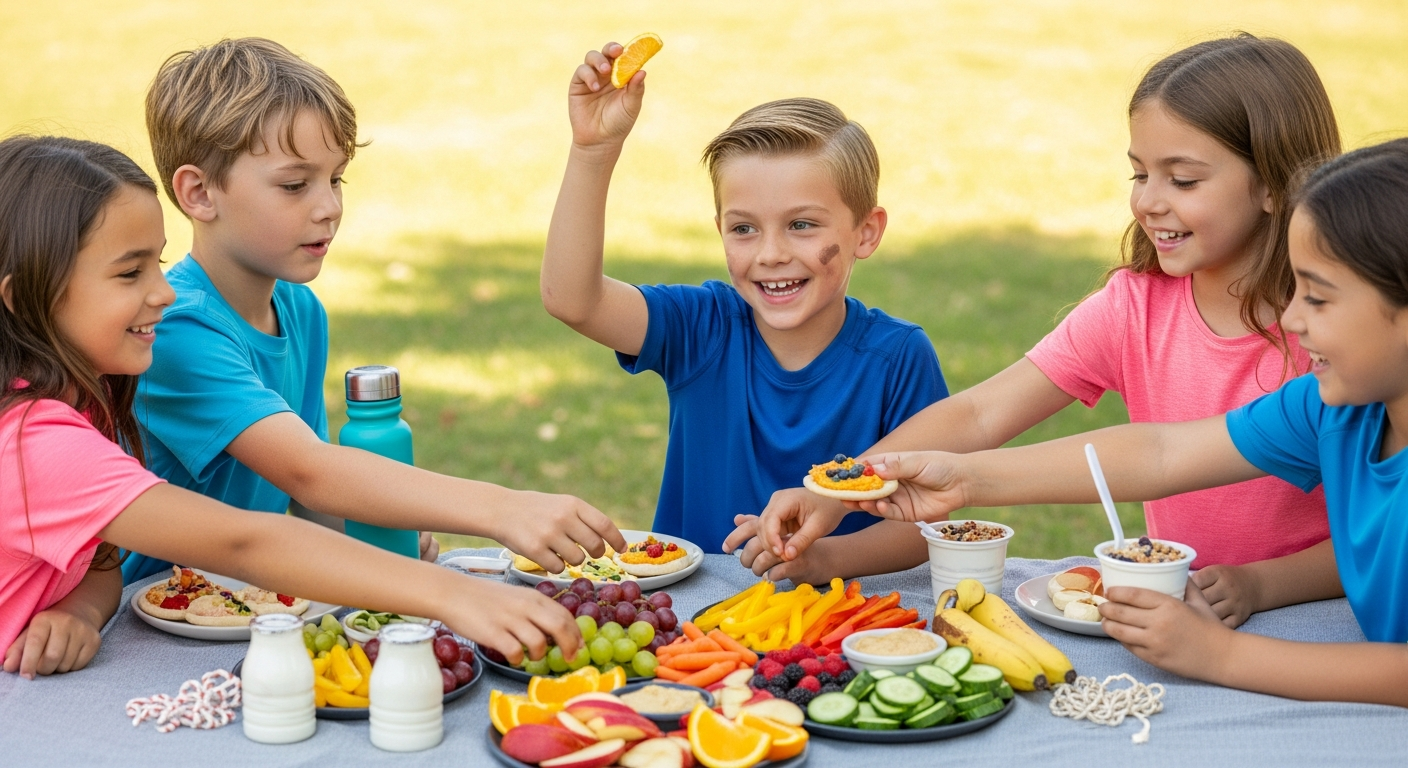
Table of Contents
- Introduction
- Why Post-Game Snacks Matter: Fueling Growing Bodies and Minds
- Winning Snack Strategy: Essential Tips for Parents
- Top After-Game Snack Ideas: Categorized & Enhanced
- What NOT to Bring: Avoiding Common Snack Duty Pitfalls
- Beyond the Game: Nurturing Communication Skills Alongside Physical Development
- Making Speech Blubs Part of Your Family's Journey
- Conclusion
- FAQ
The final whistle blows, the cheers erupt, and a wave of tired, triumphant (and very hungry) young athletes descends. You know the scene: sweaty jerseys, grass-stained knees, and the immediate chorus of "I'm hungry!" As parents, we often focus on getting our kids to practice on time, cheering them on from the sidelines, and making sure they have all their gear. But there’s another crucial element to their sports journey that often gets overlooked in the flurry of activity: the post-game snack.
It might seem like a small detail, but the right snack after a game or practice does so much more than just curb immediate hunger. It’s an essential part of an athlete's recovery, fueling their bodies and minds for continued growth and development. This isn't just about handing out a treat; it's about strategic nutrition that supports muscle repair, replenishes energy stores, and helps maintain hydration. In this comprehensive guide, we'll dive deep into why smart post-game snacking is vital, share winning tips for parents, explore a bounty of healthy and kid-approved snack ideas, and even highlight what to avoid. We believe in nurturing children's holistic development, including their physical well-being and their ability to express themselves confidently, which is why we’re committed to providing resources that empower both.

Introduction
Picture this: the game just ended, excitement is high, and a dozen little faces are looking up at you, eyes wide with anticipation for that post-game treat. For many parents, snack duty can feel like a daunting task, a scramble to find something quick, easy, and universally loved. But what if we told you that this moment, often seen as a mere formality, is actually a golden opportunity? A chance to not only refuel young bodies but also to reinforce healthy habits, prevent meltdowns, and even spark conversation.
The purpose of this blog post is to transform your approach to after-game snacks from a chore into an empowering strategy. We'll explore the science behind why specific nutrients are crucial post-activity, offering a treasure trove of practical, parent-approved snack ideas that balance health with kid-friendliness. From hydration heroes to protein powerhouses and quick energy carbs, we'll cover options that are easy to prepare, safe for allergies, and designed to support recovery. Beyond the physical, we'll also touch on how these moments of shared sustenance can foster connection and even bolster a child's confidence, laying the groundwork for clear communication and strong social bonds. By the end of this guide, you’ll be ready to tackle snack duty with confidence, knowing you're providing your young athlete with the very best fuel for their adventures, both on and off the field.
Why Post-Game Snacks Matter: Fueling Growing Bodies and Minds
Youth sports are fantastic for developing physical skills, teamwork, and resilience. But all that running, jumping, and competing takes a toll on a child's body. Their growing systems need proper support to recover and prepare for the next challenge. This is where the strategic post-game snack comes into play, serving multiple critical functions.
Replenishing Energy (Carbohydrates)
Think of carbohydrates as the primary fuel source for your child's body. During a game, their muscles rapidly burn through stored glycogen (a form of carbohydrate) for energy. Without adequate replenishment, children can feel sluggish, irritable, and experience a significant energy dip, often known as a "sugar crash" if they've had processed sugary snacks instead. A good post-game snack provides easily digestible carbohydrates to quickly restock these glycogen stores, giving them that essential burst of energy needed to get through the rest of the day without feeling completely drained.

Muscle Repair and Growth (Protein)
Intense physical activity, even at a young age, causes microscopic tears in muscle fibers. This is a natural part of muscle building, but it requires protein to repair and rebuild. Protein is the building block of tissues, and providing it after exercise helps kickstart the recovery process, ensuring muscles can repair efficiently and grow stronger. This is particularly important for active, growing children whose bodies are constantly developing.
Hydration (Electrolytes and Water)
Sweating is a natural response to physical exertion, and with sweat, children lose not only water but also essential electrolytes like sodium and potassium. Dehydration can lead to fatigue, headaches, and a decline in cognitive function. While water is always the first and best choice for rehydration during and after a game, a post-game snack can contribute to electrolyte replenishment, especially after longer or more intense activities. This helps maintain fluid balance and supports overall bodily functions.
Preventing Sugar Crashes and Promoting Stable Moods
Many common "kid-friendly" snacks, like candy, soda, or highly processed treats, are loaded with refined sugars. While they might provide a momentary sugar rush, this is quickly followed by an inevitable crash, leading to irritability, difficulty concentrating, and general fatigue. A balanced snack, on the other hand, helps stabilize blood sugar levels, preventing these dramatic highs and lows. This not only benefits their physical recovery but also contributes to a more even temperament and better behavior after the game.
Beyond Physical: Fostering Positive Habits and Connection
Beyond the immediate physical benefits, carefully chosen post-game snacks offer a valuable opportunity to teach children about nutrition and the importance of fueling their bodies. It’s a practical lesson in self-care. Moreover, the act of sharing a snack with teammates and coaches can be a powerful moment of connection, reinforcing teamwork and good sportsmanship. These shared experiences, where children refuel and reflect, naturally lead to conversation – about the game, their feelings, and their interactions. This holistic approach supports not just their physical health but also their emotional intelligence and communication skills, which are crucial for success both on and off the field.
Winning Snack Strategy: Essential Tips for Parents
Being on snack duty doesn't have to be complicated. With a few simple guidelines, you can ensure your post-game offerings are healthy, hassle-free, and a hit with the team.
Balance is Key: Carbs + Protein + Hydration
This is the golden rule of post-game snacking. Aim for a combination that provides:
- Carbohydrates for quick energy replenishment (e.g., fruit, whole-grain crackers).
- Protein for muscle repair and satiety (e.g., cheese, yogurt, nuts/seeds for non-allergic teams).
- Hydration (e.g., water, fruit with high water content). A perfect example might be apple slices with string cheese and a bottle of water.
Allergy Awareness: Always Check Ahead
Before you plan anything, reach out to the coach or team manager to inquire about any food allergies among the players. Common allergens include peanuts, tree nuts, dairy, gluten, and eggs. If there are allergies, opt for universally safe, allergen-free options or bring clearly labeled backups. When in doubt, "free from" labels on prepackaged snacks are your best friend.
Individual Portions: Hygiene, Ease, and Fair Distribution
Individual portions are a game-changer. They promote hygiene by preventing hands from rummaging through a communal bag, make distribution quick and easy, and ensure everyone gets a fair share. Look for pre-portioned items or create your own by bagging up snacks like pretzels, grapes, or veggie sticks. This also minimizes waste and cleanup.
Portability & Durability: No Melt, No Mess
Consider the environment. Games are often outdoors, sometimes in direct sun. Choose snacks that hold up well without refrigeration for a short period or pack them in a well-insulated cooler with ice packs. Avoid anything that melts easily (like chocolate bars) or is excessively messy (like yogurt parfaits without spoons or sticky fruit tarts). Grab-and-go options that require minimal cleanup are always preferred.
Kid-Approved, Parent-Preferred: Healthy Doesn't Mean Boring
While it's important to offer nutritious choices, remember that kids are more likely to eat what they recognize and enjoy. Stick to familiar favorites that are naturally healthy. You can make healthy fun through creative presentation or by simply choosing vibrant, tasty fruits and wholesome snacks. You don’t need to reinvent the wheel; sometimes, a perfectly ripe banana is all they need and want!
Involve Your Child: Empowering Choices and Responsibility
Let your child help choose the snack, prepare individual baggies, or even decorate the snack bags. This not only gets them excited about healthy eating but also teaches them responsibility and ownership. They can also share their newfound knowledge about "fueling up" with their teammates, making healthy choices a team effort. This engagement also naturally encourages conversation around health, food, and feelings, fostering crucial communication skills.
Hydration First: Water is Primary
Always, always make water available. It’s the best choice for rehydration before, during, and after physical activity. For longer or more intense games, natural electrolyte-rich options can be a good supplement, but water should be the foundation of post-game hydration.
Top After-Game Snack Ideas: Categorized & Enhanced
Ready to stock your cooler? Here’s a comprehensive list of healthy, kid-approved snack ideas, broken down by their primary benefit, to help you mix and match the perfect post-game fuel.
Hydration Heroes
Keeping kids hydrated is paramount. While water is king, these options offer additional flavor and electrolytes.
- Water: The undisputed champion. Bring plenty of individual water bottles or a large cooler with cups. It’s pure, effective, and calorie-free.
- Coconut Water: A natural source of electrolytes, especially potassium. Many brands offer kid-friendly pouches or small cartons. Look for unsweetened varieties.
- Lightly Sweetened Lemonade (Real Juice): If opting for juice, choose low-sugar varieties made with real fruit. A small, pre-packaged lemonade can be a refreshing treat. You can even make your own with fresh lemon juice and a touch of honey or maple syrup.
- Chocolate Milk: Often surprising, chocolate milk is a fantastic recovery drink. It provides carbohydrates for energy, protein for muscle repair, and fluids for rehydration, all in one tasty package. Just be mindful of dairy allergies on the team. Horizon Organic offers convenient shelf-stable packs perfect for teams.
- Cactus Water Kids Pouches: For a truly unique and naturally hydrating option, consider cactus water. It's packed with electrolytes and comes in fun, fruity flavors with minimal sugar. We've seen parents rave about how easy and mess-free these pouches are, and how much kids enjoy the refreshing taste! Freezing them ahead of time can turn them into a slushie-like treat on hot days.
Quick Energy Carbs
These snacks quickly replenish glycogen stores, giving kids the energy boost they need after exertion.
- Fresh Fruit (Nature's Candy):
- Bananas: Portable, potassium-rich, and easy to digest. They come in their own natural, compostable packaging!
- Clementines or Orange Slices: Bursting with Vitamin C and hydrating juice. Easy to peel (clementines) or pre-slice for convenience. Freeze orange slices for an extra refreshing treat on hot days.
- Apple Slices: Crisp, refreshing, and provide fiber. Pair them with a protein for a balanced snack. To prevent browning, toss with a little lemon juice or buy pre-sliced.
- Grapes: Hydrating and bite-sized. Wash and pre-bag them for easy distribution.
- Berries: Strawberries, blueberries, or raspberries are packed with antioxidants and natural sugars. Pre-wash and portion into small containers.
- Whole Grain Crackers or Pretzels: Provide sustained energy. Look for options with minimal salt and sugar. They pair wonderfully with protein-rich dips like hummus or cheese.
- Homemade Popcorn: Air-popped or lightly oiled popcorn is a whole-grain, fiber-rich snack. Season lightly with salt, or nutritional yeast for a cheesy flavor without dairy. Portion into individual bags.
- Granola Bars: Choose bars with simple ingredients, whole grains, and low added sugar. Avoid chocolate coatings that can melt. Brands with visible oats and nuts (if no nut allergies) are usually good indicators of wholesome ingredients.
- Applesauce or Fruit Pouches: A convenient, mess-free way to get fruit servings. Opt for unsweetened varieties made with 100% fruit, not from concentrate.
- Fruit Leathers: A less messy alternative to fresh fruit, but still provides fiber and natural sweetness. Ensure they are made from whole fruit with no added sugars or artificial dyes.
Muscle-Building Protein Power
Protein is crucial for muscle repair and helps kids feel full and satisfied.
- String Cheese or Cheese Sticks: A classic for a reason! They’re packed with protein and calcium. Remember to keep them in a cooler to stay fresh.
- Hard-Boiled Eggs: A portable, protein-packed powerhouse. Prepare a batch ahead of time and keep them cold.
- Nut-Free Trail Mix: A custom mix of seeds (sunflower, pumpkin), whole-grain cereal (like O's or Rice Chex), dried fruit (raisins, cranberries), and pretzels. This avoids common nut allergies while providing healthy fats, protein, and carbs.
- Hummus with Veggies/Crackers: Hummus is a great source of plant-based protein and fiber. Pair individual hummus cups with carrot sticks, cucumber slices, bell pepper strips, or whole-grain crackers.
- Yogurt Tubes/Pouches: Convenient and packed with protein and calcium. For extra hot days, freeze them before packing – they’ll act as a mini ice pack and be a refreshing, cool treat when thawed. Opt for low-sugar, full-fat options.
- Mini Deli Roll-ups: Roll up slices of lean turkey or ham with a slice of cheese. They're savory, protein-rich, and easy to eat.
- No-Bake Energy Bites: These can be made with a base of oats, a nut-free butter (like sunflower seed butter), honey/maple syrup, and mix-ins like seeds, dried fruit, or shredded coconut. They're packed with protein and good fats, and can often be frozen ahead of time, eliminating the need for a cooler.
Creative Combos & Fun Presentations
Making snacks fun can encourage even picky eaters.
- Butterfly Snack Bags: Take a sandwich-sized plastic bag, fill each side with a different snack (e.g., grapes on one side, pretzels on the other). Twist a pipe cleaner in the middle to create a "body" and antennae.
- Fruit Skewers: Thread colorful fruit pieces onto blunt skewers. Just be cautious with younger children and pointed objects.
- Mini Sandwiches/Wraps: Think beyond the usual. Whole wheat pita bread filled with turkey and cheese, or a simple banana and (nut-free) butter sandwich cut into quarters.
- "Cracker Stackers": Provide whole-grain crackers, cheese slices, and mini deli meat slices for kids to build their own.
What NOT to Bring: Avoiding Common Snack Duty Pitfalls
Just as important as knowing what to bring is understanding what to avoid. Steering clear of certain items can prevent allergic reactions, sugar crashes, and unnecessary messes.
- Overly Processed Foods: Say no to chips, snack cakes, and brightly colored fruit snacks loaded with artificial colors, flavors, and preservatives. They offer little nutritional value and often lead to a sugar crash rather than sustained energy.
- Sugary Drinks: This includes sodas, high-sugar sports drinks (unless for prolonged, intense activity over 60 minutes), and many fruit juices. They contribute to sugar spikes and provide empty calories. Stick to water, and naturally electrolyte-rich options.
- Snacks with Unclear Ingredients (especially homemade): Unless you've cleared it with all parents and are confident about every ingredient, avoid homemade baked goods or items that could contain common allergens. Pre-packaged items with clear ingredient labels are safer for teams with varied dietary needs.
- Messy or Hard-to-Eat Items: Save the yogurt parfaits (unless individually sealed and with spoons), sticky caramel apples, or anything requiring a fork for home. Think grab-and-go; anything that might stain uniforms or make a large mess should be avoided.
- Snacks That Melt or Spoil Easily: Chocolate-covered items, dairy-based dips without reliable refrigeration, or anything that can't withstand outdoor temperatures should be left at home unless you have a high-performing cooler and short transport time.
Beyond the Game: Nurturing Communication Skills Alongside Physical Development
While we've focused heavily on physical refueling, let's not forget the crucial role that sports play in a child's overall development, including their communication skills. The post-game environment is ripe with opportunities for children to process their experiences, express their emotions, and tell their stories. From recounting a pivotal play to sharing feelings about teamwork or sportsmanship, these moments are vital for fostering self-expression and building confidence.
At Speech Blubs, our mission is to empower children to "speak their minds and hearts." We understand that communication is at the core of human connection and development. Our company was born from a very personal place: our founders all grew up with speech problems and created the tool they wished they had. This personal connection drives our commitment to providing an immediate, effective, and joyful solution for the 1 in 4 children who need speech support. We blend scientific principles with play into one-of-a-kind "smart screen time" experiences, offering a screen-free alternative to passive viewing like cartoons. Instead, we provide a powerful tool for family connection, where children actively learn and engage.
Our unique approach hinges on our "video modeling" methodology, where children learn by watching and imitating their peers. This technique is incredibly effective because children naturally learn from others their age, mirroring their actions and sounds. It's backed by research and places us in the top tier of speech apps worldwide, as validated by our high MARS scale rating. You can explore the science behind our method on our research page.
Consider this scenario: A child, brimming with excitement after their soccer game, wants to tell you all about the goal they almost scored, or how they helped a teammate. However, they might struggle with finding the right words, organizing their thoughts, or articulating clearly. This can lead to frustration for both the child and the parent. This is precisely where Speech Blubs can make a profound difference. Our app offers engaging activities designed to build descriptive language, sequencing skills, and emotional vocabulary. For instance, activities like "Describe the Picture" or "Tell a Story" can help a child structure their post-game narrative. Our "video modeling" approach provides clear, encouraging examples of peers expressing themselves, helping children confidently articulate their post-game stories, fostering a love for sharing their experiences and building their expressive vocabulary. It’s about building confidence, reducing frustration, and creating joyful family learning moments that extend beyond the field.
We believe that nurturing a child’s ability to communicate clearly and confidently goes hand-in-hand with their physical development. A child who can express their thoughts and feelings will thrive in all aspects of life. If you're wondering whether your child could benefit from targeted speech support, we invite you to take our quick 3-minute preliminary screener. It involves 9 simple questions and provides an assessment along with a personalized next-steps plan. It’s a great way to gain insight and unlock a free 7-day trial of our app.
Making Speech Blubs Part of Your Family's Journey
We are committed to providing a comprehensive tool that supports your child’s speech and language development in a fun and engaging way. We encourage you to experience the difference Speech Blubs can make.
Our app offers incredible value, and we want to be transparent about our pricing so you can choose the best plan for your family:
- Monthly Plan: For those who prefer flexibility, the Monthly plan is available at $14.99 per month.
- Yearly Plan: For the best value and a complete experience, we highly recommend our Yearly plan. At $59.99 per year, it breaks down to just $4.99 per month – an incredible saving of 66% compared to the monthly option!
The Yearly plan isn't just cheaper; it also unlocks exclusive, high-value features designed to give your child the most robust support:
- A 7-day free trial: Test out all the amazing features before committing.
- The extra Reading Blubs app: Double the fun, double the learning! This additional app complements speech development with early reading skills.
- Early access to new updates: Be among the first to explore new games, activities, and features.
- 24-hour support response time: Get your questions answered quickly and efficiently by our dedicated support team.
Please note that the Monthly plan does not include these fantastic benefits. We want you to have the best possible experience and access to all the tools that can truly make a difference in your child's communication journey.
Conclusion
The role of a post-game snack is far more significant than simply tiding over hunger. It's a strategic component of a young athlete's recovery, ensuring their bodies are replenished with the right balance of carbohydrates for energy, protein for muscle repair, and adequate hydration. By making informed choices, parents can prevent sugar crashes, foster stable moods, and instill healthy eating habits that will benefit their children long after the game is over. Prioritizing individual portions, considering allergies, and involving your child in the process can make snack duty a seamless and enjoyable part of their sports experience.
Beyond the physical, these moments of shared recovery and conversation are invaluable opportunities to nurture your child's ability to communicate, express their feelings, and build confidence. Just as we fuel their bodies, we must also nourish their minds and voices. At Speech Blubs, we are dedicated to helping every child find their voice, speak their minds and hearts, and connect with the world around them. Our unique video modeling approach, developed from personal experience and backed by science, provides a joyful and effective path to improved communication.
Don't let these precious moments of growth pass by. Empower your child with the right fuel for their body and the right tools for their voice. Take the first step towards a future of confident communication and joyful learning. Ready to get started? We invite you to experience the full potential of our app. Download Speech Blubs on the App Store or Google Play today and begin your 7-day free trial. To unlock all the exclusive features and the best value, remember to select the Yearly plan during sign-up.
FAQ
Q1: What are the most important nutrients for a post-game snack?
A1: The most important nutrients for a post-game snack are carbohydrates, protein, and fluids/electrolytes. Carbohydrates replenish energy stores, protein aids in muscle repair and growth, and fluids/electrolytes help rehydrate and maintain bodily functions after sweating during physical activity.
Q2: How can I ensure my child's post-game snack is allergy-friendly for the whole team?
A2: Always check with the coach or team manager about known allergies before planning snacks. When in doubt, opt for individually packaged, clearly labeled "nut-free," "dairy-free," or "gluten-free" options. Safe choices often include fresh fruit, vegetable sticks, or specially formulated "free from" trail mixes.
Q3: Why is chocolate milk often recommended as a post-game recovery drink?
A3: Chocolate milk is surprisingly effective as a recovery drink because it provides an ideal combination of carbohydrates for energy replenishment, protein for muscle repair, and fluids for rehydration. Its natural sugar and electrolyte content also help restore balance in the body, making it a well-rounded and tasty option for young athletes.
Q4: How does Speech Blubs help with a child's overall development, beyond just speech?
A4: At Speech Blubs, we believe in holistic development. While our primary focus is speech and language, our app empowers children to "speak their minds and hearts," which builds confidence, reduces frustration, and fosters a love for communication. By improving a child's ability to express themselves, describe their experiences (like a game!), and articulate their emotions, we support their social-emotional growth, cognitive skills, and family connection, making "smart screen time" a powerful tool for overall well-being.
About the author