
Smart Snacks After Kids' Sports: Fueling Young Athletes
 By Speech Blubs Team•Jan 28, 2026•18 min.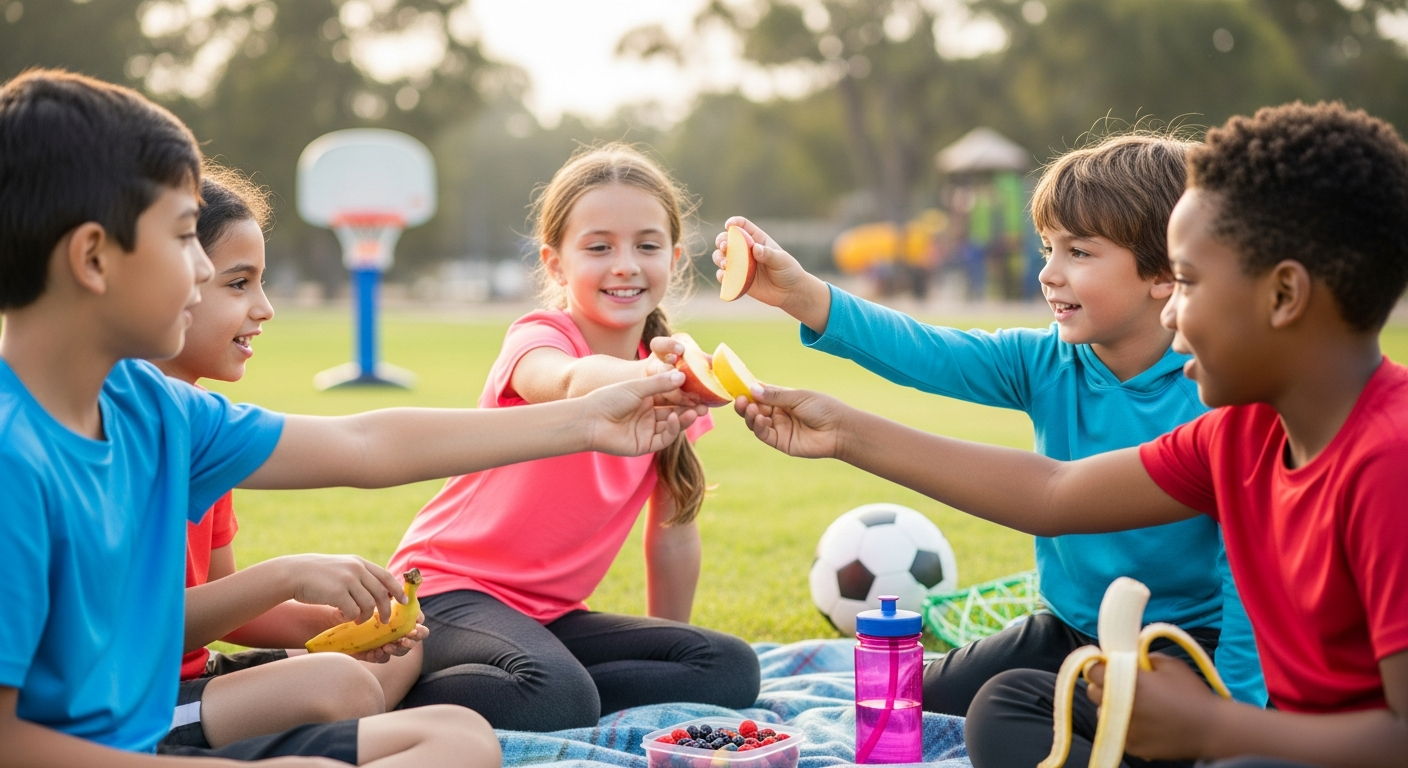
Table of Contents
- Introduction
- Why Post-Game Snacks Matter: Beyond Just Hunger
- The Golden Rules of Game-Day Snacking
- Top 20+ Winning Snack Ideas for Young Athletes
- Snacks to Approach with Caution (and Why)
- Making Snack Duty a Team Effort: Integrating Life Skills
- Your Child's Communication Journey Starts Today
- Conclusion
- Frequently Asked Questions
Introduction
Picture this: the final whistle blows, the game ends, and a swarm of energetic, sweaty, and suddenly ravenous young athletes descends upon the sidelines. As parents, we’ve all been there – scrambling to find the perfect post-game snack that will refuel their little bodies without leading to a sugar crash meltdown. It’s more than just handing out a treat; it’s about providing the right nourishment to support their recovery, maintain their energy, and set the stage for continued growth.
But why does a post-game snack truly matter beyond simply curbing immediate hunger? The snacks we offer after a sports game play a crucial role in a child's physical recovery and overall well-being. They're an opportunity to replenish lost energy, repair tired muscles, and rehydrate their bodies. Beyond the physical, these moments can also be rich opportunities for connection and teaching healthy habits. In this comprehensive guide, we'll explore the science-backed principles behind optimal post-game nutrition for kids, share over 20 winning snack ideas, and even touch upon how these simple moments can support your child's communication development, helping them to "speak their minds and hearts." We'll cover everything you need to know to hit snack duty out of the park, ensuring your young athlete is fueled for fun and recovery.

Why Post-Game Snacks Matter: Beyond Just Hunger
After an hour or more of running, jumping, and strategizing, a child’s body is depleted. Their muscles have used up much of their stored glycogen (their primary energy source), they’ve likely lost fluids through sweat, and their growing bodies are working hard to repair and recover. This isn’t just about making them feel full; it’s about strategic refueling.
Energy Replenishment (Carbohydrates)
Think of carbohydrates as the gasoline for a child’s engine. During physical activity, especially high-intensity sports, the body primarily burns carbohydrates stored as glycogen in the muscles and liver. After the game, these stores are low. Providing readily digestible carbohydrates helps to quickly restock these energy reserves, preventing fatigue and irritability. Without adequate carbohydrate replenishment, children can feel sluggish, tired, and more susceptible to "hitting a wall" later in the day. It’s about more than just physical energy; sufficient energy also supports cognitive function and mood stability.
Muscle Repair and Growth (Protein)
While carbs provide the immediate energy, protein is the building block for growth and repair. During intense physical activity, microscopic tears can occur in muscle fibers. Protein provides the amino acids necessary to repair these tears and build new muscle tissue, which is crucial for a child’s development and adaptation to physical training. A combination of carbohydrates and protein post-exercise is superior for recovery than either nutrient alone, as carbohydrates help drive protein into the muscles more efficiently. This foundational support helps prevent future injuries and enhances overall physical strength and resilience.
Hydration (Electrolytes)
Sweat is the body's natural cooling mechanism, but it comes at a cost: fluid and electrolyte loss. Electrolytes like sodium and potassium are vital for nerve and muscle function, and maintaining proper fluid balance. Even mild dehydration can lead to fatigue, headaches, reduced performance, and impaired concentration. A post-game snack ritual must always include a focus on rehydration to restore these crucial elements and ensure the body’s systems function optimally.

Behavior and Mood Regulation (Avoiding Sugar Crashes)
We've all witnessed the aftermath of a child consuming sugary treats after exertion: a brief burst of hyperactivity followed by an inevitable crash, marked by irritability, sadness, or extreme fatigue. Strategic snacking, focusing on balanced nutrients rather than empty calories, helps stabilize blood sugar levels. This prevents the roller-coaster effect of sugar highs and lows, promoting a more even temper and sustained energy, which is better for everyone, especially parents navigating the ride home!
Teaching Healthy Habits
Post-game snacks offer a fantastic opportunity to model and teach healthy eating habits. By consistently offering nutritious options and explaining why certain foods are good for their bodies, we empower children to make informed choices as they grow. It normalizes the idea that food is fuel, not just a reward, and helps them understand the connection between what they eat and how they feel and perform. These early lessons can lay the groundwork for a lifetime of healthy decisions.
The Golden Rules of Game-Day Snacking
Before we dive into specific snack ideas, let's establish some core principles that will guide your choices and make snack duty a success. These rules prioritize health, convenience, and safety for the whole team.
Balance: Carbs + Protein + Healthy Fats
The most effective post-game snacks offer a balanced combination of carbohydrates for energy, protein for muscle repair, and often, healthy fats for sustained satiety and nutrient absorption. Aim for snacks that include at least two of these macronutrients to provide comprehensive recovery support. For example, apple slices (carbs) with a cheese stick (protein, fat) or whole-grain crackers (carbs) with hummus (protein, fat).
Hydration First: Water and Natural Options
Water is king. Always prioritize plain water as the primary beverage for rehydration. For longer games or very hot conditions, natural electrolyte-rich drinks like coconut water or chocolate milk can be beneficial. Avoid sugary sodas, fruit juices with added sugars, and most traditional sports drinks, which are often unnecessary for typical youth sports activities and can contribute to sugar crashes.
Portion Control: Individual Servings
Individual portions are a game-changer for several reasons: they’re more sanitary, easier to distribute, and help prevent over-consumption. Pre-packaged items or snacks you’ve portioned into individual bags or containers yourself are ideal. This also makes cleanup a breeze and ensures every child gets a fair share.
Allergy Awareness
This is paramount. Always check with the coach or team parents about any food allergies or dietary restrictions before snack duty. Common allergens include peanuts, tree nuts, dairy, gluten, and eggs. When in doubt, opt for allergen-free choices or bring a variety to accommodate different needs. Clearly labeling snacks can also be very helpful.
Ease of Access: Grab-and-Go, Minimal Mess
After a game, kids are usually eager to eat and parents are eager to pack up. Choose snacks that are easy for kids to grab and eat without needing utensils or creating a big mess. Think finger foods, squeezable pouches, and items that come in their own natural packaging. Save the elaborate, messy snacks for home.
Kid-Friendly Appeal
While nutrition is key, a snack won't do any good if kids won't eat it. Stick to familiar favorites that are generally well-liked by children. Presentation can also help – vibrant colors, fun shapes, or even just offering a choice can make a healthy snack more appealing. You can involve your child in choosing snacks to ensure they're on board!
Temperature Stability
Consider the weather and how long snacks will sit before being consumed. For hot days, choose items that hold up well in a cooler with ice packs, or opt for non-perishable goods. Frozen items like yogurt tubes can serve double duty by staying cold and providing a refreshing treat.
Top 20+ Winning Snack Ideas for Young Athletes
Here’s a comprehensive list of healthy, kid-approved post-game snack ideas, categorized to help you mix and match for a perfectly balanced recovery combo.
Hydration Heroes
- Water: The absolute best for rehydration. Pack plenty of chilled bottles.
- Coconut Water: A natural source of electrolytes, especially potassium. Look for unsweetened varieties in kid-friendly pouches.
- Chocolate Milk: Offers a great balance of carbohydrates and protein, along with electrolytes, making it an excellent recovery drink. Ensure it's kept cold.
- Lightly Flavored Sparkling Water: A fun alternative to plain water without the sugar of soda. Look for brands with natural fruit essences and no added sweeteners.
- Homemade Electrolyte Popsicles: Freeze diluted fruit juice or coconut water with a pinch of sea salt for a refreshing, rehydrating treat on hot days.
Quick Energy Boosters (Carbohydrates)
- Orange Slices or Clementines: Naturally sweet, hydrating, and packed with Vitamin C. Easy to peel and eat.
- Bananas: Portable, easy to digest, and rich in potassium, which aids muscle function.
- Apple Slices: Crisp, refreshing, and provide fiber. Pair them with a protein source for a more balanced snack. To prevent browning, toss with a little lemon juice or use pre-packaged ones.
- Grapes or Berries: Bursting with natural sugars and antioxidants. Wash them thoroughly and pack in individual containers.
- Melon Chunks: Watermelon, cantaloupe, or honeydew are incredibly hydrating and provide quick energy.
- Applesauce Pouches: A no-mess, easy-to-eat option. Choose unsweetened varieties made from real fruit.
- Whole-Grain Crackers: Provide complex carbohydrates for sustained energy. Look for options with minimal added sugar and salt.
- Pretzels: Offer quick carbohydrates and a touch of salt to replenish electrolytes. Great for encouraging water intake. Choose whole-grain options.
- Rice Cakes: Light, crunchy, and a good source of simple carbohydrates. Can be topped with a spread.
- Homemade Muffins: Bake with whole wheat flour and incorporate fruits (berries, bananas) or veggies (zucchini, carrots) for added nutrients. Control sugar content.
- Dried Fruit (Raisins, Apricots, Cranberries): Concentrated source of quick energy. Pack in small portions due to sugar content.
Muscle Builders (Protein & Healthy Fats)
- String Cheese or Cheese Sticks: Excellent source of protein and calcium. Always pack in a cooler.
- Yogurt Tubes or Drinkable Yogurt: Convenient and packed with protein and calcium. Greek yogurt options offer even more protein. Can be frozen for a refreshing, cold treat.
- Hard-Boiled Eggs: A protein powerhouse that’s easy to prepare ahead of time and very portable.
- Meat Sticks (e.g., Turkey or Beef Jerky): A savory protein boost. Look for low-sodium options with minimal artificial ingredients.
- Hummus with Veggie Sticks: Hummus provides plant-based protein and healthy fats, while carrots, celery, or bell pepper sticks offer vitamins and fiber.
- Sunflower Seed Butter Packets: A fantastic allergen-friendly alternative to peanut butter, providing protein and healthy fats.
- Edamame (in pods or shelled): Fun to eat, high in plant-based protein and fiber. Can be served chilled.
Balanced Combos (Carbs + Protein)
- Mini Sandwiches or Wraps: Whole-wheat bread or tortillas with lean turkey, ham, or cheese. For allergy safety, consider sun butter and jelly. Cut into small, easy-to-eat shapes.
- Trail Mix (Nut-Free): Combine whole-grain cereal, pretzels, dried fruit, pumpkin seeds, and sunflower seeds for a customizable energy mix.
- Fruit and Cheese Skewers: Alternate grape tomatoes, cheese cubes, and melon chunks on a skewer for a colorful and balanced snack.
- DIY Yogurt Parfaits: Pack individual yogurt cups, small bags of granola (nut-free), and a small container of berries separately. Kids can assemble their own.
- Apple Slices with Sun Butter: Classic combination for carbohydrates, protein, and healthy fats.
Snacks to Approach with Caution (and Why)
Not all popular snacks are ideal for post-game recovery. Some can hinder rather than help a child’s body.
- High-Sugar Sports Drinks: While marketed for athletes, most youth sports games don't require the sugar and electrolytes of traditional sports drinks. These can lead to sugar crashes. Stick to water or natural alternatives for shorter activities.
- Candy/Chocolate Bars: Offer a quick sugar rush with little nutritional value, inevitably leading to a crash and potentially an upset stomach.
- Greasy Chips/Fast Food: High in unhealthy fats and often processed, these can be heavy on the digestive system and don't provide the balanced nutrients needed for recovery.
- Large Portions of Processed Snacks: Over-sized bags of cookies, pastries, or sugary crackers can lead to overeating and provide empty calories.
- Anything Requiring Utensils or Prone to Melting/Mess: Save the sticky or drippy snacks for home to minimize cleanup and uniform stains on the field.
- Unlabeled Homemade Items: Unless you know all team members' allergies and dietary needs, it's safer to avoid homemade goods where ingredients aren't clearly listed, as they pose an allergy risk.
Making Snack Duty a Team Effort: Integrating Life Skills
Snack time is more than just eating; it's an opportunity to teach valuable life skills, from nutrition literacy to responsibility and even communication.
Involving Kids in Planning and Prep
When children help choose and prepare snacks, they're more likely to eat them. Let them wash fruits, count out crackers, or even help pack a cooler. This fosters independence, reinforces counting and organizational skills, and gives them a sense of ownership over their healthy choices. These small tasks build confidence and a sense of contribution.
Teaching About Nutrition and Body Fuel
Use snack time as a mini-lesson. Explain that apples give them "go-power" (carbohydrates) and cheese helps their muscles "grow strong" (protein). Connecting food to performance and well-being helps them understand the why behind healthy choices, making it less about rules and more about understanding their bodies. This also helps them develop their vocabulary around health and body awareness.
Building Responsibility and Teamwork
Snack duty is a communal activity. Discussing allergens, sharing, and ensuring everyone gets a snack teaches consideration for others and the importance of teamwork, even off the field. It’s a gentle introduction to social etiquette and understanding diverse needs within a group.
Connecting Life Skills to Communication Development
Every interaction, including snack time, is a chance to boost communication skills. For instance, when you ask your child, "Which fruit do you want: the crunchy apple or the soft banana?" you're not just offering a choice; you're encouraging them to articulate a preference, use descriptive words, and expand their vocabulary.
At Speech Blubs, we believe that empowering children to "speak their minds and hearts" involves weaving communication into every joyful and everyday moment. Our company was born from the personal experiences of our founders, who all grew up with speech problems and created the tool they wished they had. We know that practicing communication skills doesn't always have to be formal. Simple conversations about food – discussing its taste, texture, color, and even the process of choosing it – are invaluable opportunities.
For a child who might be a "late talker" and struggles with expressing preferences, or one who is building their vocabulary, a scenario like picking a post-game snack can be a perfect, low-pressure practice ground. Imagine a child, inspired by the "Food" section of our app, learning to confidently say "orange" or "grape" when asked what snack they'd like. This seemingly small step is a monumental leap for their confidence and ability to engage with the world around them. Our unique video modeling methodology, where children learn by watching and imitating their peers, can translate directly into real-world interactions, making them more comfortable and confident in expressing themselves, whether it's on the playground or at the snack table.
We are committed to providing an immediate, effective, and joyful solution for the 1 in 4 children who need speech support, blending scientific principles with play into one-of-a-kind "smart screen time" experiences. Our app offers a screen-free alternative to passive viewing (like cartoons) by engaging children directly in interactive exercises that foster communication skills. From naming foods to describing their favorite activities, Speech Blubs provides a supportive environment for communication growth. To learn more about our mission and how we support families, visit our Speech Blubs Homepage.
Your Child's Communication Journey Starts Today
Just as proper nutrition fuels a child's body for sports, rich language experiences fuel their minds and hearts for communication. We understand that parents want the best for their children, and sometimes, that means seeking additional support for speech and language development.
At Speech Blubs, our mission is to empower children to "speak their minds and hearts." We provide a powerful tool for family connection, offering engaging activities that promote speech, vocabulary, and confident self-expression. Our scientifically-backed video modeling methodology encourages children to learn by observing and imitating their peers, making the learning process natural and fun. We are proud of our high MARS scale rating, which reflects our commitment to evidence-based practices. You can delve deeper into the research behind our methodology on our website.
Many parents have found remarkable success and increased confidence in their children’s communication skills with Speech Blubs. Hear directly from other families who have benefited from our app by exploring their testimonials here.
Unsure if your child could benefit from a little extra speech support? Take our quick 3-minute preliminary screener, which involves just 9 simple questions, to get an assessment and a personalized next-steps plan. This can provide valuable insights into your child's communication development.
We believe in making high-quality speech and language support accessible to every family. That’s why we offer flexible subscription plans designed to fit your needs:
- Monthly Plan: For $14.99 per month, you gain access to our core features.
- Yearly Plan: Our best value! For just $59.99 per year, you save 66% compared to the monthly plan, breaking down to an incredibly affordable $4.99 per month.
The Yearly Plan isn't just about saving money; it unlocks a full suite of exclusive, high-value features designed to maximize your child's learning experience:
- 7-Day Free Trial: Try before you commit and see the Speech Blubs difference firsthand.
- The Extra Reading Blubs App: An incredible bonus to further enhance literacy skills.
- Early Access to New Updates: Be among the first to experience our latest features and content.
- 24-Hour Support Response Time: Get your questions answered quickly and efficiently.
The Monthly Plan does not include these additional benefits, making the Yearly Plan the clear choice for comprehensive support and incredible value.
Ready to foster your child's confidence and communication skills, both on and off the field? There’s no better time to start.
Download Speech Blubs on the App Store
Get Speech Blubs on Google Play
Alternatively, you can create your account and begin your 7-day free trial on our website today. Remember to choose the Yearly plan to unlock all the fantastic benefits, including your free trial and the Reading Blubs app!
Conclusion
Providing thoughtful and nutritious snacks after kids' sports games is much more than a routine task; it's a vital component of their physical recovery, sustained energy, and overall healthy development. By focusing on a balance of carbohydrates, proteins, and essential hydration, parents can effectively refuel young athletes, prevent sugar crashes, and instill positive eating habits. These moments also serve as wonderful, informal opportunities to encourage communication and build confidence, aligning perfectly with our mission at Speech Blubs to empower children to "speak their minds and hearts."
From portable fruit to protein-packed cheese sticks and hydrating beverages, the key is to be prepared with simple, wholesome options that are easy to eat and address the specific needs of an active child's body. Remember, every snack choice is an investment in their health, performance, and the joy they experience in their activities.
Take the next step in supporting your child’s holistic development today. Choose the Yearly plan to get the best value, including a 7-day free trial, the Reading Blubs app, and exclusive features. Ready to see the difference Speech Blubs can make?
Download Speech Blubs on the App Store or Google Play now to start your free trial and unlock a world of confident communication for your child.
Frequently Asked Questions
Q1: How soon after a game should kids eat their snack?
A1: Ideally, children should have a post-game snack within 30-60 minutes after intense physical activity. This "recovery window" is when their muscles are most receptive to replenishing glycogen stores and repairing tissue, maximizing the benefits of the nutrients consumed.
Q2: Is chocolate milk really a good post-game snack?
A2: Yes, chocolate milk is surprisingly effective as a recovery drink for children after sports. It offers an optimal balance of carbohydrates for energy replenishment and protein for muscle repair, along with fluid and electrolytes, making it a well-rounded choice that kids generally enjoy. Ensure it's kept cold and consider low-sugar versions.
Q3: What should I avoid if a teammate has a nut allergy?
A3: If there's a nut allergy on the team, it's crucial to avoid all peanuts and tree nuts (almonds, walnuts, cashews, etc.). Opt for clearly labeled nut-free snacks. Good alternatives include sunflower seed butter, seeds (pumpkin, chia), or snacks made with rice or oats. Always double-check ingredient labels carefully.
Q4: How can I make healthy snacks appealing to picky eaters after a game?
A4: To appeal to picky eaters, focus on familiar foods, offer choices, and make snacks visually appealing. Cut fruits into fun shapes, pack colorful combinations, or involve your child in the snack selection process. Sometimes, simply calling it "fuel" for their body rather than a "snack" can also change their perception. Our Speech Blubs app can also help children practice naming and describing foods, which can increase their comfort and willingness to try new things.
About the author