
Spark Joy: Fun Camp Activities for Kids
 By Speech Blubs Team•Jan 13, 2026•25 min.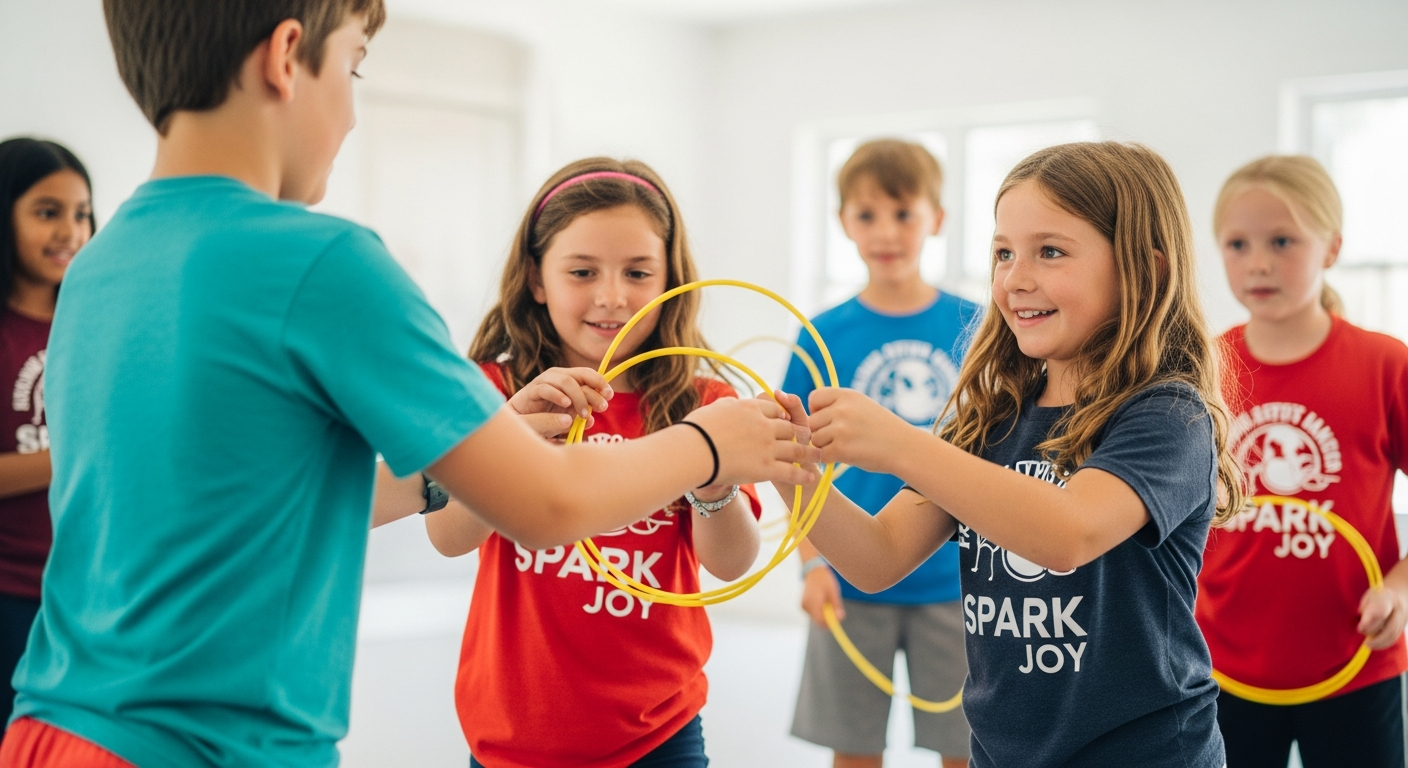
Table of Contents
- The Power of Play: Why Camp Activities Matter for Development
- Creative Camp Crafts: Unleashing Imagination
- Engaging Outdoor Adventures: Movement and Exploration
- Storytelling & Performance: Boosting Confidence and Expression
- Team Building & Social Games: Fostering Connection
- When to Consider Extra Support: A Parent's Guide
- Speech Blubs: Your Partner in Communication Adventures
- Getting Started with Speech Blubs: Our Value-Packed Plans
- Conclusion
- Frequently Asked Questions (FAQ)
As the sun climbs high in the summer sky and the school year's routines give way to boundless energy, parents often look for ways to channel that enthusiasm into enriching experiences. Summer camp activities hold a special magic, transforming ordinary days into extraordinary adventures. Far more than just a way to pass the time, these activities are vibrant playgrounds for growth, learning, and unforgettable memories. They offer a unique environment where children can explore new interests, develop crucial skills, and build lasting friendships.
In this comprehensive guide, we'll dive deep into a diverse array of "fun camp activities for kids" that promise to engage, educate, and inspire. From creative crafts that ignite imagination to energetic outdoor games that foster teamwork and captivating storytelling sessions that build confidence, we'll explore how each activity contributes to a child's holistic development. We’ll also discuss how intentional play, coupled with supportive tools like Speech Blubs, can truly empower children to "speak their minds and hearts," ensuring their voices are heard and celebrated. Get ready to discover how summer camp can become a cornerstone for your child's confidence and communication journey.

The Power of Play: Why Camp Activities Matter for Development
Summer camp is more than just a break from school; it's a dynamic ecosystem designed for growth. The seemingly simple acts of playing games, crafting, or telling stories are, in fact, powerful learning opportunities. These "fun camp activities for kids" are carefully chosen to foster physical, cognitive, social, and emotional development. For many children, camp is their first taste of significant independence, where they learn to navigate new social structures, solve problems creatively, and adapt to different environments.
Beyond building gross motor skills or artistic talents, camp activities are fertile ground for communication. Every game, every craft project, every shared meal involves some form of interaction. Children learn to articulate their ideas, listen to others, negotiate, express emotions, and follow multi-step instructions. This rich, real-world context for communication is invaluable, especially for children who may need a little extra support in developing their speech and language skills. These experiences directly align with our mission at Speech Blubs: to empower children not just to speak, but to express their inner thoughts and feelings with confidence.
Beyond Entertainment: A Holistic Approach to Growth
The true value of these activities lies in their ability to engage multiple developmental domains simultaneously:
- Physical Development: From running obstacle courses to hula hooping, children enhance their coordination, balance, and stamina.
- Cognitive Skills: Planning a strategy for Capture the Flag, solving riddles in a scavenger hunt, or designing a camp newspaper all stimulate critical thinking and problem-solving.
- Social-Emotional Learning: Sharing stories around a campfire, collaborating on a craft project, or navigating team games teach empathy, cooperation, conflict resolution, and self-regulation.
- Communication & Language: Describing a new craft, explaining game rules, or contributing to a group story provides natural opportunities for vocabulary expansion, sentence formation, and pragmatic language use.
Creative Camp Crafts: Unleashing Imagination
Craft activities are a cornerstone of any memorable summer camp experience, offering a quiet yet powerful avenue for self-expression and fine motor skill development. These "fun camp activities for kids" allow children to explore their creativity, work with different textures and colors, and produce tangible items they can be proud of. Crucially, crafting provides a fantastic, low-pressure setting for verbal and non-verbal communication. Children can describe their artistic vision, ask for specific materials, follow instructions, and share their creations, fostering valuable dialogue.

Friendship Bracelets
Creating friendship bracelets is a timeless camp tradition that beautifully combines creativity with connection. Campers choose colorful threads and learn various knotting techniques to fashion unique wristbands for themselves and their friends. This activity is accessible for younger children who can practice simple weaving, while older campers can experiment with more intricate patterns.
- Communication Boost: This activity encourages children to describe colors, patterns, and who the bracelet is for. They might say, "I'm making a blue and green bracelet for my friend Sarah," practicing descriptive language and social connections. Following step-by-step instructions for knotting also enhances listening and sequencing skills.
Tie-Dying
Tie-dying is a vibrant and exciting activity where campers transform plain fabric, typically t-shirts, into bursts of color and unique designs using fabric dyes. The magic lies in the unpredictable yet always beautiful results, making each creation a one-of-a-kind souvenir. Children experiment with different tying techniques to achieve stripes, swirls, or dots.
- Communication Boost: Children can discuss their color choices, predict what their design might look like, and then describe the final product. "My shirt has red and yellow spirals!" encourages expressive language and the use of adjectives. This also provides an opportunity to follow a sequence of instructions, asking clarifying questions if needed.
Making Bird Feeders
Combining creativity with a connection to nature, making bird feeders is a rewarding activity. Campers can craft simple feeders using materials like peanut butter and birdseed applied to toilet paper rolls, or more elaborate ones with woodshop skills. Once completed, these feeders can be hung around camp, allowing children to observe local birdlife.
- Communication Boost: This activity naturally leads to conversations about animals, nature, and the environment. Children can name the different birds they hope to attract, describe the materials they're using, and discuss the steps involved in making the feeder. It's a wonderful way to expand vocabulary related to nature and cause-and-effect ("If we put out seed, birds will come!").
Stone Painting
A simple yet deeply satisfying craft, stone painting allows children to turn ordinary rocks into vibrant pieces of art. Using smooth stones found around the camp, children can paint intricate designs, cheerful pictures, or even kind messages. These painted stones can then be hidden for others to find, placed in a garden, or given as gifts.
- Communication Boost: Children can talk about the designs they're creating, the colors they're using, and the stories behind their artwork. "This is a ladybug, and it's going to live in the camp garden!" encourages imaginative storytelling and descriptive language. Asking for specific colors or brushes also refines communication in a practical context.
Camp Newspaper Creation
A camp newspaper is an engaging project that fosters writing, interviewing, and collaboration skills. Campers can take on roles as reporters, editors, photographers, and illustrators, documenting the daily happenings and special moments of camp life. This activity encourages them to think about narratives and presentation.
- Communication Boost: This is a goldmine for language development. Interviewing peers, writing short articles, coming up with headlines, and discussing layout all require clear and concise verbal and written communication. Even shy campers can contribute drawings or simple "shout-outs," building confidence in expressing themselves.
Solar Oven Cooking
Learning to cook with a solar oven is a fascinating blend of science and culinary fun. Using simple materials like a pizza box, aluminum foil, and plastic wrap, children construct a basic oven that harnesses the sun's energy to melt s'mores or warm other treats. It's a hands-on lesson in renewable energy and patience.
- Communication Boost: Children can explain the scientific principles behind the solar oven, discuss the steps for assembly, and describe the cooking process. Anticipating and then describing the gooey s'mores provides rich opportunities for sensory vocabulary and sequencing ("First, we put the chocolate, then the marshmallow...").
Woodshop & Popsicle Stick Projects
From simple popsicle stick creations to more involved woodworking projects (with appropriate supervision), working with wood allows children to build and design. Younger kids can make picture frames or marble mazes with popsicle sticks, while older ones might tackle birdhouses, learning basic tool safety and construction.
- Communication Boost: This activity involves planning, problem-solving, and precise language. Children might ask for specific tools, explain their design ideas, or describe the challenges they encounter. They learn to follow instructions, ask "how-to" questions, and articulate their progress, fostering sequential thinking and clear verbalization.
The Beadery
Stocking a "Beadery" with various types of beads (wooden, plastic, glass) and stringing cords opens up a world of creative possibilities. Campers can design and create bracelets, necklaces, keychains, or suncatchers. This activity also lends itself well to making friendship bracelets or even homemade fidget spinners for those who benefit from tactile stimulation.
- Communication Boost: Beadwork is excellent for developing fine motor skills and encouraging descriptive language. Children can name colors, count beads, discuss patterns, and explain their design choices. Sharing their creations with peers also provides a natural context for social conversation and confidence in presentation.
Engaging Outdoor Adventures: Movement and Exploration
Outdoor activities are essential for children's physical health, mental well-being, and connection with the natural world. These "fun camp activities for kids" leverage the camp's environment to promote movement, teamwork, and exploration. They are fantastic for burning off energy, developing gross motor skills, and fostering a sense of adventure. Crucially, outdoor play is a natural catalyst for communication, as children describe their surroundings, strategize with teammates, and express their excitement or challenges.
Obstacle Courses
Obstacle courses are a fantastic way to challenge children physically and mentally. Using cones, hula hoops, jump ropes, and natural elements, campers navigate a series of physical challenges designed to test agility, coordination, and perseverance. They can work individually against the clock or in teams, cheering each other on.
- Communication Boost: Children learn to follow multi-step verbal instructions, describe the actions they are performing ("I'm crawling under!"), and express feelings of accomplishment or frustration. Team-based courses encourage clear communication for strategy and enthusiastic vocal support for peers.
Water Balloon Dodgeball & Fights
Perfect for hot summer days, water balloon dodgeball puts a refreshing twist on a classic game. Teams toss water balloons, aiming to tag opponents while trying to stay dry. Water balloon fights take this to a more free-form, exhilarating level, getting everyone laughing and soaked.
- Communication Boost: These games generate a lot of excited chatter. Children shout warnings, plan quick strategies, express joy ("I got you!"), or describe sensations ("It's cold!"). It's a high-energy environment where rapid, simple communication is key, helping to develop spontaneous speech and emotional expression.
Capture the Flag
Capture the Flag is a high-energy, classic outdoor game that rewards strategy, speed, and teamwork. Two teams compete to capture the other team's flag while defending their own. It encourages strategic thinking, quick decision-making, and coordinated effort.
- Communication Boost: This game demands constant communication: calling out opponents' positions, devising attack and defense strategies, and coordinating movements. Children learn to use directive language ("Go left!", "He's coming!"), respond to calls, and articulate complex plans within their team.
Field Day
A "Field Day" is a highlight for many campers, featuring a variety of outdoor challenges and group activities. Think three-legged races, potato sack races, water balloon hot potato, and sprinkler limbo. Campers rotate through different stations, often grouped by cabins, fostering friendly competition and collective fun.
- Communication Boost: Field Day is rich with opportunities for verbal instruction and social interaction. Children explain rules, cheer for teammates, recount their experiences at each station, and describe the physical actions involved. It builds a sense of camaraderie through shared verbal expression and enthusiastic encouragement.
Hula Hooping
Hula hooping is a fun, low-impact activity that incorporates physical movement with a playful challenge. Campers can compete to see who can hula hoop the longest, master different tricks (like waist hooping, lasso, or the Z-spin), or even create their own routines. It's a fantastic way to develop rhythm and coordination.
- Communication Boost: Children can describe the tricks they're attempting, explain how to do them, and count their rotations. They can also provide encouragement to peers ("You can do it!") and articulate their own challenges or successes, using vocabulary related to movement and body parts.
Life-Sized Board Games
Taking classic board games like chess, checkers, or Tic-Tac-Toe and expanding them to life-size adds a dynamic physical element to strategic play. Campers become the game pieces, moving across a giant "board" marked with chalk or tape, combining physical activity with cognitive strategy.
- Communication Boost: These games require clear communication for explaining rules, discussing moves, and making strategic decisions. Children learn to articulate their intentions ("I'm moving to the king's square!"), negotiate with teammates, and use positional language, enhancing their ability to explain complex ideas verbally.
Nature Scavenger Hunts
A nature scavenger hunt encourages exploration and observation of the natural world. Campers are given a list of items to find (e.g., a specific leaf, a smooth stone, a bird feather) or tasks to complete (e.g., identify a local bird, draw a tree). It’s an adaptable activity for all ages and environments.
- Communication Boost: This activity promotes descriptive language as children identify and discuss their findings. "I found a pointy leaf, just like on the list!" helps with adjectives and matching skills. Working in groups requires collaboration and verbal problem-solving, fostering teamwork and shared discovery.
Ninja Warrior Course
Inspired by popular TV shows, a "Ninja Warrior" course challenges campers with a series of physical obstacles, often adapted from existing camp structures or created using everyday items like boxes, tree stumps, and chairs. Teams can race through the course, encouraging agility and determination.
- Communication Boost: Similar to obstacle courses, this encourages following complex instructions, describing actions, and expressing physical effort. In team relays, clear hand-offs and verbal cues are vital, promoting effective, concise communication under pressure.
Human Foosball
Human Foosball is a fantastic team-building activity that involves drawing a large grid on an open field to create a human-sized foosball court. Each player stays within their designated "rectangle" and can only move side-to-side, passing a ball to teammates. It’s a hilarious way to work on coordination and teamwork.
- Communication Boost: This game is all about strategy and collaboration. Players must communicate constantly to pass the ball, call for passes, and direct their teammates. It develops quick, action-oriented verbal cues and the ability to work together through shared spoken goals.
Gardens
Engaging in gardening provides a hands-on connection to nature and teaches children about plant life and responsibility. Campers can plant fast-growing seeds like green beans, tend to their garden plots, and observe the growth over the summer.
- Communication Boost: Gardening naturally sparks conversations about plants, tools, and the process of growth. Children can describe what they are planting, ask questions about care, and discuss their observations. It's an excellent way to introduce new vocabulary related to nature, science, and responsibility.
Volcanoes
Creating erupting volcanoes is a classic science experiment that never fails to captivate. Using simple ingredients like baking soda, vinegar, and a water bottle buried in dirt, children can witness a dramatic chemical reaction. Adding red food coloring makes the "lava" even more exciting.
- Communication Boost: This activity provides a perfect opportunity to discuss scientific concepts in simple terms. Children can explain the steps of the experiment, describe the eruption ("It's bubbling!"), and use scientific vocabulary related to reactions and geology, fostering curious questioning and explanation skills.
Storytelling & Performance: Boosting Confidence and Expression
Storytelling and performance activities are powerful vehicles for developing a child's imagination, empathy, and ability to express themselves verbally. These "fun camp activities for kids" create a supportive environment where children can find their voice, build confidence, and experiment with different forms of communication, both spoken and acted. They are directly aligned with our goal at Speech Blubs of empowering children to "speak their minds and hearts."
Campfire Storytelling
Gathering around a campfire for storytelling is a cherished camp tradition. Children can share spooky tales, funny anecdotes, or imaginative adventures. It’s an intimate setting that encourages active listening and creative contribution.
- Communication Boost: This activity directly promotes narrative skills, vocabulary expansion, and expressive speech. Children learn to sequence events, build suspense, and use descriptive language to captivate their audience. For collaborative stories, turn-taking and active listening are crucial, enhancing both receptive and expressive language.
Talent Shows
A camp talent show is a fantastic opportunity for children to showcase their unique skills and personalities. Whether singing, dancing, telling jokes, or performing magic, a stage provides a platform for self-expression and confidence-building in front of an appreciative audience. Counselors can encourage group acts for shyer campers.
- Communication Boost: Performing requires clear articulation, vocal projection, and confidence in public speaking. Children practice memorization, stage presence, and expressing emotions through voice and body language. Even planning an act involves verbal negotiation and collaboration, honing communication skills in a performative context.
Children's Theatre / Collaborative Storytelling
Dividing campers into groups to create and perform short plays or engage in collaborative storytelling exercises (like folding paper narratives) fosters dramatic play and shared creativity. Providing simple props and costumes can further spark their imagination.
- Communication Boost: Children's theatre is a comprehensive communication workout. They develop dialogue, portray characters, and convey emotions through speech and action. Collaborative storytelling encourages imaginative thought, sequencing, and the ability to build upon others' ideas verbally, significantly boosting narrative and expressive language skills.
Life Skills Challenges
Life skills challenges encourage campers to build practical competencies that extend beyond the camp environment. These hands-on activities, from basic first aid to simple cooking or navigation, help children grow into more confident and independent individuals by applying learned knowledge in real-world scenarios.
- Communication Boost: Learning and practicing life skills often involves following instructions, asking clarifying questions, and explaining processes. Children communicate to solve problems, teach peers, and articulate their understanding of a task, developing practical communication for everyday situations.
Team Building & Social Games: Fostering Connection
Team building and social games are fundamental to the camp experience, teaching children how to interact positively with peers, cooperate towards shared goals, and understand the dynamics of group participation. These "fun camp activities for kids" are designed to break down social barriers, build trust, and foster a sense of belonging among campers, all while requiring constant communication.
Icebreakers (Stand Up, Sit Down; Toilet Paper Name Game; Chicken Picks; Postman; Trust Walk)
Icebreakers are crucial for the first days of camp, helping children get to know each other in a fun, low-pressure way. Activities like "Stand Up, Sit Down" (based on shared characteristics), the "Toilet Paper Name Game" (sharing facts based on squares taken), or "Postman" (moving spots if a statement applies to you) encourage self-disclosure and attentive listening. "Trust Walk" pairs children, with one blindfolded and the other providing verbal directions, building reliance and clear communication.
- Communication Boost: Icebreakers directly facilitate verbal exchange, active listening, and self-introduction. Children practice clear articulation of personal facts, asking questions, and following verbal instructions. The "Trust Walk," in particular, hones precise descriptive and directive language, teaching both partners to communicate effectively under a unique constraint.
Cooperative Games (Buzz, Magic Carpet, Barnyard, People Machine, Reflex Test)
Cooperative games emphasize teamwork over competition, teaching children to work together to achieve a common goal. "Buzz" is a counting game with special rules that challenge memory and turn-taking. "Magic Carpet" requires a group to stand on a shrinking blanket, fostering creative problem-solving and physical cooperation. "Barnyard" involves blindfolded children making animal noises to find their "herd," highlighting sensory communication. "People Machine" tasks teams with creating a machine with motions and sounds using their bodies, stimulating imaginative and non-verbal communication. "Reflex Test" is a quick, fun game for hand-eye coordination and quick reactions.
- Communication Boost: These games are rich in collaborative communication. Children engage in verbal planning, negotiation, active listening, and providing mutual support. "People Machine" encourages imaginative sound effects and synchronized verbal cues, while "Barnyard" uses auditory processing and vocal imitation to achieve a goal, reinforcing different aspects of communication.
Alaskan Baseball
Alaskan Baseball is a unique, high-energy group game that combines elements of traditional baseball with a fun, unconventional scoring system. One team circles and counts "runs" as a player names everyone in the circle, while the other team retrieves a thrown object and passes it to stop the count. It requires coordination and quick action.
- Communication Boost: This game involves a mix of shouting for attention, clearly articulating names, and coordinating physical actions verbally. Team members must communicate quickly and decisively to either count runs efficiently or stop the opposing team's count, fostering urgent and precise verbal cues.
Cat & Mouse / Eagle Catch Chick
These classic chasing games are excellent for promoting physical activity, strategic thinking, and quick reactions. In "Cat & Mouse," two players navigate a circle of hand-holding campers, who close gaps to trap one player. In "Eagle Catch Chick," a "mother hen" protects her "chicks" from an "eagle," requiring the chicks to stay connected and the hen to strategically move.
- Communication Boost: Both games require non-verbal communication (body language, movement) and verbal cues. The "Cat & Mouse" players might call out for openings, while the "Eagle Catch Chick" hen might use verbal warnings or directions to guide her chicks, reinforcing protective and directive language.
When to Consider Extra Support: A Parent's Guide
While "fun camp activities for kids" offer incredible opportunities for growth, some children may benefit from additional support to fully participate and express themselves. It’s natural for parents to wonder if their child's speech and language development is on track. Observing how your child communicates during these activities – their ability to follow instructions, express their needs, share ideas, or interact with peers – can offer valuable insights.
If you notice your child consistently struggling with tasks like articulating words clearly, forming sentences, understanding complex directions, or engaging in back-and-forth conversations, it might be helpful to explore resources for speech development. Early intervention can make a significant difference in a child's confidence and ability to connect with the world around them.
To help you gain clarity and understand if your child could benefit from targeted support, we've developed a simple, quick tool. You can take our quick 3-minute preliminary screener to get an assessment and a personalized next-steps plan. It's a great first step toward empowering your child's voice.
Speech Blubs: Your Partner in Communication Adventures
At Speech Blubs, we believe every child deserves to "speak their minds and hearts" with confidence and joy. Our company was born from a very personal place; our founders all grew up with speech problems and created the tool they wished they had. We understand the challenges and the profound impact that communication can have on a child's life. This deeply personal mission drives us to provide an immediate, effective, and joyful solution for the 1 in 4 children who need speech support.
We are committed to blending scientific principles with engaging play, creating one-of-a-kind "smart screen time" experiences. Unlike passive viewing (like cartoons), Speech Blubs offers a dynamic, interactive screen-free alternative that truly transforms a child’s interaction with technology. Our unique approach is built on "video modeling," where children learn by watching and imitating their peers. This method harnesses the power of mirror neurons, making learning natural, engaging, and highly effective.
With Speech Blubs, your child won't just learn to speak; they'll build foundational communication skills that foster a love for expressing themselves, reduce frustration, and develop vital social connections. Our app is a powerful supplement to your child's overall development plan and can complement professional therapy. We focus on realistic expectations: building confidence, developing key skills, and creating joyful family learning moments, rather than promising instant miracles. Many parents have shared their success stories, finding our approach to be a game-changer for their child's confidence and clarity in speech. Read more about what parents are saying and their children's success with Speech Blubs by visiting our testimonials page.
Our methodology is backed by solid research, placing us in the top tier of speech apps worldwide. You can explore the scientific foundation of our video modeling technique and our high MARS scale rating on our research page. We're proud to offer a tool that not only supports speech development but also strengthens family connection through shared learning. To learn more about our mission and how we're empowering children, visit our homepage. Ready to get started? You can create your account and begin your 7-day free trial today!
Getting Started with Speech Blubs: Our Value-Packed Plans
We believe in making effective speech and language support accessible to every family. That’s why we offer transparent and flexible plans designed to meet your needs, with the best value packaged into our Yearly subscription.
Monthly Plan:
- Cost: $14.99 per month.
- Features: Access to the core Speech Blubs app.
- Note: This plan does not include a free trial, the Reading Blubs app, early access to new updates, or our expedited 24-hour support response time.
Yearly Plan: The Smart Choice
- Cost: $59.99 per year. This breaks down to just $4.99 per month – a phenomenal value!
- Savings: You save a significant 66% compared to the monthly plan.
- Exclusive Features: The Yearly plan is packed with added benefits:
- 7-Day Free Trial: Experience the full Speech Blubs app before committing.
- Reading Blubs App: Get access to our companion app, Reading Blubs, designed to further enhance literacy skills.
- Early Access to New Updates: Be the first to try out exciting new features and content.
- 24-Hour Support Response Time: Receive priority support whenever you need assistance.
We highly recommend choosing the Yearly plan to unlock the full potential of Speech Blubs for your child. It’s not just a matter of saving money; it’s about gaining access to a comprehensive suite of tools and premium support that will maximize your child's communication journey.
Ready to embark on this journey with us? Download Speech Blubs on the App Store or Google Play Store today and select the Yearly plan to enjoy your 7-day free trial and all the exclusive benefits!
Conclusion
Summer camp activities are a treasure trove of experiences that go far beyond simple entertainment. They are fundamental building blocks for a child's development, fostering physical prowess, cognitive acumen, social-emotional intelligence, and, most importantly, robust communication skills. Whether it’s the joy of creating a tie-dye shirt, the thrill of navigating an obstacle course, or the shared magic of campfire storytelling, each "fun camp activity for kids" contributes to a confident, expressive, and well-rounded individual.
By providing a rich environment for interaction, collaboration, and self-expression, these activities naturally enhance a child's ability to "speak their minds and hearts." When combined with supportive tools like Speech Blubs, which offers scientifically-backed video modeling in a playful, engaging format, children receive a powerful boost on their communication journey. We are dedicated to transforming screen time into "smart screen time," making it an active, beneficial part of your child's development.
Empower your child to embrace every adventure, articulate every thought, and connect with the world around them. Don't let moments of hesitation or frustration hold them back.
Ready to give your child the gift of confident communication? Download Speech Blubs on the App Store or Google Play now. For the best value and to unlock all exclusive features, make sure to choose our Yearly plan, which includes a 7-day free trial and access to the Reading Blubs app. Start your journey with Speech Blubs today and watch your child’s confidence soar!
Frequently Asked Questions (FAQ)
Q1: Why are camp activities important for a child's development, not just for fun?
A1: Camp activities are crucial because they offer a holistic environment for growth. Beyond just entertainment, they develop physical skills (coordination, stamina), cognitive abilities (problem-solving, strategic thinking), social-emotional intelligence (empathy, teamwork, conflict resolution), and vital communication skills (articulation, active listening, self-expression). They provide real-world contexts for children to practice and refine these diverse competencies.
Q2: How can I encourage my child's communication during camp activities?
A2: You can encourage communication by asking open-ended questions about their experiences ("What was your favorite part of the obstacle course and why?"), listening actively to their stories, and prompting them to describe details ("Tell me about the colors you used for your tie-dye shirt"). Encourage them to explain rules to you, describe their feelings, and interact with peers. These natural conversations turn every activity into a language-building opportunity.
Q3: What makes Speech Blubs different from other learning tools or apps?
A3: Speech Blubs stands out because it's built on a unique "video modeling" methodology, where children learn speech and language by watching and imitating real peers, not just animations. Our app provides "smart screen time," transforming passive viewing into an interactive and engaging learning experience. Our mission is personal – founded by individuals with their own speech challenges – and we focus on empowering children to "speak their minds and hearts" with confidence, backed by scientific research and designed for joyful family connection.
Q4: How do I get started with Speech Blubs to support my child's speech?
A4: Getting started with Speech Blubs is easy and designed for convenience. You can download our app directly from the Apple App Store or the Google Play Store. For the best value and a comprehensive experience, we highly recommend selecting our Yearly plan, which includes a 7-day free trial, access to the Reading Blubs app, and priority support. You can also create your account on our website to begin your free trial and unlock all premium features.
About the author