
Splash into Summer: Fun Outdoor Water Activities for Kids
 By Speech Blubs Team•Jan 13, 2026•23 min.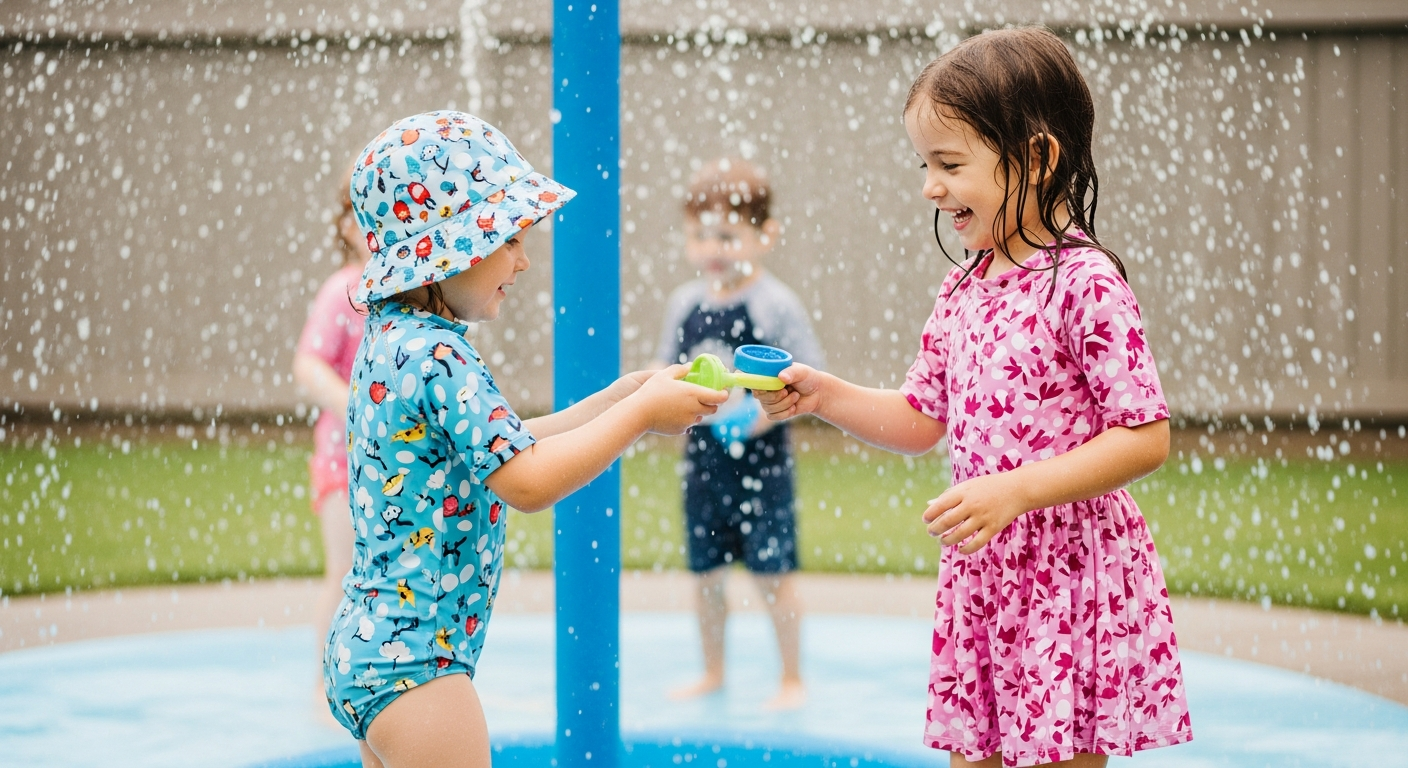
Table of Contents
- Introduction
- Why Water Play is a Splash of Genius for Kids' Development
- Setting Up Your Backyard Water Oasis: Safety First!
- Dive In! Exciting Outdoor Water Activities for Every Child
- Making a Real Splash: Boosting Communication with Speech Blubs
- Choosing the Best Value: Speech Blubs Pricing & Features
- Conclusion
- FAQs About Outdoor Water Activities for Kids
The sun is shining, the days are long, and a chorus of "I'm bored!" might just be on the horizon. But what if we told you that the secret to endless summer fun, and a boost to your child's development, lies in something as simple and refreshing as water? Forget expensive trips or elaborate setups; your backyard, a garden hose, and a few household items are all you need to unlock a world of joyful exploration and communication building. Water play isn't just about cooling off; it's a powerful, multi-sensory experience that naturally encourages kids to engage, experiment, and express themselves.
At Speech Blubs, we understand the magic of play and its profound impact on a child's ability to "speak their minds and hearts." We believe that every splash, every pour, every giggle can be a stepping stone toward stronger communication skills. This post will guide you through a treasure trove of fun outdoor water activities for kids, offering creative ways to turn your outdoor space into a vibrant learning environment. We’ll delve into the many developmental benefits of water play, provide practical tips for setting up a safe and engaging splash zone, and show you how to naturally weave in language-boosting strategies, often with a little help from our "smart screen time" approach.

Introduction
The summer heat often sends us scrambling for ways to keep our little ones cool and entertained. But beyond simply beating the heat, water play offers a unique and powerful pathway for children to explore their world, develop crucial skills, and enhance their communication. From the simplest sprinkle to an elaborate water balloon battle, these activities transcend mere fun, becoming rich opportunities for learning and growth.
For many parents, the thought of screen time can bring a twinge of guilt, especially during the summer months. Yet, imagine a form of screen time that actively engages your child, encourages them to imitate and interact, and even helps them practice new sounds and words. That's the kind of "smart screen time" we champion at Speech Blubs, a tool born from our founders' personal experiences with speech challenges. We know firsthand the desire for immediate, effective, and joyful solutions, and we're committed to blending scientific principles with play to empower children.
This guide is designed to empower you, the parent or caregiver, with practical, accessible ideas for outdoor water play. We'll explore activities that nurture everything from fine motor skills and scientific thinking to social-emotional development and, crucially, language acquisition. By the end, you'll be equipped with a comprehensive toolkit to make this summer unforgettable, full of laughter, learning, and meaningful conversations, proving that fostering a love for communication can be the most joyous adventure of all.
Why Water Play is a Splash of Genius for Kids' Development
Water is a universal play material that captivates children of all ages, and its benefits extend far beyond simple entertainment. Engaging in water activities provides a holistic workout for a child’s developing mind and body, laying crucial groundwork for future learning, including speech and language.
Sensory Exploration
The moment a child touches water, their senses ignite. They experience different temperatures – warm from the sun, cool from the hose, icy from a frozen cube. They hear the splashes, drips, and gurgles. They feel the slickness, the weight of a full bucket, and the soft spray of a sprinkler. This rich sensory input is vital for brain development, helping children to understand and process information from their environment. For children who may be sensitive to certain textures or sounds, water play can be a gentle and inviting way to explore new sensations in a low-pressure environment.

Fine and Gross Motor Skill Development
Every action in water play, from pouring and squeezing to running and balancing, refines a child's motor skills.
- Fine Motor Skills: Activities like squeezing a sponge, holding a paintbrush to "paint" with water, manipulating small toys in a sensory bin, or filling tiny cups all strengthen the small muscles in the hands and fingers. These are the same muscles essential for tasks like writing, buttoning clothes, and self-feeding.
- Gross Motor Skills: Running through a sprinkler, jumping over a hose, splashing in a wading pool, or carrying buckets of water engages larger muscle groups, improving balance, coordination, and strength. These movements are crucial for overall physical development and coordination.
Cognitive Benefits and Early Science Concepts
Water play is a natural laboratory for young scientists. Children intuitively explore concepts like:
- Cause and Effect: "If I pour water on the slide, it becomes slippery." "If I squeeze the sponge, water comes out."
- Volume and Measurement: Filling different sized containers, understanding "full" and "empty," or comparing "more" and "less."
- Sink or Float: Experimenting with various objects and predicting what will happen encourages observation and critical thinking. This simple concept introduces foundational physics in a hands-on way.
- States of Matter: Freezing water into ice cubes and then watching them melt provides a tangible introduction to solids, liquids, and the concept of change.
These experiences build a foundation for scientific reasoning and problem-solving, teaching children to observe, hypothesize, and test their ideas through play.
Emotional and Social Growth
Water play is inherently joyful, fostering positive emotions and reducing stress. The freedom of splashing and getting wet can be incredibly liberating. When children play with water alongside peers or siblings, they naturally develop social skills:
- Sharing: Taking turns with a hose or a favorite cup.
- Cooperation: Working together to fill a bucket or create a "river."
- Negotiation: Deciding who gets the largest splash or the next turn.
- Emotional Regulation: The soothing nature of water can help calm an overstimulated child, while energetic play can release pent-up energy, reducing frustration and building resilience.
These interactions are crucial for developing empathy, communication, and the ability to navigate social situations successfully.
Language Development: The Speech Blubs Connection
Perhaps one of the most significant benefits of water play, from our perspective at Speech Blubs, is its incredible potential for language development. The rich sensory experiences and dynamic actions inherent in water activities create countless opportunities for speaking, listening, and understanding.
- Vocabulary Expansion: Children learn new words naturally when they are actively engaged. Think of descriptive words like "wet," "splashy," "cold," "warm," "slippery," "bubbly." Action verbs like "pour," "fill," "empty," "squeeze," "drip," "spray," "throw," "catch," "run," and "jump." Prepositions like "in," "out," "on," "under," "over."
- Following Instructions: Simple directions like "Fill the blue cup," "Pour the water into the bucket," or "Spray the target" help children practice listening comprehension.
- Requesting and Expressing Needs: A child might say, "More water," "My turn," or "Help me!"
- Describing and Narrating: As they play, children can describe what they are doing, what they see, and how things feel, building their narrative skills.
- Sound Production: The excitement of water play can be a fantastic motivator for practicing sounds and words. For a parent whose 3-year-old "late talker" is working on initial /s/ sounds, a "Sponge Toss" game might prompt them to practice "splash!" or "soak!" repeatedly. Or if a child is exploring animal sounds, a "Frog Pond Small World" can inspire "ribbit" and "jump."
At Speech Blubs, our mission is to empower children to "speak their minds and hearts," and water play provides the perfect real-world context for this. Our unique "video modeling" methodology, where children learn by watching and imitating their peers, can be a powerful supplement. After a session of outdoor water fun, a child might be excited to practice related words and sounds they heard and experienced. For instance, after a "Toy Wash Station," they could engage with Speech Blubs sections featuring "clean" or "wash" actions, reinforcing the vocabulary in a new, engaging way. We offer a screen-free alternative to passive viewing and a powerful tool for family connection, backed by scientific research that validates our methods.
Key Takeaway: Water play is a multi-faceted developmental powerhouse, stimulating senses, honing motor skills, introducing scientific concepts, fostering social-emotional growth, and creating countless opportunities for language rich interactions. It's truly a splash of genius for every child's development!
Setting Up Your Backyard Water Oasis: Safety First!
Before the fun begins, a little preparation goes a long way to ensure a safe and enjoyable water play experience for everyone. Creating a backyard water play zone doesn't require a lot of fancy equipment, but it does require mindfulness.
Choosing the Right Spot
- Flat and Grassy: Opt for a flat, grassy area to reduce the risk of slips and provide a softer landing if tumbles occur. Avoid hard surfaces like concrete or patios, or use non-slip mats if those are your only options.
- Clear of Hazards: Survey the area for any sharp objects, uneven ground, or steps that could pose a danger. Remove toys or equipment that aren't part of the water play.
- Sun Protection: Position your water play zone in a shaded area, or create shade using umbrellas, pop-up tents, or natural tree cover. Limit direct sun exposure, especially during peak hours.
Constant Supervision
- Never Leave Unattended: This is the golden rule of water safety. Always provide active, uninterrupted adult supervision, no matter how shallow the water or how old the child. Even a small amount of water can pose a risk for young children.
- Age-Appropriate Activities: Ensure that the activities and equipment are suitable for your child's age and developmental stage. Young toddlers will need very shallow water and close proximity, while older children might enjoy more dynamic games.
Sun and Hydration
- Sunscreen: Apply broad-spectrum, water-resistant sunscreen generously before heading out, and reapply frequently, especially after splashing.
- Hats and Rash Guards: Encourage children to wear wide-brimmed hats and UPF-rated clothing or rash guards for extra protection against the sun's harmful rays.
- Stay Hydrated: Have plenty of fresh drinking water readily available and encourage frequent sips. Water play, while cooling, can still lead to dehydration.
Water Source and Equipment
- Gentle Water Pressure: If using a garden hose, ensure the water pressure is gentle, especially for younger children. Consider attaching a kid-friendly sprinkler or spray nozzle.
- Age-Appropriate Toys: Provide a variety of water-safe toys like plastic cups, sponges, buckets, small boats, rubber ducks, and spray bottles. Avoid toys with small parts that could be a choking hazard for toddlers.
- First Aid Ready: Keep a basic first aid kit nearby for any minor scrapes or bumps.
Post-Play Cleanup
- Dry Surfaces: After play, ensure any hard surfaces are dried quickly to prevent lingering slip hazards.
- Empty Containers: Always empty kiddie pools, buckets, and water tables immediately after use to prevent accidental drownings and discourage mosquito breeding.
By following these simple safety tips, you can transform your backyard into a refreshing and secure haven for hours of happy, splashy fun. And if you're ever unsure about your child's developmental milestones or potential needs, consider taking our quick 3-minute preliminary screener to get a simple assessment and a free 7-day trial of Speech Blubs, providing peace of mind and next-steps guidance.
Dive In! Exciting Outdoor Water Activities for Every Child
Now for the fun part! Here’s a comprehensive list of engaging water activities, categorized for easy browsing, designed to bring joy and developmental benefits to your child’s summer. We’ll also highlight how each activity naturally encourages language development and how Speech Blubs can complement the fun.
Classic Splash & Play
These are the quintessential summer water activities that never get old.
Sprinkler Fun
A simple sprinkler can provide endless entertainment.
- Run Through It: The classic way to cool off. Encourage verbalizations like "run," "jump," "wet," "cold!"
- Sprinkler Limbo: Hold a hose stream low or set up a limbo stick near a sprinkler. "How low can you go?" "Splash!" "Duck!"
- Red Light, Green Light: Play the traditional game, but when "Red Light" is called, kids must freeze, ideally right in the path of the sprinkler for extra challenge and giggles. "Stop," "Go," "Freeze," "Wet."
Splash Pads & Wading Pools
These offer contained water play perfect for younger children.
- Free Play: Fill a kiddie pool with just a few inches of water and let children explore with plastic cups, scoops, and rubber ducks. This is ideal for practicing action words like "splash," "pour," "fill," "dump."
- Toy Wash Station: Bring out water-safe toys (cars, plastic animals, dolls) and a bucket of warm, soapy water. Provide sponges, toothbrushes, and small scrubbing brushes. Children love to "clean the cars" or give their animal friends a "bath." This is fantastic for vocabulary like "wash," "clean," "dirty," "bubbles," "scrub." For a child working on multi-step instructions, you can prompt, "First, get the car. Then, scrub it with the brush. Now, rinse it!" Speech Blubs has sections that reinforce sequencing and action words.
Backyard Bath
For babies and toddlers, a kiddie pool filled with bubble bath and toys can be a delightful change of scenery for bath time. It’s a sensory feast that promotes relaxation and imaginative play. "Bubbles," "slippery," "toy," "bath."
Sensory & Science Adventures
Turn playtime into a learning lab with these captivating water-based experiments.
Ice Excavation
Freeze small toys, plastic bugs, or even flowers in large ice blocks (use empty plastic containers or balloons for unique shapes). Once frozen, give children safe digging tools (spoons, plastic hammers), warm water in spray bottles, and a bowl of salt. They can "excavate" their treasures.
- Language Boost: Focus on words like "cold," "ice," "melt," "dig," "chip," "find," "rescue," "break," "hard," "soft," "spray." Contrast "cold" and "warm." For a child expanding their vocabulary, Speech Blubs offers "Colors" or "Animals" sections, allowing them to identify the objects they've "rescued" from the ice.
Sink or Float Science
Gather a clear plastic bin or wading pool and a collection of various household items (a rock, a leaf, a bottle cap, a sponge, a plastic toy, a key). Have your child predict whether each item will "sink" or "float" before dropping it in.
- Language Boost: "Predict," "guess," "sink," "float," "heavy," "light," "top," "bottom," "observe," "experiment." This activity is excellent for developing early scientific vocabulary and encouraging hypothesis formation.
Pouring Stations
Set up a variety of containers – different sizes, shapes, and materials (plastic bottles, cups, measuring jugs, funnels). Fill a large bin or bucket with water (add a drop of food coloring for extra visual appeal!). Let children experiment with pouring water from one container to another.
- Language Boost: "Pour," "fill," "empty," "more," "less," "full," "half," "overflow," "transfer." This activity naturally encourages comparison and basic measurement concepts. For children learning prepositions, ask them to "pour into the cup," or "pour out of the bottle."
Flower Sensory Bins / Lemon Boats
Create a sensory bin with water, fresh flowers, leaves, or even slices of lemon. The different textures and smells provide a rich sensory experience. For lemon boats, use old lemon halves as natural "boats" to float in a kiddie pool.
- Language Boost: Descriptive words like "smooth," "rough," "soft," "fragrant," "sour," "pretty," "float," "petal." This is a wonderful opportunity to use adjectives and engage multiple senses, which helps cement new vocabulary.
Active & Energetic Water Games
For kids who love to move, these activities combine physical energy with refreshing water play.
Sponge Games
Sponges are incredibly versatile and endlessly fun!
- Sponge Bulls-Eye: Draw chalk targets on a fence or sidewalk with different point values. Kids soak large sponges and try to hit the targets. "Aim," "throw," "hit," "miss," "points," "wet."
- Sponge Toss: Cut sponges into strips, secure with rubber bands to make "sponge balls." Soak them and toss! A soft, splashy alternative to traditional ball games.
- Sponge Soak-Up Race: Set up two buckets for each team – one full of water at a starting line, one empty at a finish line. Teams race to transport water using only a sponge, squeezing it into the empty bucket. "Squeeze," "run," "fast," "full," "empty," "team."
Water Balloon Fun
A classic for a reason, but always remember safety: use biodegradable balloons and pick up pieces immediately.
- Water Balloon Toss: Partners stand across from each other, tossing a balloon and stepping back after each catch. "Toss," "catch," "careful," "pop," "splash!"
- Water Balloon Dodgeball: Play dodgeball with water balloons. If you get hit, you're "out" and wet! "Dodge," "throw," "hit," "out," "run."
- Water Balloon Piñata: Fill balloons of various sizes, tie them to a string hung from a tree branch. Blindfold children and let them swing a plastic bat to burst the balloons. "Swing," "hit," "pop," "surprise," "cold."
Water Gun/Blaster Fun
Inexpensive spray bottles or water blasters can lead to exciting games.
- Spray Bottle Tag: Simple tag, but you "tag" someone by spraying them. "Tag," "spray," "run," "chase," "gotcha!"
- Squirt Blaster Races: Place lightweight objects like rubber duckies or Matchbox cars on a PVC gutter or a smooth surface. Use water blasters to propel them to a finish line. "Ready, set, GO!" "Faster," "stop," "push," "win!" This is great for practicing sequencing and comparative language.
Bucket/Cup Races
These team-based games are fantastic for cooperation and communication.
- Water Bucket Race (Bucket Brigade): Teams form a line. The first person fills a cup, passes it over their head to the next, and so on. The last person dumps it into an empty bucket. The goal is to fill the final bucket first. "Pass," "cup," "spill," "careful," "teamwork."
- Jumping Rope with Water: Each jumper holds a cup of water. See how much water is left after 3 or 5 jumps. "Jump," "spill," "up," "down."
Water Limbo
Use a gentle stream from a hose as the limbo bar. If you touch the water, you're out! "Limbo," "bend," "under," "splash."
Creative & Imaginative Water Play
Encourage storytelling and artistic expression with these unique ideas.
Pint-Size Picasso
Provide large, dark slate pieces, stones, or even a dry concrete patio. Give children a cup of water and paintbrushes. They can "paint" masterpieces that disappear as the water dries, allowing for endless creations. "Paint," "draw," "wet," "dry," "picture," "art."
Tinfoil River
Using a roll of heavy-duty tinfoil, shape a long, angled "river" with raised sides. Place small toy boats or rubber duckies in the river and pour water to make them float downstream. "River," "boat," "float," "go," "down," "fast." This is a lovely activity for practicing descriptive verbs and prepositions.
Stick Raft Building
Gather sticks, leaves, and other natural materials. Provide string or rubber bands and challenge children to build rafts that will float in a kiddie pool or a bucket of water. This encourages problem-solving and engineering skills. "Build," "tie," "float," "sink," "strong," "together."
Making a Real Splash: Boosting Communication with Speech Blubs
While all these water activities are fantastic for natural language development, sometimes children need an extra boost, or a more structured, engaging way to practice. This is where Speech Blubs shines as a complementary tool, turning "smart screen time" into a powerful ally for communication growth.
Our founders, all of whom experienced speech challenges as children, created Speech Blubs to be the immediate, effective, and joyful solution they wished they had. We know that 1 in 4 children need speech support, and we're dedicated to blending scientific principles with play. Our unique "video modeling" methodology is at the heart of our approach, where children learn by watching and imitating their peers, fostering a sense of connection and making learning feel like fun.
Imagine this scenario: you've just spent a wonderful afternoon playing "Ice Excavation." Your child loved finding the "cold" "dinosaur" and making the ice "melt." Later, you can open Speech Blubs and reinforce these concepts. Navigate to categories like "Animals" or "Sounds" to find specific words or phonemes they heard and used. The app provides clear, motivating video models of other children making these sounds, encouraging your child to imitate actively. This creates a powerful connection between real-world experience and targeted speech practice.
For a child focusing on action verbs like "pour," "splash," or "jump" during a "Pouring Station" or "Sprinkler Fun," Speech Blubs offers engaging sections dedicated to "Action Verbs" where they can see peers performing these actions and practice saying the words. The app's interactive nature keeps them engaged, making the learning process feel like a game. This active participation is a stark contrast to passive viewing of cartoons and transforms screen time into a truly productive developmental activity.
Our commitment is to providing an immediate, effective, and joyful solution. We empower children to practice complex communication skills, reduce frustration, and build confidence. Whether your child is a "late talker," has specific articulation challenges, or you simply want to enrich their vocabulary, integrating Speech Blubs into your routine, alongside rich real-world play, can make a significant difference. It's a powerful supplement to a child's overall development plan and, when applicable, professional therapy.
Ready to see how Speech Blubs can transform your child's communication journey? Download Speech Blubs on the App Store or Google Play to begin creating joyful family learning moments.
Choosing the Best Value: Speech Blubs Pricing & Features
We believe in transparency and providing exceptional value to every family. To help you get the most out of Speech Blubs and empower your child's communication journey, we offer two flexible subscription plans:
- Monthly Plan: For just $14.99 per month, you get access to our core features and a wealth of engaging content designed to help your child speak.
- Yearly Plan: Our most popular and highly recommended option is the Yearly Plan, available for $59.99 per year. This breaks down to an incredible value of just $4.99 per month! By choosing the Yearly plan, you Save 66% compared to the monthly option, making it the clear best choice for sustained progress and comprehensive support.
The superior value of the Yearly plan goes beyond just savings. It unlocks a suite of exclusive, high-value features designed to enhance your child's learning experience:
- A 7-Day Free Trial: Only with the Yearly plan can you try Speech Blubs completely free for 7 days, giving you ample time to explore all the engaging activities and see the positive impact for yourself before committing.
- The Extra Reading Blubs App: This fantastic bonus app, included exclusively with the Yearly plan, extends the learning even further by focusing on early literacy skills, phonics, and reading comprehension. It's like getting two powerful learning tools for the price of one!
- Early Access to New Updates: Yearly subscribers get first dibs on all new activities, features, and content expansions, ensuring your child's learning journey is always fresh and exciting.
- 24-Hour Support Response Time: Should you ever have a question or need assistance, our dedicated support team prioritizes Yearly plan members with a guaranteed 24-hour response time.
The Monthly plan, while providing access to our core app, does not include these valuable benefits like the free trial, Reading Blubs app, early access, or priority support.
We encourage you to start your 7-day free trial today by choosing the Yearly plan. It's the best way to experience the full power of Speech Blubs, nurture your child's confidence, and foster a lifelong love for communication, all while enjoying incredible savings and exclusive features. Dive into a world where speech development is joyful – sign up for Speech Blubs today!
Conclusion
As the sun sets on another summer day, the echoes of laughter and splashes remind us of the simple yet profound joy that water play brings to our children. These fun outdoor water activities for kids are more than just a way to beat the heat; they are rich, multi-sensory experiences that fuel curiosity, build crucial motor skills, spark scientific thinking, and, most importantly, create countless opportunities for language development. Every "splash," "pour," and "jump" is a chance for your child to expand their vocabulary, practice new sounds, and express their burgeoning thoughts and feelings.
At Speech Blubs, we are passionate about empowering children to "speak their minds and hearts." We believe that combining the natural, imaginative play of outdoor water activities with our scientifically-backed, video modeling app creates a powerful synergy. Our "smart screen time" approach complements hands-on experiences, providing a safe, engaging, and effective pathway to stronger communication skills. We've seen firsthand how blending play with targeted practice can build confidence and reduce frustration, creating joyful learning moments for the whole family. You can read testimonials from other parents who have witnessed their children flourish with Speech Blubs.
This summer, embrace the power of water play. Let your backyard become a hub of exploration, laughter, and meaningful connection. And when it’s time to reinforce those new words and concepts, remember that Speech Blubs is here to help transform learning into an adventure.
Ready to make a real splash in your child's communication development? Download Speech Blubs on the App Store or Google Play and select the Yearly plan to unlock all features, including your free 7-day trial and the bonus Reading Blubs app. Give your child the gift of confident communication and make this summer truly unforgettable!
FAQs About Outdoor Water Activities for Kids
1. What are the best outdoor water activities for toddlers and preschoolers?
For toddlers and preschoolers, simple activities are often the most engaging. Favorites include playing in a shallow wading pool or splash pad, having a "toy wash station" with soapy water and brushes, exploring a pouring station with various cups and containers, and gentle sprinkler play. These activities promote sensory exploration and fine motor skills in a safe, controlled environment.
2. How can water play help my child's speech development?
Water play is a goldmine for speech development! It provides natural opportunities to learn and practice a wide range of vocabulary (e.g., "wet," "splash," "pour," "empty," "cold"), action verbs, and descriptive adjectives. Children also practice following instructions, making requests ("more water!"), and narrating their play. The excitement of water can be a powerful motivator for sound production and verbal imitation.
3. What safety precautions should I always take during water activities?
Safety is paramount. Always provide active, uninterrupted adult supervision, no matter the child's age or water depth. Ensure the play area is flat, clear of hazards, and offers plenty of shade. Apply sunscreen frequently, provide hats, and keep children hydrated with drinking water. After play, immediately empty all water containers, like kiddie pools and buckets, to prevent accidents.
4. How can Speech Blubs enhance the learning from outdoor water activities?
Speech Blubs complements outdoor water activities by providing a structured and engaging way to reinforce the words and concepts children experience through play. For example, after playing with "boats," you can use the app to practice the word "boat" or related actions. Our "video modeling" approach encourages children to imitate peers, making speech practice fun and effective, helping them generalize new vocabulary and sounds learned in real-world contexts into clearer, more confident communication.
About the author