
Summer Joy: Fun Activities for Kids
 By Speech Blubs Team•Jan 13, 2026•17 min.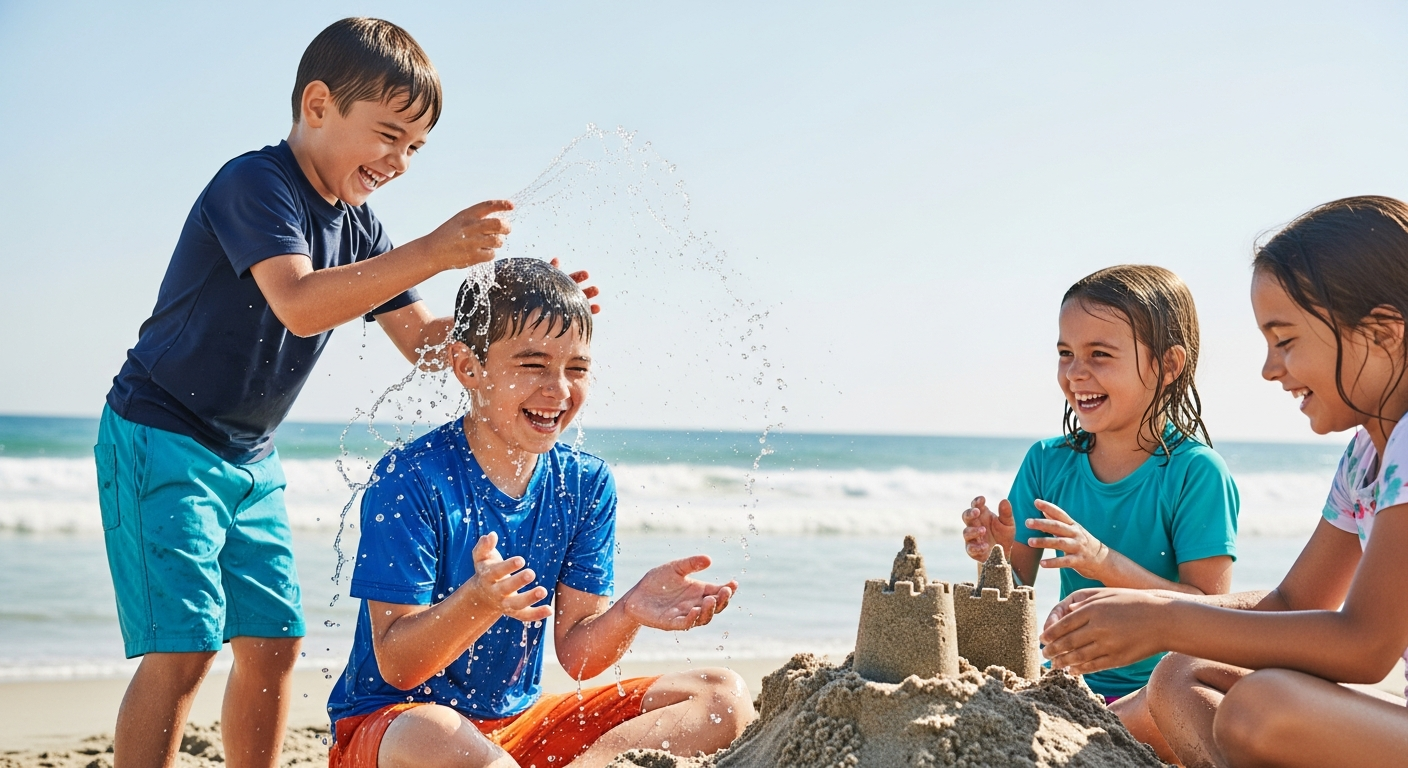
Table of Contents
- Embracing the Spirit of Summer: Beyond the "Cruise Director" Mentality
- Outdoor Adventures: Connecting with Nature and Movement
- Creative & Imaginative Journeys: Sparking Inner Worlds
- Brain-Boosting Fun: Keeping Minds Active All Summer
- Community & Connection: Exploring the World Together
- Speech Blubs: Your Partner in Summer Communication Growth
- Conclusion
- FAQ
As the school year winds down, a collective sigh of relief often sweeps through homes, quickly followed by a tiny tremor of parental apprehension. The promise of long, sunny days filled with laughter and outdoor adventures is exhilarating, but the reality of keeping children engaged, stimulated, and happy for weeks on end can feel daunting. How do we transform a summer break from a potential marathon of "I'm bored!" into a season of joyful discovery and meaningful connection? The answer lies not in endless schedules or expensive camps, but in embracing the power of simple, enriching activities that foster communication, creativity, and confidence.
This blog post is your comprehensive guide to navigating summer with ease and enthusiasm. We'll explore a wealth of fun activities for kids in the summer, designed to spark imagination, encourage language development, and build lasting family memories. From classic outdoor games to creative indoor projects and brain-boosting challenges, we'll help you curate a summer that balances excitement with the invaluable gift of unstructured play. Most importantly, we'll show you how to weave communication-rich experiences into every moment, empowering your child to "speak their minds and hearts" with greater confidence and joy.

Embracing the Spirit of Summer: Beyond the "Cruise Director" Mentality
In our modern world, there's a subtle but persistent pressure on parents to be the "cruise director" of their children's lives, meticulously planning every moment to ensure maximum enrichment. While well-intentioned, this approach can often lead to overstimulation for children and exhaustion for parents. The truth is, some of the most profound benefits for children come from boredom and unstructured play. When left to their own devices, children develop critical skills such as problem-solving, creativity, negotiation, and self-regulation. They learn to entertain themselves, fostering a sense of self-efficacy and independence that highly structured environments often stifle.
Consider the parent whose child melts down after a jam-packed day of scheduled events. It’s a common scenario where the desire to provide "the best" summer inadvertently leads to exhaustion and frustration for everyone. Instead, imagine a summer where children have ample time to invent their own games, explore their interests, and simply be. This approach not only makes summer easier on parents but also cultivates more creative and mentally healthy children. We believe in providing stimulating experiences without over-scheduling. At Speech Blubs, our mission aligns with this philosophy, offering engaging, active screen time that complements free play rather than replacing it. We strive to provide tools that empower children's communication skills through play, transforming passive viewing into impactful learning. To learn more about our philosophy, visit our homepage.
The Power of Play and Communication
Every activity, no matter how simple, is an opportunity for communication. Whether it’s negotiating the rules of a game, describing what they see in nature, or telling a story about their artwork, children are constantly using and developing their language skills. This summer, let's intentionally lean into activities that naturally encourage conversation, expression, and active listening. This doesn't mean forcing lessons, but rather creating an environment where communication thrives organically.

Outdoor Adventures: Connecting with Nature and Movement
Summer is synonymous with the great outdoors. Spending time outside offers boundless opportunities for physical activity, sensory exploration, and rich language development. These activities encourage children to observe, question, describe, and interact with the world around them, building a strong foundation for communication skills.
Classic Outdoor Fun
- Water Play Extravaganza: Nothing says summer like water. Set up a sprinkler, inflate a small pool, or organize a water balloon toss. Water play is fantastic for sensory exploration and encourages descriptive language as children talk about "splashy," "cold," "wet," and "bubbly." For a child working on action words, direct them to "splash," "pour," or "squirt."
- Mud Pie Kitchen: Embrace the mess! A dedicated "mud kitchen" in the backyard with old pots, pans, and utensils invites hours of imaginative play. Children can "cook" with mud, leaves, and pebbles, developing narrative skills as they describe their creations and engage in pretend play. This kind of activity naturally fosters communication as they negotiate roles, explain their "recipes," and describe textures. For a parent whose 3-year-old "late talker" loves animals, the "Animal Kingdom" section of Speech Blubs offers a fun, motivating way to practice "moo" and "baa" sounds, which can then be brought to life in their mud pie kitchen. You can access it by creating your account and starting your free trial today on our sign-up page.
- Bug Hunts and Nature Walks: Grab a magnifying glass and a small container and head into the backyard or a local park. Encourage children to spot insects, interesting leaves, or unique rocks. This activity promotes observation skills and provides a rich vocabulary for describing discoveries: "creepy-crawly," "smooth," "rough," "tiny," "fluttering." Ask open-ended questions like, "What do you notice about this leaf?" or "Where do you think this ant is going?"
- Cloud Gazing: Lie on a blanket and simply watch the clouds drift by. Take turns describing what shapes you see. Is that a dragon? A fluffy sheep? This simple activity sparks imagination and encourages descriptive language and storytelling without any props.
- Building Forts and Hideaways: Whether it’s with old blankets and clotheslines, branches in the woods, or cardboard boxes, fort building is a timeless classic. It involves collaboration, planning, and problem-solving. Children communicate their ideas, negotiate space, and create narratives around their secret hideout. This is also a perfect opportunity for them to engage in imaginative play, taking on different roles and using expressive language.
- DIY Bike/Wagon Parade: Decorate bikes, scooters, and wagons with streamers, balloons, and handmade signs. Parade around the block, inviting neighborhood friends to join. This encourages creativity, social interaction, and pride in their creations. They can describe their "floats" and interact with their audience.
Active Play for Growing Bodies
- Backyard Obstacle Course: Use household items or natural elements to create an obstacle course. Crawl under blankets, jump over pillows, weave around cones, or balance on a low beam. This helps with following multi-step directions, using prepositions ("under," "over," "around"), and describing actions ("I'm crawling!").
- Flying Kites: A windy day is perfect for kite flying. Talk about the wind, how the kite moves, and the colors and shapes you see. This introduces vocabulary related to weather, aerodynamics, and descriptive words for movement.
- Tree Climbing (with supervision): For older, agile children, climbing a safe tree can be a thrilling adventure. Discuss safety rules, the different parts of the tree, and what they can see from their vantage point. This promotes spatial awareness, problem-solving, and encourages descriptive language.
- Backyard Camping and Stargazing: Set up a tent in the backyard. Tell stories around a flashlight, make s'mores, and look up at the night sky. Learn about constellations, planets, and moons. This is wonderful for storytelling, introducing new vocabulary, and creating a sense of wonder. Encourage them to describe what they imagine when looking at the stars.
Creative & Imaginative Journeys: Sparking Inner Worlds
Nurturing a child's creativity is vital for their development. Creative activities allow children to express themselves, explore emotions, and develop fine motor skills, all while fostering communication.
Art & Craft Explorations
- Sidewalk Chalk Murals: Turn your driveway or sidewalk into a giant canvas. Draw scenes, characters, or patterns. This is excellent for color recognition, shape identification, and encouraging storytelling through visual art. You can ask, "Tell me about the story in your drawing!"
- Puffy Paint and Tie-Dye: Easy DIY projects like puffy paint (made with glue, shaving cream, and food coloring) or tie-dying old t-shirts offer a sense of accomplishment. Children learn to follow instructions, describe colors, and explain the process of creation. The anticipation of seeing the final tie-dye pattern is a great conversation starter.
- Rock Painting and Flower Pressing: Collect smooth rocks and paint them with designs or messages. Press summer flowers between heavy books to create unique artwork later. These activities promote fine motor skills, observation, and provide opportunities to describe colors, patterns, and natural elements.
- DIY Musical Instruments: Create shakers from plastic bottles filled with rice, drums from overturned buckets, or kazoos from toilet paper rolls. Experiment with different sounds and rhythms, using words like "loud," "soft," "fast," and "slow." This can spark discussions about music and sound properties.
Storytelling & Role-Playing
- Family Talent Show: Dedicate an evening to a family talent show. Children can sing, dance, tell jokes, or perform a short skit. This builds confidence, encourages creative expression, and gives them a platform to use their expressive language skills. It's a joyful way to celebrate individuality.
- Puppet Shows and Dress-Up: A simple sheet over a doorway can become a puppet stage. Encourage children to create characters, develop plots, and use different voices. Dress-up play is fantastic for imaginative scenarios, practicing social roles, and expanding vocabulary. Speech Blubs' unique video modeling methodology, where children learn by watching and imitating their peers, is particularly effective here. For example, practicing animal sounds or character voices in the app can directly translate to more confident and varied expressive play in a puppet show. Ready to see the science behind our methods? Check out our research page.
- Chef Day: Let the kids take the lead in preparing a simple meal or snack (with supervision, of course). This involves following instructions, sequencing steps, counting, and learning new food vocabulary. They can describe the ingredients, the cooking process, and the taste of their creations.
- Theme Days: Pick a theme for the day – "Superhero Day," "Backwards Day," "Pirate Adventure." Dress up, read books, and plan activities around the theme. This sparks imagination and helps children expand their thematic vocabulary and narrative skills.
Brain-Boosting Fun: Keeping Minds Active All Summer
Summer break shouldn't mean a break from learning. Engaging in activities that stimulate critical thinking, literacy, and problem-solving helps prevent the dreaded "summer slide" while still being incredibly fun.
Literacy & Language Development
- Summer Reading Challenges: Set up a family reading challenge with small rewards for reaching milestones. Visit your local library regularly to explore new books and participate in their summer reading programs. This fosters a love for reading, expands vocabulary, and improves comprehension.
- Journaling and Story Writing: Encourage children to keep a summer journal, writing or drawing about their daily adventures, thoughts, and feelings. For older children, prompt them to write short stories or even create their own comic books. This develops narrative skills, vocabulary, and self-expression.
- Reading Aloud Together: Continue the tradition of reading aloud, even for children who can read independently. Choose chapter books or series that you can enjoy together. This strengthens listening comprehension, introduces complex vocabulary, and creates precious bonding moments.
- Library Visits: Libraries are treasure troves of free summer activities! Beyond books, many offer story times, craft sessions, magic shows, and workshops. It’s a great way to engage with the community and discover new interests.
Playful Learning & STEM
- Simple Science Experiments: Conduct easy experiments using household items like baking soda and vinegar volcanoes, creating slime, or making homemade ice cream in a bag. These activities introduce basic scientific concepts, encourage hypothesis formation, and provide opportunities for descriptive language as children explain what's happening.
- Board Games and Card Games: Classics like Monopoly, Chess, Checkers, or newer family favorites teach turn-taking, strategic thinking, problem-solving, and good sportsmanship. They also provide natural opportunities for conversation and negotiation.
- Puzzles: Jigsaw puzzles of varying difficulty levels are excellent for spatial reasoning, problem-solving, and patience. Working on a puzzle together also encourages teamwork and communication.
- Time Capsules: Have each family member contribute a small item and a written memory from the summer. Bury it in the backyard or store it away to open in the future. This activity helps children reflect on memories, express gratitude, and think about the passage of time.
At Speech Blubs, we believe in "smart screen time" – active engagement that turns learning into play. Our app offers interactive language activities that reinforce many of these brain-boosting skills, making it a powerful supplement to your child's overall development plan. Our unique video modeling method, where children learn by observing and imitating their peers, is scientifically validated and proven to be highly engaging and effective, ranking us in the top tier of speech apps worldwide. See what other parents are saying about their child's success with Speech Blubs on our testimonials page.
Community & Connection: Exploring the World Together
Summer is an ideal time to explore your local community and strengthen family bonds. These outings provide real-world contexts for learning and communication.
Local Adventures
- Farmers' Markets: Visit a local farmers' market to experience the sights, smells, and tastes of fresh produce. Talk about where food comes from, try new fruits and vegetables, and interact with local vendors. This introduces new vocabulary related to food and agriculture, and enhances social interaction skills.
- Museums, Zoos, and Aquariums: Explore local attractions. Many offer special summer programs or free admission days. These trips provide endless opportunities for learning new facts, asking questions, and describing observations. Encourage your child to share what they found most interesting or surprising.
- Picnics at the Park: A simple picnic transforms an ordinary meal into a special event. Pack everyone's favorite snacks and enjoy them outdoors. This encourages conversation, shared experiences, and a relaxing pace.
- Minor League Baseball Games: These games are often family-friendly and offer a fun, relaxed atmosphere. Talk about the game, cheer for the team, and enjoy the social experience. It's a great way to practice social cues and expressive language in an exciting environment.
Family Bonding Moments
- Movie Nights (with discussion): Transform a regular movie night into a communication opportunity. After the movie, discuss the plot, characters, and what everyone liked or disliked. This develops critical thinking and expressive communication.
- Baking Together: Cooking is a fantastic way to bond and learn. Following a recipe involves sequencing, measuring, and introduces new vocabulary. Children can describe the ingredients, the process, and the delicious outcome.
- One-on-One "Dates": Schedule special one-on-one time with each child. It could be as simple as an ice cream trip, a walk around the block, or reading a book together. These dedicated moments foster deep connection and allow for focused conversations where children feel truly heard.
- Giving Back to the Community: Look for local opportunities to volunteer, such as helping at a community garden, participating in a park clean-up, or preparing care packages. This teaches empathy, responsibility, and the value of contributing to others, while also sparking conversations about civic duty and kindness.
Speech Blubs: Your Partner in Summer Communication Growth
At Speech Blubs, our mission is to empower children to "speak their minds and hearts." We understand the unique journey of language development, as our company was born from the personal experiences of our founders, who all grew up with speech challenges and created the very tool they wished they had. We are committed to providing an immediate, effective, and joyful solution for the 1 in 4 children who need speech support, blending scientific principles with play into one-of-a-kind "smart screen time" experiences.
We offer a screen-free alternative to passive viewing (like cartoons) and a powerful tool for family connection. Our unique approach teaches complex communication skills through our "video modeling" methodology, where children learn by watching and imitating their peers. This active engagement, combined with playful activities, makes learning fun and effective.
For parents who might be wondering if their child could benefit from a little extra support this summer, we offer a quick 3-minute preliminary screener. It involves 9 simple questions and provides an assessment and a personalized next-steps plan. Take our quick 3-minute preliminary screener to get a simple assessment and a free 7-day trial.
Making the Most of Speech Blubs This Summer
We want to make it easy for every family to access Speech Blubs and all its benefits. We offer transparent pricing options designed to provide flexibility and value:
- Monthly Plan: For just $14.99 per month, you get access to our core features.
- Yearly Plan: Our most popular and recommended option is the Yearly plan, priced at $59.99 per year. This breaks down to an incredible value of just $4.99 per month, allowing you to save 66% compared to the monthly plan!
The Yearly plan is truly the best choice, as it includes exclusive, high-value features that are not available with the Monthly plan:
- 7-day free trial: Experience the full potential of Speech Blubs before committing.
- The extra Reading Blubs app: Double the fun and learning with our companion reading app.
- Early access to new updates: Be the first to enjoy our latest features and improvements.
- 24-hour support response time: Get prompt assistance whenever you need it.
To unlock the full potential of Speech Blubs, including the free trial and the Reading Blubs app, we highly encourage you to choose the Yearly plan. It's the best way to support your child's communication journey all year long.
Conclusion
Summer offers a unique opportunity to slow down, connect, and foster your child's growth in a joyful and relaxed environment. By embracing a balanced approach to activities—prioritizing unstructured play, encouraging communication through everyday adventures, and integrating purposeful learning tools—you can create a summer that leaves everyone feeling refreshed, connected, and more confident. Remember, the goal isn't to fill every minute, but to make every minute count in building memories and skills.
We at Speech Blubs are here to support you in transforming your child's summer into a period of joyful growth and confident communication. Our app provides a "smart screen time" solution that actively engages children through video modeling, fostering language development in a fun and effective way. Ready to empower your child to speak their minds and hearts?
Unlock a summer of confident communication and joyful learning. Choose the Yearly plan to get your 7-day free trial and access to the full suite of features, including the Reading Blubs app. Download Speech Blubs on the App Store or Google Play today and embark on a summer of speaking, learning, and growing together!
FAQ
Q1: How can I balance screen time with other summer activities?
A1: The key is to make screen time active and purposeful. Instead of passive viewing, choose interactive apps like Speech Blubs that engage your child in learning and communication. Balance this "smart screen time" with plenty of outdoor play, creative projects, and family interactions. Establish clear boundaries and schedules, perhaps using screen time as a reward or a tool to support an activity, like practicing new animal sounds in Speech Blubs before a trip to the zoo.
Q2: Is Speech Blubs suitable for all children?
A2: Speech Blubs is designed to support a wide range of children, including those with speech delays, autism, Down syndrome, or those simply looking to boost their early language skills. Our video modeling method, where children learn by imitating peers, is universally engaging. If you're unsure, our quick 3-minute preliminary screener can provide insights, and the 7-day free trial (with the Yearly plan) allows you to see firsthand how your child responds.
Q3: What makes Speech Blubs different from other apps?
A3: Unlike many apps that offer passive entertainment, Speech Blubs focuses on active, imitative learning through our scientifically backed video modeling. Children learn directly from watching real kids, making the experience relatable and effective. We emphasize playful, interactive lessons over rote memorization, and our content is designed for co-play, turning screen time into quality family bonding. We also offer features like the Reading Blubs app and personalized progress tracking to support holistic development.
Q4: How do I get started with Speech Blubs?
A4: Getting started is easy! We recommend choosing our Yearly plan for the best value and exclusive benefits. This plan includes a 7-day free trial, access to the Reading Blubs app, early updates, and 24-hour support. You can create your account and start your free trial on our website or download the app directly from the Apple App Store or Google Play Store.
About the author