
Tape & Play: Easy Duct Tape Crafts for Kids
 By Speech Blubs Team•Jan 13, 2026•23 min.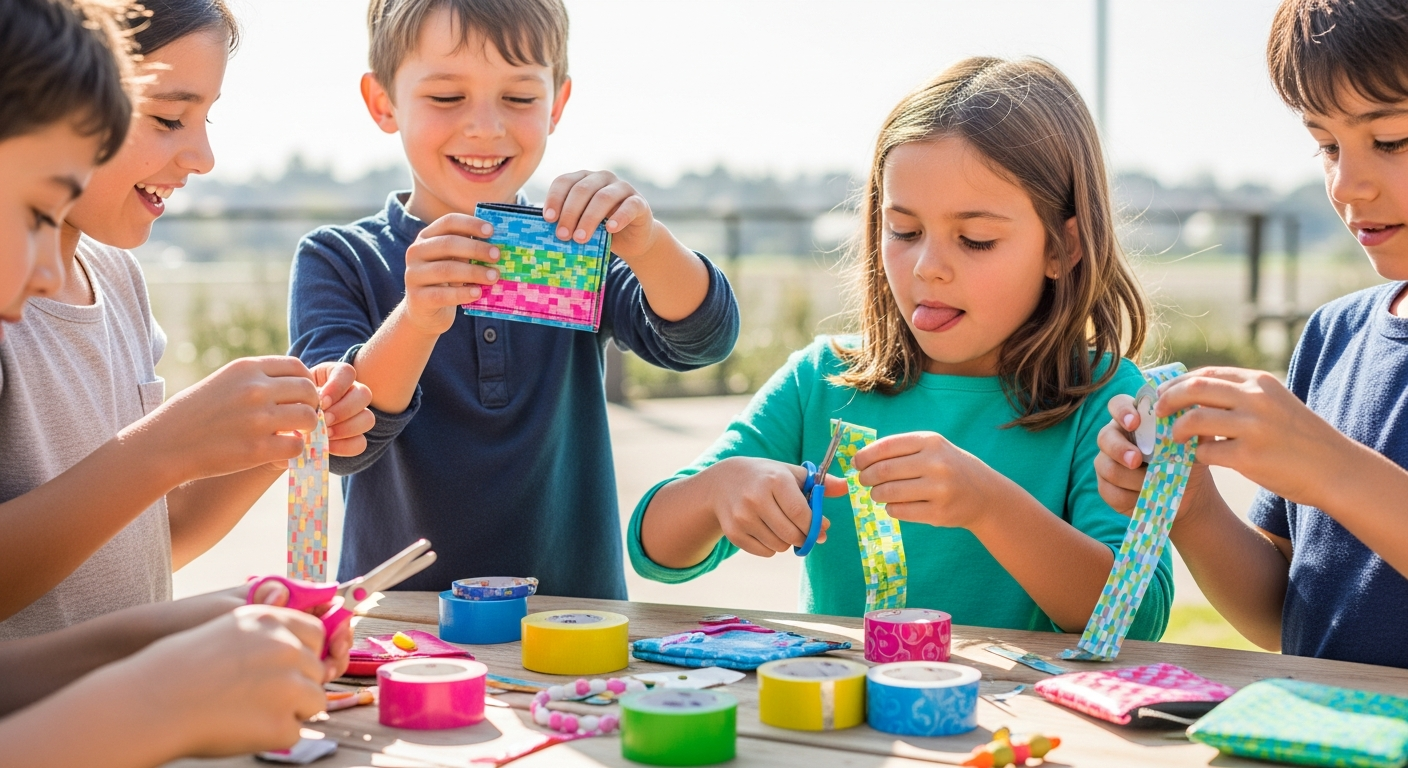
Table of Contents
- Why Duct Tape? Unpacking Its Creative Magic
- The Developmental Power of Duct Tape Crafts: More Than Just Fun
- Getting Started: Essential Supplies for Your Duct Tape Adventure
- Our Favorite Easy Duct Tape Crafts for Kids
- Tips for a Successful Duct Tape Crafting Session
- Taking the Next Step with Speech Blubs
- Conclusion
- FAQ Section
Does the thought of another afternoon filled with passive screen time leave you searching for fresh, engaging activities for your child? Many parents find themselves in this very spot, longing for creative outlets that genuinely spark imagination and foster growth. What if the key to unlocking hours of hands-on fun, skill-building, and cherished family moments was as simple as a roll of colorful tape?
Duct tape, once a humble household repair item, has undergone a dazzling transformation into a vibrant, versatile, and incredibly kid-friendly craft material. Far from just sticking things together, it’s now a blank canvas for budding artists, a tool for honing fine motor skills, and a fantastic pathway to engaging, screen-free exploration. From crafting personalized accessories to building imaginative playthings, the possibilities are as vibrant and varied as the tape itself.
This comprehensive guide will unravel the magic of easy duct tape crafts for kids. We’ll delve into why this durable material is a parent's secret weapon, the remarkable developmental benefits it offers, and a treasure trove of inspiring projects suitable for various ages and skill levels. Our aim is to provide you with ideas that foster creativity, critical thinking, and joyful family bonding. At Speech Blubs, our mission is to empower children to "speak their minds and hearts," and we believe that hands-on activities like duct tape crafting are a wonderful complement to nurturing a child's overall development. Let’s explore how a simple roll of tape can transform into endless opportunities for play, learning, and connection.

Why Duct Tape? Unpacking Its Creative Magic
Before we dive into the exciting world of projects, let's appreciate why duct tape has become such a beloved craft material, particularly for children. It’s not just a strong adhesive; it’s a powerhouse of creative potential that aligns beautifully with fostering children's development and providing valuable screen-free alternatives.
Durability and Versatility: Beyond Basic Repairs
Duct tape’s original purpose was rugged repairs, and that inherent durability translates wonderfully into crafting. Unlike paper crafts that can tear easily, duct tape creations are remarkably robust and long-lasting. This means your child’s meticulously crafted wallet, imaginative play sword, or decorative accent can withstand hours of active use, fostering a deep sense of pride and accomplishment in their work. Its strong adhesive qualities allow for complex structures and designs that wouldn't be possible with weaker, less resilient materials. This longevity means their creations aren't just for a moment but can be cherished and used repeatedly, reinforcing the value of their effort.
Colors and Patterns: An Artistic Wonderland
Gone are the days when duct tape only came in plain silver. Today's craft aisles boast an astonishing array of duct tape in virtually every color, pattern, and even texture imaginable. From shimmering metallics and playful glitter to whimsical unicorns, vibrant stripes, realistic camouflage, and beloved cartoon characters, there's a tape to spark every imagination and suit every project. This vast selection transforms duct tape into an incredibly accessible artistic medium. It encourages children to think about design, color theory, and aesthetic choices, allowing them to express themselves freely and bring their unique visions to life with stunning visual appeal. It’s a riot of color and possibility, making every project a new adventure in self-expression.
Kid-Friendly: Easy for Little Hands
One of the greatest advantages of duct tape for children's crafts is how remarkably easy it is for little hands to manipulate. While adult supervision is always recommended, especially when using scissors, duct tape's texture and flexibility make it forgiving. It's often repositionable before a permanent bond is formed, which significantly reduces frustration for young crafters. Children can learn to tear strips (for certain applications), cut shapes with child-safe scissors, and mold it into various forms. This hands-on process is crucial for developing fine motor skills, refining hand-eye coordination, and building confidence as they successfully create. The tactile nature of the material itself adds another layer of sensory engagement to the crafting experience.

Affordability and Accessibility: Crafting for Everyone
Duct tape is a relatively inexpensive craft supply, readily available at most hardware stores, craft shops, and even many supermarkets. This widespread accessibility makes it a fantastic option for impromptu crafting sessions, large group activities, or for families seeking budget-friendly ways to engage their children creatively. With just a few rolls of tape, endless creative possibilities unfold without breaking the bank. It democratizes crafting, making it an accessible and exciting activity for almost anyone, anywhere.
The "Smart Screen Time" Factor: Hands-On Learning
In a world increasingly dominated by digital devices, finding activities that offer a tangible, hands-on, and screen-free alternative to passive viewing (like cartoons) is more important than ever. Duct tape crafts provide precisely that. They encourage active engagement, problem-solving, and direct manipulation of materials. This kind of "smart screen time"—where screens are used as tools for interaction and learning rather than just passive consumption—is something we champion at Speech Blubs. While duct tape crafts don't involve a screen, they exemplify the spirit of engaged learning. They prompt children to think critically, make decisions, and see immediate, physical results from their efforts. It’s a refreshing way to foster a love for learning in a fun, exploratory way, completely off-screen.
The Developmental Power of Duct Tape Crafts: More Than Just Fun
When children immerse themselves in creating duct tape crafts, they are doing much more than simply sticking tape to objects. They are engaging in a rich, multi-sensory learning experience that naturally builds a wide array of crucial developmental skills. At Speech Blubs, we are passionate about fostering holistic child development, and duct tape crafts provide a fantastic, accessible avenue for growth that complements our mission to empower children's communication.
Fine Motor Skills and Hand-Eye Coordination
The very act of peeling a strip of tape, carefully cutting it with scissors, and precisely aligning it on another piece or an object demands significant precision. These repetitive, focused motions are excellent for strengthening the small muscles in the hands and fingers, which are crucial for tasks like writing, drawing, buttoning clothes, and using utensils. Kids learn to coordinate what their eyes see with what their hands do, enhancing their dexterity and control. This foundational skill development is not only vital for everyday independence but also for later academic success. As children improve their fine motor control, they gain more confidence in their ability to interact with the world around them.
Creativity and Imagination
With an unlimited palette of colors and patterns, duct tape invites children to let their imaginations soar. They aren't just blindly following instructions; they are envisioning what their creation will look like, experimenting with different color combinations, and solving design challenges on the fly. How will they secure that wallet flap? What patterns best represent a galaxy on their accessory? This open-ended play is vital for developing innovative thinking, artistic expression, and the ability to think outside the box – a core component of empowering children to "speak their minds and hearts" by giving them creative avenues for expression. Duct tape crafts provide a concrete way for children to transform abstract ideas into tangible objects.
Spatial Reasoning and Problem-Solving
Many duct tape crafts involve folding, layering, and assembling three-dimensional objects from flat sheets of tape. When making a wallet, a child might measure and fold tape into a rectangle, then create compartments by folding smaller pieces. Crafting a flower requires understanding how flat petals can be layered and shaped to create a volumetric bloom. This process inherently teaches basic geometric concepts, understanding shapes, symmetry, and how objects occupy space. They’re building a foundational understanding of engineering and design principles without even realizing it. When a craft doesn’t go as planned, children naturally engage in problem-solving, thinking about what went wrong and how to adjust their approach for a better outcome.
Patience and Persistence
Duct tape crafts, like any intricate project, sometimes require multiple steps, careful attention to detail, and a bit of trial and error. A child might need to peel several strips, carefully cut them, and slowly assemble their creation. This process naturally cultivates patience and persistence. When a piece doesn't stick perfectly the first time, or a fold isn't quite right, they learn to troubleshoot, try again, and persevere until they achieve their desired outcome. The satisfaction of a finished project, especially one that required sustained effort, is a powerful confidence builder that teaches the value of sticking with a task.
Practical Skills: Creating Functional Items
One of the most rewarding aspects of duct tape crafting is the ability to create functional items. Children can make their own pencil cases, wallets, belts, bookmarks, or even phone cases. This hands-on experience teaches them about design for function, understanding how materials behave, and the satisfaction of self-sufficiency. Creating something useful reinforces the concept that learning can lead to tangible, practical results. It gives children a sense of agency and pride in producing something they can actually use or give as a gift.
Family Bonding: Shared Creativity and Memories
In our increasingly digital world, finding screen-free activities that bring families together is more important than ever. Duct tape crafting provides a wonderful opportunity for collaborative projects. Parents and children can work side-by-side, sharing ideas, helping each other with tricky steps, and simply enjoying focused, creative time together. These shared endeavors foster communication, strengthen family bonds, and create lasting memories – a cornerstone of Speech Blubs’ commitment to facilitating family connection through engaging activities. Talking about the colors, shapes, and steps involved in the craft provides natural opportunities for language development and shared conversational practice.
Getting Started: Essential Supplies for Your Duct Tape Adventure
One of the beauties of duct tape crafting is its simplicity and the minimal supplies required. You likely have most of these items around the house already, making it an accessible activity to start anytime!
The Duct Tape Itself
- Variety is Key: While a classic silver roll is fine, investing in a few rolls of colorful and patterned duct tape will truly unleash creativity. Look for sales at craft stores, hardware stores, or online. The more options your child has, the more inspired they'll be. Consider bright solids, glitter tapes, or even tapes with fun characters or designs.
- Quality Matters (Sometimes): For projects that need to hold up, a reputable brand can make a difference in stickiness and durability, but for quick, simple crafts, most craft duct tapes work perfectly well.
Scissors
- Kid-Safe Scissors: For younger children, a pair of blunt-tip, child-friendly scissors is essential.
- Non-Stick Scissors: Duct tape adhesive can gum up scissors over time. While not strictly necessary, having a pair of non-stick scissors (often labeled for craft use) can make cutting smoother and less frustrating. Wiping blades with rubbing alcohol can also help remove residue. Adult scissors can be used with supervision for older children or for precise cuts by an adult.
Cutting Mat or Protected Work Surface
- Protect Your Surfaces: Duct tape is sticky! Always work on a surface that can be easily cleaned or protected. A self-healing cutting mat is ideal, but a piece of cardboard, an old placemat, or even wax paper can work in a pinch to prevent tape from sticking to your table.
Ruler or Measuring Tape
- For Precision: While many crafts can be freehand, a ruler or measuring tape is helpful for older children learning about measurements and for creating neat, symmetrical projects like wallets or structured boxes.
Optional Extras
- Cardboard: Cereal boxes, tissue boxes, or shipping boxes are excellent for creating rigid bases for projects like sword and shields, phone cases, or storage organizers.
- Cookie Cutters: Can be used as templates for tracing shapes onto duct tape sheets.
- Markers or Permanent Pens: To add details, facial features, or personalization to finished crafts.
- Velcro Dots or Snaps: For closures on wallets, pouches, or bags.
- Craft Knife (Adult Use Only): For precise cuts or intricate details, an adult can use a craft knife on a cutting mat.
With these simple supplies, you're ready to embark on a world of creative possibilities with your child!
Our Favorite Easy Duct Tape Crafts for Kids
Now for the fun part! Here are some fantastic, easy duct tape crafts that promise engagement, skill development, and a whole lot of creative satisfaction. We’ll offer ideas that spark imagination and even provide opportunities for language practice, which is central to what we do at Speech Blubs.
1. Wallets & Pouches: Practical & Personalized
Imagine your child proudly showing off a wallet they made themselves, complete with compartments for their allowance! For a child learning to identify colors or practicing "mine" and "more," crafting a wallet provides a rich context. They can choose their favorite colors, decorate it, and then use it to organize their small treasures, reinforcing early math skills as they count coins.
- How-To:
- Make a Tape Sheet: Lay strips of duct tape sticky-side up, slightly overlapping each one. Then, lay a second layer of tape sticky-side down over the first, creating a double-sided "fabric" of duct tape. Make this sheet large enough for your desired wallet size (e.g., 8x10 inches).
- Fold & Cut: Fold the sheet in half, then trim the edges to make it neat.
- Create Pockets: Use smaller pieces of tape to create inner pockets or card slots. You can fold smaller pieces of tape to create flaps or use tape to "seal" the sides of a pocket.
- Decorate: Add extra strips, cut-out shapes, or even a small Velcro dot for a closure.
2. Bows & Flowers: Decorative Delights
These are fantastic for decorating gifts, hair accessories, or simply for imaginative play. A child can practice saying "pretty," naming colors, or describing "big" and "small" flowers. For a parent whose child is working on descriptive words, encouraging them to describe their duct tape flower ("It's a red, sparkly flower!") is a simple yet powerful language exercise.
- How-To for a Simple Flower:
- Petals: Cut several 2-3 inch strips of duct tape. Fold each strip into a triangle, bringing one corner down to the opposite side, leaving a small sticky edge at the bottom.
- Assembly: Start with one folded "petal." Take another petal and slightly overlap it onto the sticky edge of the first. Continue adding petals in a circle until you form a flower shape.
- Center: Use a small scrunched-up piece of contrasting tape or a button for the center.
- Stem (Optional): Attach to a pipe cleaner or a strip of green duct tape.
3. Belts & Bracelets: Wearable Art
Making a personalized belt or bracelet is a rewarding project that allows children to create something they can actually wear. This activity is great for practicing color names, "long" vs. "short," or even identifying body parts.
- How-To for a Simple Bracelet:
- Measure: Measure your child’s wrist and cut a length of duct tape a few inches longer than the circumference.
- Fold: Fold the strip in half lengthwise, sticky sides together, creating a non-sticky strip. You can make it wider by layering more strips.
- Decorate: Add smaller strips of contrasting colors or patterns around the main strip.
- Secure: Use a small piece of tape to secure the ends together, or punch holes and use a small piece of string for an adjustable closure.
4. Pencil Cases & Organizers: Tidy Up with Tape
Transform mundane storage into something exciting! Upcycling cardboard boxes or tin cans with duct tape to create pencil cases or desk organizers is both practical and eco-friendly. This can be a great way to practice words related to tidying up ("put away," "in," "on"), naming school supplies, or counting items.
- How-To for an Upcycled Container:
- Clean Container: Start with a clean, dry tin can or small cardboard box.
- Wrap: Begin wrapping duct tape around the container, starting from the bottom. Overlap slightly as you go up, ensuring the entire surface is covered smoothly.
- Trim: Trim any excess tape around the top and bottom edges for a neat finish.
- Decorate: Add stripes, cut-out shapes, or even a contrasting top rim.
5. DIY Toys: Swords, Shields, & Boats
These crafts encourage imaginative play and storytelling. A child creating a sword and shield can practice action words ("swing," "block"), character names, and even narrate their own adventures. Building a small boat can introduce concepts like "float" and "sink."
- How-To for a Cardboard Sword & Shield:
- Cut Cardboard: Cut sword and shield shapes from sturdy cardboard.
- Wrap Sword: Completely wrap the cardboard sword in duct tape. Use a contrasting color for the hilt.
- Cover Shield: Cover the cardboard shield with duct tape. You can add a contrasting border or a central emblem.
- Handle: For the shield, tape a loop of duct tape or a strip of cardboard to the back as a handle for your child’s arm.
6. Decorative Accents: Gift Tags & Banners
Duct tape is fantastic for adding a personal touch to gifts or celebrations. Creating gift tags or small banners provides opportunities for social communication ("Happy Birthday," "Thank You"), identifying recipients, and describing feelings.
- How-To for a Simple Garland/Banner:
- Tape Strips: Cut several strips of colorful duct tape, about 6-8 inches long.
- Fold & Cut: Fold each strip in half over a piece of string or ribbon, sticky sides together.
- Shape: Cut the ends of each folded tape piece into a V-shape or a point to create a flag or banner shape.
- Arrange: Slide the flags along the string to space them out evenly.
Tips for a Successful Duct Tape Crafting Session
To make your duct tape crafting sessions enjoyable and developmentally enriching for everyone, keep these tips in mind.
- Start Simple & Build Confidence: Especially for younger children or first-time crafters, begin with very simple projects. Mastering basic techniques like tearing strips or covering a flat surface builds confidence, making them eager to tackle more complex creations.
- Supervision and Safety: Always supervise children when they are using scissors. Teach them how to hold and use scissors safely. For very intricate cuts, an adult should handle the sharp tools.
- Embrace the Mess & Imperfection: Duct tape can be a bit sticky and prone to wrinkles. Encourage your child to embrace the process and the unique character of their handmade creations. The goal is engagement and learning, not perfection.
- Encourage Storytelling & Description: This is where the magic truly happens for language development. As your child crafts, engage them in conversation:
- "What color tape are you using?"
- "Tell me about your shiny new bracelet."
- "What adventure will your sword and shield go on?"
- "What sound does that duct tape animal make?"
- These prompts encourage verbal expression, build vocabulary, and connect their creative process to their communication skills. This aligns perfectly with our mission at Speech Blubs to empower children to "speak their minds and hearts."
Connect Crafts to Communication: How Speech Blubs Can Help
While hands-on activities like duct tape crafting are excellent for developing fine motor skills and creative expression, speaking about the craft provides invaluable opportunities for language development. For example, a child making a duct tape animal can practice animal sounds and names, describe its features, and even create a little story about it. If your child needs a little extra encouragement with these sounds, words, or conversational skills, Speech Blubs offers engaging activities that perfectly complement the tactile learning of crafting.
For a parent whose 3-year-old 'late talker' loves animals, the Animal Kingdom section of Speech Blubs offers a fun, motivating way to practice 'moo' and 'baa' sounds, or even words like 'elephant' and 'lion' as they watch their peers model the sounds. This "smart screen time" experience, where children learn by imitating their peers through our unique video modeling methodology, directly supports their speech development. It’s a powerful tool for family connection, offering a screen-free alternative to passive viewing and turning learning into an interactive, joyful experience.
Our company was born from the personal experiences of our founders, who all grew up with speech problems and created the tool they wished they had. We are committed to providing an immediate, effective, and joyful solution for the 1 in 4 children who need speech support, blending scientific principles with play. We believe in fostering a love for communication, building confidence, reducing frustration, and developing key foundational skills, creating joyful family learning moments. Speech Blubs is a powerful supplement to a child's overall development plan and, when applicable, professional therapy, helping children gain the confidence to express themselves.
Curious if Speech Blubs could be the right fit for your child? Take our quick 3-minute preliminary screener to get a simple assessment and a free 7-day trial. You can also explore the science behind our method and see what other parents are saying about their child's progress.
Ready to see how Speech Blubs can support your child's journey to speaking their minds and hearts? We offer two subscription plans:
- Monthly Plan: $14.99 per month.
- Yearly Plan: $59.99 per year, which breaks down to just $4.99/month, saving you 66%!
The Yearly Plan is truly the best value, offering not just significant savings but also exclusive features. With the Yearly Plan, you'll receive a 7-day free trial, access to the extra Reading Blubs app, early access to new updates, and 24-hour support response time. The Monthly Plan does not include these valuable benefits. We encourage you to choose the Yearly plan to get the free trial and the full suite of features to empower your child's communication journey.
Taking the Next Step with Speech Blubs
At Speech Blubs, our core mission is to empower children to "speak their minds and hearts," giving them the tools and confidence to communicate effectively with the world around them. Our platform was born from personal experience; our founders, all of whom faced speech challenges in childhood, created the very tool they wished they had had. We understand the journey, and we are dedicated to providing an immediate, effective, and joyful solution for the 1 in 4 children who need speech support.
We blend scientific principles with play, transforming screen time into one-of-a-kind "smart screen time" experiences. Unlike passive viewing, Speech Blubs provides a dynamic, interactive environment where children learn actively. Our unique approach utilizes "video modeling" methodology, allowing children to learn by watching and imitating their peers – a highly effective and engaging method. This approach makes our app a powerful tool for family connection, offering a valuable screen-free alternative to passive consumption.
While we are confident in the benefits of our approach, we always aim to set realistic expectations. Speech Blubs is designed to foster a love for communication, build confidence, reduce frustration, and develop key foundational skills. We believe in creating joyful family learning moments that contribute to your child's overall development. It's important to understand that while Speech Blubs is a powerful resource, it serves as an excellent supplement to a child's overall development plan and, when applicable, professional therapy. Our goal is to support your child’s growth every step of the way, helping them gain the confidence to express themselves clearly and joyfully.
Ready to provide your child with this engaging and scientifically-backed support? You can download Speech Blubs on the App Store or Google Play Store to get started. Alternatively, you can create your account and begin your 7-day free trial today directly on our website. Remember, by choosing the Yearly plan, you unlock the 7-day free trial, the bonus Reading Blubs app, early access to new updates, and expedited customer support – the best value for your child’s communication journey!
Conclusion
Duct tape crafts offer a vibrant, accessible, and incredibly enriching avenue for children's play and development. From enhancing fine motor skills and sparking creativity to fostering spatial reasoning and building patience, the benefits extend far beyond just sticking pieces of tape together. These projects provide wonderful opportunities for hands-on, screen-free engagement, fostering critical thinking and creating cherished family bonding moments. By engaging in these activities and discussing them with your child, you're not only creating fun items but also laying crucial groundwork for their communication skills.
At Speech Blubs, we are dedicated to empowering children to "speak their minds and hearts" through joyful, scientifically-backed methods. Just as duct tape crafts provide a physical outlet for expression, our app offers a dynamic platform for language development, ensuring children have every opportunity to communicate confidently.
Ready to embark on this exciting journey of creative play and impactful learning? Give your child the gift of confident communication. Start your 7-day free trial today by downloading Speech Blubs on the App Store or Google Play, or signing up on our website. Remember to choose the Yearly plan to unlock your free trial and gain access to the full suite of features, including the Reading Blubs app and priority support!
FAQ Section
Q1: What age group are easy duct tape crafts best suited for?
A1: Duct tape crafts are incredibly versatile and can be adapted for a wide range of ages. Toddlers and preschoolers can practice tearing tape, sticking strips, and covering simple shapes with adult supervision. Older children (ages 6+) can independently tackle more complex projects like wallets, structured figures, or elaborate decorations. The key is to choose projects that match their fine motor skills and attention span.
Q2: Is duct tape safe for children to use?
A2: Yes, duct tape itself is generally safe for children. The main safety consideration is using scissors, so always provide age-appropriate scissors and supervise young children. Some children might find the adhesive a bit sticky on their skin, but it's easily removed with soap and water. Ensure children understand not to ingest the tape.
Q3: What if my child gets frustrated with the stickiness of the tape?
A3: Frustration is a normal part of learning! Duct tape can be tricky for little fingers initially. Encourage them to try again, show them techniques like placing tape on a protected surface first, or using wax paper to prevent sticking where it's not wanted. Emphasize that it's okay for crafts to be imperfect. You can also work collaboratively, with you handling the trickier sticky parts and them focusing on choosing colors or simple placements.
Q4: How can duct tape crafts help with my child's communication development?
A4: Duct tape crafts provide natural opportunities for language stimulation. As children choose colors, describe steps, narrate their creative process, or talk about their finished product, they are actively using and expanding their vocabulary. You can ask open-ended questions like "What are you making?" or "Tell me about your shiny bracelet." This interactive conversation during play strengthens descriptive language, storytelling abilities, and overall expressive communication, complementing tools like Speech Blubs which focus directly on speech and language skill-building.
About the author