
Turning Trash into Talk: 25+ Fun Recycling Activities for Kids That Boost Communication
 By Speech Blubs Team•Jan 13, 2026•20 min.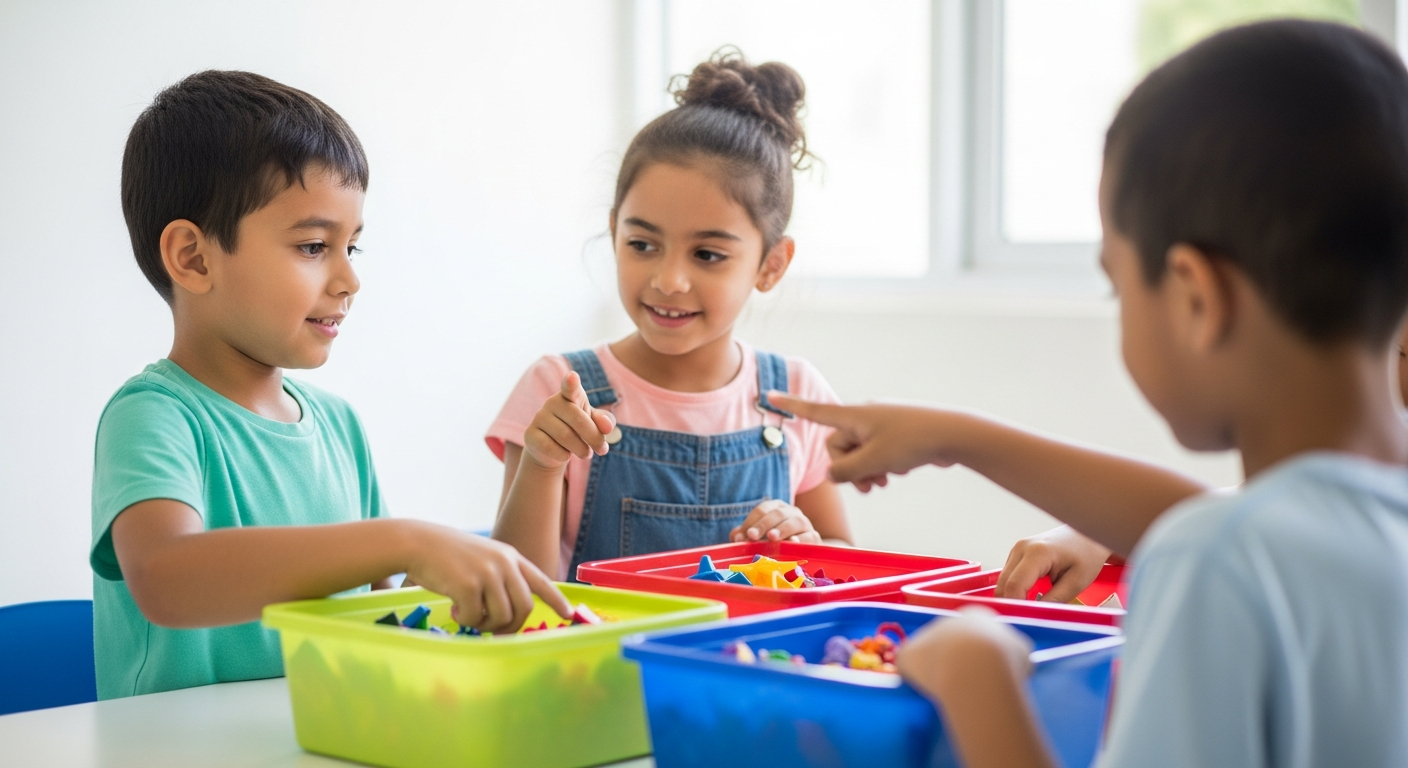
Table of Contents
- Introduction to a Greener, More Vocal Future
- The "Why" Behind the "What": More Than Just Sorting
- Creative Crafts & Upcycling Adventures
- Games & Engaging Play
- Learning Through Exploration & Action
- Recycling Through a Developmental Lens: Age-Appropriate Engagement
- Connecting Recycling to Foundational Skills and Our Mission
- Making Recycling a Joyful Family Habit
- Frequently Asked Questions
Ever watched a child throw a plastic bottle into the trash, only to pull it out moments later, eyes wide with a question about "where it goes"? That fleeting moment of curiosity isn't just about waste; it's a profound opportunity for connection, learning, and developing vital communication skills. In a world brimming with disposable items, teaching our children about recycling is more than just an environmental lesson—it's about empowering them to be thoughtful, articulate citizens of our planet. These seemingly simple acts of sorting and repurposing become powerful springboards for conversation, problem-solving, and imaginative play, fostering a love for communication and the environment simultaneously.
This post isn't just about listing activities; it's about transforming everyday recycling into joyful, enriching experiences that nurture your child's cognitive, creative, and communicative growth. We’ll explore over 25 engaging ideas, from crafting whimsical robots to embarking on eco-friendly scavenger hunts, all designed to make learning about sustainability exciting and accessible. By the end, you’ll have a treasure trove of ideas to turn your home into a hub of "smart screen time" and hands-on discovery, empowering your child to "speak their minds and hearts" about the world around them, just as we at Speech Blubs strive to do.

Introduction to a Greener, More Vocal Future
The sheer volume of waste our society produces can feel overwhelming, even for adults. For children, the concept of "away" often means gone forever, making the nuances of recycling a complex idea to grasp. Yet, introducing these concepts early and in a playful manner can lay the groundwork for lifelong habits of sustainability and critical thinking. Imagine a future where every child instinctively understands the value of resources and feels confident articulating their ideas for a healthier planet. This vision aligns perfectly with our mission at Speech Blubs: to empower children to communicate effectively, to share their thoughts, feelings, and yes, even their burgeoning environmental consciousness with the world.
Our founders, all of whom navigated speech challenges in their own childhoods, built Speech Blubs from the ground up to be the tool they wished they had—an immediate, effective, and joyful solution for the 1 in 4 children who need speech support. We believe learning should be an adventure, blending scientific principles with play. This philosophy extends beyond our app, inspiring us to share resources that turn everyday activities, like recycling, into opportunities for growth. When children engage in hands-on recycling activities, they're not just learning about the environment; they're developing vocabulary, sequencing skills, problem-solving abilities, and the confidence to express their observations and ideas. They are building the foundational communication blocks that will allow them to advocate for themselves and for the planet.
The "Why" Behind the "What": More Than Just Sorting
At its core, recycling is about giving new life to old things. But for children, the benefits extend far beyond simply diverting waste from landfills. Engaging in recycling activities offers a rich tapestry of developmental advantages:
Fostering Communication Skills
Every step of the recycling process, from identifying materials to transforming them into new creations, is ripe with opportunities for communication. Children learn new vocabulary (e.g., "cardboard," "plastic," "compost," "repurpose," "upcycle"), practice descriptive language ("this bottle is crinkly and clear"), and follow multi-step instructions ("first, rinse the jar, then remove the label"). They ask questions, explain their choices, and collaborate with others, all while building their expressive and receptive language skills.

For example, when a child is making a robot from recycled boxes, they might say, "I need a big box for the body!" or "Can I have the crinkly paper for the arms?" These are not just functional requests; they are practice in formulating thoughts and expressing needs clearly. This kind of interaction is precisely what we champion at Speech Blubs. Our unique video modeling methodology, where children learn by watching and imitating their peers, demonstrates the power of visual and interactive learning. In the same way, seeing parents or siblings sort recyclables or create with discarded items provides powerful real-world "video models" for environmental responsibility and communication.
Developing Critical Thinking and Problem-Solving
What can this empty yogurt cup become? How do we make sure this bottle doesn't leak? These are the kinds of questions that spark critical thinking. Children learn to analyze materials, anticipate outcomes, and adapt their plans. This iterative process of experimentation and adjustment builds resilience and ingenuity.
Nurturing Creativity and Imagination
A discarded cereal box isn't just trash; it's a spaceship, a puppet theater, or a blank canvas for a masterpiece. Recycling activities encourage children to see potential where others see waste, transforming everyday items into extraordinary creations. This fuels their imagination and artistic expression.
Building Fine Motor Skills and Coordination
Cutting, gluing, sorting, and manipulating various materials refine fine motor skills essential for writing, drawing, and other daily tasks. The tactile experience of working with different textures and shapes also enhances sensory development.
Instilling Environmental Responsibility and Empathy
Understanding that their actions can impact the planet instills a sense of responsibility and empathy for nature. Children learn about conservation, pollution, and the interconnectedness of all living things, fostering a generation of mindful environmental stewards. This moral and ethical development is a cornerstone of our mission to help children "speak their minds and hearts"—to not only express what they think but also what they care about deeply.
Creative Crafts & Upcycling Adventures
Let's dive into some fantastic, hands-on activities that turn your recycling bin into a treasure chest of possibilities!
1. Build a Robot or Creature
What you need: Cardboard boxes (various sizes), toilet paper rolls, paper towel tubes, plastic bottles, bottle caps, aluminum foil, glue, tape, scissors, markers, paint. How to do it: Encourage your child to rummage through the clean recycling and pick out shapes that inspire them. "What could this tall tube be?" "Maybe an arm!" They can glue, tape, and decorate to bring their robot or fantastical creature to life. This activity is perfect for practicing descriptive words like "tall," "round," "shiny," and "bumpy." For a child who might be a "late talker" but loves imaginative play, using these tangible objects can motivate them to make sounds or point to describe parts, building confidence in their early communication.
2. Craft a Bird Feeder
What you need: Empty plastic bottles, milk cartons, toilet paper rolls, craft sticks, peanut butter (or sunflower butter for allergies), birdseed, string. How to do it: For plastic bottles or cartons, cut openings for birds to access the seed, or for toilet paper rolls, spread butter and roll in birdseed. Hang them outside. This activity teaches about nature, cycles, and caring for animals. Discussing the different types of birds that might visit ("a red bird," "a chirping bird") enhances vocabulary.
3. DIY Toys from "Trash"
What you need: Milk jugs, yogurt containers, greeting cards, cereal boxes, newspapers, craft supplies. How to do it:
- Milk Jug Ball Poppers: Cut the bottom off a milk jug and use the handle as a grip to "catch" or "launch" a light ball. Great for action words like "catch," "throw," "up," "down."
- Newspaper Building Rods: Roll newspaper tightly, secure with tape, and use them to build structures. This promotes spatial reasoning and collaborative communication ("Hold this here," "We need another long one").
- Homemade Puzzles: Cut up old greeting cards, cereal boxes, or magazine covers into unique puzzle pieces. This is excellent for problem-solving and visual perception, and discussing the images fosters descriptive language.
4. Upcycled Organizers and Art
What you need: Yogurt containers, plastic bottles, baby wipe containers, tin cans, bottle caps, glue, paint, markers. How to do it:
- Planters/Pencil Holders: Decorate clean yogurt containers or tin cans. Use them to hold crayons, pens, or small plants. Discuss colors, sizes, and functions.
- Plastic Bottle Vases: Cut the tops off plastic bottles, decorate, and fill with flowers.
- Bottle Cap Mosaics: Collect colorful bottle caps and glue them onto cardboard to create intricate designs or pictures. This is a wonderful way to practice color names, counting, and pattern recognition.
- "Guess Who" Game Board Transformation: Give new life to an old board game by creating new characters from upcycled pictures or drawings. This encourages storytelling and descriptive questioning.
5. Make Recycled Paper or Seed Paper
What you need: Paper scraps, blender, screen, old towels, water (for recycled paper); add seeds for seed paper. How to do it: This multi-day project is a powerful lesson in resource transformation. Children see firsthand how paper can be broken down and reformed. Describing the process ("pulpy," "wet," "smooth") and the materials used strengthens their vocabulary.
6. The Egg Drop Challenge
What you need: Recycled materials (cardboard, plastic containers, packing peanuts, newspaper), eggs. How to do it: Challenge kids to design a protective casing for an egg using only recycled materials, then test if it survives a drop. This is a fantastic engineering challenge that requires planning, design, and clear communication within a team if done in groups. "How can we make it stronger?" "What material will absorb the shock?"
7. Create Infographics and Posters
What you need: Cardboard, large paper, markers, crayons, recycled magazines for cutting out images. How to do it: After researching recycling facts (see "Learning Through Exploration" below), have children create visual representations of what they learned. This develops research skills, information synthesis, and visual communication. They can present their posters to the family, practicing public speaking in a supportive environment.
Games & Engaging Play
Learning through play is incredibly effective. These games make recycling fun and memorable!
8. Recycling Quizzes and Bingo
What you need: Printable quiz questions or bingo cards with images of recyclable and non-recyclable items. How to do it: Test their knowledge or play a fun bingo game that reinforces what items belong where. This makes learning factual information interactive and can be tailored for various age groups. "Is this plastic bottle recyclable?" "Yes!" "Bingo!"
9. Recycling Scavenger Hunt
What you need: A list or pictures of items to find (e.g., "something plastic," "something made of paper," "a bottle cap"). How to do it: Have children search around the house or yard for specific recyclable items. For a more adventurous twist, visit a local park (with gloves and bags) and collect items for recycling, discussing each find. This promotes observation skills and vocabulary.
10. Sorting Games
What you need: Multiple bins labeled "Paper," "Plastic," "Metal," "Glass," "Compost," "Trash"; various items to sort. How to do it: Set up a "sorting station" and have children categorize items. For younger children, start with simple categories and gradually increase complexity. This activity is a foundational skill for categorization and teaches object identification. For children learning to categorize and follow instructions, this is an incredibly valuable hands-on exercise. Our Speech Blubs app uses similar principles, categorizing sounds and words to help children master new concepts through engaging play, transforming "screen time" into "smart screen time." Ready to see how? Download Speech Blubs on the App Store or Google Play to explore our scientifically-backed, playful approach.
11. Bowling or Basketball with Recycled Materials
What you need: Plastic bottles (for pins), scrunched-up newspaper or a small ball (for bowling ball); a small bin or cardboard box (for basketball hoop). How to do it: Set up plastic bottles as bowling pins and use a scrunched paper ball to knock them down. Or, use a bin as a hoop for recycled paper basketball. This adds a physical, competitive element, perfect for practicing counting scores and using action verbs.
12. Hold a Recycling Contest
What you need: Designated recycling bins, a timer, maybe a prize. How to do it: Challenge family members or a small group of friends to see who can collect the most recyclables in a day or correctly sort a pile of mixed items the fastest. Friendly competition can be a strong motivator, and it reinforces the daily habit of recycling.
Learning Through Exploration & Action
Beyond crafts and games, these activities encourage deeper understanding and real-world impact.
13. Field Trip to a Recycling Facility (Virtual or Real)
What you need: A local recycling center or access to educational videos online. How to do it: If possible, visit a local recycling plant to see the process in action. If not, watch a virtual tour. Seeing the machinery and understanding the journey of recycled materials can be incredibly impactful and spark many questions and discussions. "How does that machine sort the plastic?" "Where do the cans go?" This can be a profound learning experience, offering concrete visuals that aid comprehension, much like the visual cues and real child models in our Speech Blubs app.
14. Read Books & Watch Videos About Recycling
What you need: Children's books about recycling and the environment, educational videos. How to do it: Snuggle up and read stories about recycling heroes or watch short, kid-friendly videos explaining how different materials are recycled. These resources provide context and inspire conversations. When choosing books or videos, look for those that tell a story or demonstrate a process clearly, fostering narrative comprehension and new vocabulary acquisition.
15. Recycling-Themed Writing Prompts or Poetry
What you need: Paper, pens, creative minds. How to do it: Encourage children to write short stories, poems (like a haiku), or journal entries about recycling. Prompts could include: "Imagine you're a plastic bottle being recycled – what's your journey?" or "Write about a world where everyone recycles." This activity connects environmental themes with literacy skills and imaginative expression.
16. Research Challenging Recyclables
What you need: Access to the internet or library, items like broken crayons, batteries, old electronics. How to do it: Not everything can go into the curbside recycling bin. Work with your child to research how to properly recycle items like batteries, electronics, or even old crayons (e.g., the National Crayon Recycle Program). This teaches specific research skills and broadens their understanding of waste management.
17. Commit to Zero Waste (Even for a Day!)
What you need: Awareness, planning, reusable items. How to do it: Challenge your family to a "zero-waste day" or even a "zero-waste lunch." Plan meals and activities to minimize trash and maximize reuse. This teaches practical habits and the impact of conscious consumption. Discussing the challenges and successes can lead to rich conversations about problem-solving and making sustainable choices.
18. Start a Green Club or Family Eco-Project
What you need: Enthusiasm, a shared goal. How to do it: Whether it's a small family club or an initiative with neighborhood friends, forming a group around environmental action can be highly motivating. They could organize a community cleanup, educate others, or spearhead a school recycling drive. This fosters leadership, teamwork, and a sense of collective impact.
19. Vermicomposting: Welcome Worms!
What you need: A small composting bin, red wiggler worms, kitchen scraps. How to do it: Introduce vermicomposting to your family. Children will be fascinated watching worms turn food scraps into nutrient-rich compost. It's a hands-on lesson in decomposition and natural recycling, full of scientific vocabulary and observations. "The worms are eating the apple core!" "Look how dark the soil is!"
20. Plant a Garden or Tree
What you need: Seeds, small plants, gardening tools, a designated space. How to do it: Connect recycling to nature by planting a garden. You can even use upcycled containers as planters. This teaches about growth, life cycles, and the importance of healthy soil—often enriched by compost from your vermicomposting!
Recycling Through a Developmental Lens: Age-Appropriate Engagement
The best learning experiences are tailored to a child's developmental stage. Here’s how to adapt recycling activities for different age groups:
Younger Children (Ages 3-6)
At this age, focus on simple, hands-on experiences and concrete examples.
- Simple Sorting: Use colorful bins for "paper" and "plastic." Make it a game, emphasizing the names of the items and the colors of the bins. "Red bin for paper!" This reinforces basic vocabulary and categorization.
- Picture Books and Songs: Read engaging stories about recycling characters or sing songs that teach the "reduce, reuse, recycle" mantra.
- Basic Crafts: Build simple robots from boxes or create bird feeders. The focus should be on the process and the joy of creation, rather than perfection. Encourage simple descriptive words and sounds. For a child learning to produce initial sounds, the "Pop!" of a plastic bottle ball popper can be a fun way to practice. Our Early Sounds section in Speech Blubs is designed with similar principles, making sound production playful and accessible.
Elementary School (Ages 7-11)
This age group is ready for more responsibility, inquiry, and understanding the "why" behind recycling.
- Involve in Household Routines: Let them take charge of rinsing containers, breaking down cardboard, and taking out the recycling bins.
- Scavenger Hunts and Quizzes: Introduce more complex sorting criteria and challenge them with facts about recycling.
- Upcycling Challenges: Encourage them to transform items into new, functional objects, like turning a cereal box into a custom storage bin or game.
- Field Trips (Real or Virtual): Visiting a recycling center can be a profound learning experience, making the abstract concept of recycling tangible.
- Research Projects: Guide them in researching what happens to specific items when they are recycled, and even present their findings to the family or class. This encourages critical thinking and presentation skills.
Tweens and Teens
Older children can take on leadership roles, engage in deeper research, and become advocates.
- Lead Zero-Waste Initiatives: Challenge them to plan and implement a zero-waste week for the family or even a school event.
- Community Involvement: Encourage them to volunteer for local cleanups, start a school green club, or research and advocate for better recycling practices in your community.
- Debate and Discussion: Engage them in conversations about environmental issues, the global impact of waste, and sustainable solutions. This fosters critical thinking, persuasive communication, and a deeper understanding of complex issues.
- Innovative Upcycling: Challenge them to create more complex and functional items from recycled materials, perhaps even designing something for a school project or a community need.
Connecting Recycling to Foundational Skills and Our Mission
At Speech Blubs, we understand that true communication blossoms when children feel confident and engaged. Just as we use "smart screen time" with engaging video modeling to help children develop clear speech and language, these recycling activities provide rich, hands-on opportunities for similar growth. They are powerful supplements to a child's overall developmental journey and, when applicable, professional therapy.
Think about how these activities build confidence:
- A child successfully gluing together a robot from disparate pieces feels a sense of accomplishment.
- Explaining to a grandparent why a particular item goes into the recycling bin empowers their voice.
- Seeing their recycled art proudly displayed reinforces their creativity and self-worth.
These moments of success reduce frustration and foster a love for learning and communication. When children are immersed in joyful, meaningful activities, their language skills naturally flourish. They learn to describe, question, explain, and collaborate.
We are committed to providing an immediate, effective, and joyful solution for families seeking speech support. Our app provides a screen-free alternative to passive viewing, promoting active participation and powerful family connection. Imagine a child excitedly pointing to a recycled puppet and trying to make its sound, then seamlessly transitioning to imitating a peer in our app's Animal Kingdom section. This integrated approach to learning makes communication a natural, exciting part of their day.
Unsure if your child could benefit from a little extra support with their communication skills? Take our quick 3-minute preliminary screener to get a simple assessment and a personalized next-steps plan. It's a perfect mid-funnel CTA that offers immediate value and can lead to a free 7-day trial of our app. Our research page highlights how our methodology is backed by science, placing us in the top tier of speech apps worldwide. You can also see what other parents are saying about their child's success with Speech Blubs.
Making Recycling a Joyful Family Habit
Incorporating recycling into your family's routine doesn't have to be a chore; it can be an adventure that strengthens bonds and fosters crucial life skills. Start small, pick one activity from this list, and make it a weekly family project. Encourage conversation, ask open-ended questions, and celebrate every small step your child takes toward becoming an eco-hero and a confident communicator. Lead by example, and your children will naturally follow.
At Speech Blubs, we believe in empowering children to "speak their minds and hearts," and a vital part of that is fostering a connection to the world around them. These fun recycling activities for kids are more than just crafts; they are pathways to discovery, conversation, and a deeper understanding of our planet. They cultivate not only a love for the environment but also the fundamental communication skills that enable children to engage, express, and thrive.
Ready to provide your child with an enriching, educational experience that supports both their communication development and their understanding of the world? We invite you to explore Speech Blubs today. Our Yearly plan offers the best value, including a 7-day free trial and exclusive features like the extra Reading Blubs app, early access to new updates, and 24-hour support response time. While our Monthly plan is available for $14.99, our Yearly plan is just $59.99 per year, breaking down to only $4.99/month, allowing you to save 66% and unlock the full suite of benefits.
Download Speech Blubs on the App Store or Google Play Store to start your 7-day free trial and unlock a world of smart screen time. Alternatively, you can create your account on our website and begin your journey toward empowering your child's communication today. Choose the Yearly plan to get the free trial and all the premium features designed to make learning engaging and effective!
Frequently Asked Questions
Q1: What age is best to start teaching kids about recycling?
There's no single "best" age; you can start as young as two or three years old with very simple concepts like sorting colored blocks into matching bins, then extending that to sorting paper and plastic. As children grow, you can introduce more complex ideas and activities tailored to their developmental stage. The key is to make it fun and relatable.
Q2: How can I make recycling fun for a child who isn't interested?
Turn it into a game! Start with a "Recycling Scavenger Hunt" to find items around the house, or a "Sorting Race" to see who can put items in the correct bins fastest. Incorporate their interests, like building a robot if they love robots, or making a bird feeder if they love animals. Watching educational videos or reading engaging picture books can also spark curiosity.
Q3: Are these activities suitable for children with speech delays?
Absolutely! Many of these activities are highly beneficial for children with speech delays. They provide concrete objects for naming and describing, opportunities to follow multi-step directions, and natural contexts for asking and answering questions. The hands-on nature of the activities can reduce pressure and encourage spontaneous communication. Paired with "smart screen time" from apps like Speech Blubs, which offers video modeling and engaging activities, these real-world experiences create a comprehensive learning environment.
Q4: How do these recycling activities connect to communication development?
Recycling activities naturally foster a wide range of communication skills. Children learn new vocabulary related to materials and processes, practice descriptive language ("smooth," "crinkly," "shiny"), follow and give instructions, ask clarifying questions, and express their ideas or observations. When creating projects, they learn to explain their choices and collaborate, all of which are vital for building strong expressive and receptive language abilities.
About the author