
Fun Ways to Practice Pl Words in Speech Therapy
Master the /pl/ blend with our pl words speech therapy guide. Discover fun activities, word lists, and expert tips to help your child speak with confidence!
 By Speech Blubs Team•Apr 27, 2026•13 min.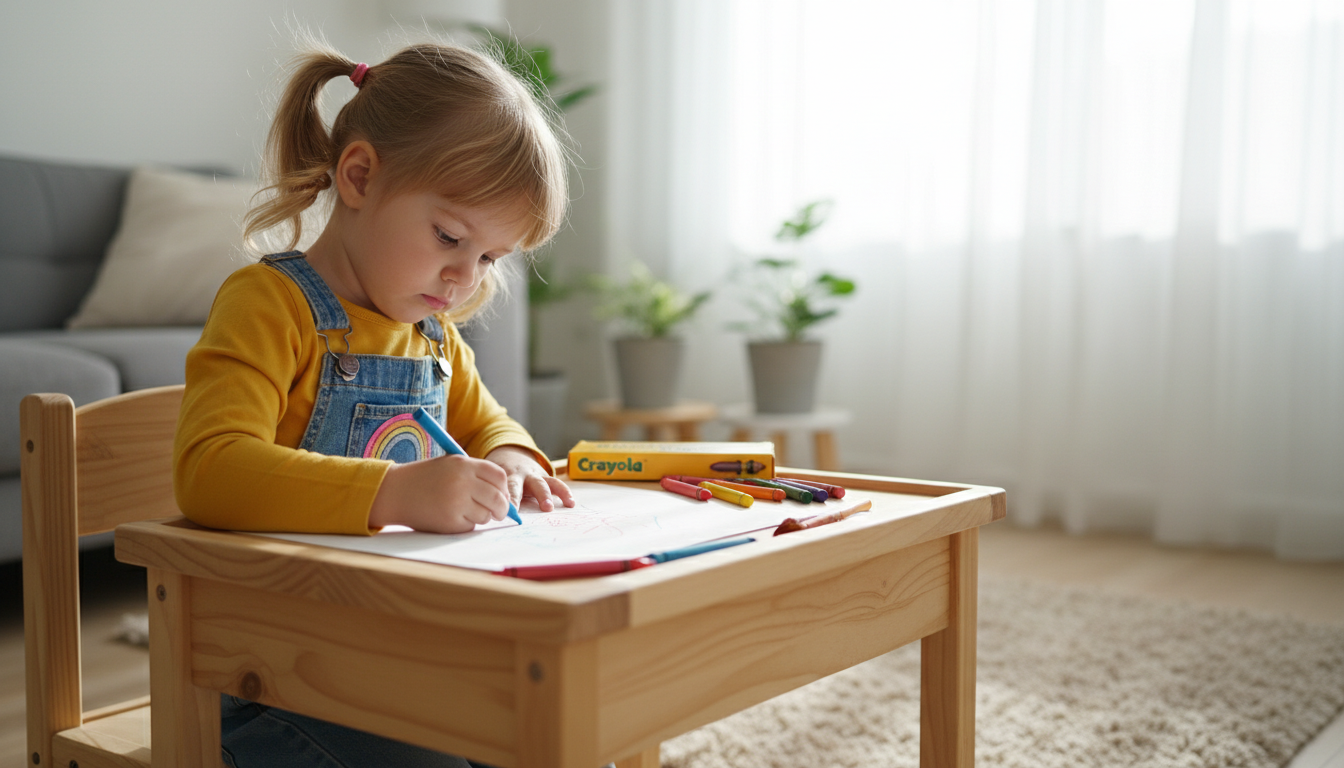
Table of Contents
- Introduction
- Understanding the /pl/ Blend in Speech Development
- Comprehensive PL Word Lists for Practice
- Engaging Activities for PL Words Speech Therapy
- Mastering Phrases and Sentences
- The Science of Success: Why Video Modeling Works
- Setting Realistic Expectations
- Choosing the Right Plan for Your Family
- Tips for Parents: Creating a Supportive Environment
- Conclusion
- Frequently Asked Questions
Introduction
Did you know that approximately one in four children will face some form of speech or language challenge during their early development? For many of these children, the hurdle isn't just a single sound, but the tricky combination of two consonants known as a "blend." Among these, the /pl/ blend is a common milestone that can sometimes feel like a mountain to climb. Whether your little one is saying "pate" instead of "plate" or "pay" instead of "play," these small substitutions can lead to frustration for both the child and the parent. At Speech Blubs, our mission is to empower every child to speak their minds and hearts, helping them overcome these hurdles through joy, play, and evidence-based strategies.
In this post, we are going to dive deep into the world of pl words speech therapy. We will explore what makes this blend unique, provide comprehensive word lists categorized by difficulty, and share practical, fun activities you can do at home to support your child’s progress. We will also discuss how our unique "smart screen time" approach can serve as a powerful tool in your child’s development journey. Our goal is to provide you with a roadmap that fosters a love for communication while building the foundational skills your child needs to thrive. By the end of this article, you will have a toolkit full of ideas to turn speech practice into the highlight of your day.

Understanding the /pl/ Blend in Speech Development
Before we jump into the activities, it’s helpful to understand what is happening when a child attempts the /pl/ sound. The /pl/ blend is a "consonant cluster" where the /p/ sound (made by popping the lips together) is immediately followed by the /l/ sound (made by lifting the tip of the tongue to the roof of the mouth).
Many children engage in a process called "cluster reduction," where they simplify the blend by dropping one of the sounds. Usually, the /l/ is the sound that gets left behind. For example, "please" becomes "pease." This is a natural part of phonological development, but if it persists past the age of four or five, it may be time to focus on some targeted pl words speech therapy exercises.
At Speech Blubs, we believe that understanding the "why" behind the "how" helps parents feel more confident. Our founders all grew up with speech problems themselves, and they created the very tool they wished they had as children. This personal experience drives our commitment to providing effective, joyful solutions that treat speech practice not as a chore, but as a moment of family connection. We utilize a scientific methodology called "video modeling," where children watch and imitate their peers. This peer-to-peer connection is rooted in the science of mirror neurons, which helps children learn complex communication skills more naturally. You can learn more about the science behind our approach on our research page.
Comprehensive PL Word Lists for Practice
When starting pl words speech therapy, it is best to follow a hierarchy: start with single words, move to phrases, and eventually progress to full sentences. Here are categorized lists to help you structure your home practice sessions.
Single Syllable PL Words (The Foundation)
These are the easiest words to start with because they require less "motor planning" from the brain.
- Play: The most important word for any child!
- Plan: Great for discussing what you’ll do today.
- Plate: Perfect for mealtime practice.
- Plug: Something we see every day around the house.
- Plum: A tasty fruit to identify at the grocery store.
- Plus: A basic math concept that introduces the sound.
- Plot: For when you are reading stories together.
- Plank: A fun word to use during physical play or "pirate" games.
Two-Syllable PL Words (Stepping Up)
Once your child is comfortable with the shorter words, you can introduce these slightly more complex options.

- Planet: A favorite for kids interested in space.
- Please: A vital social word that provides constant practice opportunities.
- Planting: A wonderful outdoor activity word.
- Pliers: Useful for identifying tools in a toy chest or garage.
- Plaster: For when we talk about fixing things or arts and crafts.
- Plastic: A common material in many toys.
- Platter: A larger version of a plate for more advanced practice.
- Plentiful: A great descriptive word to expand vocabulary.
Multisyllabic PL Words (The Challenge)
For children who have mastered the basics, these words provide an excellent challenge for speech coordination.
- Planetarium: A big word for a big adventure!
- Plausibility: A high-level vocabulary word for older kids.
- Plantation: Useful for history or nature discussions.
- Platformer: A term many kids will know if they enjoy simple video games.
- Plasticity: A great "science" word to learn.
If you are unsure where your child stands or which level to start with, we recommend taking our quick 3-minute preliminary screener. It consists of 9 simple questions and provides an assessment and a next-steps plan to help guide your journey.
Engaging Activities for PL Words Speech Therapy
The key to successful speech therapy at home is to keep it light and fun. If a child feels pressured, they may shut down. Instead, we want to create "joyful family learning moments." Here are several ways to integrate /pl/ words into your daily routine.
1. The "Pl" Scavenger Hunt
This is a fantastic way to get kids moving while practicing their sounds. Give your child a small basket and ask them to find things around the house that start with the /pl/ sound.
Real-World Scenario: For a parent whose 4-year-old is high-energy and loves exploration, the "Scavenger Hunt" transforms a speech lesson into a treasure quest. As they find a plate in the kitchen, a plant in the living room, and a plug behind the TV, they are motivated to say the name of each "treasure" to earn a point.
2. Mealtime "Pl" Practice
Mealtime is a natural setting for communication. You can use this time to practice several high-frequency /pl/ words without it feeling like a formal lesson.
- Ask your child to help you set the plates on the table.
- Practice saying "please" when asking for more juice or a snack.
- Identify a plum or a platter of fruit.
3. "Pl" Pictionary or Drawing
If your child loves arts and crafts, grab some paper and crayons. Take turns drawing things that start with /pl/. One person draws a plane, a planet, or a plant, and the other person has to guess what it is. To "win" the round, the guesser must say the word clearly.
4. Video Modeling with Speech Blubs
At Speech Blubs, we’ve taken the concept of video modeling and turned it into an interactive experience. Instead of passively watching cartoons—which can be a "dead end" for communication—our app encourages active participation.
When you open the app, your child can choose sections like "Early Words" or "Living Things." By watching other children correctly produce the /pl/ sound in words like "plane" or "play," your child is naturally inclined to mimic them. This "smart screen time" is designed to be a bridge to real-world conversation. We encourage parents to engage in "co-play," sitting with their child and practicing the sounds together.
To see how other families have used this method to build confidence and reduce frustration, check out our parent testimonials.
Mastering Phrases and Sentences
Once your child is consistently hitting the /pl/ sound in single words, it’s time to move to the next level of pl words speech therapy: phrases and sentences. This helps the child learn to maintain the correct tongue and lip placement even when other sounds are surrounding the target blend.
Using Carrier Phrases
Carrier phrases are short, repetitive phrases that "carry" the target word. This reduces the cognitive load on the child.
- "I see a plane."
- "I want the plate."
- "Look at the plant."
- "We can play."
Building Complex Sentences
As your child grows more confident, try to incorporate the /pl/ words into more descriptive sentences.
- "The big blue plane is flying high in the sky."
- "Please put the red apple on the small plate."
- "I love to play with my friends at the playground."
- "The planet Saturn has beautiful rings."
The Science of Success: Why Video Modeling Works
You might wonder why watching other kids on a screen helps more than just watching an adult. The answer lies in the way a child’s brain is wired. Children are evolutionary programmed to learn from their peers. When they see a child who looks like them making a sound, their "mirror neurons" fire, creating a blueprint in their own brain for how to move their mouth and tongue.
Our app doesn't just show a video; it uses fun filters and rewards to make the child feel like they are part of the "club." This builds confidence and reduces the frustration that often comes with speech delays. We aren't looking for perfection overnight; we are looking to foster a love for communication. You can see the impact of our methodology by visiting the Speech Blubs homepage to see the app in action.
Setting Realistic Expectations
It’s important to remember that every child develops at their own pace. While we want to provide the best tools possible, pl words speech therapy is a journey, not a race. You shouldn't expect your child to be giving public speeches in a month. Instead, celebrate the small victories:
- The first time they include the /l/ in "play."
- When they use "please" spontaneously without being prompted.
- A reduction in frustration when they are trying to explain something.
Our app is designed to be a powerful supplement to your child's overall development plan. If your child is already seeing a professional speech-language pathologist (SLP), Speech Blubs can be a fantastic way to carry over those lessons at home in a way that feels like a game rather than homework.
Choosing the Right Plan for Your Family
We want to be transparent about how you can access our full suite of tools. We offer two main paths for families looking to jumpstart their speech journey.
The Monthly Plan
At $14.99 per month, this plan gives you full access to the Speech Blubs app. It’s a great way to test the waters and see how your child responds to the video modeling activities.
The Yearly Plan (Best Value)
The Yearly plan is the clear favorite for families committed to long-term progress. It costs $59.99 per year, which breaks down to just $4.99 per month. That is a savings of 66% compared to the monthly rate!
Beyond the price savings, the Yearly plan includes exclusive features that the monthly plan does not:
- A 7-day free trial: Try everything risk-free before you commit.
- The Reading Blubs app: A companion app designed to help with early literacy and phonics.
- Early access: Be the first to try new updates and features.
- Priority support: A 24-hour response time from our support team.
We highly recommend the Yearly plan because speech development is a process that benefits from consistency over time. Having the full suite of Speech Blubs tools at your fingertips for an entire year ensures you have the resources you need for every stage of your child's growth.
Tips for Parents: Creating a Supportive Environment
While the right tools are essential, the environment you create at home is the foundation of your child's success. Here are a few tips to keep in mind:
- Be a Good Model: When you speak, emphasize the /pl/ sound slightly. Don't correct your child harshly; instead, repeat the word correctly back to them. If they say "Pease," you can say, "Oh, you want a cookie? Please, here you go!"
- Minimize Background Noise: It’s easier for a child to hear the nuances of sounds when the TV is off and the house is quiet.
- Face-to-Face Time: Try to get down on your child's level so they can see your mouth moving. This visual cue is vital for learning blends.
- Celebrate Effort: Even if the sound isn't perfect, praise your child for trying. "I love how you tried to say that big word!" goes a long way in building the confidence needed to keep practicing.
Conclusion
Mastering pl words speech therapy is a significant milestone in a child's communication journey. By moving from simple words like "play" to complex sentences about "planets," your child is building the motor skills and confidence they need to speak their minds and hearts. Remember, you don't have to do this alone. At Speech Blubs, we are here to provide the "smart screen time" and evidence-based tools to make this process joyful for the whole family.
Whether you are using our word lists for home games or utilizing our video modeling technology, the most important thing is the connection you are building with your child. By choosing activities that are fun and engaging, you turn therapy into a bonding experience.
Ready to see the difference for yourself? Download Speech Blubs on the App Store or get it on Google Play today. We encourage you to sign up for our Yearly plan to take advantage of the 7-day free trial, the bonus Reading Blubs app, and the best overall value for your family. Let’s start this journey together and help your little one find their voice!
Frequently Asked Questions
1. At what age should a child be able to say /pl/ words correctly?
Most children begin to master consonant blends like /pl/ between the ages of 3.5 and 5 years old. If your child is over the age of four and is consistently dropping the /l/ sound (saying "pate" for "plate"), it may be helpful to start practicing at home or consult a professional.
2. How can I tell if my child needs speech therapy for the /pl/ blend?
If your child's speech is difficult for strangers to understand, or if they seem frustrated when trying to communicate words starting with "pl," it’s worth investigating. You can use our quick 3-minute screener to get a better sense of their current level and receive a personalized plan.
3. Is the Speech Blubs app a replacement for professional speech therapy?
No, we frame our app as a powerful supplement to a child's overall development plan. While many parents see great progress using the app alone, it is also designed to work alongside professional therapy by providing a way for children to practice their skills in a fun, low-pressure environment at home.
4. Why is the Yearly plan better than the Monthly plan?
The Yearly plan offers the best value at $59.99 (saving you 66% compared to the monthly price). Most importantly, it includes a 7-day free trial, the Reading Blubs app for early literacy, and priority support. Since speech development is a long-term journey, the yearly plan provides the consistent support children need to see lasting results.
About the author