
Speech Therapy Activities for Low Functioning Autism
Discover effective speech therapy activities for low functioning autism. Learn how sensory play, visual supports, and video modeling can help your child
 By Speech Blubs Team•Apr 27, 2026•13 min.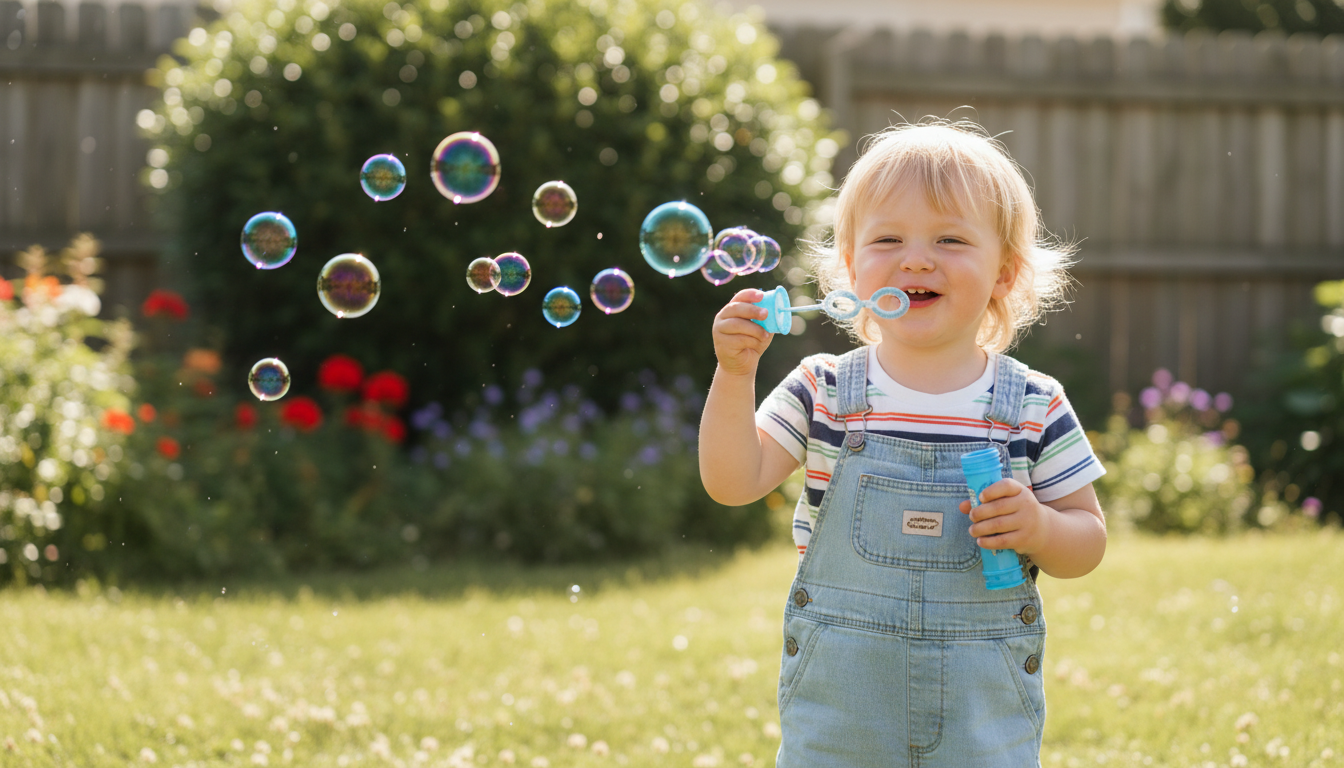
Table of Contents
- Introduction
- Understanding the Communication Journey in Autism
- Sensory-Based Speech Therapy Activities
- Visual Supports and Alternative Communication (AAC)
- The Science of Video Modeling: Why It Works
- Integrating Speech Therapy into Daily Routines
- Creative Play and Social Skills
- Choosing the Right Plan for Your Family
- Overcoming Challenges: Behavior and Frustration
- Building a Support Team
- Frequently Asked Questions
- Conclusion
Introduction
Did you know that nearly 40% of children diagnosed with autism are nonverbal or have limited spoken language? For a parent, this statistic isn't just a number—it represents the daily, heartfelt longing to understand what your child is thinking and feeling. At Speech Blubs, our mission is to empower every child to "speak their minds and hearts." We believe that every child has a voice; sometimes, we just need a different set of tools and a lot of joyful play to help them find it.
This blog post is designed to be a comprehensive resource for parents and caregivers seeking effective, engaging, and practical speech therapy activities for low functioning autism. We will explore how to build foundational communication skills through sensory play, visual supports, and the scientific power of video modeling. We will also discuss how to integrate these activities into your daily routines to create a language-rich environment that feels like fun, not work.

Our goal is to move beyond the clinical jargon and provide you with realistic strategies that foster a love for communication. Whether your child is just beginning to explore sounds or is using a few functional words, these activities are designed to build confidence, reduce frustration, and create those precious moments of connection that every family deserves.
Understanding the Communication Journey in Autism
Low functioning autism is a term often used to describe children who require significant support with daily living and communication. These children may be non-speaking, have limited vocabulary, or struggle with social reciprocity. However, it is vital to remember that a lack of spoken language does not equal a lack of intelligence or a lack of a desire to connect.
In our experience, communication for these children often starts with "pre-linguistic" skills. These are the building blocks of language: eye contact, joint attention (looking at the same thing as you), imitation, and cause-and-effect. If a child hasn't mastered these, jumping straight into "saying words" can be overwhelming and frustrating for everyone involved.
At Speech Blubs, our company was born from the personal experiences of our founders, who all grew up with speech problems. They created the tool they wished they had—a solution that blends scientific principles with pure joy. For children with higher support needs, we focus on "smart screen time." This isn't passive viewing like watching a cartoon; it’s an interactive, peer-led experience that encourages the child to participate at their own pace.
If you are unsure where your child stands on their developmental path, we recommend taking our quick 3-minute preliminary screener. It consists of 9 simple questions and provides a customized assessment and next-steps plan to help you navigate this journey.
Sensory-Based Speech Therapy Activities
Children with autism often process sensory information differently. Some may be "sensory seeking," while others are "sensory avoidant." Leveraging these preferences is one of the most effective ways to engage them in speech therapy activities for low functioning autism.

1. The Magic of Animal Noises
Research shows that many children on the spectrum respond better to animal sounds than to complex human speech. Animal noises are predictable, rhythmic, and often involve distinct mouth shapes that are easier to imitate.
Practical Scenario: For a parent whose 3-year-old "late talker" loves animals, the "Animal Kingdom" section of the Speech Blubs app offers a fun, motivating way to practice. Start by playing with physical toy animals. As your child picks up a cow, you say "Moo!" then show them the corresponding video in the app. Seeing a peer make the same sound triggers "mirror neurons," making them more likely to try it themselves.
2. Tactile Sensory Bins
A sensory bin filled with rice, beans, or water beads can be a goldmine for language. Hide objects that start with a target sound (like a ball, a bus, and a bear for the "B" sound).
- How to play: Encourage your child to dig through the bin. When they find an object, name it clearly.
- Goal: Focus on "joint attention." Ensure you are both looking at the object together before you label it. This builds the foundational understanding that words represent things in the real world.
3. Bubble Play and Oral Motor Skills
Bubbles are a universal favorite. They are visually stimulating and provide a natural "pause" in activity that encourages a child to request "more" or "please."
- Activity: Blow a few bubbles, then stop. Wait for your child to look at you, reach for the wand, or make a sound.
- Speech Blubs Integration: Our "Big Mouth" section helps children understand the oral motor movements needed for speech. By watching peers blow air or move their lips in the app, children learn the physical mechanics of speech through imitation.
Visual Supports and Alternative Communication (AAC)
For many children with low functioning autism, visual information is much easier to process than auditory information. Using visual supports is not "giving up" on speech; rather, it provides a bridge that reduces frustration while the child works on their verbal skills.
4. Choice Boards for Empowerment
Frustration often stems from an inability to express a basic need. A choice board allows a child to point to what they want.
Practical Scenario: Imagine Sam, a 4-year-old who loves snacks but often has meltdowns at the pantry. By using a simple choice board with pictures of an apple, a cracker, and a juice box, Sam can point to his preference. This immediate success builds his confidence in communication. You can then pair the gesture with the word: "Oh, you want the apple! Apple."
5. Picture Exchange Communication System (PECS)
PECS is a highly structured method where a child learns to give a picture of an item to a partner in exchange for that item. This teaches the essential "social" part of communication—that you have to interact with another person to get what you want.
6. Visual Schedules for Routine
Anxiety can often hinder speech. If a child is worried about what comes next, they aren't focused on learning new words. A visual schedule (using photos or icons) helps them understand the flow of the day, allowing them to relax and engage more deeply in learning activities.
The Science of Video Modeling: Why It Works
At the heart of our methodology is video modeling. This is a evidence-based technique where children learn skills by watching others perform them. For children with autism, watching adults can sometimes be intimidating or "too much" to process. However, watching other children—their peers—is often much more relatable and engaging.
Our method is backed by science, placing us in the top tier of speech apps worldwide. When a child watches a peer in the app make a specific sound or say a word, it activates the mirror neuron system in their brain. This system is responsible for the "monkey see, monkey do" effect, making imitation feel natural and rewarding rather than forced.
We focus on "smart screen time" that is:
- Active: The child is encouraged to mimic, touch, and respond.
- Joyful: We use fun filters and rewards to keep the experience positive.
- Peer-Led: Children are the teachers, which builds a unique sense of connection.
To see how this has worked for thousands of other families, you can read our parent success stories.
Integrating Speech Therapy into Daily Routines
You don't need a clinical setting to practice speech therapy activities for low functioning autism. In fact, the best learning happens in the "natural environment"—the places where life actually happens.
7. Mealtime Labeling and Requesting
Mealtimes are high-motivation moments.
- The "Wait" Strategy: Instead of giving your child their whole bowl of cereal, give them one piece at a time. This creates multiple opportunities for them to use a gesture, a sign, or a sound to request "more."
- The "Oops" Strategy: Give them a bowl but "forget" the spoon. Wait for them to notice and prompt them to ask for the missing item.
8. Bath Time Exploration
Water play is soothing for many children with autism. Use this time to label body parts (wash your nose, wash your toes) or practice action verbs like "splash," "pour," and "scrub."
Practical Scenario: For a child who loves the "Early Sounds" section of the app, you can bring those sounds into the bath. When the child splashes, you can model the "Spl-ash!" sound or imitate the "Pop!" of a bubble, mirroring the same enthusiasm they see from the children in the Speech Blubs videos.
9. Dressing and Vocabulary
While getting dressed, offer choices between two shirts. "Do you want the red shirt or the blue shirt?" Even if they don't say the word, they are learning the vocabulary through repeated exposure in a functional context.
Creative Play and Social Skills
Social interaction is often the most significant challenge for children with low functioning autism. Play-based activities can help bridge this gap.
10. The "I-Spy" Scavenger Hunt
This game is excellent for building receptive language (understanding words).
- How to play: Use picture cards of objects with a target sound. Say, "I spy something that says... Moo!" and have the child find the cow.
- Progression: As the child gets better, hide the physical toys around the room. This adds a movement component, which can help sensory-seeking children stay engaged longer.
11. Feeding the "Hungry" Stuffed Animal
If your child has a favorite stuffed toy, use it as a partner.
- Activity: "The teddy bear is hungry! What should we feed him?" Provide pictures of food. To "feed" the bear, the child has to name the food or hand you the card.
- Why it works: It shifts the focus away from the child and onto the toy, which can reduce the "performance anxiety" some children feel when being asked to speak.
12. "Sound and Move" Relay
For children who have a lot of energy, sitting still for a "lesson" is impossible. Instead, turn speech into a physical game.
- Activity: Set up a small obstacle course. At each station, the child has to perform an action (like jumping) and say a target word or sound before moving to the next.
- The Benefit: Pairing physical movement with speech helps with "speech-motor coordination," making it easier for the brain to coordinate the muscles needed for talking.
Choosing the Right Plan for Your Family
We know that every family’s needs are different, which is why we offer flexible options to access our library of over 1,500 activities. However, we always want to ensure you get the best possible value for your child’s development.
- Monthly Plan: $14.99 per month. This is a great way to test the waters.
- Yearly Plan: $59.99 per year. This is our best value option, breaking down to just $4.99 per month.
Why we recommend the Yearly Plan: It isn't just about the 66% savings. The Yearly plan is designed to be a comprehensive developmental suite. When you choose the Yearly plan, you receive:
- A 7-day free trial to explore all features risk-free.
- The Reading Blubs app: A powerful tool designed to transition your child from speaking to early reading.
- Early access to all new updates and content releases.
- Priority support: A 24-hour response time from our dedicated team.
The Monthly plan does not include the free trial or the Reading Blubs app, making the Yearly plan the clear choice for parents committed to a long-term growth plan.
Overcoming Challenges: Behavior and Frustration
It is common for children with low functioning autism to experience meltdowns or shutdowns when they feel they cannot communicate. In these moments, speech therapy activities should take a backseat to emotional regulation.
- Acknowledge the Frustration: Use simple language. "I see you are angry. You want the toy."
- Use Grounding Techniques: Encourage the child to list things they see or feel to bring them back to the present.
- Provide a "Retreat Zone": Ensure the child has a quiet place where they can go when the sensory input becomes too much.
Remember, our goal is to create "joyful family learning moments." If an activity is causing significant distress, it’s okay to stop and try again later. Communication should never be a battle; it should be a gateway to connection.
Building a Support Team
While home activities are incredibly powerful, they are most effective when they supplement professional guidance. A licensed Speech-Language Pathologist (SLP) can provide a specific diagnosis and tailored goals. Many families find that using Speech Blubs alongside traditional therapy helps "generalize" the skills—meaning the child starts using what they learned in the clinic in their everyday life at home.
Download Speech Blubs on the App Store or get it on the Google Play Store to begin integrating these science-backed activities into your routine today.
Frequently Asked Questions
1. How many times a week should we do these activities?
Consistency is more important than duration. Instead of one long hour-long session, aim for 10–15 minutes of focused "smart screen time" or sensory play every day. This fits better into a child's attention span and helps reinforce learning through repetition.
2. Can my child learn to speak if they are currently nonverbal?
While we cannot guarantee specific outcomes, many nonverbal children make significant progress when provided with the right tools. By focusing on foundational skills like imitation and using "video modeling," we help create the neural pathways necessary for speech. Many children start with signs or AAC and gradually transition to spoken words as their confidence grows.
3. Is screen time bad for children with autism?
Passive screen time (like watching endless cartoons) can be isolating. However, "smart screen time" is different. Speech Blubs is designed to be an interactive, co-play experience. When you sit with your child and mirror the children on the screen, you are turning technology into a powerful tool for family connection and learning.
4. Which Speech Blubs plan is right for me?
If you are looking for long-term support, the Yearly plan is the best choice. It includes a 7-day free trial, the additional Reading Blubs app, and costs 66% less than the monthly rate over the course of a year. It provides the full suite of tools your child needs to progress from their first sounds to early reading.
Conclusion
Supporting a child with low functioning autism requires patience, empathy, and the right set of strategies. By focusing on sensory-rich activities, utilizing visual supports, and leveraging the scientifically proven power of video modeling, you can help your child break through communication barriers.
At Speech Blubs, we don't just want your child to talk; we want them to thrive. We want to reduce the frustration that comes from not being understood and replace it with the joy of shared moments. Our app was created by people who understand the struggle firsthand, and we are committed to providing an effective, joyful solution for the 1 in 4 children who need speech support.
Ready to take the next step in your child's communication journey? Create your account and begin your 7-day free trial today. Remember to select the Yearly plan to unlock the full suite of features, including Reading Blubs and priority support, for the best value. Let’s work together to help your child speak their mind and heart.
About the author