
15 Engaging Preschool Speech Therapy Activities for Your Child
Boost your child's communication with fun preschool speech therapy activities! Explore play-based strategies, sensory games, and smart tools to build
 By Speech Blubs Team•Apr 27, 2026•13 min.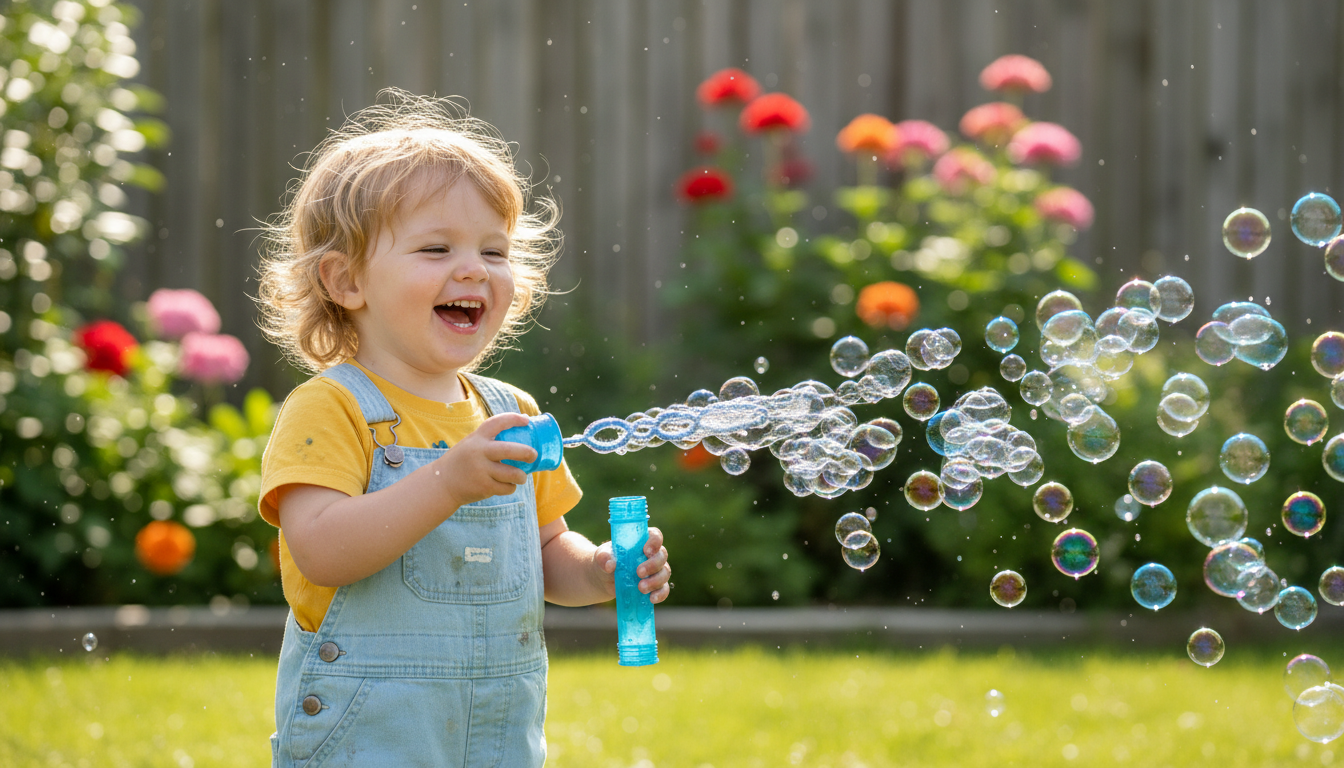
Table of Contents
- Introduction
- Why Play-Based Speech Therapy Works
- The Power of Pretend Play
- Movement-Based Activities
- Sensory Play for Speech Success
- Integrating Speech Blubs into Your Routine
- Literacy and Language
- Daily Routines as Speech Practice
- Understanding the Value of Your Investment
- Setting Realistic Expectations
- Structuring Your Home Activities
- Conclusion
- FAQs
Introduction
Did you know that approximately one in four children will face some form of speech or language delay during their early development? For many parents, realizing their little one isn't hitting milestones as expected can feel overwhelming, lonely, and even a bit frightening. You might find yourself scrolling through forums or watching other children at the park, wondering if your child will ever be able to fully express what’s in their heart and mind.
At Speech Blubs, we believe that every child deserves a voice. Our company was founded by a team who grew up with speech challenges themselves; they created the very tool they wished they had as kids. Our mission is to empower children to "speak their minds and hearts" by transforming what could be a stressful therapeutic process into a joyful, play-based experience. We advocate for "smart screen time"—a screen-free alternative to passive cartoon viewing that encourages active participation and family connection.

In this post, we are going to explore a wide variety of preschool speech therapy activities that you can easily implement at home. We will cover why play-based therapy is the gold standard for early intervention, provide specific activities for different interests, and explain how our unique video modeling methodology can supplement your child's journey. By the end of this article, you will have a robust toolkit of strategies to foster communication, build confidence, and create joyful learning moments with your preschooler.
Why Play-Based Speech Therapy Works
If you walk into a professional speech-language pathology (SLP) session for a three-year-old, you might be surprised to see them playing with bubbles, cars, or a dollhouse. You might wonder, "Why are they just playing?" The truth is, for a preschooler, play is their work.
Play-based speech therapy is effective because it embeds communication practice into meaningful, motivating activities. When a child is engaged in an activity they love, their brain is more receptive to learning. Instead of repetitive drills—which can lead to frustration and shutdown—play creates natural opportunities for turn-taking, repetition, and language expansion. This approach supports generalization, meaning the child is more likely to use their new skills in real-life situations outside of "practice time."
Our approach at Speech Blubs mirrors this philosophy. We don't ask children to sit through dry lessons. Instead, we use "smart screen time" to trigger their natural desire to imitate. By watching other children—their peers—perform speech exercises through our unique video modeling, preschoolers feel a sense of "if they can do it, I can too!" This reduces the pressure and replaces it with the joy of discovery.
If you are unsure where your child stands in their development, we recommend taking our quick 3-minute preliminary screener. It consists of 9 simple questions and provides you with a personalized assessment and next-steps plan.
The Power of Pretend Play
Pretend play is a cornerstone of early childhood development. It allows children to experiment with social roles, practice vocabulary, and understand cause and effect.

1. The Play Kitchen and Restaurant
A play kitchen is a goldmine for language. For a parent whose child is a "foodie" or loves helping in the kitchen, this setup offers endless ways to practice. You can target:
- Verbs: Stir, pour, bake, eat, wash, cut.
- Nouns: Names of fruits, vegetables, and utensils.
- Social Skills: Taking an order, saying "please" and "thank you," and waiting for the "food" to be ready.
Pro-tip: Use "wait" as a powerful communication tool. Pretend the oven is hot and you both have to "wait" for the timer to beep. This builds anticipation and encourages the child to use the word or a gesture to signal they are ready.
2. The Toy Farm
For a child whose 3-year-old "late talker" loves animals, the "Animal Kingdom" section of the Speech Blubs app offers a fun, motivating way to practice. You can use a physical toy farm alongside the app to bridge the digital and physical worlds.
- Sound Imitation: Practice "moo," "baa," and "cluck." These early sounds are foundational for more complex speech.
- Prepositions: Put the cow in the barn, the duck on the pond, or the tractor behind the fence.
- Requesting: Hold the animals in a closed container so the child has to request "open" or "more" to get the next animal.
3. Dollhouses and People Figures
Using dollhouses allows children to practice pronouns and daily routines. You can model "He is sleeping" or "She is eating." This is also a great way to practice following directions, such as "Put the boy in the bed."
Movement-Based Activities
Some children learn best when their bodies are in motion. If your preschooler can’t sit still, don’t fight it—embrace it!
4. Simon Says with a Twist
Instead of just "Simon says touch your nose," use action verbs that require bigger movements. "Simon says hop like a frog" or "Simon says spin like a top." This targets verb comprehension and following instructions.
5. The Living Room Obstacle Course
Create a simple course using pillows, chairs, and blankets. As your child moves through it, use spatial concepts. "Go under the table," "Crawl over the pillow," and "Sit on the chair." This helps children internalize the meaning of these words through physical experience.
6. Scavenger Hunts
Give your child a "mission" to find objects with specific attributes. "Find something red," "Find something soft," or "Find something loud." This activity builds descriptive vocabulary and categorization skills.
Sensory Play for Speech Success
Sensory play engages a child’s senses of touch, smell, sight, and hearing, which can be incredibly grounding and stimulating for language development.
7. Sensory Bins
Fill a plastic bin with rice, beans, or kinetic sand and hide small toys inside. For a child working on specific speech sounds, hide "trinkets" that start with that sound. For example, if you are working on the /b/ sound, hide a small bear, a ball, and a boat. As they find each item, practice the word together.
8. Playdough Creations
Playdough is excellent for fine motor skills and language. You can talk about "squishing," "rolling," and "stretching." You can also make "mistakes" on purpose—like giving a playdough person three eyes—to encourage the child to notice and comment on the "silly" face.
9. Bubbles
Bubbles are a universal favorite for preschoolers. They are perfect for practicing:
- Oral Motor Skills: The act of blowing through a wand helps strengthen the muscles used for speech.
- Core Words: Use "more," "up," "pop," and "all gone."
- Joint Attention: Watching the bubbles together creates a shared experience, which is the foundation of communication.
Integrating Speech Blubs into Your Routine
While physical play is vital, "smart screen time" can provide a powerful supplement to your child's development. Our video modeling methodology is backed by science and focuses on peer-to-peer learning. When children see other kids successfully making sounds and words, it builds their confidence and reduces the frustration often associated with speech delays.
We suggest using the app as a tool for "co-play." Sit with your child, watch the videos together, and mirror the actions and sounds shown on the screen. This transforms a solo activity into a family bonding moment.
To see how other families have found success and built joyful learning moments, you can read our parent testimonials.
Literacy and Language
Even before a child can read, books are essential for speech therapy.
10. Interactive Book Reading
Don't just read the words on the page; talk about the pictures. Ask "What is the dog doing?" or "Where is the bird hiding?" If your child is a late talker, use "carrier phrases" where you leave a word off at the end of a familiar sentence for them to fill in. "Brown bear, brown bear, what do you...?" (Wait for them to say "see").
11. Narrative Development through Pictures
Use wordless picture books to help your child tell a story. This encourages them to sequence events and use descriptive language without being tethered to specific text.
12. Song and Nursery Rhymes
Songs like "The Wheels on the Bus" or "Old MacDonald" are highly repetitive, which is excellent for language acquisition. The rhythm and melody make the words easier to remember and reproduce.
Daily Routines as Speech Practice
You don't need a special "therapy hour" to help your child. Some of the best preschool speech therapy activities happen during your normal day.
13. Bath Time
Bath time is a great place to practice body parts. "Wash your elbows," "Where are your toes?" You can also talk about concepts like "wet" vs. "dry" or "sink" vs. "float."
14. Getting Dressed
This routine is perfect for practicing categories (clothes) and choices. Instead of just picking an outfit, ask "Do you want the blue shirt or the red shirt?" This gives the child a sense of agency and a reason to communicate.
15. Grocery Store Trips
The grocery store is a living classroom. Talk about the colors of the fruit, the temperature of the freezer aisle, and the names of the things you are putting in your cart. You can even give your child a "job" to look for a specific item, like "Help me find the bananas."
Understanding the Value of Your Investment
We understand that parents want the best for their children while also being mindful of their household budget. That is why we offer flexible options to access our tools.
Our Monthly Plan is $14.99 per month, which is a great way to test the waters. However, for parents committed to a long-term developmental journey, our Yearly Plan offers the best value.
At $59.99 per year, the cost breaks down to just $4.99 per month—a 66% savings compared to the monthly rate. Furthermore, the Yearly Plan is the only option that includes:
- A 7-day free trial to ensure the app is the right fit for your child.
- Access to the Reading Blubs app, which helps transition speech skills into early literacy.
- Early access to all new updates and features.
- 24-hour support response time from our dedicated team.
By choosing the Yearly Plan, you are ensuring your child has consistent, high-quality support throughout their most critical developmental years. You can create your account and start your free trial today to see the difference for yourself.
Setting Realistic Expectations
It is important to remember that every child's journey is unique. While we have seen incredible progress in many children using our "smart screen time" tools, we do not suggest guaranteed, overnight outcomes. Speech development is a marathon, not a sprint.
The goal of these activities—and of Speech Blubs—is to foster a love for communication, build foundational skills, and reduce the daily frustration that comes from not being understood. Our app is designed to be a powerful supplement to your child's overall development plan and, when applicable, professional speech therapy. We provide a bridge between clinical sessions and home life, ensuring that learning never stops.
For more information on the science behind our approach, including our high MARS scale rating, you can visit our research page.
Structuring Your Home Activities
To make these activities most effective, keep these three "E's" in mind:
- Engage: Follow your child's lead. If they want to play with the box the toy came in rather than the toy itself, use the box! Communication happens wherever the interest lies.
- Exaggerate: Use "parentese"—a higher-pitched, melodic, and slow way of speaking. Use big facial expressions. This makes it easier for your child to see how your mouth moves and hear the distinct sounds of words.
- Encourage: Celebrate every attempt. If they try to say "ball" and it sounds like "ba," celebrate that "ba!" Their confidence is the engine that will drive their progress.
Conclusion
Helping your preschooler develop their communication skills is one of the most rewarding journeys you can take as a parent. By incorporating play-based preschool speech therapy activities into your daily life—whether through pretend play, sensory bins, or movement—you are building a strong foundation for their future success. Remember that your involvement is the key ingredient; no app or toy can replace the connection and support you provide.
At Speech Blubs, we are honored to be a part of that journey. We invite you to join our community of parents who are dedicated to helping their children speak their minds and hearts.
Ready to take the next step? Don't wait to provide your child with the support they need to thrive. Download Speech Blubs today on the Apple App Store or Google Play Store to begin. We highly recommend selecting the Yearly Plan to take advantage of the 7-day free trial, the bonus Reading Blubs app, and the best overall value for your family. Let’s start making communication joyful!
FAQs
1. How often should we do these speech therapy activities?
Consistency is more important than duration. Aim for 15 to 20 minutes of dedicated "play with a purpose" each day. However, the best results come from weaving these strategies into your existing daily routines, like bath time and meals, so that communication practice becomes a natural part of your child's life.
2. My child is already in professional speech therapy. Can we still use Speech Blubs?
Absolutely! Many SLPs actually recommend Speech Blubs as a "home carryover" tool. It provides a fun way for children to practice the skills they are learning in their professional sessions. It helps maintain momentum between appointments and keeps the child engaged in a way that feels like play rather than homework.
3. What if my child isn't interested in the activities I set up?
This is completely normal! Preschoolers are famously independent. If they aren't interested in your sensory bin, don't force it. Instead, observe what they are doing and join them. If they are pushing a truck, talk about the truck. The most effective activity is always the one your child is naturally excited about.
4. Is the Yearly Plan really worth it compared to the Monthly Plan?
We believe so. Beyond the significant cost savings ($4.99/month vs $14.99/month), the Yearly Plan provides a much more comprehensive support system. The inclusion of the Reading Blubs app helps your child transition from speaking to reading, and the 7-day free trial allows you to explore the full library of over 1,500 activities risk-free.
About the author