
Engaging Sensory Activities for Speech Therapy Success
Discover fun sensory activities for speech therapy! Learn how to use sensory play and Speech Blubs to boost your child's communication skills and confidence.
 By Speech Blubs Team•Apr 22, 2026•13 min.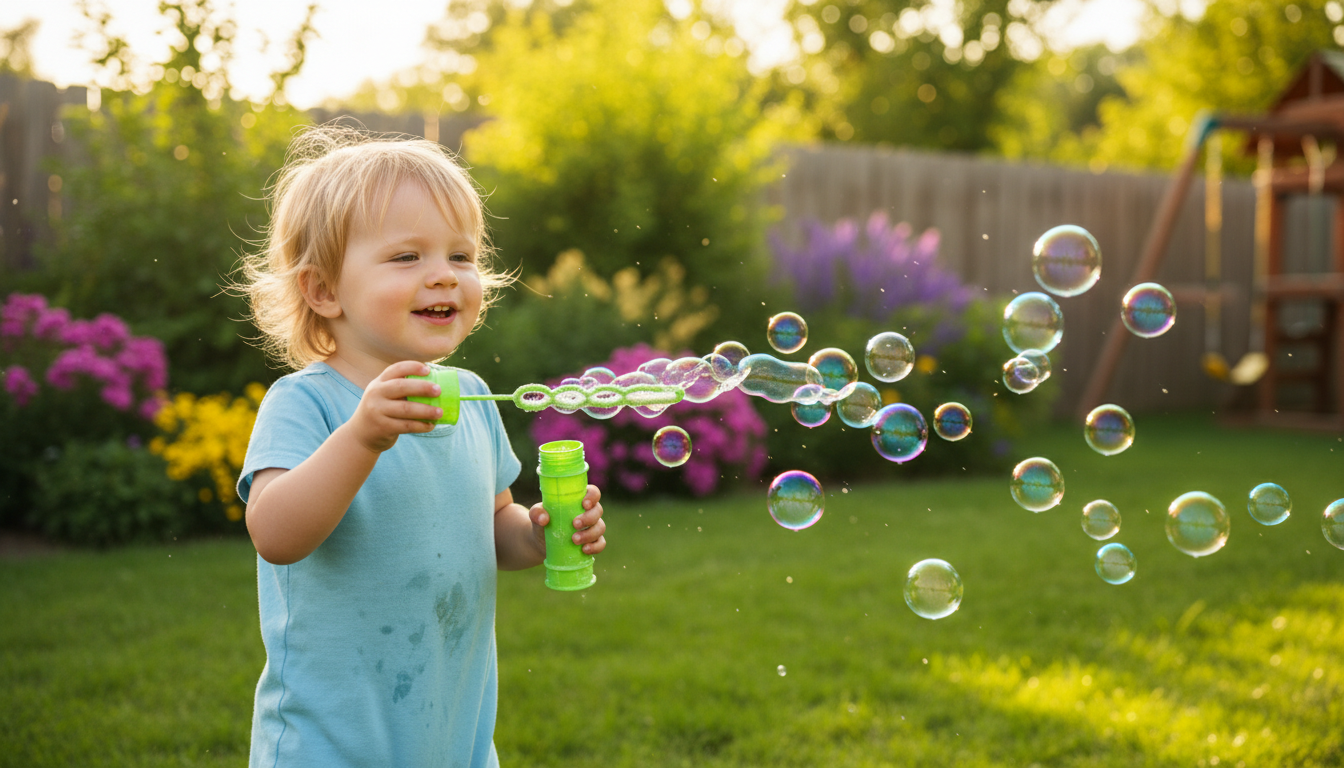
Table of Contents
- Introduction
- The Science Behind Sensory Play and Speech
- Identifying Your Child’s Sensory Profile
- Top Sensory Activities for Speech Therapy
- Integrating Speech Blubs into Your Sensory Routine
- Building Functional Language Through Sensory Play
- Choosing the Right Plan for Your Family
- Realistic Expectations for Your Speech Journey
- Creating a Sensory-Friendly Home Environment
- A Global Community of Support
- Conclusion
- FAQs
Introduction
Have you ever noticed your child suddenly spinning in circles, covering their ears at the sound of a vacuum, or refusing to touch a bowl of mashed potatoes? For many parents, these behaviors can feel like a puzzle. But what if those sensory preferences were actually the key to unlocking your child’s communication skills? At Speech Blubs, we believe that when a child’s sensory needs are met, their brain is in the perfect state to learn, grow, and finally "speak their minds and hearts."
Sensory processing is the way our brains receive and organize information from our senses—sight, sound, touch, taste, smell, and even balance. For about 1 in 4 children who need speech support, the world can sometimes feel overwhelming or, conversely, not stimulating enough. When a child is "dysregulated"—meaning their sensory system is out of balance—it is incredibly difficult for them to focus on making speech sounds or learning new words.

In this blog post, we will explore a wide variety of sensory activities for speech therapy that you can do right at home. We will dive into why the sensory-speech connection is so powerful, how to identify your child's unique sensory profile, and how our "smart screen time" approach can bridge the gap between play and progress. Our mission is to provide an immediate, effective, and joyful solution for families, blending scientific principles like video modeling with the pure magic of play. By the end of this article, you’ll have a toolkit of activities designed to foster a love for communication and build your child’s confidence.
The Science Behind Sensory Play and Speech
To understand why sensory activities for speech therapy are so effective, we have to look at how the brain develops. Learning isn't just a cognitive process; it's a physical one. From birth, children explore their environment through their senses, creating neural pathways that eventually support higher-level skills like language and social interaction.
At Speech Blubs, our methodology is rooted in the concept of "video modeling" and the activation of mirror neurons. When a child watches a peer on a screen performing a specific action or making a sound, their brain reacts as if they were doing it themselves. This is why our research-backed method is so effective—it utilizes the child's natural inclination to imitate. However, for that imitation to happen, the child needs to be in a "regulated" state. This is where sensory play comes in. It primes the brain, reduces frustration, and makes the learning process feel like a game rather than a chore.
Identifying Your Child’s Sensory Profile
Every child interacts with the world differently. Before diving into activities, it’s helpful to understand whether your child is a "sensory seeker" or a "sensory avoider."
The Sensory Seeker
A seeker is the child who is constantly on the move. They might crash into furniture, love loud noises, or constantly put things in their mouth. They need more input to feel grounded. For these children, high-energy movement and intense tactile experiences often open the door to better communication.

The Sensory Avoider
An avoider may be sensitive to bright lights, certain textures (like "slimy" foods), or sudden sounds. They need a calm, predictable environment. For them, speech therapy activities should focus on gentle, soothing sensory input that helps them feel safe and ready to engage.
If you aren't sure where your child falls on this spectrum, we recommend taking our quick 3-minute preliminary screener. It involves 9 simple questions and provides an assessment and next-steps plan to help you tailor your home activities.
Top Sensory Activities for Speech Therapy
The best way to encourage speech is to make it functional and fun. Here are several categories of sensory activities that integrate language development seamlessly.
1. Tactile (Touch) Activities
Touch-based play is one of the most common ways to engage a child’s curiosity.
- Sensory Bins: Fill a large plastic container with dry rice, beans, or kinetic sand. Hide small objects or animal figurines inside. As your child digs for them, you can practice descriptive words like "hidden," "found," "crunchy," or "smooth."
- Speech Blubs Tip: If your child finds a toy lion, use that moment to open the "Animal Kingdom" section of our app. They can watch a peer make the "Roar" sound, providing a double-dose of sensory and visual learning.
- Shaving Cream or Pudding Art: Spread a safe substance on a tray and let your child "draw" letters or shapes. This tactile feedback helps solidify the connection between the physical movement and the concept of communication. It's a great way to practice early speech sounds like "m-m-m" for "messy."
- Texture Exploration Bags: Fill Ziploc bags with hair gel, beads, or pom-poms. Seal them tightly and let your child squish them. This is perfect for children who might be "avoiders" and don't want to get their hands dirty but still need tactile input.
2. Vestibular and Proprioceptive (Movement) Activities
These systems govern balance and body awareness. Many children who struggle with speech also struggle with knowing where their body is in space.
- Heavy Work: Activities like pushing a laundry basket full of books or carrying "heavy" groceries (plastic toys) can be very grounding. You can narrate the actions: "Push, push, push!" or "Up! Heavy!"
- The "Stop and Go" Game: Use a trampoline or just jump on the floor. While jumping, say "Go!" and then suddenly shout "Stop!" This teaches impulse control and reinforces the power of verbal commands.
- Animal Crawls: Encourage your child to move like a bear (on all fours) or a crab. This builds core strength, which is surprisingly important for the breath support needed for speech.
- Practical Scenario: For a parent whose 3-year-old "late talker" loves movement, the "Move Like an Animal" activities in Speech Blubs can be paired with these physical crawls. Your child watches a peer "hop like a bunny" on the screen and then physically hops across the room. You can download Speech Blubs on the App Store to try these interactive sections.
3. Auditory and Visual Activities
Sound and sight are the primary ways we consume language, but they can also be playful tools.
- Sensory Bottles: Fill clear plastic bottles with water, glitter, and food coloring. As the glitter settles, it provides a calming visual experience. You can use this "quiet time" to practice soft sounds or whispered words.
- Sound Guessing Games: Record common household sounds (a doorbell, a dog barking, water running) and have your child guess what they are. This improves auditory discrimination, a key skill for distinguishing between different speech sounds (like "p" vs "b").
- Flashlight Tag: In a darkened room, use a flashlight to point to different objects. When the light hits an object, say its name together. This focused visual input helps with joint attention.
Integrating Speech Blubs into Your Sensory Routine
At Speech Blubs, we don't just want to be another app on your phone; we want to be a tool for family connection. Our founders grew up with speech problems and created the tool they wished they had—one that turns therapy into "smart screen time."
Unlike passive cartoons, Speech Blubs requires active participation. When you integrate our app into sensory play, you’re creating a multi-sensory learning environment. For example:
- Preparation: Start with 5 minutes of "heavy work" or jumping to regulate your child’s energy.
- Engagement: Sit together and open Speech Blubs. Choose a category like "Early Sounds."
- Action: Use the video modeling methodology. When the child on the screen pops a bubble and says "Puh!", have your child pop real bubbles at home.
- Reward: Use a sensory-rich reward, like a big "bear hug" or a quick spin in an office chair, to celebrate their effort.
This approach creates joyful family learning moments and reduces the frustration often associated with "practicing" speech. To see how other families have transformed their routines, you can read our testimonials.
Building Functional Language Through Sensory Play
Sensory activities for speech therapy aren't just about "feeling" things; they are about giving a child a reason to talk. Here are the specific communication skills you can target during these activities:
Vocabulary Expansion
Instead of just naming nouns (ball, car, doll), sensory play allows you to introduce "power words" and descriptors.
- Adjectives: Sticky, cold, loud, bright, fuzzy, heavy.
- Verbs: Pour, splash, dig, hide, jump, squeeze.
- Prepositions: Under the rice, on top of the bin, inside the bag.
Following Directions
Sensory play is perfect for practicing "first/then" instructions. "First, pour the water. Then, add the bubbles." This builds receptive language skills (understanding what is said) in a low-pressure environment.
Social Skills and Turn-Taking
When you play together with a sensory bin, you are practicing the fundamentals of conversation: turn-taking. "My turn to scoop, your turn to pour." This mimics the back-and-forth flow of a real discussion.
Self-Regulation
One of the most important benefits of sensory activities is teaching a child how to manage their own emotions. If a child feels overwhelmed, they can learn that squeezing a stress ball or watching a calming sensory bottle helps them feel better. A regulated child is a child who is ready to communicate.
Choosing the Right Plan for Your Family
We are committed to providing an accessible solution for every family. To get the most out of your experience, we offer two main subscription options.
- Monthly Plan: $14.99 per month. This is a great way to test the waters and see how your child responds to our video modeling method.
- Yearly Plan (Best Value): $59.99 per year. This breaks down to just $4.99/month, saving you 66% compared to the monthly rate.
Why we recommend the Yearly Plan: The Yearly plan is designed for families committed to seeing long-term growth. It includes:
- A 7-day free trial: Experience everything we have to offer at no initial cost.
- Reading Blubs: An entire extra app dedicated to early literacy and reading skills.
- Priority Support: 24-hour response time from our team.
- Early Access: Be the first to try new updates and features.
The Monthly plan does not include the free trial or the Reading Blubs app, making the Yearly plan the clear choice for parents who want the full suite of features to support their child's development. You can create your account and start your trial today.
Realistic Expectations for Your Speech Journey
It is important to remember that every child’s path is unique. While sensory activities for speech therapy are powerful, they are not "magic wands." We don't suggest that your child will be giving public speeches in a month. Instead, we focus on the benefits of the process: fostering a love for communication, building confidence, and creating those small, joyful moments when a child finally makes a sound they’ve been struggling with.
Speech Blubs is designed to be a powerful supplement to your child’s overall development plan. If your child is already seeing a professional speech-language pathologist (SLP), our app is the perfect tool to bridge the gap between weekly sessions. If you are just starting out, we are here to provide the foundational skills and confidence your child needs to take the next step.
Creating a Sensory-Friendly Home Environment
Beyond specific activities, you can make small changes to your home to support your child’s sensory and speech needs:
- Create a "Calm Down Corner": A small space with soft pillows, dim lighting, and a few sensory toys (like a weighted blanket or fidgets) can help a child reset when they feel overwhelmed.
- Reduce Background Noise: When it’s time to practice speech or use the Speech Blubs app, turn off the TV and minimize background distractions. This helps children with auditory processing sensitivities focus on the sounds of language.
- Visual Schedules: Use pictures to show your child what the day looks like. "First, we have breakfast. Then, we play with the sensory bin. Then, we use Speech Blubs." This reduces anxiety and helps with transitions.
- Consistency is Key: You don't need to spend hours a day on sensory play. Just 15-20 minutes of dedicated, engaged "smart screen time" and sensory activity can make a significant difference over time.
A Global Community of Support
When you start using Speech Blubs on Google Play or the App Store, you aren't just downloading an app; you are joining a global community of parents and experts dedicated to helping children thrive. Our approach is designed to be inclusive, fun, and scientifically grounded. We know the challenges of a speech delay because we’ve lived them. That empathy is built into every part of our experience.
Our goal is to turn the frustration of "not being understood" into the joy of connection. Whether your child is a "Tasmanian Devil" of energy or a quiet observer, there is a sensory activity and a Speech Blubs exercise that will meet them exactly where they are.
Conclusion
Sensory activities for speech therapy provide a holistic way to support your child's communication journey. By engaging the senses, we aren't just teaching words; we are building the neural foundations for a lifetime of expression. From the tactile joy of a sensory bin to the high-energy fun of an obstacle course, these activities make language learning feel like the play it should be.
Remember, you don't have to do this alone. At Speech Blubs, we are here to provide the tools, the science, and the encouragement you need. We invite you to start this journey with us today.
Ready to see the difference for yourself? Download Speech Blubs on the App Store or Google Play to begin. For the best experience, we highly recommend signing up for our Yearly Plan. You’ll get a 7-day free trial, full access to the Reading Blubs app, and the peace of mind that comes with a comprehensive support system for your child—all for just $4.99 a month.
Let’s help your child speak their mind and heart together!
FAQs
1. How often should I do sensory activities for speech therapy?
Consistency is more important than duration. Aim for 15 to 20 minutes of sensory-based play or "smart screen time" with Speech Blubs daily. This keeps the neural pathways active without overwhelming your child.
2. Can sensory play really help with my child's articulation?
Yes! Many articulation issues are linked to a lack of oral-motor awareness or poor core strength (which affects breath support). Movement-based sensory activities build that physical foundation, while tactile play helps with the focus needed to imitate sounds correctly.
3. What if my child is afraid of messy textures?
That’s perfectly okay! Never force a child into a sensory experience that makes them uncomfortable. Start with "mess-free" options like sensory bottles or sealed Ziploc bags. Gradually introduce new textures as they feel safe and curious.
4. Is the Yearly Plan really better than the Monthly Plan?
Absolutely. Not only does the Yearly Plan save you 66% (costing only $59.99/year vs. $179.88 if paid monthly), but it also includes the Reading Blubs app and a 7-day free trial. The Monthly plan is a standard subscription and does not include these high-value extras or the trial period.
About the author