
20 Engaging Sensory Toddler Activities to Boost Development
 Por Speech Blubs Team•25 mar 2026•13 min.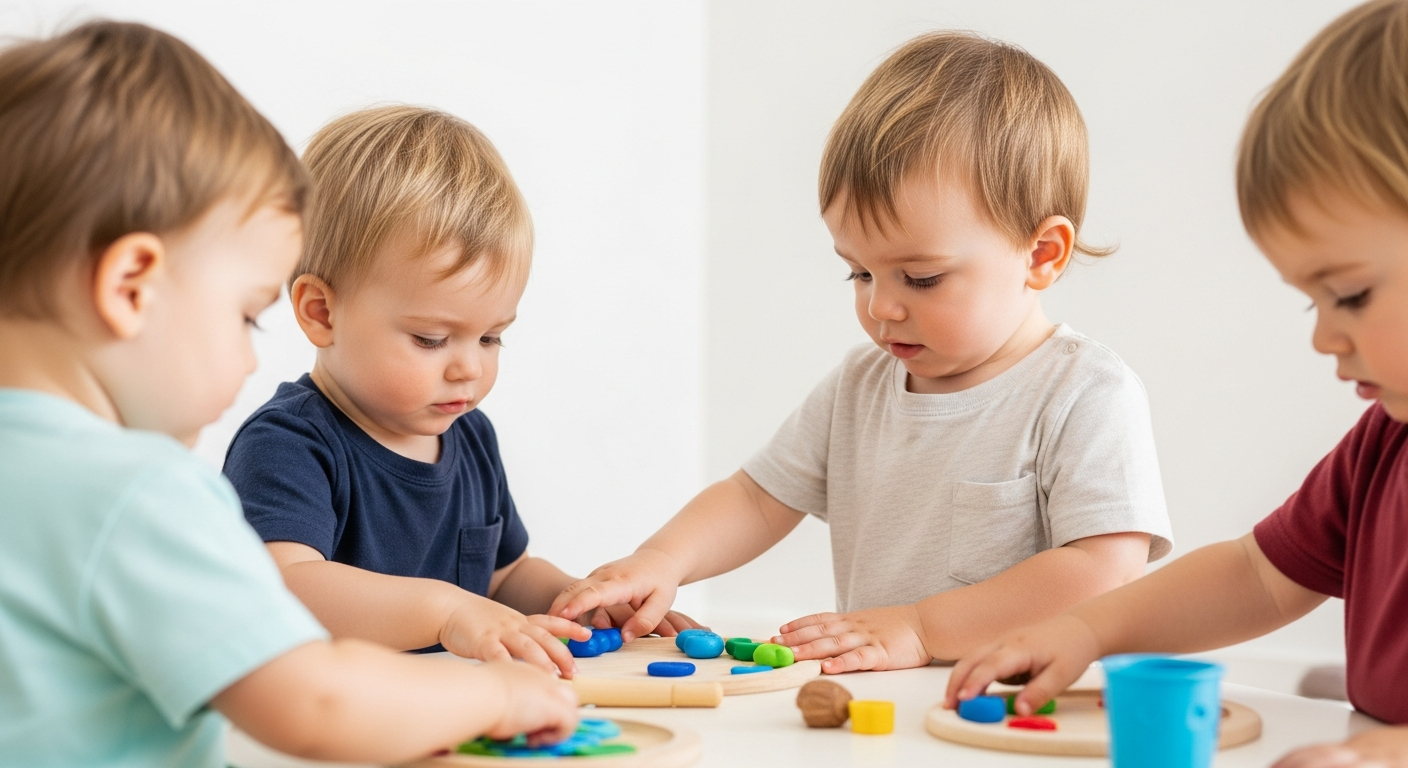
Table of Contents
- Introduction
- The Science Behind Sensory Play and Language
- 20 Creative Sensory Toddler Activities
- How to Handle the Mess
- Why Speech Blubs is "Smart Screen Time"
- Setting Realistic Expectations
- Value and Subscription Options
- Conclusion
- Frequently Asked Questions
Introduction
Have you ever watched a toddler completely lose themselves in the simple act of pouring water from one cup to another, or noticed the intense focus they have when dragging a finger through a patch of cool mud? This isn't just "messy play"—it is the sound of a young brain firing on all cylinders. For a toddler, the world is a giant laboratory, and their five senses are the primary tools they use to conduct experiments. At Speech Blubs, we understand that these sensory experiences are the very foundation upon which communication is built.
The purpose of this guide is to provide you with a comprehensive toolkit of sensory toddler activities that you can easily implement at home. We will explore why sensory play is vital for brain development, how it directly correlates to speech and language milestones, and how you can use these activities to create joyful learning moments. From low-mess options for busy afternoons to deep-dive "messy" experiences for outdoor play, we’ve gathered the best strategies to help your child thrive.

Our mission is to empower children to speak their minds and hearts. This commitment stems from the personal experiences of our founders, who all navigated speech challenges as children and eventually built the tool they wished they had. By the end of this post, you will see how blending physical sensory play with our unique "smart screen time" can foster a love for communication and build the foundational skills your child needs to express themselves with confidence.
The Science Behind Sensory Play and Language
Before we dive into the activities, it is important to understand the "why." Sensory play includes any activity that stimulates a child's senses: touch, smell, taste, sight, and hearing. It also involves the less-talked-about senses of proprioception (body awareness) and vestibular (balance). When a child engages multiple senses simultaneously, they are building stronger neural pathways.
At Speech Blubs, our methodology is rooted in video modeling. This is a scientifically backed approach where children learn by watching and imitating their peers. Just as a child watches another child in the app to learn how to make an "O" shape with their mouth, they use sensory play to understand the physical properties of the world around them.
Key Takeaway: Sensory play provides the "context" for language. A child learns the word "cold" much faster when they are actually touching an ice cube than they do by looking at a picture of one.
Our approach is recognized for its effectiveness, and you can read more about the research that places our method in the top tier of speech development tools worldwide. By combining physical sensory exploration with the peer-led imitation in our app, you are providing a holistic learning environment.
20 Creative Sensory Toddler Activities
To help you navigate these ideas, we’ve categorized them by the primary sensory input they provide and their "mess factor." Remember, the goal isn't perfection; it's engagement.
Tactile and Fine Motor Activities
1. The Classic Rice Sensory Bin Fill a large, shallow plastic bin with uncooked white rice. Add measuring cups, funnels, and small toy animals.

- Speech Connection: For a parent whose 3-year-old "late talker" loves animals, the "Animal Kingdom" section of our app offers a fun, motivating way to practice "moo" and "baa" sounds while you "hide" and "find" those same animals in the rice bin.
- Pro Tip: Use a fitted sheet under the bin to catch any stray grains for easy cleanup.
2. Kinetic Sand Construction Site Kinetic sand is moldable, sticks to itself, and never dries out. Add small construction trucks and stones.
- Language Focus: Use action words like dig, scoop, dump, and build.
3. Shaving Cream "Snow" Play Spray unscented shaving cream onto a high chair tray or a cookie sheet. Let your toddler squish it and draw patterns with their fingers.
- Sensory Input: It’s fluffy, cold, and changes shape instantly. This is a great time to introduce descriptors like soft, white, and squishy.
4. Sticky Contact Paper Art Tape a piece of clear contact paper to the wall, sticky-side out. Give your child scraps of tissue paper, feathers, or ribbons to stick onto it.
- Benefits: This builds vertical surface strength and fine motor precision without the mess of liquid glue.
5. Texture Hunt Basket Collect items from around the house with different textures: a silk scarf, a pinecone, a smooth stone, a scrubby sponge, and a velvet ribbon.
- Activity: Blindfold yourself (or pretend to) and have your child "show" you the different feelings. This fosters a great environment for labeling "rough" vs. "smooth."
Taste-Safe and Edible Sensory Play
6. Yogurt Finger Painting If your toddler is still in the "everything goes in the mouth" phase, use plain Greek yogurt mixed with a drop of food coloring as paint.
- Speech Blubs Integration: While your child explores the "Yummy Time" section of our app, they can mimic the mouth movements of peers eating, then practice those same movements while "painting" with their yogurt.
7. Gelatin Treasure Hunt Hide plastic toys inside a bowl of set Jell-O or unflavored gelatin. Your child has to dig through the cold, wiggly texture to "rescue" the toys.
- Language Goal: Practice the "r" sound in rescue or the "w" in wiggly.
8. Cooked Spaghetti "Worms" Boil spaghetti, let it cool, and toss it with a little oil and food coloring. It becomes a slippery, slimy sensory delight.
- The Experience: This is high-sensory input. It’s perfect for kids who are sensory seekers.
9. Oatmeal "Construction" Dust Dry rolled oats provide a wonderful, dry texture. You can even pulse them in a blender to create "sand" that is 100% safe if tasted.
- Practice: Use this in a bin with spoons to practice the "s" sound in spoon and scoop.
10. Scented Homemade Play Dough Make a basic flour and salt dough, but add extracts like vanilla, peppermint, or lemon.
- Sensory Focus: This engages the sense of smell along with touch. Ask your child, "Does this smell like a cookie or a candy?"
Auditory and Visual Sensory Activities
11. DIY Sensory Bottles Fill old water bottles with a mix of water, glitter, and baby oil. Super-glue the lid shut.
- Visual Tracking: These "calm down" bottles are mesmerizing to watch. They help toddlers practice focusing their eyes on moving objects.
12. Kitchen Band Gather pots, pans, and wooden spoons.
- Auditory Processing: Experiment with the different sounds a metal pot makes versus a plastic bowl. Is it loud or quiet?
13. Bubble Wrap Stomp Tape bubble wrap to the floor and let your toddler walk (or jump) on it.
- Proprioception: The "pop" provides immediate auditory feedback and a tactile "click" under their feet, helping them understand how much pressure they are applying.
14. Flashlight Shadow Puppets Turn off the lights and use a flashlight to make shapes on the wall.
- Communication: This is a low-pressure way to encourage your child to point and name what they see.
15. Ice Cube Painting Freeze water with food coloring in ice cube trays. Give your child a piece of thick paper and let them "paint" as the cubes melt.
- Scientific Observation: Talk about how the "hard" ice turns into "wet" water.
Outdoor and Gross Motor Sensory Play
16. Mud Kitchen A little dirt and a little water go a long way. Provide old ladles and bowls.
- Development: Mixing mud builds arm strength and encourages messy, uninhibited play that reduces sensory defensiveness.
17. Nature Texture Walk Go outside barefoot (if safe) and walk on grass, sand, and smooth pavement.
- Vocabulary: Talk about how the grass feels tickly and the pavement feels hot or hard.
18. Water Table Splash Whether it’s a professional water table or just a bucket in the yard, water play is the ultimate sensory activity.
- Social Skills: Water play is often where toddlers first practice "parallel play," working alongside another child.
19. Frozen Toy Rescue Freeze small plastic dinosaurs or cars in a large block of ice. Give your child a spray bottle of warm water to "melt" them out.
- Fine Motor: Squeezing the spray bottle is excellent for developing the hand muscles needed for writing later on.
20. Scented Nature "Soup" Fill a bowl with water and have your child collect rose petals, pine needles, and lemon slices to stir in.
- Imagination: This encourages role-play, which is a massive leap in cognitive development.
How to Handle the Mess
Many parents avoid sensory toddler activities because of the cleanup. We get it! However, we encourage you to view the mess as a sign of a "smart screen-free" learning environment. To make it manageable:
- Set Boundaries: Teach your child that the materials stay "in the bin." If they throw the rice, the bin goes away for 5 minutes. Consistency is key.
- Use Trays: Cookie sheets or specialized play trays contain the chaos.
- Take it Outside: When in doubt, mud and bubbles are always easier to clean up on the lawn.
If you are unsure where your child stands in their development, we recommend taking our preliminary screener. It’s a quick 3-minute assessment with 9 simple questions that provides you with a personalized next-steps plan and a free trial of our app.
Why Speech Blubs is "Smart Screen Time"
We often hear from parents who are worried about screen time. At Speech Blubs, we distinguish ourselves by offering a screen-free alternative to passive viewing. Unlike cartoons that a child watches mindlessly, our app requires active participation.
Our "video modeling" method relies on peer-to-peer interaction. When a child sees another child making a sound or performing an action, their "mirror neurons" fire. This is the same neurological process that happens during physical sensory play. We aren't just a game; we are a powerful tool for family connection. We encourage "co-play," where you sit with your child, use the app together, and then transition into a physical activity—like the sensory bins mentioned above.
Don't just take our word for it; you can see what thousands of other families are saying on our testimonials page. Parents frequently report that the combination of physical play and our app helps reduce frustration and fosters a genuine love for learning.
Setting Realistic Expectations
It is important to remember that every child develops at their own pace. Sensory play and our app are designed to foster foundational skills, build confidence, and create joyful family moments. While we see incredible progress in the children who use our platform, we do not promise overnight "public speaking" skills. Instead, we focus on the process: the first time a child says "more" during a rice bin activity, or the moment they finally mimic a "pop" sound after watching a peer in the app.
For many children, Speech Blubs is a powerful supplement to professional speech therapy. It provides the daily, fun practice that keeps kids motivated between sessions. If you're ready to start this journey, you can Download Speech Blubs on the App Store or find us on the Google Play Store.
Value and Subscription Options
We believe in being transparent with our community. To provide the best possible experience and continue developing new "smart" content, we offer two primary plans:
- Monthly Subscription: $14.99 per month. This is great for those who want to try the app on a short-term basis.
- Yearly Subscription: $59.99 per year.
The Yearly plan is our clear recommendation for the best value. Not only does it break down to just $4.99/month (a 66% savings!), but it also includes exclusive benefits that the monthly plan does not:
- 7-Day Free Trial: You can explore the full library risk-free.
- Reading Blubs: Access to our companion app that focuses on early literacy and phonics.
- Priority Support: 24-hour response time from our dedicated support team.
- Early Access: Be the first to try new updates and features.
To get started with the full suite of features and the free trial, we encourage you to create your account on our website and select the Yearly plan.
Conclusion
Sensory toddler activities are more than just a way to pass the time; they are essential building blocks for your child's cognitive and linguistic future. By engaging their senses, you are helping them map out the world and find the words to describe it. Whether you are letting them squish yogurt on a tray or watching them laugh at a peer in the Speech Blubs app, you are doing the important work of helping them "speak their minds and hearts."
We invite you to join our community of over 5 million parents who have chosen a more active, joyful approach to development. Take the first step today by incorporating one of these sensory activities into your routine and supplementing it with our expert-designed tool.
Ready to see the difference? Start your 7-day free trial today by signing up for our Yearly plan. Let's make learning a joyful, sensory-filled adventure together!
Frequently Asked Questions
1. What is the best age to start sensory activities with my toddler?
Sensory play can begin as early as infancy with simple high-contrast images and soft textures. However, the "golden age" for sensory bins and more complex activities like those listed above is between 18 months and 4 years. At this stage, toddlers are developing the fine motor skills and curiosity needed to fully engage with different materials.
2. How can sensory play help with a speech delay?
Sensory play helps by providing "language hooks." It is much easier for a child to learn and retain words like sticky, cold, heavy, or loud when they are experiencing those sensations physically. By pairing these physical sensations with the video modeling in Speech Blubs, children receive both the tactile context and the visual/auditory instructions they need to produce sounds.
3. I’m worried about the mess. Are there "clean" sensory activities?
Absolutely! Many of the activities mentioned, such as "Paint in a Bag," "Sensory Bottles," and "Contact Paper Art," are virtually mess-free. You can also use dry fillers like large pasta shells or pom-poms, which are much easier to pick up than rice or sand. The key is to start small and establish clear boundaries with your child.
4. Does Speech Blubs replace the need for physical sensory play?
Not at all. We view Speech Blubs as a "smart" supplement to physical play. Our app provides the peer-to-peer modeling and structured language practice, while physical sensory activities provide the real-world application. Using them together creates a comprehensive learning environment that covers both the digital and physical worlds.
Sobre el autor