
Best 12 Month Toddler Activities for Growing Minds
 Por Speech Blubs Team•18 mar 2026•16 min.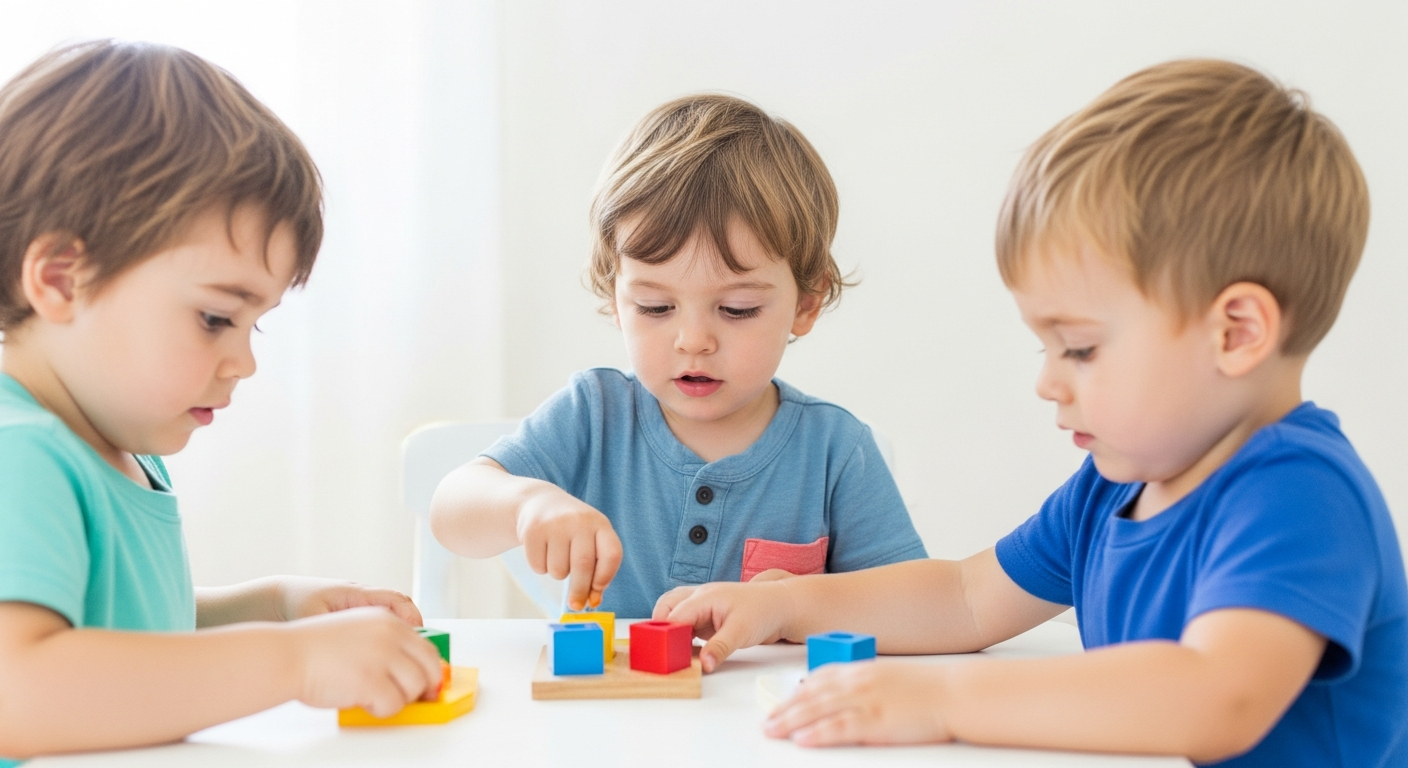
Table of Contents
- Introduction
- The Milestone Shift: What Happens at 12 Months?
- Physical and Gross Motor Activities
- Fine Motor Mastery and Hand-Eye Coordination
- Language and Communication Building
- Sensory Exploration and Nature Play
- Cognitive Challenges and Problem Solving
- Social and Emotional Growth
- Why Speech Blubs is the Ultimate Supplement
- Choosing the Best Plan for Your Family
- Summary of 12 Month Toddler Activities
- Conclusion
- Frequently Asked Questions
Introduction
Did you know that by the time a child celebrates their first birthday, their brain has already formed about 1,000 trillion neural connections? This explosive growth is why the transition from infancy to toddlerhood feels so monumental. At twelve months old, your little one is no longer just a passive observer; they are a tiny explorer, a budding communicator, and a scientist in a diaper. They are beginning to show distinct personalities, preferences for specific toys, and the exciting—if sometimes nerve-wracking—desire to move independently.
The purpose of this blog post is to provide you with a comprehensive suite of 12 month toddler activities designed to nurture this critical developmental window. We will cover everything from gross motor skills like walking to fine motor mastery, sensory exploration, and the foundational building blocks of language. At Speech Blubs, we believe that play is the most powerful language of early childhood. Our mission is to empower children to "speak their minds and hearts" by blending scientific principles with joyful, interactive experiences.

By the end of this article, you will have a toolkit of realistic, fun, and educational activities to support your child’s growth. Whether you are looking for ways to fill a rainy afternoon or seeking structured ways to boost communication, we are here to help you turn every moment into a "smart" learning opportunity.
The Milestone Shift: What Happens at 12 Months?
Reaching the one-year mark is a significant milestone for both parents and children. At this stage, babies are transitioning into "toddlerhood," a term derived from the unsteady "toddle" they exhibit as they learn to walk. You might notice your child becoming more social, imitating your facial expressions, and perhaps even understanding simple instructions like "give it to me" or "wave bye-bye."
This is also a period where the gap in development can start to appear. About 1 in 4 children will need some form of speech support as they grow, and being proactive with engaging activities is one of the best ways to foster a love for communication early on. We created Speech Blubs because our founders grew up with speech challenges themselves. We wanted to provide the tool we wish we had: something that makes learning to speak an absolute joy rather than a chore.
Our approach is built on "smart screen time," which is a screen-free alternative to passive viewing like cartoons. Instead of just watching a screen, your child is encouraged to participate, imitate, and interact. This active engagement is the thread that runs through all the activities we recommend below.
Physical and Gross Motor Activities
Gross motor skills involve the large muscles of the body that enable walking, jumping, and core stability. At 12 months, many toddlers are either "cruising" (walking while holding onto furniture) or taking those brave first steps.
1. Encouraging Independent Walking
Walking is a major physical milestone. To support this, create a "cruising circuit" in your living room by placing sturdy furniture close together. Encourage your child to move from the sofa to a low coffee table to reach a favorite toy.

- Pro Tip: Use push toys that offer some resistance so they don’t roll away too quickly.
- Safety First: Always supervise these sessions and ensure the environment is baby-proofed.
2. The "Freeze" Dance
Music is a fantastic motivator for movement. Play a catchy song and encourage your toddler to dance, wiggle, and bounce. Suddenly stop the music and shout "Freeze!" This activity isn't just fun; it helps develop "executive function" and self-regulation as they learn to stop their bodies on command. For a parent whose child is high-energy, this is a great way to channel that movement into a game that builds listening skills.
3. Blanket Popcorn
Take a small receiving blanket and have your toddler hold one side while you hold the other. Place several soft foam balls or crumpled-up paper "popcorn" in the center. Shake the blanket together while singing or chanting "Pop, pop, pop!" When the balls fly off, encourage your child to toddle over and gather them back into the blanket. This builds gross motor skills and introduces the concept of cause and effect.
4. Ball Play and Rolling
Rolling a ball back and forth is one of the earliest forms of "turn-taking," which is a foundational social skill. Use balls of different textures—nobby ones, soft fabric ones, or even heavy sensory balls. This helps with hand-eye coordination and spatial awareness as they learn to judge the distance needed to reach the ball.
Fine Motor Mastery and Hand-Eye Coordination
Fine motor skills involve the small muscles in the hands and fingers. These are crucial for later tasks like writing, using utensils, and buttoning clothes.
5. Stacking and Nesting
Stacking cups or blocks is a classic 12 month toddler activity for a reason. It requires immense focus and precision. At this age, your child might be more interested in knocking down the towers you build than building their own—and that’s okay! Knocking things down teaches them about gravity and balance.
- Try This: Use rubber building blocks that are easy to grip and safe for the occasional "mouth exploration" that still happens at this age.
6. The Card Drop Challenge
Take an empty oatmeal container or a plastic tub and cut a narrow slit in the lid. Give your toddler a deck of playing cards (or old business cards) and show them how to drop the cards through the slot. This "posting" activity is incredibly satisfying for toddlers and works wonders for their pincer grasp. If you find your child is getting frustrated, you can take our 3-minute preliminary screener to see where they are in their development and get a personalized plan.
7. Magnetic Letter Fun
While your toddler isn't ready to read yet, they love the tactile nature of magnetic letters. Instead of just keeping them on the fridge, place them on a baking sheet. The sound of the magnets clicking and the resistance as they pull them off provide excellent sensory feedback.
- Application: For a child who is starting to make sounds, you can pick up the letter 'B' and say "B-b-b-ba!" as you stick it to the sheet. This mimics the peer-led video modeling used in our app, where children see others making sounds and feel inspired to copy them.
8. DIY Post-It Hide and Seek
Use a board book with clear pictures of animals or everyday objects. Cover the pictures with Post-it notes. Encourage your toddler to peel back the notes to "find" the hidden item. This works on the fine motor skill of peeling and keeps them engaged with books for longer periods.
Language and Communication Building
At 12 months, your child is likely babbling with intent and may have a few "proto-words" (sounds that consistently mean the same thing, like "da" for dog). This is the perfect time to flood their environment with language.
9. The Power of Video Modeling
One of the most effective ways children learn is by watching their peers. This is known as "video modeling." When a child sees another child performing a task or making a sound, "mirror neurons" in their brain fire, making them more likely to imitate the behavior. Our scientific research shows that this peer-to-peer approach is significantly more engaging than watching an adult.
If your toddler is a "late talker" who loves animals, the "Animal Kingdom" section in the Speech Blubs app offers a fun, motivating way to practice "moo" and "baa" sounds by watching other kids do the same. You can Download Speech Blubs on the App Store to explore these sections together.
10. Simple Songs and Rhymes
Songs like "The Itsy Bitsy Spider" or "Wheels on the Bus" are language powerhouses. They use repetition, rhythm, and hand gestures (like the spider climbing or the wheels turning). Encourage your child to join in with the motions first, as physical gestures often precede spoken words.
11. Point and Name
During everyday activities like grocery shopping or diaper changes, point to objects and name them. "Look, a red apple!" or "Here is your blue sock." Avoid just labeling the object; use descriptive language to build their receptive vocabulary. You can see how other parents have used these simple strategies alongside our app by reading our success stories.
12. Finger Puppet Stories
Interactive books with built-in finger puppets are a huge hit at this age. As you wiggle the puppet and read the story, your child will be drawn to the movement. This helps build the joint attention required for successful communication.
Sensory Exploration and Nature Play
Toddlers learn about the world through their five senses. Sensory play helps build nerve connections in the brain’s pathways, which leads to the child’s ability to complete more complex learning tasks.
13. Controlled Water Play
You don’t need a fancy water table for this. A simple plastic bin with an inch of water, some sponges, and a few plastic cups will keep a 12-month-old occupied for quite some time.
- The Learning Goal: Squeezing a wet sponge builds hand strength. Pouring water from one cup to another introduces early concepts of volume and physics.
- Note: Always keep a towel nearby and never leave a child unattended around water.
14. The "Leaf Collector" Walk
Take a small basket and go for a walk in your neighborhood or a local park. Encourage your toddler to stop and pick up "treasures" like dry leaves, smooth stones, or pinecones. This activity combines gross motor skills (walking and squatting) with sensory exploration (feeling the crunch of a leaf versus the smoothness of a stone).
15. Sensory Bins
Fill a container with large, dry pasta shapes, pom-poms, or even silk scarves. Hide small toy animals inside the bin and ask your child to "find the cow." This encourages tactile exploration and problem-solving. For a child who still puts everything in their mouth, ensure the materials are large enough not to be a choking hazard or use edible options like crushed crackers.
16. Painting with Water
If you want to avoid the mess of traditional paint, try "water painting." Give your toddler a cup of water and a thick paintbrush, and let them "paint" on a piece of dark construction paper or the sidewalk outside. As the water dries and the "paint" disappears, they learn about evaporation and cause-and-effect in a mess-free way.
Cognitive Challenges and Problem Solving
Cognitive development at 12 months involves memory, recognizing patterns, and beginning to understand how objects relate to one another.
17. The Classic Shell Game
You don’t need to be a magician for this! Take an opaque plastic cup and a small, familiar toy. Show the toy to your child, then cover it with the cup. Ask, "Where did it go?" This builds "object permanence"—the understanding that things still exist even when you can't see them. Once they master one cup, try two and see if they can remember which one hides the treasure.
18. Shape Sorters and Simple Puzzles
At 12 months, a child might not be able to perfectly align a star into a star-shaped hole, but they are learning to recognize the differences in shapes. Start with one-piece puzzles that have large knobs. This helps with the pincer grasp and spatial reasoning.
19. "Fill and Dump" Tasks
Toddlers have an innate drive to fill containers and then dump them out. You can lean into this by providing different "vessels"—baskets, boxes, or bags—and items to fill them with, like socks or tennis balls. This repetitive play is how they learn about containment and quantity.
20. Mimicry Games
Play a simple game of "Follow the Leader." Clap your hands, then wait for them to clap. Touch your nose, then wait for them to touch theirs. This imitation is the precursor to all social learning. If you are looking for more structured ways to encourage this, Sign up for a free trial on our website to see our imitation-focused activities.
Social and Emotional Growth
While "parallel play" (playing near other children but not necessarily with them) is standard at this age, 12-month-olds are becoming increasingly social beings.
21. Playdates and Social Referencing
Exposing your child to other children—even if they don't play together directly—is beneficial. They watch how other children move and interact. You might notice your child looking at you when a stranger approaches or when they encounter something new; this is called "social referencing." Your calm, encouraging reaction tells them the world is a safe place to explore.
22. Pretend Play with "Teddy"
Introduce simple pretend play by involving a stuffed animal. "Oh no, Teddy has a boo-boo! Can you give him a hug?" or "Teddy is sleepy, let's put him to bed." This fosters empathy and is the very beginning of the imaginative play that will dominate their preschool years.
"The goal of these activities isn't perfection; it's about creating joyful family learning moments. Whether you're splashing in a bin of water or mimicking animal sounds through 'smart screen time,' you're building the foundation for a lifetime of confident communication."
Why Speech Blubs is the Ultimate Supplement
While the DIY activities listed above are wonderful, we understand that modern parents are busy. You need tools that are both effective and easy to integrate into your daily routine. This is where Speech Blubs comes in. We offer a "smart screen time" experience that bridges the gap between digital interaction and real-world skills.
Our app uses peer-led video modeling to encourage your child to speak. Unlike passive cartoons that can lead to "zoning out," Speech Blubs requires active participation. It's a powerful tool for family connection, as we always frame our activities with the understanding of adult co-play. You can Get Speech Blubs on Google Play to start your journey today.
Realistic Expectations
We want to be clear: every child develops at their own pace. Using Speech Blubs or doing these activities won't necessarily result in your child giving public speeches in a month. However, they will help foster a love for communication, build confidence, and reduce the frustration that often comes from being unable to express needs. Think of the app as a powerful supplement to your child's overall development plan and professional therapy if needed.
Choosing the Best Plan for Your Family
We believe in transparency and providing the best value for our community. To ensure you have all the tools you need to support your 12-month-old, we offer two main subscription plans:
- Monthly Plan: $14.99 per month. This is a great way to test the waters if you're looking for short-term support.
- Yearly Plan: $59.99 per year. This is our best-value option, breaking down to just $4.99 per month—a 66% savings compared to the monthly plan.
The Yearly Plan is designed for families who are committed to long-term developmental success. When you choose the Yearly Plan, you receive:
- A 7-day free trial to explore all features at no risk.
- Access to the Reading Blubs app, which helps transition your child from speaking to reading.
- Early access to new updates and specialized content.
- Priority 24-hour support response times.
Please note that the Monthly plan does not include the free trial, the Reading Blubs app, or priority support. To get the full suite of features and the best possible start for your toddler, we highly recommend the Yearly Plan.
Summary of 12 Month Toddler Activities
To help you manage your week, consider a daily rotation of these activities. This keeps things fresh and prevents your child (and you!) from becoming bored with the same old toys.
DayPrimary FocusActivity Idea
Monday
Gross Motor
Cruising circuits and push-toy practice.
Tuesday
Fine Motor
Card drop challenge and magnetic letter fun.
Wednesday
Language
Speech Blubs "Animal Kingdom" and finger puppets.
Thursday
Sensory
Water play with sponges and cups.
Friday
Cognitive
The Shell Game and one-piece knob puzzles.
Saturday
Nature
Leaf collector walk and outdoor "painting" with water.
Sunday
Social
Playdate or "Teddy Bear" pretend play.
Conclusion
The journey from 12 to 18 months is a whirlwind of discovery. By engaging in these 12 month toddler activities, you are doing more than just "playing"—you are actively shaping your child's brain, building their physical strength, and nurturing their ability to communicate with the world. Remember that your presence is the most important part of any activity. Your encouragement, your smiles, and your willingness to get down on the floor and play are what make these moments truly "smart."
Whether you are navigating a speech delay or simply want to give your child the best possible start, we are here to support you. Our mission is to ensure that every child has the opportunity to speak their mind and heart with joy and confidence.
Ready to take the next step in your child's development? Create your account and start your 7-day free trial today. Be sure to select the Yearly Plan to unlock the full potential of Speech Blubs, including the Reading Blubs app and priority support. Let's make learning to talk the best part of your day!
Frequently Asked Questions
What are the most important milestones for a 12-month-old?
At 12 months, key milestones include attempting to walk (or cruising), using a pincer grasp to pick up small objects, responding to simple verbal requests, and using basic gestures like waving or shaking their head "no." Many children also begin to say their first words or use consistent sounds for specific people or objects.
How much screen time should a 12-month-old have?
The American Academy of Pediatrics generally recommends avoiding screen time for children under 18 months, with the exception of video chatting. However, they distinguish between "passive" screen time (watching cartoons) and "interactive" screen time. Speech Blubs is designed as "smart screen time," where the app acts as a tool for interaction and imitation between the child and the parent, rather than a passive babysitter.
What if my 12-month-old isn't walking or talking yet?
Every child follows their own developmental timeline. Many children don't walk until 15 or 18 months, and speech can vary widely. However, if you have concerns, it is always best to consult your pediatrician. Taking a 3-minute preliminary screener can also help you understand if your child's development is on track or if they might benefit from extra support.
How can I make play more educational at home?
The best way to make play educational is to follow your child's lead. If they are interested in a specific toy, talk about its color, shape, and what it does. Use "parallel talk" by narrating what your child is doing (e.g., "You are pushing the red car! Vroom vroom!"). Integrating tools like Speech Blubs that use peer-to-peer modeling can also add a structured, scientific element to your daily play routine.
Sobre el autor