
Juega y Crece: Un juego divertido para niños para desarrollar el habla
Tabla de Contenidos Introducción Por qué el juego es el mejor maestro para el habla Entendiendo el desarrollo del habla a través del juego ¿Qué hace que un "juego divertido para niños" sea realmente efectivo para el habla? Pantalla...
 Por Speech Blubs Team•19 ene 2026•24 min.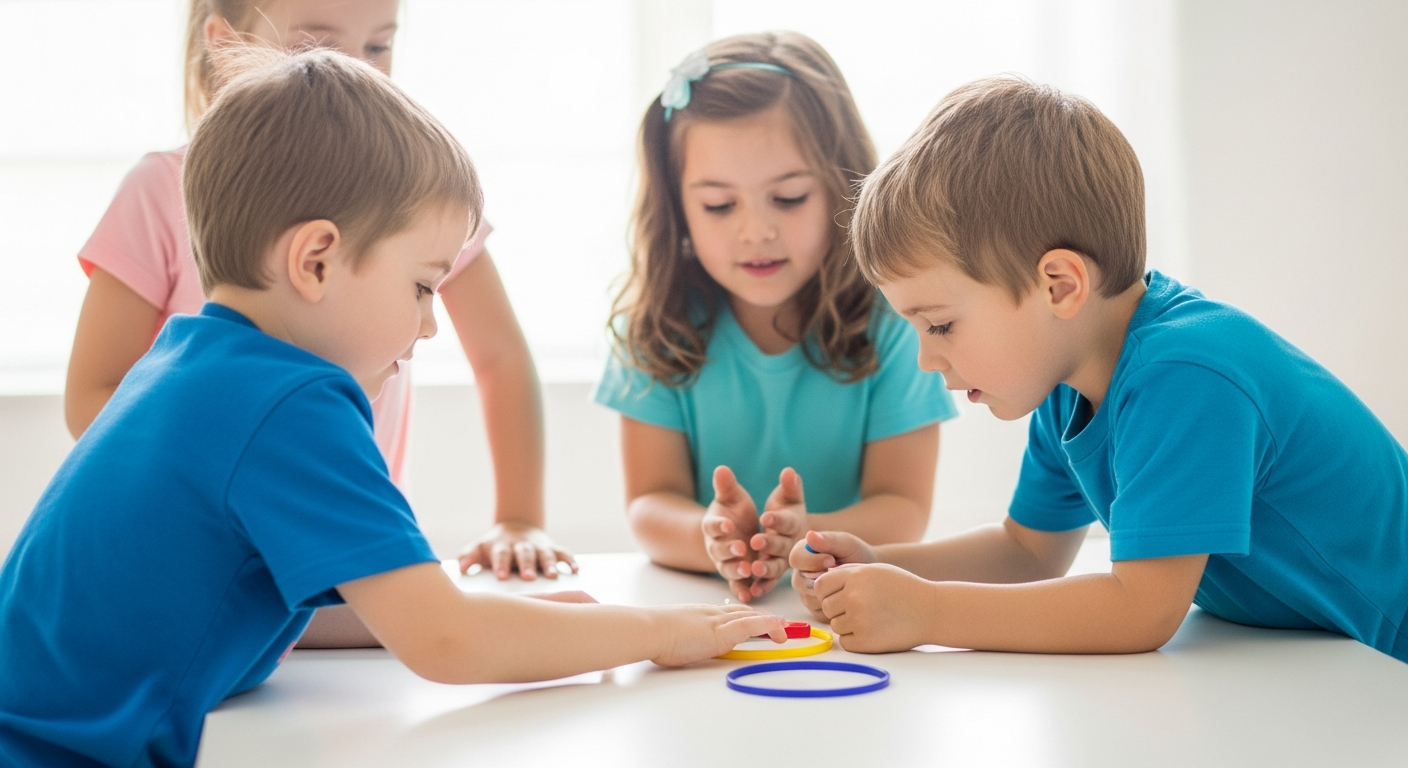
Tabla de Contenidos
- Introducción
- Por qué el Juego es el Mejor Maestro para el Habla
- Entendiendo el Desarrollo del Habla a Través del Juego
- ¿Qué Hace que un "Juego Divertido para Niños" Sea Realmente Efectivo para el Habla?
- Tiempo Frente a la Pantalla Re-imaginado: Juego Inteligente con Speech Blubs
- Características Clave de Speech Blubs que Promueven el Habla y el Lenguaje
- Integración Perfecta en la Vida Familiar: Haciendo que el Tiempo de Juego Sea Productivo
- Cuándo Considerar Apoyo: ¿Mi Hijo Va por Buen Camino?
- Invirtiendo en la Voz de Su Hijo: Valor y Precios de Speech Blubs
- Conclusión
- Preguntas Frecuentes
Introducción
Imaginen un mundo donde la risa de su hijo llene el aire, no solo por simple diversión, sino por la pura alegría del descubrimiento y la comunicación efectiva. ¿Qué pasaría si la forma más efectiva para que desarrollen habilidades vitales del habla y del lenguaje fuera a través de algo que realmente aman: un juego divertido? Es una idea errónea común que el aprendizaje tiene que ser una tarea pesada, especialmente cuando se trata de algo tan complejo como dominar el habla. Muchos padres se encuentran buscando actividades atractivas, juegos de mesa o aplicaciones que puedan captar la atención de su hijo mientras secretamente esperan que también contribuya a su desarrollo. La verdad es que el juego no es solo un descanso del aprendizaje;esaprendizaje, particularmente para el habla y el lenguaje.

Esta publicación explorará el profundo impacto del juego en el camino de la comunicación de un niño, profundizará en lo que hace que un "juego divertido para niños" sea realmente efectivo para el desarrollo del habla y les presentará una solución innovadora que convierte el tiempo frente a la pantalla en un aprendizaje inteligente e interactivo. Les mostraremos cómo Speech Blubs, una aplicación única de terapia del habla, integra principios científicos con juegos irresistibles para capacitar a los niños para que expresen sus pensamientos y sentimientos, haciendo que el camino hacia una comunicación segura sea inmediato y alegre. Prepárense para descubrir cómo el tipo correcto de juego puede desbloquear la voz de su hijo, fomentando un amor de por vida por conectarse con el mundo que les rodea.
Por qué el Juego es el Mejor Maestro para el Habla
Para los niños, el juego no es solo entretenimiento; es su principal modo de aprendizaje y desarrollo. A través del juego, exploran el mundo, prueban límites, comprenden las señales sociales y, crucialmente, desarrollan sus habilidades lingüísticas. Cuando los niños están profundamente involucrados en un juego divertido, sus cerebros son altamente receptivos, lo que lo convierte en un entorno óptimo para adquirir nuevas palabras, sonidos y patrones de comunicación.
El Poder del Juego: Más que Solo Diversión
Piensen en su propia infancia. Lo más probable es que sus experiencias de aprendizaje más vívidas involucraran un elemento de juego. Para los niños, el juego proporciona un espacio seguro para experimentar sin la presión de la instrucción formal. Fomenta la creatividad, la resolución de problemas y la regulación emocional. Cuando se trata del habla y el lenguaje, el juego ofrece:
- Motivación:Los niños están naturalmente motivados para participar en actividades que les resultan agradables. Esta motivación intrínseca los hace más dispuestos a intentar nuevos sonidos, repetir palabras y expresarse.
- Aprendizaje Contextual:Las palabras y frases aprendidas en el contexto de un juego son más memorables y significativas que las memorizadas de forma aislada. Si un niño dice "rugir" mientras finge ser un león, está asociando el sonido con una acción e identidad tangibles.
- Inhibición Reducida:El entorno alegre y de bajo estrés del juego anima a los niños a correr riesgos con el lenguaje, probando nuevas palabras o estructuras de oraciones sin temor a cometer errores. Esto reduce la ansiedad a menudo asociada con los desafíos del habla.
Cómo el Juego se Conecta con la Comunicación: Interacción Social y Escenarios Imaginativos
El juego implica inherentemente interacción, ya sea con juguetes, otros niños o adultos. Esta interacción es una mina de oro para el desarrollo de la comunicación.

- Interacción Social:Los juegos a menudo requieren turnarse, compartir, negociar y expresar deseos. Estos son los pilares fundamentales de las habilidades conversacionales. Incluso el simple juego de cucú enseña el ritmo de ida y vuelta del diálogo. Un niño que aprende a preguntar "¿Mi turno?" durante un simple juego de mesa está practicando una habilidad socio-lingüística crucial.
- Escenarios Imaginativos:Los juegos de roles e imaginativos permiten a los niños explorar diferentes personajes, emociones y situaciones, exigiendo un vocabulario más rico y estructuras de oraciones más complejas. Cuando un niño finge ser un médico, podría usar palabras como "estetoscopio", "examinar" o "sentirse mejor", expandiendo su léxico en un contexto práctico.
- Escucha Activa:Para participar eficazmente en un juego, los niños deben escuchar las instrucciones, las indicaciones y las contribuciones de los demás. Esto fortalece sus habilidades de lenguaje receptivo: la capacidad de comprender lo que se está comunicando.
El Papel del Compromiso: Los Niños Aprenden Mejor Cuando Se Divierten
Este punto no puede ser exagerado. Un niño que está aburrido o desinteresado no aprenderá eficazmente, independientemente de lo educativo que esté diseñado una actividad. El compromiso es la clave que desbloquea su potencial de aprendizaje. Cuando un juego es realmente divertido, capta su atención, mantiene su interés y los convierte en participantes activos en lugar de observadores pasivos. Este profundo nivel de compromiso facilita las vías neuronales que apoyan la adquisición del lenguaje, haciendo que el aprendizaje se sienta fácil y natural. Este principio está en el corazón mismo de nuestro enfoque en Speech Blubs.
Entendiendo el Desarrollo del Habla a Través del Juego
El desarrollo del habla y el lenguaje es un viaje complejo, que se desarrolla en etapas desde la infancia hasta la niñez temprana. Cada etapa se beneficia enormemente de las interacciones lúdicas que fomentan la exploración y la práctica.
Sonidos y Palabras Tempranas: Imitación, Balbuceo, Primeras Palabras
Desde el momento en que un bebé arrulla y balbucea, está practicando los pilares del habla. Los padres a menudo instintivamente convierten estas primeras vocalizaciones en interacciones lúdicas: "¡Ma-ma-ma!" se convierte en un juego, fomentando la repetición y la imitación.
- Imitación:Los niños son imitadores naturales. Un juego de "copia" donde haces caras o sonidos divertidos los anima directamente a imitar, lo cual es crucial para articular nuevos sonidos del habla.
- Balbuceo:A través del balbuceo lúdico, los bebés experimentan con sus cuerdas vocales, produciendo una variedad de sonidos. Respondan a sus balbuceos como si fueran una conversación significativa, creando un "diálogo" por turnos que refuerza sus esfuerzos.
- Primeras Palabras:Juegos simples como "¿Dónde está tu nariz?" o "Tortitas, tortitas" introducen palabras concretas junto con acciones, ayudando a los niños a asociar el significado con los sonidos y allanando el camino para sus primeras palabras intencionales.
Construyendo Vocabulario: Exposición a Nuevas Palabras en Contexto
La explosión de vocabulario ocurre rápidamente en la primera infancia, y el juego es un catalizador fantástico.
- Juegos de Nombres:Señalar objetos durante un juego de "Veo, veo" o una búsqueda de juguetes introduce nuevos sustantivos. "¿Puedes encontrar elbloque rojo?" añade adjetivos.
- Verbos de Acción:Jugar "Simón dice" o participar en juegos activos como correr y saltar brinda oportunidades para usar y comprender verbos como "saltar", "correr", "lanzar" y "atrapar".
- Lenguaje Descriptivo:Durante el juego imaginativo, describir el entorno, los personajes o la trama ("Eldragón grande y aterradorvoló sobre elaltocastillo") expande naturalmente la comprensión y el uso de adjetivos y adverbios por parte de un niño.
Estructura de Oraciones y Gramática: Práctica a Través de la Conversación y la Narración de Cuentos
A medida que los niños crecen, su lenguaje va más allá de las palabras individuales para construir oraciones. El juego proporciona un entorno de baja presión para practicar la formación de expresiones más complejas.
- Expansiones:Cuando un niño dice "Coche ir", puedes expandirlo juguetonamente a "Sí, elcoche rojo grandeestáyendo rápido!" Esto modela la estructura correcta de la oración sin corrección.
- Narración de Cuentos:Crear historias juntos, tal vez con marionetas o figuras de acción, anima a los niños a enlazar oraciones, usar conjunciones y desarrollar habilidades narrativas. "¿Y luego qué pasó?" se convierte en un divertido estímulo para que extiendan la historia.
- Preguntas:Jugar juegos que implican hacer y responder preguntas ("¿Quién tiene el oso?", "¿De qué color es esto?") ayuda a los niños a comprender la formación de preguntas y la comunicación recíproca.
Comunicación Social: Turnarse, Escuchar, Expresar Necesidades/Deseos
La comunicación efectiva no se trata solo de hablar; se trata de conectarse con los demás. El juego es donde se perfeccionan estas habilidades vitales de comunicación social.
- Turnarse:Casi todos los juegos implican turnarse. Esto enseña a los niños el ritmo de la conversación, comprendiendo cuándo hablar y cuándo escuchar.
- Negociación y Colaboración:Construir una torre juntos o decidir las reglas del juego implica negociación, expresar preferencias y comprender las perspectivas de los demás.
- Expresar Necesidades y Deseos:Durante el juego, los niños aprenden a articular verbalmente sus deseos ("Quiero el crayón azul") o expresar frustración ("No, ya no quiero jugar a eso"), lo cual es fundamental para la autodefensa.
¿Qué Hace que un "Juego Divertido para Niños" Sea Realmente Efectivo para el Habla?
No todos los juegos divertidos son creados iguales cuando se trata del desarrollo del habla. Si bien cualquier interacción positiva es beneficiosa, ciertas características hacen que un juego sea particularmente impactante.
Factor de Compromiso: Captar la Atención Sin Abrumar
Un juego verdaderamente efectivo para el desarrollo del habla debe ser cautivador sin causar sobreestimulación. Los colores brillantes, los sonidos claros y los elementos interactivos son importantes, pero deben servir al objetivo de aprendizaje, no distraer de él. El juego debe mantener la atención de un niño el tiempo suficiente para la exposición repetida a los sonidos o palabras objetivo, pero no tanto como para provocar frustración o desinterés. Los mejores juegos comprenden la capacidad de atención de un niño y ofrecen actividades variadas para mantener las cosas frescas.
Repetición con Variación: Reforzar Sonidos/Palabras Naturalmente
La repetición es clave para solidificar nuevos patrones del habla, pero los ejercicios de memoria pueden volverse rápidamente aburridos. Los juegos más efectivos entrelazan la repetición en escenarios dinámicos y cambiantes. Por ejemplo, en lugar de simplemente decir "perro" diez veces, un juego podría implicar identificar perros de diferentes colores, hacer sonidos de perro o fingir ser un perro, todo reforzando la misma palabra y sonido centrales de maneras variadas y atractivas. Esta "práctica lúdica" es mucho más efectiva que la mera repetición.
Elementos Interactivos: Fomentar la Participación Activa, No la Visualización Pasiva
El tiempo pasivo frente a la pantalla, como ver dibujos animados, ofrece beneficios limitados para el habla porque no requiere la participación activa. Un juego verdaderamente beneficioso exige interacción: tocar, deslizar, hablar, imitar o tomar decisiones. Estos elementos interactivos convierten a los niños en aprendices activos, incitándolos a producir sonidos y palabras ellos mismos en lugar de solo absorberlos. Cuanto máshaceun niño durante un juego, más profundamente aprende.
Adecuación a la Edad: Coincidir con las Etapas de Desarrollo
La efectividad de un juego también depende de su idoneidad para la etapa de desarrollo de un niño. Un juego demasiado complejo puede provocar frustración, mientras que uno demasiado simple podría aburrir a un niño mayor. Comprender los hitos típicos del habla ayuda a los padres a elegir juegos que desafíen a su hijo apropiadamente, proporcionando la novedad suficiente para fomentar el crecimiento sin abrumarlos. Desde juegos simples de imitación de sonidos para niños pequeños hasta indicaciones de narración de cuentos más complejas para niños en edad preescolar, el juego correcto se encuentra con el niño donde está.
Participación de los Padres: El Papel Crucial del Juego Conjunto y la Interacción
Incluso el juego educativo más avanzado se amplifica con la participación de los padres. El juego conjunto no se trata solo de supervisar; se trata de participar activamente, modelar el lenguaje, ofrecer aliento y hacer conexiones con el mundo real. Cuando juegan junto con su hijo, se convierten en su maestro de lenguaje más influyente, creando un entorno conversacional rico que un juego solo no puede replicar. Su entusiasmo e interacción convierten un juego divertido en una poderosa experiencia de aprendizaje compartido.
Tiempo Frente a la Pantalla Re-imaginado: Juego Inteligente con Speech Blubs
En un mundo cada vez más digital, los padres a menudo se preocupan por el tiempo frente a la pantalla. En Speech Blubs, creemos en el "tiempo inteligente frente a la pantalla": transformar la visualización pasiva en una experiencia activa, atractiva y educativa. Nuestra misión es empoderar a los niños para queexpresen sus pensamientos y sentimientos, brindando una solución inmediata, efectiva y alegre para 1 de cada 4 niños que necesitan apoyo para el habla. Nuestra empresa nació de las experiencias personales de nuestros fundadores, todos los cuales crecieron con problemas del habla y crearon la herramienta que desearían haber tenido.
Más Allá de la Visualización Pasiva: La Diferencia de Speech Blubs
A diferencia de los dibujos animados o muchas aplicaciones genéricas, Speech Blubs es una herramienta especializada diseñada con el claro propósito de fomentar el desarrollo del habla y el lenguaje. No solo mostramos videos; creamos experiencias interactivas que exigen la participación activa. Esta es una distinción crucial. Brindamos una alternativa sin pantalla a la visualización pasiva, transformando el tiempo frente a la pantalla potencialmente aislante en una poderosa herramienta para la conexión y el crecimiento familiar.
Modelado en Video: Aprendiendo de los Compañeros
Una de las piedras angulares de nuestra metodología es elmodelado en video. Este enfoque con respaldo científico permite a los niños aprender observando e imitando a sus compañeros. Cuando un niño ve a otro niño de edad similar participando en una actividad del habla, haciendo un sonido, diciendo una palabra o formando una oración, es más probable que lo imite. Esto activa las "neuronas espejo" en el cerebro, facilitando el aprendizaje natural y fomentando un sentido de conexión y pertenencia. ¡Es como tener un compañero de aprendizaje juguetón allí mismo en la pantalla!Exploren la ciencia detrás de nuestros métodospara comprender por qué este enfoque es tan efectivo.
Actividades Interactivas: Divertidas, Atractivas y Centradas en el Habla
Speech Blubs no es solo una colección de lecciones; es un universo de juegos y actividades divertidas meticulosamente diseñadas para apuntar a habilidades específicas del habla y el lenguaje. Desde hacer caras tontas hasta practicar nuevos sonidos y palabras, cada actividad está diseñada para ser altamente atractiva.
Por ejemplo, para un padre cuyo hijo de 3 años "tardío en hablar" ama a los animales, nuestra sección "Reino Animal" ofrece una forma divertida y motivadora de practicar los sonidos "muu", "baa" y "rugido". El niño ve a otros niños haciendo estos sonidos, lo intenta él mismo e inmediatamente recibe comentarios positivos, lo que lo convierte en una experiencia gratificante. Este tipo de imitación lúdica les ayuda a superar la vacilación y a construir confianza.Lean lo que otros padres están diciendosobre el progreso de sus hijos.
Características Clave de Speech Blubs que Promueven el Habla y el Lenguaje
Speech Blubs ofrece una rica variedad de características, cada una diseñada como un "juego divertido para niños" que se dirige específicamente a diferentes aspectos del desarrollo del habla y el lenguaje.
Sonidos y Palabras: Centrándose en la Articulación
Esta sección central está repleta de actividades destinadas a ayudar a los niños a dominar los sonidos individuales y el vocabulario básico. Los niños ven a sus modelos de compañeros articular sonidos y palabras con claridad, luego usan nuestros filtros faciales interactivos para imitarlos. Esta retroalimentación visual directa les ayuda a comprender cómo deben moverse su boca, labios y lengua. Para un niño que tiene dificultades con fonemas específicos, esta práctica enfocada hace una gran diferencia. Imaginen un juego donde se convierten en un león y rugen, o en una vaca y "muu" - es una repetición atractiva que construye la memoria muscular para el habla.
Palabras Tempranas: Construyendo un Vocabulario Fundacional
Expandir el vocabulario de un niño es fundamental. Nuestra sección "Palabras Tempranas" introduce sustantivos, verbos y adjetivos comunes a través de temas atractivos. Cada palabra se presenta en un contexto lúdico, a menudo con un modelo en video que demuestra su uso, animando al niño a repetir y comprender su significado. Este no es un aprendizaje con tarjetas didácticas; es la adquisición de palabras a través del juego interactivo, haciendo de cada nueva palabra un descubrimiento.
Práctica del Habla: Ejercicios Dirigidos
Para desafíos específicos del habla, nuestras actividades de "Práctica del Habla" brindan ejercicios dirigidos. Estos no son ejercicios aburridos; se presentan como mini-juegos que se centran en áreas como la discriminación de sonidos, la práctica de sílabas o la finalización de oraciones. La naturaleza lúdica mantiene a los niños motivados para completar los ejercicios, construyendo sus habilidades paso a paso.
Datos Divertidos: Expandiendo el Conocimiento y la Conversación
La comunicación no se trata solo de hablar; también se trata de tener algo que decir. Nuestros segmentos de "Datos Divertidos" introducen a los niños información interesante sobre animales, objetos y el mundo que les rodea. Esto no solo expande su conocimiento general, sino que también proporciona nuevo vocabulario y temas para la conversación, animándolos a hacer preguntas y compartir lo que han aprendido. Es una forma fantástica de desarrollar habilidades narrativas y fomentar la curiosidad.
Cantos y Hora de Cuentos: Ritmo, Prosodia, Habilidades Narrativas
La música y las historias son herramientas poderosas para el desarrollo del lenguaje. Nuestros "Cantos" ayudan a los niños con el ritmo, la entonación (prosodia) y la memoria, a medida que aprenden y repiten las letras. La "Hora de Cuentos" fomenta la comprensión auditiva, la secuenciación y el desarrollo narrativo. Los niños pueden participar activamente completando palabras o volviendo a contar partes de la historia, convirtiéndolos en narradores activos en lugar de oyentes pasivos.
Filtros Faciales y Sombreros Tontos: Fomentando el Uso de los Músculos Faciales y la Imitación Alegre
Un aspecto único e increíblemente divertido de Speech Blubs es nuestro uso de filtros faciales interactivos y sombreros tontos. Estas características transforman la cara del niño en la pantalla, haciendo del acto de imitar sonidos y palabras un juego hilarante y atractivo. Al verse a sí mismos como un animal o un personaje divertido, se anima a los niños a hacer movimientos faciales exagerados, lo que fortalece los músculos utilizados para la producción del habla. Este elemento aprovecha el amor natural de un niño por el juego imaginativo y la risa, convirtiendo lo que podría ser una tarea desafiante en puro disfrute. Este es verdaderamente un "juego divertido para niños" que también sirve a un profundo propósito de desarrollo.
Integración Perfecta en la Vida Familiar: Haciendo que el Tiempo de Juego Sea Productivo
Speech Blubs está diseñado para ser un poderoso complemento al plan de desarrollo general de su hijo y, cuando corresponda, a la terapia profesional. No es solo una aplicación; es una herramienta para la conexión familiar y el aprendizaje alegre.
Construcción de Rutinas
Incorporar Speech Blubs en una rutina diaria, incluso para sesiones cortas y consistentes, puede producir resultados significativos. Piensen en ello como un "tiempo especial de juego del habla" donde usted y su hijo se embarcan juntos en una aventura de aprendizaje. Una rutina consistente proporciona previsibilidad y refuerza la idea de que la práctica de la comunicación es una parte regular y agradable de su día.
Estrategias de Juego Conjunto
Recuerden, Speech Blubs prospera con el juego conjunto y el apoyo de los adultos. Aquí hay algunas formas de maximizar sus beneficios:
- Estén Presentes:Siéntense con su hijo, vean los videos y participen junto con ellos.
- Modelen y Animen:Si su hijo duda, modelen el sonido o la palabra ustedes mismos. Celebren cada intento, sin importar cuán pequeño sea.
- Amplíen los Aprendizajes:Conecten lo que aprenden en la aplicación con el mundo real. Si aprenden "perro" en la aplicación, señalen un perro durante una caminata y digan: "¡Mira, un perro! ¡Igual que en nuestro juego!"
- Sigan Su Ejemplo:Dejen que su hijo elija las actividades que le interesen, fomentando su motivación intrínseca.
- Conviértanlo en un Tema de Conversación:Utilicen las actividades como indicaciones para la conversación. "¿Qué sonido hace el mono?" o "¿Puedes contarme sobre la vaca?"
Celebrando Pequeñas Victorias
Cada nuevo sonido, cada palabra intentada, cada momento de compromiso es un paso adelante. ¡Celebren estas pequeñas victorias! Chocar los cinco, elogios entusiastas o una pegatina especial pueden reforzar el comportamiento positivo y construir la confianza de su hijo. Este refuerzo positivo es crucial para mantener la motivación y fomentar el amor por la comunicación.
Speech Blubs como Suplemento
Si bien es increíblemente efectivo, Speech Blubs está diseñado para complementar, no para reemplazar, otras formas de aprendizaje y, si es necesario, la terapia profesional del habla. Proporciona práctica consistente y atractiva entre las sesiones de terapia y ofrece una forma lúdica de reforzar las habilidades aprendidas de un patólogo del habla y el lenguaje. Ayuda a crear un entorno rico en lenguaje en casa, extendiendo los beneficios del aprendizaje a la vida cotidiana.
Cuándo Considerar Apoyo: ¿Mi Hijo Va por Buen Camino?
Cada niño se desarrolla a su propio ritmo, pero a veces los padres se preguntan si su hijo podría beneficiarse de un poco de apoyo adicional con su habla y lenguaje. Reconocer las posibles señales a tiempo puede marcar una gran diferencia. Estas podrían incluir:
- No balbucear a los 12 meses.
- No usar gestos (por ejemplo, saludar con la mano, señalar) a los 12 meses.
- No decir palabras sueltas a los 18 meses.
- No hablar en frases de dos palabras a los 2 años.
- Dificultad para entender instrucciones sencillas.
- Vocabulario limitado en comparación con sus compañeros.
- Dificultad para ser entendido por los miembros de la familia a los 3 años.
Si tienen alguna inquietud o no están seguros de si su hijo podría beneficiarse de apoyo adicional, estamos aquí para ayudarles.Realicen nuestro rápido examen preliminar de 3 minutospara obtener una evaluación sencilla y un plan de próximos pasos personalizado. Es una forma rápida y fácil de obtener claridad y empoderarlos con conocimientos prácticos, además de que desbloquearán una prueba gratuita de 7 días de Speech Blubs para ver su magia de primera mano.
Invirtiendo en la Voz de Su Hijo: Valor y Precios de Speech Blubs
En Speech Blubs, creemos que cada niño merece la oportunidad de expresarse con confianza. Hemos diseñado nuestra aplicación para que sea un recurso accesible y de alta calidad para las familias, que ofrezca un valor excepcional.
Plan Mensual vs. Anual: Maximicen Sus Ahorros
Ofrecemos dos opciones de suscripción sencillas:
- Plan Mensual:Por $14.99 por mes, obtienen acceso a todas las características principales de Speech Blubs.
- Plan Anual:Nuestra opción más popular y altamente recomendada, con un precio de solo $59.99 por año. Esto se traduce en un valor increíble de solo $4.99 por mes, lo que les permiteahorrar un 66%en comparación con el plan mensual!
El Plan Anual: Valor Superior y Características Exclusivas
Elegir el Plan Anual no se trata solo de ahorrar dinero; se trata de desbloquear la experiencia completa de Speech Blubs y brindar a su hijo un apoyo constante y a largo plazo. El plan Anual incluye:
- Una prueba gratuita de 7 días:Experimenten la gama completa de características de Speech Blubs antes de comprometerse. Esta es la manera perfecta de ver cómo su hijo se involucra con nuestro "juego divertido para niños".
- La aplicación extra Reading Blubs:Acceso exclusivo a nuestra aplicación complementaria, diseñada para mejorar aún más las habilidades de lectoescritura junto con el desarrollo del habla. Esto significa aún más valor y oportunidades de aprendizaje para su hijo.
- Acceso anticipado a nuevas actualizaciones:Estén entre los primeros en explorar nuevas actividades, características y contenido a medida que mejoramos continuamente la aplicación.
- Tiempo de respuesta de soporte de 24 horas:Obtengan asistencia rápida cuando la necesiten, asegurando un viaje de aprendizaje fluido e ininterrumpido.
El Plan Mensual, aunque flexible, no incluye estos beneficios exclusivos, lo que hace que el Plan Anual sea la opción clara para las familias comprometidas con el viaje del habla de su hijo.
Conclusión
El viaje del desarrollo del habla y el lenguaje es una de las aventuras más emocionantes que emprende un niño. Al abrazar el poder del juego, podemos transformar este viaje en una experiencia alegre, atractiva y altamente efectiva. Un "juego divertido para niños" verdaderamente es más que solo entretenimiento; es un catalizador para la imitación, la repetición, la interacción y la autoexpresión segura.
Speech Blubs re-imagina el tiempo frente a la pantalla, ofreciendo un entorno lúdico e interactivo con respaldo científico donde los niños aprenden observando e imitando a sus compañeros. Nuestra metodología única de modelado en video y actividades atractivas están diseñadas para empoderar a los niños para queexpresen sus pensamientos y sentimientos, reduciendo la frustración y construyendo la confianza un sonido alegre a la vez. Es una herramienta poderosa que complementa el desarrollo de su hijo, fomentando habilidades fundamentales esenciales y creando momentos de aprendizaje familiar invaluables.
No permitan que los desafíos del habla disminuyan la luz de su hijo. Den el primer paso hacia un futuro más brillante y comunicativo. Los invitamos a experimentar la magia de Speech Blubs por ustedes mismos.Descarguen Speech Blubs en la App StoreoObtengan Speech Blubs en Google Playhoy mismo. Para desbloquear el conjunto completo de características y embarcarse en este increíble viaje con su hijo, elijan el Plan Anual. Esto les otorgará unaprueba gratuita de 7 días, acceso a la aplicación Reading Blubs y soporte continuo.Regístrense en Speech Blubsy comiencen su prueba gratuita hoy mismo: ¡la voz de su hijo está esperando ser escuchada!
Preguntas Frecuentes
¿Para qué rango de edad es adecuado Speech Blubs?
Speech Blubs está diseñado principalmente para niños de 1 a 8 años. Nuestra diversa gama de actividades y contenido se adapta cuidadosamente a las diferentes etapas de desarrollo, asegurando que los niños pequeños, los niños en edad preescolar y los niños de los primeros años de la escuela primaria puedan encontrar experiencias de aprendizaje atractivas y apropiadas para apoyar su desarrollo del habla y el lenguaje.
¿En qué se diferencia Speech Blubs de otras aplicaciones educativas?
Speech Blubs se destaca por su metodología única de "modelado en video", donde los niños aprenden imitando a sus modelos de compañeros. Este enfoque con respaldo científico activa las neuronas espejo, haciendo que el aprendizaje sea más natural y efectivo. A diferencia de las aplicaciones de visualización pasiva, Speech Blubs exige la participación activa a través de juegos interactivos, filtros faciales y reconocimiento de voz, asegurando que el tiempo frente a la pantalla sea "tiempo inteligente frente a la pantalla" centrado en el desarrollo del habla.
¿Puede Speech Blubs reemplazar la terapia del habla tradicional?
Speech Blubs está diseñado como un poderoso complemento al plan de desarrollo general de un niño y, cuando corresponda, a la terapia profesional del habla. Proporciona una práctica consistente y atractiva en casa, reforzando las habilidades aprendidas de un patólogo del habla y el lenguaje. Si bien es una herramienta increíblemente efectiva para la práctica diaria y la exposición al lenguaje, no está destinada a reemplazar la guía personalizada de un patólogo del habla y el lenguaje calificado, especialmente para niños con retrasos o trastornos significativos del habla.
¿Qué se incluye en el Plan Anual y por qué es el mejor valor?
El Plan Anual para Speech Blubs cuesta $59.99 por año (lo que equivale a solo $4.99/mes, ahorrándoles un 66% en comparación con el plan mensual). Incluye una prueba gratuita de 7 días, acceso exclusivo a nuestra aplicación Reading Blubs, acceso anticipado a nuevas actualizaciones y tiempo de respuesta de soporte de 24 horas. Estos beneficios adicionales, combinados con los importantes ahorros de costos, hacen del Plan Anual la opción superior para las familias comprometidas con el viaje a largo plazo del desarrollo del habla y el lenguaje de su hijo.
Sobre el autor